Category:



Trump 2.0 and the Philippines: Navigating the Crossroads of Mining, Energy, and Geopolitics
The reassertion of the "America First" policy under the renewed Trump administration in 2025 has reshaped global trade, energy, and strategic relations. At the heart of this shift is a clear prioritization of US economic sovereignty, energy independence, and critical mineral security. Under Trump 2.0, this approach prioritizes fossil fuel expansion, domestic mineral security, and skepticism toward multilateralism—pressuring allies to align more closely with US interests.
In particular, the US is doubling down on fossil fuel production and restricting support for renewable energy initiatives—rolling back incentives, freezing federal land leases for green energy, and canceling clean energy grants. At the same time, it is aggressively pursuing secure and “friendly” supply chains for critical minerals, incentivizing companies to source from allies like the Philippines.
Trump's policies challenge international cooperation through trade barriers and environmental deregulation. Global frameworks like the Paris Agreement and World Trade Organization have been sidelined, leaving developing countries like the Philippines exposed to policy vacuums. Trump’s approach often sidelines global institutions like the WTO and regional trade blocs.
These changes carry profound implications for developing nations, especially the Philippines, a country rich in nickel, copper, and other strategic resources. As a long-time US ally and a significant Chinese trade partner, the Philippines now finds itself delicately balancing economic opportunity and geopolitical alignment.
A Strategic Resource Battleground
Central to the Trump administration’s “America First” economic and national security strategy is the reduction of US dependence on foreign sources—particularly China—for critical minerals. These materials, including nickel, lithium, cobalt, and rare earth elements, are essential to high-tech manufacturing, electric vehicles, renewable energy systems, and defense equipment. The Trump administration has ramped up efforts to bolster US domestic exploration and mining and forge bilateral agreements with friendly nations for resource access.
While the US has limited reserves of certain minerals, it is using its diplomatic and economic influence to reconfigure the global flow of critical materials. Strategic partnerships and investments are increasingly directed toward countries seen as stable and aligned with US geopolitical interests. Export restrictions and trade barriers targeting Chinese-sourced materials are encouraging companies to seek new suppliers in Southeast Asia, Latin America, and Africa.
In particular, the Philippines, rich in mineral resources and situated in a geopolitically pivotal zone, finds itself at the intersection of shifting US trade, energy, and security policies. For the mining sector, the heightened demand by the US for critical minerals — especially nickel, copper, and cobalt — has elevated the Philippines’ profile as a potential strategic partner and alternative source for those commodities. American and Western-aligned companies have begun reassessing the Philippines as an investment destination. There is rising interest in investing in downstream facilities—such as mineral processing plants or battery component manufacturing—which the Philippines currently lacks at scale.
Energy Security in a Divided World
In the energy sector, the Trump administration’s renewed emphasis on fossil fuel dominance and skepticism toward international climate accords may undermine the Philippines’ transition toward renewable energy. US firms may promote liquefied natural gas projects or coal-based energy partnerships over green alternatives. Simultaneously, waning US leadership in climate diplomacy could stall global funding and technology transfers that are vital for developing countries to adopt clean energy solutions.
The Philippines' reliance on imported fossil fuels makes it vulnerable to global market fluctuations. As a nation with ambitious renewable energy targets—aiming for 35% renewable energy in its power mix by 2030 and 50% by 2040—the Philippines faces challenges due to these US policy shifts. A global resurgence in fossil fuel dependency could exacerbate energy security issues and hinder efforts to transition to more sustainable energy sources. The Philippines may see funding and interest in renewable projects decline, reinforcing reliance on LNG and coal.
The US withdrawal from global climate commitments and reduction in renewable energy funding may also lead to decreased international support for the Philippines' clean energy initiatives, potentially slowing down the development of solar, wind, and other clean energy infrastructures. The Philippine renewable energy sector has historically relied on foreign investments, technology transfers, and development aid—much of which has been bolstered by US leadership in climate finance. With US institutions (e.g., the Export-Import Bank, US Agency for International Development or International Development Finance Corporation) potentially deprioritizing green energy, major projects may face delays or cancellation.
Geopolitical Tensions and Maneuvering
Southeast Asia sits astride critical sea lanes, such as the South China Sea, through which one-third of global trade passes. The region’s proximity to Taiwan, its access to maritime resources, and its growing markets make it strategically vital. China asserts expansive claims in the South China Sea, backed by military installations and aggressive patrols. On the other hand, the US continues freedom of navigation operations and military exercises.
China’s growing military footprint in the South China Sea directly challenges Philippine territorial claims. In response, the US has strengthened defense ties with treaty allies like the Philippines and expanded access to bases under the Enhanced Defense Cooperation Agreement. The Philippines' proximity to key sea lanes and Taiwan makes it a military asset. However, over-reliance on US defense might provoke Chinese economic retaliation. As a strategic ally, the Philippines may receive increased military and economic support from the US However, this could pressure the Philippines to choose sides in the US-China rivalry, complicating its domestic policy on natural resource administration, environmental safeguards, and foreign investments. As geopolitical tensions deepen, the Philippines must navigate an increasingly polarized world.
Strategic Moves by Philippine Regulators
Philippines resources regulators—particularly those overseeing energy and strategic minerals—must move decisively to take advantage of emerging geopolitical and economic opportunities. Policy makers must seek inclusion in US strategic minerals initiatives. The government can also create a bilateral working group on resource security, linking the Philippine Department of Energy, Department of Environment and Natural Resources/Mines and Geosciences Bureau with the US Departments of Energy, State, and Commerce.
Trump’s hardline stance on China can also be used by the government to negotiate better terms with both US and China, especially in downstream mineral processing and energy infrastructure investments (e.g., grid development, offshore wind). To fast-track resource policy and institutional reforms, the government should also enact a National Critical Minerals Policy and a Philippine Mineral Security Strategy, which will set a development roadmap and look into offering fiscal and regulatory incentives for investments in critical minerals. Finally, the government should strengthen the nationwide geological survey, mineral, and energy data transparency, and ESG monitoring capacity to meet international compliance and due diligence standards.

Establishing a Philippine Department of Mines and Energy can be another strategic move. Currently, mining and energy are under the DENR and DOE respectively, leading to jurisdictional overlaps, especially in environmental vs. economic goals. A dedicated department could align policies, licensing, and enforcement under one roof, improving bureaucratic efficiency. Creating a dedicated department would also send a strong signal to international investors that the government is serious about developing the sector and ensuring stable governance. The unified department could integrate mining, mineral processing, energy production, and even green industrial development, creating synergies across sectors.
There is a risk, however, that creating a new department could lead to bureaucratic duplication or weak oversight, especially if it lacks experienced technical bureaucrats or a clear mandate. Setting up a new department requires legislative action, funding, and strong executive leadership. A premature launch could result in tokenism rather than transformation and the timing would depend on both the urgency of national priorities and the readiness of institutions.
The Philippines should move toward creating a Department of Mines and Energy—but only if a clear national mining and energy roadmap is in place and institutional capacity-building programs are underway with legislative and executive backing with adequate funding. If those conditions are not yet met, a transition phase—such as creating an inter-agency commission or task force—might be a better near-term step.
Political Realignment and Policy Implications
The 2025 elections resulted in the fracturing of the once-unified "UniTeam" alliance between President Ferdinand Marcos Jr. and Vice President Sara Duterte, into opposing factions. The resources industry stands at a crossroads with the new political configuration influencing its trajectory. The retention of key economic officials suggests a degree of policy continuity, which may reassure investors in the resources sector. In response to the electoral outcomes, President Marcos also initiated a cabinet reshuffle.
Notably, Raphael Lotilla transitioned from Secretary of Energy to Secretary of Environment and Natural Resources. The appointment of Lotilla has elicited a spectrum of reactions, reflecting both optimism and concern. Lotilla, who was my professor at the University of the Philippines College of Law, brings a wealth of experience from his previous government roles, including serving as Secretary of Energy under President Gloria Macapagal Arroyo, as well as holding a position in the National Economic and Development Authority. His involvement in the Electric Power Industry Reform Act of 2001 underscores his deep understanding of the energy sector and public policy.
However, environmental organizations have voiced concerns over Lotilla's past support for fossil fuels and nuclear energy during his tenure at the DOE. They urge him to shift towards more sustainable and climate-resilient policies in his new DENR role. Lotilla's previous affiliations with energy companies have also raised questions about potential conflicts of interest, especially given the DENR's role in regulating environmental compliance for energy projects.
Lotilla is walking on a tightrope. While his reputation for integrity and policy expertise is an asset, administering the DENR requires deep political acumen, grassroots coordination, and internal institutional reform—not just technical know-how. Success will depend on his ability to streamline decision-making and accountability across the bureaucracy, forge genuine consensus among competing interests, and professionalize DENR operations without getting mired in political interference. There’s constant tension between the push for resource exploitation (to drive economic growth and foreign investment) and obligations under environmental laws, climate goals, and protected area frameworks. Lotilla's ability to balance economic development with environmental protection will be pivotal. Stakeholders will be closely monitoring his policies and actions to ensure they align with the country's environmental and sustainability goals.
Meanwhile, the Supreme Court's recent decision to nullify local government units' (LGUs) blanket bans on mining activities—specifically overturning Mindoro Occidental's 25-year moratorium—has significant implications for the industry. The Supreme Court ruled that while LGUs have the authority to evaluate and approve or deny individual mining applications, they cannot impose blanket bans on mining activities. This decision reinforces the primacy of national laws, particularly the Philippine Mining Act of 1995, over local ordinances in regulating mineral resource development. The decision is seen as a step toward harmonizing local and national policies, thereby fostering a more conducive environment for sustainable mining operations.
The ruling is expected to boost investor confidence by providing a more predictable legal framework for mining operations. LGUs retain the power to assess and decide on individual mining projects, ensuring that local concerns and environmental considerations are addressed on a case-by-case basis. The decision underscores the need for coherent policies between national and local governments to balance economic development with environmental stewardship. The Supreme Court's decision delineates the boundaries of local and national authority in mining regulation, aiming to create a more stable environment for investment while still preserving the role of LGUs in environmental oversight. The long-term impact will depend on how effectively national and local policies are harmonized to promote sustainable and responsible mining practices.
Conclusion
Trump 2.0's return signals a renewed opportunity for the Philippines to strengthen bilateral ties with the US around critical minerals, energy security, and resource independence. Philippine regulators must proactively craft policy and commercial frameworks that de-risk investments in resources, accelerate project implementation, and align with evolving national strategic priorities. In addition, they must act decisively to align the country’s regulatory, diplomatic, and industrial strategies with the geopolitical reorientation of a second Trump presidency. Proactivity, policy readiness, and credible regulatory reforms will be essential to securing our place in the future of US-led critical mineral and energy supply chains. Finally, the Philippines must engage global powers with strategic confidence—welcoming investments and cooperation, but on terms that align with national development, uphold environmental integrity, and preserve its sovereign decision-making.
Fernando “Ronnie” S. Penarroyo specializes in Energy and Resources Law, Project Finance and Business Development. He is also currently the Chair of the Professional Regulatory Board of Geology, the government agency mandated under law to regulate and develop the geology profession. For any matters or inquiries in relation to the Philippine resources industry and suggested topics for commentaries, he may be contacted at fspenarroyo@penpalaw.com. Atty. Penarroyo’s commentaries are also archived at his professional blogsite at www.penarroyo.com






Empowering the Mining Sector with On-Site Oil Analysis - QES Technology Introduces Spectro Scientific’s FieldLab 58C
In today’s mining industry, equipment reliability is critical. Unexpected machinery failures not only disrupt operations but also result in significant financial losses.
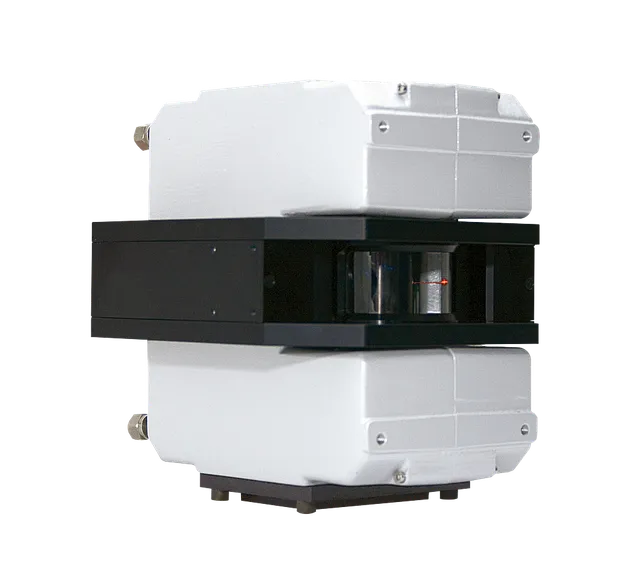
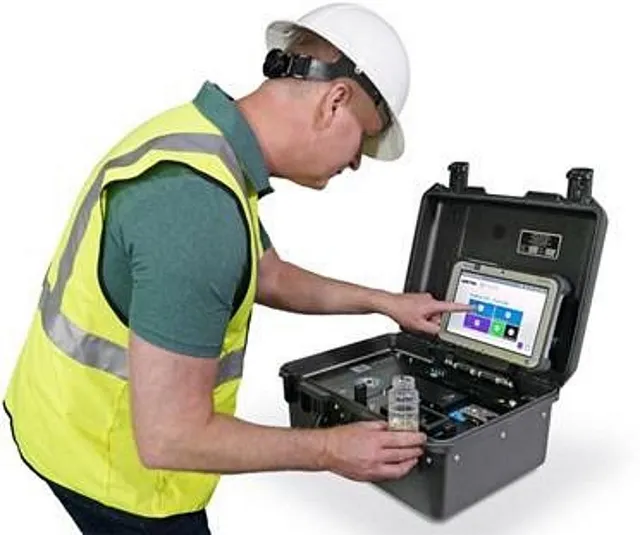
Recognizing this challenge, QES Technology Philippines, Inc., the authorized distributor of Spectro Scientific, brings to the local market the FieldLab 58C, a compact, portable oil analysis system designed for field use in rugged environments like mining and upstream oil extraction.
The FieldLab 58C enables real-time monitoring of equipment health by providing instant, lab-quality oil analysis directly on-site. This innovation transforms how companies manage maintenance, moving from reactive to predictive strategies, helping reduce downtime and optimize machine performance.
Compact Yet Powerful Technology
Spectro Scientific’s FieldLab 58C integrates four advanced diagnostic tools into a single portable case: (1) X-Ray Fluorescence (XRF) spectrometer for elemental analysis, (2) Filter Particle Quantifier (FPQ) for particle count and wear monitoring, (3) Infrared (IR) spectrometer for fluid chemistry detection, and (4) Kinematic viscometer for viscosity measurement.
In just 10 minutes, the device conducts four tests using only 12 ml of oil, generating up to 20 parameters essential for evaluating oil condition, contamination, and wear debris. The results allow maintenance teams to quickly assess asset health and make informed decisions without waiting for off-site lab results.
Designed for the Demands of Mining
Mining environments demand tools that can withstand harsh conditions and deliver fast, reliable results. The FieldLab 58C is battery-powered, requires no solvents, and features a rugged case with a touchscreen interface that’s intuitive even for non-technical users.
It detects early signs of component wear, water or glycol contamination, and particles larger than 4 microns that could lead to failure. Users can also set custom alarm thresholds to align the analysis with specific operational standards, improving diagnostic precision and responsiveness.
With these capabilities, operators can anticipate issues before they escalate, extending equipment life and reducing costly unscheduled repairs.
Streamlined Reporting and Fleet Management
The FieldLab 58C provides more than just analysis, it delivers actionable insights. Test results are presented in an easy-to-read report format, complete with diagnostics and recommended maintenance actions based on factory or user-defined settings. This helps standardize decisions and minimizes the risk of human error.
For organizations managing large equipment fleets, Spectro Scientific’s TruVu 360 Fluid Intelligence Software adds further value. This cloud-based platform allows users to monitor multiple assets, track key performance indicators, visualize oil analysis trends, and calculate cost savings. By integrating fluid condition data into maintenance planning, companies can drive measurable improvements in reliability and efficiency.
Local Expertise with Nationwide Reach
QES Technology Philippines, Inc. is committed to delivering cutting-edge solutions for oil analysis and condition monitoring across industries. With its head office in Manila and regional branches in Pampanga, Cebu, and Surigao City, QES ensures accessible service and support nationwide.
The company offers full technical assistance, training, and consultation services, empowering mining companies and other heavy industries to implement the FieldLab 58C with confidence.
The Bottom Line
By investing in on-site oil analysis with the FieldLab 58C, mining operators gain a significant advantage, reduced downtime, lower maintenance costs, and greater operational reliability. The shift from traditional lab testing to real-time diagnostics in the field empowers maintenance teams to act swiftly and strategically.
For more information or to request a product demonstration, contact QES Technology Philippines, Inc. at +632 771 1248 or email qtpmarketing@qesnet.com.
The FieldLab 58C is not just a tool, it’s a strategic asset for the mining industry’s future.
Advancements in Mining Equipment - The Role of Tribology, Maintenance, and Oil Recycling in Enhancing Reliability (Part 2)
By Engr. Suprabhat Sarkar, COO, Teknomin Construction Ltd. India Partner of Paramina Earth Technologies, Inc.
As the mining industry prioritizes equipment reliability, tribology, maintenance practices, and oil recycling innovations are essential for ensuring sustainable operations and meeting future demands.
In Part 1 of this article (see PRJ Issue 1 2025), we discussed the practices and tools by which we can ensure equipment reliability. We delve further into these strategies in Part 2.
Al-Driven Enhancements in Reliability and Maintenance
The integration of artificial intelligence (Al) has brought transformative changes to mining equipment reliability, safety, and cost-efficiency. Al-powered predictive maintenance utilizes data from embedded sensors to monitor equipment performance in real time, detecting early signs of wear, temperature fluctuations, abnormal vibrations, and other indicators of potential failure.
By detecting issues before they escalate, predictive maintenance helps to minimize unplanned downtime, reduce repair costs, and extend equipment life. For instance, Al can assess optimal lubrication schedules, analyze operational patterns, and adapt maintenance strategies based on historical performance data. This capability not only enhances equipment life but also reduces waste and optimizes resource use.
Additionally, Al-driven automation of safety features improves operational security. Real-time hazard detection, autonomous machinery control, and instant operator alerts have significantly reduced on-site risks. As Al continues to evolve, it is driving a new era in mining, where reliability, safety, and sustainability converge to create efficient, streamlined operations.
Recycling and Reusing Oils
Oil recycling is a critical yet often overlooked component of mining maintenance. Oils and lubricants are among the primary consumables in mining equipment, and their disposal contributes to environmental degradation and increases operational costs. By recycling used oils through refining and reprocessing, companies can extend the life of these materials. reducing both expenses and environmental impact.
Recycling offers substantial benefits, including cost savings and environmental sustainability. For example, reprocessed oils can be used multiple times without compromising performance, making oil recycling an effective strategy for reducing consumption and waste. The transition to reusing oils aligns with sustainable practices and reflects the industry's commitment to minimizing its ecological footprint.
Why Reliability is Vital in the Mining Industry
Reliable equipment ensures predictable performance, minimizes hazardous conditions, and provides peace of mind. Key benefits of reliable mining equipment include:
- Safety: Reliable machines are designed to lower accident rates and mitigate risks, contributing to a safer work environment.
- Marketability: Reliable equipment enables operators to meet low-cost per ton goals, enhancing competitiveness.
- Employee Morale: Safe, effective equipment boosts morale by facilitating smoother and safer workflows
- Productivity: Reduced downtime. efficient servicing, and fewer part replacements support continuous, high output operations
The Importance of Efficient Mining Equipment
Efficient mining equipment is vital for ensuring safety, controlling costs, and maintaining productivity. Properly maintained machinery minimizes breakdowns, reduces repair costs, and ensures uninterrupted operations. Efficiency in mining equipment yields:
- Enhanced Safety: Efficient machines reduce risks associated with stalling, worn brakes, fires, and rollovers, protecting workers.
- Cost Savings: Preventive maintenance reduces the need for costly component replacements and helps achieve daily production goals.
- Productivity: Smoothly operating brakes, wheels, tracks, and other components enable faster, more consistent completion of tasks.
Evaluating equipment efficiency through meticulous records of cycle time, maintenance, accidents, part replacements, and fuel costs allows for trend analysis and operational improvements.
Strategies to Improve Mining Productivity
- Maintain a Strong Team: A skilled team is crucial for productivity. Training programs, employee feedback, cross-training, and health and safety prioritization foster a collaborative, improvement- focused environment.
- Optimize Time and Materials: Efficient resource management, including waste reduction and automated processes, supports profitability and competitiveness. For example, reducing electricity consumption, managing resources efficiently, and repurposing materials contribute to optimized, sustainable workflow.
- Effective Equipment Management: An effective equipment management plan includes regular inspections, preventive maintenance, fuel management, and energy reduction. An established plan ensures that each machine's needs are met, minimizing downtime and extending the life of costly machinery
The Consequences of Unreliable Mining Equipment
Unreliable machinery leads to delays, reduced output quality, safety risks, and increased wear on components. Major drawbacks include:
- Extended work delivery times and compromised quality.
- Higher safety risks for operators and helpers
- Increased wear and tear, resulting in higher maintenance costs.
- Premature component failures, affecting overall productivity.
- Increased lubricant consumption, driving up operational costs.
Conclusion
The advancements in tribology, rigorous maintenance, and oil recycling are reshaping the reliability of mining equipment. These strategies not only enhance equipment longevity but also contribute to safer, more efficient, and eco-friendly mining operations. The mining industry's future lies in continued investment in technology and sustainable practices, ensuring it remains viable, responsible, and capable of meeting evolving global demands.
ABOUT THE AUTHOR
Mr. Suprabhat Sarkar is the Chief Operating Officer of Teknomin Construction Ltd. in India. A mining engineer with over 22 years of experience, he specializes in high-speed mine development, production and international operations across coal, zinc, lead, silver, gold, and copper mining.
Mr. Sarkar holds an MBA (Finance), First-Class Mine Manager Certificates (Metal) in India and Australia, a Diploma (Management) - Australia and a Second-Class Mine Manager Certificate (Coal). Renowned for leadership, technological innovation, and global expertise, he has driven transformative projects at Teknomin Construction Limited and beyond.