October 03, 2025

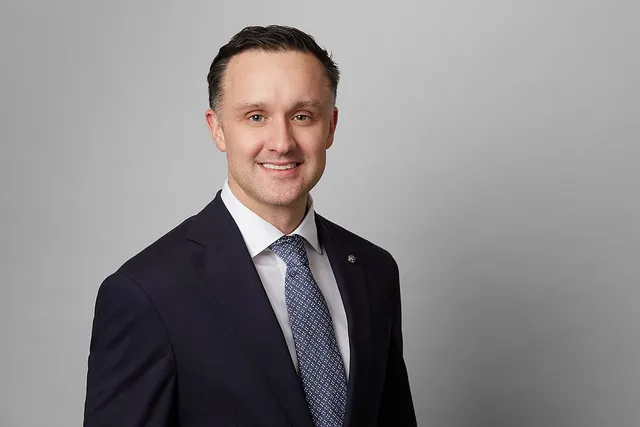
OceanaGold (Philippines), Inc. is pleased to announce the appointment of Mr. Brian Martin as Chair of the Board of Directors, effective September 24, 2025.

“It is an honor to be appointed Chair of OceanaGold Philippines. I look forward to working closely with the Board of Directors and the management team to continue delivering strong operational performance and value creation for our shareholders," Martin said in a statement.

"With a high-quality asset in Didipio and an experienced and dedicated team, we are well-positioned to build on our success and contribute meaningfully to the Philippines and the communities we serve," he added.

As an executive with two decades of experience in the metals and mining sector, Martin brings deep expertise in corporate strategy, investor engagement and business development.

He currently serves as Senior Vice President, Business Development and Investor Relations, at OceanaGold Corporation. In this role, Martin leads OceanaGold’s investor relations program, advances strategic growth initiatives, and plays a central role in shaping and executing the company’s corporate strategy.

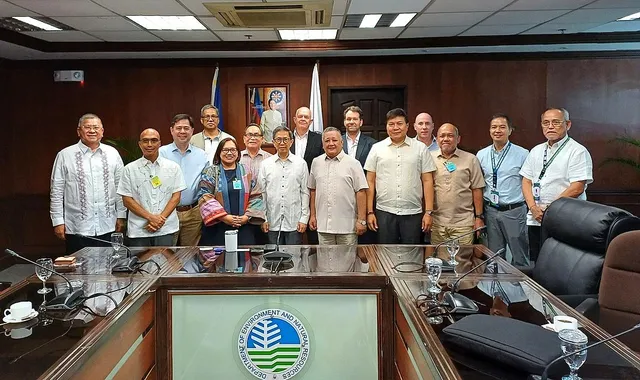
While meeting with key national stakeholders and regulators, Martin reiterated OceanaGold Philippines’ commitment to continuing to invest in the Philippines and to supporting local and national development.

He met with Deputy Governor Mamerto G. Tangonan of the Bangko Sentral ng Pilipinas (BSP) and underscored the agreement of OceanaGold Philippines to sell at least 25 percent of its annual gold doré production directly to the BSP, helping strengthen the country’s gold reserves and supporting the Philippine financial system.

Martin also paid a courtesy visit to Philippine Stock Exchange (PSE) Chief Operating Officer Atty. Roel Refran, where he emphasized OGP’s growth potential and commitment to creating long-term value for its shareholders.

These engagements come at a time when OceanaGold Philippines continues to gain recognition in the Philippine market for its steady operational performance and exceptional returns for shareholders since its successful IPO in May 2024. In August 2025, the Company was added to the PSE MidCap Index.

“Our recent inclusion in the PSE MidCap Index is a strong endorsement of the trust investors and regulators place in us. It reflects our consistent performance, transparent governance, and commitment to responsible mining,” Martin said.

With the Company’s strong leadership, OceanaGold Philippines continues to deepen its collaboration with governments, communities, and regulators as it strives to create a better future for all its stakeholders.

OCEANAGOLD (PHILIPPINES), INC., a corporation organized and existing under Philippine law, operates the Didipio gold-copper mine in Luzon under a Financial or Technical Assistance Agreement. The Company is committed to safely and responsibly maximizing the generation of free cash flow from its operations and delivering strong returns for its shareholders.

October 02, 2025

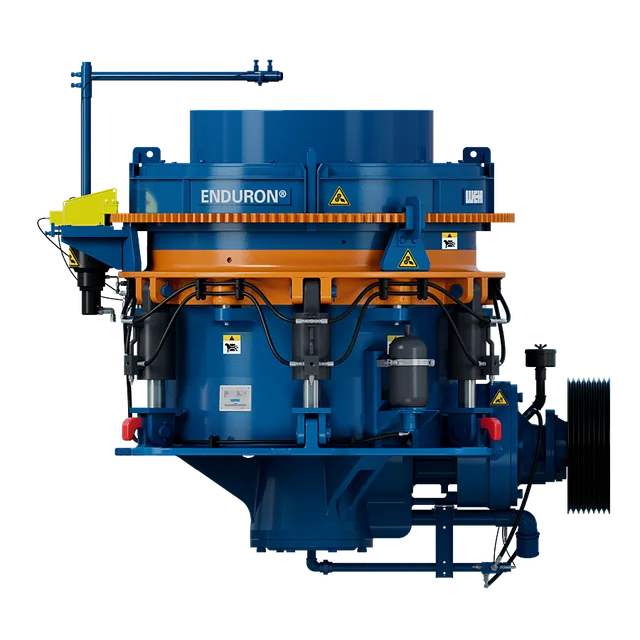
Weir, a global leader in mining technology, has launched a new range of ENDURON® jaw and cone crushers, developed in close collaboration with customers to address their most pressing operational challenges. This customer-first approach has resulted in equipment that enhances safety, boosts productivity, simplifies maintenance, and supports sustainability goals.

The updated ENDURON® jaw crushers now feature a redesigned Hydraulic Power Unit (HPU), which allows for true push-button control of CSS adjustments. This innovation eliminates the need for manual intervention, significantly reducing safety risks for operators and maintenance teams. The new HPU also ensures consistent tensioning of the retraction springs at all times, improving reliability and ease of use across the full wear range of the jaw dies. The optimised motor power and oil tank capacity reduce the HPU’s CO₂ footprint and environmental impact.

To further improve performance and reduce downtime, the entire range of ENDURON® jaw crushers now includes ESCO® wear parts. These components have been rigorously tested and proven to extend wear life, which means fewer maintenance interventions and increased equipment utilisation—translating to lower operating costs and more efficient production.

The upgraded ENDURON® cone crushers also benefit from ESCO® wear liners and a newly designed Hydraulic and Lubrication Power Unit (H/LPU). This compact, plug-and-play system reduces the environmental footprint and simplifies installation, making it ideal for sites looking to streamline setup and minimise impact. Additionally, the automation platform across all cone crusher models has been enhanced to ensure consistent and reliable crushing operations. With IO-Link digital sensors and Siemens PLC hardware, customers can expect seamless integration, easier troubleshooting, and intuitive control through a new Human-Machine Interface (HMI), which simplifies servicing and improves operational efficiency.

Weir’s new crusher range includes the ENDURON® ET jaw crushers, as well as both the EP fixed-shaft and EC live-shaft cone crushers, offering tailored solutions to meet the specific needs of each site and application. This flexibility ensures that customers can select the ideal equipment for their unique operational requirements.

As mining operations increasingly focus on sustainability and energy efficiency, Weir’s new ENDURON® crushers are designed to support this transition. By complementing the existing ENDURON® screens and HPGRs, the new crushers enable customers to build fully integrated flowsheets that reduce energy consumption and improve overall performance.

Magnus Skorvald, Global Product Manager – Crushers at Weir, emphasised the importance of customer feedback in shaping the new range. “We’ve listened closely to our customers and designed this range to meet their evolving needs. From safety and sustainability to ease of installation and maintenance, every feature is built to deliver real value on site.”

Whether upgrading existing equipment or planning a new installation, the ENDURON® range of comminution products is built to help customers operate smarter, safer, and more sustainably.

Founded in 1871, The Weir Group PLC is one of the world’s leading engineering businesses with a purpose to make its mining and infrastructure customers’ operations more sustainable and efficient. Weir’s highly engineered technology enables critical resources to be produced using less energy, water, and waste while reducing customers’ total cost of ownership.

Weir is ideally positioned to benefit from structural trends that support long-term demand for its technology, including the need for more essential metals to support economic development and carbon transition. The Group has approximately 12,000 employees operating in more than 50 countries, with a presence in every major mining region of the world. Find out more at www.global.weir.

September 30, 2025

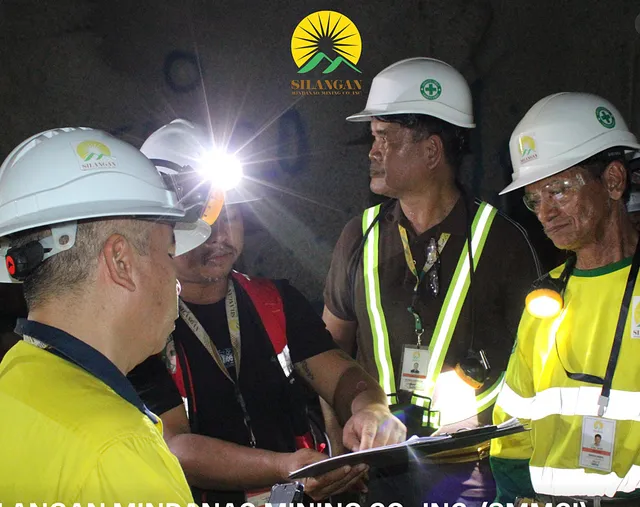
Silangan Mindanao Mining Co., Inc. (SMMCI) has strengthened its commitment to shaping the future of mining education by partnering with Caraga State University (CSU) in two key initiatives aimed at preparing the next generation of mining engineers.

 SMMCI joined the CSU Department of Mining Engineering (DEM) in its Final Coaching and Send-off Programme for the 2025 Mining Engineer Licensure Examination candidates. Representing the company was Engr. Alfredo Jr. F. Valledor, Site Communications Specialist of Silangan, who was invited as one of the guest speakers to inspire and encourage the aspiring engineers.

In his message, Engr. Valledor reflected on his own journey in Silangan and shared how young professionals can find deeper meaning in their work.

“In Silangan Mining, I’ve seen how fresh graduates like you are transformed into professionals who do more than design projects or operate equipment. They become storytellers, bridge-builders, and listeners,” he said.

He reminded the candidates that while technical skills are essential, mining engineers also play a vital role in bringing communities and industry together.

“We don’t just defend our companies. We defend the industry. We defend the truth that mining, when done right, can build communities, fuel progress, and uplift lives,” he stressed.

Engr. Valledor further encouraged the examinees to see beyond the immediate pressures of the board exam. “That licence you are fighting for is one of the keys that can open doors to your future. But remember: it is nothing without humility,” he said.

He added that his insights were drawn from Silangan’s everyday immersion in the communities it serves, where mining goes beyond operations to protecting people’s welfare and building trust. Through this engagement, Silangan demonstrated its support not only for CSU’s examinees but also for all aspiring mining engineers across the country who will soon face the same test.

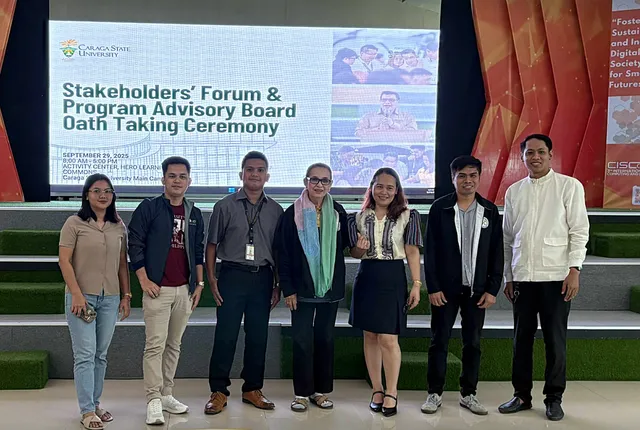
This collaboration with CSU went hand-in-hand with another milestone: Engr. Valledor’s recent appointment as Field Expert Representative of the Programme Advisory Board (PAB) for the Bachelor of Science in Mining Engineering at CSU.

The oath-taking, held during the Stakeholders’ Forum and Programme Advisory Board Oath-Taking Ceremony, brought together representatives from the academe, industry, and professional organisations to align the goals of mining education with the needs of the sector and society.

As part of the PAB, Silangan’s representative will help assess the Programme Educational Objectives (PEOs), recommend curriculum enhancements, suggest relevant electives, and identify training and employment opportunities for mining engineering students.

By bridging industry and academe, Silangan Mining continues to champion the development of competent and responsible professionals who will lead the mining industry toward progress and sustainability.

September 30, 2025

Geotab Inc. on September 10 announced it has achieved a new company milestone, surpassing 5 million connected vehicle subscriptions worldwide. This rapid growth, with the last million subscriptions added in less than two years, reinforces Geotab’s position as a global leader in connected vehicle solutions and a key innovator in leveraging data and AI to drive meaningful business outcomes

“Geotab's journey is about relentless innovation and with 630 global patents, we have made a significant impact on the industry over the last 25 years. This 5 million milestone proves that our data-driven approach to fleet management is solving real world challenges faced by businesses on a daily basis,” said Neil Cawse, Founder and CEO of Geotab.  “With the rapid adoption of AI, we expect the next five years to be as transformative as the last 25.” 

How Geotab’s Data Empowers Customers to Save Money and Improve Fleet Performance

Geotab’s data insights help businesses improve their fleet operations, including reduction in unexpected vehicle downtime, improved safety, and reduced daily mileage through optimised route planning. These improvements help fleets save money on fuel and other operating costs while also directly reducing environmental impact. 

The ability to deliver these tangible benefits is powered by the massive volume of data generated from 5 million subscriptions, producing over 100 billion data points daily, equivalent to more than 37 trillion data points annually. This data fuels Geotab’s AI and machine learning models with accurate benchmarks, predictive analytics, and actionable insights that empower fleets of all sizes to make smarter, faster decisions.

How Geotab's 25 Years of Innovation Led to a 5 Million Connected Vehicle Milestone

2025 marks Geotab's 25th anniversary, growing from a 2-person start-up to a 2900+ global organisation, highlighting the company's focus on innovation and global expansion. Geotab has maintained its position at the forefront of the industry with investments in research and development, continuously expanding its open platform capabilities, and building an ecosystem of over 700 partners globally. Over the past ten years, the Geotab Marketplace has grown and evolved, now featuring nearly 530 solutions for customers to choose from.

About Geotab

Geotab is a global leader in connected vehicle and asset solutions, empowering fleet efficiency and management. The company leverage advanced data analytics and AI to transform fleet performance, safety, and sustainability, reducing cost and driving efficiency. Backed by top data scientists and engineers, the company serve over 55,000 global customers, processing 100 billion data points daily from more than 5 million vehicle subscriptions.

Geotab is trusted by Fortune 500 organisations, mid-sized fleets, and the largest public sector fleets in the world, including the US Federal government. Committed to data security and privacy, Geotab hold FIPS 140-3 and FedRAMP authorisations. The company's open platform, ecosystem of outstanding partners, and Geotab Marketplace® deliver hundreds of fleet-ready third-party solutions.

This year, Geotab celebrating 25 years of innovation. Learn more at www.geotab.com and follow us on LinkedIn or visit Geotab News and Views.
September 25, 2025

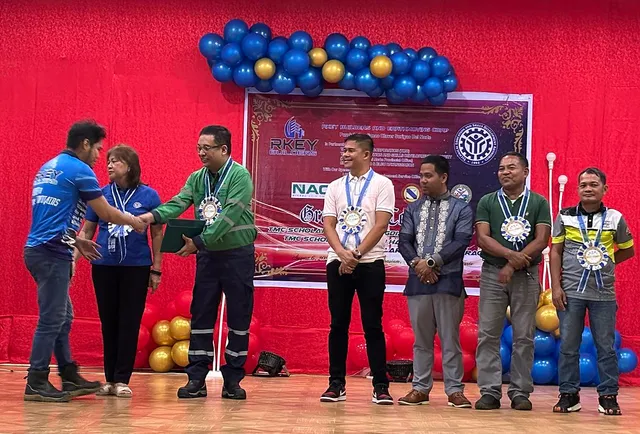
Taganito Mining Corporation (TMC), in partnership with the Technical Education and Skills Development Authority (TESDA), the local governments of barangays Hayanggabon and Cagdianao, RKey Builders, and the Public Employment Service Office (PESO)–Claver, has successfully produced 36 new graduates of the Heavy Equipment Operation (Hydraulic Excavator) NC II program.

The training covered classroom instruction, competency assessment, and on-the-job training with allowance support. Designed for residents of TMC’s host and neighboring barangays, the program equips participants with nationally certified skills to improve their employability in mining, construction, and other industries.

The completion ceremony was attended by Enterprise President Engr. Rodel Urbiztondo, TESDA Surigao del Norte Director Cathaline Tacubao, TMC Mine Operations Division Manager Engr. Robert Francisco, PESO Claver Manager Junrey Escobal, Cagdianao Kagawads Bienvenido Alaras and Joiser Arena, and Hayanggabon Kagawad Leonel Bergonia.

TESDA Provincial Director Cathaline Tacubao congratulated the graduates and stressed the value of perseverance in learning.

“I extend my heartfelt congratulations to our training graduates and encourage you to continue persevering and learning. Let me express my gratitude to the management of RKey Builders, TMC, and the LGU for really making this happen. As TESDA Secretary Francisco Benitez said, basta sama-sama, sa TESDA kayang-kaya,” Tacubao said.

For TMC, the program reflects its mission to invest in people.

“Ang pagbibigay po ng skill ay isang kasangkapan para kayo ay maging malaya sa kahirapan. Kayo ang may desisyon (Giving you a skill is a tool to free you from poverty. This is your own decision),” said Engr. Robert Francisco, who also emphasized that good governance comes from partnerships between mining, local government, TESDA, and the private sector.

PESO Claver Manager Junrey Escobal urged the graduates to remain grateful as they build their careers. “Magka diin-diin man kamo magtrabaho, ajaw nijo kalimte ang gratitude niani na mga tawo… Free na ang uniform, allowance, training, and assessment. Mao na mapasalamaton ta sa atong mining industry, especially TMC (Wherever you end up working, do not forget to thank these people… Uniforms, allowances, training, and assessment are all covered freely, which is why we are thankful to our mining industry, especially TMC).”

For graduates like Ervin Llano, the training was life-changing. “Dakong pasalamat nako sa TMC na gitagaan mi, mga scholar, og higayon na mahimong instrumento para maabot ang among pangarap. Kini makatabang sa among pamilya kay makatrabaho mi ug makasuporta sa ilang panginahanglan (I am deeply grateful to TMC for giving us scholars the opportunity to reach our dreams. This will help our families because we can now work and provide for their needs).”

Another graduate, Michael Rodilla, echoed this sentiment. “Nagpasalamat ako sa TMC kay kung wala ni sila, dili ko makatrabaho sa Homonhon… Kini na abilidad dili na mawala sa ako, hangtod-hangtod na ni (I am thankful to TMC because if not for them, I wouldn’t get to work at Homonhon… This skill will stay with me forever).”

With their TESDA NC II certifications, the 36 graduates are now qualified to operate hydraulic excavators, opening doors to employment in mining, construction, and related industries. The initiative underscores TMC’s commitment to sustainable community development, ensuring that residents gain not just livelihoods but lasting empowerment.

September 25, 2025

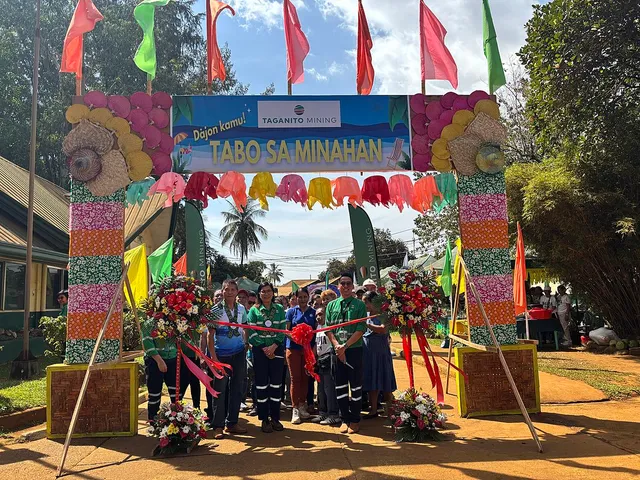
A vibrant display of local products, entrepreneurship, and community spirit highlighted the first-ever TMC People’s Organization “Tabo sa Minahan” (Mine Marketplace) held on July 30–31, 2025, at the Taganito Mining Corporation (TMC) campsite.

The two-day trade fair provided 24 People’s Organizations (POs) from TMC’s host and neighboring communities in Claver and Gigaquit with a platform to showcase and sell their products while promoting sustainable livelihoods. Supported by TMC’s community development programs, the event underscored the company’s commitment to inclusive growth.

The participating POs were grouped into Teams Agriculture, Mariculture, and Enterprise and collectively earned PHP 138,000 in sales. Team Agriculture emerged as the top earner with PHP 59,000 worth of produce and goods sold.

Colorful booths brimmed with fresh vegetables, mariculture products, handmade crafts, grilled specialties, lechon, desserts, and native delicacies—products proudly made by PO members through livelihood projects assisted by TMC.

The event coincided with the celebration of Nutrition Month, highlighting the importance of supporting local farmers and producers while encouraging healthier consumption.

“Today, we witnessed the first-ever ‘Tabo sa Minahan.’ Let’s give a round of applause to the ComRel Team for making this two-day event a success,” said Agnes Sabijon, Admin Division Manager, who represented TMC Management.

“This gives our partner people’s organizations the opportunity to bring their products closer to the TMC community and market them directly here.”

Beyond a simple trade fair, the Tabo sa Minahan is envisioned as a continuing tradition that strengthens collaboration between TMC and its partner communities. For PO members, the event was not only about sales but also about recognition of their hard work and the chance to showcase the results of sustainable development programs.

With the success of its first run, both TMC employees and community partners are hopeful that Tabo sa Minahan will become an annual event, as it empowers local communities and fosters self-reliance through enterprise.

September 25, 2025

Fleets in the Philippines are navigating a rapidly changing landscape. Congestion in major cities causes long delays; drivers lose an average of 127 hours a year to traffic in the capital alone. Fuel costs remain one of the largest expenses for both logistics and mining operators.

Safety is also a concern, with the Highway Patrol Group reporting that up to 87% of road crashes are linked to reckless driving. In this environment, operators are expected to improve efficiency, strengthen safety, and manage costs, all while meeting increasing sustainability expectations.

Telematics has already proven to be an essential tool in achieving these goals. By connecting vehicles and equipment to the cloud, telematics provides real-time visibility into asset location, utilization, fuel consumption, and driver performance.

For mining operators, this means tracking engine hours to reduce idle time and unnecessary fuel burn, even at remote sites where satellite connectivity is essential. For transport providers, it means identifying traffic hotspots, planning more efficient routes, and reducing wasted time and fuel.

The benefits are tangible. Telematics enables preventive maintenance by detecting issues early and helps improve safety by highlighting risky behaviors such as speeding or harsh braking.

Globally, Geotab connects over 4 million vehicles and processes more than 80 billion data points daily—an experience that enables Philippine operators to benefit from proven solutions used across diverse industries worldwide.

The next step is extending this intelligence beyond vehicles to the cargo itself. In Southeast Asia, up to 90% of food loss occurs during transportation because of weak cold chain infrastructure.

For the Philippines, a tropical, archipelagic nation where agricultural products, fisheries, and pharmaceuticals must move long distances across challenging conditions, building a smarter, more reliable cold chain is essential.

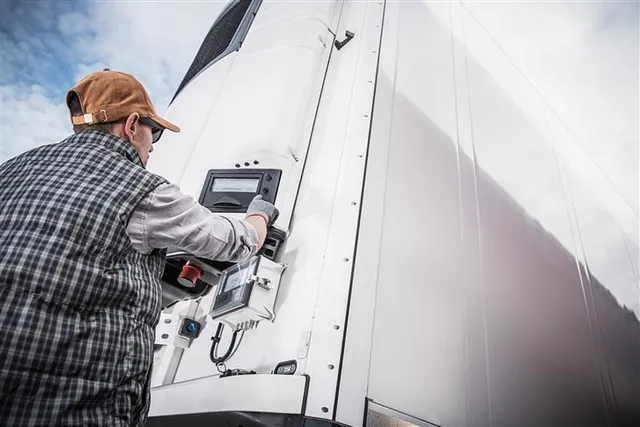
Geotab’s enhanced Cold Chain solution addresses this need. With near real-time monitoring, operators gain up-to-the-minute visibility of cargo conditions. Multi-zone temperature support ensures the integrity of mixed loads—from fresh produce to vaccines—often without the need for additional sensors. Direct integration with refrigeration units improves accuracy and reduces installation complexity, while advanced alerts and remote commands enable immediate action if conditions deviate. Historical data further helps operators identify recurring issues, optimize logistics, and strengthen compliance reporting.

For the Philippines, these capabilities have clear applications. Fisheries exporters can help ensure seafood shipments maintain quality for international markets. Banana and pineapple producers can reduce post-harvest losses as products move through the supply chain. Pharmaceutical distributors can safeguard vaccine and medicine integrity across inter-island routes.

The future of fleet management in the Philippines is not only about moving vehicles efficiently but also about protecting the goods they carry. By extending telematics into cold chain operations, fleets can reduce waste, strengthen compliance, and safeguard essential resources. This will enable operators to build greater resilience, operate more sustainably, and remain competitive in the years ahead.

By Ezanne Soh, Senior Regional Manager, APAC, Geotab

September 25, 2025


Over 90% of Philippine nickel mining laboratories can’t be wrong. In nickel ore mining, speed and accuracy in laboratory analysis are not just optional — they are essential to profitable and reliable operations. Every result influences critical decisions, from ore grading to export compliance.

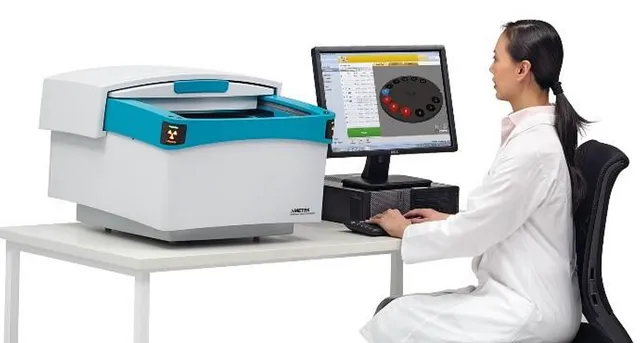
That is why more than 90% of assay laboratories in the Philippine nickel laterite sector have chosen one analyser as their benchmark for trust and performance: the Spectro Xepos ED-XRF, distributed exclusively by QES Technology Philippines, Inc.

With over 145 installations nationwide, the Spectro Xepos has established itself as the instrument of choice for laboratories that demand precision, efficiency, and consistency. Its overwhelming adoption goes far beyond popularity — it reflects proven performance.

The Spectro Xepos is recognised for delivering results that rival those of wavelength-dispersive XRF systems, which are typically more expensive and complex. It is designed to measure key elements in nickel laterite ore such as Ni, Co, and Fe₂O₃, along with other important elements including Mg, Al, Si, Cr, Mn, and up to uranium on the periodic table. Its robust hardware stability and 12-position sample tray ensure dependable accuracy while accommodating high sample throughput.

By contrast, traditional wet chemistry methods are tedious, time-consuming, and costly. Constant procurement of chemicals, coupled with the need for special permits, slows operations and increases expenses. The Spectro Xepos streamlines the process with minimal sample preparation and rapid turnaround times, significantly reducing operating costs.

For laboratories aiming to elevate accuracy even further, QES also offers the Environmental Express Katanax Fusion Machine, available in both 3-placer and 6-placer models. Fusion technology prepares samples as fused beads, eliminating mineralogical effects and producing highly reliable results that align with ISO 18227 standards. By combining the Spectro Xepos with Katanax Fusion, laboratories can achieve ultra-precise analysis.

Behind every Spectro Xepos installation in the Philippines is the full support of the QES Technology Philippines technical team. With service hubs strategically located in Pampanga, Manila, Cebu, and Surigao City, QES provides clients with fast and expert assistance. From installation and training to calibration and preventive maintenance, customers are assured of responsive and professional support.

The widespread adoption of the Spectro Xepos ED-XRF across the Philippine nickel ore mining industry underscores its status as the standard for accuracy, efficiency, and reliability. And with the option to integrate Katanax Fusion technology, laboratories can meet international benchmarks while maximising profitability.

In nickel ore analysis, downtime is costly — that’s why Philippine assay labs choose Spectro Xepos.

Contact QES Technology Philippines.

For demonstrations and consultations, visit QES Technology Philippines at:

  • Metro Manila: Unit 507, Page 1 Building, Acacia Avenue, Madrigal Business Park, Ayala Alabang, Muntinlupa, 1780
  • Mindanao: National Highway, KM. 4, Brgy. Luna, Surigao City

To schedule a demo or request a quotation, call +632 8771 1248, email qtpmarketing@qesnet.com, or visit www.qesnet.com.
September 25, 2025

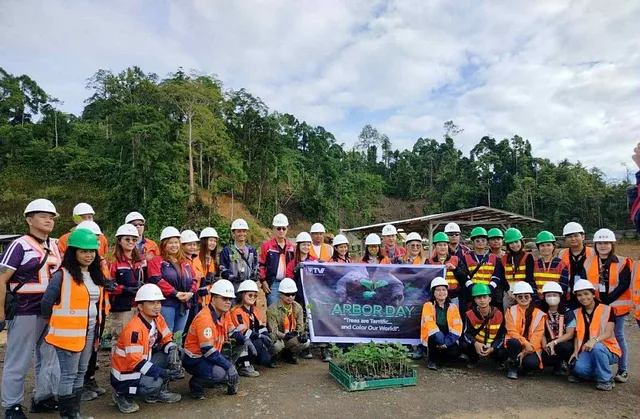
As part of the nationwide observance of Arbor Day, TVI Resource Development Philippines Inc. (TVIRD) employees at the company’s Balabag Gold-Silver Project commemorated the occasion on June 25 by staging a tree-planting activity at Waste Rock Dump (WRD) 2 of its mine in Sitio Balabag, Bayog, Zamboanga del Sur.

More than just a ceremonial planting, the day was filled with educational sessions, team-building activities, and heartfelt messages on giving back to the planet. Embracing the occasion with positivity, key TVIRD personnel planted 250 mulberry seedlings in the area.

Seeds of Hope

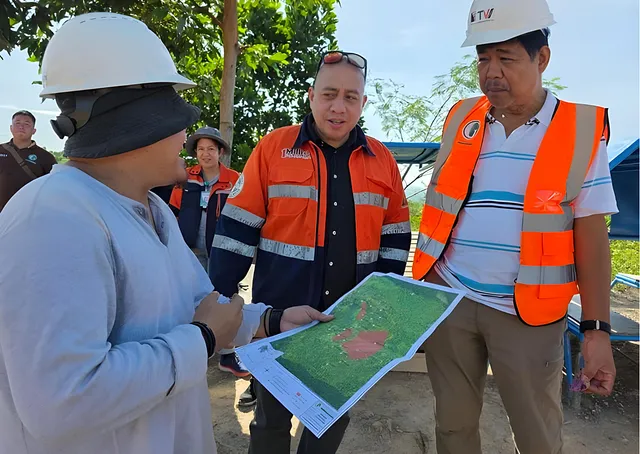
Employees from every department, together with service contractors, united in a collective effort toward environmental rehabilitation. The day began with a solemn prayer, followed by an inspiring message from General Manager Noel M. Manrique, who spoke about the importance of Arbor Day and the company’s commitment to sustainability. PCO Supervisor Vincent Rene Namoc further elaborated on the occasion’s significance to TVIRD.

With the site’s unique terrain in mind, key officers adopted a deliberate planting strategy. They opted for shallow-rooted species such as mulberry trees to help stabilise the waste rock dump. Mulberry trees were also chosen for their fast growth, high survival rate, and ability to provide shade and food for local wildlife.

“As an environmentally conscious company, TVIRD upholds conservation initiatives that will not only co-exist with the surrounding flora and fauna but also sustain them after the life of the mine,” emphasised Environment Manager Jjam Cutillas.

He added, “Our Arbor Day initiative is not just a corporate responsibility, but also an essential awareness campaign on the importance of conservation and a reminder of the vital role trees play in our lives.”

By demonstrating its dedication to environmental rehabilitation and a greener, more sustainable future, TVIRD continues to show that beyond its operations, its heart remains rooted in service, care for the environment, and the people it serves.

United for a Greener Future

Often referred to as the “tree planter’s holiday,” Arbor Day is the oldest environmental holiday on the calendar. First celebrated in Nebraska, United States, in 1872, it began as a movement to promote the value of trees in communities. Today, it is observed in more than 50 countries, marked by activities ranging from tree planting and community recognition to natural area cleanups and support for conservation districts.

In the Philippines, Arbor Day is commemorated in June pursuant to Presidential Proclamation No. 643 and Republic Act No. 10176, which call on both public and private sectors to participate in reforestation and sustainability initiatives.

Through initiatives such as its Arbor Day program, TVIRD underscores its responsible mining commitment, ensuring that environmental care remains at the heart of its operations. As the seedlings take root, so too does the hope for a healthier natural environment — a living testament to the legacy the company seeks to impart to future generations.

September 25, 2025

TVI Resource Development Philippines Inc. (TVIRD) once again upheld its reputation for operational excellence by surpassing regulatory compliance in the recently concluded Tenement Safety and Health, Environment and Social Development (TSHES) Audit for the year 2024, which covered both of its operating mines: the Balabag Gold-Silver Project in Bayog, Zamboanga del Sur, and its wholly owned subsidiary, Greenstone Resources Corporation, which manages both the Siana Gold Project and the upcoming Mapawa Gold Project.

This consistent recognition reaffirms the TVIRD Group’s commitment to sustainable and responsible mining practices, maintaining what the regulatory body refers to as the “Gold Standard” — a benchmark set for mining operations that exceed the industry’s regulatory requirements.

What is TSHES?

The Tenement Safety and Health, Environment and Social Development Audit (TSHES) is a comprehensive technical inspection that covers four key areas, conducted annually by the DENR’s Mines and Geosciences Bureau (MGB) through its Mine Safety, Environment and Social Development Division (MSESDD). The audit is carried out by the respective MGB Regional Offices — Region IX for Balabag and Region XIII for Siana and Mapawa.

The TSHES audit begins with a verification of all legal documents, such as permits, licenses, and Mineral Production Sharing Agreements that are properly secured and up to date. It then examines how well the company is protecting its people through Safety and Health Programs to ensure the overall wellbeing of workers on the job.

The audit also evaluates the company’s Environmental Protection and Enhancement Program and measures how effectively it mitigates operational impacts and restores mined areas.

Equally important is the company’s role beyond the mine site. The Social Development and Management Program is assessed based on its measurable contributions to host and neighboring communities, including initiatives in education, livelihood, health, infrastructure, and skills development. In essence, TSHES ensures that mining companies are not just compliant but also responsible, people-centred, and sustainable.

The Site Audits

The TSHES cycle for the year 2024 commenced with the Siana Gold Project, which was audited from March 5 to 7, followed by Balabag on March 9 to 11, and Mapawa on July 19 to 22. During these audits, representatives from the respective MGB Regional offices thoroughly reviewed each project site’s documentation, toured operational areas, and engaged with various departments to verify compliance and implementation.

“Going beyond compliance is not just a goal — it is a commitment to responsible mining that puts people, safety, and sustainability at the heart of everything we do,” said Greenstone President Engr. Anthony B. Quijano.

The inspections focused not only on accomplishments within the reporting period but also on the implementation of corrective actions from previous findings, if any, and improvements that exceed baseline standards.

Sustained Excellence

The consistent positive results across TVIRD-operated sites serve as proof of the organization’s proactive approach in embedding Environmental, Social and Governance (ESG) principles in all facets of its operations. They also reflect the strong internal collaboration among its concerned departments in ensuring that development goes hand-in-hand with protection and empowerment.

“What we achieved in this year’s TSHES audits shows that ESG isn’t just a framework we follow. It’s part of how we work every day. For us, sustainability means making sure that safety, environmental care, and community development grow together with our operations,” said TVIRD Tenement Management and Environmental Compliance Director Jesalyn Guingguing, EnP.

The TVIRD Group remains committed to continuously improving its systems and practices as part of its contribution to the Philippine government’s sustainable development goals. With the conclusion of the most recent TSHES Audit, the mining group further affirms the strength of its cooperation with regulators to achieve mining operations that are safe, responsible, and conscientious.

September 25, 2025

The Philippine mining and quarrying industry is central to the country’s infrastructure and manufacturing sectors, providing raw materials for construction, power generation, and industrial applications.

However, mining operations face constant challenges—abrasion, corrosion, chemical attack, and equipment deterioration—all of which reduce productivity and increase operational costs.

Belzona, a global leader in polymeric repair and protection systems, has been working with the mining sector since the 1950s. Its cold-curing composite materials and protective coatings are designed to extend the life of critical assets while minimizing downtime. For Philippine mining companies, these solutions present an opportunity to improve safety, efficiency, and profitability.

Combating Abrasion in Grinding and Material Handling

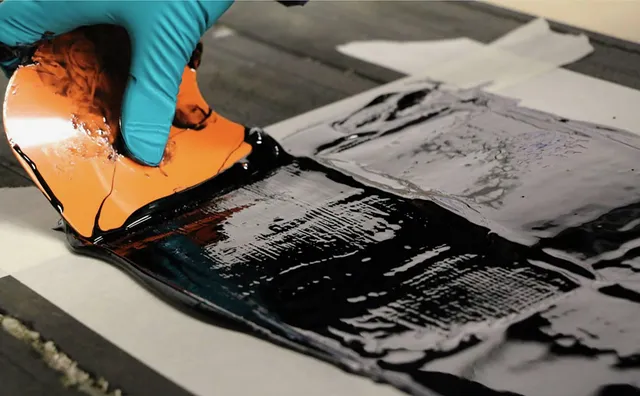
One of the greatest challenges in mining is abrasion, caused by the constant movement of hard materials through crushers, mills, hoppers, and chutes. Traditional repair methods often require hot work, welding, or costly replacement. Belzona’s abrasion-resistant ceramic composites provide in-situ, cold-applied protection that minimizes downtime while extending service life.

For example, grinding mills—including liners, trunnions, and trommel screens—are prone to rapid wear. Belzona systems rebuild worn surfaces and create durable linings that withstand impact and erosion. Similarly, transfer points such as hoppers and chutes benefit from Belzona’s abrasion-resistant linings, which use alumina tiles and epoxy polymers to handle aggressive ore flow (see Figure 1).

Conveyor Belt and Elastomer Repairs

Conveyor systems, essential for transporting ore and aggregates, are exposed to constant wear, tears, and slippages. Belzona’s elastomeric repair materials restore ripped belts and damaged rollers without dismantling equipment, saving both time and money. The company’s positive grip solutions improve roller performance, reducing belt slippage and enhancing operational reliability (see Figure 2).

In addition, Belzona elastomers extend the life of heavy-duty tires and slurry pumps, reducing waste and preventing unplanned shutdowns. By providing flexible yet durable repairs, these solutions reduce the need for costly replacement parts.

Protection Against Chemical Attack

Ore processing plants in the Philippines frequently operate under harsh chemical conditions, especially during flotation, thickening, and solvent extraction processes. Belzona’s magma polymer coatings provide long-term protection against highly aggressive substances, including sulfuric acid, caustics, and other corrosive chemicals.

Flotation cells, SX/EW tankhouses, thickeners, and containment areas can all be lined with Belzona systems, creating seamless barriers that resist both corrosion and abrasion. This protection not only extends equipment life but also minimizes environmental risks from leaks and spills (see Figure 3).

Local Support, Global Expertise

Belzona products are supported by a worldwide network of over 140 distributors in more than 120 countries. In the Philippines, Wise Industrial Systems, Inc. provides mining companies access to both high-performance materials and trained technical consultants who provide specifications, application, and on-site support.

By addressing abrasion, corrosion, and chemical attack, Belzona helps Philippine mining companies safeguard their assets, reduce downtime, and ensure operational continuity. As the industry continues to play a vital role in the nation’s economic growth, adopting innovative repair and protection technologies will be key to sustaining long-term success.

September 23, 2025

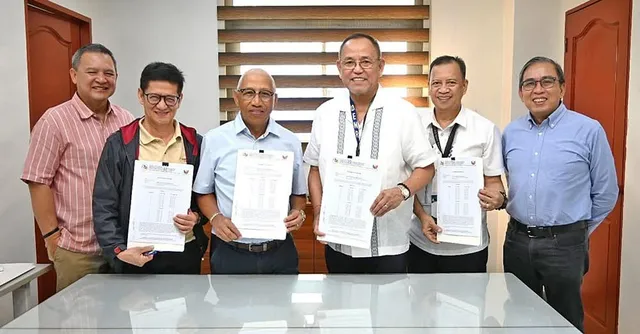
Philex Mining Corporation (PMC), one of the oldest and largest copper and gold producers in Southeast Asia, has been granted an Exploration Permit (EP) by the Mines and Geosciences Bureau (MGB) to conduct mineral exploration in Pangasinan. The approval reinforces the government’s commitment to responsible mining and the company’s efforts to sustain long-term resource development in the country.

The permit was formally signed at the MGB Central Office in Quezon City. Among those present were Victor Francisco, Philex Vice President for Environment and Community Relations; Noel Oliveros, Division Manager for Exploration; Eulalio Austin Jr., Philex President and CEO; Michael Cabalda, Department of Environment and Natural Resources Assistant Secretary for Mining Concerns and concurrent MGB OIC-Director; Danilo Delena, MGB Mining Tenements Management Division Chief; and Francis Joseph Ballesteros Jr., Philex Corporate Affairs and Communications Head.

Under the Philippine Mining Act of 1995, an EP grants the right to explore for all types of minerals in a specified area, with the Mines and Geosciences Bureau retaining authority to grant such permits to qualified applicants. The document allows Philex to undertake technical and scientific studies to determine the potential for mineral development in Pangasinan, subject to strict environmental safeguards and consultations with host communities.

A legacy in Philippine mining

Founded in 1955, Philex Mining is regarded as a pioneer in the Philippine minerals industry. The company operates the Padcal Mine in Benguet, which began commercial operations in 1958 and remains the country’s first large-scale underground mining operation. Padcal has been a major producer of copper, gold, and silver for more than six decades, contributing significantly to government revenues, community development, and employment in Northern Luzon.

Beyond Padcal, Philex has also advanced exploration and development projects aimed at ensuring its future growth. Its Silangan Copper-Gold Project in Surigao del Norte is among the largest mining investments in the country, projected to produce billions worth of mineral output over its mine life. Silangan is designed with advanced technologies and sustainability measures, positioning it as a next-generation model for responsible mining in the Philippines.

Sustaining growth through exploration

The Pangasinan EP provides Philex with an opportunity to diversify and strengthen its resource pipeline. Exploration activities will focus on identifying mineralized zones that may support future commercial operations, which in turn can generate local employment, infrastructure, and social programs for surrounding communities.

The new mining permit emphasized the company’s commitment to responsible mineral development, reinforcing partnerships with stakeholders and aligning with national goals for sustainable resource use.

With its track record of balancing production with environmental stewardship and community engagement, Philex is positioning itself to continue as a leading force in Philippine mining. The latest EP underscores both the government’s and the company’s determination to responsibly unlock the country’s mineral potential.

September 22, 2025

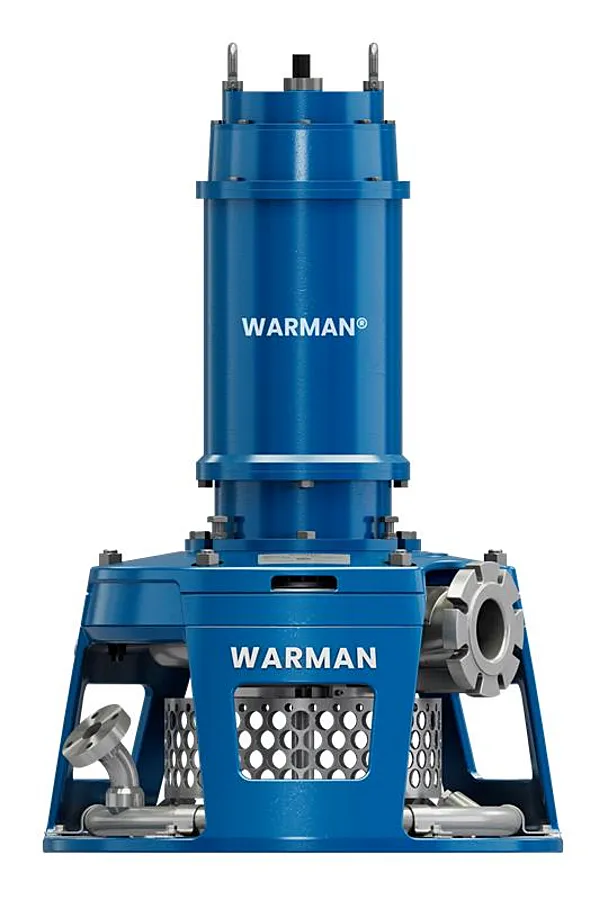
Weir, a mining technology company, has redesigned its market-leading heavy-duty submersible slurry pump to deliver reliable performance in the harshest slurry environments.

Weir has made several design improvements to address the operational challenges miners face in submersible pumping applications.

The WARMAN® SHW-XTR heavy-duty submersible slurry pump uses a larger shaft and heavy-duty bearings to keep everything stable, run smoothly, and avoid motor failure from shaft deflection.

Weir has also raised the strainer off the ground and added protective legs to shield it from tools, debris, and other job site hazards.

To prevent fluid from entering the motor, Weir has developed a custom double mechanical seal with a pressure-balanced oil chamber that keeps water out and extends the life of the motor.

In line with Weir’s commitment to reducing the environmental impact of its products, the WARMAN® SHW-XTR pump uses a glycol-based cooling system that does not waste water. Its simplified design and standard materials reduce waste, and the biodegradable oil in the seal helps protect the environment in case of a leak.

Ian Ross, Weir Global Product Manager, Dewatering Solutions, said: "We’re fortunate to be redesigning this pump from a position of strength. The legacy WARMAN® SHW pump has been a mainstay in demanding applications in mining operations all over the world. Its hydraulics are trusted throughout the industry, which is why we’ve preserved these design elements and focused on making improvements elsewhere.

"We wanted to make the pump easier to maintain, which is why the WARMAN® SHW-XTR pump has fewer components and a smarter design. This will ensure it is easier to maintain and will also reduce the need for a large parts inventory," Ross added.

"Two of the key challenges across the mining industry today are longer lead times and higher costs, so it was important that these factors informed the decision we made. As a result, the WARMAN® SHW-XTR pump is a standardised product, meaning faster delivery and better availability of spare parts," he said.

Founded in 1871, The Weir Group PLC is one of the world’s leading engineering businesses, with a purpose to make its mining and infrastructure customers’ operations more sustainable and efficient. Weir’s highly engineered technology enables critical resources to be produced using less energy, water, and waste while reducing customers’ total cost of ownership.

Weir is ideally positioned to benefit from structural trends that support long-term demand for its technology, including the need for more essential metals to support economic development and carbon transition. The Group has approximately 12,000 employees operating in over 50 countries, with a presence in every major mining region of the world. Find out more at www.global.weir.
September 18, 2025

OceanaGold (Philippines), Inc. has made substantial gains in its progressive rehabilitation by adopting an innovative and pioneering approach branded as the “Harmony in Diversity (HiD) Effect.” Progressive Rehabilitation, as defined by the Mines and Geosciences Bureau, is a cost-effective engineering and biological approach to mine rehabilitation. It aligns with the approved post-mining land use and should be implemented throughout all stages of mining to support ecosystem recovery and biodiversity regeneration. 

HiD has significantly reduced OGP’s1 or USD63,000 per hectare in 2023 to just PHP1.3 million or USD23,000 per hectare in 2025. The decrease is attributed to shifting away from hydroseeding, a conventional rehabilitation method that relied on imported mulch which is a material used to enrich the soil, and fast-growing grass seeds that required frequent trimming and costly maintenance. 

Beyond cutting costs, the initiative has also created a positive impact by allowing the budget originally allocated under traditional rehabilitation processes to be maximized. The savings can now be reallocated to other environmental programs of the Company, strengthening its overall environmental stewardship efforts.  

The HiD Effect successfully combines four distinct methods in rehabilitation: Miyawaki Method from Japan, Zai Pit Technique from Burkina Faso, Mycorrhiza fungi introduction for soil nutrition, and the use of decomposing twigs or trees to help create mini-ecosystems for bacteria and fungi. The approach mimics the original ecosystem of an area using the natural symbiotic relationship of different plants and species which were found endemic to the land before the mining operations.  

First implemented in the second quarter of 2024, the HiD Effect is ahead of the Memorandum Order No. 2025-001 issued by the Mines and Geosciences Bureau (MGB) in February 2025 to leverage the natural succession process in which ecosystems recover over time through the sequential establishment of plant and animal species. 

“Through the HiD Effect, we can transform a disturbed mining area into a self-sustaining forest in just three to five years which used to take at least 15 years under the conventional method,” Donna Del Moro, OGP’s Acting Superintendent for Environment, said. 

Owing to HiD Effect’s success, the Company is already in discussions with the Ecosystem Research and Development Bureau (ERDB), the principal research agency of the Department of Environment and Natural Resources (DENR), to conduct further research in order to develop a successful rehabilitation criterion to be recommended in the rest of the mining industry. ERDB, together with the MGB, visited the Didipio Mine last April 2025 as part of a nationwide assessment of progressive rehabilitation practices. 

“We value the opportunity to collaborate with DENR’s principal research arm, combining their institutional knowledge with our on-the-ground innovation,” Nericel Langres-Daulayan, OGP’s  Mine Environmental Protection and Enhancement Office Manager, said. 

Traditional mine rehabilitation is labor-intensive, typically requiring hydroseeding, direct seeding, assisted natural regeneration, and costly slope stabilization. Mature forest species, which are essential to replicate natural ecosystems, are often introduced much later, prolonging the recovery timeline. By contrast, the HiD Effect allows forest layers to develop simultaneously. This creates faster biodiversity recovery, enriched soil nutrients, and conditions for fauna such as birds, insects, and other wildlife to return sooner. 

Based on OGP’s monthly monitoring, endemic birds such as pacific swallows, swiftlets, and wagtails have been spotted in the rehabilitated area. 

“We have also observed native plants from other areas growing naturally in the rehabilitated area without our intervention, which indicates that animals are already helping spread seeds and rebuild the ecosystem. With richer biodiversity and improved water retention, we also expect these rehabilitated areas to strengthen natural defenses against erosion and landslides during heavy rains,” Del Moro added. 

As of June 2025, OGP has successfully regenerated 16% or 55 hectares of the disturbed 345 hectares of the mine. The Company has approximately spent USD 2.5 million since 2013 for its progressive rehabilitation.  

“OceanaGold is committed to leaving a positive legacy by proving that responsible mining includes not just resource development but also regenerative ecosystem renewal. The HiD Effect ensures that post-mining areas can thrive and sustain communities for generations to come,” Langres-Daulayan added. 

September 18, 2025

In today’s mining landscape, success is no longer measured by output alone. Clients worldwide are being asked to demonstrate environmental responsibility, meet increasingly stringent regulatory frameworks, and secure their social license to operate while improving operational efficiency.  

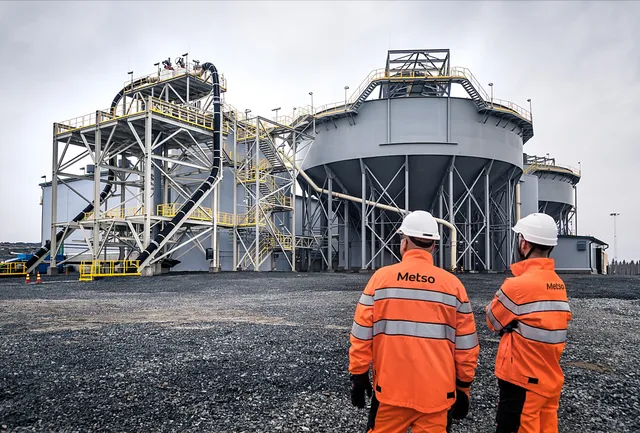
In regions with high rainfall or limited tailings storage areas, these challenges are even greater. For mining companies ready to answer that challenge, Metso offers a compelling and proven solution: dry stacked tailings. 

A smarter, safer approach to tailings 

Tailings management has long been one of the mining industry’s most persistent and visible challenges. Conventional slurry-based storage systems, reliant on high water volumes and large tailings dams, come with known environmental, operational and safety risks. Catastrophic failures in recent history have only accelerated the shift toward alternatives that reduce these risks. 

Metso’s dry stacked tailings technology is more than just a safer option; it’s a strategic investment into the long-term resilience of your operation. By removing water from tailings through high-efficiency filtration and stacking the material dry, the tailings dam is eliminated, water recovery is significantly increased, and the site’s environmental footprint is lowered. 

Sustainability at the core of innovation 

For Metso, sustainability isn’t an add-on—it’s engineered into every solution. Their dry stacked tailings systems use cutting-edge pressure filtration, such as the Larox® FFP (Fully Automated Filter Press) and the VPA (Vertical Plate Pressure Filter – Airblow) filter, to achieve up to 90% water recovery. These systems are modular, energy-efficient, and scalable to fit the needs of both greenfield and brownfield operations. 

From Chile’s high-altitude Salares Norte gold mine to the Skouries project in Greece, Metso’s dry stacking solutions are already proving their value in demanding, water-scarce environments. Part of Metso’s Metso Plus portfolio of equipment, parts, and services designed to deliver enhanced performance and proven sustainability benefits, helping customers operate more efficiently, profitably, and responsibly. 

End-to-end solutions for real-world impact 

What sets Metso apart is not just its technology, but its deep commitment to helping clients through the entire tailings lifecycle. Metso offers: 

  • Tailings test work and feasibility studies 

  • Customized filtration and thickening solutions 

  • Process water recovery and closed-loop systems 

  • Digital simulation tools like Geminex™ for performance optimization 

  • Life Cycle Services (LCS), including installation, training, spare part plate pack maintenance, and performance audits, based on needs. 

This end-to-end approach ensures that tailings management is not just compliant but optimized, maximizing throughput, minimizing downtime, and creating new opportunities for value recovery from waste. 

Turning Responsibility into Results 

For future-focused mine operators, dry stacking is more than a compliance measure; it’s a way to build trust with regulators, investors, and surrounding communities. It’s a way to show the world that sustainable mining is not only possible, but also profitable. 

With Metso as your partner, you don’t need to compromise between performance and responsibility—you get both. Let’s move tailings from liability to legacy. 

 Talk to Metso today about how dry stacked tailings can transform your operation for good. For local support, please contact Lawrence Lazaro or Raz Raullo, at orderdesk.asia@metso.com, or visit our office in Manila. Visit our tailings management solution here 
September 18, 2025

By Wei Wei, Regional Fluke Calibration Product Manager, Fluke South East Asia Pte Ltd  

The Philippine mining industry continues to balance rising demand with the pressing need for safety, accuracy and operational resilience. From hazardous underground environments to remote exploration sites, mining operations face unique challenges that demand robust and reliable equipment. Fluke’s innovative safety devices and calibration solutions are helping miners across Southeast Asia, including the Philippines, mitigate risks, improve productivity and remain compliant with international standards. 

Meeting Safety Demands in Hazardous Environments 

Mining is inherently high-risk, with workers exposed to dust, extreme temperatures and potentially explosive gases. This makes the use of intrinsically safe devices critical. Fluke has responded with specialised products designed to withstand harsh conditions without compromising measurement accuracy. 

Recent deployments in Southeast Asia have included more than 100 intrinsically safe thermometers in active mining operations in Indonesia alone. These devices deliver consistent accuracy while protecting workers in hazardous zones. 

The Fluke 1551A and 1552A “Stik” thermometers exemplify this safety-first approach. Built for rugged field use, these handheld devices offer an extended temperature range from -80°C to 300°C, delivering laboratory-level accuracy in the field. Their lightweight, battery-powered design provides up to 300 hours of operation on standard AAA batteries, a vital advantage in remote mining sites where access to charging facilities is limited. 

Mining Success Stories in the Philippines 

Mining operators in the Philippines are increasingly adopting Fluke devices where safety and uptime are non-negotiable. By deploying Fluke intrinsically safe thermometers across their operations, they overcome the challenges of charging and maintaining devices in the field. 

The advantages of using Fluke 1551A and 1552A are clear: 

  • Ease of use – simple, intuitive controls that minimise operator training. 
  • Data logging - effortlessly capture and store temperature trends 
  • Long battery life – up to 300 hours on AAA batteries, removing reliance on AC power. 
  • Lightweight portability – handheld devices that reduce fatigue in the field. 

With these solutions in place, operators have improved safety confidence, reduced downtime and maintained critical accuracy in harsh conditions. 

Calibration Solutions That Keep Operations Flowing 

Accurate pressure calibration is another area of growing concern in mining, particularly when it comes to hydraulic systems. Remote operations often rely on oil-based systems, which can complicate calibration and slow down productivity. 

Calibrating pressure using a manual pump can be a time-consuming task, but the Fluke 729 Pro Automatic Pressure Calibrator makes it easier with an internal electric pump that provides automatic pressure generation and regulation in an easy-to-use, rugged, portable package. Fluke 729 Pro extends the family of 729 Automatic Pressure Calibrators to 1,000 psi, and streamlines testing for both pneumatic and hydraulic systems, removing the inefficiencies associated with oil-based hydraulic pumping processes. For operations requiring higher pressures, a manual pump option, Fluke 700HPPK Pneumatic Test Pump Kit, generates up to 3,000 psi, offering a simple-to-use, safe and portable pressure source for challenging environments.  

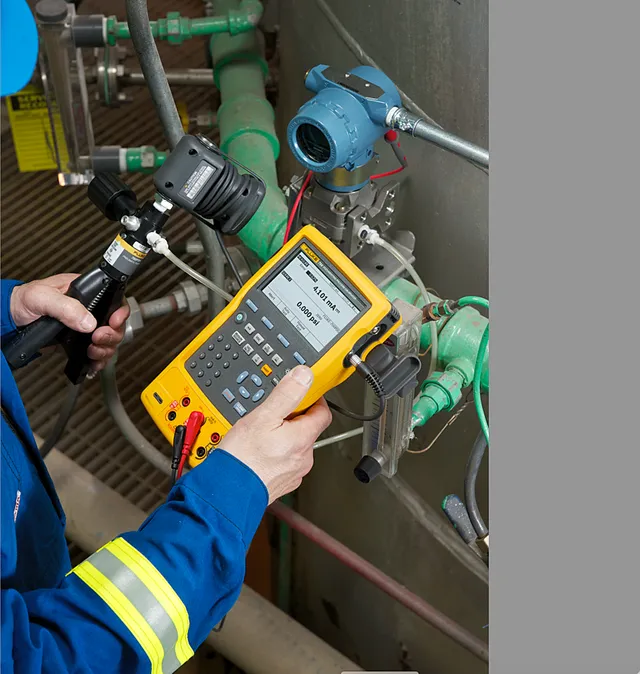
Carrying multiple single function tools can be a trouble for field workers. Fluke 754 Documenting Process Calibrator does the work of several tools, sourcing, simulating and measuring pressure, temperature and electrical signals in one rugged, hand-held device. For documentation, the Fluke 754 automates calibration procedures and captures data and also helps mining companies meet rigorous standards like ISO 9000, EPA and OSHA regulations. The new improved graphical screen, Li-Ion battery for longer life, USB port and accessories help technicians work smarter and faster in the field. 

Both solutions are designed to be portable, easy to operate and effective in the field, helping mining companies maintain accurate measurements and avoid costly downtime. 

Raising Standards for Safety and Productivity 

As the Philippines mining sector prepares for the future, the integration of intrinsically safe tools and advanced calibration systems is essential. By leveraging rugged, accurate and portable devices like the Fluke 1551A and 1552A, and by adopting smarter calibration practices with devices such as Fluke 729 Pro and Fluke 754, mining companies are better equipped to protect their people, maximise uptime and deliver consistent yields. 

Mining may be unpredictable, but safety and accuracy should never be. With the right solutions in hand, mining companies can achieve both. 

To learn more about solutions for mining from Fluke, contact us at fsea.info@fluke.com or scan the QR code to explore our full range of safety and monitoring solutions. 

September 18, 2025

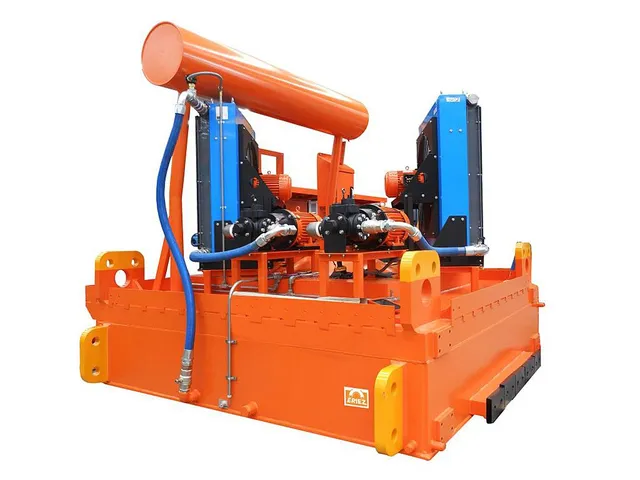
Eriez’ force-cooled suspended magnets balance strength, efficiency, and adaptability. 

Tramp metal is one of the most persistent—and costly—hazards in mining and bulk material handling. Even a single fragment of iron can damage crushers, conveyors, or downstream equipment, triggering downtime and safety risks. Preventing these incidents before they reach critical systems is essential. But, as plants expand in scale and throughput, keeping tramp metal in check becomes more complicated. Traditional suspended magnets are often large and heavy, demanding extensive support structures that raise capital expenses and exacerbate installation challenges. 

That’s where Eriez Compact Force-Cooled Suspended Electromagnets prove their value. By combining active cooling and a reduced footprint, they deliver the same powerful separation as bulkier units—without the same infrastructure needs. The payoff is clear: dependable tramp metal protection that matches the needs of modern, high-capacity plants. 

Balancing Strength, Size, and Reliability 

Developed by Eriez, a global authority in separation technologies, these magnets achieve exceptional performance through active cooling. Circulating oil through a heat exchanger dissipates heat more efficiently, enabling higher magnetic field strengths at lower operating temperatures. This innovation allows operators to install smaller, lighter units while maintaining the protection once possible only with traditional heavy designs. 

Built for demanding environments, the magnets feature tightly wound VEOX anodised aluminum strip coils, rugged manganese bottom plates, and sealed oil expansion tanks for long service life. They are suited to applications ranging from coal and aggregates to limestone, cement, recycled materials, and municipal waste. Plants can choose self-cleaning models for uninterrupted operation or manual-cleaning units for simpler, more economical setups. Added monitoring tools, such as oil temperature sensors and conveyor speed switches, help ensure consistent performance and strengthen peace of mind. 

Supporting Regional Industries 

For resource-rich nations such as the Philippines, a compact design is more than a convenience; it’s a necessity. Many mining and aggregates sites operate in remote terrain where infrastructure is limited, and downtime carries a massive cost. Compact Force-Cooled Suspended Electromagnets address this reality by bringing together high-strength separation with easier installation, allowing operators to protect equipment without overbuilding structural supports. 

A Longstanding Focus on Separation Technologies 

This compact, force-cooled approach is just one example of Eriez’ decades of innovation in magnetic separation. Having pioneered oil-cooled suspended electromagnets, the company continues to refine designs that meet the evolving demands of global resource industries. Eriez’ vast equipment portfolio, including metal detectors, vibratory feeders, flotation systems, recycling technologies, and more, is engineered to promote safety, efficiency, and sustainability. 

For operators in the Philippines and beyond, compact force-cooled suspended magnets illustrate how Eriez innovation delivers practical solutions: protecting critical equipment, upholding throughput, and controlling costs—all while fitting the tighter footprints of advanced processing plants. As the global resource sector strives to do more with less, compact solutions will define the future of tramp metal protection—and Eriez is driving that future forward. 

By: Dave Heubel, Global Product Manager-Magnetic Separation, Eriez 

September 15, 2025

Celsius Resources Ltd. has reported further high-grade copper and gold intercepts from its Maalinao-Caigutan-Biyog (MCB) Project in the Cordillera Administrative Region, even as Philippine regulators granted conditional approval for the use of water resources in preparation for mine development.

In its September 15 disclosure to the Australian Securities Exchange (ASX) and London’s Alternative Investment Market (AIM), Celsius said drilling results confirmed a continuous interval of 113.1 meters grading 1.32 percent copper and 0.41 grams per ton (g/t) gold from 8.1 meters, including 54.6 meters at 1.84 percent copper and 0.74 g/t gold from 60.4 meters.

The drill program, which began in June, focused on geotechnical and hydrogeological drilling, as well as collecting material for metallurgical test work.

“This recent drill hole was completed to provide Ausenco and its mineral processing team with sufficient high-quality material from the MCB deposit so that further testwork can be completed to reaffirm the process plant design,” said Peter Hume, Celsius’ country technical director.

“With these new higher-grade intercepts, we have further confidence that our mine plan, development and operating strategy will deliver the best value for the Project, our investors, shareholders and the community,” Hume added.

Water permit granted

The National Water Resources Board (NWRB) has issued a conditional water permit valid for 12 months, authorizing Celsius’ Philippine subsidiary Makilala Mining Company Inc. (MMCI) to commence water use activities for the MCB Project.

Under the Water Code of the Philippines, MMCI is required to install measuring devices and submit quarterly water utilization reports to ensure withdrawals remain sustainable and do not compromise existing water rights. The permit will be made permanent once compliance conditions are met.

Celsius said it “remains committed to working diligently to meeting all regulatory requirements while safeguarding local water resources to secure full permit conversion.”

Feasibility and financing update

The company also confirmed that its feasibility update study and front-end engineering design (FEED) program remain on track for completion by December.

An interim study report from Ausenco highlighted improvements in mine design, site layout, processing plant design and materials handling, which are expected to lower operating costs and boost project economics.

Ongoing talks are being held with several potential financiers, including the Maharlika Investment Corporation and Kiri Industries Ltd. While the Maharlika fund has already extended an initial bridging loan, Celsius cautioned that “there is no guarantee that discussions will lead to any definitive agreement.”

The MCB Project, located about 320 kilometers north of Manila, has an updated JORC-compliant mineral resource estimate of 338 million tonnes grading 0.47 percent copper and 0.12 g/t gold, equivalent to 1.6 million tonnes of contained copper and 1.3 million ounces of gold.

A 2021 study identified the potential for a 25-year underground mining operation with a post-tax net present value of $464 million and an internal rate of return of 31 percent, based on a copper price of $4 per pound and gold at $1,695 per ounce.

September 15, 2025

Silangan Mindanao Mining Co., Inc. (SMMCI) has reaffirmed its commitment to responsible mining by conducting its latest interdisciplinary audit of underground operations earlier this month.

Held on September 3, the monthly audit brought together technical experts, department heads, and managers from across the company to review every critical aspect of mining activities. Instead of looking only at technical results, the audit was designed to be holistic, covering safety and health, engineering, ventilation, mine support, geotechnical stability, environmental management, worker welfare, and finance.

A collective approach

Unlike routine inspections, SMMCI’s audit encourages collaboration and open dialogue. Teams were divided according to their specialization, enabling focused field inspections. Afterward, everyone reconvened to present findings and exchange recommendations.

Project Lead Engr. Venancio Gel A. Romero presided over the consolidation of results and guided the technical discussions. He highlighted how bringing different disciplines together makes the process more effective.

Romero explained, “The value of collective expertise lies in identifying improvements that contribute to both efficiency and safety in mine operations.”

More than compliance

The audit is not just about ticking boxes. By holding regular reviews, SMMCI aims to identify potential risks early and ensure progress is measured against internationally recognized mining practices.

Organizers stressed that the process goes beyond technical oversight. It is also a way to foster dialogue across departments and to build a culture where safety, sustainability, and accountability are part of everyday operations.

Responsible mining in practice

SMMCI said the monthly audits form part of its operating culture, reflecting its belief in “right and responsible mining.” The company emphasized that internal reviews are essential not only for meeting project milestones but also for protecting its workforce and ensuring that surrounding communities benefit from safe and sustainable practices.

By combining technical rigor with open communication, SMMCI’s audit system demonstrates how the mining industry can balance productivity with social and environmental responsibility.

September 15, 2025

After a decade of regulatory restrictions, the Philippine mining industry is re-emerging as a key driver of economic growth. Following the suspension of new mining permits under Executive Order (EO) 79 in 2012, the sector experienced significant declines in revenues, exports, and foreign investment. In 2021, EO 130 lifted the moratorium, enabling renewed exploration and development within a framework of responsible mining. 

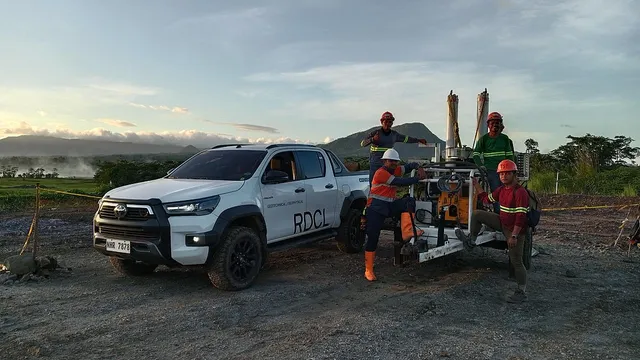
This article by Patrick Manalansan, Senior Ground Investigation Specialist for RDCL in Manila, reviews the policy shifts that enabled the industry’s revival, explores the resulting economic contributions, and answers the question – how does geotechnical risk management support long-term, sustainable mining operations? 

Mining’s Temporary Decline 

The Philippines holds some of the world’s largest untapped reserves of gold, copper, and nickel. Yet from 2012 to 2017, Executive Order 79 halted new mineral agreements to address environmental and social concerns. While intended to promote sustainable development, the policy inadvertently constrained national and local economies: 

  • Export revenues and foreign investment declined significantly. 

  • Host provinces experienced reduced revenues, affecting Local Government Units (LGUs). 

  • Communities faced job losses and stalled business growth. 

Despite these challenges, the mining industry remained resilient — generating ₱132 billion during the height of the COVID-19 pandemic. 


Policy Shifts and the Return of Mining 

In April 2021, EO 130 amended the previous directive, reopening the sector while promoting a framework for Responsible Mining. This policy reversal was influenced by three primary factors: 

  1. Economic Recovery Needs 
    Post-pandemic recovery efforts required new sources of government revenue, infrastructure investment, and employment. 

  1. Global Commodity Surge 
    A sharp increase in global prices for copper, gold, and nickel positioned the Philippines to benefit from renewed extraction. 

  1. Improved ESG and Regulatory Practices 
    Stronger Environmental, Social, and Governance (ESG) frameworks helped rebuild investor confidence and community trust. 


Economic Contributions Post-EO 130 

Following the policy reforms: 

  • Annual mining revenues rose to ₱240–270 billion from 2021 to 2023. 

  • The sector’s GDP contribution increased to 1.2–1.5% in 2024–2025. 

  • Foreign investment surged, especially in critical minerals for renewable energy and electric vehicle supply chains. 


Environmental and Social Safeguards 

The revival of mining is contingent on the industry's ability to meet enhanced environmental and social safeguards: 

  • Tailings Management: Implementation of stricter design and monitoring protocols for tailings storage facilities. 

  • Slope Stability: Mandatory geotechnical assessments for open-pit slope and wall safety. 

  • Community Investment: Mining firms now allocate 5–6% of gross revenues to environmental rehabilitation and social development. 

  • Transparency: Oversight from government agencies and multi-stakeholder monitoring groups ensures accountability. 

These initiatives have directly supported infrastructure, healthcare, education, and disaster preparedness programs in mining host communities (MGB, 2022). So, what is the role of geotechnical assessment in ensuring these safeguards and more sustainable outcomes are achieved, and operations trusted? And how does it benefit the overall project? 

The Critical Role of Geotechnical Risk Assessments in a Successful Mining Environment 

A successful mining operation is not only measured by its resource output, but by its ability to operate safely, efficiently, and sustainably. At the center of this operational integrity lies geotechnical assessment, which informs every phase of mine development - from exploration to closure. 

1. Ensuring Safety and Preventing Disasters 

Geotechnical assessments are essential in preventing catastrophic events such as pit wall collapses, landslides, and tailings dam failures. These failures pose major threats to workers, nearby communities, and ecosystems. With reliable geotechnical data, engineers can: 

  • Identify unstable ground conditions and failure-prone zones. 

  • Assess the Factor of Safety for slopes, waste dumps, and tailings dams. 

  • Design for natural hazards such as earthquakes, heavy rainfall, and flooding. 

For instance, mines in geologically sensitive zones like Philex Padcal and Silangan have adopted advanced geotechnical modelling to ensure long-term stability. 

2. Optimizing Design and Productivity 

Proper geotechnical analysis also enhances operational efficiency: 

  • Stable pit slope design reduces over-excavation and increases ore recovery. 

  • Accurate ground modelling prevents costly rework and unplanned halts. 

  • In underground mines, it ensures safe tunnel layouts and effective ground support. 

Designs guided by geotechnical data lead to better resource utilization, improved safety margins, and reduced environmental impact. 

3. Strengthening Environmental Compliance 

Mining projects must meet strict environmental regulations, including those under the Environmental Compliance Certificate (ECC) process. Geotechnical assessments support this by: 

  • Ensuring the structural integrity of tailings storage facilities (TSFs). 

  • Preventing seepage, erosion, and hazardous runoff. 

  • Supporting landform designs for post-mining rehabilitation. 

With climate change increasing the intensity of weather events, the stability of dams, slopes, and waste dumps has never been more critical. 

4. Earning Community Trust and Social License 

Transparent geotechnical practices contribute to community confidence. By publishing risk mitigation strategies and engaging in third-party monitoring, companies show commitment to safety and environmental responsibility.  

This is key to maintaining the social license to operate, especially in sensitive or ancestral domains. 

5. Supporting the Full Mine Lifecycle 

Geotechnical work is not a one-off task. It must be integrated across all mining phases: 

  • Exploration: Terrain analysis, core drilling, and geophysical mapping. 

  • Development: Real-time monitoring, slope deformation tracking, and sensor installation. 

  • Closure and Rehabilitation: Designing safe post-mining landscapes and managing long-term ground stability. 

Case in Point: RDCL’s Technical Leadership 

Local firms like RDCL have been instrumental in professionalizing geotechnical services in the Philippines. RDCL has: 

  • Delivered high-resolution geophysical mapping for complex geotechnical conditions. 

  • Designed slope stability models for deep open-pit operations. 

  • Conducted third-party geotechnical reviews of tailings dams in line with Global Industry Standard on Tailings Management (GISTM). 

Working with leading firms such as Filminera-MGP, OceanaGold, Philex, and Silangan Mindanao Mining, RDCL continues to shape a technically sound and environmentally responsible future for Philippine mining. 


Conclusion – Modern Risk Management Starts with Meaningful Partnerships 

Mining’s resurgence in the Philippines reflects a careful balance of economic revitalization, regulatory reform, and rising global demand for minerals. Yet its long-term viability depends on consistent adherence to environmental, social, and technical standards. Among these, geotechnical risk management stands out as a foundational element - enabling safer designs, more resilient infrastructure, and stronger community relations. 

By securing an experienced geotechnical partner that works in partnership for the future of the land, mining ventures can operate with the intelligence, care and transparency needed to help answer the call of the communities they serve, and be positioned for safe and enduring land restorations for the future. 

For more information contact RDCL at rdcl.asia.  

Patrick Manalansan is a Senior Ground Investigation Specialist for RDCL in Manila. He has worked on many memorable geotechnical projects throughout the Philippines. Driven by his passion for Geotech, he continues to make a positive impact on the community. 


References 

Azam, S., & Li, Q. (2019). Tailings dam failures: A review of the last one hundred years. Waste Management & Research, 37(7), 627–640. 
Bangko Sentral ng Pilipinas (BSP). (2024). Philippine Economic Outlook 2024–2025. Manila: BSP. 
Chamber of Mines of the Philippines (COMP). (2019). Mining’s Contribution to Local Government Revenues. Manila: COMP. 
Chamber of Mines of the Philippines (COMP). (2021). Responsible Mining and ESG in the Philippines. Manila: COMP. 
Chamber of Mines of the Philippines (COMP). (2022). Sustainability Report. Manila: COMP. 
Department of Finance (DOF). (2021). Press Release: EO 130 and its Economic Impacts. Manila: DOF. 
International Energy Agency (IEA). (2023). The Role of Critical Minerals in the Energy Transition. Paris: IEA. 
Mines and Geosciences Bureau (MGB). (2020). Mining Industry Statistics. Quezon City: DENR-MGB. 
Mines and Geosciences Bureau (MGB). (2021). Tampakan Copper-Gold Project Report. Quezon City: DENR-MGB. 
Mines and Geosciences Bureau (MGB). (2022). Tailings and Environmental Monitoring Guidelines. Quezon City: DENR-MGB. 
Mines and Geosciences Bureau (MGB). (2023). Philippine Mineral Industry Statistics 2023. Quezon City: DENR-MGB. 
Read, J., & Stacey, P. (2009). Guidelines for Open Pit Slope Design. CSIRO Publishing. 
Sahoo, S., & Sainoki, A. (2021). Risk-based approach for open pit slope stability. International Journal of Mining Science and Technology, 31(4), 653–663. 
Villaluz, J., & Reyes, R. (2022). Geotechnical monitoring in Philippine mining: Lessons learned. Philippine Journal of Earth Sciences, 15(2), 87–101. 
World Bank. (2020). Philippines Mineral Resource Potential. Washington, DC: World Bank. 
World Bank. (2021). Foreign Investment Trends in the Philippines. Washington, DC: World Bank. 
World Gold Council. (2022). Gold Market Outlook. London: WGC 

September 15, 2025

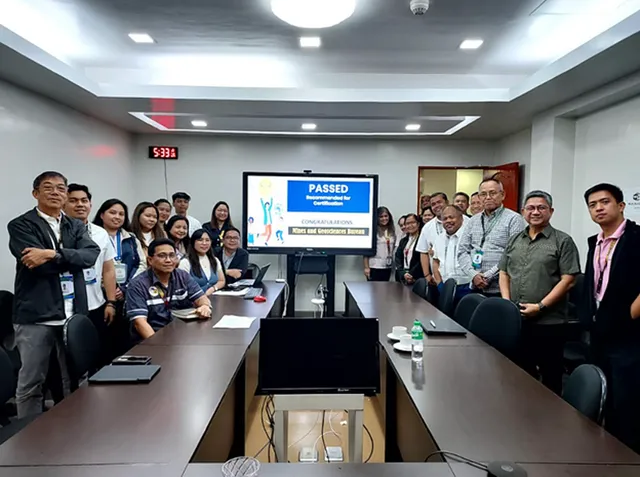
The Mines and Geosciences Bureau (MGB) Central Office has successfully completed its 2nd Surveillance Audit for the ISO 14001:2015 Environmental Management System (EMS), conducted by SGS Philippines Inc. on April 14–15, 2025. In addition, MGB-Central Office achieved recertification for ISO 9001:2015, awarded by ACS W3 Solutionz Management Consultancy on June 24, 2025.

The two-day audit verified MGB-Central Office’s continued compliance with international environmental management standards. SGS Philippines Inc. carried out a comprehensive assessment of MGB’s Environmental Management System, focusing on legal compliance, risk-based controls, and progress on previous audit findings.

The audit concluded with no major non-conformities, reaffirming MGB’s commitment to strong environmental governance. Auditors also noted several improvements in operational controls, internal documentation, and the monitoring of environmental aspects tied to MGB CO’s activities and services. These findings provide valuable input for enhancing the EMS and ensuring alignment with evolving standards and stakeholder expectations.

The surveillance audit is part of MGB’s three-year EMS certification cycle, serving as a key checkpoint to confirm that environmental management practices remain effective, responsive, and fully compliant with ISO 14001:2015 since 2019.

On June 24, 2025, MGB-Central Office was recertified for ISO 9001:2015 by ACS W3 Solutionz Management Consultancy. This milestone reflects the Bureau’s ongoing commitment to quality management, ensuring the effective and efficient delivery of services to stakeholders and the public since 2018.

These certifications underscore the Mines and Geosciences Bureau Central Office’s dedication to upholding international benchmarks in both environmental management and quality assurance. Moving forward, MGB will continue to strengthen its operational efficiency, environmental stewardship, and regulatory excellence.

September 10, 2025

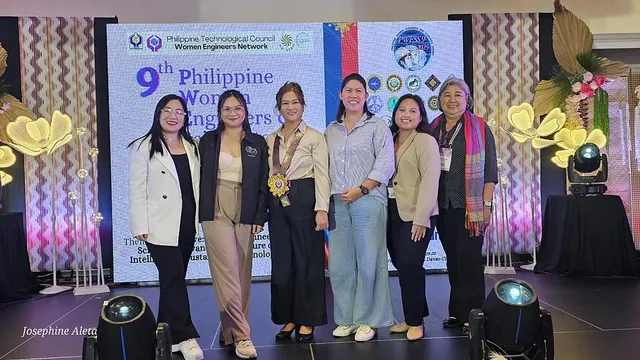
A metallurgical engineer of the Mines and Geosciences Bureau (MGB)chaired the recently concluded 9th Philippine Women Engineers and Scientists Summit (PWESS 9) held in Davao City from August 7 to 9, 2025.

Engr. Carina de Vera Pecson of the Metallurgical Technology Division (MetD) led this year’s summit with the theme:“Deep Dive: Women Engineers and Scientists Advancing the Future of Intelligent and Sustainable Technology”. It aims to highlight the role of women engineers and scientists in creating innovative solutions to navigate the future of global intelligent and sustainable technology.

More than 260 women engineers and scientists participated, including other MGBwomen engineers and scientists who represented their respective professional organizations. MGB Regional Office (RO) No.XI Director Beverly Brebante,Ms. Josephine Aleta of MGB RO No.VII, and Ms. Maria LordesStephanieLeido of MGBCentral Office represented the Geological Society of the Philippines, while Engr.NandryClaeLagman and Engr. Paula MoranteofMGB RO No.Irepresented the Philippine Society of Mining Engineers.

PWESS 9 showcased speakers and presenters, who are also representatives of the 13 Engineering Professional Organization members of the Philippine Technology Council Women Engineers Network (PTC WEN), generously shared their personal roles in developing groundbreaking technologies that are sustainable and beneficial to the environment. These successful women’s statements are living proofs of the increasing number of leadership roles women have occupied in the pursuit of an intelligent and sustainable future. Furthermore, the different presentations well represented the various sectors of society, such as industry, academe, and government.

Establishing linkages is one of the vital advantages of the said Summit.  The relationships and networks that have started with the persons the women engineers and scientists chanced to meet in this summit are invaluable and priceless. These could lead to future collaboration and success. They just have to stay connected, continue the conversations, and establish support for each other in their professional journeys.

Another highlight of the Summit is the 8thLakambiningInhinyera(LI) pageant, which showcases a woman engineer'sintelligence, beauty, and charm. This year’s pageant was participated in by candidates from the Geodetic Engineers of the Philippines (8th LI Grand Winner), the Philippine Society of Mechanical Engineers (1st Runner-up), the Institute of Integrated Electrical Engineers (2nd Runner-up), the Philippine Institute of Chemical Engineers, the Society of Metallurgical Engineers of the Philippines, and the Philippine Society of Sanitary Engineers.

In her Closing Remarks, Engr. Pecsonshared her personal imprint on how one could easily adopt and immerse in an environment highly characterized by intelligent and sustainable technology. During her deliverance, she quoted, “Nowadays, with the fast-changing innovations, it is no longer ‘the big fish that eats the small fish’ but rather ‘it is the fast fish that eats the slow fish’”. Thisemphasizes the importance of exercising pro-activeness at work to ensure that we are inphase with the fast-changing technologies at all times.”

The summit is an annual activity of the PTC WEN, an organization that promotes the advancement and empowerment of women engineers in the Philippines.