Category:

The Fault with Cobalt: Overcoming the Challenges of Battery Metal Exploration
upply Co., Inc.
Cobalt is an important element used to manufacture rechargeable batteries. Cobalt has unique properties that help improve thermal stability, which is critical for the batteries to function properly. It also helps improve some batteries’ energy density, so they can last longer. The demand for cobalt is high, so geologists need fast, accurate tools to help them meet these requirements. Portable X-ray fluorescence (pXRF) analyzers are one of these tools, as they provide on-the-spot material chemistry results.
Why Choose Portable XRF for Cobalt Exploration?
Portable XRF provides rapid, in situ, multielement geochemistry for immediate results in the field. This is useful for greenfield and brownfield exploration, ore grade and process control, environmental monitoring and remediation, and researching/teaching within the geological/environmental sciences.
For battery metal exploration, portable XRF provides decision-quality data faster than traditional, lab-based XRF, and also enables more discriminatory laboratory sampling, helping reduce costs and improve ROI. With sample preparation, pXRF produces high-quality quantitative data that is comparable to laboratory analysis.
Challenges with Analyzing Cobalt
XRF is prone to inter-element interferences. Iron (Fe) on cobalt (Co) and nickel (Ni) on cobalt (Co) are two common examples. This means that when a lot of iron is present, it becomes difficult for XRF to identify cobalt at low levels.
Likewise, the presence of nickel also makes it difficult for XRF to ID cobalt. Unfortunately, cobalt is routinely explored for in the presence of significant amounts of iron and nickel.
To solve this challenge, we developed a GeoChem method for Vanta™ pXRF analyzers that offers improved analysis for battery metals exploration by being able to detect cobalt in the presence of iron and nickel. This innovative method overcomes the interference that has historically made it very difficult for portable XRF analyzers to detect cobalt in the presence of these other elements.
The method we developed for the Vanta analyzer is built on the current GeoChem method, but with a more sophisticated way of deconvoluting the iron/cobalt/nickel peaks. Before deploying this solution, we tested it on client samples to make sure that it produced good results.
Test Results
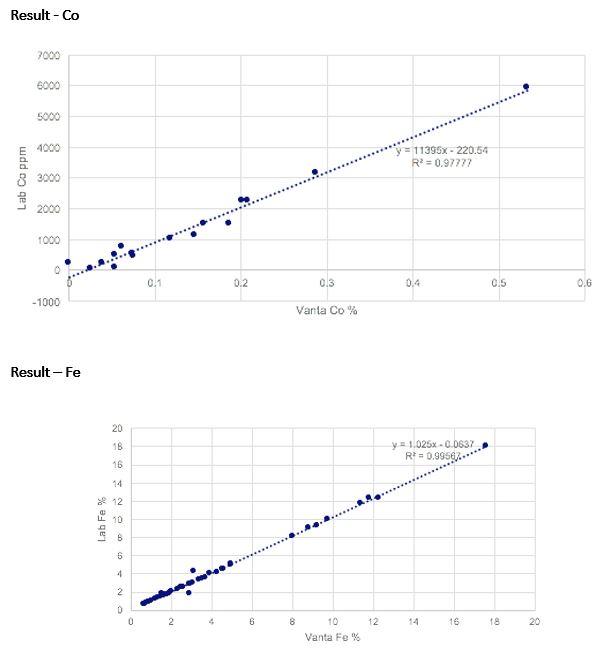
We analyzed 16 samples with high iron content—9% < Fe < 50%, 50 ≤ Co ≤ 6000 ppm, Ni < 500 ppm. We also analyzed 50 samples with a moderate amount of iron—0.5% < Fe < 15%, 16 < Ni < 8000 ppm, 50 ppm < Co < 2.3%. The samples were pulps in XRF cups, and they were analyzed using 60 seconds per beam with no corrections.
The graphs below show excellent agreement between the results obtained from a lab and results obtained using a Vanta portable XRF analyzer, indicating that the modified GeoChem method can accurately detect the presence of cobalt when it’s in the presence of both large and moderate amounts of the interfering elements iron and nickel. Geologists now have another important tool that they can rely on when exploring for new sources of this vital element.
My Tampakan Experience
President Rodrigo R. Duterte issued an order last year that lifted the ban on open-pit mining imposed in 2017. The lifting of the ban would have allowed the $5.9-billion Tampakan copper-gold mine project to proceed, the largest untapped copper-gold deposit in Southeast Asia and one of the world’s biggest. Sagittarius Mines, Inc. holds the Financial and Technical Assistance Agreement (“FTAA”) to operate at the site, which reportedly has a potential of 15 million tons of copper and 17.6 million ounces of gold.
The Tampakan copper-gold project was again recently placed in the limelight when Governor Tamayo of South Cotabato vetoed a provincial board resolution lifting the ban on open-pit mining in the province. The governor said he vetoed the lifting of the ban on open-pit mining for being prejudicial to the public welfare and inimical to the overall interest of the province. To add to the confusion, the governor stressed that this however, did not affect the operation of the stalled Tampakan copper-gold project stating that the ordinance was limited to the scope of the local government’s authority and covered small-scale mining. The ordinance, according to the governor, has nothing to do with whatever the national government decides on large-scale mining.
However, Tamayo appealed to the provincial board not to override the veto and allow the incoming Sanggunian to conduct its review of the province’s Ordinance No. 4 Series of 2010 otherwise known as the “South Cotabato Environment Code”. Tamayo’s move was met with jubilation by environmental, religious, and other groups opposed to the Tampakan project.
These developments brought back memories of my time as lawyer for the project operated by the original FTAA holder.
Entry of Western Mining Corporation
Western Mining Corporation (“WMC”) arrived in 1987 and during the next ten years evaluated many exploration sites. In 1990, Gerry Palermo, a Davao-based businessman who headed a group of mining claims held by members of the Visayan community in South Cotabato, introduced the prospect to WMC.
In a contract denominated as "Tampakan Option Agreement" dated 25 April 1991, WMC Resources International Pty. Ltd. (WMC), a wholly owned subsidiary of Western Mining Corporation Holdings Limited, a publicly listed major Australian mining and exploration company, through its local subsidiary Western Mining Corporation (Philippines), Inc. (“WMCP”) acquired the mining claims of Southcot Mining Corporation, Tampakan Mining Corporation, and Sagittarius Mines, Inc.
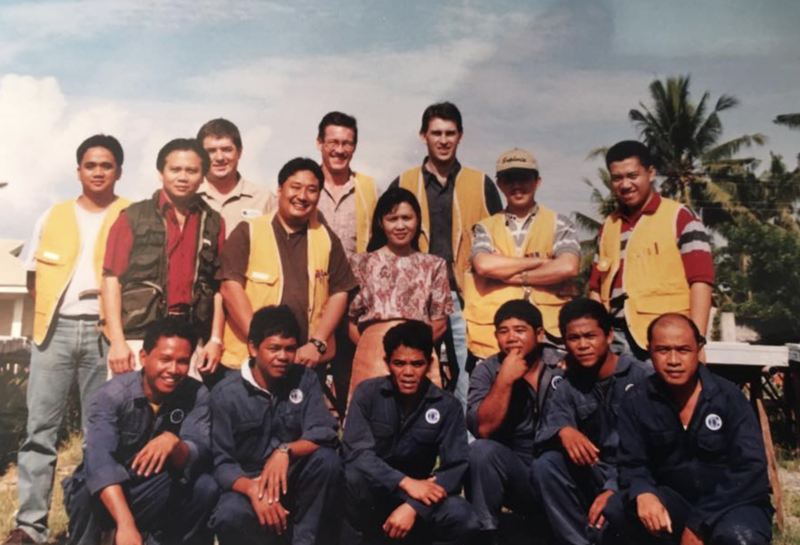
Geophysical and geochemical surveys were completed in 1992 and the results identified a target for exploration drilling in 1993. The Philippine government awarded to WMCP an FTAA on 30 March 1995, a month before the Mining Act of 1995 went into effect on April 30 and before the Indigenous Peoples Rights Act (“IPRA”) was passed into law in 1997. The original FTAA covered 99,3876 hectares in the quad-boundary of South Cotabato, Sultan Kudarat, Davao del Sur and North Cotabato. In early 1998, WMCP announced a large tonnage, low-grade mineral resource of 900 million tons at 0.75 percent copper and 0.30 gram per ton gold using a copper cut-off grade of .50 percent.
In 1997, the La Bugal-B’laan Tribal Association of Columbio, Sultan Kudarat challenged the constitutionality of the Mining Act, asserting that its provisions regarding 100% foreign ownership of companies engaged in mining as well as other provisions of the said law went against the 1987 Philippine Constitution. In 27 January 2004, the Supreme Court (“SC”) declared the Mining Act unconstitutional, thereby voiding the FTAA issued to WMCP. However, the SC overturned its own decision in December of the same year.
Principal Agreements with Stakeholders
In accordance with the terms of its FTAA, WMCP sought agreements with the three provinces - South Cotabato, Sultan Kudarat, and Davao del Sur - and their respective municipalities - Tampakan, Columbio, and Kiblawan, as well as five Barangay Councils - Pula Bato, Danlag and Tablu in Tampakan, Datal Blao in Columbio, and Kimlawis in Kiblawan. The five barangays are also home to B’laan communities which occupy the more remote upland areas where actual mining was to take place. These are Bong Mal, Folu Bato, Danlag, Salna’ong and S’banken.
The B’laans are one of 18 indigenous groups living in Mindanao, who are largely concentrated in the provinces of South Cotabato, Davao del Sur and Sultan Kudarat. Most of them are still engaged in subsistence farming, with corn and rice being the main produce. Originally, the B’laans lived on the fertile plains but were forced to move to the mountains when the government started bringing in majority Cebuanos and Ilonggos from the Visayas during the early 1900’s.
Prior to the arrival of WMCP, traditional ownership of land at the site of the proposed mine site was not recognized by the government. B’laans occupied public or forest lands, which were non alienable and under the jurisdiction of the Department of Environment and Natural Resources (“DENR”). In 1993, DENR Administrative Order No. 2 established procedures for the issuance of Certificates of Ancestral Domain Claims (“CADC”) which recognized indigenous peoples’ claim based on traditional association to land, and recognition of their right of occupation and land-use management. In November 1997, IPRA was passed and the National Commission on Indigenous Peoples (“NCIP”) was created.
WMCP supported a non-government organization and hired anthropologists and sociologists to convince the B’laans to apply for CADCs and establish formal tribal councils. These were done so that the company could have legal entities to negotiate agreements with, in relation to legally delineated land areas over which these IPs had legally recognized claims. WMCP collected the necessary data and sponsored the five B’laan communities in their applications for CADCs with the DENR. The research presented in the CADCs focused on three tasks - identification of stakeholders, delimitation of their occupancy, and estimation of the time they and their ancestors have been resident there.
Initially, WMCP obtained Heads of Agreement with B’laan leaders and sought stronger and more representative organizations for Principal Agreements. WMCP stated that the Heads of Agreement and successive Principal Agreements were drawn up in accordance with the traditional Kasfala negotiation and more binding Diandi blood compact as per B’laan traditions.
The agreements were negotiated, signed, and implemented in accordance with an Execution Protocol, guidelines based on Australian resource companies’ experiences in dealing with native aboriginal communities. Professor Michael Crommelin, who was a former Dean of the University of Melbourne Law School, assisted in the preparation of the Execution Protocol. He teaches several courses on Constitutional Law, Mineral and Petroleum Law, and Resources Joint Ventures.
Managing Conflicts Between Indigenous B’laans and Visayan Settlers
WMCP like any other foreign companies was subjected to the local socio-political dynamics of conflict and accommodation in the area where it operated. This was particularly true in how the company cautiously threaded the ethnic division between the indigenous B’laans and the Visayan settler communities. While they were ethnically different, they were of a generally uniform economic profile - that is tenant farmers.
Local animosity between B’laans and Visayans was found to have historical and ethnic roots. Visayan prejudice stemmed from their settlement of this frontier region since the 1930s, and they generally viewed B’laans as primitive and pagan. On the other hand, B’laans regarded Visayans with fear as land grabbers and felt discriminated when it came to economic opportunities.
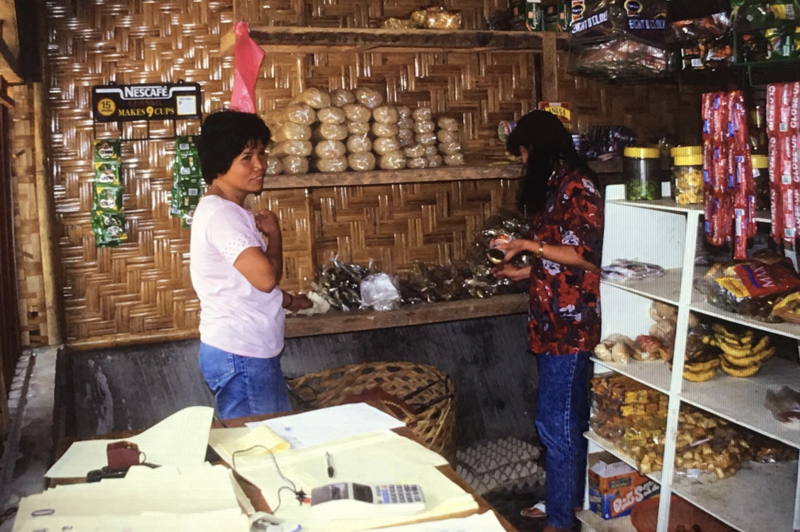
With the entry of WMCP to the area, increased in-migration to traditional B’laan land by Visayan settlers, as a result of anticipated employment opportunities and real estate speculation, was exacerbating challenges facing the company and host communities. Although ancestral land which has not yet been titled was non-alienable, “rights” were being purchased by Visayans from B’laans. The presence of the company led a renewed interest in land within the proposed mining area in order for the speculators to benefit from the mining company’s compensation packages and economic opportunities. The question of landownership and the problem of land disputes became an issue of importance and concern for the company.
Moreover, the award of communal title to indigenous people clashed with the aspirations of other groups who were invariably present within the ancestral lands. Those of Visayan origin felt discriminated against because they were not getting as much attention from the company as the indigenous B’laan communities. Portions of the ancestral land were shared with Visayan settlers who bitterly opposed the issuance of CADCs. The communal claims to ancestral land conflicted with the interests of Visayan settlers, who having acquired titles in some areas, had also legitimate legal claims. In December 1996, Visayan residents of Tampakan barricaded roads leading to the proposed mine site in opposition to the scheduled signing of the B’laan Principal Agreements, compelling the company to expedite the negotiation of land access agreements with the Visayan settlers and local governments.
My Personal Insights
What was my role in all of these? I was a new lawyer then and had the opportunity to watch all these events unfold during my early legal career. I joined WMCP in 1996, almost straight out of law school and after my stint as a petroleum geologist working at the Department of Energy (“DOE”). I was headhunted by the company who was then looking for an understudy for its Australian legal manager. As a working student balancing my time as a geologist and studying law at night in the University of the Philippines, I didn’t have much experience in mining or mining laws. At that time, the Mining Act just became law and the Marcopper accident in Marinduque was a hot news item. I believe that in my final WMCP interview, what convinced the panel was my experience and knowledge in negotiating petroleum service contracts which was part of my job at the DOE. WMCP’s FTAA and service contracts have a lot in common since both have the same constitutional basis allowing 100% foreign ownership of companies engaged in the exploration, development, and utilization of natural resources.
Upon my acceptance to the company, I have to hit the ground running. There were ongoing public consultations on the Mining Act’s implementing rules and regulations following public clamor and anger from the Marcopper accident. I also needed to study the nuances not only of mining law but also laws relating to forestry, indigenous people’s right, environment, and local government.
As part of my preparation to eventually handle the responsibility of heading the local legal department, the company seconded me to work in its various business units in Australia in 1997. I worked at the corporate offices in Perth, Brisbane, and Melbourne on Australian mining projects with both WMC and its construction contractors. I also had a stint in an Australian law firm, which had a very advanced practice group in resources, construction, and native title law. For my mine exposure trips, I drove alone in outback roads and visited WMC mine sites at far-flung locations. I even visited some aboriginal communities to witness the company’s corporate social responsibility activities. My life as a Filipino expat lawyer in Australia was both rewarding and enriching.
Returning from my Australian secondment, the first order of the day was to work on securing all the land access agreements in preparation for the mine development area. This entailed spending my time not in the comforts of our spacious Makati office but in the highlands of Tampakan for immersion with the communities, both Visayan and B’laan. I was basically living and breaking bread with farmers, politicians, and traditional strongmen in the communities. The areas which I visited were especially notorious for kidnappings by armed bandit groups where Islamic and communist insurgents also operated. It was wild, wild west in that part of Mindanao during that time but was certainly an eyeopener as I was exposed to extreme poverty in the uplands especially that of the IPs.
I visited all the local government units which have jurisdictions on the proposed mine development area. I conferred with Visayan settler, indigenous, and Muslim communities. One couldn't imagine the volume of native and instant coffee I have taken in my numerous consultations. It would be the height of disrespect to decline whatever the households and offices could humbly offer to me especially someone from a place they derisively called “Imperial Manila”. The more consultations I conducted in a day, the more cups of “sweetened” coffee I was expected to partake.
WMCP offered an option to develop the communities but the project has to gain social acceptability. It was also the company’s responsibility to prepare the marginalized communities and local governments for the anticipated surge in economic activity with the proposed mine development. Our objective was to put the agreements into place. However, the company had to act pragmatically in managing its own corporate strategy and balance it with the interests of the Visayan local government, the requirements of the national government, and B’laan traditions.
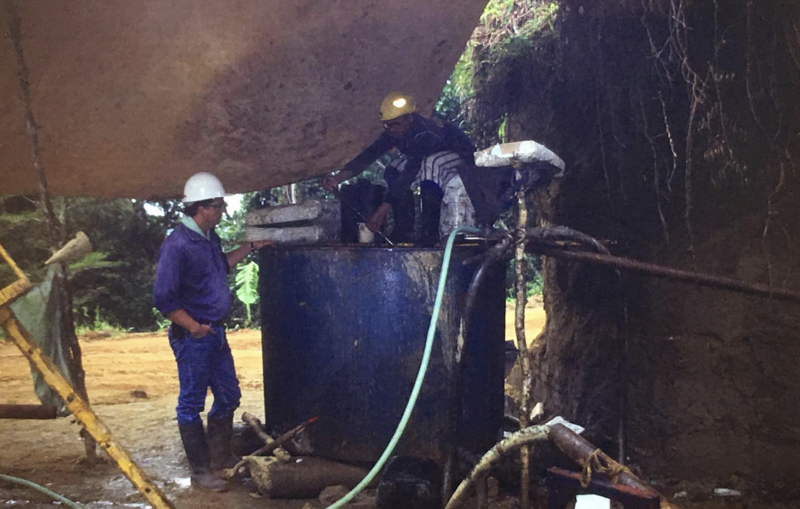
We started with the agreements with the B’laans because they will be the first to be affected since the mine site is within their ancestral domain. This is the reason why in our discussions with the communities, we have to follow a strict and tenacious Execution Protocol. There would be no shortcuts to obtain the consent of the IP communities who were at a relative disadvantaged compared to the company. The Execution Protocol met with some hesitance even within the company. It was my responsibility that the community relations and corporate affairs departments strictly adhered to the protocol and WMC’s Code of Conduct. Their job was to get the principal agreements signed but my job goes beyond the signing of the agreements - the process should strictly adhere to the guidelines of getting the free and informed prior consent of the communities. WMC, the mother company, then was a relatively large listed resources company in Australia with global operations. All eyes were on the company because of the sensitive issue of working in a remote developing country with native title, environmental, and social acceptability issues. In fact, WMCP’s Execution Protocol had a heavy influenced in the NCIP’s administrative orders in obtaining free and prior informed consent from IPs.
The company did its best to get its message across to the host communities. For the Visayan settlers, there was relative ease in our consultations because of their level of education. It was a different story with the B’laan IP communities. We have to bring in local B’laan interpreters and translate the main points of the agreement to the local vernacular. Although the final signed agreement were written in English, all the consultations were done at the communities and in the presence of NCIP officials.
The company was accused of “wining and dining” the leaders of the IP communities and bribery through its community development and scholarship initiatives, coming especially from the Social Action Center of the Diocese of Marbel. As far as I am concerned, I have not witnessed those occurences. The company even played hosts to numerous international human rights and legislative fact-finding missions. Everyone was invited to visit and see for themselves the numerous activities being done by the company. What I do know was that local B’laans in the area have not been comfortable civil society groups as well. In fact the La Bugal B’laan group which was the petitioner in the FTAA constitutional challenge was not based within the mine development area. It was based in the Poblacion of Columbio Sultan Kudarat, which was the least affected area if the mine operated.
WMCP was also accused of employing goons. All evil schemes, shenanigans, and machinations were by default, attributed by civil society groups to WMCP. There was one instance where I have to personally appear on behalf of the company for an NBI investigation conducted in Cotabato City in relation to the assassination of a town mayor in Sultan Kudarat. The case against the company obviously did not prosper but one has to imagine the immense hostility and black propaganda against the company by certain sectors.
We were free to roam in the FTAA area even traveling to areas called “no man’s land” where lose and unlicensed firearms proliferated in the hinterlands. Despite the banditry and insurgency, we did so without any armed bodyguards. When I travelled to the communities, I was only accompanied by a company driver or fellow employee. I didn’t experience any form of harassment but the company was fully aware of my destination and schedule. Except for the occasional barricades brought about by personal grievances against the company, there were no instances of burning of company properties or killing of employees and contractors during my time working with WMCP. Most of the barricades were related to unsettled crop damages, labor issues or petty misunderstandings with company employees and contractors. The company had to balance the employment opportunities among the locals so it has to implement a rotational labor hiring among the locals.
With the signing of four out of five Principal Agreements with the IP communities, the next task was to create the B’laan foundations to manage the funds intended for the communities. Because of the veto power of the company and the government representatives from NCIP and Mines and Geosciences Bureau, the tribal council representatives in the B’laan foundations were understandably weak. Even some of the B’laans were ambivalent to the tribal council system. At that time, the tribal councils have had little influence, and the local government units tended to ignore them. This was perhaps the reason why there was intense criticism on the government-sponsored tribal council system insofar as it was susceptible to manipulation.
In 1999, there was already uneasiness among WMCP’s employees and stakeholders because operations were being scaled down. In anticipation of the company’s eventual withdrawal from the Philippines, retrenchments of employees and budget cuts were becoming common. Some permanent employees including myself were given the pink slip and made contractual employees. This was when I decided to accept a scholarship to pursue graduate law studies in Australia.
I initially had misgivings in accepting the offer because at that time in 2000, I had a young family and taken a loan to finance our first home. Going to graduate school would cause a dent to our financial situation since I would be out of work for eighteen months and my family had to rely on my wife’s income. My boss in WMCP talked me into accepting the offer because he explained that it would benefit my career in the long term. WMC also supported me in a small way in my law graduate studies at the University of Melbourne. Our head office in Melbourne would give me occasional part time work to augment my meager scholarship allowance.
In 2001, WMCP which had invested $39 million for exploration and support activities in its Tampakan project decided to pull out of the country. Following an evaluation of the mineral resources of its mining site in Tampakan, the company decided that it would not be able to meet a rate of return on investment acceptable to WMC. WMCP said it also took into account the continuing drop in the price of copper in the world market at that time. WMC sold its rights and interests to Sagittarius Mines, Inc. The sale and transfer of its mining rights paved the way for WMC’s complete pull-out from the Philippines.
When I came back from my law studies, the task waiting for me was winding up the company’s business and financial accounts. The companies’ properties - lock, stock, and barrel, were turned over to the FTAA assignee. As a gesture of courtesy, WMCP personally delivered letters to the LGUs, tribal councils, and stakeholders informing them of the company’s withdrawal from the project. It was also an opportunity to introduce the new company taking over the project to the communities. After everything was set into place, I was the last employee of WMCP - the person who turned off the office lights.
My Tampakan experience provided me with fond memories of times with co-workers who eventually became good friends, sharing fresh bounties from the Mindanao seas and sweet produce from the volcanic enriched soil of Mt. Matutum. I recall road stops for breakfast of durian, marang, mangosteens, and pomelos in North Cotabato; and lunch of native chicken inasal in Tupi, ubiquitous tuna and blue marlin kinilaw, premium cuts of locally-fattened Australian cattle, mudfish inihaw from Liguasan Marsh, and fat mud crabs from Cotabato City. Our friendship continues to the present especially with social media as the nexus and facilitator. Colleagues became executives of mining companies both locally and internationally, and some were retained by the present project management. Some B’laan groups continue to consult me on several occasions and I tend to believe that they do so because they were convinced of WMCP’s sincere relationship with them when the company operated in the area.
After many years since the FTAA was signed in 1995 and with the South Cotabato governor’s pronouncements over his veto, there still remains a big question mark on the final outcome of the Tampakan project. Time is certainly running out for this flagship mining project. As someone who was a part of the Tampakan experience, I can only hope that with the huge amount of financial resources and human capital poured into this project, we will eventually see a favorable outcome to this much anticipated mining project.
Fernando “Ronnie” S. Penarroyo specializes in Energy and Resources Law, Project Finance and Business Development. He may be contacted at fspenarroyo@penpalaw.com for any matters or inquiries in relation to the Philippine resources industry and suggested topics for commentaries. Atty. Penarroyo’s commentaries are also archived at his professional blogsite at www.penarroyo.com
Reference: Smith, John Willem, The Challenge of Sustainable Local Development at the Site off the Tampakan Copper Project in the Philippines, UMI Dissertation Publishing, 2014, http://etheses.lse.ac.uk/1911/1/U215519.pdf
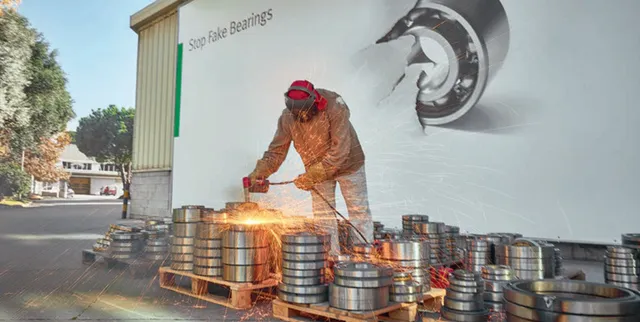
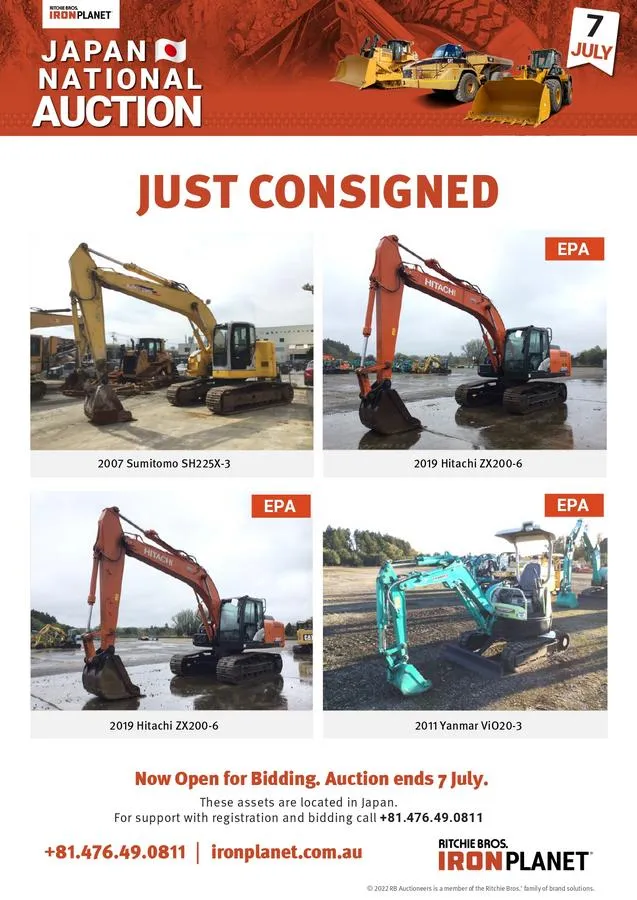
Ritchie Bros’ Iron Planet Japan National Auction
Connecting buyers and sellers of used construction and industrial assets, Ritchie Bros. (NYSE and TSX: RBA) is a the leading global asset management and disposition company, offering customers end-to-end solutions for buying and selling used heavy equipment, trucks and other assets in numerous industries including construction, transportation, agriculture, energy, oil and gas, mining, and forestry.
For Filipino’s “Japan Used” is a brand name. Thousands of units of quality used equipment are imported every year into the Philippines and are used by Philippine contractors, miners, transport companies, etc. to efficiently run their operations.
With more than 25 years’ experience conducting auctions in Japan, Ritchie Bros is the professional source for quality used equipment in Japan. Ritchie Bros utilizes its online only auction platform, www.ironplanet.com, to allow the sale of equipment from all over Japan to be sold at one time. Ritchie Bros conducts four Iron Planet Japan National Online Auctions a year.
By using Ritchie Bros’ Iron Planet online auction platform, Pinoy buyers can buy directly from the source, thus, saving costs. Additionally, Pinoy buyers can utilize Ritchie Bros’ Iron Planet inspection reports of each machine, prior to bidding. These are industry leading reports that provide potential buyers with extensive detailed information, along with dozens of photos. We also can recommend logistics companies who can assist you with load out and delivery of the machines to the Philippines. Ritchie Bros makes everything easy, giving you the confidence to bid and purchase.
For more information about how to participate in either a Ritchie Bros Live Unreserved Auction (www.rbauction.com) or a Ritchie Bros Online Only Auction (www.ironplanet.com), feel free to reach out to Ritchie Bros’ Philippine representative, Chris Edwards who is based in Manila, Philippines at cedwards@ritchiebros.com or +63 917 149 8545
The Transformative Way to Reduce Risk in Resource Estimation
By: Grace Y. Tanchee
The importance of a mineral resource estimate for the long-term viability of a mine cannot be understated. Being a core basis of a mine’s feasibility study and evolving mine plans, a well-made and continuously updated resource model is essential to any mine looking to ensure profitability and sustainability. Strategizing based on an erroneous estimate can have disastrous results for a mine. As such, resource estimations must always be properly executed and well understood by the geologists, mine planners, and all other stakeholders.
THE CHALLENGE
Being crucial, resource geologists are expected to ensure that the resource estimates are accurate and compliant with standards. Geologists are also expected to update the model as new information becomes known. Time to complete and share is crucial here as updated models are used to refine the mine plan and avoid losses caused by outdated models.
There are challenges to contend with that can be the source of errors through-out each step of the estimation process, which in turn can reduce the accuracy of a resource estimate. For example, the source data could be insufficient or contain errors. Garbage in is garbage out. Improper tools and lack of information can also hamper the validation of data and thorough investigation, leading to a poor understanding of the deposit. This can affect the domaining model build, selection of the estimation method and parameters. Decentralized data and a lack of recording also heightens the risk of using incorrect data, and makes it difficult to trace and audit during the review process. Difficulties in coordinating can also increase the time crunch.
THE IMPROVEMENTS NEEDED
There are ways by we can minimize the risk of committing errors and help ensure that the resource estimate is as accurate as possible. One is by having proper and centralized data management. Just being able to store the data in one place is insufficient; data management should also include a means to record changes made to the data and why, and any important notes about the data. This will help provide context and auditability through-out the process, and help with future changes.
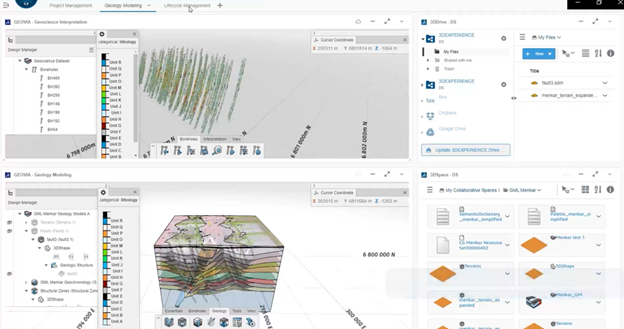
Next, the resource geologist must be able to visualize the data and have the tools for analysis and estimation. 3D Software with geology modelling tools can greatly help the geologist make sense of the data and render the model in a faster more efficient way.
Clear and traceable workflows can also be used to monitor and manage the process from start to finish, check that work is done based on best practices, and make sure that all stakeholders are fully informed and updated. Being structured, the flow of data and information between various stakeholders at each stage of the process can be made efficient.
All these can be enhanced via collaboration, facilitating knowledge sharing, feedback from fellow team members and consultants, and a collective understanding of the estimate.
THE SOLUTION
An effective way to conduct these improvements is through taking advantage of technological solutions to facilitate the changes needed. In line with this, Dassault Systemes (DS) has developed the Strategic Resource Modelling (SRM) solution. Through a combination of DS GEOVIA Surpac software and the 3DExperience platform, SRM is a comprehensive solution that links and manages processes, information, people, and tools under a single collaborative platform. Built to cover the many aspects affecting the resource estimation process, SRM is used to:
- Organize and manage geoscience data, ensure a single source of truth
- Build a unified view and understanding of the model
- Easily collaborate within and between teams
- View in 3D and share solid models via a browser, allowing for analysis anywhere anytime as long as connected
- Validate input data and generate consistent and robust resource models
- Enact based on project management principles and best practices
- Improve process efficiency, consistency, and time savings through workflows
- Utilize dashboarding and reporting capabilities to support strategic decision making
Resource estimation is the basis of multi-million investment decisions and subsequent mine plans that can make or break a mining company. If you want to know more how the DS Strategic Resource Modelling Solution can help ensure that reliable resource estimates are made, contact DS Philippine partner Paramina Earth Technologies Inc via paramina_solutions@paramina.com or reach us through www.paramina.com.
GRAYMONT HYDRATED LIME AND QUICKLIME - ESSENTIAL FOR MINING
Photo credit: Graymont
Graymont is a global leader in lime and limestone solutions. Professionally managed and family owned, the company has been in operation for over 70 years. Graymont aims to be the preferred supplier, employer, and partner of choice wherever we operate. Our products are essential in addressing today’s most pressing environmental issues while supporting vital industrial processes and agricultural needs. Uses for our products include the purification of air and water, the production of items essential to a modern economy such as steel, paper, and minerals. Graymont serves markets throughout Asia-Pacific including Philippines, Malaysia, Australia and New Zealand. Graymont is headquartered in Vancouver Canada and is also the strategic partner of Mexican-based Grupo Calidra, the largest lime producer in Latin America.
PRODUCT QUALITY
Graymont manufactures high-calcium quicklime and hydrated lime made from limestone deposits containing high available lime and low impurities. Graymont lime is suitable for most common mining applications including; pH adjustment, coagulation and thickening, flotation and hydrometallurgical processes, gas desulphurization, pyrometallurgical processes, tailings discharge management, slurry paste manufacture and soil drying.
EXPERTISE IN MINING
Graymont has expertise in working with mining customers to solve problems and develop solutions. Our trained and experienced staff have technical skills in addressing challenges raised by customers. They are available to work with customers to help determine the proper products to best meet specific needs. Upon request, Graymont can assist customers to inspect material-handling facilities to help customers to operate in an efficient and economic manner.
SERVICE AND ATTENTION TO DETAIL
Our customers are at the heart of what we do. Graymont have a dedicated sales and service team who can assist customers with service and supply. Our attention to detail is what sets us apart from other suppliers and we pride ourselves on being the supply partner of choice for our customers.
Need a reliable Hydrated Lime and Quicklime supplier? For further information see our advertisement or contact our Manila office at +63 2 7587 1250, toll-free number 1800818881, or send us a message on customersupportSEA@graymont.com.

Epiroc’s new Boomer S10 S gives major leap in cost efficiency and productivity of mine development
Quality and extreme accuracy equal serious cost savings. Being the world’s first automated one-boom jumbo for the small segment, Epiroc’s new Boomer S10 S pushes the boundaries of what to expect from a face drilling rig.
The Boomer S10 S provides near surgical precision in drilling and major cost savings throughout the cycle – all thanks to being the world’s first one-boom jumbo featuring Epiroc’s Rig Control System. The consistent, repeatable, and quality-assured results are made possible by advanced automation, operator-assisting features, and digital drill plans.
“With Boomer S10 S as our latest addition, we are proud to offer a sustainable automated operation for the small segment, with a complete range of automated rigs for face drilling, production drilling and rock reinforcement underground”, said Sarah Hoffman, VP Sales & Marketing at Epiroc’s Underground division.
Quality means major cost savings
New Boomer S10 S doesn’t compromise on quality – ever. And in this case, great quality means cost savings in terms of wear and tear of rock drilling tools, spare parts, and other consumables. Compared to traditional, non-automated one-boom jumbos, Boomer S10 S decreases the consumption of consumable parts with 30 %1 while lowering maintenance costs by 12 %.
The great value of automation
Thanks to the digital drill plans and Epiroc’s Rig Control System the drill rig is perfectly aligned in the drift to optimize accuracy, providing less overbreak and underbreak, and longer pull rounds.
“The Rig Control System provides drilling accuracy way beyond what human eye measure could ever accomplish. It is high-quality production from start to finish, and a great milestone reached for mine development”, said Niklas Berggren, Global product manager face drilling equipment at Epiroc.
When applying the High Performance Development method – a way of working during the entire drill cycle –Boomer S10 S offers up to 25 % more development meters3 compared to traditional one-boom jumbos. The total cycle time is reduced thanks to better pull-length, fragmentation, and less need for scaling.
“It’s a snowball effect on productivity: accurate drilling holes means less explosives, less scaling and better tunnel profiles. In turn, a better tunnel profile means less rock reinforcement and less tear on all the machines in the drift. All this leads to significant cost reductions while increasing productivity and safety for everyone involved”, Niklas Berggren explains.
Taking operator ergonomics to new heights
Designed for great ergonomics with lower vibration and sound levels (<75 dbA), the Boomer S10 S is a pure joy to use for the operator. Apart from offering better visibility and a multi-functional joystick, Boomer S10 S grants higher comfort and a significant reduction of live work.
Epiroc’s Rig Control System
Epiroc’s Rig Control System, RCS, was first implemented in 1998. The system is used for controlling several vital functions in Epiroc’s machines. It is also an enabler for several productivity-increasing, efficiency-boosting and cost-saving automation features.
Visit the Boomer S10 S website to learn more: https://www.epiroc.com/en-ph/products/drill-rigs/face-drill-rigs/boomer-s10-s
Vulco® mill lining system doubles wear life and increases output by up to 44% at James Hardie Philippines
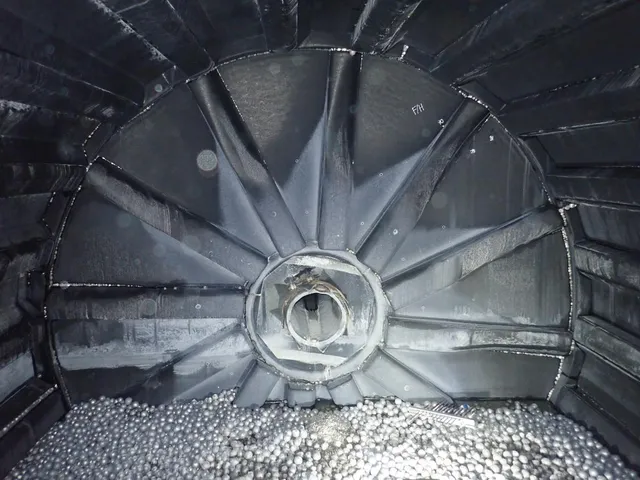
Photo: Vulco® R63 mill liners installed in the JHP ball mill processing silica
Weir Minerals has developed a custom-engineered mill lining system with Vulco® R63 rubber liners for James Hardie Philippines (JHP), a regional manufacturing hub of the global leader in fibre cement production, James Hardie™.
Due to a substantial increase in demand for their product and in order to increase overall throughput of the site, JHP wanted to increase the output of their ball mill which was processing a mixture of coarse and fine silica. The incumbent rubber mill liners were only lasting between six and nine months and contributed to a 25% drop in output after just six months in operation.
Weir Minerals mill lining specialists, renowned for their expertise in mill lining systems and wear materials, conducted extensive testing and modelling scenarios to evaluate how optimisation of the ball mill charge volume and trajectories would result in an increased mill throughput.
Using state-of-the-art simulation technology and drawing on decades of expert knowledge, Weir Minerals specialists designed a customised mill lining system with Vulco® R63 rubber mill liners. The custom-engineered shell liner design ensured correct lifter face-angle to facilitate optimum performance while also increasing the service life of the Vulco® mill liners. To complete the ball mill overhaul, Weir Minerals experts also recommended to increase the charge height, significantly improving the grinding process.
Exceptional wear life and results
The custom-designed solution resulted in increased production and increased mill availability at JHP. The Vulco® R63 mill liners improved wear life by up to 200%, from six to 18 months, more than halving the reline time and associated maintenance costs. As a result of the ball mill overhaul -designed and executed by Weir Minerals experts in partnership with JHP, the throughput was increased by up to 44%.
Vulco Mill Lining Systems
The innovative designs of Vulco® mill liners are tailored specifically for every customer and are manufactured to the highest industry standards for autogenous (AG) and semi-autogenous (SAG) mills, primary, secondary, and re-grind ball and rod mills. The inherent characteristics of elasticity, high tensile strength and corrosion resistance found in the Vulco® elastomer compounds position them as the preferred mill lining material over steel in many applications.
Key features and benefits:
- Lighter than conventional steel linings for increased handling safety
- Reduced noise due to rubber’s sound dampening effect
- Facilitate increased power draw due to reduction in lining weight, increasing filling volume
- Increased safety and decreased lining installation hours due to reduced component and lining mass
- Faster manufacturing lead times than metal liners
Weir Minerals
Weir Minerals deliver market-leading Vulco® mill liners, combining state-of-the-art technology and innovative design with unparalleled service to all our customers across the world. If you would like to know more about Vulco® mill liners please visit: https://www.global.weir/products/product-catalogue/vulco-mill-liners/

Celsius confirms copper near surface at Sagay Project
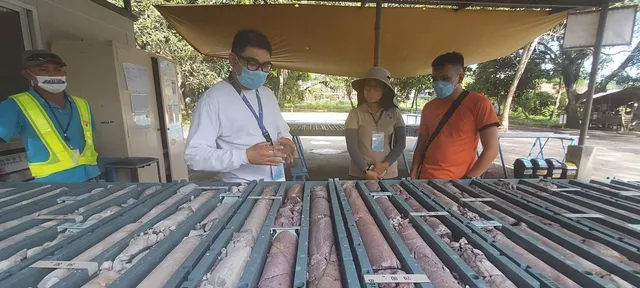
Photo credit: Celsius Resources
Celsius Resources is pleased to announce it has received results from 3 drill holes confirming shallow extensions to the large-scale copper mineralisation previously discovered at its Sagay Project held under its Philippine subsidiary Tambuli Mining Company, Inc.
“The copper mineralisation covers a huge area at Sagay at depth, and we are now proving this up at shallower levels. This round of drilling has confirmed that the mineralisation now extends up close to the surface, extending up from the earlier discoveries which has intersected copper mineralisation from around 100 meters to over 1,000 metres depth.” Celsius Executive Chairman, Martin Buckingham.
The results identified extensive geological alteration and other features which are interpreted to be linked to the porphyry copper mineralisation at Sagay.
Broad zones of low grade copper mineralisation were also intersected in all three drill holes, including 44.3m @ 0.27% copper from 139.2m in SGY-036, 112.2m @ 0.16% copper from 197m in hole SGY-038A and 247m @ 0.14% copper from 113m (to the end of the drill hole).
“The discovery of key geological features and copper mineralisation near the surface is an important stepping stone, with further follow-up now required to define the higher grade core to this system also at shallow levels. This is extremely encouraging as it also allows us to consider lower cost bulk mining methods as part of our next phase of studies at the Nabagia-a Hill Project area.”
Article courtesy of Celsius Resources. Full press release can be found HERE

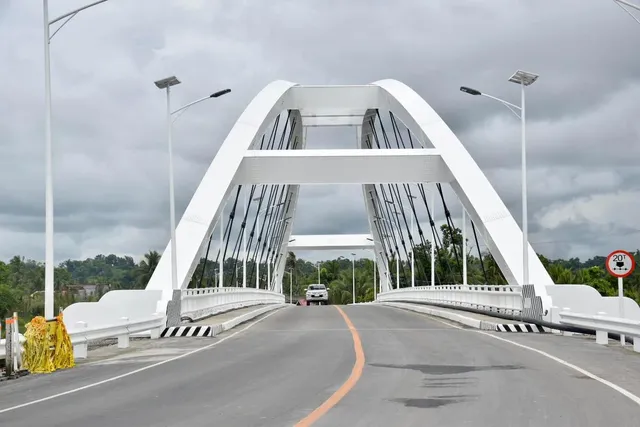
BOHOL’S NEW RESILIENT BRIDGE NOW FULLY OPEN TO VEHICULAR TRAFFIC
Photo credit: Department of Public Works and Highways
The countdown to the long-awaited day for the full opening to vehicular traffic of the newly built iconic bridge in Loay, Bohol has come to an end.
In his report to Department of Public Works and Highways (DPWH) Acting Secretary Roger G. Mercado, Undersecretary and Build Build Build Program Chief Implementer Emil K. Sadain said that the new Clarin Bridge across Loboc River designed as a nielsen arch superstructure spanning 104 meters has been fully opened for both traffic direction to the motoring public effective Tuesday, June 21, 2022.
Undersecretary Sadain, in-charge of DPWH Unified Project Management Office (UPMO) Operations together with Consulate General of Japan in Cebu Hideki Yamaji; Japan International Cooperation Agency (JICA) Senior Representative Kenji Kuronuma; Bohol Governor Arthur C. Yap; Bohol 3rd District Representative Congresswoman Kristine Alexie Besas-Tutor; and Loay Mayor Hilario L. Ayuban led the ceremonial unveiling of marker of the new resilient bridge under the JICA-assisted Road Upgrading/Improvement Component of the Road Upgrading and Preservation Project (RUPP).
Other key personalities that participated at the inauguration ceremony are DPWH Undersecretary Maximo L. Carvajal; Assistant Secretary Wilfredo S. Mallari; Project Director Benjamin A. Bautista and Project Manager Franscisco Sawali of UPMO - Roads Management Cluster I (UPMO-RMC 1); Bureau of Design Director Edwin Matanguihan; Bureau of Construction Director Aristarco Doroy; Region 7 Director Edgar Tabacon and Assistant Director Mario Montejo; Project Manager Luis Paredes; Project Engineer Bernardo Austria; Bohol District Engineers Magiting A. Cruz, Vicente R. Valle Jr., and Godofredo R. Laga Jr.; and other local government officials of Bohol.
Costing ₱501.87-million, Clarin Bridge is part of the Bohol Circumferential Road and will serve an important role in the mobility of goods and people and provide greater access to the tourism sites of Bohol Province.
Economic development in the area will surely surge from improved transport of goods and services and more local and foreign tourists visiting the wonders of Bohol.
The bridge has an approach road at Abutment “A” of 209 meters and at Abutment “B” of 217 meters with enhancement of landscape and protection work to be done near the bank of Loboc River, one of Bohol’s major tourism destination.
Undersecretary Sadain said the new bridge is another thread of friendship linking Philippines and Japan steady and long-term development of meaningful bilateral cooperation.
For over decades, the time-tested cooperation of the Philippines and Japan has brought so much development in the country.
On behalf of Secretary Mercado, allow me to extend my heartfelt gratitude to the representatives of the Government of Japan led by the Consul – General Yamaji and JICA Philippines Senior Representative Kenji Kuronuma for letting your presence grace this ceremonial groundbreaking, added Undersecretary Sadain.
Although challenged by a global pandemic that hampered project progress in general, the completion of new Clarin Bridge is a timely response to address the urgent need for a safer and sturdier replacement for decades-old structure especially those affected by recent calamities.
Construction of Clarin Bridge consist of 12 pieces bored piles 1,200-millimeter diameter each abutment in a new alignment; reinforced concrete deck slab with asphalt concrete pavement overlay and reinforced concrete sidewalk with metal railings at bridge; and miscellaneous structures and lighting works.
The approach road was laid with bituminous asphalt concrete pavement with installed metal beam guardrail on reinforced concrete posts; and provision of service roads no. 1 and 2 with 230-millimeter-thick portland concrete cement pavement.
Implemented by DPWH UPMO-RMC1, the project was undertaken by joint venture contractor Vicente T. Lao Construction and PT Wijaya Karya TBK.
Article courtesy of Department of Public Works and Highways
Metals, engineering industry crucial in PH recovery: DOST exec
The metals and engineering industry has contributed much to the country's recovery efforts, an official of the Department of Science and Technology (DOST) said Wednesday.
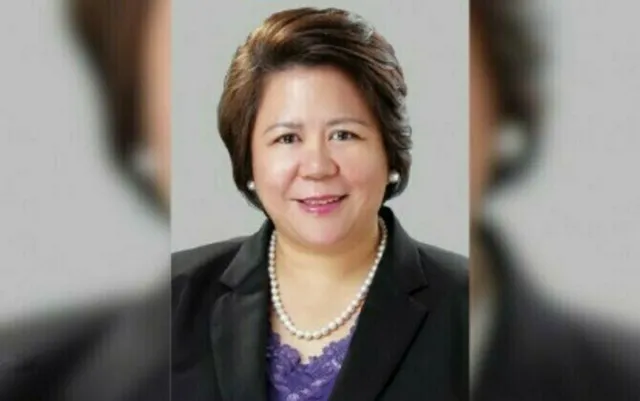
"We can never disregard the contribution of the industry. We owe it to the metals industry to celebrate milestones and special accomplishments for without you, upstream industries will weaken," said DOST Undersecretary Rowena Guevara during the 1st National Metals and Engineering Conference held in Bicutan, Taguig City.
The metals industry has played a huge role in helping the country rise from the effects of the Covid-19 pandemic, she pointed out.
Guevara cited as an example the mass production and distribution of face shields for front-liners at the onset of the pandemic. The Metals Industry Research and Development Center (MIRDC) did this through the plastic injection molding technology.
"The face shields, which were too costly because there was not enough supply at that time, were distributed all over the country through this MIRDC initiative," she said.
Another contribution was the use of the Hybrid Electric Road Train (HERT) to ferry front-liners to and from work in Cauayan, Isabela, for free.
HERT is an alternative mass transportation designed and developed by the MIRDC. It was already turned over to the city of Cauayan. Currently, present, Cauayan and Ilagan cities have plans to fabricate new HERT units to be used as mass transportation alternatives. (Read: Ilagan City to fabricate hybrid road train)
Last year, the DOST launched two facilities at the MIRDC: the Advanced Manufacturing Center (AMCen) and the Advanced Mechatronics, Robotics, and Industrial Automation Laboratory (AMERIAL). Both facilities feature industry 4.0 technologies.
"Through the AMCen and the AMERIAL, we are already able to serve MSMEs (micro, small and medium enterprises) and the academe. We started to encourage the establishment of partnerships that advocate R&D (research and development)," Guevara said.
The agency, according to her, has been providing an enabling environment to let researchers access modern technologies and unleash their innovative ideas.
Guevara called on researchers to o continuously engage in R&D, scientific paper writing, and research presentations.
"We can be like highly developed countries through R&D," she said as she emphasized that R&D is a powerful driver behind a successful metals industry.
Meanwhile, Philippine Council for Industry, Energy, Emerging Technology Research and Development (PCIEERD) executive director Enrico Paringit said the industry must also consider harnessing emerging technologies to make the industry more competitive.
Artificial intelligence (AI) and robotics are among the emerging technologies, aside from additive manufacturing, sensors, quantum computing, virtual reality, etc.
The DOST targets to broaden the curriculum on AI and conduct training programs to upskill the workforce on AI, he said.
Article courtesy of the Philippine News Agency