Category:
Electrical Safety Awareness in Mining: Closing the Skills Gap with Smarter Tools
By Jake Tan, Product Manager, Fluke South East Asia Pte Ltd
In the mining industry, every decision about safety carries weight. Beyond the visible risks of heavy machinery and unstable ground, electrical hazards remain one of the most underestimated threats.
A small anomaly — such as an unusual reading, a flicker in performance, or a faint sign of resistance — can seem trivial in the moment, yet it may be the precursor to fire, electrocution, or catastrophic equipment failure.
Raising awareness of electrical safety is more than simply a matter of compliance. It’s about embedding the mindset that vigilance, proper training, and the right tools can mean the difference between safe operations and irreversible loss.
The Hidden Risk: Grounding and Environmental Challenges
Remote mining sites, particularly in regions prone to monsoons and typhoons such as the Philippines, face unique electrical safety challenges. Flooding erodes soil, changing its resistance and compromising grounding systems.
When grounding resistance changes, fault current might not flow safely, creating conditions ripe for short circuits, fires, or fatal shocks.
Standards such as NETA (for insulation resistance testing) and IEC 60364 (for electrical installation) exist to safeguard both workers and assets. Yet many operators in the field remain unaware of these standards or lack the tools to test against them.
This gap highlights why awareness and skills training are critical to ensure proper maintenance of infrastructure.
Tools That Save Lives
Advances in electrical testing tools are helping bridge the gap between operational needs and safety requirements. Non-contact technologies, which are non-intrusive, reduce risks for workers while making inspections faster and easier.
-
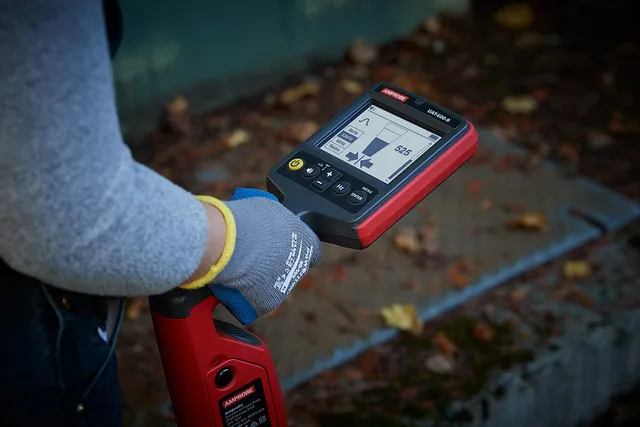
Underground cable locators detect buried power utilities before excavation begins, preventing accidental strikes.
-
Non-contact voltage detectors, such as the Amprobe TIC 300 PRO mounted on a pole, give visual and audio alerts when energized high-voltage overhead lines are detected.
-
Thermal imaging cameras reveal overheating components invisible to the naked eye, flagging early defects before they escalate into fires or equipment breakdowns.
-
Advanced clamp meters (such as the Fluke 378 or T6-1000 PRO) measure both current and voltage without direct contact, allowing safe testing from outside panel doors.
-
Acoustic imagers, such as the Fluke ii905, identify leaks during mineral refining processes from a distance, even in noisy environments.
These innovative tools are convenient and, more importantly, essential daily safeguards that turn invisible risks into visible warnings.
Bridging the Skills Gap
While tools are indispensable, knowledge remains the first line of defense. Many workers in remote mining environments “don’t know what they don’t know.” Without training, they may overlook small signs of abnormality or be unaware of safer, newer technologies available to them.
Recognizing this, companies like Fluke are investing not only in equipment but also in training and on-site education. By bringing awareness programs directly to mining sites, they help operators and HSE departments understand how to integrate safety practices into daily routines, creating a stronger culture of prevention.
Self-Checking Innovation: Safety in Remote Locations
Service and maintenance can be challenging when sites are located far from immediate support. Innovations from Fluke, such as the Fluke 283 FC multimeter with a built-in self-check function, give operators confidence that their tools are functioning correctly even in the most remote conditions.
This capability reduces downtime, ensures accurate testing, and provides reassurance for lean teams with limited resources.
Why Proactive Measures Matter
Electrical safety goes beyond PPE and compliance checklists. It’s about creating systems where people, processes, and technology align to reduce risk. Early detection of hazards prevents costly downtime, extends equipment lifespan, and saves lives.
By combining international standards, advanced test tools, and a culture of continuous training, mining companies can protect both their workforce and their operational future.
Electrical safety in mining isn’t optional. It’s the foundation of a resilient, responsible operation. By staying alert to hidden risks, equipping workers with the right tools, and closing the knowledge gap between operations and HSE teams, companies can make one promise a reality: Every worker deserves to go home safe.
For more information: To check out Fluke mining safety tools or contact Fluke South East Asia Pte Ltd, send an email to fsea.info@fluke.com or scan the QR code to explore the full range of mining solutions.
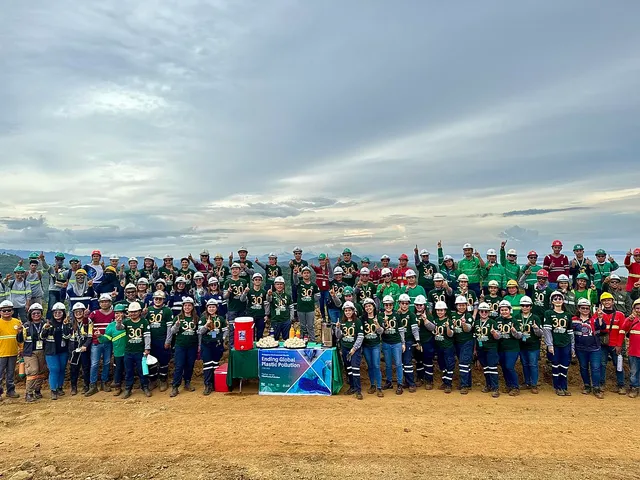
Beyond Borders: The Strength of a Connected RDCL Across Australasia
At RDCL, we believe that true strength lies in connection — in bringing together people, expertise, and perspectives across regions to create something greater than the sum of its parts.
As a business that operates across the Asia-Pacific, with teams in New Zealand and the Philippines, RDCL’s success is built on the power of collaboration and shared purpose. Each regional office brings unique capability and character — and together, they form a network that is agile, resilient, and deeply connected.
A Network That Works as One
Operating across countries means more than working in different time zones. It means working in different contexts — different markets, regulatory landscapes, and cultural environments. For RDCL, this diversity is a strength.
Our presence across the Asia-Pacific allows us to combine strategic insight from New Zealand, delivery capability from Australia, and technical excellence from the Philippines. Each part of the network plays a distinct role, but all operate with a single purpose: to deliver quality, consistency, and value for our clients and partners.
This integrated model allows RDCL to be both local and regional at once — maintaining close relationships on the ground while drawing on the depth and diversity of expertise across the business.
The Role of the Philippines in RDCL’s Success
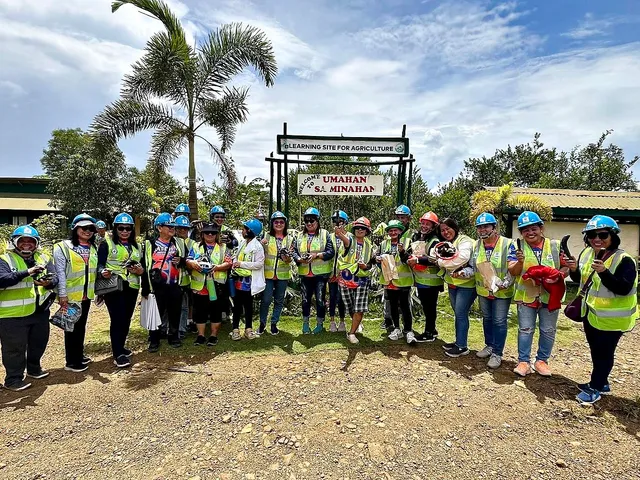
The Philippines has become an essential pillar of RDCL’s growth and capability. Our Philippines office is where we see our large-scale work — a key driver of innovation, efficiency, and performance across the company.
From technical design and data analytics to systems development and project delivery, the Philippines team contributes skills and perspectives that strengthen every aspect of our work. Their agility and attention to detail enable RDCL to operate with precision and pace, while their culture of collaboration embodies the spirit of partnership that defines our company.
Equally important is the sense of shared purpose that connects our Philippines team with colleagues in New Zealand. Communication is seamless, trust is strong, and the results speak for themselves — projects delivered across borders with cohesion and confidence.
Mutual Value Across the Region
Every region within RDCL’s network brings its own strengths — and, importantly, learns from the others.
New Zealand provides the foundation of RDCL’s strategic leadership and client partnerships, setting the tone for quality, culture, and long-term vision.
The Philippines delivers technical excellence and systemised capability, ensuring that innovation, efficiency, and attention to detail remain at the heart of everything we do.
Together, these pillars form a balanced and complementary network. Knowledge flows freely between teams, lessons are shared, and ideas travel quickly — creating a business that is continually evolving, learning, and improving.
Connected by Culture and Purpose
Beyond the operational benefits, RDCL’s regional model has fostered something even more powerful: a shared culture.
Across time zones and borders, our people are united by a common set of values — collaboration, quality, and care. No matter where we are, RDCL team members know they are part of something larger — a company that values their contribution and invests in their growth.
This culture of connection underpins everything we do. It drives innovation, strengthens relationships, and ensures that every client engagement, wherever it takes place, reflects the same commitment to excellence that defines RDCL.
A Future Built on Shared Strength
As RDCL looks ahead, the role of the Philippines — and the broader Australasian network — will continue to expand. The world of work is increasingly connected, and the ability to operate seamlessly across regions is no longer a competitive advantage; it is an expectation.
RDCL’s integrated model positions us to meet that challenge with confidence. By harnessing the strengths of each region — and the commitment of our people everywhere — we are able to deliver outcomes that are both globally informed and locally grounded.
The Philippines team is central to that story. Their expertise, innovation, and dedication continue to elevate RDCL’s capability and ensure that our clients receive the best of what the whole business has to offer.
Acknowledging a Shared Success
RDCL’s success is a collective achievement — one built on the talent and hard work of people across the Asia-Pacific.
Every milestone, every project, and every partnership is the result of collaboration that crosses borders and unites diverse teams under a single vision.
To our colleagues in the Philippines: thank you for your contribution, your professionalism, and your partnership. You are an integral part of RDCL’s past, present, and future — and your work continues to shape what RDCL stands for across the region.
At RDCL, we are more than a company that operates across countries. We are one connected team — committed to excellence, united by purpose, and stronger together.
Contact us today: info@rdcl.asia
Cam Wylie, Director, RDCL
Cam Wylie is the Managing Director, CEO and Principal Engineer at RDCL Limited. With 30 years in the industry, Cam is a Chartered Professional Engineer working on major projects in the Philippines, Indonesia, Africa, Australia, and New Zealand. His expertise includes geotechnical engineering for mines, dams, roads, and infrastructure.
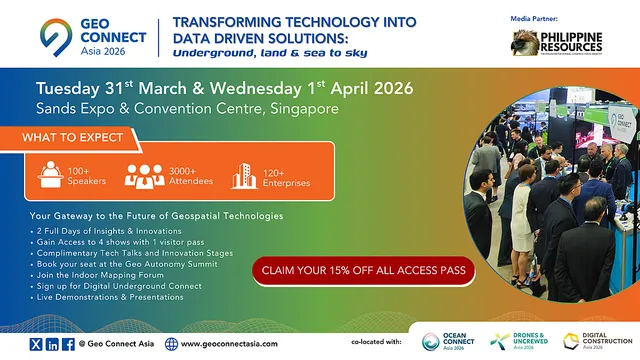
Geo Connect Asia 2026 Leads a Trio of Game-Changing Industry Events in Singapore
Geo Connect Asia
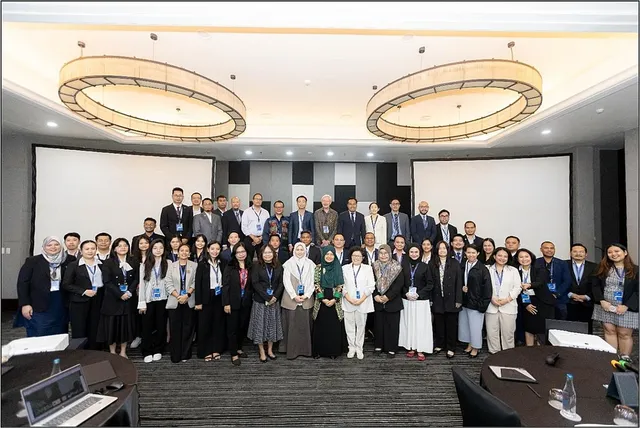
Geo Connect Asia 2026, themed “Geospatial driven impacts: underground, land & sea to sky”, focuses on bringing the geospatial and location intelligence industries together for two days of face-to-face discussions and networking on the 31st March & 1st April in Sands Expo & Convention Centre, Singapore.
Supported by the Singapore Land Authority, the event and conference stages enables government agencies, enterprise and non-profit to learn from each other and network with industry professionals and solutions providers from the Asian region and beyond.
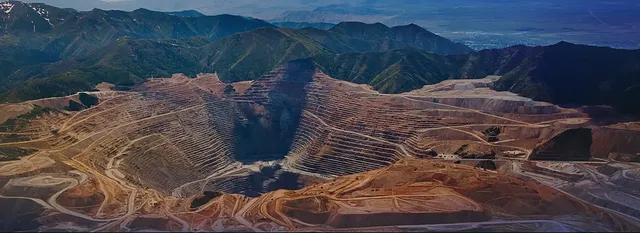
Meet in-person and network with some 3,000 industry professionals, all sharing a collective vision of the global geospatial community. The 2026 event will specifically focus on solutions for the ASEAN mining industry, with a series of RoundTables addressing key issues.
Visit the event website: https://www.GeoConnectAsia.com
Digital Construction Asia
Digital Construction Asia 2026 focuses on accelerating change in the construction industry across the Southeast Asian region with the theme “Delivering intelligent solutions for the built environment”. The event will be held alongside Geo Connect Asia on 31st March & 1st April at Sands Expo & Convention Centre, Singapore.
Supported by the Singapore Land Authority, Digital Construction Asia brings together government agencies, the private sector and the many intermediaries responsible for delivering projects on time and with optimal efficiency.
The conference programme will include Digital Underground Connect, exploring technologies for managing and monitoring underground assets.
Visit the event website: https://www.digitalconstructionasia.com/
Drones & Uncrewed Asia
Drones & Uncrewed Asia 2026, co-located with Geo Connect Asia, will take place on 31st March & 1st April at the Sands Expo & Convention Centre, Singapore.
With the theme “Delivering autonomous solutions & innovation in Asia’s UAV industry” the event and conference addresses leading industry topics including regulatory challenges, surveillance, cargo delivery, emergency services, maintenance and the management of critical infrastructure.
The accompanying technical talk sessions provides a unique opportunity to explore the latest in drone technology through end-user case studies on AI and robotics, data interoperability, autonomous solutions, Urban Air Mobility (UAM), and regulatory updates.
Visit the event website: https://www.geoconnectasia.com/drones-uncrewed-asia
Polymeric Shimming and Chocking Systems Protect Assets Against Corrosion
Polymeric Shimming and Chocking Systems Protect Assets Against Corrosion
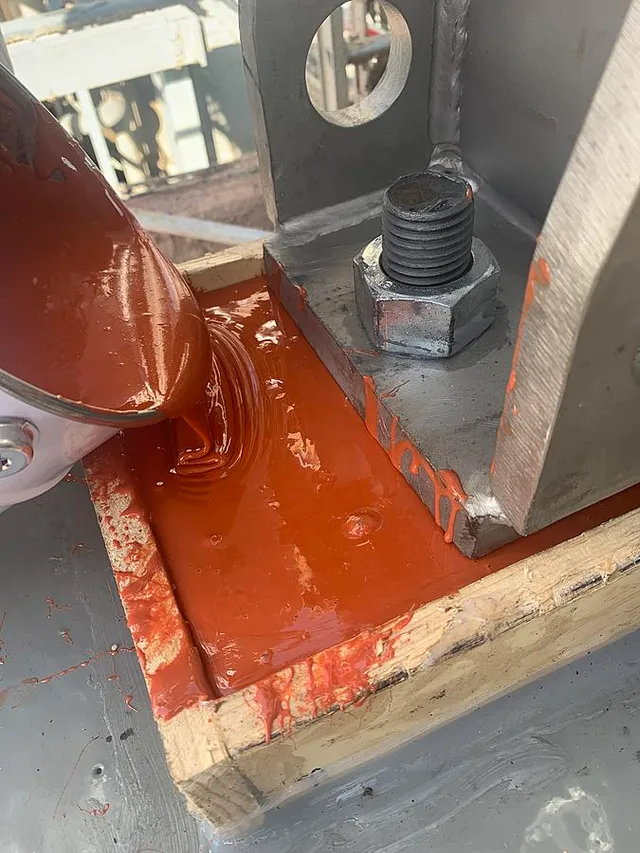
Pourable shimming and chocking systems are used worldwide in marine, offshore, and many other industrial environments. They provide reliable alignment, reduced vibration, and long-term corrosion protection.
Avoid Asset Failures with Effective Precision Alignment
Within heavy-duty industries, precision alignment is essential for ensuring safe and efficient operation. Shimming provides fine adjustments to correct uneven interfaces and achieve precise alignment, while chocking fills larger gaps and creates a continuous, load-bearing contact surface capable of supporting engines, propulsion systems, compressors, generators, gearboxes, and other critical assets. When executed correctly, these processes help prevent costly failures caused by mechanical stress, misalignment, and vibration.
Drawbacks of Conventional Solutions
Conventional solutions such as steel plates, metal wedges, or cementitious grouts have notable limitations. Metallic bearing shims and load-bearing shims are vulnerable to corrosion and distortion, while cement-based products can shrink, crack, or degrade under repeated thermal or dynamic loads. Over time, these weaknesses can compromise structural integrity, cause vibration issues, or accelerate wear.
Benefits of Polymeric Technology
Polymeric alternatives have proven to be highly effective in overcoming these challenges. Designed for resilience in demanding industrial environments, they offer excellent dimensional stability, high compressive strength, and long-term protection against corrosion.
Shimming System for Demanding Conditions
The shimming material Belzona 7111 is widely used across the marine and industrial sectors. This 100% solids, two-component system is formulated for high-load, precision chocking applications. Its self-levelling, pourable properties allow it to flow easily into complex geometries, ensuring uniform contact between equipment and its foundation.
Once cured, Belzona 7111 forms a solid, monolithic block that resists deformation under static and dynamic loads. Because it is non-metallic and corrosion-resistant, it avoids the long-term deterioration seen with metal-based shims and wedges. This stability helps maintain proper alignment, reduce vibration, and protect mounting hardware throughout the equipment’s operational life.
Belzona 7111 is approved by:
-
American Bureau of Shipping (ABS)
-
Bureau Veritas (BV)
-
Det Norske Veritas (DNV)
-
Lloyd’s Register (LR)
Deep-Pour Capabilities for Complex Shimming Scenarios
For installations requiring large-volume pours or deep fills, Belzona 7211 can be used to create strong, void-free chocks in demanding applications. This system is frequently selected when traditional load-bearing shims or high-impact load-bearing shims cannot provide the continuous support needed for heavy-duty equipment.
With its self-levelling characteristics and excellent performance on uneven or irregular foundations, Belzona 7211 ensures consistent load distribution—reducing the risk of mechanical fatigue, vibration-related failures, and alignment drift.
Long-Term Corrosion Protection and Dimensional Stability
A key advantage of polymeric shimming and chocking solutions is their ability to prevent corrosion at the equipment interface. Metal-based bearing shims and cementitious grouts can trap moisture, leading to crevice corrosion or cracking. Polymeric materials eliminate these vulnerabilities by being non-porous and maintaining dimensional stability in aggressive environments, including marine atmospheres, offshore platforms, and high-moisture industrial settings.
By maintaining stable geometry and resisting corrosion, polymeric systems—such as Belzona 7111 and Belzona 7211—help extend equipment life, reduce maintenance frequency, and prevent costly unplanned downtime.
About Belzona:
-
Established in 1952, Belzona has pioneered innovative polymer technology that has revolutionised industrial repair and maintenance procedures.
-
Belzona is a leading company in the design and manufacture of polymer repair composites and industrial protective coatings for the repair, protection, and improvement of machinery, equipment, buildings, and structures.
-
At Harrogate, the full Belzona product range is manufactured to stringent quality and environmental control guidelines, complying with the requirements of ISO 9001:2015 and ISO 14001:2015.
-
Belzona has over 159 distributors in more than 120 countries, ensuring not only the availability of Belzona materials but also specification support, project management, application, and supervision services. Distributorships and their teams are supported by Belzona Corporate offices in Europe, North America, and Asia.
For more information, please visit: www.Belzona.com