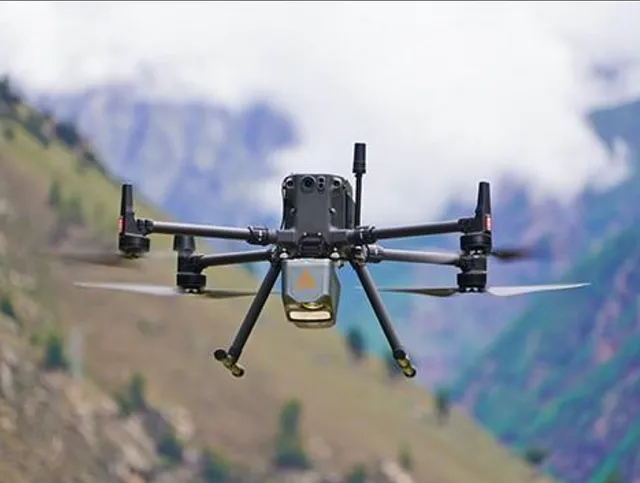
November 25, 2025

From the vast open pits to the sediment-filled settling ponds, a mining operation is a landscape in constant, measured motion.

For the Philippine mining industry, mastering this motion—the movement of earth, water, and infrastructure—is the key to unlocking new levels of efficiency, safety, and environmental responsibility.

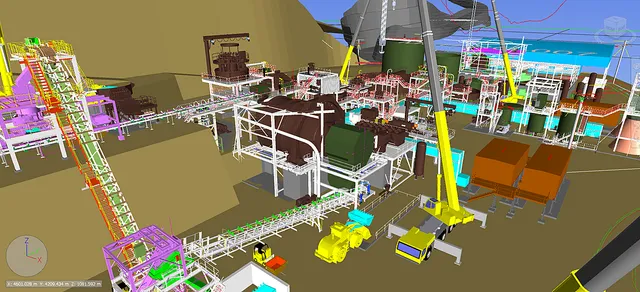
At the heart of this transformation is a comprehensive technological approach that builds a single, unified digital reality of the entire site.

Imagine a mining manager who no longer must rely on fragmented reports. Instead, they view a living digital twin of their operation, where data from drones, autonomous boats, and ground sensors flows into one coherent picture.

This is the integrated ecosystem that CHC Navigation (CHCNAV) is bringing to the field, weaving together marine, terrestrial, and monitoring technologies into a seamless workflow.

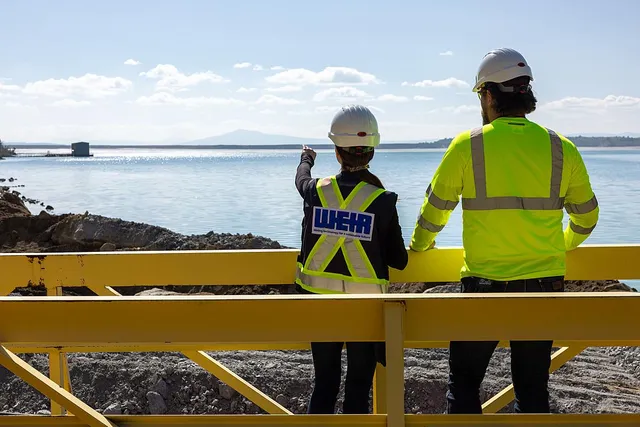
The journey often begins at the water's edge. Siltation in tailing ponds and reservoirs is more than an operational headache; it's an environmental imperative.

Here, CHCNAV’s Apache series Unmanned Surface Vessels (USVs), like the Apache 4 and Apache 6, are taking on the task. These fully autonomous vessels navigate pre-programmed routes, using advanced echo sounders to map the underwater terrain.

For particularly challenging areas, the HQ400 multibeam echo sounder can be deployed, painting a high-resolution, three-dimensional picture of the sediment buildup. This isn't just a map; it's a precise volumetric calculation that tells engineers exactly how much silt has accumulated, enabling proactive dredging and preventing compliance issues before they start.

But a mine is more than its reservoirs. The material dredged from the water is tracked as it moves to stockpiles, and then as ore is extracted from the pit.

This is where CHCNAV’s mapping solutions create the next layer of intelligence. In the air, the X500 UAV conducts aerial surveys, capturing the vast, changing topography of the site through photogrammetry and LiDAR.

On the ground, the workhorse RS10 measurement system provides centimetre-level accuracy for the details of daily operations. It’s used to validate the volume of a truckload, perform a final check on a stockpile calculation, and ensure that what was moved matches what was planned.

This seamless data handoff from the UAV to the RS10 closes the loop on material tracking, eliminating discrepancies and giving management a trustworthy, real-time view of production efficiency.

Yet, a mine is a dynamic and sometimes unstable environment. The final, critical layer of this digital twin is real-time vigilance. The same high walls being mapped from the air and the massive stockpiles being measured from the ground need to be monitored for the slightest sign of movement.

This is the domain of CHCNAV’s monitoring solutions. Strategically placed around the site, the PS-2000 radar and H3 GNSS receiver act as a silent sentinel network. They continuously track points, feeding data to a platform.

If a slope begins to deform beyond safe parameters, the system doesn’t just record it; it alerts site managers instantly, allowing them to evacuate an area or initiate corrective action before a minor shift becomes a major incident.

What makes this approach revolutionary is not just the power of each tool, but their synergy. The bathymetric data from the Apache USV informs the sediment volume added to a stockpile, which is measured by the RS10 and monitored for stability by the PS-2000. It’s a continuous, closed loop of geospatial intelligence.

For the Philippine mining industry, this integrated, end-to-end solution marks a pivotal shift. It moves beyond reactive problem-solving to proactive, data-driven management.

By building a single, undeniable truth about the mining operations—from the bottom of the tailing pond to the crest of the open pit—mining companies are now empowered to achieve the highest standards of productivity, safety, and sustainability.


About CHC Navigation

CHC Navigation (CHCNAV) develops advanced mapping, navigation, and positioning solutions designed to increase productivity and efficiency.

Serving industries such as geospatial, agriculture, construction, and autonomy, CHCNAV delivers innovative technologies that empower professionals and drive industry advancement.

With a global presence spanning over 140 countries and a team of more than 2,000 professionals, CHC Navigation is recognized as a leader in the geospatial industry and beyond.

For those interested, QES Technology Philippines invites mining companies to schedule a demonstration onsite.

QES offices are located at Metro Manila Unit 507, Page 1 Building, Acacia Avenue, Madrigal Business Park, Ayala Alabang, Muntinlupa, 1780 and Mindanao National Highway, KM. 4, Brgy. Luna, Surigao City.

Consultations, demo scheduling, and quotation requests are available through +632 8771 1248, via email at qtpmarketing@qesnet.com, or by visiting www.qesnet.com.
November 25, 2025

By Thomas Hanna, PG, Technical Director – Johnson Screens

The use of Shur-Pak glass beads is becoming a better choice for the long-term operational costs of wells.

This article compares the performance of two nearby wells—RWD 2004-6 and RWD 2024-6—constructed in the Quaternary High Plains aquifer near Lancaster, Nebraska, USA.

These municipal supply wells were drilled approximately 600 feet apart and constructed using similar methods, materials, and dimensions, with one key difference: RWD 2004-6 was completed in 2004 using #1 Northern gravel as a filter pack, while RWD 2024-6, drilled in 2024, used Shur-Pak 12-16 glass beads.

Glass beads are increasingly favored in well construction due to their uniform size, smooth surface, and chemical inertness.

Compared to natural gravel, which varies in shape and composition, glass beads offer consistent porosity, enhanced hydraulic conductivity, and reduced biofouling risk, resulting in lower well ownership costs.
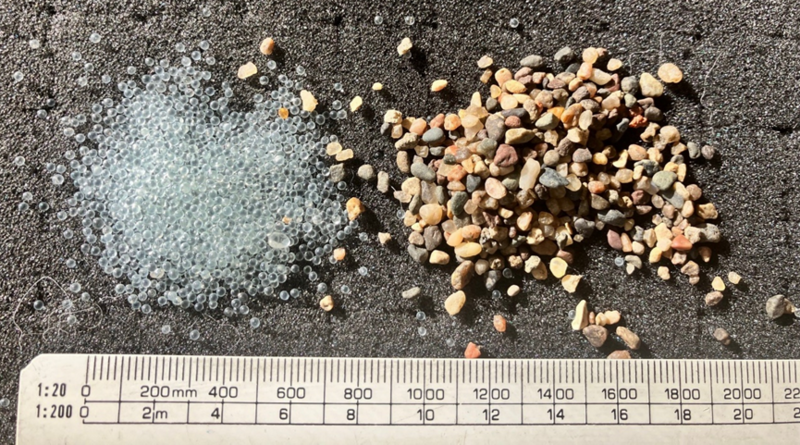
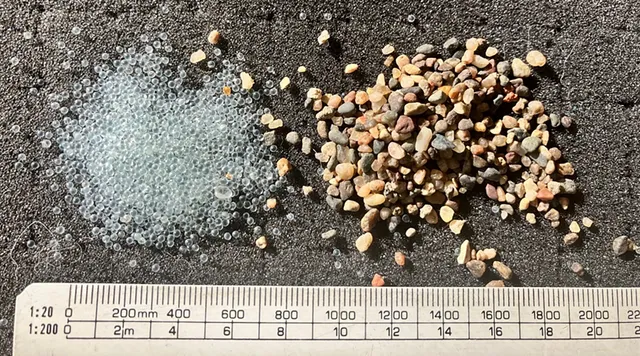
Figure 1 – Comparison of Shur-Pak 12-16 and #1 Northern filter packs. 


Well Design and Construction

The general geology of the site, based on geologic well logs, shows the upper 80–150 ft of the aquifer consisted of silt and clay consistent with loess and glacial deposits. Below this, fine to coarse sands of the aquifer were deposited over shale.

Sand thickness ranged from approximately 80–266 ft below ground surface (bgs) in RWD 2004-6 and from 149–248 ft bgs in RWD 2024-6. Static water levels ranged from 70–80 ft bgs.

The wells were drilled using reverse circulation mud rotary. Bentonite- and polymer-based drilling fluids were used, and viscosities were thinned with Nu-Well 220 clay dispersant before development.

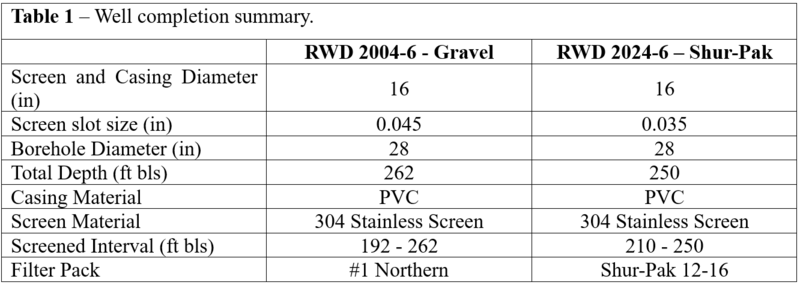
Both wells were completed with 16-inch 304SS wire-wrapped screens and PVC risers:

  • RWD 2004-6 (Gravel): 70 ft of screen, 0.045-in slot, #1 Northern gravel

  • RWD 2024-6 (Glass): 40 ft of screen, 0.035-in slot, Shur-Pak 12-16

Filter packs were installed by the tremie method, and the annular space was grouted from approximately 190 ft bgs to 17 ft bgs with 3/8-inch bentonite chips. The upper 10 ft were sealed with neat cement to complete the sanitary seal (Table 1).
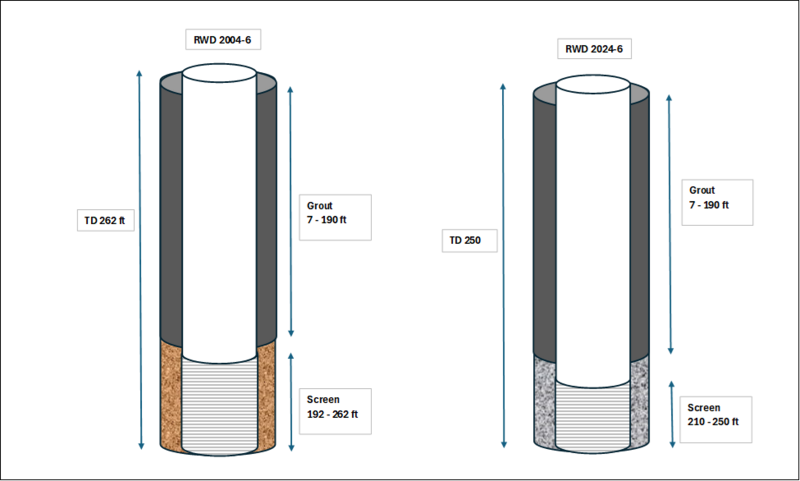
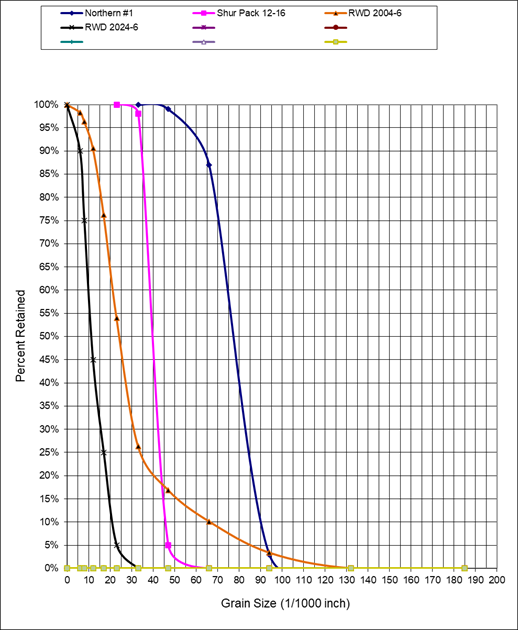
Figure 2 – Schematic diagram of wells RWD 2004-6 and RWD 2024-6 
Figure 3 – Graph of aquifer sand and filter pack gradation. 
Table 1 – Well completion summary.  

Well Development

Both wells were developed using a double surge block tool, operated at a 20-ft stroke and 10-second interval, while pumping at approximately 400 gpm.

The results presented in Table 2 show that RWD 2004-6 (Gravel) took approximately 2 hours per 20-ft interval to reduce water from muddy to cloudy, and an additional 30 minutes to clear completely.

Fines present at the end of each interval were about 10–15 mg/L. RWD 2024-6 (Shur-Pak) took 45 minutes to go from muddy to cloudy per interval, and 10 more minutes to clear. No fines were observed post-development.
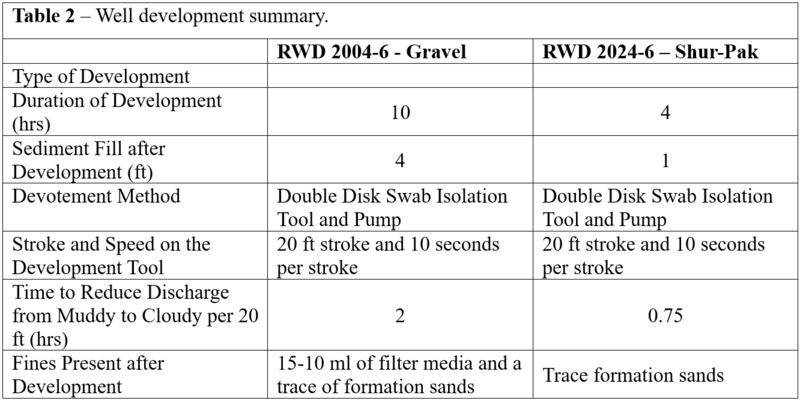
Table 2 – Well development summary

Test Pumping

Both wells underwent a 24-hour pumping test.

RWD 2004-6 (Gravel) was pumped at 800 gpm with 15 ft of drawdown, resulting in a specific capacity of 53.3 gpm/ft. The sand content during pumping was 30 ppm, and the fill noted at the bottom of the well was 1 ft.

RWD 2024-6 (Shur-Pak) was pumped at 750 gpm with 13 ft of drawdown, resulting in a specific capacity of 57.7 gpm/ft. The sand content at the end of pumping was 10 ppm, and no fill was noted at the bottom of the well. The pumping test summary is presented in Table 3.
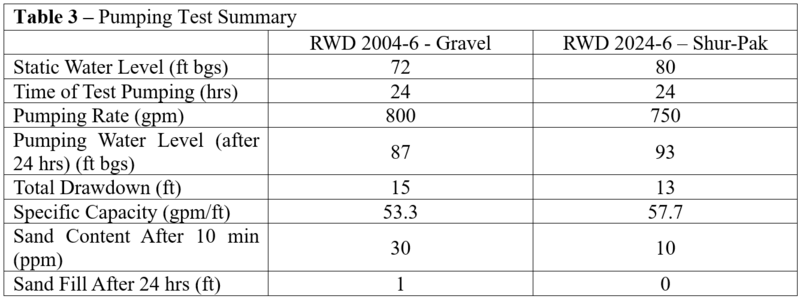
Table 3 – Pumping Test Summary


Conclusion

The well completed with glass beads (RWD 2024-6) demonstrated significantly faster development, requiring less than half the time needed for the gravel-packed well. Additionally, it produced cleaner water with no fines or sediment accumulation following development or pumping.

Despite having a shorter screened interval and a finer screen slot, it achieved a slightly higher specific capacity, indicating improved hydraulic efficiency and supporting the performance advantages of glass bead filter packs in well design and construction.

Shur-Pak glass beads are a good solution for constructing higher-capacity wells that are more economical to own compared to wells completed with gravel filter packs.

For further questions, contact Thom Hanna at: thom.hanna@johnsonscreens.com.
November 25, 2025

Hinatuan Mining Corporation–Tagana-an Nickel Project (HMC–TNP) actively participated in the International Coastal Cleanup (ICC) 2025, supporting this year’s theme, “Clean Seas Against the Climate Crisis.”

The ICC, the world’s largest volunteer effort to protect the ocean, unites millions of participants across more than 150 countries in a shared goal—to keep beaches, waterways, and marine ecosystems free from waste.

This year, HMC–TNP joined thousands of other volunteers nationwide, showing that collective action can make a tangible impact on ocean health and climate resilience.

The event began with an Information, Education, and Communication (IEC) session held at the South Beaching Area in Hinatuan Island. The program opened by highlighting the importance of the ICC initiative and the vital role of coastal cleanup efforts in protecting marine ecosystems.

This was followed by an engaging presentation on proper waste segregation, promoting environmentally responsible waste management practices among participants.

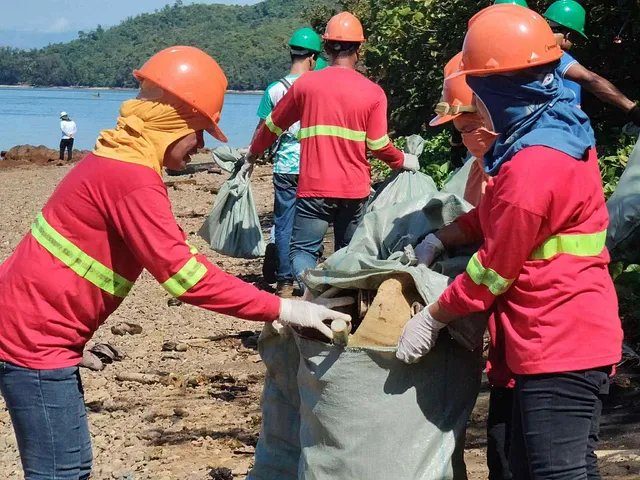
HMC–TNP personnel and volunteers then took part in a hands-on coastal cleanup activity, successfully collecting 189.75 kilograms of residual waste and 77 kilograms of recyclable waste along the shoreline.

The collaborative effort removed harmful debris from marine habitats and helped reduce ocean pollution.

HMC–TNP expressed its gratitude to all departments and dedicated volunteers who contributed to the success of the event.

“Together, let’s turn the tide against marine pollution and protect the life that depends on it,” the company said in a statement.

November 25, 2025

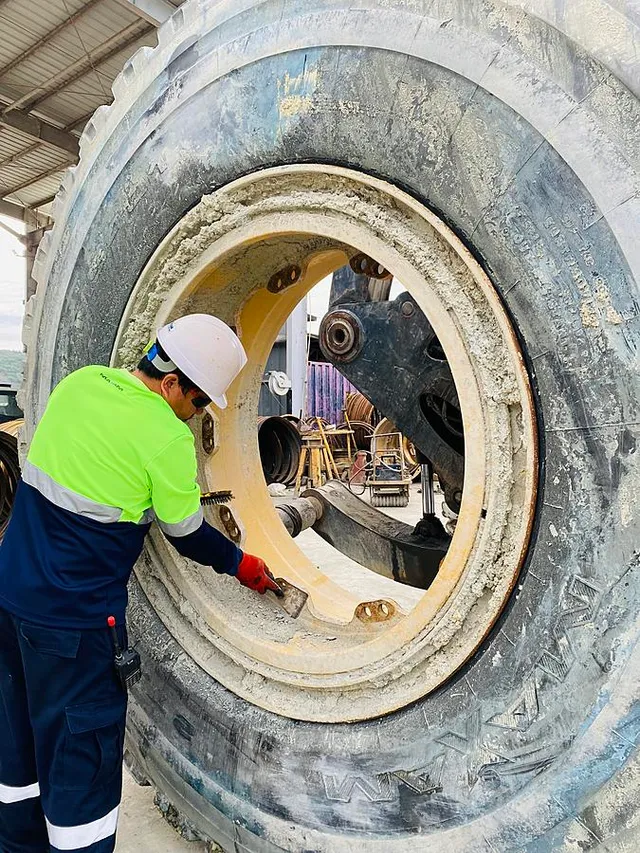
Mining is a tough industry where every minute counts. To stay efficient and safe, operators must follow best practices that reduce downtime and extend equipment life. Here are three simple but powerful tips every mine site should follow—plus how Higantis can help you get the most out of them.

1. Operate Haul Trucks Properly

Haul trucks are the backbone of mining transport. Poor operating habits can cause unnecessary wear, increase fuel consumption, and compromise safety.

Operators should avoid abrupt starts and stops, sudden braking, excessive speed, sharp turns, and steering while stationary. Overloading should also be avoided, as it strains components and damages tyres.

Consistent, smooth driving not only extends equipment life—it also keeps everyone on site safer.

2. Maintain Good Road Conditions

Good haul roads make a big difference. Keep routes clean, dry, and free from oil, rocks, and puddles to prevent tyre damage and accidents.

How Higantis can help: Our team conducts on-site tyre and road assessments to identify issues that cause early wear and to recommend improvements for safer, smoother operations.

3. Inspect Tyres Regularly

Check tyres before and after every shift. Look for cuts, tears, missing lugs, and ensure proper inflation. Don’t forget valve stems—make sure they’re tight and properly seated.

How Higantis can help: Through our OTR tyre management programme, we monitor tyre pressure, inspect for damage, and design maintenance plans that maximise tyre life while minimising downtime.

By following these tips, you can reduce costs, boost productivity, and keep your mining operations running safely and efficiently.

For more tyre care tips, visit higantis.com or contact us directly at inquiry@higantis.com.
November 25, 2025

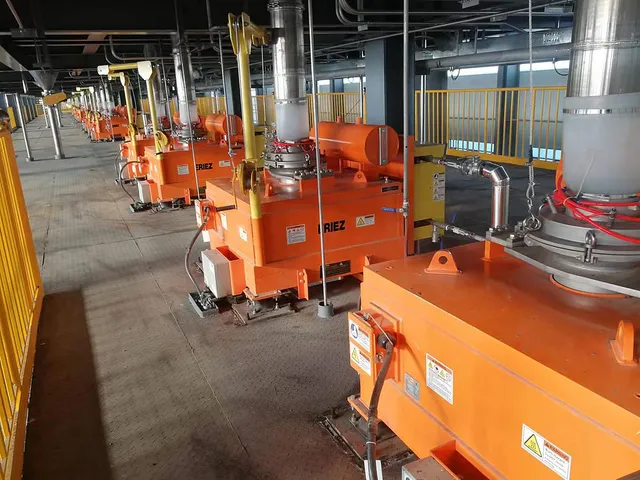
As the Philippines cements its position in the global minerals market, the need for advanced refining technologies is growing more important.

The Eriez Dry Vibrating Magnetic Filter (DVMF), a high-intensity magnetic separator designed to remove ultra-fine iron-bearing contaminants, is emerging as an essential technology for producers working with lithium, silica, talc, ceramics, and other finely divided industrial minerals and chemical products.

Across the Philippines, local processors are advancing from raw mineral extraction to value-added production. As export markets demand higher standards, achieving contaminant control to parts-per-billion levels has become vital.

The DVMF accomplishes this by combining a high-intensity electromagnet with a flux-converging matrix that generates hundreds of high-gradient collection zones.

As powders flow vertically through the unit, magnetic particles are captured while clean material continues through to discharge. Dual vibratory drives maintain consistent product movement, even with ultra-fine materials, ensuring throughput and stability.

Lithium and Hard-rock Mining

In lithium processing, the DVMF eliminates microscopic contaminants that would otherwise compromise battery-grade material quality.

“The DVMF is perfect for both lithium producers and users,” explains Jose Marin, Director of Mining & Minerals Processing at Eriez-USA. “Producers pulverize lithium before it goes to the user as a very fine powder. DVMF units are placed before and after mill processing.”

Marin noted that “as an additional check, many users position the DVMF at the point they receive lithium purchased from their producer.”

In industrial ceramics and glass production, it safeguards precision and surface integrity, ensuring locally produced materials meet international specifications.

For hard-rock mining operations, integrating Eriez separation systems — suspended electromagnets, metal detectors, and DVMFs — creates a complete line of defense.

“When it comes to hard-rock mining, the best practice among operators is to install equipment to protect crushers and belts,” Marin said. “They accomplish this by combining suspended electromagnets (SEs) and metal detectors.”

“The belt magnet removes ferrous material as it passes under a magnet on a belt or vibratory conveyor, while a metal detector identifies ferrous metals missed by the SE and all nonferrous metals. This is an important preparation procedure as the fine powders move to the DVMF.”

Removing ferrous debris early in the process protects crushers and conveyors, while DVMFs perform final-stage purification. This layered approach aligns with world best practice in mineral handling and quality assurance.

The DVMF’s automated controls and simplified cooling system make it a robust choice for both established plants and new facilities. Units are available in multiple diameters, handling a wide range of feed rates with consistent results.

Eriez’s 5,000-gauss systems routinely reduce contamination from parts-per-million to parts-per-billion levels — an achievement that directly enhances competitiveness on the world stage.

November 24, 2025

Weir, a global leader in mining technology, today announces the launch of its latest report, Untapped: Mining’s opportunity to unlock value through strategic water management and innovative technology. The report highlights the critical role of water in mining and sets out a strategic vision for elevating water stewardship across the industry.

As the world accelerates towards a low-carbon future, demand for metals and minerals is surging. Yet, mining operations are increasingly located in water-stressed regions, intensifying the need for innovative water management. Weir’s new research, based on insights from industry experts, champions the untapped potential for the mining sector to improve water use, future-proof operations, and build trust with stakeholders.

Key findings from the report include:

  • Water is under pressure: 16% of the world’s critical mineral mines are in highly water-stressed areas, with copper particularly exposed.
  • Integrated, end-to-end management is essential: Every mine is unique, but there is an opportunity to move from localised fixes to holistic solutions by combining geological and geographical data to evaluate best-available technology and drive strategic, systems-based change.
  • Innovative technologies exist today: From advanced ore sorting and comminution to tailings dewatering, proven solutions can reduce water use and improve efficiency.
  • Holistic frameworks are emerging: Industry bodies such as ICMM and CEEC are driving alignment on metrics and best practices, enabling better decision-making and transparency.

Jon Stanton, CEO of Weir, said that Untapped brings together insights from across the mining sector to highlight both the challenges and opportunities in water management.

"I want to thank the many industry professionals who contributed their expertise to this important resource. By working together and embracing new approaches and technologies, we can unlock greater value from water, strengthen trust with our stakeholders, and help secure a more sustainable future for mining," Stanton said.

The report invites discussion to shift from process-specific problem-solving to strategic water stewardship, urging collaboration between industry leaders, technology innovators, communities, financiers, and governments. By elevating water to a central corporate priority, mining can scale up sustainably, reduce risks, and drive the net zero transition.

Founded in 1871, The Weir Group PLC is one of the world’s leading engineering businesses, with a purpose to make its mining and infrastructure customers’ operations more sustainable and efficient. Weir’s highly engineered technology and digital solutions enable critical resources to be produced using less energy, water, and waste while reducing customers’ total cost of ownership. The Group is ideally positioned to benefit from structural trends that support long-term demand for its technology, including the need for essential metals to support economic development and the carbon transition.

The Group has approximately 12,000 employees operating in over 50 countries, with a presence in every major mining region worldwide. Find out more at www.global.weir.
November 21, 2025

Environment Secretary Raphael P.M. Lotilla underscored the Philippines’ commitment to responsible and innovation-driven mineral development as the global shift to a low-carbon economy accelerates.

In his opening address at the Philippines–Sweden Smart Mining Forum, Lotilla said the Philippines, as a resource-rich nation, holds both “a responsibility and an opportunity” to adapt to this transition by ensuring that mineral resources are developed responsibly while supporting sustainable growth. He pointed to the rising global demand for critical minerals needed for renewable energy, battery technologies and green infrastructure.

“The challenge before us is to balance economic growth with environmental stewardship, so that our mining sector contributes to a sustainable future,” Lotilla said.

He added, “We recognize that the future of mining must be innovation-led and sustainability-anchored. We cannot speak of resource development without also speaking of climate change, equity, resilience, and governance. Technology, when applied wisely, is key to achieving this balance.”

The forum also marked the launch of the Philippine–Sweden Pilot Project, established in collaboration with a local mining company, which will integrate advanced and sustainable mining technologies. The initiative is expected to demonstrate how technology, sustainability and global partnership can enhance efficiency, safety and environmental responsibility in mining operations.

Lotilla said the Department looks to international models, such as Sweden’s Kiruna iron ore operations, regarded as one of the world’s most advanced underground mining sites.

The secretary reaffirmed the administration’s support for a modernized and responsible mining sector, citing President Ferdinand R. Marcos Jr.’s message that the government upholds the environmental, economic and social pillars of sustainable development as applied to the industry.

Through the Mines and Geosciences Bureau, the DENR has introduced governance reforms, including DENR Administrative Order (DAO) 2025-17, which streamlines permitting processes, and DAO 2025-10, which aligns Social Development and Management Programs with the Sustainable Development Goals. These measures aim to modernize minerals sector administration.

The department is likewise developing a national geospatial database for resource mapping and expanding the use of automation and remote sensing technologies to strengthen transparency and regulatory compliance.

Despite these advancements, Lotilla acknowledged the continuing challenge of generating public support for responsible mining. “Strengthening at the local government level the support for responsible mining and giving our people a chance at developing these resources in order to attain a better life for all,” he said.

He also commended mining firms that have fostered “big brother-small brother” partnerships to help smaller operators meet compliance and environmental standards. Lotilla further expressed gratitude for the mining sector’s assistance during calamities, which has helped communities recover from natural disasters.

The Smart Mining Forum builds on a series of recent high-level engagements between the Philippines and Sweden, including the High-Level Philippine Mining Delegation to Sweden led by the DENR and the courtesy call of Her Excellency Ambassador of Sweden to the Philippines Anna Ferry. The Philippines–Sweden Mining Working Group also held its inaugural meeting, bringing together key stakeholders to identify potential areas of cooperation.

November 20, 2025

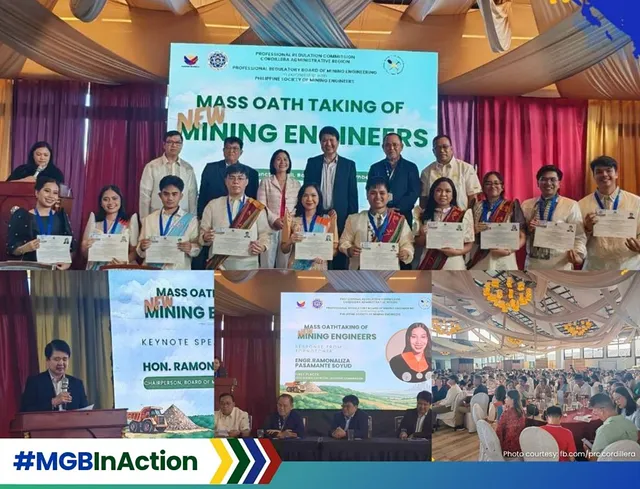
The Philippine mining sector marked a significant milestone on November 18, 2025 as 69 newly licensed mining engineers took their oath in a face-to-face ceremony at the Paragon Hotel Function Hall in Baguio City.

DENR Assistant Secretary for Mining Concerns and concurrent MGB OIC Director, Engr. Michael V. Cabalda, graced the solemn event. In his keynote address, he emphasized responsibility and excellence, framing the achievement not as an endpoint, but as a beginning:

"Today is a milestone, but let’s be clear, this is not just a celebration. It is a challenge," Engr. Cabalda said.

He also reminded the new professionals that their license carries obligations, not just recognition. "The license you hold is not a trophy. It is a mandate. It demands action. It demands results," he said.

He stressed the importance of retention in the profession, urging the new licensees to "remain in the profession you trained for," noting that many engineering graduates often shift to other fields.

Highlighting a historic shift toward inclusivity, Engr. Cabalda cited recent reports showing that "almost 45% of newly graduated or newly licensed mining engineers are now women," calling this increase "a powerful and historic" development. Addressing female engineers directly, he added: "You are the rare gold the industry has been searching for."

Concluding his address, the Assistant Secretary issued a strategic call to action, urging new engineers to pursue global competence: "The mining engineers we must build should be those who qualify international standards, so we become a global force, not just a global workforce."

Key figures, including PRBEM Chairperson Ramon N. Santos, PRBEM Member Augusto C. Villaluna, and PSEM President Engr. Francis J. Arañes, also supported the ceremony.

The MGB extended its heartfelt congratulations to all the new mining engineers: "The world needs dreamers who build, and builders who care."

The country expects them to lead the industry toward a sustainable and ethical future. Mabuhay kayong lahat, at mabuhay ang bagong henerasyon ng Pilipinong inhinyero ng mina!

November 19, 2025

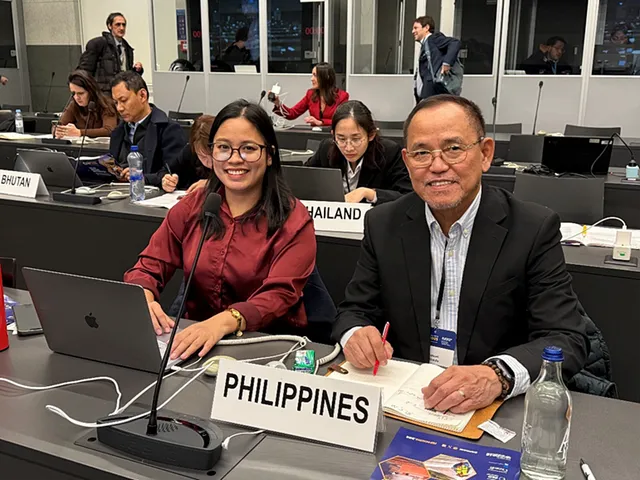
The Philippines put its mining governance efforts on the international stage at the 21st Annual General Meeting of the Intergovernmental Forum on Mining, Minerals, Metals and Sustainable Development (IGF), held Nov. 3–5, 2025, at the Palais des Nations in Geneva.

Hosted by the United Nations Conference on Trade and Development (UNCTAD), the annual meeting serves as one of the world’s largest platforms for governments and stakeholders to discuss policy trends, responsible mining practices, and the future of mineral development. The IGF provides technical guidance and a venue for countries to share experiences on how to govern their extractive sectors amid rapid global shifts in mineral demand.

Representing the Mines and Geosciences Bureau (MGB), Supervising Geologist Anne Karla M. Navarro joined the plenary session, “Critical Minerals: National Strategies in a Global Rush,” where she outlined the Philippine government’s work in crafting a national framework for critical minerals. Navarro also showcased MGB’s ongoing initiatives aimed at ensuring the sustainable development of the country’s mineral resources.

Her presentation placed the Philippines alongside representatives from Georgia, the United Kingdom, and the Kingdom of Saudi Arabia, who each shared national strategies in response to soaring global demand for critical minerals. Their discussions highlighted exploration, governance reforms, value addition, and the importance of international cooperation.

The Philippine delegation also included Engr. Michael V. Cabalda, assistant secretary for mining concerns and concurrent officer in charge of MGB. Cabalda and Navarro participated in the three-day AGM, which featured high-level dialogues, technical workshops, and policy exchanges. The agenda focused on strengthening mining governance, promoting inclusive and sustainable mineral development, enhancing value-added processing, improving environmental and social performance, and building cross-border partnerships.

This year’s forum carried the theme “Value Beyond Extraction: Rethinking Mining for a Resilient Future,” reflecting the global push to ensure that mining contributes to long-term economic resilience, community welfare, and climate goals. More than 800 participants from over 100 countries—including government officials, industry associations, companies, development partners, and civil society—attended the event, underscoring the growing urgency of responsible mineral governance in an era of unprecedented global demand.

November 17, 2025

Metallurgical test work at the Maalinao-Caigutan-Biyog (MCB) Copper-Gold Project has confirmed that high copper and gold recoveries are achievable in the first decade of mining, Celsius Resources Limited reported.

The tests, conducted by Brisbane Met Labs on ore samples from the first five years of mine life, showed consistent results across different ore types, validating the findings of previous test programs. The combined weighted average recoveries for the first ten years indicate copper recoveries of 95% and gold recoveries of 77%, according to the company.

“These conformity test results achieved are a strong outcome and further underpin the updated study and FEED economics for the initial ten years of mine life,” said Makilala Mining Technical Director Peter Hume. “The results confirm the homogenous nature of the high-grade ore body and support consistent ore processing performance through the first decade of the mine’s operations.”

The metallurgical program included comminution and flotation recovery tests on core samples taken during the recent drilling campaign. The tests were designed to reconfirm the flowsheet used in the previous Feasibility Study and to support the production of a saleable copper-gold concentrate early in the mine life, in accordance with JORC Code requirements.

Results from rougher flotation tests indicated copper recoveries of approximately 98% and gold recoveries around 83% at a grind size of 150 microns. Cleaner flotation tests after regrinding to 38 microns produced a concentrate averaging 25% copper and 5 g/t gold. Reagent optimization tests showed potential improvement in gold recovery, and final weighted average recoveries after cleaner flotation were estimated at 95% for copper and 75% for gold.

“When combined with the results from the September 2021 test program covering years six to ten, the integrated average recoveries over the first decade of production are approximately 95% for copper and 77% for gold,” the company said.

This, the company added, confirms that a conventional copper flotation plant can consistently produce a high-quality copper-gold concentrate with very low deleterious elements, supporting robust economics over the first 10 years of operations.

The MCB Project, located in the Cordillera Administrative Region about 320 kilometers north of Manila, is the flagship project of Makilala Mining Company, Inc., Celsius’ Philippine affiliate. An updated JORC-compliant Mineral Resource Estimate announced in December 2022 identified 338 million tonnes of ore at 0.47% copper and 0.12 g/t gold, containing 1.6 million tonnes of copper and 1.3 million ounces of gold.

The previous Feasibility Study, released in December 2021, projected a 25-year mine life for an underground operation with a 2.28 Mtpa processing plant. The study estimated a post-tax net present value (8%) of US$464 million and an internal rate of return of 31%, assuming a copper price of US$4 per pound and gold at US$1,695 per ounce. Initial capital expenditure was pegged at US$253 million, with a payback period of roughly 2.7 years.

Celsius said ongoing studies to update the Feasibility Study and complete the Front-End Engineering and Design (FEED) are scheduled for completion by December 2025.

November 14, 2025

Global Ferronickel Holdings, Inc. (PSE: FNI), one of the Philippines’ leading nickel ore exporters, reported a 203.7% surge in net income attributable to shareholders to ₱1.527 billion for the first nine months of 2025, up from ₱502.6 million in the same period last year. This translated to earnings per share of ₱0.2978, reflecting improved profitability and stronger cost discipline.

The company’s EBITDA rose 102.2% year-on-year to ₱2.435 billion, expanding its EBITDA margin to 36.4% from 21.0%. The improvement underscores FNI’s operational efficiency, prudent cost management, and ability to benefit from firmer nickel prices despite lower shipment volumes.

Total revenues climbed 16.6% to ₱6.684 billion, driven by higher average realised nickel ore prices amid robust demand and tighter supply conditions toward the end of the quarter. In the near term, the International Nickel Study Group (INSG) expects continued growth in global stainless-steel production, although the expansion of nickel use in batteries is progressing more gradually. INSG also projects global supply to increase as Indonesia implements tighter regulatory controls over its nickel sector.

Meanwhile, costs and expenses fell 6.0% to ₱4.800 billion, reinforcing management’s disciplined approach to productivity and expense control.

Operational Performance


FNI sold 3.664 million WMT of nickel ore during the nine-month period, down 14.2% from 4.269 million WMT last year as prolonged rains reduced operating days at both its Palawan and Surigao sites. The sales mix shifted toward 83% low-grade and 17% medium-grade ore, compared with 65% and 35%, respectively, in 2024.

Despite softer volumes, average realised prices increased 36.8% to US$31.99 per WMT from US$23.39 per WMT in 2024, supported by strong market fundamentals. Low-grade ore averaged US$29.87 per WMT, up 53.8%, while medium-grade ore averaged US$42.50 per WMT, up 37.9%.

Shipments remained focused on FNI’s established Asian markets, with 91% exported to China and 9% to Indonesia.

Site Highlights


• Ipilan Nickel Corporation (Palawan)
The Palawan site generated ₱2.301 billion in revenues, up 11.8% year-on-year despite lower volumes, as higher realised prices offset weather-related output constraints. The site is boosting mine planning, digital systems integration, and reserve expansion to support long-term production.

• Platinum Group Metals Corporation (Surigao)
The Surigao operation delivered ₱4.372 billion in revenues, a 19.5% increase year-on-year. Proactive stockpiling and resource planning helped counter heavy rainfall impacts, allowing the site to maintain shipments and take advantage of elevated nickel prices.

Cost and Expense Management


Cost of sales dropped 9.6% to ₱2.858 billion from ₱3.162 billion, primarily due to lower production and reduced contract hire rates stemming from the higher proportion of low-grade ore. Operating expenses remained steady at ₱1.943 billion, up just 0.2%, as increases in freight, consultancy, and impairment-related costs were largely offset by the absence of one-off tax and settlement charges booked previously.

“Our strong nine-month results demonstrate the effectiveness of disciplined cost management, operational flexibility, and strategic foresight,” said FNI President Dante R. Bravo. “We are well-positioned to sustain profitability through operational excellence and sound financial stewardship.”

Governance and Leadership Excellence


In the third quarter, FNI reaffirmed its commitment to governance and legal excellence after earning multiple recognitions at the 2025 Asian Legal Business (ALB) Philippine Law Awards.

Atty. Reeno E. Febrero, FNI Legal Officer, was named Young Lawyer of the Year (In-House), while the company’s legal team received finalist citations in several categories, including In-House Lawyer of the Year (Atty. Noel B. Lazaro, Chief Legal Counsel), In-House Woman Lawyer of the Year (Atty. Mary Louisse S. Inguillo, Legal Officer), Philippine In-House Team of the Year, In-House Team of the Year (Construction & Real Estate), and Innovative In-House Team of the Year.

“These distinctions reflect the discipline, transparency, and integrity that define FNI’s governance culture,” said Atty. Noel B. Lazaro. “Strong governance remains central to sustaining stakeholder trust and long-term value creation.”

November 12, 2025

Higher metal prices and stronger revenues boosted the profitability of OceanaGold (Philippines) Inc. (OGPI) during the nine months to September, with net income soaring by 67.8 percent to $49 million compared with the same period last year.

In a disclosure, the company said total revenues rose by 20 percent to $317.2 million, mainly due to its “full exposure to spot gold and copper prices.”

The mining firm attributed its improved earnings to record quarterly revenue of $142 million in the third quarter of 2025, which it said was fueled by a record average realized gold price of $3,415 per ounce.

During the period, OGPI produced 66,900 ounces of gold, down by 13.5 percent year on year, while copper output increased by 10.9 percent to 10,200 tonnes.

The company said higher metal prices offset lower gold production, allowing it to post stronger financial results for the period despite the temporary decline in output.

OGPI added that severe weather events in late 2024 hampered access to the lower levels of its Didipio mine throughout much of 2025. It said water removal and rehabilitation works were completed in the third quarter, enabling it to restore access and resume operations in the affected area.

The company’s all-in sustaining cost (AISC) — or total operating expenses relative to sustaining mine operations — averaged $1,214 per ounce during the period, slightly higher than the $1,075 per ounce recorded a year earlier.

Quarter-on-quarter, OGPI said revenue climbed from $96.2 million in the second quarter to $141.7 million in the third, while net income rose from $14.6 million to $27 million. Earnings per share were steady at $0.01 per share for the quarter and $0.02 on a year-to-date basis.

The company also reported that it generated robust free cash flow of $59 million during the third quarter, which contributed to its improved balance sheet position.

OGPI said dividends to holders of publicly traded shares will be paid in Philippine pesos, based on the prevailing exchange rate between the peso and the US dollar on the day of payment processing.

The company operates the Didipio gold-copper mine in Nueva Vizcaya, which remains one of the largest foreign-owned mining projects in the country. The mine has been recognized for its contributions to local employment, community development, and environmental management programs in its host communities.

November 12, 2025

Apex Mining Co. Inc. (APX) and its subsidiaries posted a consolidated net income of ₱5.45 billion for the first nine months of 2025, marking a 78 percent increase from ₱3.07 billion in the same period last year.

For the third quarter alone, the group earned ₱2.15 billion, up from ₱1.31 billion in 2024. Parent company Apex Mining recorded ₱5.02 billion in standalone net income for the same nine-month period, also showing strong growth from ₱2.97 billion last year.

Consolidated gross revenues rose 43 percent year-on-year to ₱15.48 billion, driven mainly by higher gold and silver sales from the Maco Mine in Davao de Oro and the Sangilo Mine in Itogon, Benguet, operated by its subsidiary Itogon-Suyoc Resources Inc. (ISRI).

Gold sold during the period totalled 78,751 ounces, slightly higher than last year’s 78,105 ounces. The realised gold price per ounce surged to USD 3,319 — a 41 percent increase from USD 2,359 in 2024. Silver sales also improved, reaching 290,894 ounces, up 13 percent from 257,169 ounces last year.

Company officials attributed the earnings boost to stronger gold prices and the appreciation of the US dollar against the peso.

Apex Mining president and CEO Luis R. Sarmiento, ASEAN Eng., said the company’s solid results reflect both favourable market conditions and timely business decisions. “Our expansion plans are strategically aligned with the current global and local conditions, making us agile and quick to adjust,” he said.

Quick recovery after Davao quake

Operations at the Maco Mine were briefly halted after the magnitude 7.6 earthquake that struck Davao on 10 October 2025. Davao de Oro Governor Raul Mabanglo had ordered a temporary suspension of all mining activities as a safety precaution.

Apex Mining resumed operations just four days later, after the Mines and Geosciences Bureau Region XI cleared the site within 48 hours of the company’s safety report.

“We understood the rationale behind Governor Mabanglo’s order but were confident that our consistent commitment to safe and responsible mining would bear us out,” Sarmiento said. The company’s rapid response team confirmed there was no structural damage to the mine site.

Long-term mine capacity and expansion

According to Billy G. Torres, senior vice president and head of finance at Apex Mining, recent mine reserve and resource certifications show that the Maco Mine has enough reserves to sustain operations until 2034, assuming a daily milling rate of 3,000 tonnes.

The company is currently modifying its processing plant to raise capacity to 3,500 tonnes per day. Exploration and development efforts are ongoing to expand both resources and reserves. “We continue to harness growth and expansion prospects,” Torres said.

Strengthening future gold resources

Apex Mining also recently acquired Asia-Alliance Mining Resources Corp. (AAMRC), whose mineral veins are believed to extend into Maco’s deposit area. The acquisition is expected to further strengthen the company’s long-term gold resource base. AAMRC is now completing its permitting process.

Sarmiento said the company is also progressing with pre-operation permits for APSA 103, the expansion area of ISRI’s century-old Sangilo Mine in Benguet. The project has already obtained a Certificate of Precondition, which indicates community consent. APSA 103 covers about 434 hectares.

Recognition for business excellence

Apex Mining was recently named among only five Philippine companies on Forbes Asia’s “Best Under A Billion” list for 2025, which highlights 200 top-performing small and mid-sized companies across the Asia-Pacific region.

The company said its strong financial results, disciplined operations, and strategic growth plans continue to position it for sustainable expansion in the years ahead.

November 05, 2025

Integrated energy company Semirara Mining and Power Corporation (SMPC) reported a 37% decline in net income to ₱9.9 billion for the first nine months of 2025, from ₱15.7 billion in the same period last year. The decrease was mainly driven by weaker coal and electricity prices and higher production-related costs.

“This has been a more difficult year operationally, but we continue to adapt,” said SMPC President, Chief Operating Officer, and Chief Sustainability Officer Maria Cristina C. Gotianun. “Our priority is to strengthen reliability, manage costs, and preserve our financial flexibility to navigate changing market and operating conditions.”

From January to September, the average Newcastle Index (NEWC) fell 22% year-on-year to US$104.5, while the Indonesian Coal Index 4 (ICI4) dropped 16% to US$45.9. Similarly, average spot electricity prices in the Luzon-Visayas grid declined 33%, from ₱5.59/kWh to ₱3.73/kWh.

For the third quarter alone, consolidated net income dropped 53% to ₱1.5 billion, from ₱3.1 billion last year, as lower energy prices continued to weigh on profitability.


Coal Operating Results

For the nine-month period, total coal shipments rose 5% to a record 12.9 million metric tons (MMT), from 12.3 MMT in the same period last year. This growth was driven by stronger exports and higher deliveries to SMPC’s own power plants.

However, the average selling price (ASP) for Semirara coal declined 19%, from ₱2,864/MT to ₱2,325/MT, reflecting market trends and a higher proportion of lower-grade shipments.

Coal production also hit a record high, increasing 15% from 13.1 MMT to 15.1 MMT, following improved access to coal seams at the Narra mine.


Power Operating Results

Total power sales grew 12% to a record 4,186 GWh, from 3,722 GWh, on the back of improved plant performance. Of the total energy sold, 57% was sold to the spot market, while 43% was covered by bilateral contract quantities (BCQs).

The average selling price for electricity declined 10%, from ₱4.93/kWh to ₱4.46/kWh, due to wider supply margins amid stable demand in the Wholesale Electricity Spot Market (WESM).

As of end-September, 40% of SMPC’s 860 MW total dependable capacity was contracted. After accounting for periodic station service, 429.60 MW remained available for spot market sales.

SMPC is the largest and most modern coal producer in the Philippines. It is a vertically integrated power generation company that operates using its own fuel (coal).

SMPC’s two wholly owned subsidiaries—Sem-Calaca Power Corporation (SCPC) and Southwest Luzon Power Generation Corporation (SLPGC)—supply baseload power to the national grid through bilateral contract quantities (BCQs) and the Wholesale Electricity Spot Market (WESM).

November 05, 2025

SITE PROFILE

The Masbate Gold Project (MGP) is a joint operation of Filminera Resources Corporation (FRC) and Phil Gold Processing and Refining Corporation (PGPRC).
FRC owns, manages, and operates the entire Mineral Production Sharing Agreement (MPSA) awarded by the government, while PGPRC owns and operates the gold processing plant and is responsible for the sale of gold.

Orica provides Down-the-Hole (DTH) services to the Masbate Gold Project, delivering bulk explosives and initiating systems into blastholes.

Since 2013, the Masbate Gold Project has used Orica’s uni tronic™ 600 Electronic Blasting System to initiate blasts. The precise control of electronic detonators helps improve blasted material movement and manage vibration.


THE SITUATION

The mine is significantly constrained by its proximity to the community, with houses located within 500 metres of the pit. Residents have demanded tighter control of vibration, dust, noise, flyrock, and fumes from blasting.

National regulations prohibit sleeping blasts, which makes designing large, productive blasts difficult. The mine uses water trucks to spray blast patterns to suppress dust. However, the trucks cannot access the entire pattern of blastholes primed with uni tronic™ 600 electronic detonators due to the connecting wires between holes.

The mine operator asked Orica to investigate how blasting technology could overcome the constraints imposed by wired initiation systems.


TECHNICAL SOLUTIONS

Orica proposed a demonstration of its WebGen™ wireless initiation system. WebGen™ uses magnetic induction signals to wirelessly initiate primers in blastholes.

In surface mines such as Masbate, WebGen™ offers significant safety, security, and productivity advantages over conventional wired and signal tube initiation systems.

Stemmed blastholes loaded with WebGen™ primers have no wires or signal tubes and can be safely slept for up to 60 days, with virtually no risk of theft or accidental initiation from lightning, impact, heat, or other sources. The risk of misfires due to wire damage is eliminated.

After a detailed risk assessment and careful implementation, sleeping WebGen™ blasts can be graded, watered, and even used as haul roads. This provides scheduling flexibility and reduces airborne dust created by dry, fine drill cuttings.


THE RESULT

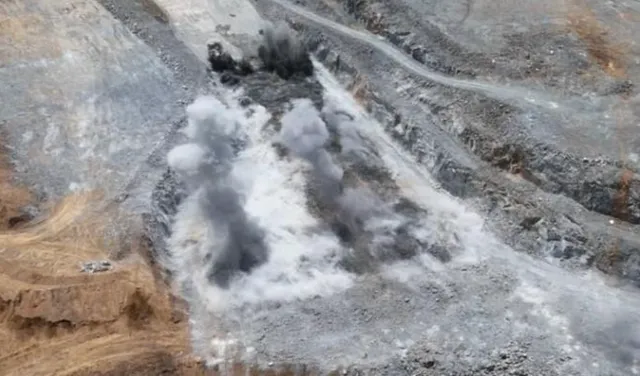
Orica Philippines and the Masbate Gold Project marked a significant milestone with the first-ever wireless detonator blast in the Philippines at Filminera Resources Corporation (FRC). The blast was loaded over four consecutive days and fired on 4 July 2025.

A total of 492 blastholes were safely slept for four days, without any risk of wire damage or theft.

The wireless blast produced significantly less dust compared to conventional shots. This was achieved by using a grader to remove drill cuttings from the loaded, stemmed holes, then driving water trucks across the loaded pattern to thoroughly irrigate the entire area. This approach provided more effective dust suppression than the usual method, where a water truck or hydro seeder partially irrigates the blast area from outside the boundary.

Orica used BlastVision® advanced drone video analysis software to convert footage into analytics data. Insights derived from the data enabled mine site personnel to optimise blasting operations and monitor impacts, improving both safety and productivity.

Shovel productivity was assessed using video and CyclePro™ analysis software to measure dig rates. In each flitch, excavator productivity exceeded the mine’s benchmark of 525 bcm/hour for the PC2000 excavator.

Fragmentation was analysed using Orica’s Powersieve™ image analysis software. All three flitches produced substantially better fragmentation than the mine’s benchmark of P80 < 800mm.

While better shovel productivity and fragmentation cannot be solely attributed to the initiation system, it is plausible that the larger WebGen™-enabled blast produced superior results. The volumetric proportion of edge effects in one large blast is smaller compared to the equivalent volume produced by multiple smaller blasts.

The WebGen™ demonstration project at Masbate Gold Project marks the first wireless electronic blast in the Philippines. Implementing wireless blasts at Masbate is a key milestone for all open-cut mines in the country, paving the way for larger, more productive, and less dusty WebGen™-enabled slept blasts.


SUMMARY OF OUTCOMES

  • Sleep Blasting: WebGen™ allows large, slept blasts with negligible risk.
  • Dust Suppression: Innovative pre-blast preparation methods visibly reduced dust emissions.
  • Reliability: No misfires or explosive remnants were detected.
  • Productivity Gains: All dig rates exceeded customer benchmarks by a wide margin.
  • Fragmentation Quality: Particle sizes were well below the maximum limit.
 

TESTIMONIALS

“At the Masbate Gold Project, safety and operational efficiency are always at the forefront of our operations. While we continue to use electronic blasting systems for our mine, we recently conducted a trial of WebGen™ wireless blasting technology. The results were impressive, particularly in dust mitigation, as it allowed equipment to operate safely above loaded holes. This not only improved working conditions but also reinforced the potential of WebGen™ as a safe and efficient complement to our blasting practices.”

Nikko Vanell Dolino
Chief Mine Engineer
Filminera Resources Corporation
Masbate Gold Project, Philippines

“Masbate Gold Project is always exploring innovations in blasting to improve efficiency and responsibility. When WebGen™ was introduced, we were eager to trial the wireless blasting technology. Sleeping the shot minimised production and community disturbance, and driving over loaded shots enabled safer, dust-suppressed blast layouts. The overall trial process required significant effort from both Orica and Masbate teams. Overall, it was a resounding success – a first in the Philippines, which was witnessed and commended by government representatives. We look forward to further utilising new blasting techniques to advance our operations and set new standards in responsible mining.”

Renel Jose Banzon
Mining Manager
Filminera Resources Corporation
Masbate Gold Project


ACKNOWLEDGEMENTS

Orica wishes to thank Masbate Gold Project for their support and permission to conduct the trial and publish this case study.

Special thanks are extended to the Orica Masbate Team, WebGen™ Specialists Team, Orica Graduate Engineers, the Philippines National Police, and the Mines and Geosciences Bureau for their efforts and support in achieving the first-ever wireless technology blast in the Philippines.

Authors: Kerster Jann A. Pages, Carl Joseph B. Dakay, Joryl Mananay, Josh Adrian Bautista
Date: 22 September 2025


DISCLAIMER

© 2025 Orica Group. All rights reserved. All information contained in this document is provided for informational purposes only and is subject to change by the Orica Group without prior notice. Because the Orica Group cannot anticipate or control the conditions under which this information and its products and/or services may be used, each user must independently review and evaluate the information in the specific context of the intended application.

To the maximum extent permitted by law, the Orica Group specifically disclaims all warranties express or implied in law, including accuracy, non-infringement, and implied warranties of merchantability or fitness for a particular purpose. The Orica Group specifically disclaims, and will not be responsible for, any liability or damage resulting from the use or reliance upon the information in this document.

The word Orica and the Ring device are trademarks of the Orica Group.

November 05, 2025

Precision drilling and operational discipline are essential at the low-grade, high-tonnage Masbate Gold Project, one of the largest operating surface mines in the Philippines. 

Every meter matters at the Masbate Gold Project. Located on a remote island 350 kilometers southeast of Manila, the mine has built a reputation for delivering gold safely, sustainably, and efficiently. 

Filminera Resources Corporation (FRC) is responsible for mining the mature epithermal deposit while B2Gold Corporation subsidiary Phil. Gold Processing & Refining Corp. (PGPRC) handles processing.  

PGPRC is projected to process around 8 million metric tons of ore during 2025, blending fresh and stockpiled ore in the flexible plant to produce between 170,000 and 190,000 gold ounces. The mine’s daily tonnage ranges between 90,000 and 105,000 tons, and with an average gold grade of 0.9 grams per ton, every ton counts.  

“You can imagine it’s a lot of dirt,” said Patrick Mkonyi, Assistant Vice President Technical Services of FRC. “Our success hinges on mine-to-mill discipline. We need clean drilling and blasting, minimal dilution, reliable equipment and process stability to keep tons and recovery where they need to be. Our focus is sustained productivity on variable ore sources while maintaining safety excellence and cost discipline.”   

Disciplined, efficient production is paramount. That starts with drilling precision and reliability. 

“It’s foundational to our success,” Mkonyi said. “Good drilling underpins everything we measure daily. If we miss a bit on the drilling, then the downstream side will run dry just like a river. It dictates blast outcome, which determines fragmentation, diggability, crusher throughput and, ultimately, cost per ton. If drilling isn’t right, nothing else works.” 

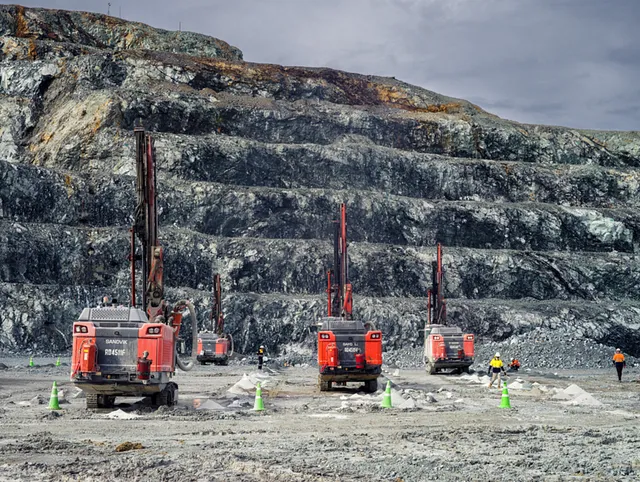
In 2012, FRC took delivery of its first four Pantera™ DP1500i surface drill rigs from Sandvik. The rigs impressed in Masbate’s demanding conditions, standing out for their balance of power, intelligence and serviceability. 

Thereafter, in 2017, FRC decided to self-operate the mines, instead of relying on a service contractor, it again purchased four new Pantera™ DP1500i rigs to replace the original four. 

“We matched bench geometry, hole size range and desired penetration rates against haul-road constraints and maintainability,” Mkonyi said. “Pantera™ DP1500i hit the sweet spot. Power-to-weight ratio, automation options and cost per meter all aligned perfectly for our benches and rock mass.” 

Designed for a wide hole range of 89 to 152 millimeters, Pantera™ DP1500i is a versatile top-hammer rig suited to high-capacity production drilling. Intelligent control systems and automated rod handling streamline the drilling cycle. 

“The operator-friendly cab layout, intuitive controls and fast setup meant quick learning curves and high early utilization,” Mkonyi said. “Over time, the rigs have continued to meet or exceed expectations for penetration, accuracy and availability.” 

Masbate measures the drills’ performance in meters per shift, hole deviation, utilization and cost per meter. Across all those KPIs, the fleet of Pantera™ DP1500i rigs deliver. 

“We’ve seen stable penetration rates, repeatable hole quality and steady availability that aligns with our production plan,” Mkonyi said. 

Sandvik delivered FRC’s 15th and 16th Pantera™ DP1500i units in 2024, the final additions to the fleet before open-pit mining is scheduled to conclude. 

“They’re performing really well,” said Nikko Vanell Dolino, FRC’s Chief Mining Engineer. “They’re very reliable and they have aligned with our goals, especially with cost savings and production targets.” 

Sandvik’s local support team in the Philippines plays a key role in sustaining that performance. Through regular site visits, technical guidance and proactive parts logistics, Sandvik ensures the rigs stay productive. 

“Depth of local expertise is one of Sandvik’s greatest strengths,” Mkonyi said. “Their technicians are on the ground, helping with condition-based maintenance, operator coaching and parts management. That partnership gives us confidence to meet our targets every month.” 

In Masbate’s tropical and logistically remote environment, equipment reliability is vital. 

“Access to service points is good, planned maintenance windows are short and predictable and the Pantera™ DP1500i’s design makes daily inspections straightforward,” Mkonyi said. “With genuine Sandvik parts and consumables, we’ve extended component life and stabilized cost per meter.” 

Over time, FRC’s fleet of Pantera™ DP1500i rigs has grown steadily, a clear vote of confidence in both the equipment and the partnership behind it. 

“Uptime, hole quality and responsive local support are the reasons we’ve stayed with Sandvik,” Mkonyi said. “Their commitment to performance transparency and fast feedback loops matches our own culture.” 

While FRC’s open-pit operations evolve in response to market conditions, its legacy is already defined as a safe, responsible operation that has sustained thousands of jobs and delivered consistent output. From the first four Pantera™ DP1500i rigs in 2012 to the latest deliveries in 2024, one thing has remained constant: consistent performance, locally supported — the hallmark of Sandvik’s relationship with the Masbate Gold Project operation. 

November 05, 2025

Minerals, Data, and a New Kind of Resource Wealth 

By Fernando Penarroyo 

The Philippines has long been recognized as one of the world’s most mineral-rich countries. With deposits of nickel, copper, and gold, it plays a vital role in global supply chains, especially at a time when electric cars, batteries, and renewable energy systems are driving demand for these resources.  

Even though mining can create jobs, bring in much-needed revenue, and connect the Philippines to international markets, there is still the lingering perception that it can harm the environment and displace communities. 

Now, another kind of resource is taking center stage alongside minerals—data. Mining in the twenty-first century is not only about extracting ores from the earth; it is also about gathering information.  

While mining companies use drones to map terrain, satellites to track environmental changes, and sensors to monitor everything from air quality to worker safety, they also collect information from host communities and indigenous peoples.  

Through surveys on health, demographics, and community sentiment, mining companies are no longer just extracting resources from the ground, they also “extracting” information from people and the environment. 

Handled poorly, this new form of extraction can create serious risks for privacy, fairness, and sovereignty. But handled well, it can be turned into an opportunity to strengthen communities, improve governance, and protect national interests.  

The Philippines has the chance to set an example by treating both minerals and data as shared resources that must be managed responsibly for the benefit of Filipinos. 

Digital Mining: How Data Transforms Operations 

Mining today is highly digitized. Advanced technologies have transformed operations, making it possible for companies to work more efficiently and safely. Drones are used to create detailed maps of landscapes, satellites help track changes in forests and water bodies, and sensors provide constant updates on machinery and safety conditions. These tools generate huge amounts of data that can be used to comply with environmental rules, improve productivity, and reduce accidents.  

Beyond technology, mining firms also collect information directly from communities. Environmental and social impact assessments often involve surveys about health and livelihoods, while corporate social responsibility programs may gather data on education and living standards. In some cases, companies or their contractors even monitor social media to see how people feel about mining projects. 

When collected and shared responsibly, this kind of information can be valuable. It can help companies respond more quickly to community concerns, give government agencies evidence to enforce rules, and provide communities with the data they need to push for better services.  

For example, if surveys show an increase in health issues near a mining site, this could become the basis for improved health care in the area. If water quality tests reveal pollution, communities could use this data to demand cleaner practices or compensation. In this way, data has the potential to balance power between corporations, the state, and its citizens. 

The Risks of Data Extraction 

However, risks arise when data collection is done without fairness or transparency. One of the biggest concerns is that communities may not give informed consent for how their data is used.  

Under the Indigenous Peoples’ Rights Act, indigenous groups must give their free, prior, and informed consent (FPIC) before mineral exploration and mining operations begin on their land.  

Yet FPIC usually does not extend to data collection. This means a community might allow a project to operate but not realize their personal information and opinions, or household details are being stored and possibly shared with third parties. 

Another issue is information imbalance. Often, companies collect data and share it with investors or government agencies but not with the very people from whom the information was generated and most affected by the operations.  

A mining company may test river water quality and submit a report to regulators saying conditions are safe, but families who depend on that water for farming or drinking may never see the full results. This creates an unfair situation where those who face the risks have the least access to the knowledge that could help them. 

There is also the potential for misuse. In areas where opposition to mining is strong, information about community leaders or activists could be used to monitor them. Even if this is not the intention, the risk remains that data collected for one purpose could later be applied in ways that put individuals at risk. 

Data as Resource Wealth 

Despite these challenges, data can be seen as an opportunity if it is treated as a resource in its own right. Just as minerals are considered part of national patrimony, there is a strong case for viewing mining-related data as a national asset.  

Companies see it as part of their business operations, but governments recognize its value for planning, monitoring, and security, while communities see it as essential for protecting their health and livelihoods. Balancing these interests is key. 

This debate mirrors the general struggle over mineral sovereignty. For decades, Filipinos have insisted that the benefits of mining flow to the nation before being repatriated abroad. The same logic can apply to information.  

The Philippines supplies large amounts of nickel and copper, which are critical for the global shift to clean energy. Investors often require access to operational data before they commit funds. If the Philippines asserts sovereignty over this information, it can make sure it is shared under terms that benefit the country, not just outside players. 

Mining Data, Geopolitics and National Security 

The strategic value of mining-related data goes beyond economics. Geological surveys, environmental records, and infrastructure maps have national security implications. If such information is stored abroad or left in foreign hands, the Philippines could lose control over knowledge about its own resources.  

This is especially important in a world where powerful nations like the United States and China are competing for control of supply chains for clean energy. In this context, protecting mining data is not only about fairness for host communities but also about protecting sovereignty at the national level. 

Handled wisely, mining data can enhance the Philippines’ negotiating position. A country that demonstrates strong data governance signals to investors and partners that it values not only economic efficiency but also sovereignty and rights. This can attract responsible investment, increase trust, and prevent exploitative practices. 

Toward Dual Stewardship of Resources and Data 

Critics of mining often use the term “extractivism” to describe the large-scale removal of resources that benefits outsiders more than locals. Increasingly, some fear that the same thing is happening with information. Data is being “extracted” from people without giving them anything in return.  

Yet the Philippines has an opportunity to change this narrative. Instead of allowing extractivism to dominate, the country can practice shared stewardship. This means treating minerals and data not as things to be taken but as resources to be managed responsibly, with benefits fairly distributed. 

Imagine if every community near a mine automatically received the results of environmental and health studies in plain, easy-to-understand language.  

Imagine if mining companies used the data they collect not just to meet legal requirements but also to invest in cleaner water, stronger health systems, and better local infrastructure. 

Imagine if the government stored mining data locally and used it to guide national plans for disaster preparedness and climate resilience.  

This is the vision of stewardship: turning data into a tool for empowerment. 

The Role of the Data Privacy Act of 2012 

The Data Privacy Act of 2012 (Republic Act No. 10173) provides a foundation for this. The law protects individual personal information in both government and private sectors by regulating the collection, processing, and storage of personal data.  

It created the National Privacy Commission to implement regulations, protect data subjects' rights, and ensure the country's data protection measures are in line with international standards.  

The law emphasizes transparency, legitimate purpose, and proportionality, meaning that data must be collected openly, only for clear reasons, and in amounts that are necessary. For mining companies, this means employee records, health surveys, and community data must all be handled responsibly. 

In practice, enforcement is still uneven. Many communities are not fully aware of their rights under the law, and the National Privacy Commission has limited resources to enforce such rights.  

Environmental regulators rarely coordinate with privacy regulators, leaving gaps in oversight. But these challenges can be addressed. With stronger cooperation, more training, and better resources, the Data Privacy Act can become a powerful tool for protecting and empowering both people and the nation. 

Artificial Intelligence and Data Privacy Issues 

Artificial intelligence (AI) is now integral to modern mining operations, optimizing exploration, production, logistics, and sustainability. However, this integration brings complex data-privacy challenges.  

AI systems in mining collect vast amounts of information ranging from worker biometrics to operational performance data, which may contain personally identifiable or sensitive industrial details.  

These systems often aggregate and analyze data across departments, leading to privacy risks such as surveillance concerns, unintentional re-identification, and exposure through third-party vendors or cross-border data transfers. 

The growing use of AI also introduces risks tied to the difficulty of explaining or contesting automated decisions affecting individuals.  

As AI systems become more involved in making or supporting decisions, it becomes harder for people and sometimes even for the companies using them to understand how or why those decisions were made. The Data Privacy Act demand stronger governance, emphasizing employee consent, data minimization, and transparency. 

Meanwhile, regulatory trends such as data localization are reshaping how global mining firms handle information.  

Data localization prohibits or restricts the transfer of certain types of data (especially personal, environmental, or strategic industrial data) to servers or cloud platforms located outside the country. The goal is to protect national sovereignty, privacy, and security by keeping sensitive data under Philippine jurisdiction. 

Beyond compliance, these measures have strategic implications. As AI turns data into a valuable asset, privacy management becomes central to maintaining corporate reputation and social license to operate. Breaches or unethical use of data could harm community trust and investor confidence.  

Ultimately, while AI enhances efficiency and sustainability, it also demands rigorous, transparent, and ethical data governance to ensure that innovation aligns with human rights and privacy standards. 

Policy Pathways: From Protection to Empowerment 

Several steps can help move toward this vision. Extending social license and community consent to cover digital data would give communities control over how their information is collected and used. Guaranteeing that communities have access to health and environmental data would ensure transparency.  

Requiring that sensitive mining information be stored properly would protect sovereignty. Including data practices in environmental impact assessments would mandate companies to explain not only how they treat land and water but also how they handle digital information. 

Strengthening the capacity of regulators and encouraging public-private partnerships could further build systems where digital data is shared responsibly. Each of these pathways transforms digital information from a potential liability into a tool for empowerment and development. 

Conclusion 

Mining in the Philippines has never been just about minerals. It has always been about who benefits, who bears the costs, and who gets to decide.  

In the digital age, this struggle now extends to data. Communities that once fought for land rights must now also claim their informational rights, while the state must balance local needs with global pressures. This is not only a challenge but also an opportunity.  

By protecting both natural and digital resources, the Philippines can move beyond extractivism and build a model of stewardship that is inclusive, sustainable, and sovereign. 

If mining is left unchecked, it could continue to drain both natural wealth and informational resources without fairly benefiting the country. But if managed wisely, the Philippines can turn mining into a force for justice and sustainability.  

Protecting both land and information ensures that communities are empowered, companies are accountable, and the nation secures its place in a competitive world. Mining responsibly and governing data fairly are not separate goals. They are part of the same fight for dignity, sovereignty, and the future of the Filipino people. 

Fernando “Ronnie” S. Penarroyo specializes in Energy and Resources Law, Project Finance and Business Development. He is also currently the Chair of the Professional Regulatory Board of Geology, the government agency mandated under law to regulate and develop the geology profession. For any matters or inquiries in relation to the Philippine resources industry and suggested topics for commentaries, contact him at fspenarroyo@penpalaw.com. Atty. Penarroyo’s commentaries are also archived at his professional blogsite www.penarroyo.com 
November 05, 2025

The Philippines has long been known as one of the world’s most mineralized countries, but continues to grapple with unlocking its full mining potential. For decades, red tape, policy uncertainty, and public distrust have kept investors away, even as the country sat atop the proverbial pot of gold.  

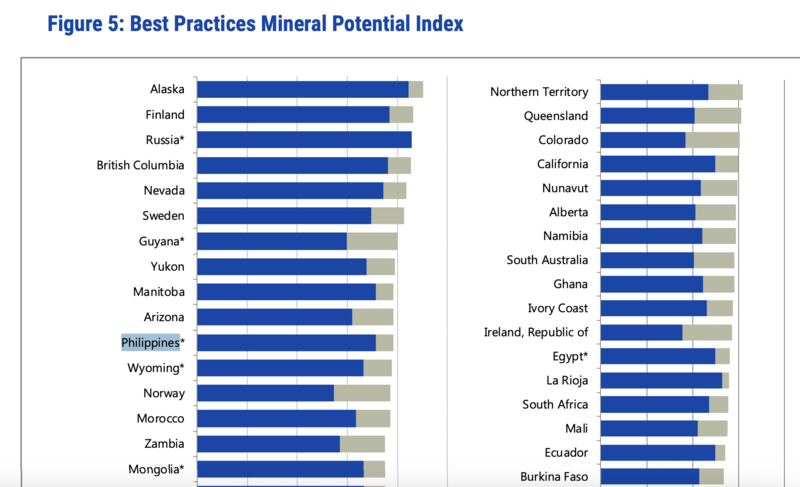
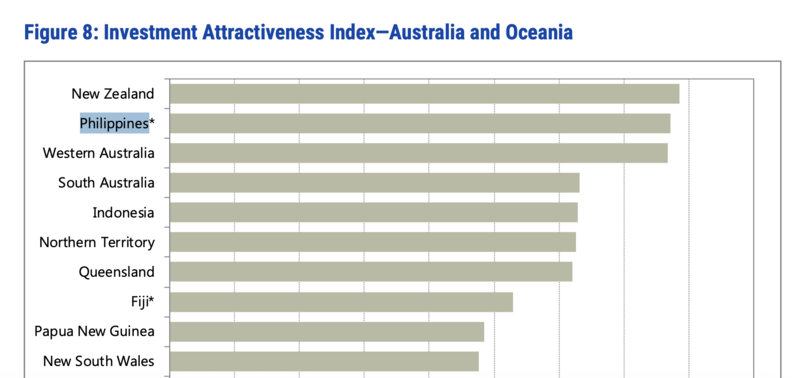
However, this year’s leap in the 2024 Fraser Institute’s Investment Attractiveness Index, from 72nd to 16th place among 82 countries, tells a new story: the Philippines is finally reclaiming its place in the global mining map. 

This turnaround did not happen by chance. It is the result of deliberate policy reforms, sustained regulatory improvement, and a changing mindset within both government and industry.  

The Department of Environment and Natural Resources (DENR) and the Mines and Geosciences Bureau (MGB) have, over the past few years, pursued a vision that balances growth with governance, an approach long overdue in a sector often viewed with suspicion. 

According to the Fraser Institute’s 2024 Annual Survey of Mining Companies, the Philippines’ score nearly doubled: from 36.89 in 2023 to 77.11 in 2024. This surge reflects two critical shifts: a stronger geological attractiveness ranking, now 9th globally, and a dramatic improvement in policy perception, from 79th to 25th. Simply put, the country’s potential is finally matched by a more predictable and transparent policy environment. 

Graph courtesy of the Fraser Institute’s Annual Survey of Mining Companies 2024. 


This progress may be traced to the reforms initiated by former DENR Secretary Maria Antonia Yulo Loyzaga, including streamlined permitting and digital transparency measures, and which are being continued by the current Secretary, Raphael Lotilla. While the aforementioned reforms are largely procedural, they nevertheless translate into predictability and clarity which investors value. 

The numbers tell their own story. In 2024 alone, the mining sector generated ₱253 billion in production value, contributed ₱33 billion in taxes and royalties, and provided nearly 292,000 direct jobs.  

Beyond economics, companies invested billions more in environmental protection, community development, and rehabilitation efforts, proof that responsible mining, once dismissed as an oxymoron, can indeed take root. 

Other signs point to a resurgence in the mining industry.  Aside from the sharp improvement in investment-attractiveness rankings, regulatory, fiscal, and policy reforms have likewise contributed to investor confidence.   

The recent passage of the Enhanced Fiscal Regime for Large-Scale Metallic Mining Act (Republic Act 12253) introduces tiered royalty rates, windfall profit taxes, project-based ring-fencing, and other provisions that aim for fairness, environmental protection, and better revenue sharing.  

Another factor is the rise in production values and asset valuation. Metallic mineral output value has increased mainly due to the “re-entry of projects” [following the lifting of the ban on new mineral agreements in 2021 via Executive Order 130, which allows for new mining projects to proceed]  and strong commodity prices.  The total value of mineral assets rose by 4.6% in 2024 (from ₱460.16 billion in 2023 to ₱481.45 billion) based on Philippine Statistics Authority data.  

The increased global demand, especially for nickel, copper and other “critical minerals,” both from foreign investors and governments (e.g. U.S., China, EU) looking to secure supply chains for technologies like EV batteries, is also a major factor in the renewed attractiveness of the Philippine mining industry.  Since much of the Philippines’ mineral wealth lies untapped, there is a wealth of opportunity for the next wave of responsible mining investment. 

But not everything is rosy. Despite these positive outlook, many challenges remain.  Regulatory enforcement, infrastructure gaps, and inter-agency coordination still need work. Reforms must therefore be sustained to turn optimism into long-term confidence.  

Graph courtesy of the Fraser Institute’s Annual Survey of Mining Companies 2024. 


The Philippines has the potential to become a leading supplier of critical minerals which are essential for the world’s shift to clean energy, but the government and private sector must continue working together. 

The message from the Fraser Index is clear: investors are noticing. The Philippines is no longer seen as a high-risk frontier but as a credible, emerging hub for mineral development in the Asia-Pacific.   

This is a far cry from 2017-2021 when the Philippines ranked much lower in the Policy Perception Index (PPI), often among the bottom 10 jurisdictions. For example, in the 2021 survey, the Philippines was listed among the worst jurisdictions in the PPI. 

Beyond rankings and reports lies a deeper question: what kind of mining future do we want? A future where resources uplift communities and where the wealth beneath our soil powers not just global supply chains but, more importantly, local progress. If the government can sustain reform and accountability, this renaissance will not just be statistical: it will be structural and sustainable. 

The Philippines has taken a major step forward in mining: the real test is to remain sure-footed in sustaining that momentum. 

November 04, 2025

Philex Mining Corp. said its much-anticipated Silangan Copper and Gold Project in Surigao del Norte is entering the final stretch of development, with first metal production expected in the first quarter of 2026.

In a project update, the company reported that mine development has been progressing rapidly, particularly at Level 95 (L95), where production drifts are on track to be completed by February 2026. This will pave the way for the start of metal production by March next year.

Philex said it has already begun stockpiling ore that will be used to commission the processing plant by the end of January. So far, about 66,000 metric tons (MT) of ore have been stockpiled at the surface — enough to support a month of operations once the mine begins producing at its initial rate of 2,000 MT per day.

Recent assay tests have confirmed encouraging results. Samples collected from Production Drift 5 (PD5) at L95 showed the presence of high-grade mineralization consistent with the company’s 2019 PMRC-compliant Technical Report. According to Philex’s Competent Person for Exploration and Mineral Resource Estimation, the last 27 meters of high-grade ore returned average grades of 5.30 grams per ton (g/t) of gold and 2.0 percent copper.

Construction is also moving forward. The Process Plant is now 70 percent complete, while work on the Tailings Storage Facility (TSF) has reached 76 percent, including major progress on the main embankment, clean water dams, and pipelines.

The 6-kilometer tailings pipeline road connecting the plant and the TSF has been finished, and the High Voltage Switchyard is expected to be energized by January 2026. The main embankment, meanwhile, is already 85 percent complete.

“In a race, there are two important points: the start and the finish,” said Eulalio Austin Jr., Philex president and CEO.

“The runner needs a strong start and will exert his last force of energy closest to the finish line. This is what we in Philex, particularly with the Silangan Project, are doing now. We are now at the most critical part of the race, so we focus all our energy on winning at the finish line. We do this not just for our own success, but for the betterment of the lives of our stakeholders, particularly the host and neighboring communities. We owe it to them." Austin added.

Profit rebounds on higher gold prices


Alongside the construction progress, Philex reported a stronger financial performance for the third quarter of 2025.

The mining firm posted a core net income of ₱344 million (US$5.8 million) and EBITDA of ₱784 million (US$13.3 million) for the quarter, a solid jump from the ₱200 million (US$3.4 million) core net income and ₱506 million (US$8.6 million) EBITDA recorded in the same period last year.

For the first nine months of 2025, Philex booked ₱480 million (US$8.1 million) in core net income and ₱1.438 billion (US$24.4 million) in EBITDA. These figures were slightly lower than the ₱610 million (US$10.3 million) and ₱1.418 billion (US$24.1 million) posted in 2024, reflecting weaker copper prices despite gains from gold.

Average realized gold prices surged to US$3,642 per ounce in the third quarter, up from US$2,336 per ounce in the same period last year. Copper prices eased slightly to US$4.43 per pound, compared with US$4.59 per pound a year earlier.

Tonnage milled during the quarter came in at 1.771 million tonnes, producing 6,682 ounces of gold and 4.921 million pounds of copper.

With the Silangan mine nearing completion and gold prices staying strong, Philex said it remains focused on bringing the project to production on schedule and strengthening its long-term profitability.

October 29, 2025

The Philippines and Sweden have agreed to deepen cooperation in sustainable mining and critical minerals development, aligning the country’s push for responsible resource management with Sweden’s expertise in green technology and circular economy practices.

The Department of Environment and Natural Resources (DENR), led by Secretary Raphael P. M. Lotilla, hosted Swedish Ambassador Anna Ferry and her delegation during a recent courtesy meeting at the DENR Central Office in Quezon City.

Joining Secretary Lotilla were Undersecretaries Jonas R. Leones and Carlos P. David, along with Assistant Secretary and concurrent Mines and Geosciences Bureau (MGB) Officer-in-Charge Director Michael V. Cabalda. The Swedish side included Trade Commissioner Johan Lennefalk, Senior Trade Promotion Officer Giselle Yap, and Jayne Yang of Business Sweden.

Focus on sustainable and responsible mining

According to the DENR, the dialogue focused on key areas of cooperation, including sustainable mining, critical minerals development, circular economy, and water resource management.

The discussions covered ways to strengthen environmental and social standards in mining operations, improve waste management, and promote responsible sourcing and value addition for minerals essential to the global energy transition.

The meeting also explored opportunities for research collaboration, technology transfer, and capacity-building to support the Philippines’ transition toward a low-carbon and climate-resilient economy.

Policy reforms and new mining law developments

The strengthened bilateral cooperation comes as the Philippines undergoes significant reforms in its mining sector. Earlier this year, Congress ratified the Enhanced Fiscal Regime for Large-Scale Mining Act, which seeks to establish a standardized fiscal framework for all large-scale mining operations, regardless of agreement type.

The measure, ratified by the bicameral conference committee in June 2025, simplifies the taxation system and ensures a fair and equitable sharing of revenues between the government and mining contractors. It also removes disparities between Mineral Production Sharing Agreements (MPSAs) and Financial or Technical Assistance Agreements (FTAAs), promoting fiscal transparency and investor confidence.

In another key development, the Supreme Court ruled that local government units (LGUs) cannot impose blanket bans on large-scale mining projects. The Court emphasized that regulatory powers over mining operations remain vested in the national government under the Mining Act of 1995, reinforcing policy consistency across jurisdictions.

Meanwhile, implementation of the Philippine Mineral Reporting Code (PMRC) 2020 continues to strengthen transparency and accountability among mining companies. The PMRC requires periodic disclosures on exploration results, resource and reserve estimates, and environmental performance, aligning Philippine practices with international standards.

Strengthening the critical minerals supply chain

The partnership with Sweden is also seen as a step toward enhancing the Philippines’ role in the global critical minerals supply chain. With growing demand for nickel, copper, cobalt, and other minerals vital to electric vehicles and renewable energy systems, both nations are exploring ways to boost local value addition and sustainable processing capabilities.

Sweden’s experience in low-carbon mining technologies, mineral recycling, and circular economy initiatives is expected to complement the Philippines’ ongoing efforts to modernize its mining governance and promote responsible resource utilization.

A path toward sustainable industrial growth

The Philippines’ engagement with Sweden signals a broader shift in its approach to resource management—from extraction to innovation and sustainability. Through technology partnerships and regulatory reforms, the country aims to develop a mining industry that supports both economic growth and environmental stewardship.

October 28, 2025

TVI Resource Development Philippines Inc. (TVIRD) once again upheld its reputation for operational excellence by surpassing regulatory compliance in the recently concluded Tenement Safety and Health, Environment and Social Development (TSHES) Audit for 2024. The audit covered both its operating mines — the Balabag Gold-Silver Project in Bayog, Zamboanga del Sur — and its wholly owned subsidiary, Greenstone Resources Corp., which manages the Siana Gold Project and the upcoming Mapawa Gold Project.

This consistent recognition reaffirms the TVIRD Group’s commitment to sustainable and responsible mining practices, maintaining what regulators describe as the “Gold Standard” — a benchmark for mining operations that exceed industry requirements.

Understanding TSHES

The TSHES Audit is a comprehensive annual inspection conducted by the Department of Environment and Natural Resources’ Mines and Geosciences Bureau (MGB) through its Mine Safety, Environment and Social Development Division (MSESDD). It evaluates mining operations across four critical areas: safety and health, environmental protection, social development, and tenement management.

The audit is carried out by respective MGB regional offices — Region IX for Balabag, and Region XIII for Siana and Mapawa.

It begins with verification of legal and regulatory documents, including permits, licenses, and Mineral Production Sharing Agreements. Inspectors also review company safety and health programs to ensure worker welfare.

Environmental performance is assessed through the company’s Environmental Protection and Enhancement Program, focusing on impact mitigation and rehabilitation of mined-out areas.

Equally significant is the Social Development and Management Program (SDMP), which measures the company’s contributions to host and neighboring communities through initiatives in education, livelihood, health, infrastructure, and skills training. In essence, the TSHES Audit ensures that mining companies are not only compliant but also responsible, people-centered, and sustainable.

Site Audits

The 2024 TSHES cycle began with the Siana Gold Project audit from March 5 to 7, followed by Balabag from March 9 to 11, and Mapawa from July 19 to 22. Representatives from the respective MGB regional offices reviewed each site’s documentation, toured operational areas, and engaged with company departments to verify compliance and implementation.

“Going beyond compliance is not just a goal—it is a commitment to responsible mining that puts people, safety, and sustainability at the heart of everything we do,” said Greenstone President Engr. Anthony B. Quijano.

The inspections focused not only on achievements during the reporting period but also on corrective actions from previous findings and improvements that exceeded baseline standards.

Sustained Excellence

TVIRD’s consistent performance across all audited sites highlights its proactive approach to embedding Environmental, Social and Governance (ESG) principles in every aspect of its operations. It also underscores the collaboration among its Safety, Environment, and Community Relations teams to ensure that development aligns with environmental protection and community empowerment.

“What we achieved in this year’s TSHES audits shows that ESG isn’t just a framework we follow. It’s part of how we work every day. For us, sustainability means making sure that safety, environmental care, and community development grow together with our operations,” said TVIRD Tenement Management and Environmental Compliance Director Jesalyn Guingguing, EnP.

The TVIRD Group remains committed to continuously enhancing its systems and practices as part of its contribution to the Philippine government’s sustainable development goals. With the successful conclusion of the 2024 TSHES Audit, the company reaffirms its strong partnership with regulators to ensure that mining in the Philippines remains safe, responsible, and conscientious.