

January 22, 2024

Hunan Wuxin Tunnel Intelligent Equipment Co., Ltd.(Uniroc -- overseas brand) founded in 2010, is a listed company in Beijing Stock Exchange (stock code: 835174), focusing on the research and development, manufacturing and sales of complete sets of equipment for drilling and blasting tunnel construction and underground mining.

The company's business covers railroad tunnels, highway tunnels, underground mines, water conservancy and hydropower, pumped storage power stations, underground caverns and other fields.

Our main products include drilling jumbo, shotcrete machine, multi-functional arch installation vehicle, digital rock bolting jumbo, digital maintenance trolley, digital pouring lining trolley and all kinds of traffic, water conservancy and hydropower tunnel lining trolley, etc.

Our company serves more than 3,000 projects at home and abroad, with products exported to nearly 20 countries and regions such as Europe, South America, Africa, Southeast Asia, South Asia, Central Asia and the Middle East.

Purpose-Built for Small Section Drilling

In the transition to mechanized and intelligent mining, small and medium-sized mines are usually limited by the size of the "small" section, which cannot be operated with the equipment. Instead, manual drilling has been commonly used in the past decades, resulting in slow excavation efficiency and high risks of safety.

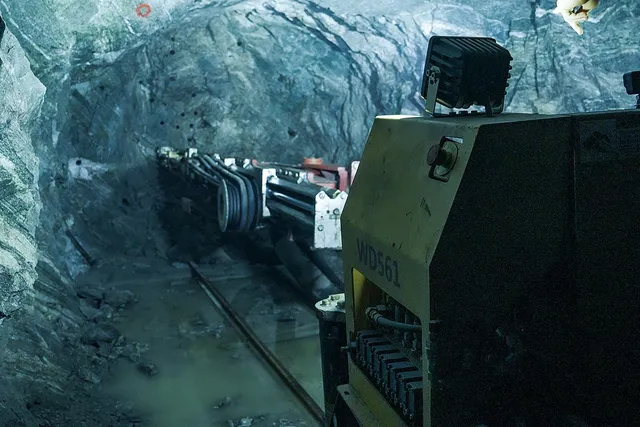
In view of the pain point of this industry, Uniroc has launched the smallest cross section face drill rig -- WD561 in China. It is built for blast hole drilling and anchor bolt hole drilling in underground mining, pumped storage power stations, hydropower stations, covering cross sections from 4m² to 21m².

As a face drill rig specially designed for small sections, WD561 has a compact size with 1.3 m width and 1.6m height and can be used for the minimum working section of 1.9m×1.9m. To guarantee the efficiency of rock drilling, WD561 is equipped with an 18kW rock drill. The single hole drilling speed is up to 2.5 meters per minute, with a single cycle footage of 3.2m-3.4m. The manual excavation footage of a single working area is 100-120m/month only but the use of a face drill rig can reach 220m/month.

The operators could be far away from the working area and their safety is guaranteed. Remote control operation is simple and easy to learn. It takes only two weeks for operators to be trained in our company, and greatly reducing the dependence on their experiences.

Case study

The gold mine from Zijin Mining in Henan Province in China

Basic information: A gold mine excavation tunnel with a section of 2.6m × 2.6m, rock firmness coefficient f is 8-10, pore size φ 45mm.

Usage: It drills 33 holes (including 6 empty holes), with a drilling time of about 1.5 hours. It is possible to complete at least 2 cyclic excavation operations per day, with a single day blasting footage of more than 5 meters.

January 15, 2024

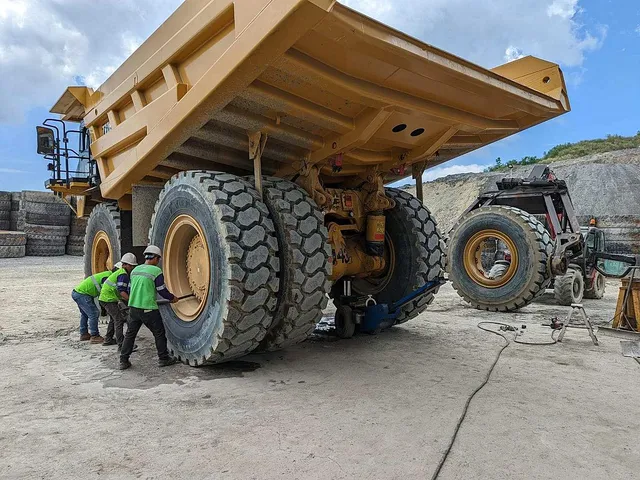
In today's ever-evolving economy, where global shortages in natural rubber resources pose significant challenges to the Off-The-Road (OTR) tire industry, it's essential to have a reliable partner who can help you find the right tires for your specific needs. Enter HIGANTIS, the industry specialists in OTR Tires, who have been redefining the standards of excellence for over 30 years.

Our Trusted Partners

HIGANTIS ensures that customers get precisely the right tires for each job application and site condition and boasts partnerships with some of the most reputable names in the OTR tire industry. Here's a glimpse of the brands we proudly stand behind:

Maxam Tires: Our latest partner, Maxam Tires, is a major global specialty tire manufacturer known for its market-leading quality, reliability, and delivered value. Their strong reputation is built on world-class engineering practices and advanced manufacturing platforms that ensure superior product quality. Maxam is dedicated to innovation and creating an exceptional customer experience.

Goodyear Off-The-Road: Goodyear, one of the world's largest tire manufacturers, has been in the business since 1898. They have been manufacturing tires for a wide range of customers, truck fleets, industrial operations, and airlines. Goodyear's commitment to quality and performance has made them a household name in the industry.

Why Trust HIGANTIS?

At HIGANTIS, we don't just offer products; we've tried and tested them in various site conditions over the years. It's this extensive real-world experience that enables us to confidently extend the full manufacturer's warranty on all the tires in our family of reputable brands. When you choose HIGANTIS, you're choosing trust, reliability, and peace of mind.

Our Commitment to Excellence

Our guiding principle at HIGANTIS is simple yet profound: "To conduct each transaction in the most dignified manner, in the face of God, family, and community, and to do so in all humility." We live by this principle in every aspect of our business, from tire supply and maintenance to training and education for tire technicians and maintenance managers of fleet operations.

Our Comprehensive Services

HIGANTIS offers a range of services designed to meet the unique needs of the OTR tire industry, including:

Professional Tire Repair: Guaranteed until the tire wears out.

On-Site Tire Shops: Our on-site tire shops provide convenient solutions for maintaining your OTR tires, tailored to your site’s challenges and objectives.

Tire Management: Includes pressure maintenance, rotation scheduling, and inventory projections, to help customers determine the best tire for their operations.

Tire Rentals: Guarantees a steady rate (price per hour delivered) and savings for the project.

Recycling & Renewables: We’re always exploring new ways to give back to our planet and are committed to eco-friendly practices through tire recycling and renewable solutions.

Performance Monitoring: Our tools, techniques, and customized reports help you monitor different aspects of tire performance to optimize your operations.

With over three decades of experience in the Mining, Truck, and Bus Industries, HIGANTIS is the partner you can trust for all your OTR tire needs. Our strategic alliances, along with our unwavering commitment to excellence, ensure that you have access to the right tires for your unique application and site condition. When it comes to OTR tires, HIGANTIS stands as a beacon of trust and reliability in an industry where these qualities are of paramount importance.

January 15, 2024

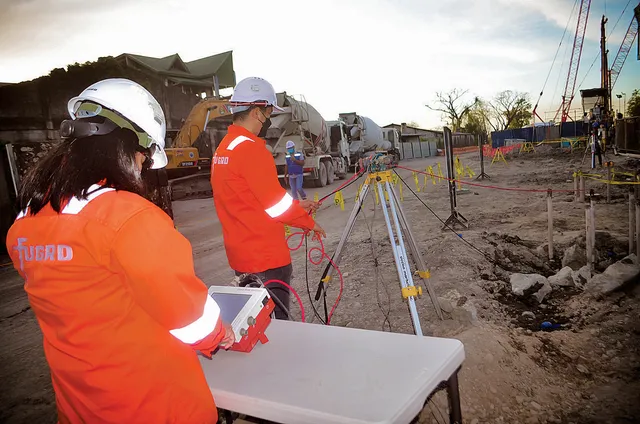
As the world’s leading geotechnical and geo-data specialist, Fugro is dedicated to supporting civil and marine engineering projects across the globe. The company’s expertise in data acquisition, analysis, and advice have helped its clients mitigate risks throughout the entire infrastructure lifecycle, from design to construction and operation.

Founded in the Netherlands over 60 years ago, and now operating with a global team of almost 10,000 employees, Fugro expanded its operations into the Philippines in 2019. Currently, its office in Manila has a headcount of approximately 60 staff.

By integrating its extensive regional and global network with local Filipino experts, Fugro stands ready to support projects throughout the Philippines and in the region.

Fugro provides an extensive range of geotechnical services from its Manila office, playing a key role in supporting the country’s infrastructure developments for a safer and more sustainable future, transforming geo-data into actionable advice for its clients.

Wide-ranging geotechnical and geo-data expertise for land and marine projects

An anchor service that Fugro offers in the Philippines is its geotechnical laboratory in Manila, where it offers a wide range of manual and automated test programmes.

The laboratory is accredited by the Philippines’ Department of Public Works and Highways (DPWH), with the laboratory services provided by Fugro aligned with international standards. By choosing Fugro as partner, companies also gain access to Fugro’s global network of laboratories and geotechnical expertise.

Clients of Fugro can therefore engage its services with confidence, knowing that the company has the skills, capacity, and capabilities needed to take on the largest of testing programmes, with speed and precision.

In addition to Fugro’s extensive laboratory capabilities, the company also offers land and nearshore geotechnical site investigations, geological and geophysical surveys, and a full range of foundation testing services.

These solutions and services, and the geo-data that the company obtains from site projects empower its clients to identify ground risks and mitigate them with confidence. This informed decision-making process is proven to result in shorter and more accurate project programmes, and reductions in project technical and commercial risks.

Make Fugro your partner today!

With the Philippines’ economy poised for growth, the government’s programme of civil and marine infrastructure projects will play a key role in the country’s development. Fugro is well-placed and committed to supporting this growth and will continue to enhance its expertise in ensuring the development of safe and sustainable infrastructure.

January 15, 2024

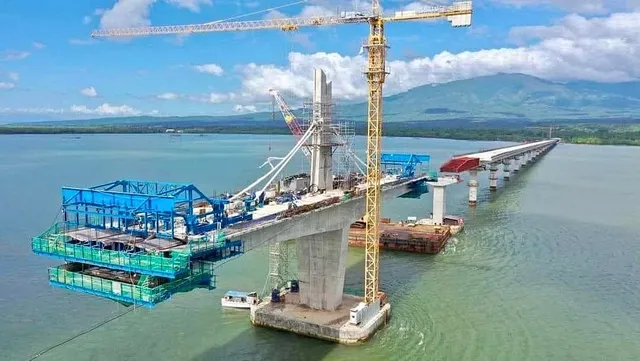
The Department of Public Works and Highways (DPWH) has officially signed the contract agreement for the detailed engineering design (DED) of the highly anticipated Panay-Guimaras-Negros Island Bridges Project.

DPWH Secretary Manuel M. Bonoan approved on December 20, 2023 the Contract for Consultant’s Services of Yooshin Engineering Corporation in a joint venture with Kyong-Ho Engineering and Architects Co., Ltd., Dohwa Engineering Co., Ltd., Soosung Engineering Co., Ltd., and Dasan Consultants Co., Ltd for the DED and tender assistance, a crucial step forward in the realization of this key infrastructure flagship project in Western Visayas Region.

Secretary Bonoan said that the start of DED for Panay-Guimaras-Negros Island Bridges Project is another monumental undertaking of the administration of President Ferdinand R. Marcos Jr. under the “Build, Better, More”program that will improve the lives of the people and simultaneously achieve economic stability in the areas in the Region.

The ₱2.671 Billion contract was signed by DPWH Senior Undersecretary Emil K. Sadain and joint venture engineering companies authorized representative Mr. Jeong Hwan Kim with DPWH Unified Project Management Office (UPMO) Roads Management Cluster I (Bilateral) Project Director Benjamin A. Bautista, DPWH OIC-Chief Accountant June E. Balisi and Kyong-Ho Engineering and Architects Co., Ltd. President Jae Hun Ryu as witnesses.

According to Senior Undersecretary Sadain, the cost of engineering services will be funded by a loan with the Export-Import Bank of Korea (KEXIM), the official export credit agency of South Korea from the Official Development Assistance (ODA) of Economic Development Cooperation Fund (EDCF) Loan Agreement No. PHL-23.

This is one of the many partnerships and collaborations of the Philippine Government with the Republic of Korea that continue to strengthen and further promote unity and friendship, towards economic growth and development formed by the two (2) countries, added by Senior Undersecretary Sadain.

The DED is targeted to finish by 2025 and will be immediately followed with the civil works from 2025-2032 covering the construction of the 32.47 kilometer two (2) sea-crossing bridges and connecting roads that will link Metro Iloilo of Panay Island to Guimaras Island Province and Negros Island in Western Visayas.

Section A will house the Panay-Guimaras Islands with a total length of 13-kilometer with an estimated civil works cost of ₱57.702 Billion. Meanwhile, Section B covers the 19.47 kilometer Guimaras-Negros Islands bridge amounting to an indicative cost of ₱109.76 Billion.

Once completed, this project is anticipated to reduce the travel time from Panay Island to Negros Island from a 4-hour trip via ferries/RORO down to approximately one (1) hour land travel using the PGN Island Bridges.

January 15, 2024

Officials of the Department of Public Works and Highways (DPWH), the Ministry of Economy and Finance (MOEF) of the Republic of Korea and the Export-Import Bank of Korea (KEXIM) held an open discussion on the on-going and pipeline infrastructure flagship projects (IFPs) under Official Development Assistance (ODA) financing by Korean Economic Development Cooperation Fund (KEDCF).

DPWH Senior Undersecretary Emil K. Sadain said that the policy dialogue meeting on December 19, 2023 in Manila with Korean delegation headed by MOEF Director Park Jeong-Hyun will contribute to the collective effort in fast-tracking big-ticket Korean-funded infrastructure projects in the Philippines as well as enhance financial frameworks to optimize the support provided by the lending institution.

The dialogue serves as a platform to align strategies and will guide the DPWH and lending institution in addressing bottlenecks, and ensuring the successful implementation of projects, added Senior Undersecretary Sadain.

The meeting was also participated by MOEF Deputy Director Lee Hyun-Ji; EDCF-KEXIM Headquarters Director General Jang Ik-Hwan, Senior Loan Officer Shin Yujin, Director Cho Eun-Jin, Loan Officer Kook Sungkeun; and EDCF-KEXIM Manila Office Country Director Moon Jae-Jeong, and Deputy Country Directors Lee Yun-Hak and Kwon Min-Jeong; and DPWH Unified Project Management Office (UPMO) officials namely Project Director Benjamin A. Bautista of Roads Management Cluster 1, Project Director Sharif Madsmo H. Hasim of Roads Management Cluster 2, and Project Director Ramon A. Arriola III of Flood Control Management Cluster, and Stakeholders Relations Service Director Randy R. Del Rosario.

Among the projects tackled in the meeting is the nearing completion of the 3.169 kilometer Panguil Bay Bridge which is now 83.56% completed. This will connect Tangub City in Misamis Occidental to the Municipality of Tubod in Lanao Del Norte, reducing travel time from 2.5 hours to seven (7) minutes, and is targeted to open to vehicular traffic in the first half of 2024.

Subsequently, the ongoing Integrated Disaster Risk Reduction and Climate Change Adaptation (IDRR-CCA) in low-lying areas of Pampanga, is currently at 82.91% completion rate. This project aims to minimize the flooding situation in various Municipalities in Pampanga including Macabebe, Masantol, Minalin, and Sto. Tomas. Thus, improving the drainage system on the four (4) rivers along the Eastern Branch River, the Caduang Tete River, and the Sapang Margul River.

Also highlighted in the discussion are the ODA-KEDCF projects which are currently in the primary stage of planning, feasibility study (FS), and detailed engineering design (DED) to include the Panay-Guimaras-Negros Island Bridges Project with its contract for the DED approved just recently. This project will be the gateway between three (3) islands in Western Visayas namely Panay in Metro Iloilo, Guimaras Island Province, and Negros. Hence, reducing the travel time to approximately one (1) hour, from the 4-hour via ferries.

Moreover, the Samar Pacific Coastal Road (SPCR) II Project improves the connectivity and access to services and economic activities in the Pacific Towns of the Provinces of Northern and Eastern Samar, now awaits the approval of the DED. This 15.01km project will link the island of Laoang to mainland Northern Samar.

Also discussed in the presentation of Senior Undersecretary Sadain are the Philippines - Korea Project Preparation Facility (PK-PPF), Road and Bridges Output for the following contract packages for feasibility study and detailed engineering design: (1) Lubao-Guagua-Sasmuan-Minalin-Santo Tomas Bypass Road in Pampanga, (2) Mount Kitanglad Range Belt Road in Bukidnon, and (3) Capas-Botolan Road in Tarlac and Zambales.

Further, the PK-PPF Flood Control Output is at 76.91% in the Master Planning and Feasibility Study stage. This project covers the four (4) major river basins, including the Pampanga River Basin, Bicol River Basin, Panay River Basin, and Agusan River Basin dedicated to establishing policies, strategies, and improvement works adaptive to Climate Change.

These projects will further realized the “Build, Better, More” program of the government to address the inadequacies of infrastructure and spur economic growth under “Bagong Pilipinas”.

January 15, 2024

Integrated energy company Semirara Mining and Power Corporation (SMPC) achieved a record-breaking coal sales volume of 15.8 million metric tons (MT) in 2023, marking a 6-percent increase from the previous year.

The growth was largely fueled by a 13 percent rise in export sales, which surged from 7.1 million MT to 8.1 million MT. In contrast, domestic sales stayed flat at 7.7 million MT.

“Our sales performance aligns with our 2023 target of 15 to 16 million metric tons. It also reflects our team's relentless effort and commitment to deliver stable fuel supply amidst the challenging dynamics of the global market,” said SMPC president and COO Maria Cristina C. Gotianun.

In 2023, majority of Semirara coal exports went to China (65%), followed by South Korea (27%) and Brunei (4%). Shipments to Japan, India, and Vietnam made up the remainder.

China shipments recovered by 31 percent from 4 million MT to 5.2 million MT on heavy stockpiling, consumption recovery and lower hydropower generation.

Demand from South Korea was steady year-on-year at 2.2 million MT while Brunei sales nearly tripled from 102,967 MT to 306,800 MT.

Looking ahead to 2024, Gotianun added, “Our goal is to ship at least 15 million metric tons of Semirara coal, focusing on the domestic market. This aligns with our commitment to national energy security.”

Additionally, as of December 27, 2023, SMPC (PSE: SCC) underwent a reclassification in its market sector. Previously part of the Mining subsector of the Mining & Oil sector, SCC is now listed under the Electricity, Energy, Power & Water subsector of the Industrial sector.

The sector reclassification is the result of the Philippine Stock Exchange’s careful review of SCC’s revenue sources and business operations.

January 15, 2024

Global Ferronickel Holdings, Inc. announced recently that its subsidiaries, Platinum Group Metals Corporation (PGMC) and Ipilan Nickel Corporation (Ipilan), have signed an annual sale and purchase agreement with Baosteel Resources International Co., Ltd. (Baosteel).

Under the agreement, Baosteel would purchase up to 1.5 million wet metric tons (WMT) of nickel ore for the year 2024 at a price that is determined monthly based on the prevailing market price at the time of sale. About two-thirds of the nickel ore to be sold is expected to be low grade with 0.90% nickel and 48% iron, and between 1.30% and 1.40% nickel with 15% to 25% iron. The remaining one-third will be medium grade with 1.40% and above nickel and 12% to 23% iron. It will be sourced from FNI’s operating mines in Surigao del Norte and Palawan.

“We are proud to work with Baosteel and continue our long-term relationship,” said FNI President Dante R. Bravo. “This agreement and our long history together demonstrate our customer’s confidence in our business and provide further recognition of our efforts in maintaining a reliable supply chain to meet the demands for Baosteel products throughout the Asia-Pacific region and internationally. With almost 10 years relationship, we believe our collaboration aligns with FNI’s mission of providing metals and minerals that are essential for greener, more sustainable products required in everyday life.”

FNI ended 2023 with 4.763 million WMT shipped volume, with 3.297 million WMT from PGMC and 1.466 million WMT from Ipilan. A total of 0.379 million WMT were sold to Baosteel.

Baosteel Resources International Co., Ltd. is a wholly owned subsidiary of China Baowu Steel Group. It is engaged in mineral resource investment, trading, and logistics services. In 2023, China Baowu Steel Group ranked as the largest company in the Materials sector and 44th largest company worldwide by total revenues on the Fortune Global 500, which it has been recognized for 14 years.

January 15, 2024

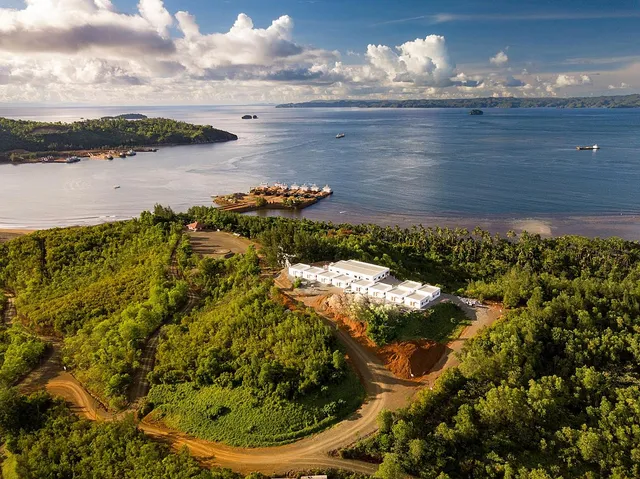
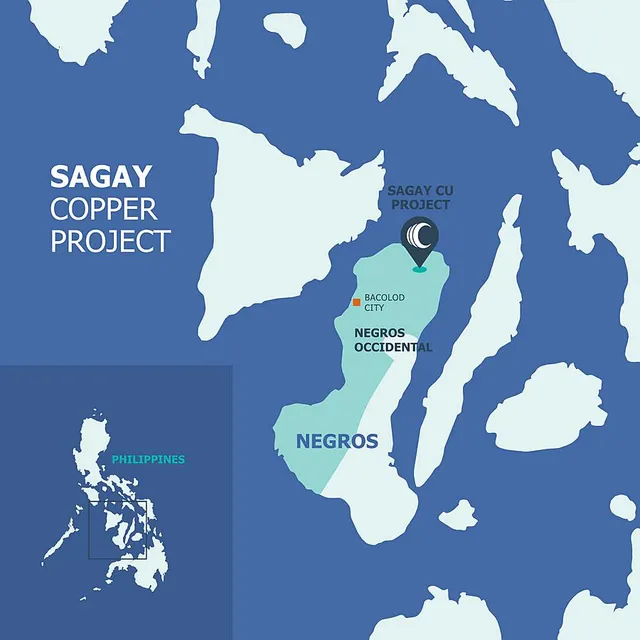
Celsius Resources is pleased to announce that its Philippine subsidiary, Tambuli Mining Company, Inc. (TMCI), has applied for a Declaration of Mining Project Feasibility (“DMPF”) for its Sagay Copper-Gold Project in the island of Negros.

The said application proclaims the presence of minerals in the area applied for, which are recoverable by socially acceptable, environmentally safe and economically sound methods as further manifested in the following key documents comprising the application:

  • Mining Project Feasibility Study Report
  • Final Exploration Report
  • Environmental Impact Statement Report
  • Environmental Protection and Enhancement Program
  • Final Mine Rehabilitation/Decommissioning Plan
  • Social Development and Management Program
  • Care and Maintenance Program

These plans and programs were developed following an extensive stakeholder consultation process to ensure the integration of social and environmental safeguards and local context. Endorsements from host local government units were also secured in the form of resolutions interposing no objection to the project.

Celsius Executive Chairman, Atty. Julito “Sarge” Sarmiento, said:

“This is another achievement for Celsius’ portfolio of assets in the Philippines. As with the Maalinao-Caigutan-Biyog Copper-Gold (“MCB”) Project, we aim to develop the Sagay Project into a productive mine that would not only bring value to our stakeholders and shareholders, but also showcase our commitment to sustainable and responsible mining practices.

We are at such a critical and pivotal point in human history where the ongoing climate change emergency demands an accelerated transition away from fossil fuels to renewable energy, and a green economy would necessitate the extraction of more so-called green metals like copper.

The Company believes that mineral extraction must be done through innovative solutions which optimise benefits and avoid adverse social and environmental impacts. We will work closely with the national and local government units as development partners to pursue shared goals.”

January 15, 2024

The Philippines and Indonesia on Wednesday signed a memorandum of understanding (MOU) to strengthen their cooperation in the field of energy.

President Ferdinand R. Marcos Jr. and Indonesian President Joko Widodo witnessed the exchange of MOU on energy cooperation between the Department of Energy and Indonesia’s Ministry of Energy and Natural Resources in a ceremony at the President’s Hall of Malacañan Palace in Manila.

In a joint statement delivered after the MOU signing and his bilateral meeting with Widodo, Marcos welcomed the two nations’ bid to strengthen their cooperation on the energy sector.

“Through this MOU, our countries create a new synergy as we cooperate to achieve energy security,” Marcos said.

He also noted that another MOU on science and technology is “nearing the completion phase.”

Marcos added that he and Widodo had also instructed their respective concerned agencies to expedite the signing of relevant MOUs that will help unlock the economic potential of the Bangsamoro Autonomous Region in Muslim Mindanao to spur growth in the region.

“So today, we also recognize Indonesia's contribution to peace and development in the southern Philippines. As Mindanao continues to reap the dividends of peace and democracy, we hope that Indonesia will continue to extend its helping hand to building the institutions of local governments, particularly in the Bangsamoro Autonomous Region,” Marcos said.

He said the Philippines and Indonesia, as immediate neighbors and fellow archipelagic states, also agreed to continue their cooperation on political and security matters, noting the advancements made on several action points in the Joint Commission for Bilateral Cooperation’s plan of action signed in September 2022.

“Our shared historic roots are deep and thank you to our close kinship and our cultural ties that we continue to promote and we continue to allow to prosper,” he said. “The Philippines and Indonesia enjoy this affinity for one another. As such, our exchanges and discussions about ways to deepen our political and economic ties have come naturally.”

Meanwhile, Widodo said he and Marcos also agreed to strengthen the two countries’ border and trade cooperation.

Under the cooperation, both parties agreed to facilitate trade in coal and liquefied natural gas (LNG), especially during periods of supply constraints.

"The signing of the MOU reinforces and updates the long-term energy cooperation between the two countries. On the part of the Philippines, it is an offshoot of our President’s efforts to achieve higher energy security through energy diplomacy," DOE Secretary Raphael Lotilla said.

In 2022, 98 percent of the country's coal imports were from Indonesia.

Lotilla added that the cooperation in LNG with Indonesia will help in the transition to clean energy, which can provide baseload generation, filling in the gap once existing coal-fired power plants start to retire. (with reports from Kris Crismundo/PNA)


Article courtesy of the Philippine News Agency

January 15, 2024

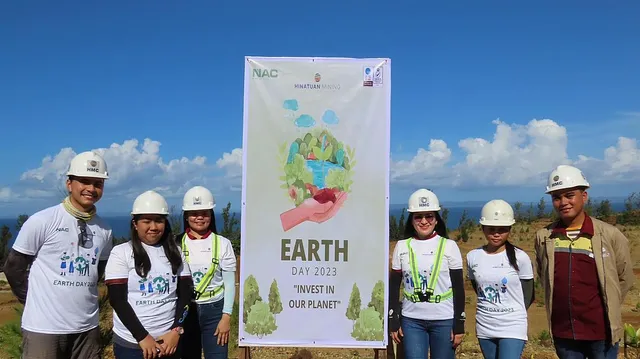
From a PHP100,000 seed capital, a group of village residents in the mining town of Claver, Surigao del Norte, managed to grow their community-based venture into a multimillion business that now operates a pharmacy, microlending, hardware and grocery store.

PRIME (Panaghiusa, Reporma, Inisyatibo Magpalambo sa Ekonomiya) is one of the 24 "success stories" presented by the Taganito Mining Corporation (TMC) during the two-day the People’s Organizations Conference held on Jan. 9 to 10 in Claver – Surigao del Norte's mining capital

"Our businesses grew bigger and bigger, until it branched out and developed as it is today," Marlyn Cañon, the group leader, said in a local dialect during an interview Thursday.

Asked about the group's earnings, Cañon said PRIME's 11-strong members generate enough monthly income that they no longer have to work.

During the conference, Cañon and 215 other members and officers of people's organizations (POs) consisting of cooperatives and livelihood groups supported by nickel miner TMC learned about product development, market access and expansion, and better networking and collaboration to improve their business.

 “The 24 POs are recipients of the livelihood program of the TMC. Most of these groups were organized and supported by the company in 2001,” Melith Matabaran, TMC head of Information, Education, and Communications, DMTG, and MonitoringSection, said in an interview.

Matabaran said the POs are engaged in community-based merchandising, agriculture and veterinary business, agriculture, aquaculture, integrated farming involving goat raising and pineapple production.

She said the livelihood organizations benefited from the expertise and insights of the resource speakers during the conference, which included a representative of the Surigao City Chamber of Commerce and Industry (SCCCI).

The conference will also help the POs link their businesses online through a session on digital empowerment and digitalization of their marketing through online collaborations with other stakeholders, she added.

Moreover, Claver Mayor Georgia D. Gokiangkee assured the local government's support for the POs.

"I salute the people's organizations that became successful. Your hard work really paid off. Rest assured that the local government, along with the national government agencies, will ensure that your business ventures continue to be sustainable," Gokiangkee told the people's organizations.

The mayor also encouraged them to prioritize the education of their children, saying it is the best investment they can make in their lifetime.

January 10, 2024

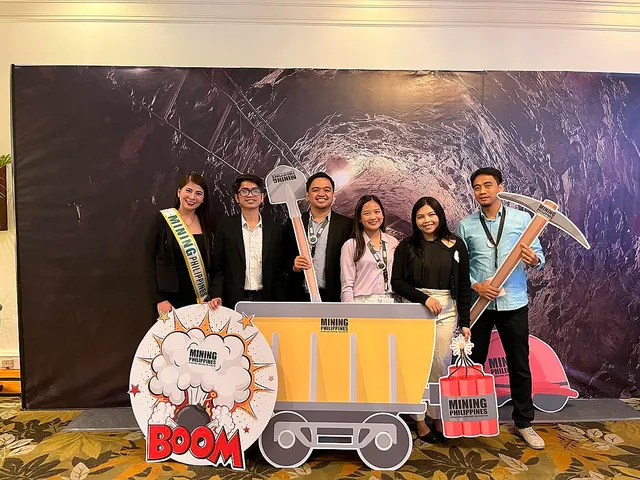
QES Technology Philippines, Inc. actively participated at this year’s industry events, which exemplifies their dedication to the advancement of the mining sector. The company took part in the Mining Philippines International Conference and Exhibit, a prestigious gathering organized by the Chamber of Mines of the Philippines, Inc., last September 19-20 at the EDSA Shangri-la Hotel Manila. QES also actively engaged in the Annual National Mine Safety and Environment Conference, arranged by the Philippine Mine Safety and Environment Association (PMSEA) at CAP-Camp John Hay, Baguio City.

This year marks a significant milestone for the company in the landscape of mineral analysis and mining solutions. Here are the range of sales and services they offer, that redefine modern mining:

SciAps Handheld XRF: Redefining On-Site Mineral Analysis

One of the standout achievements of 2023 is the successful installation of the SciAps Handheld XRF Model X200 in Regions 5 (Bicol Region) and 12 (Koronadal City) by QES Technology Philippines, Inc. The training has empowered geologists with the ability to perform real-time mineral analysis, transforming their decision-making process on the field. SciAps Handheld XRF and LIBS applications in the mining industry leads to a more informed and efficient geological research.
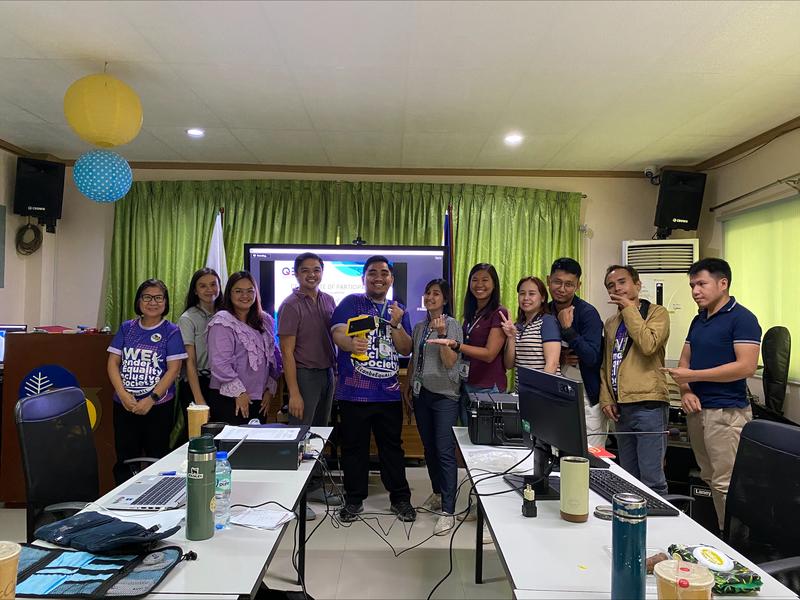
MGB Region XII Installation and Training for SciAps X200 Handheld XRF


Herzog Size Reduction and Katanax Fusion Machine: Elevating the Standards of Sample Preparation

QES offers a range of fusion machines (3-6 placers) for sample preparation, as well as Herzog equipment for size reduction such as crushers, pulverizers, presses, grinding machines, milling machines; fusion machine and drying ovens. The commitment to providing high quality and branded machinery ensures maximum use and optimized efficiency.

Spectro Ametek Xepos and Cube Benchtop ED-XRF: Exemplary Laboratory Solution

The cornerstone of QES Technology's laboratory solutions is the renowned Spectro XEPOS 5 benchtop XRF analyzer. This model is trusted by more than 95% of nickel ore mining laboratories in the Philippines for its unmatched sensitivity, accuracy, and precision, especially for light elements. The Spectro XEPOS 5 employs polarized and direct excitation technology, resulting in lower detection limits for a wide array of elements. With the addition of the Turboquant II software tool, the horizon expands to enable the analysis of unknown samples, both solids and liquids, setting a new standard for analytical excellence. The new model Spectro ED-XRF, Spectro Cube, is also the best in its class – midrange model. It offers cost-effectiveness without compromising on the quality – accuracy and precision. This year marks the first installation for Spectro Cube on Ni Ore mining application, which proved its quality and capacity in the industry.

SpectroScientific Onsite Oil Analyzer: Advanced Equipment Maintenance

In the realm of heavy equipment maintenance especially in the Mining Industry, the portable Spectro Scientific On-Site Fluid Analysis system empowers proactive machine condition monitoring based on oil analysis, a critical practice for maintaining the Mining Equipment Fleet. This will be very effective in cost-cutting and preventing downtime caused by damaged heavy equipment. QES was given an opportunity to share knowledge on machine and lubricant condition monitoring to extend equipment lifetimes and introduce predictive maintenance at power plants and mining industry using modern lubricant analyzers on the APM LEADCon 2023 held last October 7, 2023, at Citadines Bay City, Manila. This is an event for discussion of best practices for managing crucial assets.

QES Service Team

With a strategic service presence across prime locations including Pampanga, Manila, Cebu, and Surigao, QES service offices provide immediate and efficient support to their valued clients. The importance of fast and responsive service is their commitment by maintaining service offices in these key areas. This will ensure that clients receive prompt and reliable assistance whenever and wherever they need it.

To experience their solutions firsthand, visit their demo room at the head office located at Unit 507, Page 1 Building, Acacia Avenue, Madrigal Business Park, Ayala Alabang, Muntinlupa, 1780 Metro Manila, Philippines. For inquiries and consultations, feel free to reach out via email to qtpmarketing@qesnet.com or explore their website at www.qesnet.com and scan QR code below for their LinkedIn Page.
January 10, 2024

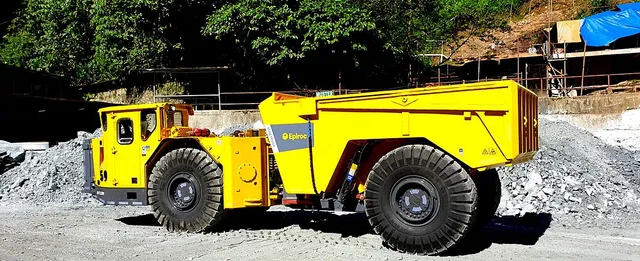
Underground mining operations demand robust and efficient machinery to ensure smooth and productive haulage. Epiroc’s Minetruck MT2200, a high-capacity truck designed to take on the toughest challenges from the depths of the earth, is revolutionizing the mining industry. Building upon the success of its predecessor, the Minetruck MT2010, this powerful workhorse from Epiroc is raising the bar by expertly managing even heavier loads of up to 22 tonnes.

We delve into valuable insights from Apex Mining Co., Inc. as it joins other global mining companies using the MT2200 in their Maco Gold Mine in Southern Philippines.

Epiroc's Commitment to Safety and Reliability:

The safety of mine workers is paramount, and the Minetruck MT2200 leaves no stone unturned in ensuring their well-being. Equipped with a rear-view camera, SAHR brakes, automatic locks, and alert lights, this truck sets the standard for safety in underground haulage. Epiroc emphasized the strategic placement of emergency shutdown controls and the activation of the automatic brake function when the cabin door opens, further highlighting their commitment to safety and reliability. Josel Retardo, Assistant Mine Division Manager, Technical at Apex Mining Co., Inc., was full of praise for Epiroc's safety measures, stating, "The Minetruck MT2200's safety features have been crucial in helping us achieve our production and backfilling targets while prioritizing the well-being of our workers." He further adds that the reduced hauling time has streamlined their mining cycle. Apex Mining Co., Inc. is fully satisfied with the performance of the Minetruck MT2200 and looks forward to expanding their fleet with more units in the future.
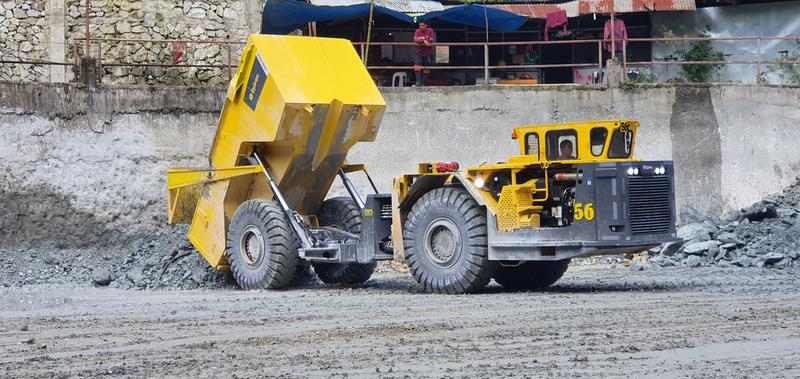
MT2200 has a 22-tonne capacity used in both underground production and backfilling operations.

Built on a Foundation of Experience and Reliability:

Naser Silongan, Area Manager at Apex Mining Co., Inc., highlights the value of Epiroc's swift and high-quality on-site maintenance services. This unparalleled support has solidified their partnership with Epiroc, ensuring reliable and uninterrupted mining operations. Effective communication between the two companies has been instrumental in their successful collaboration. Epiroc's experience in the mining industry shines through the design of the Minetruck MT2200. Sharing many features with its predecessor, the Minetruck MT2010, the MT2200's design has been perfected through years of work experience and customer feedback. "Epiroc's hands-on experience makes all the difference in the performance and reliability of the Minetruck MT2200. We trust Epiroc to deliver equipment we can depend on,” added Naser.

Meeting Operational Demands with Ease:

Johary Unggel, another Area Manager at Apex Mining Co., Inc., expresses delight in the Minetruck MT2200's impressive load capacity, perfectly aligning with their underground mining method and existing infrastructure. The seamless integration of this high-capacity truck has enhanced the overall efficiency of its mining operations. With the ability to transport heavy 22-tonne loads, the Minetruck MT2200 not only boosts productivity but also maximizes production capacity with its ease of going up ramps with its powerful and dependable powertrain. This efficiency has resulted in significant time and fuel savings, optimizing the entire mining process. Johary Unggel expressed satisfaction with the truck's productivity capabilities, saying, "The Minetruck MT2200's ability to reach high speeds on inclines has significantly optimized our production capacity, allowing us to reach our targets."
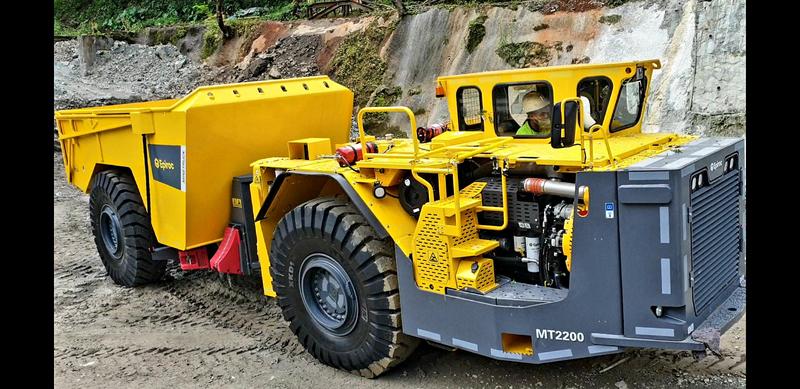
Epiroc’s on-site maintenance team provides Apex Mining with quality and swift services.

Operator Comfort: A Key to Enhanced Performance:

Recognizing the importance of operator comfort, Epiroc has ensured that the Minetruck MT2200's cabin provides a comfortable and ergonomic environment for the operator. Raymond Icalina, an experienced operator who has been operating several mine trucks in his career, praised the cabin's ergonomic design and thoughtful features, stating, "The cabin with low noise levels, air conditioning, and easy-to-reach controls has significantly improved my comfort and visibility during long shifts. This directly translates into improved productivity and job satisfaction." The reduction in noise levels, optimal air quality, and controlled temperature minimize operator fatigue, enhancing productivity and job satisfaction. Raymond appreciates the user-friendly touch-screen color panel and illuminated buttons that make supervision and safe operation a breeze.
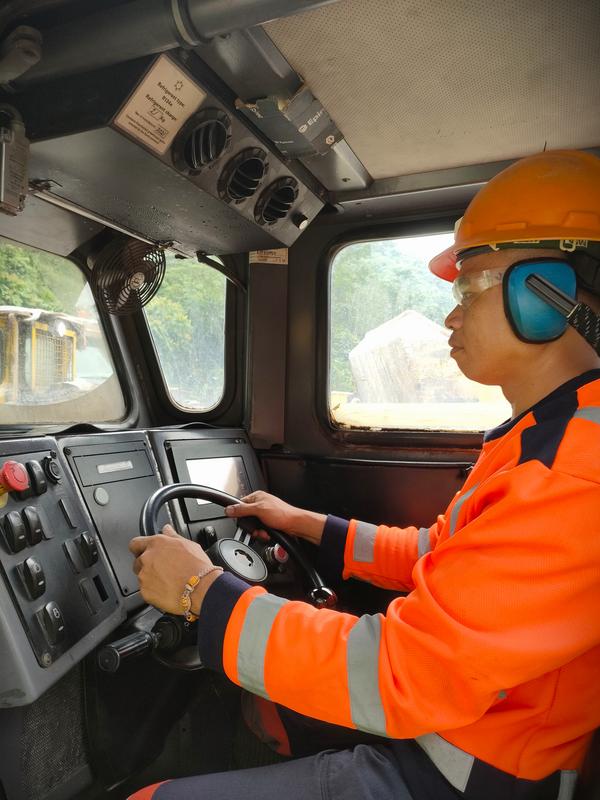
Epiroc’s ergonomically designed cabin built from customer feedback and years of experience for operator comfort and productivity.

Conclusion:

The Epiroc Minetruck MT2200 has revolutionized underground haulage with its emphasis on safety, productivity, and operator comfort. Apex Mining Co., Inc.’s testimony of increased efficiency, seamless integration into their mining methods, and Epiroc's dedicated service and partnership further solidify the Minetruck MT2200's position as the go-to choice for underground haulage. As Epiroc continues to innovate and evolve, it remains a pillar of support for the Philippine mining industry's progress.

Epiroc offers a comprehensive portfolio of mining equipment, including both diesel-driven and battery-powered drill rigs, loaders, ground support machinery, and underground vehicles. Their close collaboration with mining companies, such as Apex Mining Co., Inc., ensures that the equipment meets the specific needs and demands of the industry. Epiroc's dedication to customer satisfaction and hands-on approach has solidified its position as a trusted partner for mining operations worldwide.


References:

Epiroc. Minetruck MT2200. Retrieved 30 July 2023, from https://www.epiroc.com/en-ba/products/loaders-and-trucks/diesel-trucks/minetruck-mt2200.

Apex Mining Co. Inc. Maco Gold Mine. Retrieved 30 July 2023, from https://www.apexmines.com/home/our-business/maco-gold-mine/

Josel Retardo, personal communication, 21 July 2023

Eunice Cuntig, personal communication, 21 July 2023

Naser Silongan, personal communication, 21 July 2023

Johary Unggel, personal communication, 21 July 2023

Raymond Icalina, personal communication, 21 July 2023
December 18, 2023

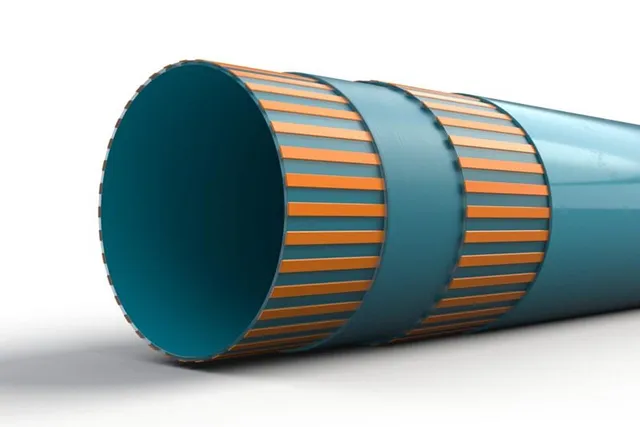
Composites, also referred to as fiber-reinforced plastics (FRP), represent an innovative category of materials that have revolutionized various industries.  Composites consist of two primary components: reinforcing fibers and a matrix or resin. While these components individually have limited utility, when combined, they create a powerful and versatile material with numerous advantages.

What are composites made of?

While the role of the fibers is to add primary strength and load-bearing capabilities to the composite, the matrix or resin is the material that surrounds and binds the reinforcing fibers together. In today’s industrial composites the two most commonly-found reinforcements used to make composites are glass fiber and carbon fiber while the major types of resin include polyester, vinyl ester, polyurethane and epoxy. On their own, these materials only provide limited use, however when the fibers and resins are cured into a composite during the manufacturing process in a heated dye, many useful advantages are gained.

Because of these advantages composites are used in many applications in a wide range of industries such as aerospace, automotive, construction, wind energy, infrastructure, oil and gas, defense, and telecommunication industry among many more.

Advantages of composites

Composites provide many advantages from customizability to weight savings and long-life attributes compared to other materials like steel and aluminum. Composites are very durable materials resistant to harsh environments. Composites offer long-lasting resistance to acidic, salty, or alkaline conditions. This makes them exceptionally suitable for water treatment facilities, downhole oil & gas applications, or even use at the seashore.

Composites also boast a remarkable strength-to-weight ratio. Their stiffness properties surpass those of plastics and other non-metallic counterparts, rendering them ideal for applications demanding structural integrity. Moreover, composites, featuring materials like fiberglass, are insulators, effectively preventing the conduction of heat or cold. This thermal efficiency proves advantageous in applications such as window and door frames, promoting energy conservation.

In addition to their physical attributes, composite design offers a unique advantage: the ability to seamlessly integrate multiple functions into a single profile. This versatility stems from the flexibility in choosing fibers, matting, and resin systems, enabling composites to address a diverse array of challenges and specifications across various industries.

Continuous manufacturing technologies for composites

Composites can be manufactured using various methods, but continuous manufacturing technologies like pultrusion and pull-winding come with additional benefits. In continuous manufacturing, the fibers, matrix materials and resins are continuously fed into a production line to create a composite profile that is cut to the desired lengths or shapes at the end of the process. The continuous process results in several advantages such as efficiency, consistent quality, and high throughput.

Exel Composites is one of the few global companies specializing in continuous manufacturing technologies for composites. Exel has over 60 years’ experience in solving challenges and helping customers save resources with composites in a wide range of industries around the world. You can find Exel’s products used in applications from wind power and transportation to building and infrastructure. 

December 18, 2023

The mining industry has long been a significant contributor to various economies globally, and the need for minerals continues to grow. However, the industry is facing various challenges that are slowing down its growth, with finance and environmental sustainability topping the list. Mineral mining companies require significant capital investment, and the lingering uncertainty in the markets has hit them hard. Additionally, the environmental impact of mining activities has forced governments to impose strict regulations on mining companies, making their operations costly. These challenges have constrained financing options for mining companies, coupled with tighter lending standards.

To remain competitive, mining companies must adopt strategies that balance financial resilience and environmental sustainability. These approaches offer competitive advantages, enabling companies to attract funding, reduce operational inefficiencies, and improve their overall performance. By incorporating responsible environmental practices, companies can optimize operational efficiencies while reducing environmental damage.

Moreover, mining companies that prioritize safety measures and put in place sustainable social practices attract more investments. Investors and banks are increasingly prioritizing the Environmental, Social, and Governance (ESG) factors when evaluating investment opportunities. Mining companies that demonstrate responsibility for the employees and communities and adhere to safety measures attract ethical and sustainable financial institutions, who are willing to provide long-term funding solutions.  

Incorporating sustainable environmental practices and safety measures in mining operations is crucial to maintaining a positive environmental footprint while promoting the health and safety of employees and surrounding communities. Importantly, environmentally responsible mining practices mitigate risks that could lead to substantial financial setbacks.

Mining companies must demonstrate their commitment to sustainability through transparent reporting and adherence to environmental regulations, and through initiatives targeting climate change adaptation, renewable energy sourcing, zero waste and zero emissions. These companies must also prioritize their social responsibilities, making significant investments in community development programs. In doing so, mineral mining companies improve their social license to operate, thereby creating spaces for bonding and partnering with surrounding communities while retaining their social credibility.

Attracting funding for the mining industry requires a multi-dimensional approach that includes leveraging innovation, effectively managing risks, and building strong relationships with stakeholders. Minimizing costs attributed to reclamation and remediation efforts while reducing externalities associated with environmental degradation leads to financial savings, increased economic viability, and hence, more extensive potential for attracting investors.

Sustainability practices offer unparalleled competitive gains. Responsible metals production of a country is on the agenda of both governments and communities who expect business to create and equally distribute shared value when taking care of its precious and fragile nature.

DMT offers a wide range of ESG services and innovation projects in the areas of raw material extraction, electromobility, smart mining, water management and energy. DMT can help elaborate strategy, management approach and business model for new development projects which can address all stakeholders needs, including local communities, governments, clients and investors.

DMT is now proudly working in Chile and other countries of Latin America within the mining industry, creating sustainable value for its clients. Together with DMT, mining companies can become compliant with highest international standards.

December 18, 2023

The mining industry has long been a cornerstone of economic development, supplying essential resources to various sectors. It demands specific material handling solutions for the efficient transfer of bulk materials. Selecting the right material handling equipment can significantly enhance operational efficiency.

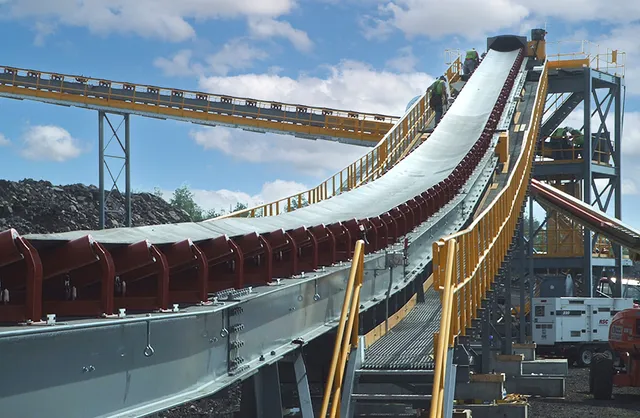
Chief offers heavy-duty open belt conveyors designed to provide a wide range of bulk handling applications. These custom-designed belt conveyors aim to maximize the productivity of your operations and present a modernization solution that can greatly improve mining efficiency.

Chief's open belt conveyors excel in the efficient transportation of materials over extended distances. This efficiency is achieved through a combination of CEMA idlers and self-aligning idlers, with components manufactured to precise standards. This results in easy installation and structural strength, contributing to the overall optimization of mining operations.

Our solutions are engineered to manage the heaviest loads while requiring minimal maintenance, thereby enhancing uptime. We provide high-quality products that optimize mining operations, with safety being a paramount consideration in every aspect of equipment design for all types of commodities. Our custom-designed equipment supports every facet of handling heavy-duty loads, including rocks, gravel, coal, ore, and various other mining materials, offering a reliable loading conveyor for bulk material transportation.

Chief understands that each mining operation is unique, with specific requirements. Our open belt conveyors offer maximum flexibility, providing a wide array of conveyor options to meet the diverse needs of the industry. This ensures the continuity and sustainability of mining activities. As the industry continues to evolve, adopting solutions like Chief's open belt conveyors will be crucial for mining companies looking to thrive in a more sustainable and efficient future.

December 18, 2023

In an effort to foster collaboration and engagement within the construction community, the Department of Public Works and Highways (DPWH) successfully conducted a Contractors Outreach event on December 13, 2023 at the Philippine International Convention Center (PICC), Pasay City for a flagship project that will elevate the Philippines to a landmark status in the realm of infrastructure development.

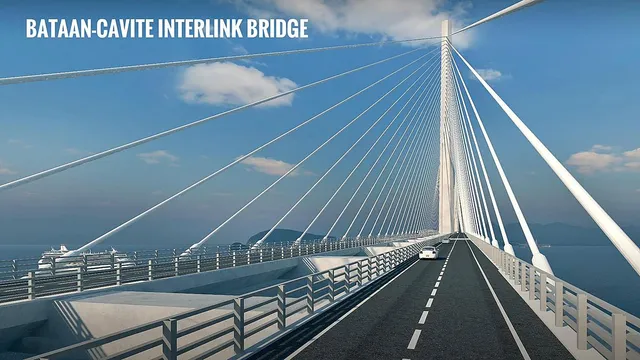
In his message, DPWH Secretary Manuel M. Bonoan expressed sincerest gratitude to the Asian Development Bank (ADB) and partner financial institution Asian Infrastructure Investment Bank (AIIB) who have demonstrated confidence in financing the construction of 32.15-kilometer Bataan - Cavite Interlink Bridge (BCIB) Project connecting the provinces of Bataan and Cavite over Manila Bay as he emphasized that the contractors unwavering commitment are crucial in the eventual realization of the project.

BCIB Project will be bankrolled through a newly approved $2.1 billion multi-tranche financing facility of ADB, the first tranche of which will amount to $650 million.

According to Senior Undersecretary Emil K. Sadain, in-charge of DPWH infrastructure flagship projects, the outreach initiative aimed to connect and promote information sharing with prospective local and foreign contractors of the upcoming BCIB Project, and strengthen partnerships in the construction industry.

A lasting legacy of the administration of President Ferdinand R. Marcos Jr., the BCIB Project comprising two (2) cable-stayed bridges for the navigation channels with 24-kilometer marine viaducts and 8-kilometer approach roads will be a testament to the vision of creating more economic opportunities with faster access to more jobs, livelihood opportunities, and public services with lesser transport and logistics costs, said Senior Undersecretary Sadain.

The Contractors Outreach was also participated by ADB Philippine Office Country Director Pavit Ramachandran; AIIB South Asia, Southeast Asia and the Pacific Region Transport Sector Head Andres Pizarro; DPWH Undersecretaries Carlos G. Mutuc, Eugenio R. Pipo Jr., Ador G. Canlas and Eric A. Ayapana; Assistant Secretary Rey Peter B. Gille; and representatives from the Embassies of the United States of America, Italy, Spain, India, Canada, and Malaysia.

The ADB-financed Infrastructure Preparation and Innovation Facility (IPIF) took care of the project preparation, environment and social safeguards due diligence, and geotechnical investigation for the detailed engineering design.

During the event, the DPWH Unified Project Management Office - Roads Management Cluster II (Multilateral) headed by Project Director Sharif Madsmo H. Hasim and its detailed engineering design consultant TY Lin International Inc. in joint venture with Pyungwha Engineering & Consulting Co., Ltd. provided valuable insights into the upcoming monumental infrastructure project, matters such procurement terms and conditions, and construction methodology in line with the commitment to fostering a dynamic and inclusive construction environment.

Attendees from both local and international construction companies had the opportunity to engage in discussions, ask questions, and network with key stakeholders and prospective business partners.

The Contractors Outreach event reflects DPWH dedication to transparent communication, community involvement, and creating a level playing field that will ultimately contributes to the overall success and sustainability of the project.

The project will be divided into seven (7) contract packages with the DPWH targeting to start construction by July 2024 of the two (2) on-land packages namely five (5)-kilometer Bataan Land Approach under Package 1 and the 1.35-kilometer Cavite Land Approach under Package 2.

Other packages are the 20.65-kilometer Marine Viaducts in the North and South under Packages 3 and 4; and 2.15-kilometer North Channel Bridge for Package 5 and 3.15-kilometer South Channel Bridge for Package 6. The 7th package involves project-wide ancillary works with an eventual separate package 8 for the Operations and Maintenance.

December 18, 2023

The Department of Public Works and Highways (DPWH) is delighted to announce the successful signing of the first tranche of loan with Asian Development (ADB) for the financing of Bataan - Cavite Interlink Bridge (BCIB) Project.

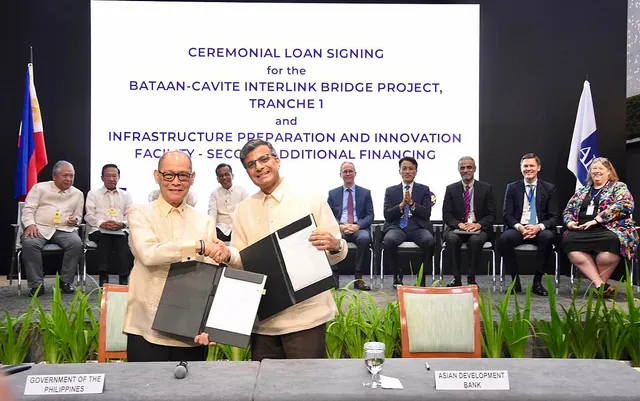
In a ceremony on December 15, 2023 at the ADB Headquarters in Ortigas Center, Mandaluyong City, the Government of the Philippines represented by Department of Finance (DOF) Secretary Benjamin C. Diokno and ADB Philippine Office Country Director Pavit Ramachandran signed the first tranche of the loan amounting to $650 million (around ₱36.22 billion) for the construction of BCIB Project.

The ADB has earlier approved financing of up to $2.11 billion (about ₱118.32 billion) for the construction of 32.15-kilometers BCIB, poised to become one of the world’s longest marine bridges once completed.

Present at the signing ceremony were DPWH Secretary Manuel M. Bonoan; Department of Budget and Management (DBM) Secretary Amenah F. Pangandaman; National Economic and Development Authority (NEDA) Secretary Arsenio M. Balisacan; Department of Transportation (DOTr) Secretary Jaime J. Bautista; ADB Vice President Scott Morris; ADB Managing Director General Woochong Um; ADB Director-Generals Ramesh Subramaniam, Winfried Wicklein, and Emma Veve; DPWH Senior Undersecretary Emil K. Sadain; DOF Undersecretary Edita Tan; and DOTr Undersecretary Timothy John R. Batan.

DPWH Secretary Manuel M. Bonoan said that the signed loan agreement is a crucial step forward in the realization of BCIB connecting Bataan and Cavite provinces across Manila Bay to decongest Metro Manila.

With this substantial investment, the DPWH thru the Unified Project Management Office (UPMO) Operations led by Senior Undersecretary Sadain with UPMO Roads Management Cluster II (Multilateral) Project Director Sharif Madsmo H. Hasim is well-positioned to execute the project procurement and construction this coming year 2024.

According to Senior Undersecretary Sadain, publication of the invitation to bid for the first two (2) contract packages is set in January 2024. The first package is the five (5)-kilometer land approach including the interchange in Bataan and package 2 involves the 1.35-kilometer land approach including the interchange in Cavite.

Other packages are the 20.65-kilometer Marine Viaducts in the North and South under Packages 3 and 4; and 2.15-kilometer North Channel Bridge for Package 5 and 3.15-kilometer South Channel Bridge for Package 6.

The 7th package involves project-wide ancillary works.

DPWH has earlier conducted a contractor’s outreach event wherein local and international construction companies had the opportunity to engage in discussions, ask questions, and network with key stakeholders and prospective business partners in preparation for the project bidding.

To sustain increased infrastructure investments and climate action in the Philippines, a $200 million (about ₱11.15 billion) loan agreement with ADB for the Infrastructure Preparation and Innovation Facility - Second Additional Financing (lPlF-AF2) was also signed that will directly support DPWH and DOTr to deliver more effective and more innovative infrastructure projects.

The second additional financing will continue scaling up the scope of the ongoing project, comprising the original project and the first additional financing, to respond to the government's new investment needs.

The project aligns with the Philippine Development Plan (PDP) 2023-2028 and extends its benefits by boosting project readiness and accelerating development of low-carbon and climate resilient public infrastructure projects.

December 18, 2023

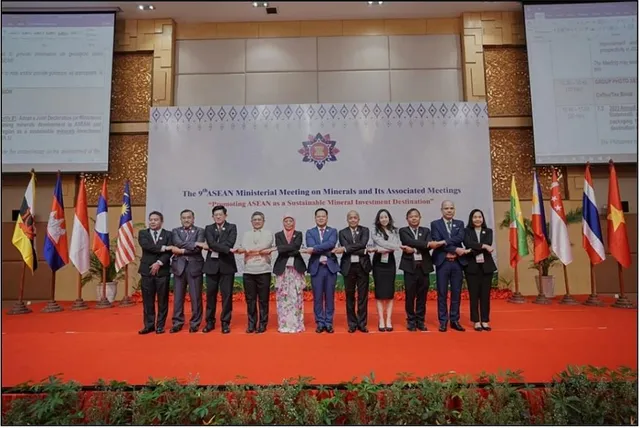
As the Philippines’ leading government agency for mining and geosciences, the Mines and Geosciences Bureau (MGB) joined in the 9th ASEAN Ministerial Meeting on Minerals (AMMin) and 23rd ASEAN Senior Officials on Minerals Meeting (ASOMM) that took place in Phnom Penh, Cambodia from November 21 to 23 under the theme "Advancing ASEAN as a Sustainable Minerals Investment Destination."

The AMMin, consisting of ASEAN Ministers responsible for minerals, is the highest policy-making body for ASEAN cooperation in the sector.  AMMin sets the policy directions and meets on a biennial basis. The Ministerial Understanding established the future basis of cooperation which aimed to:

  1. develop the minerals sector to be an engine for greater economic growth and social progress in the ASEAN region;
  2. enhance trade and investment in the ASEAN minerals sector; and 
  3. promote environmentally sound and socially responsible mineral development practices. 

The ASOMM is the main operating arm of the AMMin and oversees the working groups that assist the Senior Officials in the development and implementation of sectoral policies as well as the work programs/plans under the four (4) ASEAN Minerals Cooperation Action Plan strategic areas. 

Four (4) Working Groups focus on implementing the sector’s four strategic areas of cooperation.  These are:

  • Working Group on Trade and Investments in Minerals (WGTIM);
  • Working Group on Sustainable Minerals Development (WGSMD); 
  • Working Group on Capacity Building on Minerals (WGCBM); and
  • Working Group on Minerals Information and Database (WGMID).

The 23rd ASOMM started with the ASEAN Secretariat (ASEC) presenting the highlights of the decisions and follow-up requirements from the ASEAN Summit, ASEAN Economic Community (AEC) Council, Committee of the Whole of the AEC (CoW), and other council affiliates. On the other hand, the Chairs of the WGTIM (Thailand); the WGSMD (Myanmar), the  WGCBM (Philippines represented by Dr. Karlo L. Queaño, OIC of the Lands Geological Survey Division-MGB); and the WGMID (Brunei Darussalam) reported key accomplishments for the 4th quarter of 2022 and 3rd quarter of 2023, following the action lines set for each program.

The Board of Judges (BOJ) Meeting for the 3rd ASEAN Mineral Awards (AMA) was also conducted in parallel to the 23rd ASOMM. T

he AMA aims to: promote environmentally and socially sustainable mineral development; improve the general perception image of the mineral industry; disseminate best practices in the mineral sector (mining, transportation, processing); increase public awareness on best practices in environmentally and socially sustainable mineral development; strengthen regional cooperation and encourage sharing of expertise; and encourage private sector perception for community development. The said meeting discussed the rules and procedures of the scoring scheme of the presentations from the shortlisted companies; the presentation of shortlisted companies in front of BOJ; and the discussion on the outcomes of the tabulation of the scoring sheets.

During the high-level ministerial meeting (AMMin) last November 23, 2023, the country representatives agreed to jointly promote the ASEAN region to become a sustainable mining investment destination and to continue cooperation on improving mining development with governance. During the country report presentation, the Philippines, represented by Ms. Emma R. Sarne, Minister, and Consul General of the Embassy of the Philippines in Cambodia, highlighted the immense potential of the mining industry to become a major economic driver for the Philippines and Southeast Asia and the country’s efforts and plans aimed to ease doing mine-related business as it also transitions to adopting green technology.

With the Plus Three Countries (China, Japan and the Republic of Korea), the Meeting also welcomed the adoption of the ASEAN+3 Minerals Cooperation Work Plan 2022-2025, which serves as a blueprint to intensify cooperation between ASEAN and the Plus Three Countries in sustainable minerals development and in supporting the development of new strategies and effective tools for collecting and processing data for the ASEAN Mineral Information System.

Finally, the event was concluded with the awarding of the winners of the 3rd AMA during the AMMin Gala Dinner. The awardees include one (1) from Brunei Darussalam, one (1) from Cambodia, four (4) from Indonesia, three (3) from Lao PDR, two (2) from Malaysia, and three (3) from the Philippines.

December 14, 2023

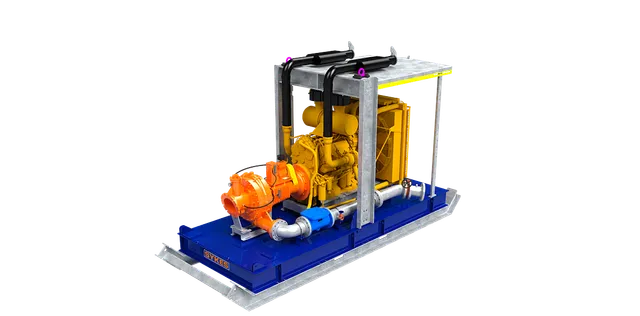
Sykes Group, a leading name in the realm of dewatering pump solutions, is excited to announce the launch of its latest innovation, the Sykes / Primax XH250. Developed with the distinct requirements of the mining and quarry industries in mind, the XH250 is set to revolutionise dewatering operations in these sectors.

Mines and quarries are continually expanding, reaching greater depths and widths, demanding reliable dewatering solutions. The Sykes XH250 steps in to address this challenge by delivering higher heads and flow rates. This ensures consistent equipment access to all areas of mining and quarry sites.

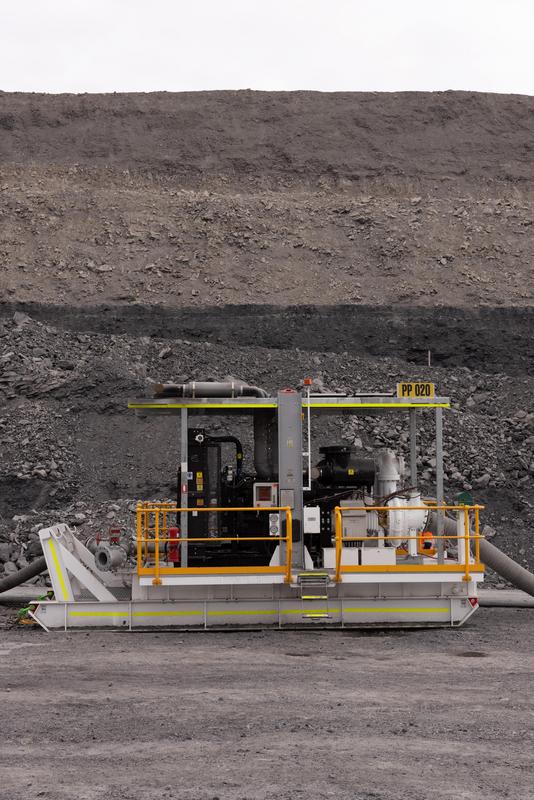
XH250 on site

The XH250 complements Sykes' existing range of Extra High Head pumps and boasts a remarkable head capability of 200 l/sec @ 220m or 250 l/sec @ 200m.

Key Features of the Sykes XH250:

  1. Versatile Drive Options: The XH250 is available in both diesel and electric drive configurations, and it can be mounted on skids, trailers, or pontoons.
  2. Impressive Performance: The XH250 is engineered to deliver 200 litres per second at 220 meters or 250 litres per second at 200 meters, ensuring reliable and efficient dewatering.
  3. Innovative Pump Design: The pump's design incorporates several key features to enhance its longevity and performance, including extraordinary shaft stiffness ratios, multiple priming options, advanced bearing arrangements, and exceptional sealing solutions.
  4. Front and Rear Wear Plates: Sykes Pumps' inclusion of wear plates offers the ability to make fine adjustments to the impeller-wear plate clearance, enabling customers to restore pump efficiency without the need for extensive overhauls.
  5. Material Options: The Sykes XH250 is available with various material options to suit specific applications, including 316 SS Impeller, wear plates, and SG iron Volute, among others. Other options are Full 316 SS, CS340, CS500, CD4MCU, H7A SS, CD4MCU, SAF2205 and SAF2507.

The Sykes XH250 is a testament to our commitment to providing efficient and reliable dewatering solutions for the mining and quarry industries.


About Sykes Group: Sykes Group is a global leader in providing dewatering solutions, with a reputation for excellence in pump technology. With a focus on innovation and customer satisfaction, Sykes Group remains at the forefront of delivering reliable and efficient pumping solutions across diverse industries. Sykes Group became part of the Atlas Copco Group Power and Flow Division in December 2023.

December 06, 2023

The Weir Group PLC, a global mining technology leader, has completed a comprehensive study that highlights a significant opportunity to reduce energy use and emissions in comminution, the rock crushing process that is key to minerals extraction, and that consumes around 3% of the world’s electrical power each year1. The study shows that replacing conventional technology with innovative new solutions can cut energy use by 40% while also avoiding 50% of CO2e emissions.

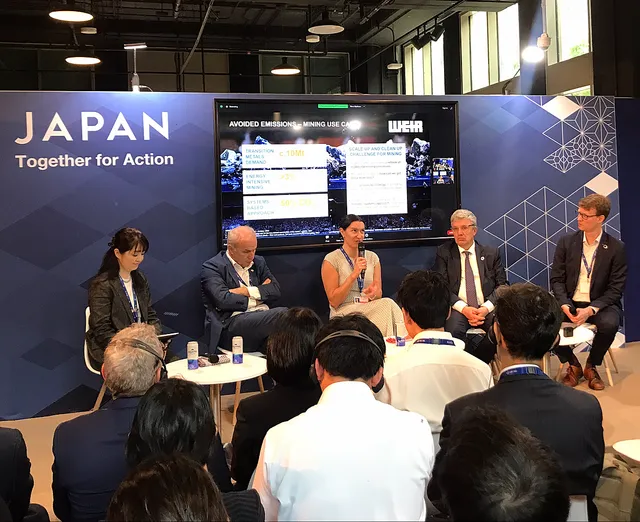
Speaking at a COP28 panel discussion hosted by the Ministry of Economy, Trade and Industry of Japan and moderated by the World Business Council for Sustainable Development (WBCSD), Paula Cousins, Chief Strategy and Sustainability Officer at Weir revealed the details of the study that demonstrates how using innovative technologies to crush rocks can yield significant sustainability benefits at lower operating cost.

The findings of the study come at an important time. Metals, such as copper, nickel and lithium, are critical elements of the technologies that will power a low carbon future and it is widely accepted that a substantial increase in the production of these metals is needed for the transition to net zero. In response, the mining industry is actively seeking to adopt new technologies which extract and process those metals in more energy efficient and sustainable ways, alongside increasing the use of renewable power.

Weir’s study focuses on comminution – the crushing process that turns big rocks into tiny particles to expose the entrapped mineral so that it can be extracted later in the mining process. Comminution is the most energy intensive stage of a typical mine site process. It is already electrified and is responsible for at least one-third of an average mine’s energy use and CO2e emissions1 and globally consumes around 3% of the world’s electrical power1.

Given its energy intensity, the decarbonisation opportunities in comminution are huge, with the basic comminution process not having changed significantly for many decades. Weir is collaborating with customers and other partners to redefine the process, developing innovative combinations of proven technologies to make significant improvements to efficiency and environmental performance.

Unveiling the study during the panel discussion at COP28, Paula Cousins, Chief Strategy and Sustainability Officer at Weir said:

“The need for technology solutions in mining is compelling – the world needs more transition metals to achieve net zero, but the mining industry needs to extract these using significantly less energy and water. Our new, externally assured study highlights the potential for energy savings of 40% and for 50% of CO2e emissions to be avoided in comminution, the most energy intensive stage of mining processes. By adopting a systems-based approach to technology collaborations, we can help the mining industry scale up and clean up at the same time”.

The full video of the panel discussion will be made available to view by the Ministry of Economy, Trade and Industry of Japan shortly.

About the avoided emissions study

The study is the first to utilise WBCSD’s Avoided Emissions Guidance to study mining processes and the avoided emissions results have been independently assured by SLR Consulting Limited. Three of Weir’s technology combinations were evaluated against a conventional comminution circuit design for an archetypal mine processing 15 million tonnes of copper ore per year in Chile.

All three of the technology combinations are shown to yield sizeable benefits versus the traditional circuit. In the optimal combination, the comminution process consumes around 40% less energy and can avoid up to 50% of CO2e emissions. Importantly, there is no trade off elsewhere, as the redefined process uses less water too.

Further details of the avoided emissions study are available here.

December 04, 2023

An assessment of progress and consultation with the relevant stakeholders was undertaken by the Steering Committee of the Department of Public Works and Highways (DPWH) for the implementation of Road Network Development Project in Conflict-Affected Areas in Mindanao (RNDP-CAAM) to enhance infrastructure project delivery in the Bangsamoro Autonomous Region in Muslim Mindanao (BARMM).

DPWH Senior Undersecretary Emil K. Sadain, Chairperson of the Steering Committee created by Secretary Manuel M. Bonoan to ensure the effective and coordinated implementation of detailed design and construction of RNDP-CAAM, presided the second committee meeting on December 1, 2023 in Cotabato City to review activity milestones and provide guidance and direction for challenges.

Senior Undersecretary Sadain, in-charge of DPWH infrastructure flagship projects under “Build Better More” program of President Ferdinand R. Marcos Jr. administration explained that the assistance of Japan International Cooperation Agency (JICA) in the development, construction and improvement of access roads connecting BARMM and other regions in Mindanao is expected to foster economic activity, improve accessibility and ensure smooth movement of goods and services, and will support the development objectives of the conflict-affected areas.

JICA is providing Official Development Assistance thru loan agreement PH-FP1 for the detailed design and construction/improvement of four (4) sub-projects in Bangsamoro under RNDP-CAAM: 36.69-km Parang Balabagan Road (SP-2), 19.6-km Marawi City Ring Road (SP-7), 7.07-km Parang East Diversion Road (SP-8), and 17.42-km Manuangan Parang Road (SP-9).

Keeping in mind the best interest of stakeholders, the meeting presented an opportunity for better coordination and communication with the DPWH working together with counterparts in the Bangsamoro Region to ensure effective and efficient implementation of the project.

“As the government’s engineering and construction arm, DPWH supports peace-building effort through infrastructure development. The improvement of road network for better connectivity here in Bangsamoro will enable people from conflict-affected areas to have links to markets, public facilities, and improve agribusiness potential to help bridge the economic gap and consolidate peace”, said Senior Undersecretary Sadain who is also in-charge for the implementation of national infrastructure projects in BARMM.

The meeting was participated by Japan International Cooperation Agency (JICA) Senior Representative Keisuke Fukui together with RNDP-CAAM Program Officer Yoko Katakura; DPWH Unified Project Management Office - Roads Management Cluster 1 (DPWH RMC1 Bilateral-UPMO) Project Director Benjamin A. Bautista; Ministry of Public Works (MPW)-BARMM Director General Danilo A. Ong; Ministry of the Interior and Local Government (MILG) Deputy Minister Dr. Ibrahim P. Ibay; DPWH Regional Project Management Office BARMM (DPWH RPMO BARMM) Director Najib D. Dilangalen; DPWH Stakeholders Relations Service Director Randy R. Del Rosario; and DPWH Project Managers Antonio Erwin R. Aranaz and Reyderick Siozon.

Also included as member of the Steering Committee created under DPWH Special Order 172 dated August 4, 2023 are representatives from BARMM Ministry of Environmental, Natural Resources and Energy (MENRE); Ministry of Agriculture, Fisheries and Agrarian Reform (MAFAR); Ministry of Indigenous Peoples' Affairs (MIPA); National Economic and Development Authority (NEDA); Department of National Defense (DND) Coordinating Committee on the Cessation of Hostilities (CCCH); Bangsamoro Development Planning Authority (BPDA); Tabang Ako Siyap Ka Bangsa Iranun Saya Ko Kalilintad Ago Ka Pamagayon Inc. (TASBIKKA); Ranao Movement Against Corruption (RMAC); Police Regional Office - Bangsamoro Autonomous Region (PRO BAR); Philippine Army’s 1st and 6th Infantry Divisions; Mayors of Marantao, Marawi City, Piagapo, and Saguiaran in the Province of Lanao Del Sur; Mayors of Balabagan, Barira, Buldon, Datu Blah Sinsuat, Kapatagan, Matanog, Parang, Sultan Kudarat and Sultan Mastura in the Province of Maguindanao; and Mayors of Pigkawayan, North Cotabato and Lebak, Sultan Kudarat.

DPWH has tapped the services for detailed engineering design, tender assistance and construction supervision of joint venture CTI Engineering International Co., Ltd. and Oriental Global Co., Ltd. headed by Project Manager Dr. Jovito C. Santos in association with Woodfields Consultants, Inc. under Project Manager Henry M. Medina together with Edifice Planners and Builders, Inc., Angel Lazaro and Associates Int., KRC Environmental Services, DCCD Engineering Corporation and Philkoei International, Inc., Consultant.

To date, four (4) contract packages (CP) of civil works for Marawi Transcentral Road Phase 3 under the JICA-funded RNDP-CAAM with a total length of 18.78-km were completed.

These are 4.87-km CP-3A consisting of Cabingan-MSU Campus-Amai Pakpak Avenue (Road 6), MSU Campus-Matampay-Marantao Road (Road 7), and Rapas-Bayaba Road (Road 20); 4.92-km CP-3B consisting of Emie-Sagonsongan-Linao-Lantian Road (Road 9-1), MSU-Bubo Road (Road 13), and Rantian-Paling Road (Road 14); 4.34-km CP-3C consisting of Linao-Alinan Road (Road 15), Emie-Sagunsungan-Linao-Rantian Road (Road 9-2), Rorogagus-Mipaga Road (Road 25), and Bito-Mipaga-Marawi Road (Road 26); and 4.65-km CP-3D consisting of Bacong-Poona-Marantao-Marawi Road (Road 2-3), Bito-Rorogagus-Guimba Road (Road 11), and Tampilong Road (Road 28).

With the full support and cooperation from the local government units and MPW-BARMM, engineering survey activities are progressing for the four (4) sub-projects in Bangsamoro.

Parang-Balabagan Road is a proposed diversion road that will traverse the municipalities of Parang and Matanog, Maguindanao and Balabagan and Kapatagan, Lanao del Sur. The project road starts from the National Highway (AH26) at northern part of Parang towards the coastal side and finally connected to National Highway (AH26) in Balabagan with access to Malabang which has the airport. The road project will also extend support to agricultural productivity program with farm-to-market road access to productive farm lands.

The Marawi City Ring Road will improve connectivity in Islamic City of Marawi, Lanao del Sur. The proposed road alignment of Marawi City Ring Road will traverse the Municipalities of Marantao, Piagapo, Saguiaran but is faced with road right of way dilemma for those parcels of land recently awarded to Agrarian Reform beneficiaries of Certificate of Land Ownership Award (CLOA).

Meanwhile, the proposed Parang East Diversion Road will provide a trunk road at the eastern portion of the town of Parang passing through its four (4) barangays namely Nituan, Gumagadong Calawag, Making and Manion. The construction of the diversion road will decongest the AH26: Narciso Ramos Highway and the primary Cotabato-Pagadian Road, and bolster the connection between the planned agri-industry in Buldon, Barira, and Matanog which is expected to generate high volume of vehicular traffic; and the primary Polloc Port, by providing a bypass road at the congested section of the national highway.

Lastly, Manuangan-Parang Road is planned as a shortcut road to connect the existing Pigcawayan-Sultan Kudarat-Sultan Mastura-Parang National Highway (AH26). The proposed road will also provide access to the productive agricultural areas of the hinterland barangays of the municipalities of Sultan Kudarat, Sultan Mastura and Parang, all in the province of Maguindanao and inner barangays of Pigcawayan, North Cotabato.

DPWH UPMO-RMC 1 Project Director Bautista also reported that two (2) other sub-projects of RNDP-CAAM with a total length of 79.9-km including 21 bridges have detailed engineering design completed under JICA Grant and awaiting approval of DPWH Bureau of Design.

These are the 13.9-km Matanog-Barira-Alamada-Libungan Road and 66-km Tapian-Lebak Coastal Road whose funding for civil works will be included in the 2025 Philippine National Expenditure Program and subsequently the General Appropriations Act.

December 04, 2023

The Department of Public Works and Highways (DPWH) is stepping-up efforts in its preparation of the civil works activities for Bataan-Cavite Interlink Bridge (BCIB) Project by discussing anticipated isssues and concerns with maritime agencies and other relevant stakeholders.

DPWH Unified Project Management Office - Roads Management Cluster 2 (Multilateral) Project Director Sharif Madsmo H. Hasim, on behalf of Secretary Manuel M. Bonoan and Senior Undersecretary Emil K. Sadain, spearheaded a meeting on November 22, 2023 focus on maritime navigation and traffic to reduce the potential impacts and risks caused by the upcoming major construction works of BCIB Project across the Manila Bay.

The interagency coordination meeting organized by UPMO Project Manager Teresita V. Bauzon together with the detailed engineering design consultant TY Lin International Inc. in joint venture with Pyungwha Engineering & Consulting Co., Ltd. was participated by representatives from Philippine Navy (PN); Philippine Coast Guard (PCG); Maritime Industry Authority (MARINA); Philippine Ports Authority (PPA); Department of Finance (DOF); Bureau of Customs (BOC); Authority of Freeport Area of Bataan (AFAB); Corregidor Foundation, Inc. (CFI); and Local Government Units of Cavite and Bataan.

The BCIB Project is one (1) of the infrastructure flagship projects (IFPs) of the administration of President Ferdinand R. Marcos Jr. under the “Build Better More” program.

In line with the instruction of the President during the BCIB Milestones Ceromony in Mariveles, Bataan on March 31 2023, the DPWH UPMO is committed to immediately commence work and finish this project on schedule.

DPWH intends to come up with viable ways to successfully implement this project with the least disturbance and inconvenience to the maritime affairs in the area during the construction phase.

In his report to Senior Undersecretary Sadain, in-charge of UPMO operations that oversees the implementation of most infrastructure flagship projects being implemented by DPWH, Project Director Hasim said that the interagency coordination meeting tackled the processes of securing government permits and clearances for the expected about a hundred marine vessel, government duties and taxes, navigational studies, vessel routing, maritime traffic management, and other concerns.

During public scoping and community interactions, safeguards related to social, environmental, land acquisition, resettlement, gender, land use, and others were included in the detailed engineering design which will be put in full implementation during construction.

The 32.15-kilometer four (4)-lane BCIB Project by far is the biggest flagship project with a 30.87% economic internal rate of return as it will significantly cuts down travel time between the provinces of Bataan to Cavite and vice versa from five (5)hours down to 45 minutes thereby easing the traffic congestion in Metro Manila as well as in South Luzon and North Luzon gateways.

The bridge alignment in Bataan is situated between the Roman Highway and then traversing the barren land area at Barangay Alas-Asin, and then skirts to the shoreline of Barangay Mountain View in Mariveles while the Cavite alignment will start from the shoreline of Barangay Timalan Balsahan in Naic, then traversing through the agricultural and residential area and terminating at Antero Soriano Highway, which is in a relative flat terrain in Barangay Timalan Balsahan and Barangay Timalan Concepcion.

Funding for the civil works construction of the Bataan-Cavite Interlink Bridge is committed by the Asian Development Bank (ADB) with co-financing from the Asian Infrastructure Investment Bank (AIIB).

Civil works construction of BCIB Project is targeted to start by 2024 and will be divided into seven (7) contract packages with the construction to begin first in the two (2) on-land packages, package 1 which is the five (5) kilometer Bataan Land Approach and package 2 which is the 1.35 kilometer Cavite Land Approach.

Packages 3 and 4 are Marine Viaducts in the North and South with a total length of 20.65 kilometers while packages 5 and 6 are the North Channel and South Channel Bridges with a length of 2.15 and 3.15 kilometers, respectively. The 7th package involves a project-wide ancillary works.

See Our Latest Issue