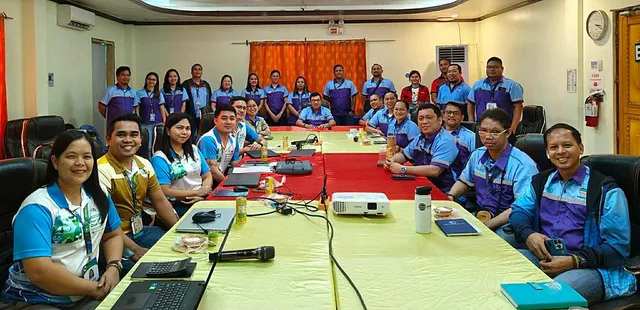
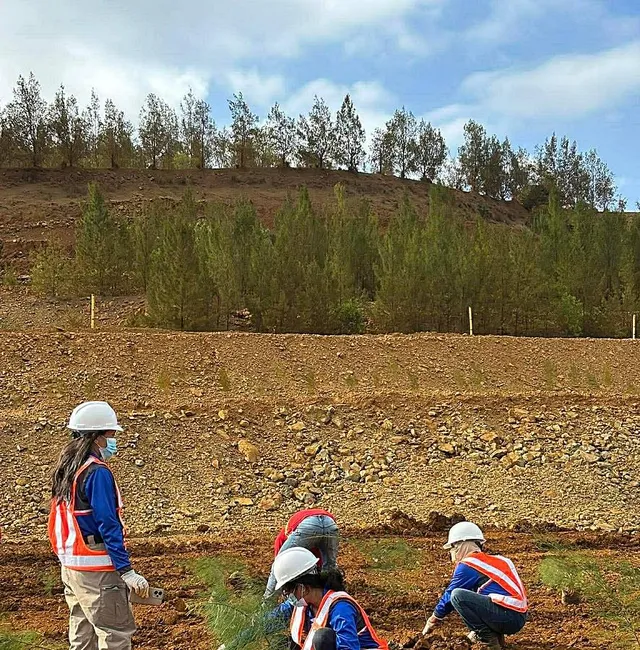
Hinatuan Mining Corporation – Tagana-an Nickel Project (HMC-TNP) continues to uphold its strong commitment to sustainable, responsible, and progressive mining operations after successfully completing the Tenement, Safety and Health, Environment, and Social Development (TSHES) Monitoring conducted by technical personnel from the Mines and Geosciences Bureau Regional Office XIII (MGB-13) from February 9 to 11, 2026.
The comprehensive three-day assessment evaluated HMC-TNP’s 2025 annual accomplishments, covering key areas of mining operations, including tenement management, occupational safety and health, environmental protection, and social development initiatives for host and neighboring communities.
The monitoring activity served as an important platform for assessing the company’s compliance, operational performance, and implementation of programs anchored in responsible mining principles. Through site inspections, document reviews, technical evaluations, and stakeholder engagements, the MGB-13 technical team provided valuable observations and recommendations aimed at further strengthening HMC-TNP’s operational systems and sustainability initiatives.
More than a regulatory requirement, the TSHES monitoring reinforces HMC-TNP’s culture of continuous improvement. Insights gathered during the assessment will help guide the company in enhancing existing programs, adopting innovative and adaptive solutions, and ensuring that its operations remain aligned with the highest standards of environmental stewardship, workplace safety, and community development.
HMC-TNP recognizes that responsible mining extends beyond resource extraction — it is about creating long-term positive impacts for people, communities, and the environment. Guided by this principle, the company remains committed to balancing economic growth with environmental preservation and social responsibility.
As HMC-TNP moves forward, the company remains dedicated to building on its accomplishments and further advancing its responsible mining practices in partnership with regulators, stakeholders, and the communities it proudly serves.
MAKATI CITY, PHILIPPINES — The Philippine Nickel Industry Association (PNIA) and its member companies laud the recent decision of the Supreme Court in G.R. No. 262969, which dismissed the Petition for a Writ of Kalikasan filed against Hinatuan Mining Corporation (HMC).
This landmark ruling marks a definitive shift in the regulatory landscape, effectively ending the era of “trial by sentiment” in environmental litigation. The Supreme Court has sent a clear, unambiguous message: the future of Philippine industry and environmental stewardship must be built on the bedrock of scientific evidence, not the shifting sands of public conjecture and unfounded speculation. The Court itself emphasized that a writ of kalikasan “is an extraordinary remedy available against unlawful act or omission involving environmental damage of such magnitude,” and that its issuance requires strict compliance with evidentiary standards. It further found that the petitioners “failed to comply with the required contents of a petition,” relying on generalized claims and unsubstantiated allegations, ultimately dismissing the case “for being insufficient in form and substance.”
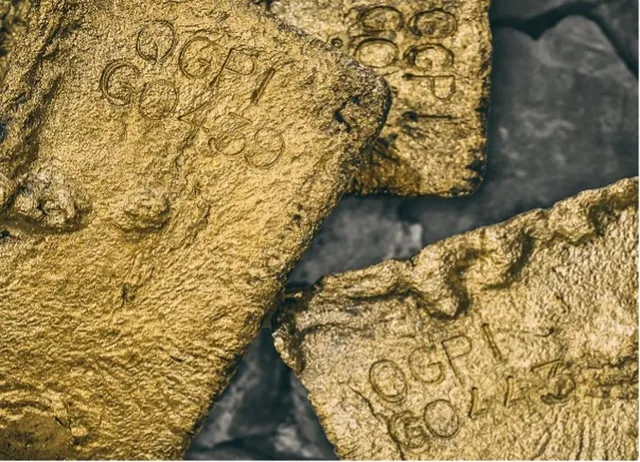
OceanaGold (Philippines), Inc. has sold 31% or around 6,684 ounces of its annual gold doré production to the Bangko Sentral ng Pilipinas (BSP) in 2025, exceeding the minimum 25% commitment under its gold buying agreement with the central bank.
The higher-than-committed delivery reinforces the Philippines’ reserve buffer and supports national economic stability amid continued global market uncertainty.
“Our continued gold sales to the BSP reflect our commitment to reinforce the country’s broader economic resilience. As the government’s partner in responsible resource development, we hope to continue to contribute to strengthening the country’s financial position and maximize the value of precious metals,” Atty. Joan Adaci-Cattiling, OGP President and General Manager for External Affairs and Social Performance, said.
OceanaGold (Philippines) Inc. reported a net income of $34.7 million in the first quarter of 2026, driven by strong gold prices and steady production from its Didipio gold-copper mine in Nueva Vizcaya.
In a disclosure to the Philippine Stock Exchange, the company said revenue for the January-to-March period reached $158.4 million, nearly double the $79.3 million recorded in the same period last year. Earnings per share rose to $0.015 from $0.003 a year earlier.
The company produced 20,400 ounces of gold and 3,200 tonnes of copper during the quarter, broadly in line with its production guidance. All-in sustaining costs were reported at $1,298 per ounce of gold sold.
OceanaGold Philippines also generated free cash flow of $80.1 million during the quarter, sharply higher than the $8 million recorded in the first quarter of 2025.
The company declared a first-quarter dividend of $44.7 million, equivalent to $0.0196 per common share. Shareholders on record as of May 21, 2026, will receive the dividend payment on June 17, 2026. The dividend will be paid in Philippine pesos based on the prevailing exchange rate at the time of payment.
OceanaGold Philippines President Joan Adaci-Cattiling said the company benefited from strong metal prices and stable operations during the quarter.
“During the first quarter, we safely and responsibly produced gold and copper in line with our guidance,” Adaci-Cattiling said. “With today’s strong gold prices and solid production results we generated $80M of Free Cash Flow during the quarter and announced another healthy quarterly dividend for our shareholders.”
She added that exploration drilling had resumed in the lower levels of the Didipio mine, while near-mine drilling activities continued at the True Blue target area.
OceanaGold Philippines operates the Didipio gold-copper mine in Luzon under a Financial or Technical Assistance Agreement. The company said it remains focused on maximizing free cash flow generation and delivering returns to shareholders.
On March 27, 2026, the 13th Annual PMEA Invitational Golf Tournament was held at the Mount Malarayat Golf & Country Club.
The summer's heat was not an obstacle for this year’s players in displaying their skill, precision and perseverance for the sport.
The Mines and Geosciences Bureau (MGB) has released the list of qualified mining companies for the 2026 Presidential Mineral Industry Environmental Award (PMIEA) and Best Mining Forest Contest (BMFC), recognizing firms that demonstrated compliance with environmental protection, mine safety and sustainable development standards.
The PMIEA is considered among the highest recognitions in the Philippine mining industry and honors companies that go beyond regulatory compliance in environmental management, safety and health programs, and community development initiatives.
Under the revised guidelines implemented through MGB Memorandum Circular No. 2025-002, the awards continue to cover mining, mineral processing and mineral exploration categories.
Qualified companies were categorized according to their operations, including surface mining, underground mining, quarry operations, mineral processing and exploration activities.
The BMFC, meanwhile, recognizes mining firms with outstanding reforestation, mine rehabilitation and forest enhancement programs within their contract areas and surrounding communities.
The MGB said participating firms underwent evaluation covering environmental protection measures, occupational safety and health performance, social development and management programs, and compliance with mining and environmental laws.
The awards program forms part of the government’s efforts to promote responsible mining and sustainable mineral development while balancing environmental protection and economic growth.
According to the MGB, qualified firms will proceed to further validation and national-level assessment before the final selection of winners for the 2026 awards cycle.
Among the qualified firms were companies engaged in nickel, gold, copper and cement raw material operations, as well as mineral processing and quarrying activities in various regions nationwide.
The MGB has yet to announce the final winners and award dates for the 2026 PMIEA and BMFC.
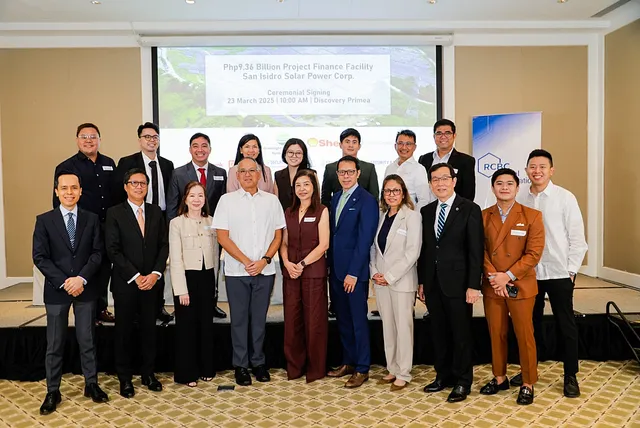
Greenlight Holdings Inc. (GRHI), a joint venture between Emerging Power Inc. (EPI) and Shell Overseas Investments BV (SOIBV), has secured a ₱9.36-billion project finance senior term loan facility for the construction of the 240-megawatt-peak (MWp) San Isidro Leyte Solar Power Project.
The financing was provided by China Banking Corp. (China Bank) and Security Bank Corp. (Security Bank). Located in Barangay Daja Daku, San Isidro, Leyte, the project is being developed in two 120-MWp phases.
Project timeline and impact
GRHI President and CEO Darlene Arguelles said Phase 1 began energization activities in October 2025 and is currently supplying power to its offtaker, Shell Energy Philippines.
Once fully operational, the facility is expected to:
“This 240-megawatt facility represents a landmark development for the GRHI group and our first renewable energy project under our partnership with Shell,” said EPI shareholder representative to GRHI and NAC Vice Chairman Maria Patricia Riingen. “It underscores our shared commitment to advancing the Philippines’ clean energy transition through projects of scale and long-term impact.”
Strengthening energy independence
Security Bank Executive Vice President John Cary Ong highlighted the strategic importance of the project amid global energy volatility.
“For us, financing this project means backing energy independence,” Ong said. “By diversifying away from imported fossil fuels, we insulate the economy from the unpredictability of oil, LNG and coal. In an uncertain world, the sun remains the most reliable supplier we could ask for.”
China Bank Executive Vice President Lilian Yu added that the transaction marks a significant milestone.
“This is our first project finance transaction with Nickel Asia and Shell,” Yu said. “We are optimistic about a long-term partnership as EPI and Shell target 1 gigawatt of renewable energy capacity in the country by 2028.”
Transaction partners
The successful closing of the facility involved several key advisers and partners:
*The computation is based on the estimated average monthly household electricity consumption of 200 kWh, as provided by Meralco.
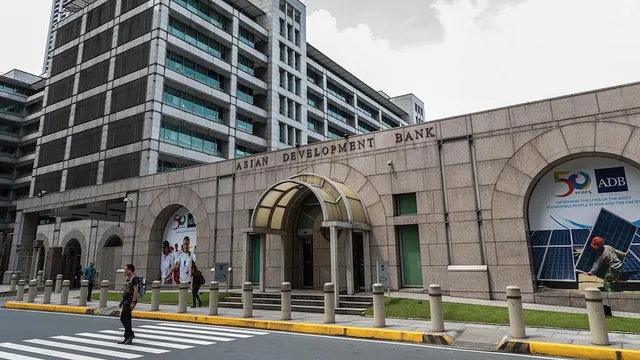
The Asian Development Bank has launched a financing facility aimed at helping countries in Asia and the Pacific develop secure and sustainable critical minerals supply chains needed for clean energy technologies and industrial growth.
The new Critical Minerals Financing Partnership Facility seeks to mobilize financing and technical assistance for projects involving the exploration, extraction, processing and recycling of critical minerals, according to the Asian Development Bank (ADB).
ADB said the initiative is intended to support the growing demand for minerals such as nickel, copper, lithium and cobalt, which are essential for electric vehicles, renewable energy systems, battery storage and other low-carbon technologies.
The multilateral lender said the facility will include a grant window that will support early-stage project preparation, including feasibility studies, environmental and social assessments, technical studies and capacity-building programs.
ADB President Masato Kanda said the development of reliable and responsible critical minerals supply chains is becoming increasingly important as countries accelerate energy transition efforts and industrial modernization.
The bank said the facility will also promote environmental sustainability, responsible mining practices and stronger regional cooperation across the critical minerals value chain.
ADB noted that many countries in Asia and the Pacific possess substantial reserves of critical minerals, placing the region in a strategic position to support global demand for materials required in clean energy technologies.
Greenstone Resources Corporation was recognized by the Department of Labor and Employment (DOLE) Caraga with a Safety Milestone (SMILE) Award during the regional observance of the World Day for Safety and Health at Work on April 28 at the Balanghai Hotel and Convention Center.
The company was among 25 establishments honored during the event for achieving zero lost-time accidents while maintaining compliance with occupational safety and health standards.
According to DOLE Caraga, the SMILE Award is given to organizations that demonstrate strong workplace safety performance and sustained implementation of occupational safety and health (OSH) programs designed to prevent workplace accidents and injuries.
Greenstone’s Safety and Health Manager Aldrin B. Arieta and Safety Supervisor Chrissa Joy Polistico received the award on behalf of the company.
The company said the recognition reflected its commitment to labor standards compliance and proactive workplace safety measures in mining operations, which are considered among the country’s high-risk industries.
Greenstone added that the award highlighted the importance of cultivating a workplace culture centered on prevention, accountability and employee welfare.
The World Day for Safety and Health at Work is observed annually to promote the prevention of occupational accidents and diseases and to encourage stronger workplace safety practices across industries.
Greenstone Resources Corporation is the operator of the Siana Gold Project in Surigao del Norte and a wholly owned subsidiary of TVI Resource Development Philippines Inc. (TVIRD), a Philippine mining company engaged in gold, silver, copper, zinc and nickel operations.
The company manages the Siana Gold Project, which is located in the municipalities of Tubod, Mainit and Alegria in Surigao del Norte. The project operates under Mineral Production Sharing Agreement (MPSA) No. 184-2002-XIII and involves gold and silver mining and processing activities.
Greenstone was previously affiliated with Australian-listed mining firm Red 5 Ltd. before TVIRD completed the acquisition of the company and the Siana Gold Project in 2021. TVIRD later recommissioned the operation in 2022 through Greenstone.
According to TVIRD, the Siana operation includes a modern processing plant with gravity and carbon-in-leach facilities developed through investments exceeding $200 million.
The company has also highlighted programs related to occupational safety, environmental protection, community development and Indigenous Peoples engagement as part of its responsible mining initiatives. Greenstone has previously received recognition from the Philippine Mine Safety and Environment Association and participates in government environmental and safety audits.
TVI Resource Development Philippines Inc. said it is integrating a 5.3-megawatt-peak solar power facility into the Siana Gold Project in Surigao del Norte as part of efforts to strengthen operational sustainability and improve energy reliability at the mine site.
The company said the solar facility, being developed under Greenstone Resource Corp., is expected to generate about 7.94 million kilowatt-hours of electricity annually and supply around 16 percent of the processing plant’s total energy requirements.
TVIRD said the project forms part of its broader strategy to align mining operations with cleaner energy solutions while reducing dependence on conventional power sources. The company added that the solar installation is expected to cut more than 4,100 tons of carbon dioxide equivalent emissions annually.
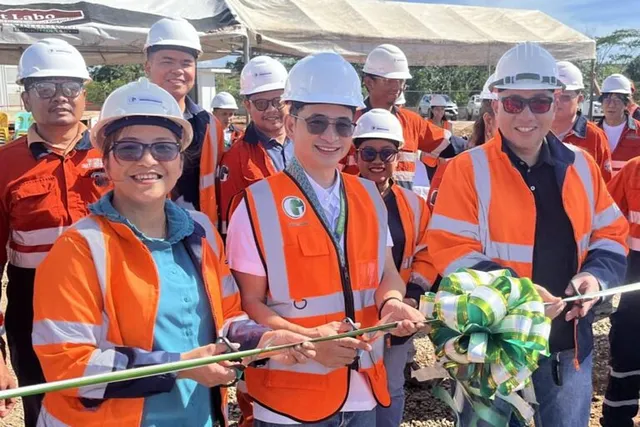
Construction of the solar facility is ongoing, with completion targeted by May 31. Once completed, the project will occupy about 15.65 hectares within the Siana Gold Project area.
The Siana Gold Project is located in the municipalities of Tubod, Mainit and Alegria in Surigao del Norte and is among the major mining operations under the TVIRD group.
Francis Glenn Suante, regional director of the Mines and Geosciences Bureau Region 13, described the project as the first large-scale solar farm established by a mining company in the Caraga Region to support operational power requirements.
“This Solar Farm Project is the first of its kind here in the Caraga Region where a mining company really put up a large-scale solar farm to help offset its energy requirements and strengthen its power supply,” Suante said in the company release.
Engr. Rico Hernandez, Greenstone Solar Farm project head, said the development reflects increasing integration between the mining and renewable energy sectors.
“I see this as a major milestone for the mining industry, showing that large-scale operations can effectively tie up with the renewable energy sector,” Hernandez said.
TVIRD said the project is being implemented in partnership with PAVI Green Renewable Energy Inc., which serves as the engineering, procurement and construction contractor for the facility.
The company said the solar initiative underscores the mining industry’s growing adoption of renewable energy technologies to support responsible resource development and long-term operational resilience.
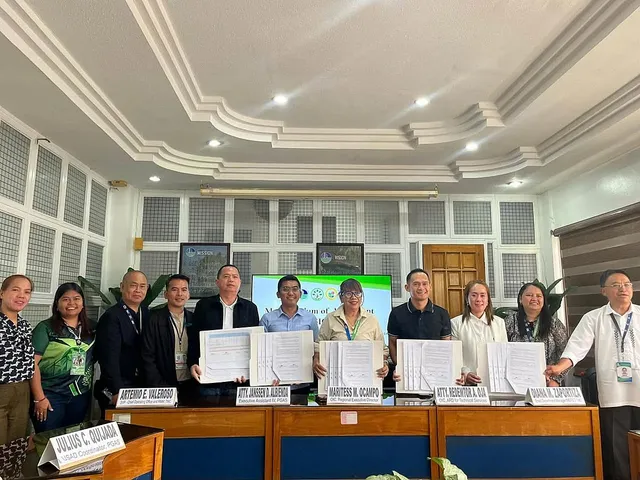
Taganito Mining Corporation has partnered with the Department of Environment and Natural Resources (DENR) Caraga Region and the Province of Agusan del Sur through the Upland Sustainable Agri-Forestry Development (USAD) Program for a ₱9.85-million greening and livelihood project in northeastern Mindanao.
The initiative, formalized through a memorandum of agreement, marks the first collaboration of its kind under the USAD Program and aims to integrate environmental protection with community-based livelihood development.
The three-year project will cover 50 hectares across Barangay Bakingking in Esperanza, Agusan del Sur, and Barangay Padiay in Sibagat, Agusan del Sur. Of the total area, 40 hectares will be devoted to coffee plantations, while the remaining 10 hectares will be planted with coffee, fruit-bearing trees and indigenous tree species.
TMC said the project seeks to improve forest cover, promote biodiversity and provide sustainable livelihood opportunities through agroforestry enterprises.
Artemio E. Valeroso, senior vice president and chief operating officer for responsible mining management of TMC, said the initiative demonstrates how mining companies can work alongside communities and other sectors for sustainable development.
“Pwede diay na mag-uban gyud ang mining, agriculture, any programs with the community… It’s about accountability and responsibility,” Valeroso said during the program.
Maritess M. Ocampo, officer in charge and regional executive director of DENR Caraga, said the project is expected to deliver long-term benefits to local communities.
“This project is for the people, who someday, somehow, lives will be changed,” Ocampo said.
TMC said the partnership highlights the role of multi-stakeholder collaboration in advancing inclusive growth and sustainable resource management while demonstrating how responsible mining practices can contribute to ecological and socio-economic development.
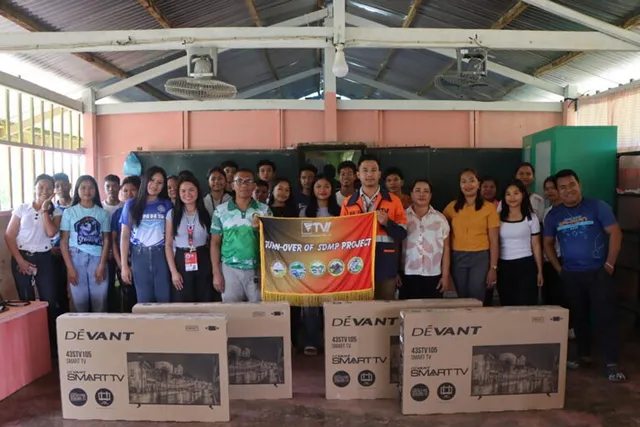
TVI Resource Development Philippines Inc. (TVIRD) has distributed 42 smart televisions to six public high schools in Bayog, expanding its education support from infrastructure to digital learning tools.
The initiative, implemented under the company’s Social Development and Management Program (SDMP), is aimed at enhancing classroom instruction by integrating multimedia and interactive content into daily lessons.
The turnover marks a shift in TVIRD’s community investments, moving beyond the construction of school facilities and provision of basic equipment toward technology-driven learning solutions. The company has previously supported the building of classrooms and distribution of instructional materials in its host communities.
Educators in recipient schools said the smart TVs will allow teachers to supplement traditional teaching methods with videos, presentations, and other digital resources, improving student engagement and comprehension—particularly for complex subjects.
Ryan Madamba, head of Supon National High School, described the devices as a “missing link” in classroom instruction, noting that they enable more efficient lesson delivery and reduce reliance on manually prepared visual aids.
School officials added that access to digital tools remains limited in many parts of Bayog, making the initiative critical in bridging learning gaps and improving access to educational materials. The integration of multimedia is also expected to foster critical thinking and adaptability among students in an increasingly technology-driven environment.
TVIRD said the program aligns with national education priorities and local development plans, supporting efforts to strengthen digital literacy at the basic education level while improving overall teaching conditions.
The Bayog municipality hosts TVIRD’s Balabag Gold-Silver Project, where the company has anchored its long-term community development initiatives, including education, infrastructure, and livelihood programs.
Philex Mining Corporation swung to a net loss of P592 million in the first quarter of 2026, reversing a profit a year earlier, as lower ore throughput and production at its Padcal mine dragged results, the company said.
The listed miner reported a core net loss of P281 million, compared with a core net income of P71 million in the same period last year. The decline was attributed to reduced milling volumes following restoration work on a damaged section of the Secondary/Tertiary crushing plant caused by a structural failure supporting ore bins.
Tonnes milled dropped 42 percent year on year to 931,000 tonnes, while gold output reached 2,227 ounces and copper output totaled 1,869 pounds. Revenues fell to P1.08 billion from P1.90 billion a year earlier, while operating costs stood at P1.42 billion.
Losses were partly cushioned by a surge in gold prices, with realized prices rising 92 percent year on year to $4,960 per ounce, the company said.
Philex said the first-quarter performance reflected “transitional mine conditions” and did not represent its steady-state operational profile. Repair work on the affected crushing plant section has been completed, with production throughput expected to normalize starting May 2026.
Meanwhile, the company reported progress on its Silangan project, where the underground mine and tailings storage facility are substantially complete. The processing plant is undergoing partial and progressive commissioning, with first gold and copper production now expected within 2026.
Philex said the timeline reflects a conservative approach as it develops what it described as the country’s first fully automated gold and copper oxide processing facility, including a maiden copper leaching process in the Philippines.
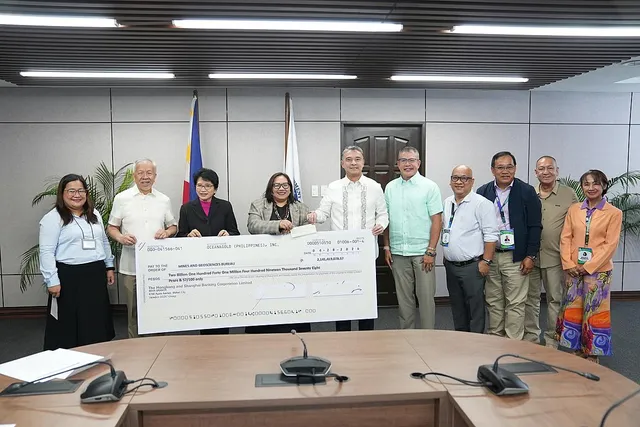
OceanaGold (Philippines), Inc. has significantly increased its contribution to the national treasury, remitting PHP 2.14 billion in additional government share (AGS) for fiscal year 2025 and formally turning it over to the Department of Environment and Natural Resources (DENR) through Secretary Juan Miguel “Mitch” Cuna, in accordance with the terms of its Financial or Technical Assistance Agreement (FTAA).
The latest remittance brings OceanaGold Philippines’ cumulative AGS contribution since 2023 to PHP 3.74 billion, underscoring how responsible mineral resource development can generate fiscal revenues to support national priorities and deliver tangible benefits to Filipino households.
The fiscal year 2025 AGS represents a 358.68-percent year-on-year increase from the PHP 466.86 million remitted in 2024 for fiscal year 2024, driven by strong operational performance and favorable market conditions.
The formal turnover of the AGS payment was held on April 28, 2026, at the DENR Central Office, witnessed by representatives from the DENR, the Mines and Geosciences Bureau (MGB), and other government stakeholders.
DENR Secretary Juan Miguel Cuna said: “This demonstrates that mining, when done responsibly, generates meaningful contributions to national development while ensuring direct benefits to the lives and livelihoods of host and neighboring communities.”
He added: “This additional government share reflects compliance with our regulatory framework, adherence to contractual obligations, and recognition that the state and its people are rightful partners in the utilization of our mineral resources.”
For OceanaGold Philippines, the increased AGS reflects the link between operational performance, environmental stewardship, and public value.
“The increase in our additional government share reflects how strong operational performance translates into greater value for the government and the Filipino people,” said Atty. Joan Adaci-Cattiling, president and general manager for social performance and external affairs.
“As our operations perform well, so does our contribution to the government’s fiscal space to support national priorities," she added.
The AGS remittance is in addition to other taxes and fees paid by the company in 2025, including PHP 1.78 billion in production taxes, PHP 2.81 billion in income tax, and PHP 506.9 million in local business taxes, reinforcing OceanaGold Philippines’ role as a contributor to both national and local government revenues.
“As the government’s contractor and steward of valuable mineral resources, we see ourselves as long-term partners in national and community development,” Adaci-Cattiling added.
“Responsible mineral resource development means balancing economic growth, environmental protection, and community well-being — kaagapay ng pamahalaan in building a stronger and more resilient nation.”
Blackstone Minerals Ltd. said a cease-and-desist order on its Mankayan copper-gold project in the Philippines has been lifted, clearing the way for exploration activities to resume and drilling for a pre-feasibility study to begin in the near term.
The order, issued by the municipal mayor of Mankayan, had previously halted exploration work by the company’s local affiliate, Crescent Mining & Development Corp.
Blackstone said the lifting of the order follows months of engagement with local communities, including indigenous groups, as well as regional and national government agencies.
The company plans to commence drilling in support of a pre-feasibility study, with up to 10 holes targeted, each averaging between 800 meters and 1,000 meters in depth. The program is designed to test extensions of high-grade zones, improve geological understanding of mineralized veins, and gather geotechnical and metallurgical data.
The Mankayan project hosts a JORC-compliant mineral resource of 793 million tonnes at 0.65% copper equivalent, containing an estimated 2.8 million tonnes of copper, 9.7 million ounces of gold, and 20.4 million ounces of silver, according to the company.
Within this, indicated resources total 638 million tonnes at 0.68% copper equivalent, including 2.3 million tonnes of copper, 8.2 million ounces of gold, and 18 million ounces of silver, providing a base for development studies.
The project is described as the fourth-largest undeveloped copper project in the Philippines and of international scale.
Additional workstreams supporting the pre-feasibility study include metallurgical test work, with results expected by mid-2026, as well as planned LiDAR surveys and UAV-based geophysical mapping to refine three-dimensional models and exploration targets.
Blackstone said it has received strong interest from engineering and consulting groups for the study, with contract awards expected following evaluation of proposals.
Executive Chairman Geoff Gilmour said the lifting of the order provides “a clear pathway forward” for advancing the project, adding that the company will continue engagement with stakeholders to support responsible development.
The Mankayan project is among the largest undeveloped copper-gold deposits in the country, ranking behind Tampakan, Far Southeast, and Kingking projects based on tonnage, according to industry data cited in the disclosure.
Semirara Mining and Power Corporation (SMPC) reported a 12% decline in first-quarter net income to ₱3.8 billion, as lower electricity generation and reduced coal shipments weighed on overall performance.
The integrated energy company said earnings fell from ₱4.4 billion in the same period last year, reflecting weaker plant performance and softer export demand for coal.
Coal production rose 4% year-on-year to 5.9 million metric tons (MMT), up from 5.7 MMT, supported by improved access to coal seams at the Narra mine, which is approaching depletion this year.
However, total coal shipments declined 4% to 4.5 MMT from 4.7 MMT, mainly due to lower export volumes, while domestic demand remained stable.
Average selling price (ASP) for Semirara coal was largely unchanged at ₱2,479 per metric ton, compared with ₱2,481 a year earlier, as a higher share of lower-grade shipments offset gains from stronger global coal benchmarks.
Global coal indicators showed mixed trends during the period, with the Newcastle Index rising 13% to $118.8 from $105.4, while the Indonesian Coal Index 4 increased 6% to $52.4 from $49.3.
On the power side, total electricity sales dropped 22% to 1,120 gigawatt-hours (GWh) from 1,427 GWh, driven largely by weaker plant output.
Sales were skewed toward contracted volumes, which accounted for 61% of electricity sold, with the remaining 39% dispatched to the spot market.
Despite lower volumes, the average electricity selling price rose 3% to ₱4.54 per kilowatt-hour from ₱4.42, supported by a higher share of contracted sales.
Spot electricity prices in the Luzon-Visayas grid declined 5% to ₱3.45 per kWh from ₱3.63, reflecting weaker demand in the Wholesale Electricity Spot Market (WESM).
As of March 31, about 49% of SMPC’s 860-megawatt dependable capacity was contracted, leaving 363.3 MW available for spot market sales after accounting for internal requirements.
SMPC, the Philippines’ largest coal producer, operates an integrated business model combining coal mining and power generation through its subsidiaries Sem-Calaca Power Corporation and Southwest Luzon Power Generation Corporation, supplying baseload electricity to the national grid.
Atlas Consolidated Mining and Development Corp. has started the year on a stronger footing, swinging back to profitability in the first quarter as improved operations and firmer commodity prices lifted earnings.
In a disclosure, the listed miner reported a net income of ₱645 million for the January-to-March period, reversing losses booked in earlier periods and signaling a recovery from operational headwinds tied to mine development and lower output.
The turnaround reflects a combination of higher production efficiency and a more favorable price environment for copper and gold—two commodities that remain central to Atlas Mining’s revenue base. Company officials said improvements in milling throughput and ore grades helped stabilize output, while cost controls contributed to better margins.
The result marks a notable shift from 2025, when the company faced earnings pressure amid softer revenues and elevated expenses linked to ongoing mine redevelopment activities. Those investments, while weighing on short-term performance, now appear to be supporting a more stable production profile.
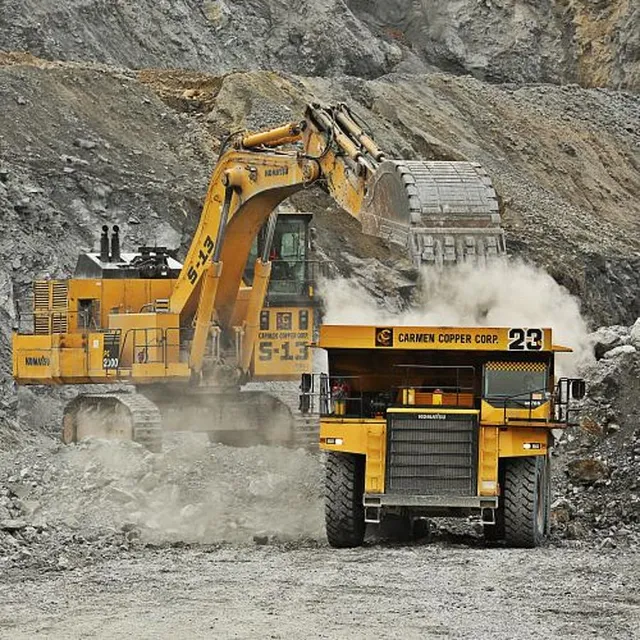
Atlas Mining operates the Carmen Copper mine in Cebu, one of the country’s largest copper producers. Like many miners, it has had to navigate a cyclical environment shaped by fluctuating global metal prices, operational disruptions and capital-intensive upgrades.
Industry watchers say the company’s latest numbers point to a broader trend of recovery in the Philippine mining sector, as firms benefit from sustained demand for base metals used in infrastructure, renewable energy and electrification projects.
Still, challenges remain. Mining companies continue to face cost pressures, regulatory scrutiny and the need for consistent output to sustain profitability. For Atlas, maintaining operational momentum will be key to ensuring that the first-quarter rebound is not just a one-off.
Looking ahead, the company is expected to focus on optimizing production, managing costs and leveraging favorable market conditions. Whether the turnaround can be sustained over the rest of the year will depend on both internal execution and external factors, particularly global commodity price movements.
For now, Atlas Mining’s return to the black offers a welcome sign of resilience—and a reminder of how quickly fortunes in the mining sector can change.
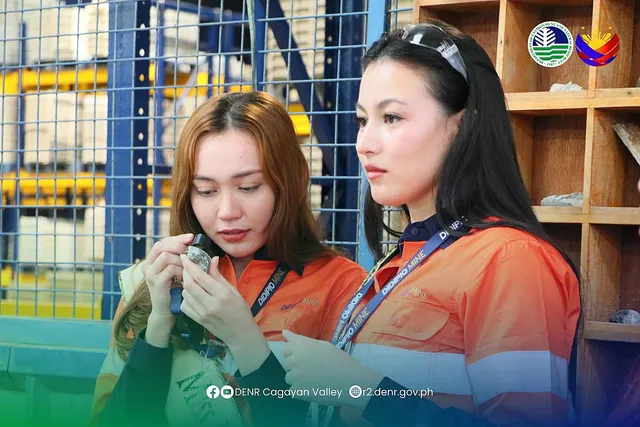
The Department of Environment and Natural Resources (DENR), in partnership with Miss Philippines Earth, marked Earth Day with the launch of an Eco-Explorer activity dubbed “Geologist for a Day” on April 22, 2026.
The initiative aimed to give environmental advocates and partners a deeper understanding of the role of geologists in studying Earth processes, managing natural resources, and supporting environmental protection and community development.
Participants included Miss Philippines Earth-Fire 2025 Kate Gatpandan and Miss Philippines Earth-Water 2025 Austhrie Sanchez, who took part in guided field activities simulating the day-to-day responsibilities of geologists.
Through the immersive experience, the participants gained insights into how geologists assess mineral resources, analyze geological formations, and contribute to science-based decision-making for sustainable development, the DENR said.
The Eco-Explorer program is part of the agency’s broader effort to showcase its core functions and raise awareness of the work carried out by geologists, foresters and wildlife protection officers.
The event was spearheaded by the DENR’s Strategic Communication and Initiatives Service and the Mines and Geosciences Bureau Central Office, in collaboration with OceanaGold Philippines Inc., as well as DENR and MGB Region 2.
The DENR said the initiative reinforces its commitment to public engagement and environmental education, in line with its “Tayo ang Kalikasan” advocacy.
The Mines and Geosciences Bureau (MGB) MIMAROPA Region has formalized a multi-stakeholder effort to rehabilitate the Palawan Wildlife Rescue and Conservation Center (PWRCC), marking a key milestone under its flagship “Magbigay Gaan sa Buhay – Project Connect.”
The memorandum of understanding (MOU) was signed on April 22 in Makati City, bringing together operating mining firms in the region, including Berong Nickel Corporation, Coral Bay Nickel Corporation, Citinickel Mines and Development Corporation, Graymont (Philippines) Inc., Ipilan Nickel Corporation, and Rio Tuba Nickel Mining Corporation.
The agreement formalizes commitments from stakeholders to support the rehabilitation and enhancement of the PWRCC, a facility dedicated to wildlife protection, conservation and environmental education in Palawan.
MGB said the initiative reflects efforts to go beyond its regulatory mandate by fostering partnerships that deliver long-term benefits to communities and ecosystems. It added that the program builds on earlier milestones under Project Connect, including the publication of “Minerals to Milestones,” a coffee table book documenting best practices in responsible minerals development in Palawan.
MGB MIMAROPA Regional Director Felizardo A. Gacad Jr. underscored the importance of collaboration in achieving sustainable development goals, saying progress is best driven by collective action.
Meanwhile, Natural Resources Development Corporation President Benjamin D. Turgano emphasized the value of “convergence with purpose,” noting that coordinated efforts among institutions, industries and stakeholders can yield more sustainable and impactful outcomes.
The event also featured a presentation of proposed rehabilitation initiatives for the PWRCC, including facility upgrades, improved access and environmental enhancement measures aimed at strengthening its capacity for wildlife care and conservation.
MGB said the agreement highlights a growing partnership between government and the mining industry, reinforcing a shared commitment to responsible resource development and environmental stewardship.
The bureau added that Project Connect will continue to advance collaborative and inclusive initiatives designed to deliver lasting impact across the MIMAROPA region.
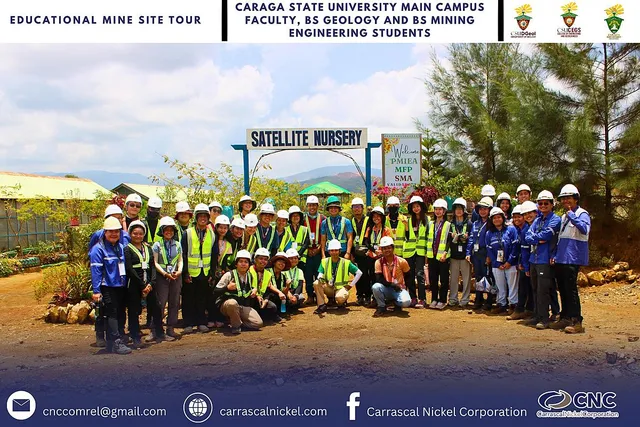
Carrascal Nickel Corporation (CNC) welcomed students and faculty from Caraga State University for an educational mine visit on April 21, 2026, as part of efforts to strengthen industry-academe collaboration.
A total of 28 participants — 26 students and two faculty members from the university’s Department of Geology — took part in the activity, which was conducted at CNC’s mining site in Carrascal. The visit formed part of the students’ coursework under GEOL 112: Mineral Deposits.
Among the participants were two Bachelor of Science in Mining Engineering students who conducted field data gathering in support of their undergraduate theses.
The visiting faculty members were Riva Karyl P. Varela, chairperson of the Department of Geology, and Nichole Anthony D. Pacle, assistant professor.
CNC said the visit aimed to provide students with hands-on exposure to actual mining operations, allowing them to deepen their understanding of mineralization processes, resource extraction, and industry practices.
Company personnel facilitated the site tour and delivered briefings on responsible mining, highlighting the firm’s social development programs, safety protocols, and environmental management measures.
CNC expressed appreciation to the university for selecting its operations as a learning venue and said it hopes the experience will contribute to the students’ academic and professional development.
The company added that it remains committed to supporting education and building partnerships with academic institutions by offering opportunities that bridge classroom learning with real-world industry exposure.
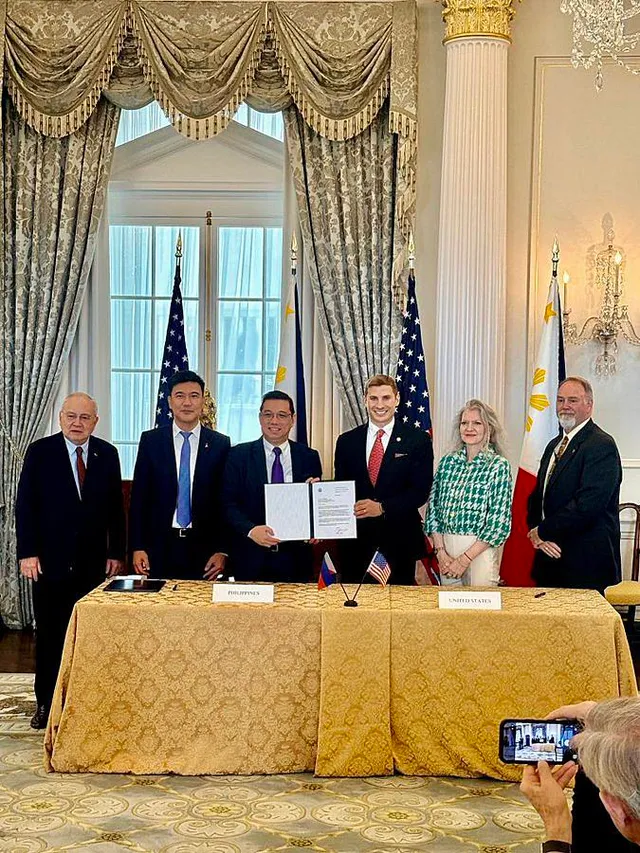
The United States and the Philippines have announced plans to establish a 4,000-acre economic security zone aimed at strengthening supply chains in critical minerals, semiconductors and advanced manufacturing, the US Department of State said.
The proposed industrial hub, to be located within the Luzon Economic Corridor, is envisioned as a platform for allied manufacturing and investment under the US-led Pax Silica initiative, a framework designed to secure technology supply chains across partner countries.
In a statement, the State Department said the project would serve as “a purpose-built platform for allied manufacturing” and support efforts to deepen cooperation in key sectors, including electronics and high-tech goods.
The two countries are “committed to strengthening shared supply chains in critical minerals, semiconductors, electronics, and other goods,” it added.
The Philippines recently joined Pax Silica, becoming the 13th participant in the initiative, which focuses on building secure and resilient supply chains spanning minerals, advanced manufacturing, artificial intelligence and data infrastructure.
The planned zone is expected to rise in New Clark City, a government-developed area north of Manila, and will form part of broader efforts by the United States, the Philippines and Japan to boost infrastructure investment in the Luzon Economic Corridor.
US officials described the project as a new model for “AI-native investment acceleration,” combining American expertise in regulation and dispute resolution with the Philippines’ workforce, natural resources and strategic location in the Indo-Pacific.
The initiative reflects Washington’s push to reduce dependence on rival economies and strengthen supply chain resilience among allied nations, particularly in sectors critical to emerging technologies.
Philippine authorities, including the Bases Conversion and Development Authority, are assessing land availability and other requirements for the project, with further details expected as discussions progress.
The planned hub underscores deepening economic ties between Manila and Washington, expanding cooperation beyond defense into industrial development and technology supply chains.
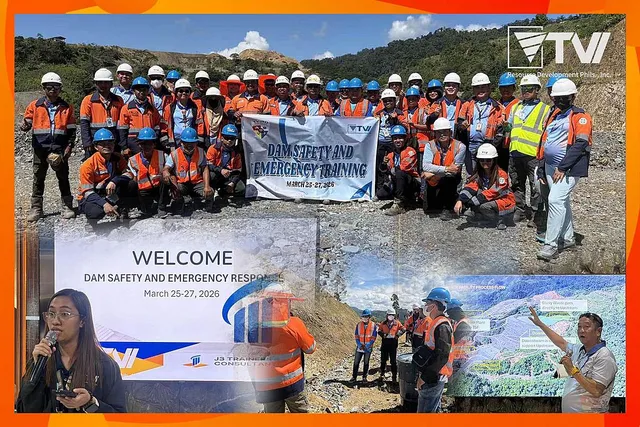
TVI Resource Development Philippines Inc. has completed a three-day dam safety and emergency response training for its Balabag Gold and Silver Project, reinforcing preparedness among employees, regulators, and host communities.
The training, held from March 25 to 27, aimed to strengthen knowledge and response capabilities in handling dam-related emergencies, particularly those involving tailings storage facilities critical to mining operations.
Facilitated by J3 Trainers and Consultants Inc., the program gathered 37 participants from various company departments, along with representatives from the Mines and Geosciences Bureau, the Municipal Disaster Risk Reduction and Management Office, and members of host and neighboring communities.
A key highlight of the activity was the field inspection of the project’s tailings storage facility, where technical experts presented its current condition and demonstrated the safety measures implemented in line with industry standards.
Participants also engaged in interactive sessions, including group presentations and post-training assessments, with awards given for best presentation and highest post-test scores to encourage participation.
Located in Bayog, Zamboanga del Sur, the Balabag Gold and Silver Project is a surface gold-silver operation and one of TVIRD’s flagship assets. The project has contributed to local economic development through employment, infrastructure support, and community programs, while operating under government-approved environmental and safety regulations.
The company said the training forms part of its continuing efforts to strengthen its safety culture and ensure that operations are conducted responsibly, with close attention to the welfare of workers and surrounding communities.
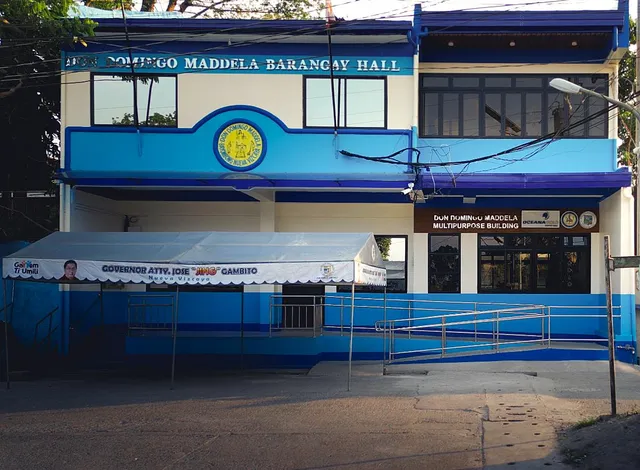
OceanaGold Philippines Inc. has turned over a two-storey multi-purpose building to Barangay Don Domingo Maddela in Bayombong, Nueva Vizcaya, providing a new community facility powered by renewable energy.
The building, which uses a hybrid solar system, is expected to benefit more than 1,000 residents by serving as a venue for community meetings, livelihood programs, youth activities and essential public services.
The solar installation allows the facility to reduce electricity costs, minimize outages and maintain operations even during power interruptions, supporting continuous service delivery.
The project also provides a dedicated space for barangay assemblies, training sessions and community programs, replacing the need for temporary or overcrowded venues.
With its upgraded structure and expanded capacity, the facility is designed to accommodate multiple activities simultaneously, improving efficiency and accessibility for residents.
The project was implemented in partnership with the Local Government Unit of Bayombong to ensure alignment with community needs and shared responsibility in managing the facility.
Located in Nueva Vizcaya, Barangay Don Domingo Maddela is expected to benefit from the improved infrastructure as part of broader efforts to support sustainable and community-driven development.
The Mines and Geosciences Bureau is strengthening its offshore mineral exploration capabilities, as its Marine Geology and Survey Division (MGSD) advances what it describes as a “blue frontier” initiative anchored on new discoveries and technical training.
In a recent program, the bureau rolled out a training initiative on GEOVIA Surpac, a widely used geology and mine planning platform, to enhance the technical capacity of its geologists and engineers in handling complex resource modelling and marine datasets.
The MGB said the initiative supports its push to better understand and develop offshore mineral resources, an area seen as a potential growth frontier for the country’s mining sector.
The Surpac training covered key competencies, including geological database creation, 3D modelling and resource estimation—tools considered critical in evaluating mineral deposits and planning extraction strategies. Such software enables users to analyse spatial geological data and generate models for resource assessment and mine design.
Officials said building in-house expertise is essential as offshore exploration presents more complex technical and environmental challenges than traditional land-based mining.
The bureau noted that the MGSD has been ramping up efforts to map and assess marine mineral potential, aligning with its broader mandate to manage and develop the country’s mineral resources sustainably.
The training initiative also forms part of the MGB’s continuing professional development programmes aimed at equipping personnel with industry-standard tools and methodologies, ensuring that government-led exploration keeps pace with global mining practices.
The MGB, an attached agency of the Department of Environment and Natural Resources, is tasked with overseeing mineral resource development and geohazard assessment in the Philippines.
Follow on LinkedIn:
Philippine Resources Journal
Be the "First" to get our exclusive Digital Magazine & Weekly Newsletter.