
April 13, 2026

Jobin-SQM Inc. (JSI), a subsidiary of Nickel Asia Corporation’s clean energy arm, Emerging Power Inc. (EPI), recently turned over ₱4.44 million to the Peninsula Electric Cooperative, Inc. (PENELCO) to fund the expansion of critical power infrastructure in Bataan.

The infrastructure project focuses on the extension of distribution lines in selected areas of Limay, Bataan, with primary emphasis on Sitio Duale and Sitio Daang Bangka. By establishing these connections, JSI and PENELCO aim to bridge the energy gap for local residents and improve overall grid stability in rural communities.

In his message, EPI Head of Operations and Maintenance Noel F. Raza emphasized that the turnover is a core part of the company’s responsibility to its host province and highlights JSI’s commitment to ensuring that host communities directly benefit from its operations. He also highlighted PENELCO’s vital role in delivering these benefits on the ground, especially in areas where access to electricity remains a challenge.

EPI Head of Trading and Sales Raymond Joseph A. Marqueses described the line extensions as a catalyst for local progress and an essential component in improving quality of life in the region. He also reaffirmed JSI’s commitment to supporting inclusive and sustainable development through meaningful partnerships such as this.

PENELCO leadership, represented by President Dianna Jeanne Cajucon and General Manager Ellaine De Guzman, expressed deep appreciation for JSI’s commitment to rural electrification. They assured the public that the funds would be used with integrity to ensure the new power lines deliver lasting service to the people of Bataan.

Sourced from the Department of Energy’s ER 1-94 Electrification Fund, the initiative provides the primary and secondary distribution lines needed to deliver reliable electricity to households in previously underserved areas.

This partnership between JSI and PENELCO underscores a shared mission to advance sustainable development. By prioritizing the expansion of the energy network, both organizations continue working toward a future where every community in Bataan has access to dependable and sustainable power.

April 10, 2026

In an industry often scrutinized for its environmental footprint, FCF Minerals Corporation is positioning itself as a case study in how large-scale mining operations can integrate rehabilitation and reforestation into core operations rather than treat them as an afterthought.

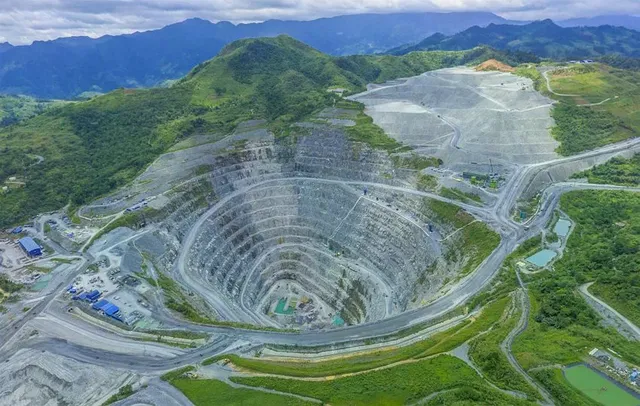
As of the fourth quarter of 2025, the company reported that it had managed and monitored 290.56 hectares of disturbed land within its 3,093.51-hectare Financial and Technical Assistance Agreement (FTAA) area, while progressively restoring affected sites through structured environmental programs.

At the center of these efforts is its Mine Environmental Protection and Enhancement Office, which oversees rehabilitation planning, nursery development, and reforestation implementation. The company has established a 1.41-hectare nursery dedicated to producing high-quality seedlings to sustain long-term rehabilitation activities.

That investment is beginning to show scale. By end-2025, FCF had planted and donated a total of 4,109,485 seedlings across various programs, both within and beyond its FTAA area—an approach that extends environmental impact into surrounding communities.

A key driver of these gains is the government-backed Mining Forest Program, under which mining companies are required to reforest disturbed areas at a minimum ratio of one hectare rehabilitated for every hectare affected. FCF has exceeded this requirement, achieving a 1:2 replacement ratio equivalent to 157.24% compliance.

In practical terms, this has translated into 907.173 hectares of forest cover established under the program, signaling not only regulatory compliance but a deliberate effort to accelerate ecological recovery.

Rehabilitation work within the mine site is progressing alongside these broader reforestation initiatives. The company reported that 73.55 hectares of disturbed land had already been rehabilitated as of Q4 2025, with a further 68.25 hectares scheduled for restoration under its Final Mine Rehabilitation and Decommissioning Plan.

Over the full life of the mine, total rehabilitation coverage is projected to reach 153.49 hectares—underscoring a long-term commitment that extends beyond active extraction phases.

Industry observers note that such figures reflect a shift in how mining firms in the Philippines are responding to tightening environmental standards and increasing stakeholder expectations. Beyond compliance, companies are under growing pressure to demonstrate measurable environmental outcomes and community benefits.

For FCF, the emphasis on nursery development, large-scale seedling production, and progressive rehabilitation suggests a more integrated environmental management model—one that links operational activities with ecosystem restoration.

The company’s approach also highlights the role of reforestation in climate resilience, particularly in regions vulnerable to soil erosion, flooding, and biodiversity loss. By restoring forest cover and stabilizing previously disturbed land, rehabilitation efforts contribute to both environmental protection and community sustainability.

While challenges remain in ensuring long-term survival rates of planted trees and maintaining rehabilitated areas, the scale and pace of FCF’s programs indicate a sustained push toward greener post-mining landscapes.

As mining continues to play a significant role in the Philippine economy, initiatives such as these point to an evolving industry narrative—one where extraction and environmental stewardship are increasingly expected to go hand in hand.

April 10, 2026

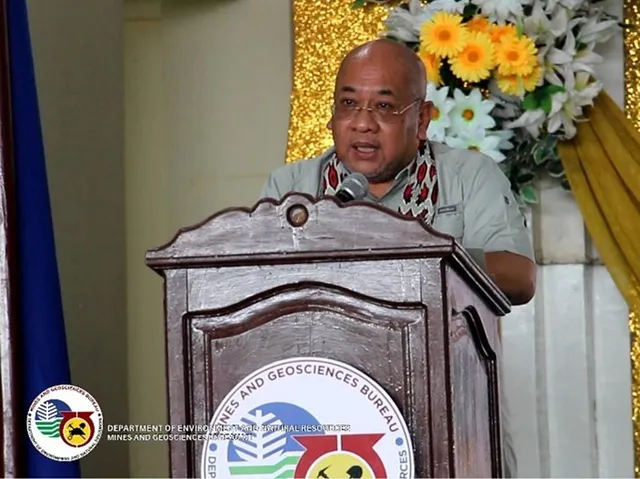
The Mines and Geosciences Bureau has launched a mobile one-stop shop initiative aimed at bringing small-scale miners into the formal and regulated sector, with the first rollout held over two days in South Cotabato.

The activity marks the pilot implementation of Department Administrative Order No. 2026-08, which provides for the issuance of Interim Small-Scale Mining Contracts.

Under the program, government services were delivered directly to mining communities to streamline application processes and improve compliance with regulatory requirements.

More than 340 small-scale miners and stakeholders attended the event, which included participation from several government agencies such as the National Commission on Indigenous Peoples, Department of Trade and Industry, Cooperative Development Authority, Bureau of Internal Revenue, Bangko Sentral ng Pilipinas, Land Bank of the Philippines, Department of Labor and Employment and the Environmental Management Bureau.

Participants received technical briefings, occupational safety and health training, and guidance on documentary requirements for securing permits and contracts. Demonstrations on responsible and environmentally sound mining practices were also conducted, including safer methods for gold recovery.

A key outcome of the activity was the awarding of seven Interim Small-Scale Mining Contracts covering areas in South Cotabato and Sultan Kudarat, benefiting around 200 miners.

The issuance of these contracts is expected to support the formalization of small-scale mining operations and ensure compliance with environmental, safety and regulatory standards.

The initiative also improved access to formal gold markets. During the event, gold produced by one participating mining group was sold to a buyer accredited by the Bangko Sentral ng Pilipinas, demonstrating a more transparent and secure marketing channel for small-scale miners.

The program forms part of broader efforts by the Department of Environment and Natural Resources to make government services more accessible while strengthening oversight and accountability in the mining sector.

Following the initial rollout, the Mines and Geosciences Bureau is set to expand the pilot implementation to Agusan del Sur in April, Camarines Norte in May, and Davao de Oro and Benguet in May or June.

Environment Secretary Juan Miguel T. Cuna has underscored the need to expand formalization mechanisms for small-scale mining, particularly outside declared Minahang Bayan areas, while ensuring systems remain efficient, inclusive and responsive to community needs.

April 10, 2026

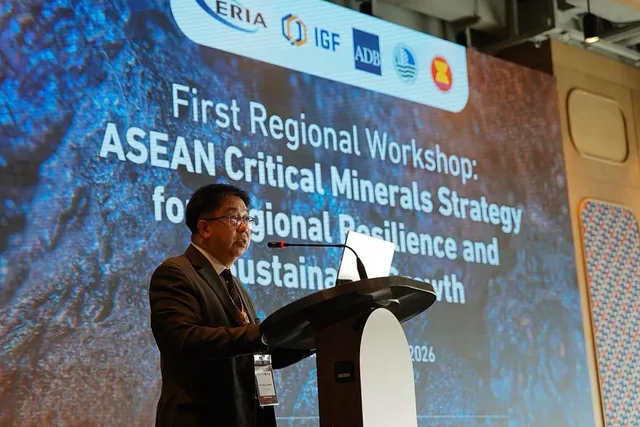
The Philippines has taken a leading role in advancing a regional framework for critical minerals, as it hosted the first workshop on the ASEAN Critical Minerals Strategy for Regional Resilience and Sustainable Growth.

The two-day workshop, held on March 30–31 at the 25hours Hotel The Oddbird, forms part of a priority economic deliverable under the Philippines’ chairmanship of the Association of Southeast Asian Nations for 2026.

Through the Mines and Geosciences Bureau of the Department of Environment and Natural Resources, the Philippines underscored its commitment to strengthening regional mineral supply chains amid rising global demand for resources critical to the energy transition.

The initiative, identified as Priority Economic Deliverable No. 6, seeks to establish a cohesive framework to support regional resilience and sustainable growth, particularly in the development and management of critical minerals.

Delegates from all 11 ASEAN member states, the ASEAN Secretariat and development partners participated in the workshop. These included the Economic Research Institute for ASEAN and East Asia, the Intergovernmental Forum on Mining, Minerals, Metals and Sustainable Development and the Asian Development Bank.

Discussions focused on defining what constitutes critical minerals within the ASEAN context and identifying key indicators of mineral criticality. Participants also benchmarked international frameworks and methodologies while aligning with the ASEAN Minerals Development Vision 2045 and the ASEAN Minerals Cooperation Action Plan (AMCAP) IV for 2026–2030.

The outcomes of the workshop will form the basis for developing a methodology to identify a list of high-priority critical minerals for the region. This list will undergo further consultation with relevant line ministries during a second regional workshop.

The agreed definition and mineral list are also expected to inform the ASEAN Critical Minerals Policy Brief, which will outline strategic directions, cooperation priorities and recommendations, including financing mechanisms to support responsible investment in the sector.

Outputs from the initiative will be elevated to the ASEAN Senior Officials Meeting on Minerals and the ASEAN Ministerial Meeting on Minerals in October 2026. Final adoption is targeted during the ASEAN Summit in November 2026.

The strategy is expected to serve as a blueprint for strengthening regional resilience, promoting sustainable economic growth and deepening economic integration across ASEAN.

April 09, 2026

Mining operations in the Philippines operate under some of the most demanding conditions in Southeast Asia. High-abrasion ore, chemically aggressive slurries, heavy vibration, and continuous production schedules place extreme stress on equipment and plant infrastructure. For maintenance teams, the challenge is not only repairing damage but doing so safely, quickly, and cost-effectively.

Among the wide range of composite repair technologies available today, three Belzona solutions stand out for addressing the most common maintenance problems in Philippine mining operations: abrasion in slurry pumps, damage to rubber conveyor belts, and deterioration of concrete equipment foundations.

Abrasion Protection for Slurry Pumps

Slurry pumps are critical components in mineral processing plants, transporting abrasive mixtures of ore and water under high pressure. Impellers, casings, and internal wear surfaces are constantly exposed to erosive attack, leading to premature failure and costly downtime.

Belzona’s ceramic-filled composite systems, particularly Belzona 1812 and related abrasion-resistant materials, provide an engineered alternative to repeated part replacement. These systems allow worn components to be rebuilt in situ and lined with a seamless protective barrier that withstands severe particle erosion.

Unlike welding or traditional metal repair methods, Belzona’s cold-applied systems eliminate the need for hot work permits and reduce safety risks. Fast-curing characteristics also shorten shutdown duration. For mining operators in copper, nickel, and gold processing plants, this translates into extended pump life, reduced spare parts consumption, and lower lifecycle maintenance costs.

Elastomer Repair for Rubber Conveyor Belts

Conveyor systems form the backbone of ore handling operations. Damage to rubber belts, whether from impact, tears, or localized wear, can disrupt production and result in significant financial losses.

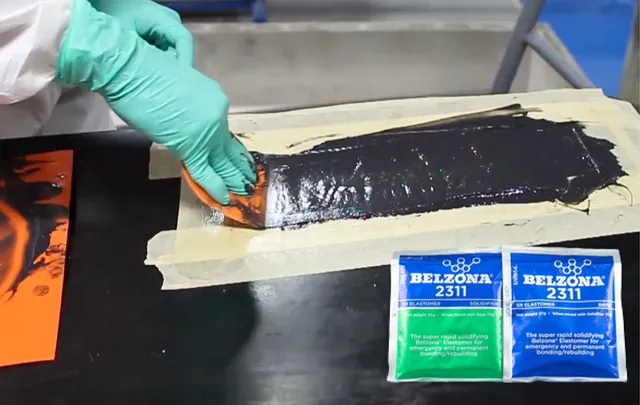
Belzona elastomer repair systems, such as Belzona 2311, are designed for rapid, in-situ restoration of damaged rubber components. These high-performance elastomers bond strongly to rubber substrates and maintain flexibility under dynamic loading conditions.

Rather than waiting for belt replacement or vulcanization services, maintenance teams can perform emergency repairs on-site, minimizing operational interruption. This capability is particularly valuable in remote mining areas in Mindanao and Luzon, where logistics and replacement lead times can delay conventional repairs.

By extending the usable life of belts and reducing unplanned stoppages, Belzona elastomer systems provide both operational resilience and measurable cost savings.

Structural Concrete Repair for Equipment Foundations

Heavy rotating equipment such as crushers, mills, and vibrating screens impose continuous mechanical stress on their concrete foundations. Over time, cracking, spalling, and surface deterioration can compromise structural integrity and alignment stability.

Belzona 4111 (Magma-Quartz) offers a high-strength, epoxy-based concrete repair solution specifically engineered for industrial environments. It bonds exceptionally well to existing concrete, restores original profiles, and resists abrasion and chemical exposure.

Unlike conventional cementitious patching materials, Belzona composite systems provide superior adhesion and long-term durability. Repairs can be carried out without major demolition, allowing faster reinstatement of critical equipment.

For mining facilities across the Philippines, this means improved structural reliability, reduced vibration-related failures, and extended foundation service life.

Across slurry handling, material transport, and structural repair, Belzona composite systems offer mining companies a safer, faster, and more durable maintenance alternative. By reducing downtime, eliminating hot work risks, and extending asset life, these technologies support improved operational efficiency in one of the country’s most vital industries.

As Philippine mining continues to modernize and expand, adopting advanced composite repair solutions will remain a key component of a sustainable and cost-effective maintenance strategy.


Wise Industrial Systems, Inc. is the sole authorized distributor of Belzona in the Philippines. Contact: ccaraneta@wise-indl.com or 0917 845 8098.
April 09, 2026

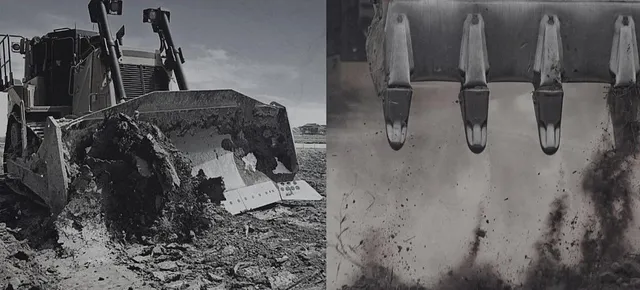
In mining and heavy construction, downtime is more than an inconvenience — it’s a cost. Productivity, efficiency, and safety all depend on the performance of the ground engaging tools working at the front line of every machine. From extreme abrasion to high-impact loading conditions, equipment components must perform under constant pressure.

That’s where Valley Blades Limited delivers.

For decades, Valley Blades has been engineering and manufacturing high-performance wear parts designed specifically for demanding environments. With advanced heat treatment capabilities, precision manufacturing processes, and strict quality control standards, every component is built with durability and longevity in mind.

Our mining teeth are designed to withstand the harshest digging conditions. In high-impact, high-abrasion applications, consistent penetration and extended wear life are critical. By combining premium alloy materials with controlled heat treatment processes, we deliver superior strength and structural integrity — maximizing uptime and reducing changeout frequency.

Grader blades and links require a balance of toughness and edge retention. Precision cutting performance is essential for maintaining grade accuracy while minimizing wear. Our blades are engineered for consistent hardness throughout the working surface, ensuring reliable performance even in challenging terrain.

Construction teeth demand versatility. Whether in infrastructure development, site preparation, or heavy civil work, dependable wear parts keep machines productive. Our construction tooth systems are designed to optimize penetration, reduce fuel consumption, and maintain structural strength in daily applications.

Dozer edges must handle continuous pushing forces and abrasive materials. Built from high-strength steel and manufactured to exacting tolerances, our dozer edges provide exceptional wear resistance and impact durability — delivering performance operators can rely on, shift after shift.

At Valley Blades, manufacturing is not just about producing parts — it’s about producing confidence. Every product is designed to help contractors and mining operators extend service life, lower cost per hour, and improve overall equipment efficiency.

We understand that performance on paper means nothing without performance in the field. That’s why our products are trusted across North America and international markets, where operating conditions are among the toughest in the world.

Now, through our exclusive partnership with Uptime in the Philippines, mining and construction companies throughout the region have direct access to premium wear parts backed by responsive local support. Uptime brings industry knowledge, service expertise, and a commitment to helping customers maintain productivity in even the most demanding projects.

Together, Valley Blades and Uptime are committed to delivering strength, precision, and reliability where it matters most — at the cutting edge.

Because in mining and construction, durability drives productivity. And productivity drives success.


For product inquiries, you may reach us through the following:

Landline: +632 8 687 1000 loc. 397
Mobile: 0915 069 2676 | 0949 137 4108
Email:
uptimeearthmovingsolutionsinc@gmail.com
Website: www.uptimeearthmoving.com
Facebook: https://www.facebook.com/uptimeearthmovingsolutioninc
LinkedIn: https://www.linkedin.com/company/uptimeearthmovingsolutioninc
Office: Unit D, 10th Flr., CyberOne Bldg., 11 Eastwood Ave., Bagumbayan, Quezon City

For VBL product and company videos, you may visit:
https://www.youtube.com/watch?v=xwq9gPCdX7I
April 09, 2026

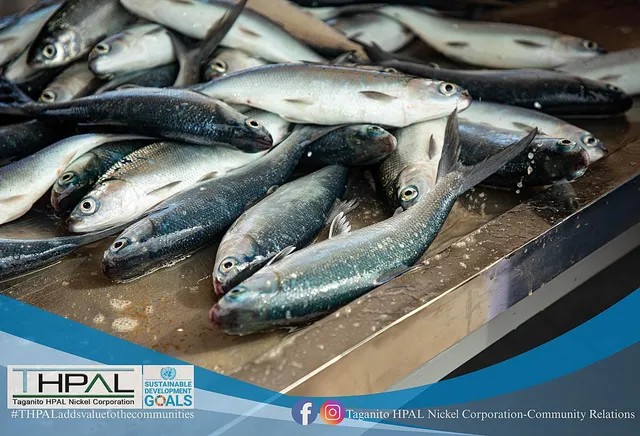
 The Urbiztondo-Capangdan Fisherfolk Association (URCAFA), a people’s organization supported by Taganito HPAL Nickel Corporation (THPAL), successfully completed its first harvest of 4.9 metric tons of fresh, high-quality milkfish (bangus) on January 27, 2026.

The harvest was witnessed by THPAL’s Livelihood Team and the Barangay Local Government Unit (BLGU) of Urbiztondo.

The activity forms part of THPAL’s Social Development and Management Program (SDMP) livelihood projects.

To kick-start the mariculture initiative, THPAL turned over one unit of a Norwegian marine fish cage, 20,000 bangus fingerlings, and fish feed to URCAFA on September 2, 2025.

THPAL’s mariculture project reflects the company’s commitment to supporting the Municipality of Claver’s food security goals while providing sustainable livelihood opportunities for local fisherfolk.

The harvested milkfish were sold directly to identified buyers, ensuring market access, fair pricing, and reduced post-harvest losses.

This approach maximized income for URCAFA members and strengthened their confidence in managing market-oriented livelihood enterprises.

URCAFA officers and members expressed their gratitude to THPAL and the BLGU of Urbiztondo for the technical assistance, logistical support, and continuous guidance that contributed to the project’s success.

They emphasized that strong partnerships such as these help build resilient, self-reliant communities.

This milestone highlights a shared vision of inclusive and sustainable development, achieved through collaboration among industry, local government, and community organizations.

April 07, 2026

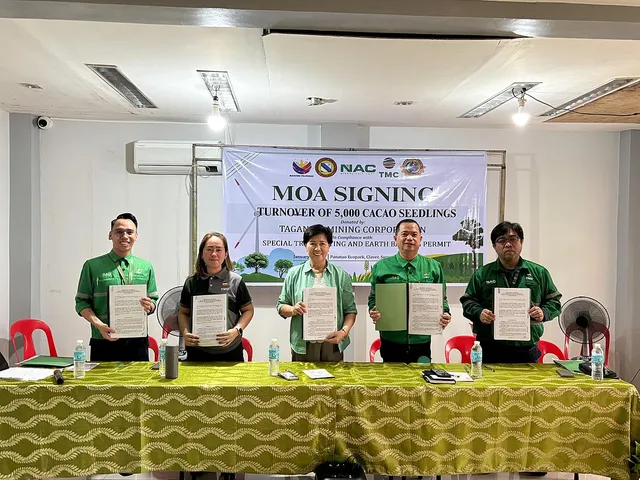
To strengthen local agriculture and expand livelihood opportunities for farmer-beneficiaries, Taganito Mining Corporation (TMC) turned over 5,000 cacao seedlings to the Municipal Government of Claver through a memorandum of agreement (MOA) signing held at Panatao Ecopark on January 8, 2026.

Leading the turnover were Claver Mayor Georgia Gokiangkee and TMC management, headed by Senior Vice President, Chief Operating Officer and Resident Mine Manager Artemio Valeroso.

They were joined by Mine Environment Protection and Enhancement Office Manager Diane Zaportiza, Land Resource and Development Section Head Charesma Exclamado, Community Relations Manager Mark Vincent Junel Felias, as well as representatives from the Municipal Agriculture Office and farmer-beneficiaries from stakeholder barangays.

In his message, Valeroso expressed optimism about cacao as a high-value crop and said TMC committed to supporting the initiative after learning of farmers’ interest in expanding cacao production.

“I look forward to the day when we can proudly say that we are part of Claver’s cacao plantation, with locally grown cacao eventually being distributed across the country and overseas,” Valeroso said.

He underscored the role of responsible mining companies as partners in community development, noting cacao farming can provide sustainable income for farmers within three to five years.

Gokiangkee welcomed the initiative as a timely boost to Claver’s agricultural sector at the start of the year and thanked TMC for its continued partnership in creating livelihood opportunities for local communities.

She recalled earlier cacao plantings in the municipality showed promising growth but were later affected by the COVID-19 pandemic and the devastation caused by Typhoon Odette, emphasizing the need to revitalize the program.

She added the LGU has conducted site assessments in several barangays to identify suitable areas for cacao expansion, highlighting the importance of collaboration among farmers, the local government and private partners to ensure the project’s success.

“Karon, kinahanglan nato bangonon pag-usab ang atong cacao,” Gokiangkee said, citing strong global demand for cacao and chocolate.

Known globally as the “food of the gods,” cacao is a high-value crop widely used in the food, cosmetics and pharmaceutical industries. With strong and growing market demand, cacao production presents a promising driver of inclusive and sustainable economic growth for Claver.

April 07, 2026

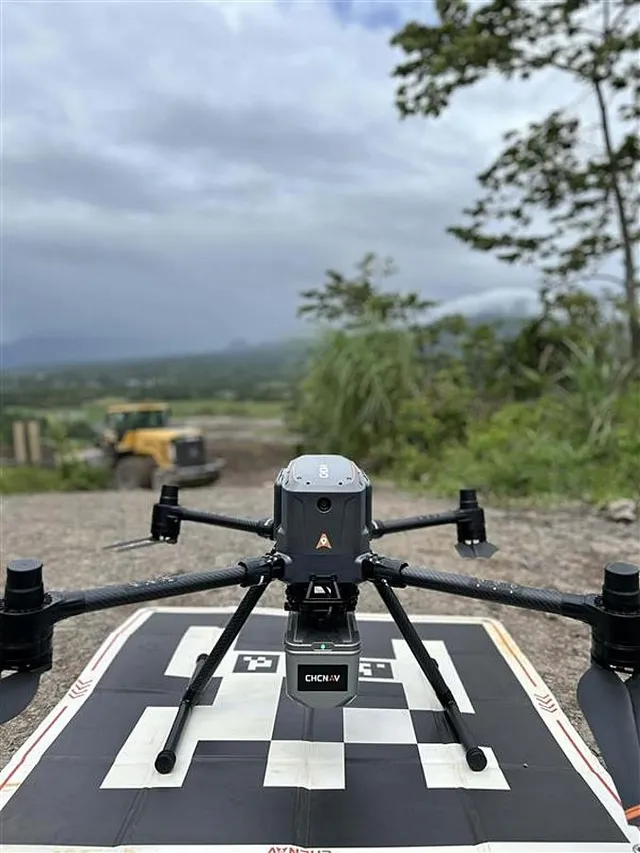
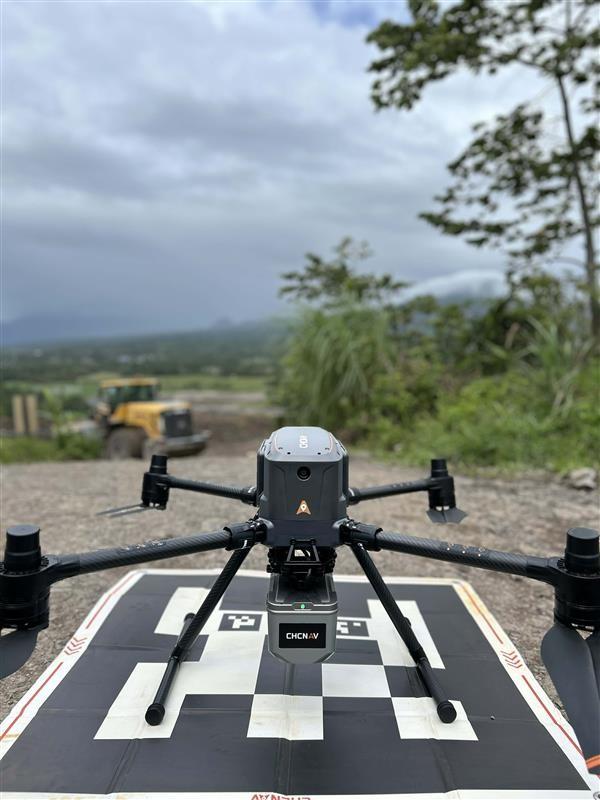
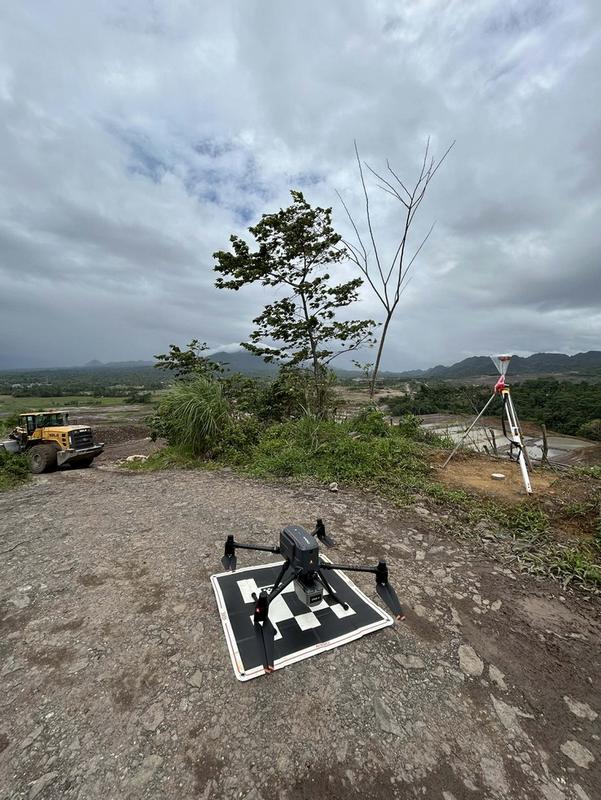
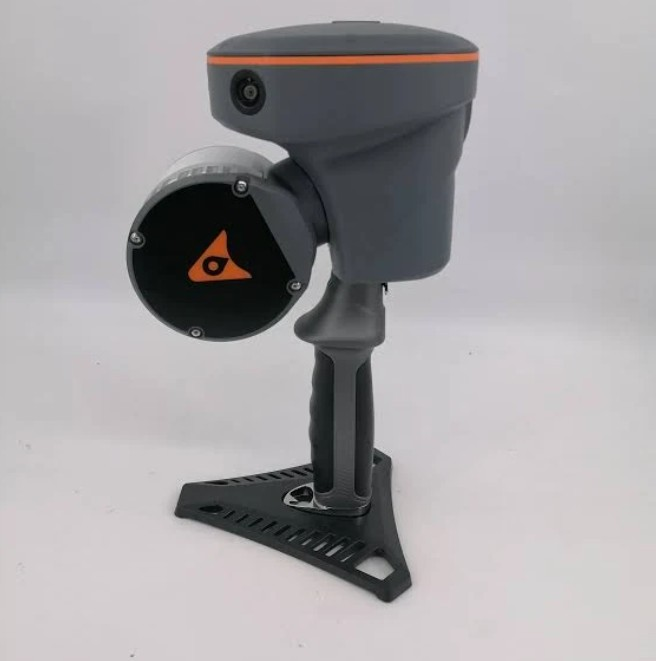
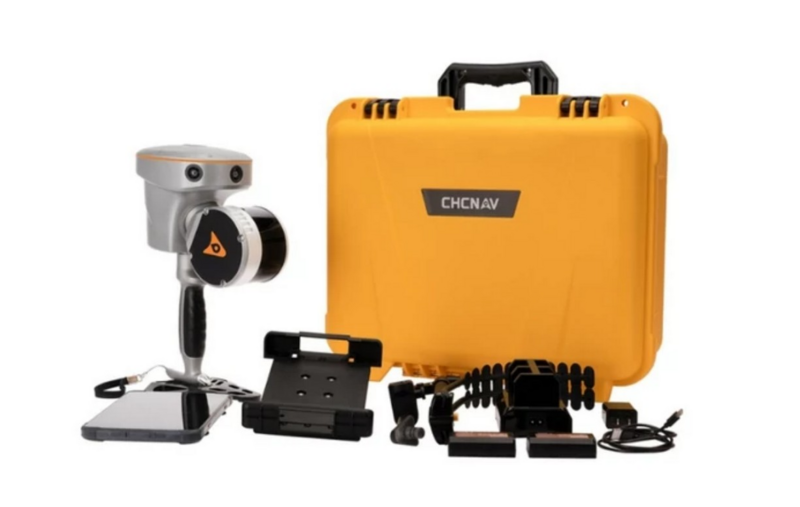
QES Technology Philippines, long recognized as a trusted partner in assay laboratories for ED-XRF and sample preparation solutions, is now expanding its expertise into advanced geospatial technologies. Through its strategic partnership with CHCNAV, QES now provides integrated geospatial technologies that support mining and other industries in achieving productivity targets, safety goals and operational efficiency.

Beyond supplying advanced equipment, QES ensures clients gain measurable improvements in data accuracy, turnaround time and decision-making confidence.

CHCNAV X500 Drone with Alpha Air 9 LiDAR

CHCNAV X500, combined with the Alpha Air 9, enables rapid and high-accuracy aerial mapping for large mining sites. The system captures dense 3D point cloud data, even in vegetated or rugged terrain, allowing accurate terrain modelling and stockpile volume computation.

For mining companies, this means faster survey completion, improved production monitoring and safer operations by reducing ground exposure. Reliable aerial data supports better extraction planning, haul road design and reporting accuracy.

A mining client said, “Using the X500 with LiDAR reduced our survey time by more than half while giving us more detailed and reliable data for our monthly volume reports.”

CHCNAV RS10 Laser Scanner

CHCNAV RS10 enhances efficiency by delivering seamless indoor and outdoor 3D scanning through integrated SLAM and GNSS RTK technology. It produces real-time, georeferenced point cloud data without complex setup procedures.

In mining, the RS10 accelerates stockpile validation, tunnel mapping and plant documentation. It reduces rework, improves reporting accuracy and supports faster operational decisions. In construction and infrastructure sectors, it simplifies as-built documentation and site inspections.

A client from the construction sector said, “The RS10 made our facility documentation much faster. We were able to capture detailed 3D data in a single walkthrough.”

CHCNAV i85 RTK GNSS

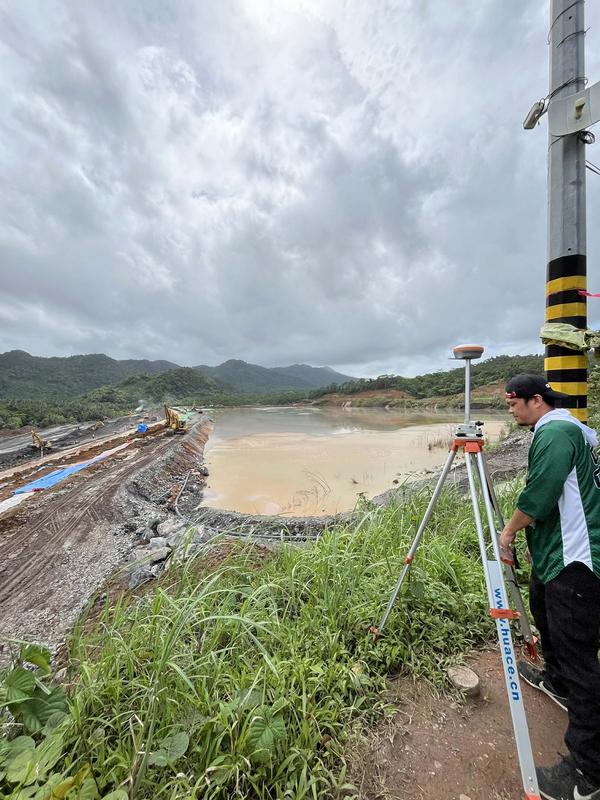
CHCNAV i85 delivers centimetre-level accuracy with integrated IMU and laser measurement capability. It allows safe measurement of inaccessible or hazardous points while maintaining reliable positioning performance.

For mining operations, precise ground control improves volumetric accuracy and ensures proper implementation of mine plans. It also enhances safety by reducing the need to physically access dangerous areas. In engineering projects, it minimises layout errors and boosts productivity.

A mining surveyor said, “The i85’s laser feature allows us to measure difficult points safely without compromising accuracy. It has improved both our efficiency and safety in the field.”

CHCNAV Apache 3 Pro USV

CHCNAV Apache 3 Pro supports environmental and operational targets through autonomous bathymetric surveying. Equipped with GNSS RTK and an echosounder, it provides accurate underwater terrain and depth data in tailings ponds and reservoirs.

For mining companies, this ensures reliable water volume monitoring, sediment tracking and compliance reporting while minimising personnel exposure to water hazards. It also benefits water resource and infrastructure projects requiring accurate hydrographic data.

An environmental manager said, “The Apache 3 Pro allowed us to safely monitor our tailings pond with consistent and precise results, greatly improving our compliance reporting.”

CHCNAV PS200 Ground-Based Radar

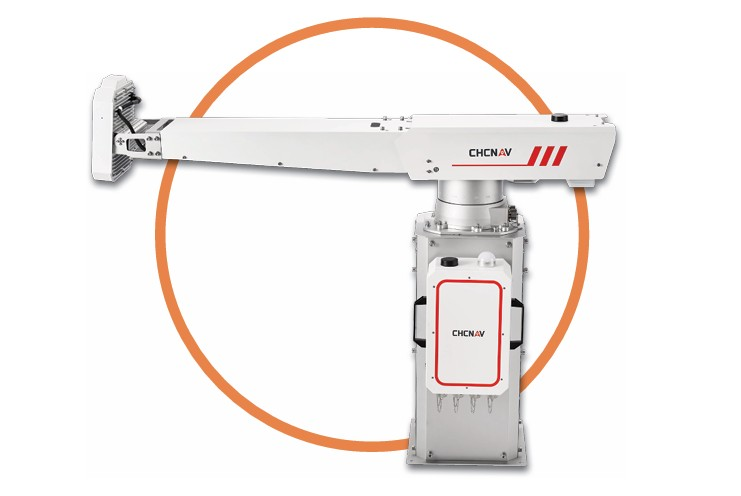
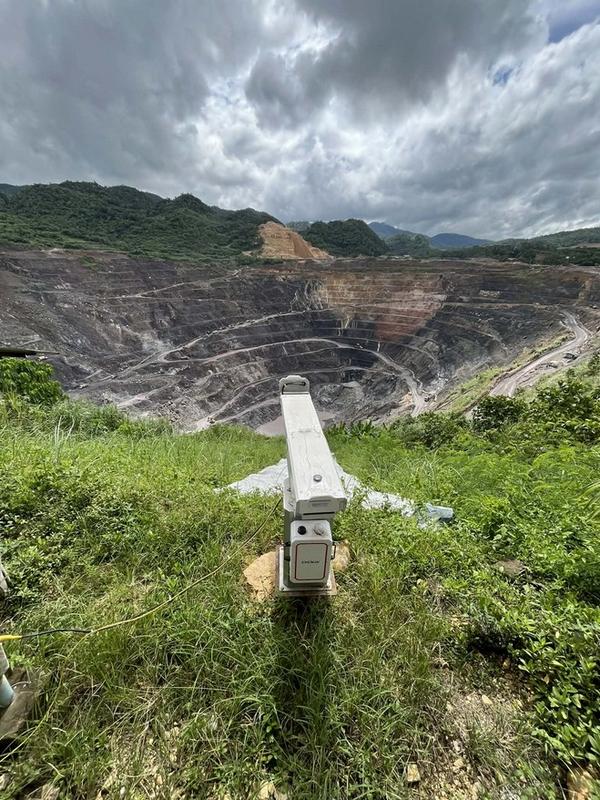
CHCNAV PS200 is a high-performance slope and structural monitoring radar designed to provide continuous, real-time deformation analysis. It detects minute ground movements in mine slopes and highwalls, offering early warning alerts to prevent potential failures.

In mining operations, slope stability directly affects safety, productivity and risk management. The PS200 enhances operational security by providing reliable monitoring data that supports preventive action and reduces downtime.

A mining operations supervisor said, “The PS200 gives us confidence in our slope monitoring. The early warning capability has strengthened our safety program and protected our workforce.”

Partnering for Measurable Success

By integrating drone LiDAR, handheld 3D scanning, RTK GNSS positioning, hydrographic surveying and ground-based radar monitoring, QES Technology Philippines delivers a complete geospatial and monitoring ecosystem.

These technologies help mining and other industries achieve faster reporting cycles, improved safety compliance, optimised resource management and more accurate decision-making.

True to its mission of being a partner in success, QES Technology Philippines works closely with clients to understand their goals and provide tailored solutions that drive real operational improvements.

April 07, 2026

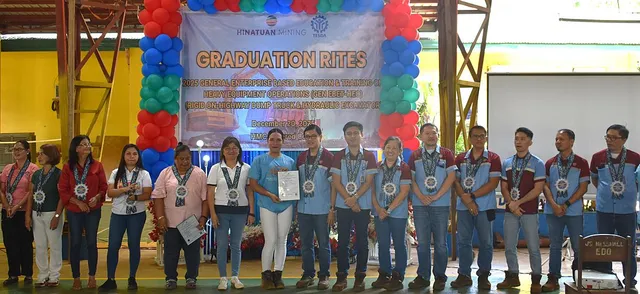
Hinatuan Mining Corporation (HMC), in partnership with the Technical Education and Skills Development Authority (TESDA) and key government and community stakeholders, successfully graduated 74 trainee-scholars under the 2025 General Enterprise-Based Education and Training on Heavy Equipment Operations (GEN EBET-HEO) program.

The initiative focused on developing competencies in rigid on-highway dump truck and hydraulic excavator operations, contributing directly to local employability and workforce readiness.

This milestone reflects HMC’s sustained commitment to human capital development, community empowerment, and inclusive economic growth, reinforcing the company’s approach to responsible mining and shared value creation within its host and neighboring communities.

Strengthening Multi-Stakeholder Partnerships

The completion ceremony was attended by HMC mine site management led by Engr. Francisco J. Arañes Jr., senior vice president, chief operating officer and resident mine manager; Dr. Catalina O. Tacubao, provincial director of TESDA–Surigao del Norte; representatives from the Mines and Geosciences Bureau (MGB) Regional Office XIII; and representatives of the host and neighboring communities (RHNC), headed by Chairperson Janeth B. Navarro.

The program exemplifies effective collaboration among industry, government and communities in addressing skills gaps and enhancing long-term employment opportunities.

Building a Safe, Competent and Responsible Workforce

In his message, Engr. Arañes emphasized that the GEN EBET-HEO program goes beyond technical skills development, highlighting its role in instilling safety consciousness, accountability and professionalism.

“Real progress happens when industry and education work hand in hand to empower Filipino workers. Operating heavy equipment is not just about technical skill — it is about responsibility, discipline and sound decision-making,” he said.

He reiterated HMC’s commitment to embedding a strong safety culture and ethical work values among trainees, underscoring that competent operators play a critical role in operational efficiency and risk reduction.

“Graduation is not the end; it is the beginning of greater responsibility,” he added. “Wherever your careers may take you, be ambassadors of safety, excellence and professionalism.”

Empowering Communities Through Inclusive Skills Development

Dr. Tacubao highlighted the program’s contribution to inclusive development, noting that HMC’s investment extended beyond training infrastructure to the empowerment of individuals and communities.

“This program demonstrates what can be achieved when industry and communities collaborate. Skills developed with discipline and determination can transform lives and uplift entire communities,” she said.

The program’s inclusivity — evidenced by the participation of women, youth and older learners — reinforces TESDA and HMC’s shared commitment to equitable access to skills development and lifelong learning. She concluded by echoing TESDA’s guiding principle: “Basta’t sama-sama, sa TESDA kayang-kaya.”

Supporting Sustainable Development and Gender Inclusion

Representing the Mines and Geosciences Bureau (MGB) Regional Office XIII, Ms. Estephanie Odchimar commended the graduates and recognized the program’s alignment with sustainable development principles, particularly in promoting gender equality and livelihood opportunities.

She emphasized that skills training initiatives such as GEN EBET-HEO contribute to community resilience, workforce sustainability and responsible resource development, supported by strong institutional partnerships.

Community Engagement and Shared Value Creation

On behalf of the host and neighboring communities, RHNC Chairperson Janeth B. Navarro expressed appreciation for HMC’s continued support of capacity-building initiatives, acknowledging the program’s positive impact on local employment prospects and community development.

Outcomes and Beneficiary Impact

Speaking for the graduates, Mr. Kenneth Paul A. Gemparo, a rigid on-highway dump truck NC II graduate, shared how the program enhanced not only their technical competencies but also their confidence and professional values.

“Beyond skills, we gained discipline, safety awareness and hope for a better future. This opportunity has prepared us for meaningful employment and long-term growth,” he said.

Alignment with UN Sustainable Development Goals (SDGs)

The GEN EBET-HEO program directly supports HMC’s sustainability framework and contributes to the following United Nations Sustainable Development Goals:

  • SDG 4 – Quality Education: Providing industry-aligned technical and vocational training
  • SDG 8 – Decent Work and Economic Growth: Enhancing employability and workforce readiness
  • SDG 17 – Partnerships for the Goals: Strengthening collaboration among industry, government and communities

Commitment Moving Forward

Through initiatives such as GEN EBET-HEO, HMC reaffirms its commitment to responsible operations, inclusive growth and long-term community development.

HMC will continue to invest in skills development programs that build local capacity, promote safe and ethical work practices, and create sustainable livelihoods aligned with its environmental, social and governance (ESG) objectives.

April 07, 2026

In industries where durability, safety, and precision are non-negotiable, reliability is more than a promise—it is a requirement.

For decades, Dela Torre & Co., Inc. (DCI) has positioned itself as a trusted manufacturer of industrial rubber products and a dependable provider of technical services to the country’s most demanding sectors.

From mining and power generation to maritime, construction, and manufacturing, DCI delivers solutions engineered to perform under pressure—locally and internationally.

A Vision Built on Trust and Performance

DCI’s vision is clear: to be the manufacturer of choice for safe, high-quality industrial rubber products and a trusted technical partner to its clients.

The company’s approach goes beyond product supply. It is anchored in long-term partnerships built on trust, reliability, and measurable value.

In industries where downtime translates directly to cost, clients depend on suppliers who understand operational realities. DCI answers that call with products designed for endurance and services grounded in technical expertise.

Mission-Driven Manufacturing

At the heart of DCI’s operations is a commitment to consistent quality and customer satisfaction. The company strives to exceed expectations by delivering industrial rubber products and services that meet exacting standards for safety and performance.

Equally important is organizational efficiency. DCI operates as a customer-focused enterprise supported by a responsive and reliable network built on mutual loyalty and trust.

Behind every hose, connector, and molded component is a workforce whose technical skill and dedication drive the company forward. DCI recognizes its employees as its strongest asset and fosters a work environment rooted in respect, growth, and recognition for excellence.

Profitability is pursued responsibly, with full awareness of corporate, social, and environmental obligations.

Comprehensive Product Lines and Services

Under its flagship Taurus brand, DCI offers a wide portfolio of industrial rubber solutions designed for heavy-duty applications.

Industrial Rubber Hoses

Hand-built or hand-wrapped, Taurus industrial rubber hoses are available in sizes ranging from 1.0" to 48.0" nominal bore. These hoses are engineered for demanding industrial environments where flexibility and durability are essential.

Rubber Expansion Joints

Available from 3.0" to 100.0" nominal bore, these hand-built expansion joints accommodate movement, vibration, and pressure variations in piping systems. Designs include single- or multi-arch, offset, lateral, concentric, eccentric, tapered, and custom configurations.

Flexible Rubber Connectors

DCI manufactures flexible sleeves for pinch valves, rubber chutes, hoppers, and other specialized applications, ensuring efficient material handling and flow control.

Molded Rubber Products

The Taurus line also includes pump parts, bumpers, bearing pads, seals, valve seats, gaskets, and other molded components tailored to industrial specifications.

Rubber Lining Services

DCI produces high-quality rubber sheets and skirts for industrial, agricultural, and commercial use. Its rubber lining services extend to tanks, pipes, and other vessels, enhancing corrosion resistance and operational lifespan.

Dredging Hoses, Pipe Connectors, and Floaters

For marine and dredging operations, DCI supplies heavy-duty dredging hoses, flexible pipe connectors, and floaters designed for performance in challenging environments.

Pipe and Spool Fabrication

The company fabricates various types of pipes and spools to support customized industrial systems.

Valve Rehabilitation

DCI also rehabilitates butterfly valves ranging from 24" to 84", restoring performance and extending equipment service life.

Built for Industry, Backed by Expertise

With its main office located in Muntinlupa City and its manufacturing plant in Brgy. Sta. Elena, Sto. Tomas, Batangas, DCI combines accessible customer support with robust production capability.

In an era where industries demand both resilience and efficiency, Dela Torre & Co., Inc. continues to prove that strength is engineered—not assumed.

April 07, 2026

Selecting the right off-the-road (OTR) tire can make a significant difference in the performance, efficiency, and lifespan of your equipment. With different machines, terrains, and working conditions to consider, choosing the right tire can sometimes feel complicated. Higantis helps contractors, fleet owners, and equipment operators find the right tire solutions for their specific applications. One of the key things to understand when selecting an OTR tire is the TRA classification system, which helps identify the tire’s intended use and tread depth.

TRA is the classification system used for OTR tires to indicate both the type of machine the tire is designed for and its tread depth. A typical example is L3, where the letter refers to the equipment category and the number indicates the tread depth and pattern. As the number increases, the tread generally becomes deeper and more durable, making it more suitable for abrasive and demanding environments.

There are four main TRA tire categories used in construction and heavy equipment applications. C refers to tires designed for compactors, G refers to grader applications, E is used for earthmoving equipment, and L indicates loader applications. These classifications help ensure the tire is built to match the type of machine and the work it is intended to perform.

The number in the TRA code represents the tread depth and pattern of the tire. For instance, 1 indicates a ribbed tread with normal depth, 2 indicates a traction tread with normal depth, and 3 represents a standard tread commonly used for general applications. Higher numbers, such as 4 and 5, indicate deep and very deep tread designs, which are more suitable for harsh environments where tires face constant abrasion or cuts. A 7 classification refers to flotation-type tread designs intended for softer ground conditions.

To illustrate how this works, consider the MAXAM MS501, which is classified as an L5 tire. The letter L tells us the tire is designed for loader applications, while the number 5 indicates a very deep tread. This means the tire is built for demanding environments such as quarries, mines, and other abrasive worksites where durability and protection are essential.

Another important factor to consider when selecting an OTR tire is how the machine will travel. Some equipment operates mainly within a job site, while others may need to travel short distances on roads or be transported by trailer. Tire construction and rubber compounds influence how far and how fast a machine can safely travel. Because of this, OTR tires are also rated with load indexes and speed symbols to help determine their load capacity and safe operating speeds.

Choosing the right tire involves more than just reading the TRA code. Machine type, terrain conditions, workload, and travel requirements all play important roles in selecting the best option. With expert guidance and access to trusted brands like MAXAM and RoadX, Higantis helps customers identify the most suitable tire solutions to ensure reliable performance, durability, and efficiency in demanding environments.

Learn more at higantis.com.

April 07, 2026

At Johnson Screens, the spirit of invention has been in our DNA ever since Edward E. Johnson invented the Vee-Wire in 1904.

Johnson’s original concept for a continuous-slot water well screen was ahead of its time, and we have been setting the industry standard for performance and reliability ever since.

Over time, our highly engineered and precisely fabricated products have made their presence felt in virtually every major industrial application in more than 100 countries around the world.

From the water we drink and the food we eat to the clothing we wear and the buildings in which we live and work, there is a good chance you interact with something touched by a Johnson Screens product every day. We do this in pursuit of a world where protecting lives and our precious natural resources comes first.

Our screening solutions accomplish this by reducing harmful waste, providing clean water, and supporting our customers on their journey toward environmental sustainability.

Water Well Solutions

For more than 120 years, Johnson Screens has been a leading manufacturer of stainless steel and PVC well screens, casing, drop pipe, and accessories for water well, environmental, and oil and gas applications.

The continuous Vee-Wire® slot design allows for lower water entrance velocity, reducing encrustation rates. Johnson Screens Vee-Wire® also resists plugging and prevents sand from damaging pumps, while allowing minimal drawdown and reduced energy use to lift formation fluids.

Our PVC pipe products are manufactured from Type 1, Grade 1 PVC compound with a cell classification of 12454-B per ASTM D1784. Pipe materials are NSF-certified to NSF Standard 61 for Drinking Water System Components — Health Effects and comply strictly with ASTM D1785.

Similarly, our stainless and low-carbon steel casings are ideal for water well and environmental monitoring applications. In addition, our family of NSF-certified and PFAS-free Nu-Well® chemicals for water well rehabilitation is environmentally safe and proven to improve water well efficiency.

Industrial Solutions

Johnson Screens provides a wide portfolio of screens and accessories to support liquid/solids and solids/solids separation across diverse industrial and municipal applications.

Whether in food and beverage, pulp and paper, or power generation facilities, water entering an industrial plant often requires treatment to meet strict quality specifications for industrial processes.

Johnson Screens offers numerous solutions related to industrial water processes, including products for water intake, separation of water and solids, and water treatment. These high-quality OEM screens are integrated into equipment and designed to meet stringent customer specifications.

Our screens are available in slot openings from 25 µm up to 0.984 in. (25 mm). Although commonly made from 300-series stainless steel, our products are also available in a range of specialized alloys to meet specific application requirements.

Additionally, Johnson Screens has developed world-class proprietary Vee-Wire and polyurethane manufacturing processes for mineral processing applications. Our comprehensive range of products and services is supported by in-house innovation, fit-for-purpose material selection, and expertise in mineral sizing, cleaning, and dewatering.

April 07, 2026

There's a common misconception in mining and industrial operations that all pumps are essentially the same: choose one with the right horsepower or suction and discharge size, and you're good to go. Not quite.

Every mining operation presents unique challenges. Water chemistry, flow rates, head pressure, site access, power availability, and operating conditions all vary significantly. A pump that performs perfectly at one site may struggle at another, leading to inefficiency, increased downtime, and higher operating costs.

The difference between a well-matched pump and a poorly selected one often comes down to understanding a single critical tool — the pump curve.

What Is a Pump Curve?

A pump curve is a graphical representation of how a centrifugal pump performs across a range of operating conditions. It illustrates the relationship between flow rate and head pressure, along with other critical performance data such as efficiency, power consumption, and net positive suction head (NPSH) required.

Think of it as the pump’s performance fingerprint. It shows exactly what the pump can deliver under various conditions, based on manufacturer testing and proven performance data.

Here's the critical point: pump selection without a pump curve is essentially guesswork. The curve is the essential tool that integrates all performance variables, allows you to match the pump to your specific system, and predicts real-world pumping behavior.

The System Curve — The Other Half of the Equation

Understanding the pump curve is only part of the story. Equally important is the system curve, which represents the friction losses and static head present within your piping network. In other words, it shows what your system demands from the pump.

Here's where theory meets reality: a pump never operates at an arbitrary point on its performance curve. It operates at the single point where the pump curve intersects the system curve. This intersection is called the operating point.

For example, when the pump operates at a known speed and the system defines the operating head, the pump delivers an output flow matched to those specific operational parameters. Understanding this intersection is critical for predicting how your pumping system will perform in the field.

Why This Matters for Your Operation

At Truflo Pumps, we've seen firsthand how proper pump selection transforms operational performance. When selecting dewatering solutions, we look beyond simple flow requirements to examine your specific site conditions and challenges. This includes analyzing your system curve, matching it against appropriate pump curves, and selecting equipment that operates efficiently at the required duty point.

The result? Better efficiency, reduced downtime, lower operating costs, and pumps that move water exactly the way you need them to.

Whether you're operating a remote mine site, a quarry, or a major infrastructure project, the principles remain the same. Understanding pump curves and system curves isn't just technical knowledge — it's the foundation of selecting dewatering equipment that will deliver reliable performance over the long term.

Truflo Pumps, along with its Philippines partner, Power Systems Inc., is ready to design and supply the best dewatering systems for your site, whether open-cut or underground.

April 07, 2026

Mining operations in the Philippines operate under some of the most demanding conditions in Southeast Asia. High-abrasion ore, chemically aggressive slurries, heavy vibration, and continuous production schedules place extreme stress on equipment and plant infrastructure. For maintenance teams, the challenge is not only repairing damage but doing so safely, quickly, and cost-effectively.

Among the wide range of composite repair technologies available today, three Belzona solutions stand out for addressing the most common maintenance problems in Philippine mining operations: abrasion in slurry pumps, damage to rubber conveyor belts, and deterioration of concrete equipment foundations.

Abrasion Protection for Slurry Pumps

Slurry pumps are critical components in mineral processing plants, transporting abrasive mixtures of ore and water under high pressure. Impellers, casings, and internal wear surfaces are constantly exposed to erosive attack, leading to premature failure and costly downtime.

Belzona’s ceramic-filled composite systems, particularly Belzona 1812 and related abrasion-resistant materials, provide an engineered alternative to repeated part replacement. These systems allow worn components to be rebuilt in situ and lined with a seamless protective barrier that withstands severe particle erosion.

Unlike welding or traditional metal repair, Belzona’s cold-applied systems eliminate the need for hot work permits and reduce safety risks. Fast-curing characteristics also shorten shutdown duration. For mining operators in copper, nickel, and gold processing plants, this translates to extended pump life, reduced spare parts consumption, and lower lifecycle maintenance costs.

Elastomer Repair for Rubber Conveyor Belts

Conveyor systems form the backbone of ore-handling operations. Damage to rubber belts, whether from impact, tears, or localized wear, can disrupt production and result in significant financial losses.

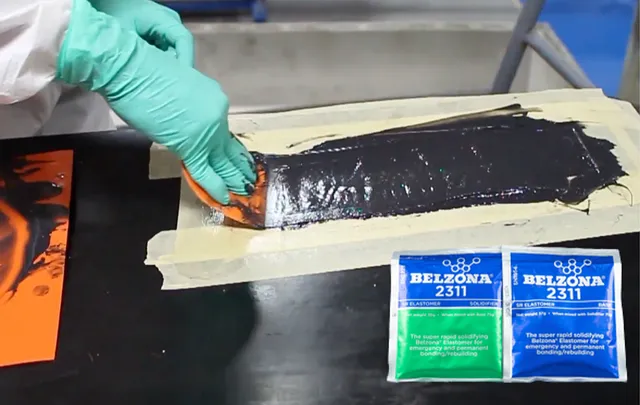
Belzona elastomer repair systems, such as Belzona 2311, are designed for rapid, in situ restoration of damaged rubber components. These high-performance elastomers bond strongly to rubber substrates and maintain flexibility under dynamic loading conditions.

Rather than waiting for belt replacement or vulcanization services, maintenance teams can perform emergency repairs on-site, minimizing operational interruption. This capability is particularly valuable in remote mining areas in Mindanao and Luzon, where logistics and replacement lead times can delay conventional repairs.

By extending the usable life of belts and reducing unplanned stoppages, Belzona elastomer systems provide both operational resilience and measurable cost savings.

Structural Concrete Repair for Equipment Foundations

Heavy rotating equipment such as crushers, mills, and vibrating screens impose continuous mechanical stress on their concrete foundations. Over time, cracking, spalling, and surface deterioration can compromise structural integrity and alignment stability.

Belzona 4111 (Magma-Quartz) offers a high-strength, epoxy-based concrete repair solution specifically engineered for industrial environments. It bonds exceptionally well to existing concrete, restores original profiles, and resists abrasion and chemical exposure.

Unlike conventional cementitious patching materials, Belzona composite systems provide superior adhesion and long-term durability. Repairs can be carried out without major demolition, allowing faster reinstatement of critical equipment.

For mining facilities across the Philippines, this means improved structural reliability, reduced vibration-related failures, and extended foundation service life.

Across slurry handling, material transport, and structural repair, Belzona composite systems offer mining companies a safer, faster, and more durable maintenance alternative. By reducing downtime, eliminating hot work risks, and extending asset life, these technologies support improved operational efficiency in one of the country’s most vital industries.

As Philippine mining continues to modernize and expand, adopting advanced composite repair solutions will remain a key component of a sustainable and cost-effective maintenance strategy.

Wise Industrial Systems, Inc. is the sole authorized distributor of Belzona in the Philippines. Contact: ccaraneta@wise-indl.com or 09178458098.
April 07, 2026

DMCI Mining Corp. is targeting a record 3.2 million tons of nickel ore shipments in 2026, driven by expanding operations and improving market conditions.

The mining unit of DMCI Holdings Inc. said the projected output would surpass its previous highs, supported by the expected contribution of its new mine in Palawan and sustained production from its Zambales operations.

The company is banking on the ramp-up of its Long Point nickel project in Palawan, which is seen to significantly boost output once fully operational. Industry conditions have also improved, with stronger nickel prices supporting the company’s growth outlook.

DMCI Mining earlier reported a record production of 2 million wet metric tons (WMT) of nickel ore in 2025, up 33 percent from 1.5 million WMT in 2024, with shipments reaching 1.9 million WMT.

The increase was attributed to higher output from its Zambales mines and initial operations at the Long Point project, alongside firmer global nickel prices.

Company president Tulsi Das Reyes said the firm is optimistic about sustaining growth momentum, citing favorable market fundamentals and ongoing expansion efforts.

The company also noted that improving nickel prices have strengthened revenues, with benchmark Philippine laterite nickel ore prices rising significantly in 2025.

DMCI Mining said it remains focused on scaling up production while advancing development projects, positioning the company to capitalize on recovering demand in the global nickel market.

The company currently operates two mines in Sta. Cruz, Zambales, through Zambales Diversified Metals Corporation (ZDMC) and Zambales Chromite Mining Company (ZCMC). The company is also actively developing new mining sites in Palawan to expand its operations through Berong Nickel Corporation (BNC).

ZCMC and ZDMC extract nickel ore, chromite and iron laterite using safe, low-cost surface mining techniques. These operations do not require chemical processing or complex waste handling to produce mid- to high-grade nickel ore for export to China, Japan and other markets.

In 2021, BNC received the prestigious Presidential Mineral Industry Environmental Award for its exemplary performance in environmental protection, safety, community development and social responsibility.

April 07, 2026

OceanaGold Philippines Inc. reported strong financial and operating results for 2025, posting $76.5 million in net income and $130.2 million in free cash flow while maintaining a debt-free balance sheet.

The company said the performance enabled it to declare $112 million in dividends during the year, bringing total payouts to shareholders to $181 million since its listing, underscoring returns for Filipino investors.

OceanaGold Philippines operates the Didipio Mine, a gold and copper mine straddling the provinces of Nueva Vizcaya and Quirino.

The company earlier updated technical reports have extended the projected life of the Didipio mine to 2037, based on its 2025 mineral reserves, reinforcing its position as a long-life asset within the Philippine mining sector.

The revised mine plan, filed with the Philippine Stock Exchange, outlines continued operations beyond earlier projections and is expected to support sustained production and cash flow generation over the extended period.

The updated reports, prepared under the Philippine Mineral Reporting Code 2020, include revised mineral resource estimates, economic assessments and metallurgical studies, with a cutoff date of Dec. 31, 2025.

OceanaGold said the life-of-mine extension is based solely on declared mineral reserves using a gold price assumption of $2,200 per ounce and excludes inferred resources and exploration upside, indicating further potential to extend operations beyond 2037.

Separately, the company said that alongside financial gains, its operations continue to support host communities. For 2026, OceanaGold Philippines has earmarked P571.11 million for community investments through its Community Development Fund and Social Development and Management Program.

These initiatives are expected to fund infrastructure, education, healthcare, livelihood and environmental programs in areas surrounding the Didipio mine.

Operationally, OceanaGold Philippines produced 90,700 ounces of gold and 13,300 tonnes of copper in 2025, reflecting steady output from its mining operations.

The company said it remains focused on sustaining production levels and advancing resource development, while ensuring that strong business performance translates into shared value for both investors and local communities.

March 31, 2026

Higher revenues continue to bolster economic development and environmental protection programs

OceanaGold (Philippines), Inc. (OGP) remitted PHP 506.9 million in local business taxes (LBT) to three municipalities in Nueva Vizcaya and Quirino for 2026—a 20.2% increase from the PHP 421.9 million paid the previous year. The higher remittances were driven by the company’s improved financial performance in 2025.

Of the total LBT paid, PHP 253.5 million went to Kasibu in Nueva Vizcaya, while PHP 152.1 million and PHP 101.4 million were remitted to Nagtipunan and Cabarroguis in Quirino, respectively.

“We believe that as we grow, our host municipalities grow with us. This is one of the direct and immediate benefits of responsible resource development,” said Atty. Joan Adaci-Cattiling, OGP President and General Manager for External Affairs and Social Performance. “With this increased local business tax contribution, we hope to support the development projects of our host municipalities.”

Under an existing memorandum of agreement with OGP, the beneficiary municipalities have committed a portion of their LBT collections to environmental initiatives. Kasibu set aside PHP 10 million, while Cabarroguis and Nagtipunan each allocated PHP 5 million for environmental management, protection, and conservation programs.

OGP’s sustained contributions have helped maintain the classification of Kasibu, Nagtipunan, and Cabarroguis as first-class municipalities, a status awarded to local government units with an average annual income of PHP 200 million or more. This classification underscores the growing fiscal capacity of these LGUs, enabling them to expand public services and invest in long-term development.

“We thank our partner communities and local leaders for their continued support—dakkel ti panagyaman mi kadakayo amin (we are very grateful to all of you),” Adaci-Cattiling added. “Our strong partnership allows us to continue delivering programs and contributions that meaningfully benefit our communities.”

OGP’s LBT remittances have shown a consistent upward trend in recent years: PHP 421.9 million in 2025 and PHP 326.2 million in 2024, buoyed largely by favorable gold prices and strong operational performance.

OceanaGold (Philippines), Inc., a corporation organized and existing under Philippine law, operates the Didipio gold-copper mine in Luzon under a Financial or Technical Assistance Agreement. The company is committed to safely and responsibly maximizing the generation of free cash flow from its operations and delivering strong returns for its shareholders. 

March 31, 2026

On March 30, 2026, President Ferdinand Marcos Jr. formally opened the Cavitex C-5 Link Segment 3B, a key infrastructure development expected to significantly improve mobility across southern Metro Manila and nearby Cavite provinces.

The newly completed six-lane, 2-kilometer connector forms part of the broader 7.7-kilometer Cavitex C-5 Link corridor, designed to streamline travel between Parañaque and Taguig while strengthening access to Makati, Pasay, Las Piñas, Bacoor, and Kawit.

With the new segment operational, travel time between Parañaque and Taguig is projected to drop dramatically—from approximately 1.5 hours to just 15 minutes—offering immediate relief to motorists navigating one of the capital’s most congested corridors.

In a move aimed at supporting peak-season travel, the government announced that toll fees for Segment 3B will be waived from March 30, 2026 to April 30, 2026. The temporary toll holiday is intended to assist motorists during the Holy Week travel period, when traffic volumes typically surge.

“This is a big help because it will decongest the area and reduce traffic on smaller roads, as vehicles will pass through here instead,” Marcos said during the opening ceremony.

Once toll collection begins on May 1, 2026, rates will be set at P38 for Class 1 vehicles, P76 for Class 2, and P114 for Class 3.

The Cavitex C-5 Link is expected to accommodate approximately 36,000 vehicles per day, improving the flow of goods and commuters while delivering measurable reductions in fuel consumption and transport costs—an increasingly important consideration amid global energy volatility.

Public Works Secretary Vince Dizon said the project aligns with the administration’s broader push to accelerate infrastructure delivery, particularly ahead of major travel periods. He noted that additional road openings are expected, including the Central Luzon Link Expressway extension connecting Tarlac City and Cabanatuan City.

Authorities are likewise working to ensure the smooth flow of traffic along the 3,380-kilometer Maharlika Highway, the country’s principal land transport backbone linking Luzon, Visayas, and Mindanao.

The accelerated rollout of Segment 3B comes despite earlier construction delays caused by right-of-way constraints. Initially budgeted at P3.3 billion, the project cost rose to P4.98 billion before completion. Cavitex Infrastructure Corp., the expressway’s concessionaire, engaged D.M. Consunji Inc. for the project, with construction commencing in the second half of 2024.

The project also forms part of the government’s broader economic response under Executive Order No. 110, which declared a one-year state of energy emergency. Infrastructure investments such as the Cavitex C-5 Link are seen as critical to reducing logistics costs, improving supply chain efficiency, and supporting long-term economic resilience.

As new road networks come online, the focus now shifts to maximizing their operational impact—ensuring that reduced travel times translate into sustained productivity gains for businesses and commuters alike.

March 30, 2026

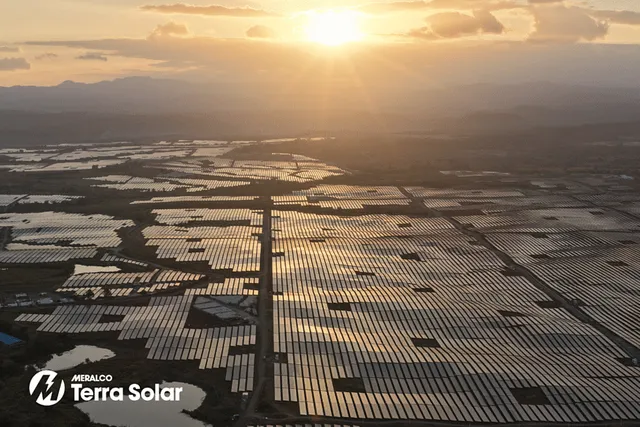
Meralco PowerGen Corporation (MGEN), through its affiliate Terra Solar Philippines Inc., has energized the first 250 megawatts (MW) of its solar capacity, marking the start of commercial operations and a key step in the country’s transition to cleaner energy.

The milestone represents a critical phase in the project’s staged development and comes amid heightened global fuel market volatility, partly driven by tensions in the Middle East. This context has underscored the urgency of strengthening domestic and renewable energy sources to enhance energy security and reduce dependence on imported fuels.

“Reaching this milestone reflects strong execution, collaboration, and dedication from our teams and partners. More importantly, it highlights the role of projects like MTerra Solar in securing the country’s energy future at a time when reliability and affordability are under increasing pressure,” said Dennis B. Jordan, president and chief executive of MGEN Renewables and MTerra Solar.

Initially authorized to export up to 85 MW during testing and commissioning, the facility is now delivering up to 250 MW to the grid, with support from the Department of Energy and the National Grid Corporation of the Philippines. The additional capacity is expected to help stabilize supply during a period of elevated demand.

Energy Secretary Sharon Garin previously highlighted the project’s importance in expanding the country’s renewable energy pipeline and addressing near-term supply constraints.

“The initial grid synchronization of MTerra Solar—led by MGEN and Actis—represents a meaningful step toward a cleaner and more energy-resilient Philippines,” Garin said.

MGEN President and CEO Emmanuel V. Rubio added that the project’s phased energization allows earlier capacity delivery, helping ease supply pressures and support stable electricity prices amid evolving global conditions.

Alongside solar generation, MTerra Solar has also energized the first tranche of its battery energy storage system (BESS), enabling the plant to deliver up to 450 megawatt-hours (MWh) of energy to the grid at night. This represents the largest operational BESS currently available in the Philippines.

Further integration works are scheduled in the coming weeks to ensure the safe and efficient synchronization of the battery storage system with the solar facility. Once fully operational, the integrated system is expected to enhance grid stability and enable renewable energy dispatch beyond daylight hours.

At full capacity, the project is projected to generate up to 3,500 megawatts-peak (MWp) of solar power, supported by a 4,500 MWh battery storage system—enough to supply clean energy to approximately 2.4 million households.

The project is also expected to avoid around 4.3 million tons of carbon emissions annually, equivalent to removing more than 3 million gasoline-powered vehicles from the road.

With Phase 1 on track for completion this year and Phase 2 already under construction, MTerra Solar is set to play a significant role in helping the Philippines meet its renewable energy targets of 35% by 2030 and 50% by 2040.

March 30, 2026

In the nickel provinces along the Pacific coast, the day begins with a quiet defiance of tradition. Before sunrise, a woman heads to a mine site carved into the laterite hills. By first light, she is already in the field—examining rock faces and collecting samples, reading the earth like a story that may reveal whether the deposit holds promise.

At six in the morning, another woman, helmeted and gloved, leads a toolbox meeting before the first haul truck rolls out. As the sun climbs, a planning engineer traces the contours of the pit, imagining haul roads and benches taking shape in the early light. Farther down the haul road, a heavy equipment operator sets tens of tons of ore in motion.

Each of them is a woman.

Not long ago, that fact would have been remarked upon—perhaps even celebrated. Today, it passes without comment, at least on site. Beyond the perimeter of the mine, however, the numbers tell a different story.

For all its fluency in measurement, mining remains strikingly imprecise about one of its most consequential variables: who, exactly, is allowed to do the measuring.

The global gap that refuses to close

Across the global mining industry, women remain a statistical minority. A 2024 joint report by the World Bank and the International Finance Corporation estimates that women make up just 14–15% of the workforce in large-scale mining operations worldwide—a figure that has barely shifted in over a decade.

There are signs of progress, particularly among the largest corporations. The International Council on Mining and Metals reported in 2024 that its member companies—some of the world’s most influential mining firms—have increased female participation to around 20% of their workforce, alongside public commitments to reach gender parity by 2030. In some operations, women are increasingly visible in roles once considered off-limits, including equipment operators, pit supervisors, and metallurgists.

At the leadership level, the picture is cautiously improving. A 2024 McKinsey & Company analysis found that women now occupy roughly 18–20% of senior leadership roles in major mining firms, with board representation rising to about 25%, up from approximately 15% a decade ago.

However, progress has a geography. It is most visible in boardrooms and corporate headquarters, far removed from the dust and noise of extraction. At the operational core of mining—the pit floor, the underground shaft, and the machine yard—the industry remains overwhelmingly male.

A country shaped by extraction

In the Philippines, the imbalance is both familiar and uniquely consequential.

Mining contributes less than 0.5% of total national employment, accounting for roughly 200,000 direct jobs, according to government labor data. By urban economic standards, that is marginal. But mining does not operate on urban terms.

Its footprint is spatial, not statistical. A single mine can redraw the fiscal and physical map of a municipality—reshaping roads, water systems, and local economies, often within ancestral domains where questions of land, identity, and governance intersect. In such places, mining is not merely an industry. It is an architecture of influence.

And who participates in that architecture matters.

Within Philippine mining operations, women remain underrepresented. According to the Department of Environment and Natural Resources – Mines and Geosciences Bureau (2024), women account for roughly 10–15% of employees in large-scale mining, concentrated in geology, environmental management, laboratories, compliance, and community relations.

Figures from the Philippines Extractive Industries Transparency Initiative (2023) suggest an even narrower participation rate of about 12% overall, with women comprising only 9–11% of the workforce in metallic mining operations.

The metaphor often used for gender barriers—the glass ceiling—feels misplaced here. In mining, the ceiling is sedimentary. It is layered over time, compacted by culture, and resistant to sudden change.

The quiet business case

For decades, gender inclusion in mining was framed as a question of fairness. Increasingly, it is understood as a question of performance.

A growing body of research suggests that gender diversity strengthens governance and operational outcomes in extractive industries. According to UN Women’s 2023 analysis, companies with greater female representation tend to exhibit stronger environmental and social governance performance, particularly in areas such as community engagement and compliance.

The financial case is equally compelling. A 2023 study by White & Case, examining large mining companies globally, found that firms with at least 40% female board representation recorded, on average, a 6% higher return on capital employed than their less diverse counterparts.

In a sector where investment horizons stretch across decades and capital expenditures run into billions, six percentage points is not a rounding error—it is a structural advantage.

Operational metrics tell a similar story. Research by the Responsible Mining Foundation, in collaboration with Harvard Kennedy School (2025), found that gender-diverse mining teams reported 12–15% higher safety compliance rates, along with lower injury incidents and improved employee retention.

In mining, where safety culture can determine not just productivity but survival, those differences are consequential.

The absence of women is not neutral. It carries a cost.

Beneath the numbers: culture and constraint

Part of the explanation lies in the pipeline. For decades, women represented only a small fraction of mining engineers in the Philippines—historical estimates place the figure at around 1.5% of registered professionals, reflecting longstanding barriers in technical education and industry entry.

But pipelines do not explain persistence. Culture does.

A 2022 survey by the Australasian Institute of Mining and Metallurgy found that 67% of women in mining reported experiencing sexual harassment, 70% reported bullying, and 85% identified gender inequality as a significant barrier to advancement.

Investigations in multiple jurisdictions have uncovered systemic misconduct in remote mining operations, particularly in fly-in, fly-out environments where isolation, hierarchy, and informality can converge into vulnerability. The details vary by site. The pattern does not.

In these environments, the cost of participation is not evenly distributed.

Hyper-masculine work cultures do not merely exclude—they recalibrate ambition, quietly and persistently, often invisibly.

What the women say

In Philippine mine sites, these dynamics are often expressed with restraint rather than protest.

“Some people still ask if I can handle the job,” one engineer said. “But when you’ve done it every day and done it well, performance answers for you.”

A heavy equipment operator offered a different perspective: “People think women are absent more,” she said. “But when you manage the household budget, you know what one day’s pay means. You show up.”

A senior executive pointed to a subtler calculus: “If a man is assertive, he’s seen as decisive. If a woman is assertive, she can be labeled difficult. That double standard—that’s one of the hardest layers to break.” These are not complaints. They are field notes.

Redrawing the silhouette of power

There are, however, signs of change—quiet, but unmistakable.

Geologist Nympha R. Pajarillaga now serves as chief operating officer of Apollo Global Capital, bringing decades of exploration and environmental expertise into executive leadership. Atty. Joan D. Adaci-Cattiling leads OceanaGold Philippines as president and general manager, shaping the direction of one of the country’s most visible mining operations. At Global Ferronickel Holdings Inc., Mary Belle D. Bituin serves as chief finance officer and head of human resources, influencing both fiscal discipline and organizational strategy.

These roles are not ornamental. They alter the lines of authority. Power in mining has always been visible in physical terms—who directs, who decides, who signs. Increasingly, it is being reconfigured in ways that are less immediately apparent but no less significant.

Law as scaffold, culture as structure

The legal framework for gender equality in the Philippines is already in place.

The Magna Carta of Women (Republic Act No. 9710) and the Women in Development and Nation-Building Act (Republic Act No. 7192) establish the state’s obligation to eliminate discrimination and promote equal participation across all sectors, including those historically dominated by men. But legislation alone rarely reshapes institutions.

As researchers such as Heimann and Johansson (2021) argue, meaningful change in mining requires structural redesign: transparent promotion systems, pay equity monitoring, flexible work arrangements, and workplace infrastructure that accommodates a diverse workforce. Inclusion cannot be decorative. It must be engineered.

Some companies have begun that work—retrofitting facilities, expanding cadetship programs, and embedding diversity metrics into governance systems. These are not trivial adjustments; they are foundational shifts. But they remain incomplete.

The coming expansion

Global demand for critical minerals—nickel, cobalt, and copper—is accelerating as economies transition toward renewable energy and electrification. The Philippines, already one of the world’s largest nickel producers, sits at a strategic inflection point.

The question is not whether mining will grow. It is whether that growth will replicate the past—or revise it.

Mining has always prided itself on uncovering what lies beneath the surface. Geologists read landscapes the way historians read archives. Engineers transform hidden deposits into tangible value. Investors speak, with practiced ease, of unlocking potential.

But the industry’s most underutilized reserve is not geological. It is human. It is present in the laboratory before sunrise, in the safety briefing before the shift begins, in the compliance office where permits are negotiated, in the boardroom where strategy is set, and in the cab of a truck waiting at the edge of the pit.

Women are not waiting to be included in mining’s future. They are already shaping it.

March 30, 2026

OceanaGold (Philippines), Inc. has extended the projected life of its Didipio gold-copper mine to 2037, following the filing of updated technical reports that underpin long-term production and cash flow generation.

In a disclosure to the Philippine Stock Exchange, OceanaGold Philippines said the revised mine plan, based on its 2025 Mineral Reserves, supports continued operations at the Didipio Gold-Copper Mine for more than a decade beyond current expectations, while maintaining the potential for further extensions.

The updated reports — prepared in accordance with the Philippine Mineral Reporting Code 2020 — cover exploration results and mineral resource estimates, economic assessments and mineral reserves, as well as metallurgical engineering studies, with a cut-off date of December 31, 2025.

Crucially, the life-of-mine extension to 2037 is derived solely from declared Mineral Reserves, calculated using a gold price assumption of $2,200 per ounce. The company noted that the plan excludes Inferred Mineral Resources and any exploration upside, indicating additional potential to further extend the mine’s operational horizon.

This positions Didipio as a longer-life asset within the Philippine mining sector, with sustained output expected to support substantial free cash flow generation over the extended period.

OceanaGold Philippines also confirmed that its 2026 production and financial guidance remains unchanged, as previously disclosed in its February 2026 earnings release.

The Didipio mine, located in Luzon, operates under a Financial or Technical Assistance Agreement and is a key contributor to the company’s portfolio, producing both gold and copper.

The updated technical reports are available on the company’s website.

March 27, 2026

Benguet Corporation reported a 74% increase in net income for 2025, supported by stronger production and higher commodity prices, as the board approved cash dividends for shareholders.

The company posted consolidated net income of 760 million pesos for the year ended Dec. 31, up from 436 million pesos in 2024, alongside a 38% rise in revenues to 3.31 billion pesos.

The results mark Benguet’s strongest top-line growth in recent years, driven by improved operational output across its gold and nickel operations.

Earnings per share rose to 1.06 pesos from 0.61 pesos a year earlier, reflecting both higher revenues and improved operating efficiency.

The company said margin expansion was supported by better capacity utilisation and cost management, indicating more sustainable earnings growth.

The board declared cash dividends for all stockholders, signalling confidence in the company’s financial position and outlook.

The move comes as mining firms in the Philippines benefit from firmer global metal prices and a more stable operating environment.

Benguet’s performance aligns with broader trends in the mining sector, where elevated gold prices and sustained demand for nickel—particularly from battery supply chains—have supported revenue growth.

The company’s results underscore improving fundamentals among Philippine miners, although earnings remain sensitive to commodity price movements and operational risks.

March 26, 2026

The Department of Budget and Management has released around PHP16.5 billion to the Department of Public Works and Highways to accelerate infrastructure spending and support economic growth, following a directive from Ferdinand Marcos Jr..

The funds, issued through a Notice of Cash Allocation to the DPWH Central Office, will be distributed to implementing units across 17 regions nationwide to settle due and demandable accounts payable.

In a statement, the DBM said the release is intended to ensure the timely payment of completed and ongoing infrastructure projects, prevent delays, and maintain uninterrupted public service delivery.

Acting Budget Secretary Rolando Toledo said the move forms part of the administration’s strategy to keep infrastructure projects on track while stimulating economic activity.

He emphasized that timely disbursement of infrastructure funds has a strong multiplier effect, supporting employment, strengthening businesses, and accelerating project completion.

“Government spending, especially in infrastructure, has a strong multiplier effect. When we release funds on time, we support jobs, strengthen businesses, and accelerate project completion — creating immediate and tangible benefits for our people,” Toledo said.

The DBM added that the release underwent strict validation to ensure compliance with budgeting, accounting, and auditing requirements.

Toledo said that while the government is expediting the release of funds, it continues to uphold transparency and accountability by ensuring that all disbursements are supported by complete documentation and aligned with existing laws.

“Upon the President’s directive, we are accelerating infrastructure spending to keep projects moving and the economy growing. This PHP16.5 billion release ensures that obligations are paid on time so work continues and services to the public are sustained,” he said.

“We ensure that every peso is backed by complete documentation and aligned with the law. That is how we balance speed with accountability,” he added.

The DBM reaffirmed its commitment to efficient and responsible budget execution to ensure that government spending delivers tangible benefits to the public.