October 20, 2024

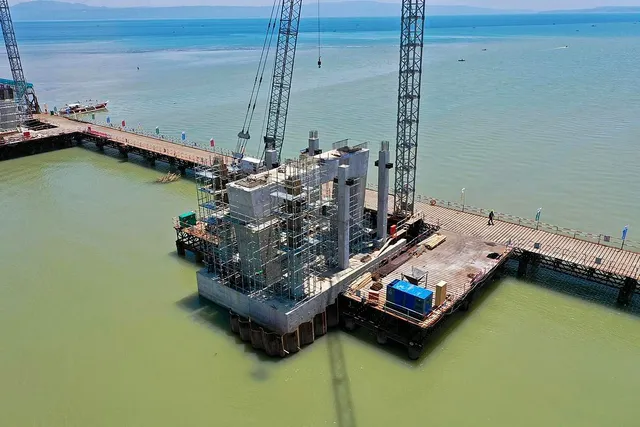
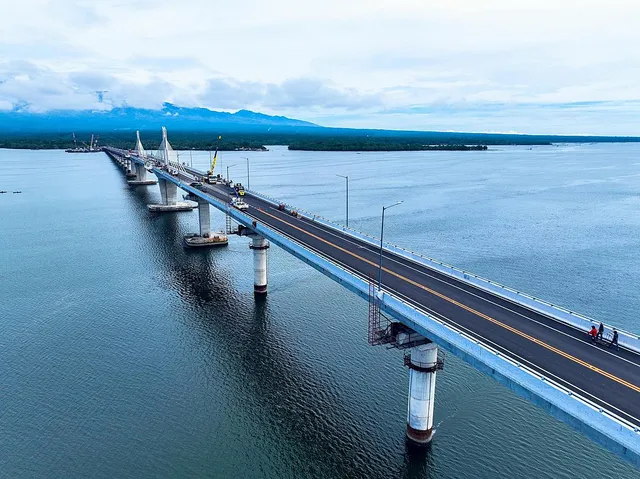
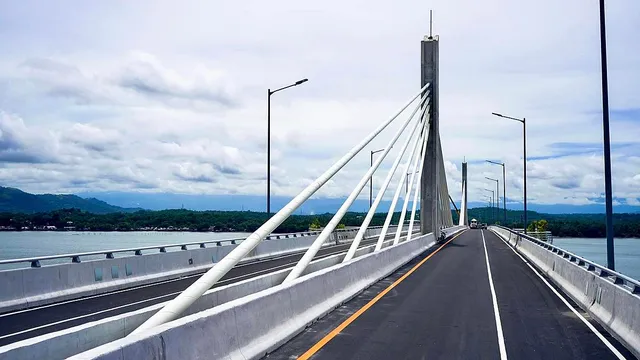
The Department of Public Works and Highways (DPWH) has been honored with the prestigious Grand Prize at the Korean Institute of Bridge and Structural Engineering’s (KIBSE) 2024 Excellent Structure Awards for the Panguil Bay Bridge Project.

DPWH Senior Undersecretary Emil K. Sadain, who also serves as the National President of the Philippine Institute of Civil Engineers (PICE), accepted an award on October 16, 2024, as he led a delegation from both DPWH and PICE at the 50th anniversary and national convention of the Korean Society of Civil Engineers (KSCE) held in Jeju Island, South Korea.

The delegation included Undersecretary Eric A. Ayapana; Assistant Secretaries Nerie D. Bueno and Rey Peter B. Guille; Project Directors Benjamin A. Bautista, Ramon A. Arriola III, Rodrigo I. Delos Reyes, Teresita V. Bauzon, Soledad R. Florencio, Sharif Madsmo H. Hasim, Virgilio C. Castillo; and Stakeholders Relations Service Director Randy R. Del Rosario.

Joining them from PICE were Treasurer Albert A. Perfecto; Auditor Michael J. David; and Directors Florencio F. Padernal, Mark Dale Diamond P. Perral, Juanito D. Cunanan, Arlene J. Adlawan, and Robinson A. Salenga II, along with Past Presidents Willy T. Go, Peter Paul Dy, and Benito M. Pacheco.

A key achievement mentioned during the event was the completion of the 3.7-kilometer Panguil Bay Bridge, inaugurated by President Ferdinand R. Marcos Jr. and DPWH Secretary Manuel M. Bonoan on September 27, 2024.

This bridge, now the longest sea-crossing bridge in Mindanao, connects Tangub City in Misamis Occidental and Tubod in Lanao del Norte.

The project, funded through Korean official developmentt assistance, exemplifies advanced engineering and construction techniques, symbolizing the nation’s progress under the “Build Better More” program.

The KIBSE award honors the Panguil Bay Bridge’s innovative design, structural integrity, and its significant impact on transportation and regional development in Mindanao.

This project underscores DPWH’s commitment to delivering world-class infrastructure to the Filipino people.

The bridge’s advanced engineering techniques and construction methods, achieved through close collaboration with South Korean partners, highlight the technological advancements that the DPWH has adopted.

The KIBSE award is a proud moment for the DPWH and a testament to the skill and dedication of the engineers under the Unified Project Management Office (UPMO) Operations headed by Senior Undersecretary Sadain.

Senior Undersetary Sadain said that the bridge not only symbolizes the progress of infrastructure development but also the strong partnership between the Philippines and South Korea in advancing civil engineering.

The participation of DPWH and PICE in the 2024 KSCE Convention is part of the broader effort to position the Philippines as a leader in infrastructure development in Southeast Asia.

PICE is entering a new era of collaboration, innovation, and sustainable development, embodied in its theme: “Building Global Partnerships, Bridging Boundaries, and Fostering New Technologies Towards a More Resilient and Sustainable Development.”

Under the leadership of Senior Undersecretary Sadain, and with strong partnerships forged with KSCE and the Japan Society of Civil Engineers (JSCE) and the success of the 2024 Midyear Convention and International Engineering Expo, PICE is preparing for its biggest event yet—the 50th National Convention and 2nd International Expo from October 29-31, 2024, at the SMX Convention Center, Pasay City.

Proceeds from these conventions will help fund the construction of the long-awaited PICE National Building, a future symbol of unity and inspiration for Filipino civil engineers. The concept design is complete, and procurement is now underway.

October 19, 2024

As the 2024 U.S. presidential election approaches, the metal market may face intermittent disturbances. Expectations of rate cuts by the U.S. Federal Reserve are significantly impacting metals like nickel, with the market anticipating the first cut in September. If successful, this could help nickel mitigate the oversupply that has pressured prices.

Indonesia plays a crucial role in the global nickel market, with its supply, demand, and policies greatly affecting trends. Recent developments regarding the RKAB regulation have tightened Indonesian nickel ore supply, which previously fueled bullish sentiment. How Indonesia navigates the healthy development of its raw material market through effective policies and the nickel price index will be critical moving forward. In the past year, the Shanghai Metals Market (SMM) and the Indonesian Nickel Miners Association (APNI) launched the Indonesian Nickel Industry Index Price, attracting significant industry attention.

Earlier this year, nickel ore prices surged, bolstering FeNi and NPI prices and providing substantial cost support for stainless steel. However, the stainless steel industry is now facing significant losses. Geopolitical conflicts and congested sea transportation have increased stainless steel consumption for ships and metal containers. Looking to the second half of the year, can stainless steel exports maintain their strong first-half performance? Additionally, the Carbon Border Adjustment Mechanism presents challenges and opportunities for the steel industry. What other policies and trends will shape the future of the stainless steel market?

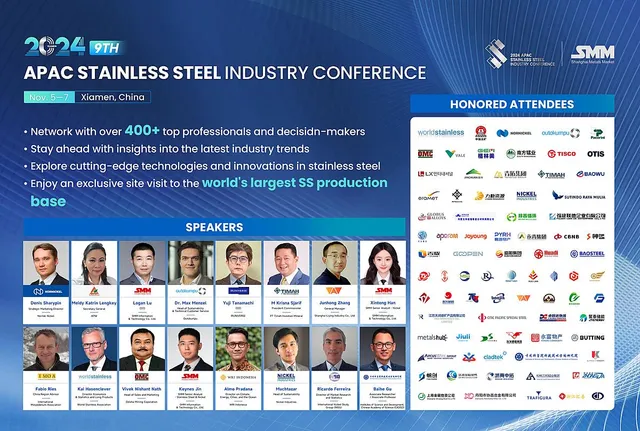
To help upstream and downstream customers in the nickel-chromium-manganese stainless steel industry better understand and assess market trends, SMM will hold the APAC (9th) Stainless Steel Industry Conference 2024 in Fujian, China. Co-hosted by SMM and Tsingtuo Group, this conference will gather over 400 guests from the entire Ni-Cr-Mn stainless steel supply chain to discuss supply and demand dynamics, price trends, and market outlooks. The conference will also convene "global raw material sellers" and "international downstream buyers" to explore opportunities for global cooperation in supply and demand and to jointly pursue sustainable development in the industry.

SMM sincerely invites you to attend this significant event and be part of this grand gathering!

Conference Date: November 5-6, 2024

Conference Venue: Xiamen, China

*Register here and have 10% Discount with code (MMR016)

Current Conference Lineup (Participation Status) and List of Some Leading Companies

Association Partners:

World Stainless Association, International Nickel Study Group, International Molybdenum Association, Indonesian Nickel Miners Association (APNI), Indonesian Stainless Steel Development Association, Djakarta Mining Club, World Resources Institute Indonesia, British Stainless Steel Association, Malaysian Hardware, Machinery & Building Materials Dealers' Association.

Media Partners: Philippine Resources Journal, IRUNIVERSE, Steel Times International, MIRU-NEWS&REPORT.

Honored Guests (Partial List of Companies)

Upstream (Mining):

Vale, Eramet, Jinchuan Group, China Minmetals Corporation, South Manganese Group Ltd., Odisha Mining Corporation Limited (OMC), Norilsk Nickel, PT Timah Tbk, LX International Qingdao Office...

Midstream (Smelting):

MITSUI & CO., LTD., Ningbo Leygend Resources Technology, Shaanxi Jutai New Material Technology, Guangdong Brunp Recycling Technology, Gulf Alloys And Metals (FZC) LLC, China-Base Ningbo Group, Fengzhen Tianyuan Chemical, Shanghai Jujia Alloy Materials, Zhejiang Pengyuan Supply Chain Management, Xumu (Shanghai) Nickel Trading, Zhejiang Hualian Trading, Wuxi Baojin Metal Products, Shanghai Zhengning International Trade, Shanghai Jilong Alloy Materials, Shanghai Zhuyu Materials Technology, Fujian Liande Enterprise, Inner Mongolia Heyin Nickel-Chromium Composite Materials, Shanghai Shengquan Metal Materials, Shanghai Gaopeng Metal Materials, Jinzhou Special Smelting New Materials, Jingzhou Weisheng Technology...

Downstream:

GEM, Tsingtuo Group, Baosteel Desheng, Baoshan Iron & Steel, Otis Elevator, Tungmung Development, Outokumpu, Aperam Stainless Steel Trading (Shanghai), PT Sutindo Raya Mulia, Huzhou Jiuli Industrial Investment, Yongxing Special Materials Technology, Indonesia Huadi Investment Group, ASEAN Development Industrial...

Third Parties:

Metalshub, PGS (East Asia), Institute of Science and Development, Chinese Academy of Sciences, China Certification & Inspection Group, Nanjing Jinli Inspection, Shanghai Zhuoyueda International Logistics, Tianjin Haocheng International Trading and all the above associations and media, etc.
October 14, 2024

The Department of Public Works and Highways (DPWH) with its consultant CTI Engineering International Co., Ltd., organized on Tuesday, October 8, 2024 a Stakeholders Engagement Forum focusing on the ongoing feasibility study of the Laguna Lakeshore Road Network (LLRN) Project - Phase 2.

The event held at the Philippine International Convention Center (PICC) provided a forum for discussing the project’s scope, benefits, and potential environmental and social impacts, as well as addressing the concerns and suggestions of the stakeholders.

Present at the forum are DPWH Senior Undersecretary Emil K. Sadain; Asian Development Bank (ADB) Country Director Pavit Ramachandran; DPWH Assistant Secretaries Medmier G. Malig and Constante A. Llanes Jr.; Laguna Lake Development Authority (LLDA) General Manager Senando A. Santiago; Rizal 2nd District Representative Emigdio P. Tanjuatco III; Sta Rosa, Laguna Lone District Representative Dan S. Fernandez; DPWH Unified Project Management Office - Roads Management Cluster II (Multilateral) Project Director Teresita V. Bauzon and LLRN Team Project Manager Zenaida B. Mauhay; Laguna Provincial Planning and Development Coordinator (PPDC) Pablo V. Del Mundo, Jr.; National Economic and Development Authority (NEDA) Director Joseph Capistrano; and representatives from different local government units of Rizal and Laguna and other government agencies.

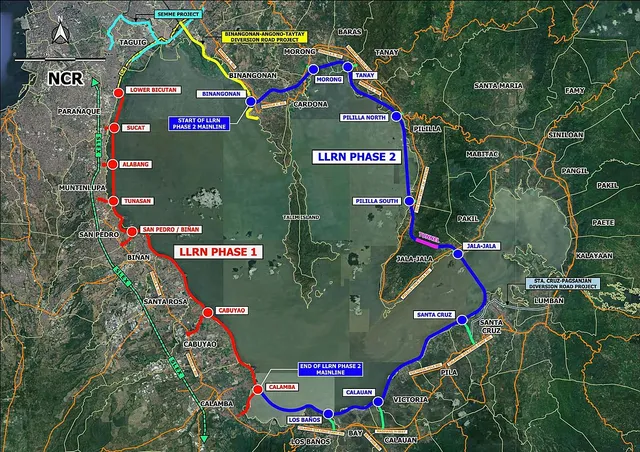
In a report to DPWH Secretary Manuel M. Bonoan, Senior Undersecretary Sadain said that the forum was held to foster transparency and better collaboration with various stakeholders in view of making a sound and objective investment decision for the LLRN Phase 2 which is envisioned as a 71.45-kilometer expressway at the eastern portion of Laguna Lake from Binangonan, Rizal to Calamba, Laguna.

The proposed Phase 2 will be composed of 24.50 kilometers of at-grade road section, 42.80 kilometers of bridge or viaduct section, and 2.15 kilometers of twin-tunnel section with design speed of 90 kilometers per hour.

Based on the in-depth study of planned alignment, the road will have nine (9) interchanges located at Binangonan, Morong, Tanay, Pililla North, Pililla South, Jala-Jala, Santa Cruz, Victoria/Calauan, and Los Baños.

The project is an extension from the proposed 37.5-kilometer LLRN Phase 1 along the west shoreline of Laguna de Bay, from Lower Bicutan, Taguig City, traversing Muntinlupa, San Pedro, Biñan, Sta. Rosa, Cabuyao, and end in Calamba, Laguna.

According to Senior Undersecretary Sadain, LLRN Project is a crucial component of the broader Luzon Economic Corridor which is an initiative aimed at facilitating seamless transportation and logistics between key economic hubs of Subic Bay, Clark, Manila, and Batangas.

The Laguna Lakeshore Road Network will provide a seamless linkage between the cities and municipalities along the western and eastern areas of the Laguna Lake. It will also serve as an alternative route to motorists bound north and south, aiding in the traffic decongestion of Mega Manila.

It is expected to play a key role in promoting economic development by providing a safer, quicker, and more convenient travel option for motorists traveling between the northern and southern regions. Additionally, it will facilitate access to various tourist and business destinations, promoting overall regional growth and development.

The Asian Development Bank provided financing for the feasibility studies under its Infrastructure Preparation and Innovation Facility (IPIF).

Earlier, the feasibility study consultant with its joint ventures and local associates conducted a comprehensive stakeholder engagement process as part of the public consultation efforts for the LLRN Project.

This engagement is a crucial component of the government’s environmental scoping requirements, ensuring that all affected sectors are given a platform to express their views and concerns.

Part of this process are early identification of stakeholders, including local communities, civil society groups, private sector representatives, and key government agencies. Through a series of meetings and sectoral focus group discussions, these stakeholders were informed about the project and encouraged to provide feedback on its potential impact.

By engaging in this collaborative process, DPWH ensures that the project not only meets the regulatory requirements but also addresses the needs and priorities of the communities involved, ultimately contributing to a more sustainable and inclusive infrastructure development.

October 14, 2024

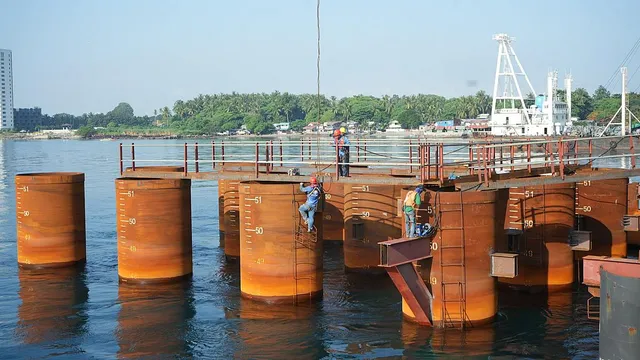
The Department of Public Works and Highways (DPWH) announced significant progress in the highly anticipated Samal Island-Davao City Connector (SIDC) Project, with advancements in the on-going bored piling works for the foundation that will eventually support the project superstructure.

In a site inspection report to DPWH Secretary Manuel M. Bonoan, Senior Undersecretary Emil K. Sadain shared that bored piling works for foundation of the land and marine viaducts as well as the main navigation bridge to connect the Island Garden City of Samal (IGaCoS) to Davao City are advancing at a commendable pace.

To date, all 74 bored piles required for the Samal Island land viaduct structure have been completed while 48 of the 104 required bored piles have also been finished on the Davao City side.

“We are pleased to see commendable progress achieved so far. Despite the numerous logistical and technical challenges we face particularly due to the depth of the seabed, we remain on track to deliver this iconic bridge project by 2028. Our team continues to push forward, ensuring that the vision for this scenic and transformative infrastructure becomes a reality,” said Senior Undersecretary Sadain.

Implemented by the Unified Project Management Office - Bridges Management Cluster (UPMO-BMC) under the direct supervision of Senior Undersecretary Sadain as in-charge of DPWH infrastructure flagship projects and Project Director Rodrigo I. Delos Reyes, the 4.01-kilometer SIDC Project is under design-and-build contractor China Road and Bridge Corporation.

During an inspection on October 11, 2024 to review the ongoing works and ensure coordinated plans for the next stages of the project, Senior Undersecretary Sadain was joined by UPMO-BMC Project Director Delos Reyes, UPMO Roads Management Cluster 1 Project Director Benjamin A. Bautista, Stakeholders Relations Service Director Randy R. Del Rosario, Project Managers Joweto V. Tulaylay and Najar S. Imbin, Acting Project Manager Norifel Teddie G. Cadiang, and Project Engineer John Christian T. Gaden.

In preparation for construction over the water, craneways on both sides of the project at Samal and Davao City have been completed. Ongoing works include the installation of permanent casings and platforms for the marine viaduct and main navigation bridge sections.

Meanwhile, the project’s detailed engineering design (DED) is now 97.9% complete following the recent approvals by DPWH Bureau of Design for key elements of the substructure and superstructure, bringing the design phase closer to finalization. The remaining design components, which include ramp sections and various ancillary structures like traffic safety facilities are currently under review.

Targetted to open to traffic within the term of President Ferdinand R. Marcos Jr. as a significant milestone in the government’s “Build, Better, More” program, the bridge will stand as a pioneering feat of modern engineering, designed to accommodate future growth in Mindanao.

The SIDC bridge will span the Pakiputan Strait with an impressive extradosed main bridge, featuring a 275-meter main span and a vertical navigation clearance of 47 meters. Two (2) pylons, each rising 73 meters above sea level, will support the bridge’s main section, allowing maritime traffic to pass beneath. The marine crossing itself will cover approximately 1.62 kilometers, reaching a maximum seabed depth of 40 meters.

This ambitious infrastructure project, funded through Official Development Assistance (ODA) under a Government Concessional Loan from China, has an estimated total cost of P23.52 billion.

October 14, 2024

The construction of the 1.34-kilometer Davao River (Bucana) Bridge by the Department of Public Works and Highways (DPWH) is progressing steadily, with civil works now more than halfway completed, less than a year after the project began in November 2023.

In his inspection report to DPWH Secretary Manuel M. Bonoan, Senior Undersecretary Emil K. Sadain said that civil works are showing substantial developments with accomplishment status now reaching 53.76% and anticipated to open to traffic before the end of 2025.

According to Senior Undersecretary Sadain, the recent progress in the Bucana Bridge project demonstrates the unyielding hardwork and commitment of DPWH in fulfilling the goals and vision of this iconic infrastructure in Davao City which will greatly contribute to reinforcing an advanced and sustainable national road network of the country.

Presently, the four (4)-lane six (6)-span extradosed bridge and its approach roads crossing the Davao River have reached significant milestones in the foundation works, pouring of pylon for pier 1, installation of form travellers in preparation for the superstructure, and among others.

Implemented by DPWH Unified Project Management Office - Bridges Management Cluster (UPMO-BMC) headed by Project Director Rodrigo I. Delos Reyes with Acting Project Manager Norifel Teddie G. Cadiang and Project Engineer John Christian T. Gaden, the Bucana Bridge along the Davao City Coastal Road, will serve as an alternate route for the growing number of vehicles to the existing urban road network of Davao City.

Also present during the inspection on October 11, 2024 are DPWH UPMO-BMC Project Director Delos Reyes, UPMO Roads Management Cluster 1 Project Director Benjamin A. Bautista, Stakeholders Relations Service Director Randy R. Del Rosario, and Project Manager Joweto V. Tulaylay.

The Bucana Bridge features advanced structural components and engineering innovations, that is poised to provide an efficient transportation link in Davao City, also serving as an integral part of the coastal bypass road traversing from Roxas Avenue to Bago Aplaya.

Funded by China Aid-Grant, the project is under contract with China Road and Bridge Corporation (CRBC) in the amount of ₱3.126 Billion.

The completion of this project will further boost new economic and development opportunities in Davao City.

October 14, 2024

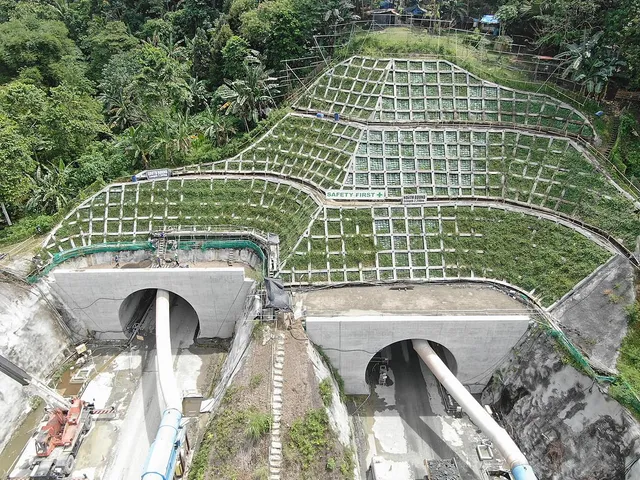
The Department of Public Works and Highways (DPWH) continues to make significant progress on the Davao City Bypass Construction Project (DCBCP), particularly in the development of the 2.3-kilometer twin mountain road tunnel, a key feature of the 45.62-kilometer four-lane bypass road that spans from Barangay Sirawan, Toril, Davao City, to Barangay J.P. Laurel, Panabo City.

DPWH Senior Undersecretary Emil K. Sadain, in his inspection report to Secretary Manuel M. Bonoan, noted that the concreting of the tunnel invert lining is now 75.76% complete or about 1,697 lineal meters on the northbound tunnel and 74.12% or 1,667 lineal meters on the southbound tunnel.

Tunnel excavation works are also progressing rapidly, with the northbound tunnel 87.72% excavated (1,965 meters), leaving just 275 meters to go. The southbound tunnel is currently at 78.30% (1,761 meters), with 488 meters remaining.

During the inspection at Contract Package (CP) I-1 on October 11, 2024, Senior Undersecretary Sadain was joined by DPWH Unified Project Management Office-Roads Management Cluster (UPMO-RMC 1) Project Director Benjamin A. Bautista, UPMO Bridges Management Cluster Project Director Rodrigo I. Delos Reyes, and Stakeholders Relations Service Director Randy R. Del Rosario.

CP I-1, which covers a 10.7-kilometer stretch from Mintal Road Intersection (Sta. 12+800) to Mandug Road Intersection (Sta. 23+500), is now 53.52% complete, with full completion expected by the second quarter of 2025.

The ongoing progress reflects the dedication of the UPMO-RMC 1 team, led by Project Director Bautista, along with Project Managers Joselito B. Reyes, Lope M. Pajarillaga Jr., and Ricarte Mañalac, as well as Engineers Juan M. Diña Jr. and Earl Nicholas F. Rada.

DPWH UPMO-RMC 1, in partnership with the CP I-1 civil works contractor Shimizu-Ulticon-Takenaka joint venture and project management consultants Nippon Koei, Katahira, Nippon Engineering, and Philkoei, is utilizing advanced engineering techniques to accelerate civil works, positioning the project as one of the most innovative road infrastructure developments in the Philippines.

“We are encouraged by the progress in CP I-1, and we remain optimistic about meeting our targets. Once completed, the Davao City Bypass will be a pioneering infrastructure that will boost economic growth and enhance livelihood opportunities in Davao City,” said Senior Undersecretary Sadain.

Funded through a loan agreement between the Philippine government and the Japan International Cooperation Agency (JICA), the ₱13.23-billion CP I-1 l also covers the construction of 7.9-kilometer four (4)-lane road, three (3) pairs of bridges spanning more than 500 meters in total, two (2) underpasses, two (2) overpasses, and four (4) at-grade intersections.

Despite legal challenges and weather disruptions, the DPWH remains proactive in addressing issues, ensuring the project stays on track with strategic interventions.

Once completed, the Davao City Bypass Road will cut travel time between Barangay Sirawan in Toril and Barangay J.P. Laurel in Panabo City from 1 hour and 44 minutes via the Pan-Philippine Highway Diversion Road to just 49 minutes, greatly alleviating traffic congestion in Davao City.

October 14, 2024

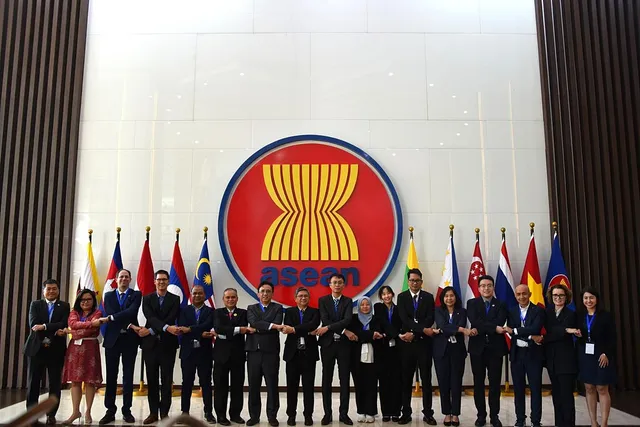
The Philippines showed its commitment to sustainable mineral development during the 12th Joint Working Groups Meeting of the ASEAN Minerals Cooperation (ASOMM) held from August 13 to 15, 2024, in Jakarta, Indonesia.

Led by Engr. Teodorico A. Sandoval, Assistant Director of the Mines and Geosciences Bureau (MGB), the Philippine delegation actively took part in discussions to promote regional collaboration and enhance trade and investment in minerals across Southeast Asia.

The meeting, which brought together representatives from all ASEAN member states, focused on the progress of Phase 2 of the ASEAN Minerals Cooperation Action Plan (AMCAP) 2016-2025. AMCAP’s goal is to create a thriving and sustainable minerals sector in ASEAN, supporting socio-economic growth and environmental well-being.

The Philippines played a prominent role in several discussions. Dr. Karlo L. Queaño, Chief of the Lands Geological Survey Division and representing the Working Group on Capacity Building on Minerals (WGCBM), presided over a session that explored capacity-building initiatives for sustainable mining. He underscored the importance of peer-to-peer learning networks to share the mineral industry's best practices and innovative technologies.

Meanwhile, Mineral Economics, Information and Publication Division Chief Engr. Romualdo D. Aguilos, the focal point for the Working Group on Trade and Investment in Minerals (WGTIM) acted as the vice-chair in place of Mine Safety, Environment, and Social Development Division Chief Engr. H. Marcial H. Mateo

Engr. Sandoval also presented updates on behalf of the Working Group on Mineral Information Database (WGMID), emphasizing the need to enhance data sharing and harmonize digital assets across ASEAN member states, an initiative to improve decision-making processes related to mineral resource exploration and management.

MGB has also released a report detailing the nation’s progress on Action Line TI1.1 and providing updates on the ongoing efforts to refine the ASEAN Minerals Development Vision (AMDV). The report aims to enhance regional collaboration and promote sustainable mining practices among ASEAN member states.

The Declaration on Promoting ASEAN as an Investment Destination for Sustainable Minerals Development, which was adopted during the 9th ASEAN Ministerial Meeting on Minerals (AMMin) in November 2023 was also discussed in the event.

October 14, 2024

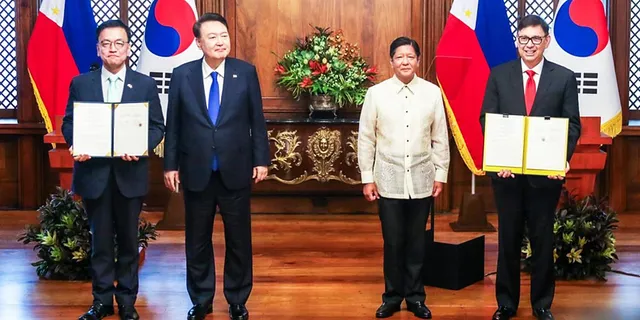
Finance Secretary Ralph Recto and Korea's Deputy Prime Minister and Minister of Economy and Finance Choi Sang-mok recently signed agreements for the financing of three big infrastructure projects that will enhance mobility and support economic development in Luzon and the Visayas.

In a statement on Wednesday, the DOF said the agreements were signed in Malacañang Palace on Oct. 7 and was witnessed by President Ferdinand R. Marcos Jr. and South Korean President Yoon Suk Yeol, who was on a state visit to the Philippines.

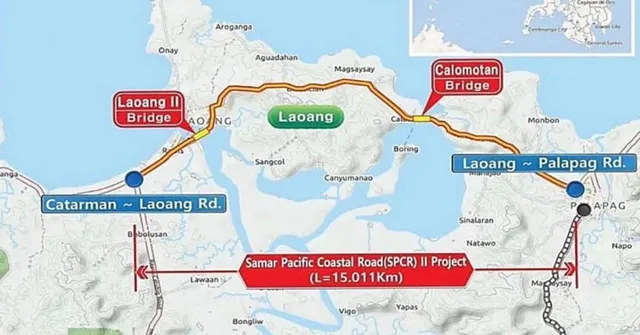
Among the projects sealed was the PHP6.34 billion financing agreement for the Samar Pacific Coastal Road II Project, supported by the Export-Import Bank of Korea - Economic Development Cooperation Fund (KEXIM-EDCF).

The project aims to provide a seamless connection for people and goods being transported between Laoang Island and Samar mainland.

It comprises two marine bridges – the Laoang II Bridge and Calamotan Bridge – and the improvement of 15.01 km. of existing roads.

Once completed in 2029, the project will reduce travel time from Laoang to Palapag in Northern Samar to 19 minutes from the current 65 minutes.

The DOF said a memorandum of understanding (MOU) was also signed and exchanged for the Laguna Lakeshore Road Network Project Phase 1 (Stage 1) and the Panay-Guimaras-Negros Island Bridges Project.

The MOU serves as a document for the cooperation between the two governments relating to the prospective financing of the two projects.

With a total project cost of PHP181.03 billion, Phase I of the proposed Laguna Lakeshore Road Network Project covers a 37.6-km. viaduct and embankment from Lower Bicutan, Taguig City to Calamba, Laguna.

The amount will also be used to construct eight interchanges proposed to connect municipal boundaries to the nearest public road along Lower Bicutan, Sucat, Alabang, Tunasan, San Pedro/Biñan, Santa Rosa, Cabuyao, and Calamba.

Once completed in 2028, the project will reduce travel time from Filinvest to Lower Bicutan to just 13.7 minutes from 33.5 minutes.

The DOF said KEXIM-EDCF would support Stage 1 of the project amounting to about PHP50.61 billion, with co-financing from the Asian Development Bank and the Asian Infrastructure Investment Bank.

The interisland bridges project in Western Visayas, meanwhile, involves the construction of two sea-crossing, four-lane bridges spanning 32.47 km. combined, including connecting roads and interchanges, which will link the islands of Panay, Guimaras, and Negros.

Once the interlink bridges are completed in 2031, the travel time of commuters, motorists, and transport of goods from Panay to Negros Islands through ferries or Ro-Ro (roll-on/roll of) will be shortened from 3 hours to 4 hours to just less than 1 hour.

With a total project cost of PHP187.54 billion, the KEXIM-EDCF is financing the conduct of the Engineering Service or Detailed Engineering Design for the project under a PHP3.21 billion financing signed on April 10, 2022.

The Detailed Engineering Design is expected to be completed in 2025.

“These projects are a testament to the strong friendship between the Philippines and South Korea. Beyond enhancing mobility, they will create jobs, spur businesses, boost incomes, and uplift Filipino lives, helping reduce poverty, especially in Luzon and Visayas,” Recto said during the ceremonial exchange of agreements for the projects.

South Korea is the Philippines’ sixth largest official development assistance partner with loan and grant commitments amounting to about USD958.11 million or about PHP54.33 billion.

October 14, 2024

The Department of Budget and Management (DBM) on Wednesday expressed optimism about more private investments in the development of the infrastructure sector.

This, as the DBM acknowledged that the proposed PHP1.507 trillion infrastructure spending for 2025 is still up for Congress' deliberation.

“For FY (fiscal year) 2025, the proposed infrastructure budget amounts to P1.507 trillion, which is still subject to the wisdom of Congress as they deliberate on the budget,” the DBM said in a statement.

“While this is 0.3 percent lower than this year’s infrastructure budget of PHP1.510 trillion, the National Government anticipates that this will be bolstered by the increase in private sector investments through the recent enactment of the Public-Private Partnership (PPP) Code and the issuance of its Implementing Rules and Regulations (IRR),” it added.

The DBM noted that to date, the bulk of the PPP projects in the pipeline are “infrastructure-related” and amount to PHP3.183 trillion.

It said the allocation for infrastructure development aims to continue increasing access to basic services, strengthening industry linkages, and expanding connectivity nationwide through programs, activities, and projects in the infrastructure, transportation, and digital sectors.

“These include the construction of various infrastructure projects, such as road networks, flood control projects, seaports, development of LGUs, buildings, irrigation systems, school buildings, hospital and health centers, water supply systems, airport systems, right-of-way acquisitions, power supply systems, housing and community facilities, railway systems, and reforestation projects,” the DBM said.

Budget Secretary Amenah Pangandaman said infrastructure development through the Build-Better-More Program remains among the key priorities of the Marcos administration, stressing that this year’s allocation for infrastructure outlays is higher by 13.5 percent compared to the PHP1.33 trillion earmarked last year.

“This is consistent with our Medium Term Fiscal Framework to achieve our growth targets, and is well within the National Government’s target for infrastructure spending at 5 to 6 percent of GDP (gross domestic product),” Pangandaman said.

The DBM said appropriations on Infrastructure Outlay continue to ascend year by year, from PHP989.3 billion in 2020, PHP1.074 trillion in 2021, PGP1.178 trillion in 2022, PHP1.330 trillion in 2023, and PHP1.510 trillion in 2024.

October 14, 2024

The Northern Samar provincial government has welcomed the recent loan agreement on the USD111.43 million (about PHP6.34 billion) Samar Pacific Coastal Road 2 (SPCR 2) project between the Philippine government and the Export-Import Bank of Korea.

The signing on October 7, Gov. Edwin Ongchuan said, marks the start of the long-time dream of the province for the Talisay-Laoang Bridge (Laoang Bridge 2) and Calomotan-Pangpang Bridge (Laoang Bridge 3) under the SPCR 2 project.

SPCR 2 covers the construction of two major bridges to complete the connectivity of the Pacific towns to Laoang town and the rest of Samar island.

“The project aims to provide a seamless connection for the people and goods between Laoang Island and the Samar mainland and contribute to the growth of the province of Northern Samar,” Ongchuan said in a statement on Friday.

Once completed in 2029, the project will cut travel time from Laoang to Palapag towns to 19 minutes from the current 65 minutes, he said.

“We have relentlessly pushed for this project at the national level under my term in the 19th Congress, as this will increase the economic development of Northern Samar’s 2nd district,” Rep. Harris Ongchuan said in a separate statement.

The Export-Import Bank of Korea supported the construction of SPCR 1, also called the Simora-Palapag Road, which has only been inaugurated this year, through a loan agreement.

On July 14, 2023, President Ferdinand R. Marcos Jr. led the inauguration of the Korean-funded SPCR 1 project in Northern Samar, completed after five years of construction.

The President approved the local government’s request for the inclusion of the SPCR 2 project during the 7th National Economic and Development Authority Board Meeting at Malacañang on July 19 this year.

The provincial government sees the SPCR 2 project as a key to eradicating insurgency, enhancing connectivity, stimulating economic growth, and unlocking the full potential of the province’s tourism sector. 

October 14, 2024

The provincial government of Ilocos Norte has collected almost PHP56 million in quarry revenues as of end-August this year, the highest it has recorded so far.

Last year, the provincial government’s quarry revenue is around PHP29.5 million.

“We are grateful for the cooperation and high compliance of our quarry permittees in paying their dues to the government,” provincial administrator Yvette Convento-Leynes, who also heads the Provincial Quarry Office, said in a media interview on Wednesday.

She said the increase in quarry collections is attributed to the high sand demand for various government and private infrastructure projects in the province.

Under the amended Provincial Quarry Ordinance, both the provincial and municipal governments have a share of 30 percent each from quarry fees, while the host village will get a 40 percent share.

The Provincial Quarry Office has, so far, issued 25 commercial sand and gravel permits, 22 industrial sand and gravel permits, eight earth moving permits, 36 special permits for government projects, and two government gratuitous permits, she added. 

Ilocos Norte Governor Matthew Joseph Manotoc, in his 3rd State of the Province Address (SOPA) Tuesday night, cited the almost 90 percent increase the provincial government’s quarry revenues. 

Manotoc attributed the jump in revenues to the efficient collection by the Provincial Treasurer’s Office and the deputization of about 110 personnel from the provincial government, Philippine National Police, Marines, and in villages who were trained by a team from the Mines and Geosciences Bureau (MGB) of the Department of Envirinment and Natural Resources (DENR) on mining laws and environmental ordinances.

Aside from guaranteed local revenue share from the extraction fees, local government units here and the host villages of an ongoing dredging and river restoration project also continue to benefit from the contractor’s corporate social responsibility project.

For one, the Harbor Star Shipping Services Inc., which the provincial government tapped to dredge around 26 kilometers of the heavily silted waterway of the Bislak River, has turned over almost PHP3 million worth of livelihood aid to at least 30 villages in the towns of Bacarra and Vintar in 2023.

In July this year, the private contractor distributed their shares in the PHP4.95 million extraction fees from dredging of the heavily silted river. 

The local government share in the revenues is on top of the alternative source of livelihood that will be provided during the duration of the 10-year dredging and river restoration project. 

October 14, 2024

Department of Trade and Industry (DTI) Undersecretary Ceferino Rodolfo expects that the partnership between Manila and Seoul on critical raw materials will boost the local electric vehicle (EV) industry.

On the sidelines of the Philippines-Korea Business Forum here Monday, Rodolfo said the newly signed memorandum of understanding (MOU) will build a stable and resilient supply chain for critical raw materials in the country from mining to recycling.

The MOU is one of the government-to-government deals signed between Manila and Seoul during the visit of South Korean President Yoon Suk Yeol here.

President Ferdinand R. Marcos Jr. and Yoon witnessed the MOU signing between Acting DTI Secretary Ma. Cristina Roque, Department of Environment and Natural Resources (DENR) Secretary Maria Antonia Yulo, and Korea’s Minister of Trade, Industry, and Energy Ahn Duk Geun.

“For the first time, the DTI and DENR signed an agreement that encompasses everything from mining to mineral processing all the way to recycling. It’s truly a seamless approach to mineral development,” Rodolfo said.

According to Seoul's Ministry of Trade, Industry, and Energy, the cooperation will include the development of supply chain, trade facilitation, and research and development (R&D).

Under the R&D partnership, Manila and Seoul will ensure the adaption of new technology, especially on rehabilitating mines and practicing sustainable mining.

The partnership lasts for five years from the date of signing, extendable for another three years upon mutual agreement.

Rodolfo said the MOU also aims to attract investments and create jobs, especially by bringing in capital from Korean companies that will invest in the critical raw materials supply chain.

He added that the Board of Investments is already in talks with Korean EV battery manufacturers.

For the private sector, Electric Vehicle Association of the Philippines (EVAP) chairman emeritus Ferdinand Raquelsantos said the MOU between the two countries is a welcome development to support the local EV industry.

Raquelsantos hopes that the partnership will really facilitate investments in the EV sector, specifically the production of EV engines, not only from Korea but also from other countries that are strong EV players in the global market.

“Electric motor is very simple to be produced here except that we don’t have the volume,” he told reporters on the sideline of the forum.

“But once we get the volume, easily—there’s some Taiwanese company has been talking to us for the last 14 years, and just waiting for the volume to go up, and they can locally produce the electric battery. For the rest, we have everything like auto parts, etc.,” he said. By Kris Crismundo


Article courtesy of the Philippine News Agency

October 07, 2024

This article urges the use of technology and well proven methods to improve ground investigation outcomes and to facilitate digital geotechnical information to target risk.  The benefit is well proven to ground engineering project cost and schedule.

This third in our series concerning ground investigation, talks about using digital data gathering methods and techniques to improve on ground investigation schedule and reduce contractor risk.  Geophysical methods being digitally based can be deployed to improve the speed of investigation, quality and relevance of information for use in digital models.

Digital Information

For Developers and Contractors, repeatable, quality assured digital datadatsets provide an unequivocal record of conditions, readily stored in digital platforms accessed from any number of Apps, and trainable to AI.

Geophysical and insitu measurements collated in digital format, together provide factual information not reliant on qualitative observations open to interpretation. Digital data can be readily integrated into design models for efficient ground modelling and 3D mine and civil design. 

For Asset Owners the same datasets serve as repeatable measurements of baseline conditions for contract management and asset lifecycle tracking.

Fast Moving Change

In an ever increasing technological world moving at faster rates but with a generally shrinking pool of skilled and experienced technical practioners, there is a looming significant difficulty to execute on projects in a timely manner. 

In addition, current generation geotechnical data gathering in the Philippines with the exception of a selected few contractors, remains negatively affected by poor performance in recovery and schedule. The data is analogue and requires interpretation of description and data gaps to use with any degree of confidence.

Industry thinking of the traditional approach of drill + test needs to change.

Not All Investigators are Equal

RDCL are experts in ground investigation and modelling.  The selection of the appropriate technique and the sequence of ground investigation deployment has a big influence on cost, suitability of information, early use of preliminary data, and efficiency of investigation.

Early engagement with specialist contractors offer significant benefits to the client.

Specialist contractors have special skills and experience to benefit the job.  Ground investigation involves well proven technique, but which are often poorly understood outside of specialist geotechnical practitioners. 

Ground investigation budgets at Planning phase can be better targeted using digital ground data integrated into asset or project models, to allow realistic assessment of risk.  This means correct techniques and methods can be deployed on a targeted basis to control cost and schedules.

An Example Remote Road Alignment

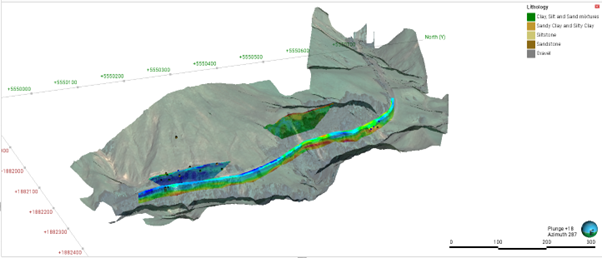
RDCL was able to fast track option assessment and mitigation using geophysical techniques applied and modeling during disaster response to Cyclone Gabrielle damage within the Tararua District, New Zealand. The work enabled rapid road condition risk assessment, investigation targeting and remediation design.

An RDCL Senior Geotechnical Professional developed the investigation plan through a structured approach beginning from geomorphological overview and large-scale evaluation of risk.  Site investigations were chosen beginning with Geophysical Survey including Resistivity and Seismic methods. Both methods are excellent for screening and importantly produce digital data.

Geophysics data interpreted with leading software Leapfrog against the digital terrain model including the road alignment, revealed areas with soft (blue) and hard (red) foundations and previously unrecognized landslides. 

The Engineering advantage is to enable appropriate preliminary scoping of likely remedial works and to target further investigation to meet those demands.

A deliberate digital ground investigation has the potential to search for previously unrecognized unknowns, allows informed decision making in a timely manner to infill gaps in project knowledge.  Digital sharing drives Collaboration which leads to speed and efficiency.

Geophysical and Insitu Testing

Surface and downhole geophysical surveys can cover large areas and penetrate below surface to provide a valuable insight into potential ground conditions and risk.  All of the information is digital, repeatable and Quality Assured. 

Surface geophysics provides rapid, repeatable measurements of geotechnical properties including, ground strength, density, modulus of deformation, Vs30 and groundwater conditions.  These parameters are relevant to design and physical evaluation of landslides, mitigation solutions subgrade modulus and seismic site class.

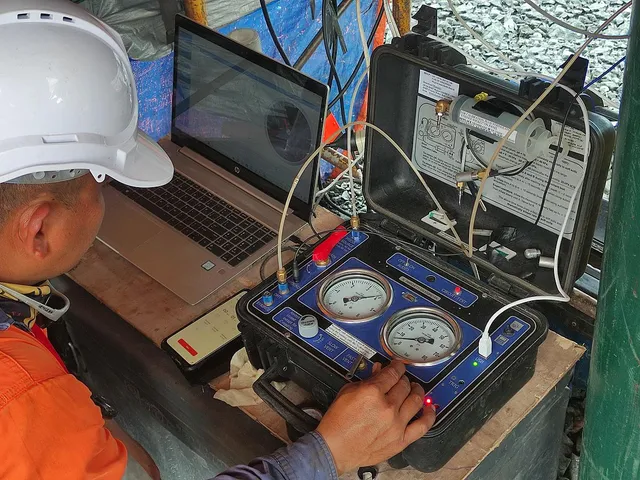
Downhole geophysics including accurate measurement of geological structures and identification of geological and geotechnical zones of influence by televiewers, shear wave velocity, density and other techniques drastically improve the value of drilling.

Critically, downhole logging significantly reduces the need for manual drilling supervision, subjective core logging and processing by capturing digital data within a tailored database for geological and geotechnical modelling using modern 3D interpretive software. 

The outcome is deeper insight into clients’ needs, and options to improve outcomes.

Talk To Us

Partner with us and take action at the time when it is most impactful to your project.

Contact us today.

info@rdcl.co.nz

Cam Wylie, Director, RDCL

Cam Wylie is the Managing Director, CEO & Principal Engineer at RDCL Limited. With 30 years in the industry, Cam is a Chartered Professional Engineer with extensive overseas experience, working on major projects in the Philippines, Indonesia, Africa, Australia, and New Zealand. His expertise includes Project Management, Geotechnical/Dam Engineering, Mining, Roading, Infrastructure, large subdivisions, and Residential Dwellings, and he is a contributor to the Hawke’s Bay Cyclone Gabrielle Engineering Leadership Group.

October 07, 2024

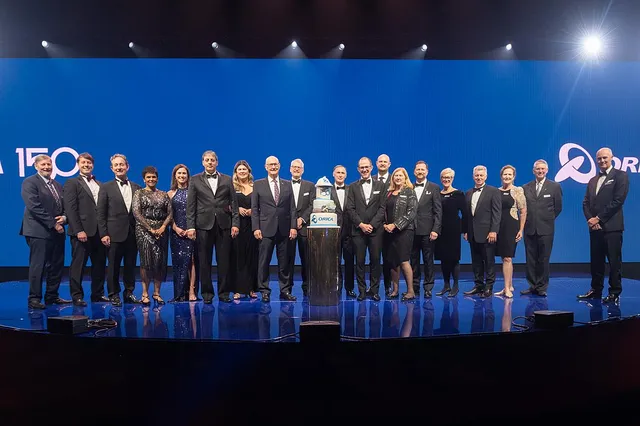
Orica, one of the world’s leading mining and infrastructure solutions providers is proud to be celebrating 150 years in operations

Founded in June 1874, a small company named Jones, Scott and Company emerged to supply explosives to those who sought fortune in the Victorian goldfields in Australia. Quickly expanding, the company merged with Nobel Explosives and later Imperial Chemical Industries (ICI). Dulux meanwhile began supplying paint to the Australian market in 1918 as part of the British Australian Lead Manufacturers (BALM) company which was partly purchased by ICI in 1928. ICI gained majority control in 1947 and 100 per cent control of Dulux in 1986. In 1998, ICI was listed on the Australian Securities Exchange (ASX) as Orica and has grown to be one of the world’s leading mining and infrastructure solutions providers with a market capitalisation nearing $9 billion.

Orica’s international presence includes the Philippines, a hub for Orica Global Business Services. For over 50 years, Orica Philippines has supported the mining and civil construction sectors and now operates a major manufacturing facility in Limay, Bataan, exporting products worldwide.

Gordon Wallace, Country Director Orica Philippines gave a speech during the 150 celebration at Orica Philippines


Reflecting on the company's rich and impactful history, Orica Chairman Malcolm Broomhead said:

"From our explosive beginnings to our global presence in more than 100 countries today, Orica has been an integral part of the Australian and international manufacturing industry, creating products that have transformed everyday life. As we celebrate 150 years, we look back at a story of resilience, innovation, and the unwavering commitment of our people.

“Over the years, Orica has expanded its footprint, embracing new categories, businesses, capabilities, end markets, and geographies, becoming a multi-billion-dollar global organisation. Orica’s 150th milestone is a testament to the company’s strength, adaptability, and ability to thrive in a constantly evolving business landscape.”

Innovation has been a part of Orica’s DNA since Alfred Nobel’s pioneering days and its commitment to research-led innovation remains unwavering, helping to shape the industry while providing essential support for its people, customers, and communities in which it operates. Some of Orica’s innovations include the creation of Perspex, the build of Australia’s first skyscraper, the world’s first wireless blasting solution WebGen™, Exel Neo TM the world’s first lead free detonator and most recently, the first blast using low-carbon ammonium nitrate in partnership with Fertiberia.

Orica's commitment to safety, the environment, and community engagement has been pivotal to its success. Partnering for progress with customers and stakeholders to find solutions to the industry’s biggest challenges and enabling the global transition to a lower carbon future.

Today, Orica’s team of more than 12,500 engineers, scientists, technologists, operators, business specialists and on-site crew support customers in surface and underground mines, quarry, construction, tunnelling and oil and gas operations in over 100 countries around the world.

Orica is focused on mobilising the materials, metals and minerals required to help the global economy grow and transition to net zero emissions, advancing technology and innovation across the mining and infrastructure value chains while accelerating its own decarbonisation with an ambition to achieve net zero emissions by 2050.

October 01, 2024

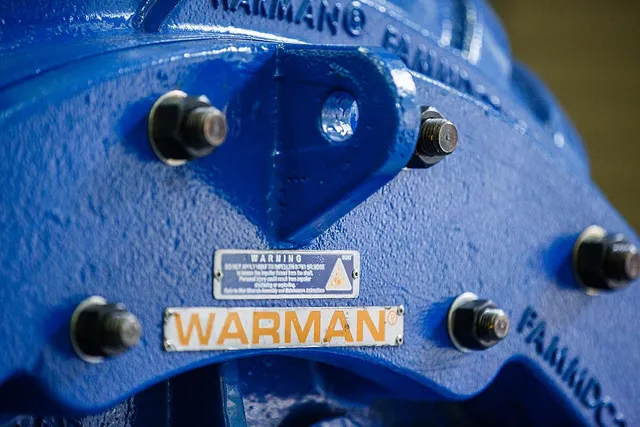
The Weir Group PLC (Weir), a global mining technology leader, has been awarded a £25m contract to provide industry-leading energy efficient, sustainable solutions to the next phase of OCP Group’s Benguerir and Louta greenfield phosphate projects in Morocco. The order will support the continued construction of the Louta project and the trebling of production from the Benguerir project, where Weir has previously provided similar separation and desliming solutions also based on our market leading WARMAN® slurry pump and CAVEX® hydrocyclone technology. The Benguerir expansion will start up following the initial phase of the project which has scheduled first production in 2024, with an estimated total mine life of more than 100 years.

The £25m contract award will be recognised in the order book during the remainder of Q3 2024. After commissioning of the equipment, aftermarket support will be provided via Weir technical experts from our Moroccan service centre, which is located close to the projects.

The receipt of orders associated with the contract award does not result in a change to Weir’s full year 2024 financial guidance as of 30 July 2024.

Commenting on the contract award, Jon Stanton, Chief Executive Officer of Weir said:

“We are pleased to have secured this major contract. It represents a strong endorsement of our WARMAN® and CAVEX® ranges that provide energy efficient separation at scale to support our customer’s productivity and sustainability goals. Along with our industry-leading solutions, we promise our customers world class service; our local team are delighted to continue to deliver for OCP as they commission the initial phase at Benguerir and look to expand these exciting projects.”

September 30, 2024

The 70th Annual National Mine Safety and Environment Conference (ANMSEC) is set to take place on November 19 to 22, 2024, at the CAP-John Hay Trade and Cultural Center in Baguio City.

The said event will be spearheaded by the Philippine Mine Safety and Environment Association (PMSEA),  the country’s leading advocate for occupational safety, health, environmental management, and social responsibility in the minerals industry, in coordination with various key stakeholders, including the Department of Environment and Natural Resources-Mines and Geosciences Bureau (DENR-MGB), the Chamber of Mines of the Philippines (COMP), the Philippine Society of Mining Engineers (PSEM), as well as mining companies, quarries, mineral processing plants, suppliers, service contractors, and various professional organizations.

This year’s conference marks a significant milestone in the history of ANMSEC, highlighting seven decades of dedication to improving safety standards and environmental practices in the mining industry.

The theme for the event, “Endurance and Innovation for Sustainability”, reflects the unique challenges faced by the mining industry in the Philippines and the need to navigate these challenges by embracing innovative and sustainable practices and solutions towards achieving responsible and sustainable mineral resources development.

Among the highlights of ANMSEC’s yearly activities are the following:

  • Sports Fest (Badminton, Golf, Bowling and Lawn Tennis)
  • Mining Exhibit by Mining Companies and Suppliers
  • PMEA Mining Forum
  • YAMAN PH Student Congress
  • Community Relations Officers Conference National Community Relations Practitioners in the Philippine Mining/Minerals Industry
  • Minerals Industry Symposium in cooperation with PSEM
  • Minerals Industry Parade
  • Mine Safety Field Demonstration and Field Competition

The culminating activity in the celebration of ANMSEC is the Testimonial Dinner and Annual Awards Night. The recipients of the 2024 Presidential Mineral Industry Environmental Award for best mining practices in the country will be awarded to mining, and mineral processing companies engaged in mineral exploration, quarry operation, surface mining operation, underground mining operation, and mineral processing. Winners of the 2024 Best Mining Forest Contest, Safest Mines Awards, and Best Mines’ Personalities will also be awarded during the said event.

September 30, 2024

During a mining event, DENR Undersecretary Marilou G. Erni emphasized that in the 2023 World Risk Index, the Philippines was identified as the number one most disaster-prone country in the world. This ranking highlights the country's extreme vulnerability to natural hazards and the significant risks it faces from disasters such as typhoons, earthquakes, and volcanic eruptions. The Index underscores the urgency for the Philippines to enhance its disaster risk reduction and management strategies.

The Philippine Government through the Department of Environment and Natural Resources (DENR), in collaboration with the United Nations Office for Disaster Risk Reduction (UNDRR), will host this year the Asia-Pacific Ministerial Conference on Disaster Risk Reduction (APMCDRR). This will be held at the Philippine International Convention Center in Manila from October 14 to 18, 2024. The final day, October 18, is reserved for an optional site visit.

This was announced by Usec. Erni during a Philippine Mining Club Luncheon last May 24 at Seda Hotel BGC. Her topic for this event is titled, “Asia Pacific Ministerial Meeting on Disaster Resilience”.

The APMCDRR stands as the foremost regional platform in Asia and the Pacific for overseeing and strengthening cooperation on the Sendai Framework for Disaster Risk Reduction 2015-2030.

The Sendai Framework is recognized as a vital global mechanism for coordinating efforts to reduce risks, with the APMCDRR playing a crucial role in facilitating the exchange of knowledge and best practices in disaster risk reduction across the region.

About the Speaker

Usec. Erni is the current Chief of Staff and Supervising Undersecretary for Strategic Communications of DENR, the government agency primarily responsible for the conservation, management, development, and proper use of the country’s environment and natural resources.

Before taking on her current role, Usec. Erni served as the Executive Director of the National Resilience Council (NRC) in the Philippines. The NRC is a public-private partnership focused on enhancing climate and disaster resilience through science and technology. It works towards the implementation of key international frameworks, including the Sendai Framework for Disaster Risk Reduction, the Sustainable Development Goals, and the Paris Climate Agreement.

An October to Remember

The APMCDRR will kick off with "Day Zero" on October 14, followed by three full-day programs from October 15 to 17, and will conclude with a field exposure on October 18. The conference will include various sessions such as plenary sessions, working sessions, partner events, learning labs, and a marketplace with exhibition booths.

This conference will unite governments, intergovernmental organizations, international and national bodies, civil society organizations, the private sector, academia, and other stakeholders to advance disaster risk reduction efforts.

As the inaugural regional platform following the adoption of the Political Declaration of the Sendai Framework Midterm Review, APMCDRR 2024 will be held under the theme "Surge to 2030: Enhancing Ambition in Asia-Pacific to Accelerate Disaster Risk Reduction."

The event is expected to attract 2,500 to 3,000 participants, including ministerial representatives, international organizations, and various sectors from across the Asia-Pacific region.

How It All Started

Usec. Erni pointed out that the World Economic Forum’s Global Risks Report 2024 highlights that the top global risks are mostly environmental, such as extreme weather events, biodiversity loss, and pollution. These risks are particularly relevant to the Asia-Pacific region, which has historically borne the brunt of global disaster impacts.

Moreover, the Asia-Pacific region has been significantly affected by disasters, accounting for a large percentage of global disaster fatalities and affected populations. The Philippines is identified as the most disaster-prone country in the world in 2023.

In relation to this, the conference (APMCDRR) aims to review risk reduction progress, share innovative solutions, and make actionable commitments to enhance disaster risk reduction efforts by 2030 in one of the world's most disaster-prone regions.

Another objective of the conference is to foster ambition in DRR across the region, focusing on practical solutions, inclusivity, and localization. The private sector’s engagement is crucial for sustainable financing and building resilience.

Role of the Mining Industry

During her talk, Usec. Erni emphasized the importance of the mining sector in understanding systemic risks and contributing to disaster risk reduction (DRR) efforts. The mining industry is urged to transition from mere compliance to sustainability and even regenerative practices.

Usec. Erni invites participants from the mining industry and other sectors to actively participate in the conference. The event is seen as an opportunity to showcase the Philippines' leadership in DRR and to promote public-private partnerships in addressing disaster risks.

With this invitation to support the event, she emphasized the importance of collective action in achieving equitable, inclusive, and sustainable development in the face of disaster risks.

---

Later at the Luncheon, two others speakers gave a lecture and presentation. DENR's Undersecretary Jonas R. Leones (for Policy, Planning, and International Affairs) talked about “Project TRANSFORM” where he enumerated the various successful projects of DENR across the country. TRANSFORM is an acronym for Transdisciplinary Approach for Resilience and Environmental Sustainability Through Multistakeholder Engagement.

GHD Group's Mr. Anjan Kundu gave a lecture on “Reshaping the Future on Tailings in the Philippines”. Mr. Kundu is the Senior Technical Director, Business Group Leader – Tailings and Mine Waste, at GHD Pty Ltd.

He presented some case studies on tailings from other countries and how specific solutions may be implemented as well in the Philippines for smart tailings management.

During his lecture, he asked, “Why is there so much discussion about tailings?” He answered by explaining that tailings are considered a risk to people and the environment. Thus, he concluded, “That is why now there is a Global Industry Standard in Tailings Management (GISTM).”

Mr. Kundu mentioned that the key considerations in tailings management that are Philippines specific are the following: frequent and often severe earthquakes, community close to mine and tailings facility, and torrential rainfall in short duration -- long wet season.

“This is the time to think about the Future… Think and do things differently with the use of technology,” he said.

GHD Group's Mr. Anjan Kundu, Senior Technical Director, Business Group Leader – Tailings and Mine Waste


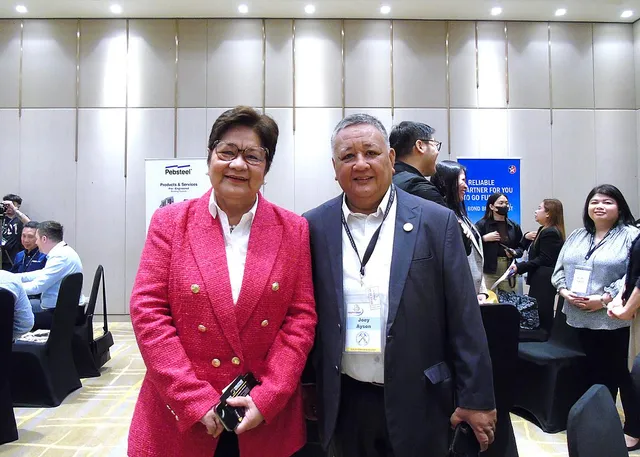
The Luncheon was emceed and moderated by Mr. Joey Nelson Ayson, President of Philippine Mining & Exploration Association.

“The Philippine Mining Club” has been established to form better relationships across all areas of the Philippine mining industry. Affiliated with the globally-recognized Melbourne Mining Club, they aim to uphold a professional networking environment in order to promote the minerals industry for those interested in the sector. The Luncheon meetings are held every second month at noon.

September 30, 2024

Thom Hanna, PG, Hydrologist and Technical Director for Johnson Screens, discusses key aspects of the Design and Ownership of wells for Managed Aquifer Recharge (MAR) and Aquifer Storage Recovery (ASR) projects.

As the natural aquifer replenishment process becomes too slow to cope with society’s growing groundwater demand, Managed Aquifer Recharge (MAR) and Aquifer Storage and Recovery (ASR) projects have become an important part of the long-term management of our hydric resources. Following that technique, water supply aquifers can be used for storage to mitigate water shortages and changes in wet and dry weather patterns.

During periods of water abundance, water can be stored in aquifers and later extracted in times of need, providing more water resilience. MAR is becoming an important practice for water management due to its minimal use of above-ground space and prevention of water loss by evaporation. With many years of proven performance supplying water in confined and unconfined aquifers, MAR applications can maintain operational standards at less than 1/3 of the footprint of traditional reservoir storage.

The design of wells used for MAR is similar to that of production wells. However, wells used for injection and extraction (Aquifer Storage and Recovery, ASR) require additional design considerations for their successful long-term operation. Inefficient wells used for MAR are more expensive to own and operate and require more maintenance, resulting in downtime.

One of the biggest challenges for MAR systems is efficiency losses due to clogging wells. Water quality needs to match that of the aquifer, and materials used in the construction of the well should include only those that do not increase the rate of clogging or geochemical reactions in the aquifer. Selected well equipment should resist corrosion to ensure that water chemistry and/or biological corrosion agents do not lead to aquifer degradation due to physical clogging or chemical reactions between aquifer water and materials. Additionally, carefully selecting filter pack size and material will improve production efficiency and bacteriological resistance.

Additionally, controlling the flow of recharge water requires careful consideration and selection to prevent cascading water from entraining air and pushing it into the well casing, bore, and aquifer. The entrained air can block water flow and is a source of oxygen that may increase corrosion and biofouling. As part of the flow control, pumps and motors require careful selection and application to allow for long-term reliability and adequate backflushing of the aquifer.

The design shall include instruments for measuring flow, water levels, and water temperature. Pump and motor data, including motor amperage, voltage, KW, KWH, and rotational speed, provide the means for calculating pump efficiency and energy usage and facilitate the calculation of wire-to-water overall efficiency. That data set should be stored and charted for study and comparison over time, providing well owners with means to optimize operations and maintenance.

Johnson Screens Provides Integrated Solutions for MAR/ASR Wells

MAR and ASR are among the most demanding applications in the Water Well industry and require comprehensive solutions to provide reliable wells while balancing expenses. By combining the tradition and knowledge with which we have led the Water Well industry for 120 years, Johnson Screens provides complete solutions designed specifically for these applications. These solutions are supported by technical and construction experience in some of the world’s most demanding projects, resulting in the most reliable equipment in the industry.

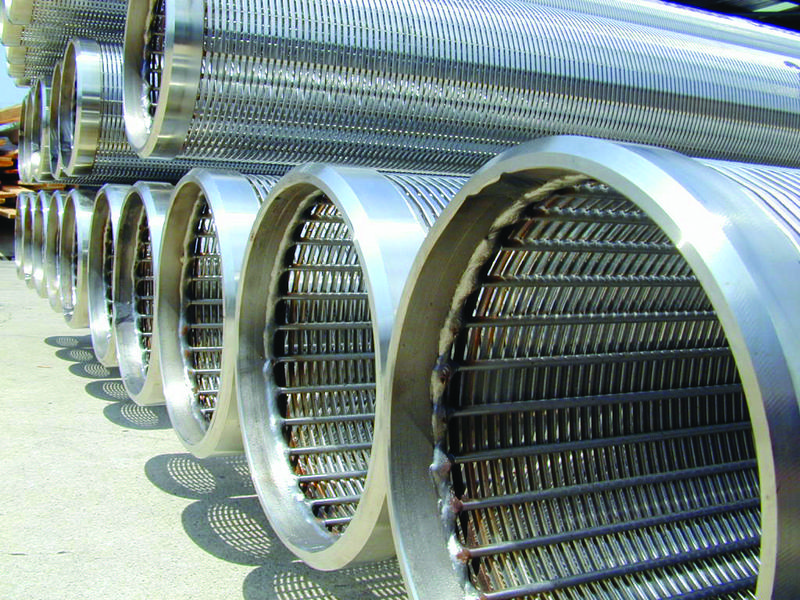
Our stainless-steel rod-based screens for water well applications rely on our signature Vee-Wire® construction to offer the highest open area to flow and lower energy requirements in both injection and production cycles. The continuous slot design promotes efficient sand control and lowers the entrance velocity of the water, reducing encrustation rates and plugging risk while preventing sand from damaging pumps. Lastly, the high open area also promotes better access to the entire formation around the screen, allowing fast and effective fines and drilling fluid removal, leading to better well development.

Johnson Screens’ Muni-PakTM Pre-Packed Screens eliminate the need for a larger borehole, shorten the time required to drill a well, and drastically speed development time. The Muni-Pak’s dual-screen construction is four times stronger than standard rod-based screens, allowing for more aggressive development and better resiliency to unexpected hole problems, continually driving down installation and operational costs.

Gravel packing is a common industry practice that introduces additional costs and considerations to well construction. Shur-PakTM Glass Beads are an upgrade from traditional filter packs for water wells. They are easier to install than conventional filter packs, chemically inert and eliminate bridging risks during installation. Shur-Pak is easy to handle and can be sized and installed using similar methods and techniques. International organizations also certified Shur-Pak to be used as a drinking water system component.

About Thom Hanna

Thomas “Thom” M. Hanna, PG, is Hydrologist and Technical Director for Johnson Screens with over 35 years of experience in well design, construction, rehabilitation, and development. His experiences include hydrogeologic investigations and the design and optimization of well efficiencies for mine dewatering and water supply investigations. Hanna has authored or co-authored many publications, including The Operational Stage of the Well, the third edition of Groundwater & Wells, and numerous technical papers. He has been an instructor and invited lecturer for many groundwater organizations and universities in different countries.

About Johnson Screens Water Well Solutions      

Johnson Screens, a brand of Aqseptence Group, is the leading global provider of screening and auxiliary solutions. For 120 years, we have provided the innovation the Water Wells industry requires with the tradition customers want. Our complete portfolio of water well solutions include screens and casing, drop pipe, chemicals, filter packs and accessories.

September 30, 2024

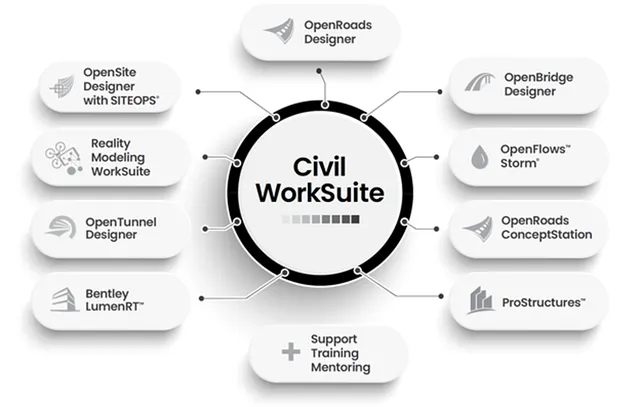
Introducing Bentley’s Civil WorkSuite—an integrated suite of infrastructure-specific solutions tailored for road, bridge, site, and tunnel design. Bentley’s Civil WorkSuite offers a comprehensive collection of top-selling applications for civil engineers, including OpenRoads™ Designer, OpenBridge® Designer, OpenSite® Designer, OpenTunnel® Designer, and more. Infrasys, as Bentley’s dedicated channel partner in the Philippines, provides not just access to this advanced software but also expert services, mentoring, and customized training to ensure a smooth transition and optimal utilization.

Connected, Collaborative, Interdisciplinary Solutions

Bentley’s civil design and engineering tools are model-centric, allowing project stakeholders to collaborate seamlessly across disciplines while working with up-to-date data. For the Philippine civil industry, this means enhanced efficiency and accuracy in managing large datasets, reducing crashes and downtime. Infrasys’s partnership ensures that Filipino engineers can leverage these tools to anticipate and resolve design clashes, visualize subsurface utilities, and achieve comprehensive project collaboration.

Reducing Design Time by 20%

In the competitive landscape of the Philippine civil industry, time and cost efficiency are crucial. Civil WorkSuite’s automated infrastructure-specific modeling features eliminate the need for extensive scripting and workarounds, accelerating design to documentation processes. By incorporating dynamic change management, the suite helps reduce manual repetitive tasks, enabling local engineers to complete projects faster and more economically.

Enhancing Data Sharing and Collaboration

Civil WorkSuite’s capabilities facilitate seamless data sharing across different disciplines, boosting productivity and minimizing errors. Engineers in the Philippines can now easily work with large data files, including LiDAR, point clouds, and drone imagery. Infrasys supports this capability, ensuring that all project stakeholders are equipped to handle and analyze complex datasets effectively.

Partnering for Success

Infrasys’s role goes beyond just providing software. The firm offers a straightforward purchasing process through Bentley’s e-commerce site, with transparent pricing and no hidden fees. The standard package includes expert services, custom training, and ongoing support, reducing project downtime and maximizing efficiency.

Tailored Solutions for the Philippine Market

Civil WorkSuite for Roads: Design and engineer road projects in the Philippines with end-to-end capabilities. Whether for urban streets or major highways, Civil WorkSuite—including OpenRoads—provides all necessary tools for plan and construction documentation, surveying, stormwater management, and more.

Civil WorkSuite for Bridges: Streamline bridge design workflows with OpenBridge Designer, a complete solution supporting all levels of detail required for various bridge projects. Civil WorkSuite ensures integration with road, tunnel, and other infrastructure design elements, essential for the interconnected nature of Philippine projects.

Civil WorkSuite for Site and Land Development: Transform site design from concept to detailed planning with OpenSite. This tool, central to Civil WorkSuite, supports land development projects from initial ideas to final documentation. For more complex projects involving roads, bridges, and tunnels, the suite offers integrated solutions that work together seamlessly.

Empowering the Philippine Civil Industry

With Infrasys as your channel partner, accessing Bentley’s Civil WorkSuite has never been easier. This partnership is committed to advancing the Philippine civil industry through innovative technology, expert support, and tailored solutions. Embrace the future of civil engineering with Infrasys and Bentley’s Civil WorkSuite, and elevate your project capabilities to new heights.

September 30, 2024

The 3.17-kilometer Panguil Bay Bridge Project (PBBP) of the Department of Public Works and Highways (DPWH) was officially opened Friday, September 27, 2024, promising to enhance connectivity and drive economic progress in Mindanao.

President Ferdinand R. Marcos Jr. with First Lady Maria Louise “Liza” Araneta-Marcos joined by Secretary Manuel M. Bonoan, Korean Ambassador to the Philippines Lee Sang-Hwa, and DPWH Senior Undersecretary Emil K. Sadain led the inauguration of the milestone project, now recognized as the longest sea-crossing bridge in Mindanao.

Also present at the inauguration ceremony of PBBP poised to bring transformative growth and development in the Mindanao Region are Office of the Presidential Advisor on Peace, Reconciliation and Unity (OPAPRU) Secretary Carlito G. Galvez Jr., Department of National Defense (DND) Secretary Gilbert Teodoro, Korea Export-Import Bank (KEXIM Bank) Director General Cho In-Kyo, Lanao del Norte Governor Imelda Q. Dimaporo, Misamis Occidental Governor Henry S. Oaminal, and other government officials.

Implemented by DPWH Unified Project Management Office - Roads Management Cluster II (Multilateral) under direct supervision of Senior Undersecretary Sadain together with former Project Director Sharif Madsmo H. Hasim and now by Project Director Teresita V. Bauzon, the P8.026-billion project was carried out through a loan agreement funding signed in 2016 between the Government of the Philippines and Korean Export-Import Bank - Economic Development Cooperation Fund (KEDCF) under Loan Agreement No. PHL-18.

The project began with a pre-feasibility study in 1998 followed with several feasibility assessments and comprehensive business case study to ultimately secure National Economic and Development Authority (NEDA) Board approval in May 2015, reinforcing commitment to this transformative infrastructure initiative to connect Lanao del Norte and Misamis Occidental in Northern Mindanao.

The following years involved careful planning, multiple approvals, and adjustments until it reached the procurement phase in 2018, with bids evaluated and contracts signed in November 2019.

The landmark infrastructure which crosses Panguil Bay and directly connects Misamis Occidental via Tangub City and Lanao del Norte via Tubod town, was meticulously designed using extensive geotechnical surveys.

Actual work on the design and build of Panguil Bay Bridge started on February 28, 2020, but soon faced delays from the pandemic and budget constraints. However, with the administration's commitment to “Build Better More” and faster infrastructure development program and with resolved and determination, the construction was pushed through without let up.

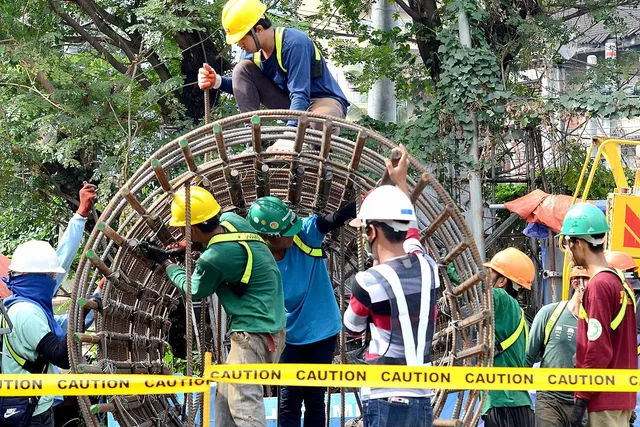
The project used advanced Korean bridge technology. This included reverse circulation drilling on barges to create boreholes and launching of thick permanent steel casings using revolving crane barges and vibro pile hammers. Additionally, two (2) land and sea-based batching plants supplied ready-mixed concrete for the project.

The bridge features 54 board piles for 32 piers, ensuring a solid foundation capable of supporting the mega structure that carry 2-lane, 2-way traffic with carriageway width of 13 meters.

The project includes a 360-meter approach road leading to a 1,020-meter approach bridge on the Tangub City side, alongside a 569-meter approach road connecting to a 900-meter approach bridge on the Tubod side. Both approaches were built using pre-stressed concrete box girders through an incremental launching method.

Its world-class design features an extra-dosed main bridge, with 320-meter central span, supported by two (2) pylons standing 20 meters tall, anchored by six (6) cable stays, and complemented by a lighting system, providing structural support and enhancing bridge aesthetics and safety for nighttime travel.

The completion of Panguil Bay Bridge marks the dawn of a new era in Philippine infrastructure development. It is a gamechanger, significantly reducing travel time between Misamis Occidental and Lanao del Norte to just seven (7) minutes from 2 to 2 and a half hours via Roll-On, Roll Off (RoRo) vessels from Ozamiz to Mucas in Lanao Del Norte or circuitous routes via Tangub-Molave-Tubod or Tangub-Kapatagan-Tubod with over a distance of 100 kilometers.

September 30, 2024

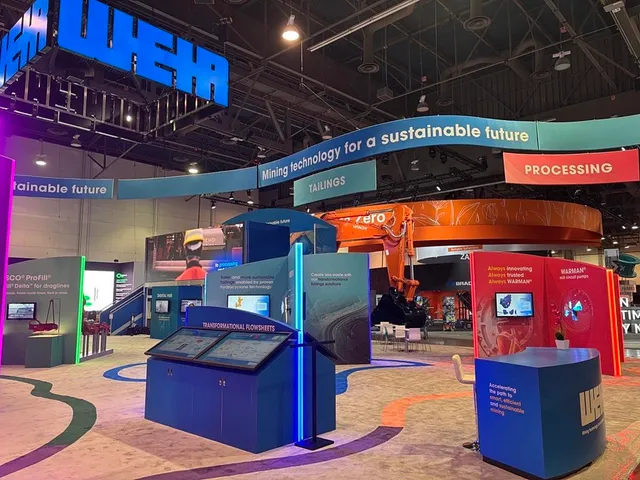
Weir is an innovative, end-to-end solutions provider focused on accelerating sustainable mining. Exhibiting at this year’s MINExpo, in the Central Hall Booth #8833, Weir will be showcasing its marketing-leading brands and unveiling a range of new innovative technologies and solutions.

Weir will launch its ESCO® NEXSYS™ GET Lip System for rope shovel dippers, which lowers lip maintenance requirements, extends tooth and adapter life and, ultimately, provides miners with longer uninterrupted shovel operation.

Weir will also be unveiling its new high-capacity ENDURON® ELITE screen. It’s a double-deck banana screen, available in a range of sizes, the largest of which has a deck measuring 4.3m x 8.5m and weighs nearly 50 tonnes. It’s driven by two exciters, whereas competitor machines of comparable size require three.

It will form an integral part of Weir’s commitment to deliver transformational flowsheet solutions in which traditional tumbling mills are replaced by HPGRs and vertical stirred mills, potentially reducing energy consumption by up to 40%.

Weir’s booth will feature the Digital Hub, which will highlight Weir’s digital offering – MOTION METRICS® and Weir’s new digital brand, NEXT™ Intelligent Solutions.

The new MOTION METRICS® ShovelMetrics™ Gen 3 Payload monitoring solution is designed to optimise truck loading and improve haulage efficiency by reducing both underloading and overloading. And as part of Weir’s commitment to service its customers even in the most remote locations, MOTION METRICS® systems now support connectivity via Starlink, enabling reliable data transmission anywhere in the world.

NEXT™ Intelligent Solutions extend and expand Weir’s current capabilities and transforms its process optimisation services into real-time digital solutions. Weir has developed digital packages for all of its market-leading solutions – pumps, cyclones, HPGRs, screens and hoses and spools – based around key customer needs: Insight, Uptime and Production.

The Digital Hub will use monitors to create a remote operation centre, allowing attendees to experience the same digital platforms and interfaces that Weir utilises to support its customers.
Attendees will also have an opportunity to experience an interactive scale P&H 41000XPC shovel model demonstration of MOTION METRICS® ShovelMetrics™ Gen 3, as well as a ShovelMetrics™ model control station, featuring the same touch screen monitor and controller used by operators.

Weir experts from its digital, extraction, processing, comminution, tailings, and flowsheet solutions teams will be available at the booth to continue the conversation about how Weir is partnering with customers to accelerate sustainable mining.

Jon Stanton, Chief Executive Officer of Weir said:

‘MINExpo is a wonderful event and a great opportunity to catch up with our customers and colleagues. We’ve been doing a lot of work to expand our portfolio of innovative, end-to-end solutions to help our customers produce the metals and minerals required to transition to a low carbon economy and it’s exciting to be able to show that off at the world’s largest mining show.

‘It is clear the world needs more metals and minerals but there is a recognition in the industry that we need to mine them more sustainably than we have in the past. That means using less energy, using water wisely and generating less waste. And Weir – with our world-class engineering, advanced materials science and intelligent automation – is at the forefront of helping miners do that.’

September 23, 2024

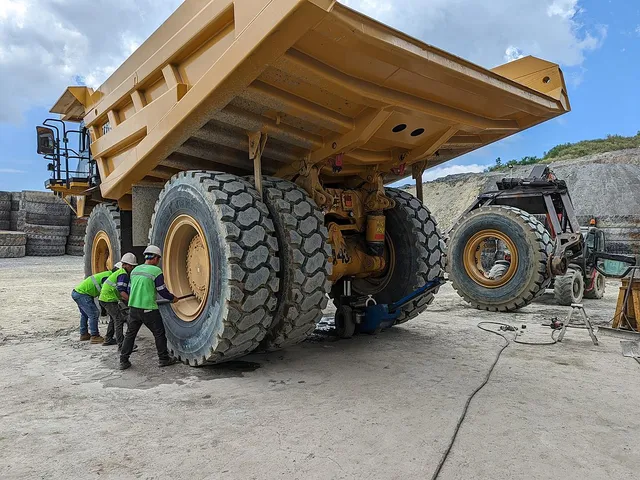
Managing tires in mining and construction sites is no easy task. At Higantis, we’ve made it our mission to help you get the most out of your tires while keeping your operations safe and efficient. We do this best by working right on site with your team, using practical strategies that make a difference in how your fleet performs and how much you spend on tire-related costs.

Managing Tire Costs Through Effective Rotation

One of the most effective ways to get more life out of your tires is through rotation. By rotating your tires, we make sure they wear evenly, which helps prevent any one tire from wearing out faster than the others. This means you’ll replace tires less often, lowering your overall cost per hour (CPH). It’s a process that requires planning and discipline, but it’s one that can save you a lot in the long run.

Addressing Tire Cuts Early with Daily Inspections and Proactive Repairs

Catching tire problems early can save you from bigger headaches down the road. In our projects, our team is on site daily, inspecting tires for signs of trouble like cuts, punctures, or unusual wear. If we find something, we call it out, schedule removal, and fix right away. This not only prevents small issues from turning into premature failures but also keeps your vehicles up and running safely.

Choosing the Right Tire for the Job: Site Surveys and Product Selection

Not all tires are built for the same operating conditions, and choosing the wrong one can lead to problems or accidents. That’s why we start with a thorough site survey to understand your specific challenges. For example, if your hauling routes are full of hard, sharp rocks, you’ll need a tire with a cut-resistant compound. On the other hand, if your operation involves long hauls in high temperatures, a heat-resistant tire is the way to go. We help you pick the right tire for the job, so you get the best performance without unnecessary wear.

Maintaining the Right Pressure: A Simple Way to Extend Tire Life

Tire pressure is something that’s easy to overlook, but crucial for tire health. Tires that are either over-inflated or under-inflated wear out unevenly, and they can even cause accidents if not properly managed. We keep a close eye on tire pressure on site, adjusting it as needed to match your load and road conditions. This small step can make a big difference in how long your tires last.

The Importance of Gauge Calibration to Ensure Accurate Pressure Readings

However, maintaining the correct tire pressure is only as reliable as the tools you use. That's why it's essential to ensure that all your pressure gauges are regularly calibrated—at least once a year. Over time, even the best gauges can become inaccurate, leading to improper inflation levels that could compromise tire performance and safety. By keeping your gauges calibrated, we make sure that the pressure readings you rely on are accurate, helping to maximize tire life and prevent avoidable issues.

Protecting Your Tires with Management of Load and Speed

Overloading vehicles or pushing them too fast can put a lot of strain on your tires, causing them to wear out quickly or, worse, fail unexpectedly. We work with your operators to ensure they understand the importance of sticking to recommended load limits and speeds. By keeping your tires within optimal range, we help prevent unnecessary damage and keep your operations safe.

Using Data to Drive Decisions: Tire Tracking and Analysis

To further optimize tire performance and cost-efficiency, we utilize a tire tracking system that monitors usage, wear patterns, and performance metrics. By collecting and analyzing this data, we can make informed decisions about tire rotation schedules, replacement timing, and product selection. This data-driven approach allows us to fine-tune our tire management strategies, ensuring that every tire in your fleet delivers maximum value.

Responsible Tire Disposal

When your tires reach the end of their life, we can help ensure they’re disposed of responsibly by downsizing, repurposing them or partnering with recycling facilities that turn old tires into useful products like tire-derived fuel. This not only keeps tires out of landfills but also supports sustainability efforts, which is becoming more important for companies across all industries.

Conclusion

At Higantis, our tire management program is designed to enhance the safety, efficiency, and sustainability of your operations. By integrating strategies such as tire rotation, daily inspections, proper site surveys, inflation management, load and speed control, and data analysis, we help you maximize tire life and reduce overall costs. Let us help you keep your fleet running at its best, daily.

September 23, 2024

In today’s fast-paced industrial environment, efficient material handling is crucial for operational success. Chief Industrial Conveyor Systems is at the forefront of this sector, offering conveyor systems that are not only versatile but also meticulously engineered to meet the unique demands of various industries. Our commitment to customization ensures that each system we provide is tailored to fit your specific needs, whether for long-distance transport or high-capacity operations.

Custom Engineering for Diverse Applications

Chief Industrial Conveyor Systems are designed to handle a wide range of applications, from port facilities to coal mining and biomass operations. Our conveyors are engineered for both overland and short-distance transportation, allowing for seamless integration into your existing infrastructure. Whether you need a conveyor system for transporting coal, minerals, or bulk materials, our designs can be customized to meet the exact requirements of your application.

Uncompromised Safety and Efficiency

Safety and efficiency are paramount in our design process. Chief conveyors are built with rigorous safety standards in mind, ensuring reliable operation even in the most demanding environments. Our systems are environmentally friendly, minimizing impact while maximizing performance. We understand that operational efficiency can make or break a business, which is why our conveyors are designed to handle capacities ranging from standard widths of 18 to 96 inches and can load up to 10,000 metric tons per hour.

Reliability You Can Count On

Reliability is the cornerstone of Chief Industrial Conveyor Systems. Every product undergoes comprehensive testing to meet our stringent quality standards and ensure consistent performance. Our advanced design and engineering practices result in equipment that simplifies installation and maintenance, saving you valuable time and reducing overall costs. With Chief, you can be confident that your material handling system will perform reliably, day in and day out.

Our Mission: Personalized Service with Integrity

At Chief, our mission extends beyond just providing conveyor systems. We are dedicated to offering unparalleled personal attention to each client’s needs while treating all stakeholders with the utmost dignity and respect. This commitment ensures our strength and stability as a company and fosters long-lasting partnerships with our clients.

By choosing Chief, you partner with a company that prioritizes your specific needs and provides solutions that enhance your operational efficiency and safety. Trust us to deliver a conveyor system that not only meets but exceeds your expectations, helping you achieve your business goals with confidence and ease.