

November 14, 2024

The Weir Group PLC (Weir), a global mining technology leader, has been awarded contracts to supply its market-leading WARMAN® slurry pumps and CAVEX® hydrocyclones to Teck’s Highland Valley Copper (HVC) Mine Life Extension (MLE) project in Canada.

Teck’s Highland Valley Copper Mine Life Extension Project aims to extend the mine’s operational life by enhancing existing site infrastructure, addressing the growing demand for copper driven by the transition to a low-carbon future. The project is expected to yield approximately 1.95 million tons of additional copper over its lifespan.

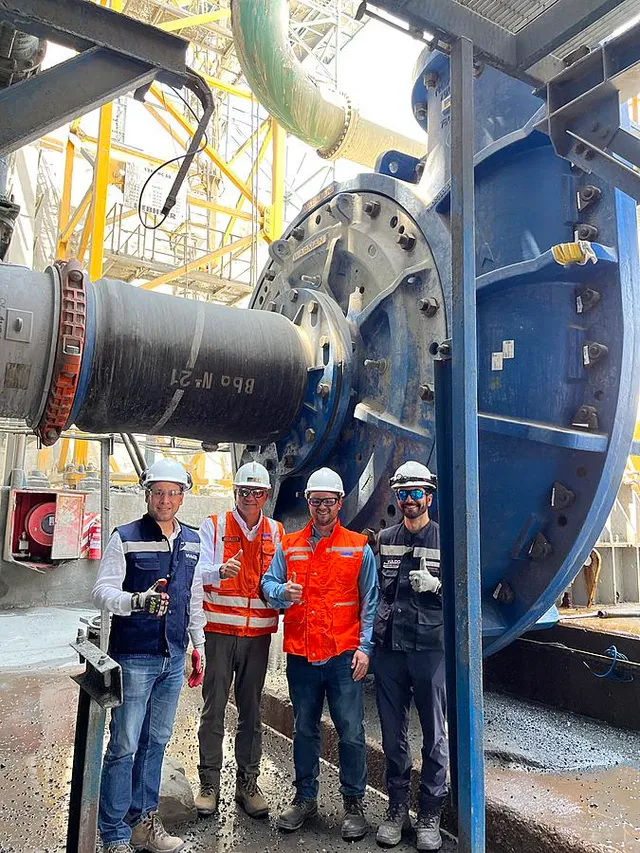
A cornerstone of this project is the WARMAN® MCR® 760 pump, which will be the largest mill circuit pump in North America. This addition complements Weir’s existing and planned installations of equivalent-sized pumps in South America and Australia. The WARMAN® MCR® 760 pump was developed to meet the demand for mill circuit pumps that can handle unprecedentedly high flow rates, minimising the number of operating lines in a plant, and addressing the global trend of declining ore grades that require increased throughput for economical mineral recovery. The WARMAN® MCR® 760 pump is designed to maximise wear life in arduous mill duties and facilitate easy and safe maintenance, regardless of an operator’s maintenance schedule or approach.

In addition, Weir will supply CAVEX® 800CVX and 650CVX hydrocyclones for the MLE Project. HVC, with their experience operating CAVEX® hydrocyclones, has chosen this trusted solution for its consistently high classification efficiency, capacity and low maintenance requirements.

The MLE project will be fully supported by the local Weir service center in Kamloops, British Columbia, ensuring that mission-critical equipment at the HVC mine operates efficiently. The proximity of this service center means that any maintenance or support needs can be addressed promptly, minimising downtime and helping the mine maintain its targets. This local presence is crucial for the mine’s operations, providing reliable access to necessary parts and expert service.

Quinton Sutherland, Weir, Divisional Senior Product Manager, Pumps said:

‘Weir has a proven track record of supplying and supporting the largest, highest capacity mill pumps on the market. Designing, manufacturing, and supporting pumps of this scale presents unique technical and engineering challenges, which is why Weir’s team of experts, drawing on decades of experience supporting customers across the globe, are the best choice when deciding who to trust with the most critical mill circuit operations.

‘It’s an engineering and manufacturing feat that’s not easily replicable, which is why it’s important that we can demonstrate to our customers that we’ve done this before, and they know that they can have absolute confidence in us.

With declining ore grades and increased demand, miners are increasingly looking for solutions to increase their throughput and our pumps play a pivotal role in ensuring they continue to meet their production targets.

Phil Blondin, Weir, Director, Capital Sales North America said:

‘Weir prioritises being close to our customers wherever they are in the world. We have a service centre in Kamloops – a close drive to HVC – and a local team that can provide service and maintenance support, as well as an inventory program that encompasses the lifecycle of the products we supply.

‘This is the first mill pump this large in North America and, while Weir has manufactured and installed pumps this size in other parts of the world, we recognise that having a service network to support customers at every stage of the project is an essential part of what we’re offering.’

November 11, 2024

At MMD, our strong focus on innovation and community engagement plays a key role in shaping our future path. We believe that progress involves not only advancing technology but also a positive, sustainable impact on society and the environment. As we continue to develop groundbreaking products, we remain dedicated to addressing global challenges, supporting local communities, and promoting environmental stewardship. We are proud to share some of our achievements and initiatives that reflect these core values.

Pioneering Innovation

Feeder Breakers

Feeder Breakers are fundamentally multi-process machines combining three core elements of feeding, conveying and breaking processes, to achieve a desired rate of material comminution. Units are typically installed to receive unprocessed raw mine material delivered to the feeder module, which is then transferred to the breaking module. The sized material from the breaking module is then dispatched on an integrated or separate discharge conveyor. The operating environment poses challenges such as the physical working area, which greatly restricts the size of equipment in both width and most crucially height. MMD’s technology has been able to overcome these constraints by offering low profile and highly efficient machines.

IPSC (In-Pit Sizing & Conveying)

Following on from the successes of combining efficient Sizing and feeding systems in Feeder breakers, MMD have developed the world’s leading range size reduction equipment for In-Pit Sizing & Conveying (IPSC) applications. MMD have designed and manufactured a wide range of fixed, semi-mobile and fully mobile Sizer stations for this type of mining system. IPSC systems are a more cost-effective and safer alternative to the discontinuous material transport by dump trucks out of the mine. In fact, IPSC systems significantly reduce or can even eliminate dependency on dump trucks, helping customers achieve environmental management goals, with a reduction in greenhouse emissions, dust and noise pollution. MMD have developed an unmatched track record of consistent success, setting the standard for efficient and flexible equipment.

Commitment to Sustainability and Social Responsibility

MMD’s dedication to sustainability extends beyond product development. We recognise the importance of protecting the environment and supporting the communities in which we operate. As part of our corporate responsibility initiatives, we have undertaken several projects aimed at creating a positive change.


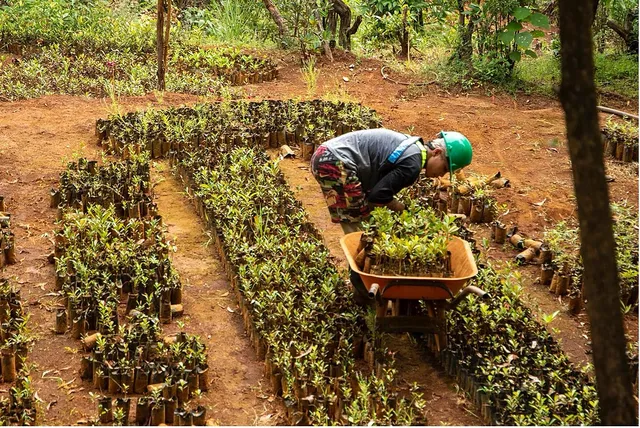
A key initiative has been a tree planting campaign, through which we have collaborated with local communities and environmental organisations to plant thousands of trees across multiple regions. This initiative is part of our broader strategy to combat climate change, enhance biodiversity, and contribute to the creation of green spaces for public enjoyment. We view tree planting as a tangible way to invest in the environment while strengthening community ties.

In parallel, we have intensified our focus on social responsibility through charitable activities. Our employees have consistently demonstrated their commitment to giving back, and we have supported numerous charitable efforts over the past year. Notably, we recently partnered with a prominent non-profit organisation to host a charity fundraiser, where all proceeds were directed towards building a quiet and safe space for cancer patients and their friends and families. This initiative reflects our belief that corporate success must be shared.

Looking Ahead

As we look to the future, MMD remains resolute in our commitments to technological innovation and community engagement. We recognise that the true measure of progress lies in how well we balance advancements in technology with sustainable practices and meaningful contributions to society. Our mission is to create products that not only improve operational efficiencies but also promote a culture of responsibility and sustainability.

Through our ongoing efforts, MMD aims to remain focused on both technological development and corporate social responsibility. We are confident that by embracing innovation and sustainability, we can drive positive change in the world around us.

November 11, 2024

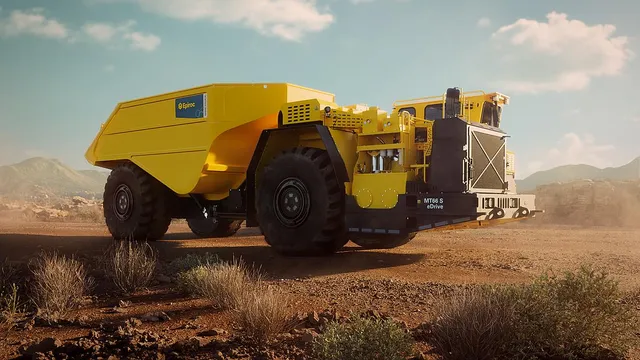
The new Minetruck MT66 S eDrive is the first of Epiroc’s large-capacity mine trucks to feature the latest generation electric drivetrain. Along with an upgraded and powerful diesel-engine, the hauler combines the cost-effectiveness of a traditional mine truck with the productivity of an electric one – without requiring change to a mine’s infrastructure.

The Minetruck MT66 S eDrive has been completely redesigned to feature an electric drivetrain, powered by the strongest engine yet in Epiroc’s line-up of underground mine trucks. With several other upgrades, such as weight reduction and better utilisation of the engine’s sweet spot, the truck can reach up to 11% higher ramp speed compared to current models.

“Minetruck MT66 S eDrive has been built from scratch with room for an additional tonne in the box, making it the largest capacity underground mine truck on the market. By combining power with innovation, it really is the best of two worlds,” says Wayne Symes, President at Epiroc’s Underground division.

Epiroc adds that while the Minetruck MT66 S eDrive enables both higher maximum payload and increased speed compared to other high-capacity mine trucks, it also reduces fuel consumption by up to 7% thanks to the electric drivetrain. The removal of mechanical parts also lowers maintenance costs, promising reduced total cost of ownership. All in all, with all these improvements on board, it says the Minetruck MT66 S eDrive offers an easy step to improve productivity quickly.

“In a typical mining application, the increased payload capacity means that the Minetruck MT66 S eDrive can add an additional cycle each day compared to a 65-t mine truck. That means well over 23,000 additional tonnes annually for our customers’ productivity,” says Martin Wallman, Global Portfolio Manager Underground Trucks at Epiroc’s Underground division.

The Minetruck MT66 S eDrive offers comfort and ease of operation. Its excellent steering response as a result of the steer-by-wire and brake-by-wire functionality, front-axle suspension, ergonomic operator environment with low noise levels, and one-pedal drive system make it enjoyable to operate for extended periods.

As part of the Smart series, the Minetruck MT66 S eDrive features integrated smart functionality and is automation ready. It monitors your operation using our telematics solution, Fleet+, which collects and visualizes vital equipment data, enabling you to fully optimize your underground operations.

The new Minetruck MT66 S eDrive is defined by a fresh design philosophy and a completely new machine built from the ground up. By replacing the mechanical drivetrain with an electric drive, this mine truck benefits from an extended lifecycle, increased availability, and improved utilization rates.

Pair your Minetruck MT66 S eDrive with the Scooptram ST18 S or Scooptram ST18 SG for the ultimate duo. Our Minetruck MT66 S eDrive underground truck is part of the Smart series (S). Equipped with Rig Control System (RCS) and ready for smart functionality such as automation and remote control.

November 11, 2024

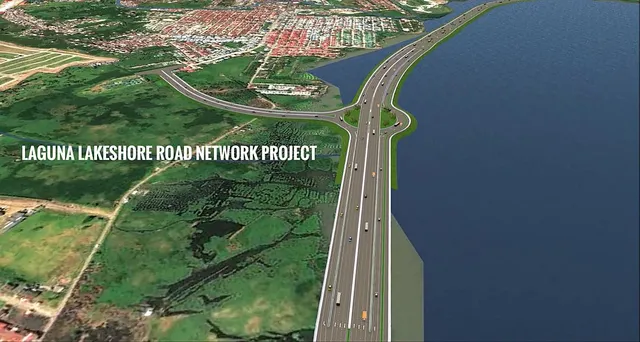
The Asian Development Bank (ADB) has approved up to almost USD1.7 billion in funding for the Laguna Lakeshore Road Network Project (LLRN) to promote regional connectivity and reduce travel time between Manila and Laguna province.

In a statement on Thursday, the ADB said the amount will be used to help build a climate-resilient 37.5-kilometer (km) expressway along the lake. 

The ADB said the support to the LLRN will be via a multitranche financing facility consisting of two loans, a USD1.2 billion first tranche loan, and a USD509.5 million second tranche loan.

The Asian Infrastructure Investment Bank is co-financing the project with an additional USD188.2 million loan.

Under the LLRN, the ADB will fund the construction of a 29.56-km section of the new expressway, including bridges and viaducts that will traverse waterways flowing into the Laguna Lake, located southeast of Manila.

The ADB said the project aims to provide the most resilient road link within the southern Manila transport corridor and cut peak hour travel time between Taguig City in Metro Manila to Calamba City in Laguna province by 25 percent.

The 7.89-km northern section of the new expressway will be funded by a USD904.35 million loan from the Export–Import Bank of Korea, Economic Development Cooperation Fund under a parallel financing scheme.

“This investment further cements ADB’s commitment to help transform our host country’s transport infrastructure by facilitating climate- and disaster-resilient and sustainable development," said ADB Country Director for the Philippines Pavit Ramachandran

The project will help link people to jobs and business opportunities, reduce transport costs and traffic congestion, and improve the efficiency of the overall transport network in Metro Manila and nearby regions,” he added.

The LLRN is expected to benefit about 3.47 million people residing along the lake and nearby areas and improve access to markets and public services.

November 11, 2024

Philex Mining Corporation generated Php200 million core net income and an EBITDA of Php506 million for 3Q2024 compared with the Php163 million core net income and EBITDA of Php337 million for the same period in 2023. This brings a total of Php610 million core net income and a total EBITDA of Php1.418 billion for the first nine months of 2024 compared with Php864 million and Php1.525 billion in 2023.

Average realized gold prices in 3Q2024 were higher at US$2,336 per ounce compared with the US$1,927 per ounce in 3Q2023, US$2,008 of 2Q2024, and US$2,061 of 1Q2024. Average realized gold prices in 9M2024 were US$2,115 per ounce, higher than the US$1,921 per ounce for the same period in 2023. Realized copper prices for the third quarter stood at US$4.59 per pound, higher than the US$3.73 in 3Q2023, US$4.00 in 1Q2024, and US$4.45 per pound in 2Q2024. Copper prices for the first nine months of the year averaged at US$4.52 per pound, higher than the US$3.83 per pound for the same period in 2023.

Tonnage milled for 3Q2024 was at 1.770 million tonnes, slightly higher than the 1.693 million tonnes in 3Q2023. This brings the total tonnage milled for the first nine months of 2024 to 5.042 million tonnes. Gold output for 3Q2024 was at 7,801 ounces while Copper output for 3Q2024 was at 4.951 million pounds. For the first nine months of the year, total gold output reached 23,566 ounces while copper output was at 14.753 million pounds. For the same period in 2023, total gold output was 29,136 ounces while copper output was 16,396 million pounds.

Silangan Project - Works in Progress

The Company, through its wholly owned subsidiary, Silangan Mindanao Mining Co.,Inc. (“SMMCI”) continue to implement the development plan for the Silangan Copper and Gold Project in Surigao Del Norte.

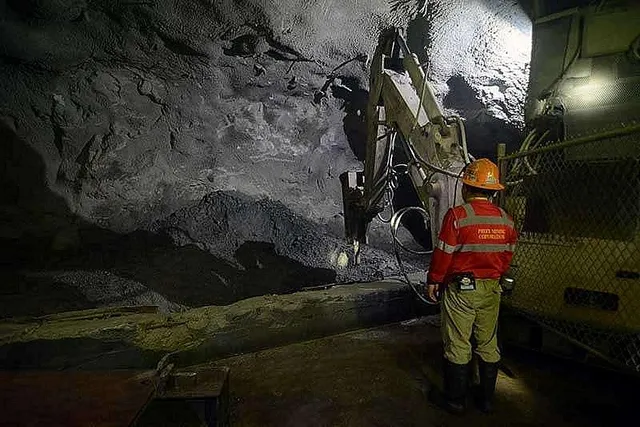
Mine development is already in its final stages as the main access decline to the Boyongan Ore Body is less than 50 meters. After which, driving of production lines will immediately commence on the first mining level and, as result, the development ore will be hauled to the surface. Works at the ventilation exhaust shaft and other ancillary services are continuing as planned. Meanwhile, the Design and Construct (D&C) Contractor, has commenced the civil works for the construction of the Process Plant. On the other hand, works on the Tailings Storage Facility (“TSF”) are also in full swing with the target completion by June 2025.

“There is a need to fast-track the development of the Silangan Project as conditions now are just right,” according to Eulalio Austin Jr., Philex President and CEO. “We have a responsive metals market brought about by the demand for critical metals necessary for the green energy transition and a favorable regulatory environment due to the support from the current Administration. We are still on track to see our first metal output during the Process Plant’s debugging stage starting February 2026 with target of start of commercial operation within the first quarter of 2026. Meanwhile, we continue to evaluate the feasibility for the possible extension of Padcal’s mine life beyond 2027,so it can benefit our employees and their dependents, as well as our host and neighboring communities in Benguet Province.”

November 11, 2024

Global Ferronickel Holdings, Inc. a leading nickel ore producer in the Philippines, reported revenues of ₱5.732 billion, net income attributable to shareholders of ₱502.6 million, and earnings per share of ₱0.0981 for the first nine months of 2024.

“We continue to focus on operating efficiently and managing cost, while building and keeping momentum,” FNI President Dante R. Bravo said. “For the first three quarters of the year, our shipment volume rose to the highest level since 2021. We expect this strong performance to remain towards the end of the year and over the course of next year, especially now that we have entered Indonesia, a new market for our low-grade and medium-grade nickel ore. In addition to this positive development, we also saw prices firm up month-on-month since September for low-grade nickel-low-iron ore products, which have been our most sold product category by volume. While it is not a significant acceleration yet, we believe our prudent cost and operations management positions us to stay profitable in changing market conditions.”

Mining revenues were ₱5.718 billion, down 15.3% compared to the first nine months of 2023, resulting from a lower nickel ore pricing environment partially offset by strong shipment volumes.

The average realized nickel ore price declined to US$23.39 per WMT, down 26.8% from US$31.93 in the prior year period. Medium-grade ore prices averaged US$30.82 per WMT, down 35.4%, while low-grade ores sold at US$19.42 per WMT, down 21.0%. Various factors affected market prices, including but not limited to: demand fluctuations in China and Indonesia, stainless steel and low-grade nickel pig iron production, supply chain disruptions from maintenance shutdowns of some steel mills, and the supply growth in Indonesia which outweighed production cuts and mine closures in the rest of the world.

Total sales volume was 4.269 million WMT, up 12.3%, with growth across both Surigao and Palawan mine sites, reflecting prior and ongoing investments to expand production and improve productivity. Low-grade ores comprised 65% of total sales volume and medium-grade ores accounted for 35% compared to the corresponding share of 68% and 32% last year.

At Surigao, shipment volumes rose to 3.164 million WMT, up 16.7% against the prior-year level, due to favorable weather conditions and better equipment availability, including chartered landing craft tanks, transportation, and water trucks.

At Palawan, volumes were 1.105 million WMT, up 1.4% year-on-year, driven by favorable weather conditions, development of mine facilities and causeways, optimized logistics and human resources processes, and increased equipment availability.

Total costs and expenses were ₱4.596 billion, up 13.1%. Cost of sales was ₱3.162 billion, up 13.6%, in line with the rise in production and shipping volumes as well as certain mandatory labor and social security costs. Operating expenses totaled ₱1.947 billion, up 9.7%, mainly due to increases in royalties, taxes, and licenses partly offset by operational improvements and changes in freight contracts that resulted in lower stevedoring charges and shipping expenses. Overall, average cash operating cost per volume sold stood at ₱1,076.70 per WMT, which was only slightly higher by 0.7%.

Accounting for non-controlling interests and taking into account the net income of investment in associates of ₱192.0 million, net income attributable to FNI shareholders amounted to ₱502.6 million, down 67.6%. On a per share basis, earnings were ₱0.0981 from ₱0.3021 the previous year.

During the quarter, FNI also delivered on environmental protection, having recently constructed additional settling ponds and flood control structures at its Palawan mine as part of its erosion and sediment control measures. Other notable activities were progressive rehabilitation of mined-out areas, Adopt-a-River program in partnership with the Department of Environment and Natural Resources, and support for Social Development and Management Program particularly in education and health.

November 04, 2024

The TVI Resource Development Philippines Inc. (TVIRD) Group of Companies continues to push the standard for occupational safety and health within the Philippine mining industry through is parallel victories in the regional leg of the coveted Gawad Kaligtasan at Kalusugan (GKK) Award.

The company’s Balabag Gold-Silver Project in Zamboanga del Sur, along with its wholly-owned subsidiary Greenstone Resources Corporation – which operates the Siana Gold Project in Surigao del Norte – were both recently honored with the prestigious Industrial Category award by the Department of Labor and Employment’s Occupational Safety and Health Center (DOLE-OSHC).

TVIRD's Balabag Project was recognized in Region IX while Greenstone’s Siana Project, received its accolade in Region XIII (Caraga).  These sought-after regional awards reflect the company's strict adherence to the highest safety standards in its mining operations as well as the TVIRD Group’s outstanding commitment to ensure the well-being of both its workforce and the community.

"These prestigious GKK Awards reflect the TVIRD Group’s relentless pursuit of a secure working environment while contributing to the sustainable development of the mining industry. It likewise strengthens our resolve to promote safe, responsible and sustainable mining practices in the Philippines," stated TVIRD’s Tenement Management and Environmental Compliance Director Jesalyn Guingging.

The Gawad Kaligtasan at Kalusugan (GKK) Award is one of the most prestigious recognitions that honors exceptional occupational safety and health practices in the local workplace.  Presented by the DOLE-OSHC, the award commends companies and individuals who excel in maintaining exemplary OSH standards.

Dedication to Safety and Health  

Greenstone’s Safety and Health Manager Aldrin Arieta leads the TVIRD Group in making significant strides to foster a culture of safety across all its projects.  Arieta is a Mechanical Engineering and a registered Occupational Safety and Health Practitioner for Mining who devoted over a decade to enhancing workplace safety protocols.

“Safety remains our top priority, and we will continue promoting a culture that protects and empowers everyone," said Arieta who also clinched the GKK Regional Award in the Individual Category, solidifying his status as a leading figure in the field.

Prior recognitions

The culture of safety has long been ingrained in the TVIRD Group.  During its operations, the company’s Canatuan gold-silver / copper-zinc project was awarded the GKK and Safety Milestone (SMile) award in 2010 and 2012.  It likewise cornered the Safest Mine Award during the Annual National Mine Safety and Environment Conference (ANMSEC) in 2010 and the Safest Mineral Processing Award in 2012 while its Agata Nickel Project got the Safest Exploration award that same year.

Meanwhile, TVIRD’s Siana Gold Project under Greenstone was also awarded the Safety Milestone Award by the Department of Labor and Employment (DOLE) in 2023.  It has been named the 2024 Overall Champion in the Industrial Category of the first Governor's Rescue Olympics, as well as won the Regional Fire Olympics Champion title and the National 1st Runner-up at the Bureau of Fire Protection’s 2024 National Fire Olympics.

The company also achieved the PMIEA Safest Surface Mines Award Runner-up during the 69th Annual National Mine Safety and Environment Conference while the TVIRD Group's disaster response efforts were further recognized by the Municipal Disaster Risk Reduction and Management Council in Tubod.

Meanwhile, the Balabag team emerged as the overall champion in the 2024 National Fire Olympics for the Industrial Category and received accolades during the 2022 Presidential Mine Industry Environmental Awards for their commendable safety and health performance, ultimately winning the Safest Surface Mines award in the same program.

Currently, Greenstone has proudly recorded over 8.1 million safe man-hours, while Balabag has achieved an impressive 13.6 million - milestones that reflect the TVIRD Group’s dedication to safety and health practices as well as exemplifying a legacy of care and responsibility.

November 04, 2024

Showing its commitment to transforming the industry through safer, more productive and more sustainable drilling solutions. Sandvik recently launched the Centrevo digital suite, which empowers customers through a vast array of rock tools performance data, business insights and expert support.

By enabling connected collaborations, with easy-access data and less time-consuming paperwork, customers can make fact-based and optimized decisions, Sandvik said in a statement.

A core component of Centrevo is Track, a digital application for capturing real-time tool performance data in a user-friendly and flexible way.

Benefits include more accurate decision-making, gathered insights and analytics, and both on-site and remote problem solving.

Historically, key customer data such as cost per meter, number of tools used and tool performance has been collected manually, the company said. Track supports the digital transformation by capturing important rock tools parameters and creating full visibility across drilling operations.

Track also enables Sandvik customer representatives to spend more time on business support such as continuous improvements, benchmarking and training, helping customers increase productivity and efficiency, it added.

"We are proud to offer our customers such a powerful digital solution,” said Rickard Andreasson, Acting Vice President Rock Tools Services at Sandvik Mining and Rock Solutions.

“Track enhances our global service offering, improving productivity, logistics and contract support. Track optimizes the number of data-collecting visits to a site, which leads to improvements in terms of both safety and our environmental impact.”

Drill is another key component of the Centrevo digital suite, the company said. Using a mobile interface, this interactive simulator supports a deeper understanding of how correct drilling parameters impact both rock tool life and performance.

It is available for top hammer, down-the-hole and rotary applications and educationally demonstrates how to maximize productivity in different ground conditions, Sandvik said.

"Drill effectively showcases how rock tool performance can be enhanced through classroom or remote training,” said Andreas Rahm Yhr, Transformation and Contract Manager Rock Tools Services at Sandvik Mining and Rock Solutions.

“Customers coached with this solution gain a deeper understanding of how different practices and drilling conditions impact productivity and drilling costs."

By using rock tools services and the Track application to digitize their inventory management during a field test, substantial improvements were registered for tool waste reduction, circuit stock optimization and tool service life, the company said.

An underground contract miner reduced the cost per meter (CPM) by 30%, corresponding to annual savings of USD 580,000, it added.

Centrevo also has Analyze, a mobile application designed for failure and discard analysis of Sandvik rock tools and provide guidance on improvements – all remotely.

The aim is to determine the root cause of the failure or discard reason of the rock tool, prevent it from happening again and to help improve future performance.

The Report application is also used by Sandvik representatives to help increase productivity and improve customers’ operational efficiency.

The different digital reports, like rock tools report card, customer visit report, and site audit report, all help customers get new insights on how to further improve rock tools performance and collaboration, the company said.

Sandvik is a global, high-tech engineering group providing solutions that enhance productivity, profitability and sustainability for the manufacturing, mining and infrastructure industries. The company is at the forefront of digitalization and focus on optimizing its customers’ processes. Its world-leading offering includes equipment, tools, services and digital solutions for machining, mining, rock excavation and rock processing.

Sandvik Mining and Rock Solutions is a business area within the Sandvik Group and a global leading supplier of equipment and tools, parts, service, digital solutions and sustainability-driving technologies for the mining and construction industries. Application areas include rock drilling, rock cutting, loading and hauling, tunneling and quarrying.

November 04, 2024

Integrated energy company Semirara Mining and Power Corporation (SMPC) reported an 8-percent drop in third-quarter earnings to P3.1 billion, from P3.4 billion in the same period last year, primarily due to reduced contribution from the coal segment amid stabilizing market indices.

“As anticipated, stabilizing market prices exerted pressure on our margins. Our thirdquarter results also reflect the seasonal impact of the rainy season on coal shipments and electricity prices, both of which we were able to partially offset through focused cost management and operational efficiency initiatives,” said SMPC president and COO Maria Cristina C. Gotianun.

From July to September, average Newcastle Index (NEWC) dipped by 5% from US$147.8 to US$140.3, while Indonesian Coal Index 4 (ICI4) remained flat (-1%) from US$52.0 to US$51.7.

Overall average selling price (ASP) of electricity held steady, from P4.81/kWh to P4.80/kWh, on combined effect of better ASP from bilateral contracts and weaker spot market prices.

Quarter-over-quarter (Q2 2024 vs Q3 2024), SMPC net income dropped by 48 percent from P6.1 billion mainly due to seasonality, softer selling prices and reduced coal shipments.

From January to September, SMPC’s net income declined by 31 percent, from P22.62 billion in 2023 to P15.71 billion, attributed to softer selling prices and higher total cash and noncash costs, which were largely driven by increased coal and power sales volume.

“For the remainder of the year, we expect coal and electricity prices to remain stable. Our focus is on meeting our coal production target of 16 million metric tons and achieving a balance in our contracted generation capacity mix,” Gotianun added.

Coal Operating Results

For the third quarter, total shipments grew by 16 percent from 2.5 million metric tons (MMT) to 2.9 MMT on stronger export demand. Foreign shipments surged by 120%, from 0.5 MT to 1.1 MMT, propelled by higher sales to China.

During the same period, Semirara coal ASP receded by 15 percent, from P3,315 per metric ton (MT) to P2,811 per MT, influenced by normalizing coal indices and increased shipments of lower-grade coal.

Total production rose by 7%, from 2.8 MMT to 3.0 MMT, on low-base effect following the near-depletion of Molave mine and pre-stripping activities in Narra mine last year.

Power Operating Results

Total average capacity during running days expanded by 23 percent, from 613 MW to 755 MW, following the restoration of SCPC Unit 2’s dependable capacity to 300 MW on May 27, along with reduced deration in SLPGC plants.

Total gross generation jumped by 12 percent, from 1,167 GWh to 1,308 GWh, on improved output from both SEM-Calaca Power Corporation (SCPC) and Southwest Luzon Power Generation Corporation (SLPGC) plants.

Total power sales soared by 10%, from 1,099 GWh to 1,213 GWh, largely driven by better SLPGC plant performance. More than half (54%) of the generated electricity was sold to the spot market, with the remainder sold under bilateral contract quantities (BCQ).

BCQ ASP jumped by 13% from P4.13/KWh to P4.66/KWh, while spot ASP receded by 4% from P5.14/KWh to P4.92/KWh.

At the end of the third quarter, 33 percent of the 840MW dependable capacity of SCPC and SLPGC are contracted. Net of station service, which fluctuates periodically, SMPC has 482.60MW available for sale to the spot market.

October 27, 2024

By: Minette Fhae Aralar

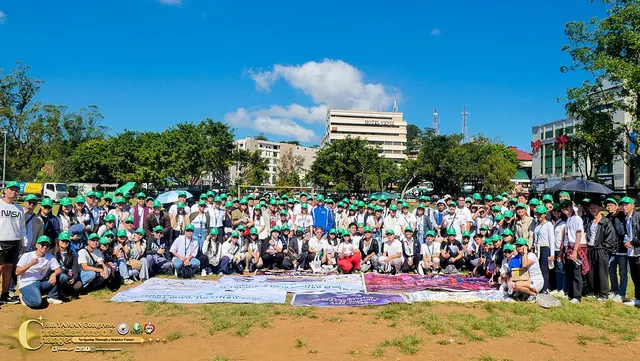
The Philippine Youth Association for Responsible Mining and Natural Resources (YAMAN Philippines) will host the 9th YAMAN Student Congress in Baguio City from November 19-22, 2024, gathering 200 delegates under the theme "HIBLA: Habi ng Mina’t Kultura" to celebrate the diversity and unity of youth organizations in mining, geology, and metallurgy from across the country.

As the organization’s flagship event, the Congress will offer a variety of activities designed to allow delegates to demonstrate their skills, knowledge, and dedication to the minerals industry in events such as the Palarong Minero, Youth Leaders Forum: Organizational Excellence, Quiz Bee, and Debate Competition.

Also included in the Congress is the much-anticipated YAMAN Awards which will recognize exceptional youth-led initiatives that brought significant impact to their communities, while the Mister and Miss YAMAN competition will crown inspiring ambassadors who advocate for responsible mining and environmental stewardship.

In conjunction with the 70th Annual National Mine Safety and Environment Conference (ANMSEC), the Student Congress will provide the delegates an opportunity to engage with industry professionals through activities like the Welcome Night, the PAGYAMANIN seminar series, and participation in the ANMSEC Exhibit.

A tree planting activity will precede the Congress, reinforcing YAMAN Philippines’ commitment to the environment. This initiative aims to make a tangible impact on the community while setting the tone for the Congress’ focus on sustainability.

Since its founding in 2015, YAMAN Philippines has led efforts to promote responsible mining and rectify misconceptions in the industry. In the past nine years, over 3,000 students have engaged in the Student Congress, empowering them as youth advocates for responsible mining. Beyond the annual congress, the organization also runs initiatives like Biyaheng YAMAN for office and mine tours, KampanYAMAN for their advocacy campaign, and PAGYAMANIN for their informative seminar series.

As YAMAN Philippines continues its mission, the 9th YAMAN Students Congress marks another step in shaping future leaders for the sustainable growth of the country’s minerals industry.

October 20, 2024

The Philippine Nickel Industry Association (PNIA) has announced a PHP 4.3 billion investment from its members for 2023, aimed at advancing key Sustainable Development Goals (SDGs) that foster community development and resilience through their Environmental Enhancement and Protection, Social Development and Management, and Corporate Social Responsibility Programs.

This announcement was made in commemoration of the 9th anniversary of the United Nations’ adoption of the SDGs on September 25, underscoring the sector’s commitment to sustainable practices as the 2030 deadline approaches.

The investments were implemented across multiple host and neighboring cities and municipalities in 7 provinces, including Zambales, Palawan, Surigao del Sur, Surigao del Norte, Dinagat Islands, and Tawi-Tawi, directly benefiting communities surrounding the mining sites of PNIA members.

This funding, channeled through Social Development and Management Programs (SDMP), Environmental Protection and Enhancement Programs (EPEP), and Corporate Social Responsibility (CSR) initiatives, underscores the nickel mining sector’s dedication to sustainable development in the Philippines. PNIA’s programs and projects support 15 out of 17 Sustainable Development Goals (SDGs), with a particular focus on Life on Land (SDG 15), No Poverty (SDG 1), and Good Health and Well-being (SDG 3).

PNIA President Atty. Dante R. Bravo stated, “The contributions made in 2023 build on our findings from the 2020 SDG Report, reinforcing our commitment to SDG 15, SDG 1, and SDG 3 which are areas where mining is vital for sustainable development. Each year, we strive to align with sustainability, stewardship, and resilience principles to mitigate environmental impacts, alleviate poverty, and improve health outcomes for communities near mining operations. These goals are essential for the sustainability of both the environment and the communities we serve.”

Bravo further called for collaboration with local government units (LGUs) to streamline and maximize the implementation of mining company SDG programs to better complement LGU initiatives. “Mining is inherently a temporary use of land, which means that collaboration between LGUs, MGB, and mining companies is crucial for planning for the future. There is opportunity for further collaboration through maximizing the Corporate Social Responsibility (CSR) activities of mining companies to complement the programs of the LGUs in line with their local development goals,” Bravo said.

Under SDG 15, PNIA members’ progressive rehabilitation and other initiatives aim to minimize and mitigate its impact to the environment. In 2023, members planted over 4.3 million trees nearly 9500 hectares, comprising 76 different species, bringing the total to nearly 18 million trees to date of reporting. Partnerships with academic institutions like the University of the Philippines Los Baños have fostered innovation in forest restoration and bioremediation. Additionally, PNIA members have engaged in other initiatives, such as coastal clean-ups and river system adoption.

Aligned with SDG 1, PNIA members have focused on uplifting communities through employment, education, and infrastructure development. Their livelihood programs created job opportunities, fostering economic stability in local areas. Educational initiatives provided scholarships and improved classroom infrastructure, benefiting over a thousand students across elementary, secondary, and tertiary levels.

In support of SDG 3, PNIA members’ health initiatives have delivered essential medical supplies and equipment to underserved communities. Medical missions and feeding programs have addressed basic health needs, while upgrades to local hospitals have improved healthcare access.

Atty. Bravo emphasized, “Investing PHP 4.3 billion in 2023 strengthens local economies and aligns with government directives on the role of mining in promoting national economic development and local community resilience, contributing to improved lives and the building of resilient communities, particularly in remote areas where economic opportunities are limited.”

In addition, PNIA members have supported the construction and enhancement of public infrastructure, including roads, water facilities, and community halls, facilitating better access to essential services, enhancing transportation, and promoting economic activities by connecting communities to markets and resources. In 2023, their efforts provided direct assistance to 1,281 families affected by natural calamities, underscoring the role of mining companies as first responders during disasters. Their contributions also enriched mining communities through sponsorships of local events and festivals, fostering community spirit and supporting the overall well-being of the areas they serve.

Atty. Bravo concludes, “As the Philippines is among the largest producers of nickel in the world, we are committed to contributing to the Sustainable Development Goals (SDGs), driven by the strong long-term demand for nickel and its essential role in supporting economic growth. PNIA shall continue to implement responsible mining practices that promote economic development, environmental sustainability, and foster resilient communities, recognizing that a competitive nickel mining industry is marked by a strong adherence to the tenets of sustainable development.”

October 20, 2024

By Wei Wei, Product Manager, and Ricky Chua, Sales Manager, Fluke Calibration, Fluke South East Asia Pte Ltd

Calibration plays a pivotal role in the mining industry, ensuring safety, enhanced productivity, and adherence to regulatory compliance standards. As the Philippines mining sector strives to meet increasing demands, accurate calibration of equipment becomes more critical than ever. This article explores the importance of calibration, the essential tools and maintenance practices required to support calibration, the benefits of digital documentation, and best practices for control systems maintenance, providing expert insights to help mining companies optimize their operations.

Key Benefits of Calibration

Safety is paramount in mines, where workers are often exposed to high-risk environments. Properly calibrated equipment, such as pressure wells and temperature switches, function accurately, thereby safeguarding workers. This is essential in the high pressure and high temperature environments of mines. Regular calibration helps prevent accidents, making the mining environment safer for everyone involved.

Calibration also plays a crucial role in reducing unplanned operation downtime, optimizing operations and lowering costs, which leads to higher productivity and better resource management. Yields rates are significantly boosted as the ability to take accurate measurements improves control over processes such as crushing, grinding, and flotation, essential for maintaining a high production yield.

Mines must comply with predetermined regulatory standards, both in terms of environmental protection and quality. Failure to comply can result in the shutdown of the mine. Environmental compliance requires the accurate monitoring of emissions. The calibration of instruments ensures the reliable reporting of accurate data that supports compliance with industry standards.

This is all important because, with mining being at the top of the supply chain, disruptions in mining operations has a knock-on effect throughout the downstream supply chain, with concerning economic consequences. It is essential that mines optimize processes to minimize downtime, and the key to this is to apply a predictive maintenance framework.

Maintenance Practices for Ensuring Consistent Output

Predictive maintenance is an advanced approach that uses historical data and regular inspections to predict potential equipment failures before they occur. The first step is to schedule regular equipment checks. Over time, data is collected to establish benchmarks and detect patterns that can signal potential equipment failure before any physical signs become evident. This early detection of symptoms allows for the implementation of proactive measures, lowering the cost of repairs and extending the equipment lifecycle. Ultimately, the collection and analysis of this rich pool of data not only prevents unplanned downtime but also optimizes calibration intervals, ensuring equipment is always operated at peak efficiency.

Continuous training and development of the workforce are also essential practices to employ to maintain calibration standards. Regular training sessions keep workers updated on the latest techniques and technologies, enhancing their ability to perform calibration tasks accurately. Cross-training workers in multiple disciplines further increases operational flexibility and ensures continuity during shift changes.

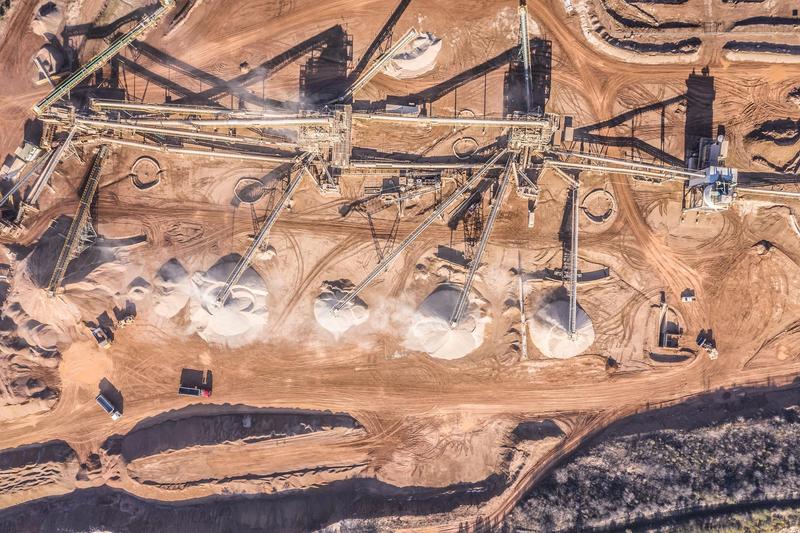
Open pit mining with several processes.


The Move to Digital Documentation

The manual recording of calibration data is impractical as it is highly labour-intensive and involves the collection and physical storage of high volumes of data. Digital documentation has become increasingly important with the rise of automated sensors in mining operations. This method involves electronically recording and storing the information collected within the calibration tool itself. Information captured includes the reading results, date of calibration, operator’s details and records of adjustments made. Digital documentation also removes the risk of human error as data collection is automated.

Digital records also support compliance with industry standards such as ISO 17025, which specifies the requirements for the general competence of testing and calibration. Maintaining a complete calibration history for each instrument across its lifecycle is crucial for traceability and audits, especially when investigating accidents. Being able to audit and identify causation leads to better practices baked into the mining operations moving forward.  

Supporting a "Carry Less, Do More" Mindset

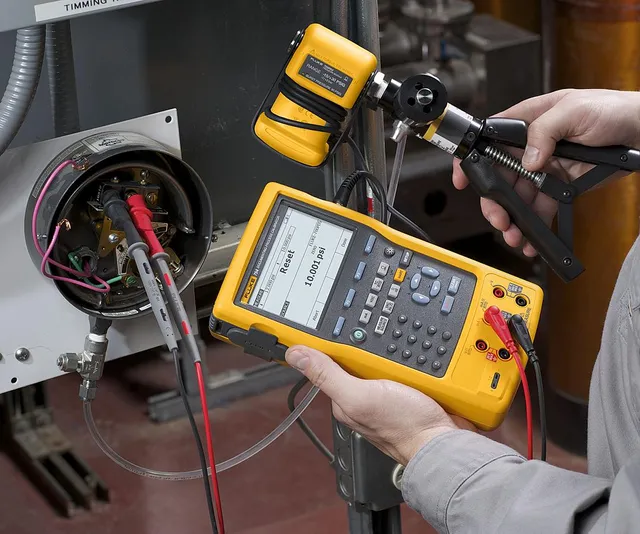
The introduction of multifunction calibrators has revolutionized the calibration process in mining operations. These devices combine the capabilities of several single-function instruments into one, significantly enhancing efficiency and reducing the physical burden on workers. An example is the Fluke 754 Documenting Process Calibrator with HART communication, which can measure pressure, temperature, and electrical signals with a single handheld device weighing only 1.2 kg and can be easily carried in a bag. The battery-powered device with its built-in interface is designed for portable use and actually performs better in its battery-powered mode.

Multifunction calibrators like the Fluke 754 enable workers to perform various calibration tasks with a single device, reducing the need to carry multiple pieces of instruments. This innovation not only enhances efficiency but also improves overall productivity. “In the past, workers had to carry multiple devices, each weighing up to 1 kg,” explains Wei Wei, Regional Product Manager, Fluke Calibration, Fluke South East Asia Pte Ltd. “Now, with multifunction calibrators, they carry just one instrument which can be up to a third of the weight of the multiple devices they had to carry previously. This makes a huge difference when factoring in the time and distance these devices need to be carried.”

Best Practices for Control Systems Maintenance

Routine Testing - Regular testing of control systems, including Programmable Logic Controllers (PLCs) and Supervisory Control and Data Acquisition (SCADA) systems, is vital for smooth operations. These systems act as the brain of mining operations, and their failure can have significant impact. Routine testing is crucial to ensure control systems don’t break down.

Emergency Handling - An up-to-date emergency response plan is essential for handling unexpected system failures. This plan should be in continual development, based on lessons learned, and should include detailed steps for troubleshooting and restoring operations quickly.

The Fluke 773 Milliamp Process Clamp Meter is an example of a tool that aids in both routine testing and emergency handling. It can measure signals without shutting down the control system and acts as a loop power source during troubleshooting.

Calibration is fundamental to the safety, efficiency, and regulatory compliance of mining operations in the Philippines. By investing in modern calibration tools, implementing predictive maintenance practices, and adopting digital documentation, mining companies can optimize their operations and ensure consistent delivery of essential materials. Prioritizing calibration not only enhances productivity but also positions companies as leaders in the industry, ready to meet the demands of a growing market.

October 20, 2024

President Ferdinand R. Marcos Jr. on Wednesday renewed his call for the passage of the proposed measure on the rationalization of the Philippine mining regime to ensure a sustainable and vibrant mining industry.

Speaking at the 2023 Philippine Mineral Industry Environmental Award (PMIEA) in Malacañan Palace, Marcos said the bill on the Rationalization of the Mining Fiscal Regime, one of his priority legislations, is ”fundamental to creating a fair and equitable mining environment for everyone involved.”

“It is equally vital for the DENR (Department of Environment and Natural Resources) to strengthen regulatory capabilities for all mining operations to ensure compliance with safety and environmental standards initiatives,” Marcos said.

The President said his administration aims to foster a deeper commitment to sustainability within industries, particularly in mining, boost local value addition through mineral processing, strengthen environmental safeguards and ensure that communities are genuine beneficiaries of the wealth generated from mining operations.

‘Outstanding mining companies'

In his message, Marcos congratulated the 13 mining company-awardees for setting the bar high in “embodying what it means to create value that extends beyond profit.”

“I encourage you to be ambassadors of responsible mining. Share your experiences and best practices, not only with your peers, but with the next generation of miners, engineers and environmentalists,” Marcos said.

“With a continued partnership amongst the government, industry and local communities, there is no doubt that the Bagong Pilipinas will emerge as a global leader in responsible mining,” he added.

The award, established by Executive Order 399, recognizes companies for their exemplary performance in environmental protection, safety and health, and social development in the mining sector.

It is the highest environmental accolade for the mineral industry, reflecting the Philippines' government's commitment to upholding sustainable development principles.

The awardees include Cagdianao Mining Corporation; CTP Construction and Mining Corporation; Eramen Minerals, Inc.; Hinatuan Mining Corporation - Tagana-an; FCF Minerals Corporation; Zambales Diversified Metals Corporation; Taganito Mining Corporation; and Republic Cement & Building Materials, Inc. - Batangas for the Surface Mining Operations Category.

For the Quarry Operations Category, the PMIEA was awarded to Eagle Cement Corporation; Helix Resources and Development Corporation; and Republic Cement & Building Materials, Inc. - Teresa.

The Coral Bay Nickel Corporation and the Philippine Mining Service Corporation - Alcoy Plant were also awarded in the Mineral Processing Category.

October 20, 2024

The government is currently pushing for several reforms that will streamline the mining application process in the country, officials said on Thursday.

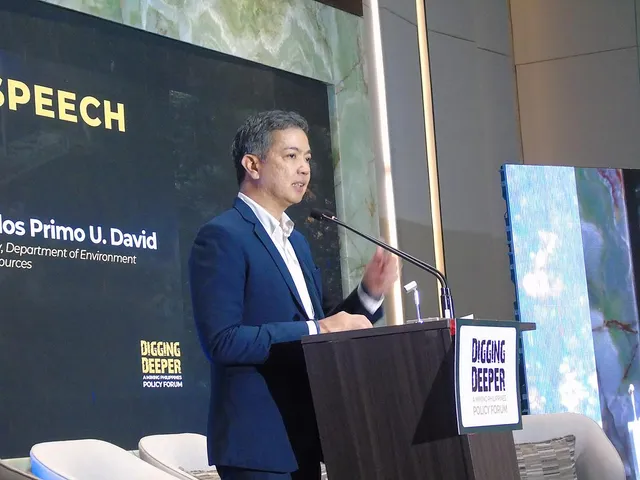
Department of Environment and Natural Resources (DENR) Undersecretary for Integrated Sciences Carlos Primo David during a forum organized by the Chamber of Mines of the Philippines (COMP) said the DENR rolled out a digital application process in three regions of the country.

“We have rolled out our digital application process. We’ve already gotten feedback. Once it’s okay, this will be rolled out nationwide,” David said during the forum on Thursday held at The Westin Manila in Ortigas.

David said the digital application process which was rolled out in three regions, including Caraga and Davao, will help cut the mining application process to a maximum of two years.

He said it does not only streamline the process but also eliminates the indiscretions.

“When you start to evaluate applications, there are always technical and legal aspects and it depends on the person evaluating that. We want to track where these permits are getting stalled,” he said.

Aside from the digital application, David said the Mines and Geosciences Bureau (MGB) is also implementing a through and through parallel processing of mining permits.

The parallel processing means an application will be processed even without the other permits coming from other regulatory bodies such as the local government units (LGUs) and the National Commission on Indigenous People (NCIP).

David, however, clarified that the permit will be issued once the mining company secures all the other requirements.

The Anti-Red Tape Authority (ARTA), for its part, said they are also working to streamline the permitting processes in the mining industry.

"We have been asked to draft a model ordinance for all local government units to follow, starting with the energy and I think for the mining sector, we will also look into it to standardize the requirements by local government units, ensuring that processes at the local level will be standardized
and streamlined," ARTA Director General Ernesto Perez said.

He said the draft of the ordinance is expected to be completed within the year.

Mining policy framework

David said the DENR and the Department of Finance are also drafting an executive order (EO) that will put in place a clear-cut policy on mining royalty.

The draft EO will be presented to the Office of the President this month.

David said the EO aims to address some of the conflicting interpretation of the law on mining royalty and complexities with LGUs and indigenous peoples and indigenous cultural communities.

“For any royalty, you’ll have to put a ceiling. Because if there’s no ceiling, it can be 1 percent, 2 percent, 10 percent up to 100 percent. That is something that we have to address,” David said.

The government has been pushing for reforms to ensure a sustainable and vibrant mining industry.

President Ferdinand R. Marcos Jr. earlier urged lawmakers to immediately pass the bill on the Rationalization of the Mining Fiscal Regime to create a fair and equitable mining environment.

COMP Chairman Mike Toledo, for his part, said he is hopeful that the bill will be passed within the year.

He also thanked the President for allowing the COMP to provide recommendations on how to improve the country's mining industry during a meeting in August.

Toledo said the COMP is urging the government to ensure that there will be long-term policy consistency through the drafting of a robust mining policy that would, among other things, clarify the role of national and local government units and specify the approach to indigenous community management.

He also said there is a need to simplify and expedite the approval processes for mineral agreements by reducing application steps, eliminating redundancies, and imposing clear-cut timelines, in close coordination with government agencies with which our industry interacts.

"We also recommended the implementation of an online register of pending applications," he said.

To minimize business continuity risks from local ordinances, he added, there is a need to clarify the status of mining companies as government contractors and exporters to be consistent across national and local laws; rationalize LGU power to issue ordinances that prohibit mining or specific mining methods within their jurisdictions; request ARTA to identify and fix redundancies between national laws and local ordinances, and empowering it to suspend the implementation of those inconsistent with the Ease of Doing Business Act and the LGU Citizen’s Charter.

Toledo said uncertainties in tax policy and investment incentives can be done by establishing a stable and predictable mining fiscal regime including adding a “financial stability clause” in all mineral agreements to guarantee continuity of mining operations and to assure the sanctity of contracts, regardless of material adverse change in government policies that would prevent mining contractors from performing their obligations.

He said the potential of the industry can also be strengthened by appointing a senior government official who will focus on addressing obstacles to mining investments and on promoting and marketing the industry.

October 20, 2024

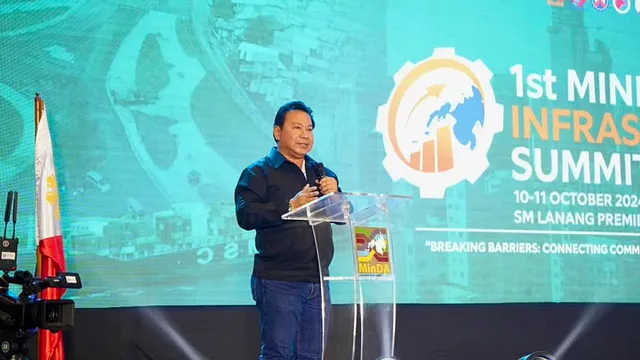
The Department of Public Works and Highways (DPWH) played a key role at the 1st Mindanao Infrastructure Summit organized by the Mindanao Development Authority (MinDA) on October 10-11, 2024.

This significant event brought together national and local leaders, policymakers, and stakeholders to chart the course of Mindanao’s infrastructure development and promote collaborative efforts toward sustainable growth.

DPWH Senior Undersecretary Emil K. Sadain led the presentation of flagship infrastructure projects that are transforming Mindanao’s connectivity and economic landscape.

He highlighted the DPWH ongoing efforts to driving local economic growth, particularly in underserved and remote areas by improving connectivity thru roads and bridges, and major flood control projects under the “Build Better More” program and part of President Ferdinand R. Marcos Jr. administration’s “Bagong Pilipinas” agenda.

DPWH Mindanao flagship projects include the Improving Growth Corridors in Mindanao Road Sector Project in Western Mindanao; Panguil Bay Bridge Project, Flood Risk Management Project for Cagayan De Oro (CDO) River, and Central Mindanao High Standard Highway Construction Project CDO-Malaybalay Section in Northern Mindanao; Davao City Bypass Construction Project, Samal Island-Davao City Connector (SIDC) Bridge, Davao River Bridge, and Davao City Flood Control and Drainage Project in Davao Region; Road Network Development Project in Conflict Affected Areas in Mindanao and Ambal Simuay River and Rio Grande de Mindanao River Flood Control Projects in Central Mindanao; Agusan Daang Maharlika Road Improvement Project in CARAGA Region; Emergency Assistance for Reconstruction and Recovery of Marawi in Bangsamoro Autonomous Region in Muslim Mindanao.

Senior Undersecretary Sadain underscored the pivotal role of infrastructure in unlocking Mindanao’s potential and enhancing its competitiveness on both national and global scales. He emphasized that the projects will promote economic activity, improve mobility, and contribute to poverty alleviation by making Mindanao more accessible.

Meanwhile, DPWH Planning Service Director Alex G. Bote discussed the Department’s infrastructure plans for the region.

Director Bote stressed the importance of coordinated planning and program alignment to ensure the effective delivery of projects that address the region’s most urgent needs.

He outlined strategies to tackle challenges such as funding requirements, technical capacity, and project execution, with a focus on enhancing project delivery through robust support mechanisms and capacity-building initiatives.

A major highlight of the summit was the signing of a Memorandum of Cooperation (MOC) between DPWH and MinDA, formalizing their partnership to strengthen collaboration in infrastructure development across Mindanao.

The agreement signed by Senior Undersecretary Sadain representing DPWH Secretary Manuel M. Bonoan and MinDA Secretary Leo Tereso Magno sets the foundation for integrated planning, joint programming, and streamlined project implementation, aligning both agencies’ efforts to ensure that critical infrastructure projects are completed efficiently and on schedule.

The MOC also reflects a shared commitment to transparency, information sharing, and active engagement with regional offices and local stakeholders to guarantee the timely delivery of infrastructure projects that will benefit the people of Mindanao.

The 1st Mindanao Infrastructure Summit organized by MinDA Secretary Magno marked a significant step toward realizing Mindanao’s full potential through well-coordinated and inclusive infrastructure development.