



March 15, 2022

Photo credit: Philex Mining

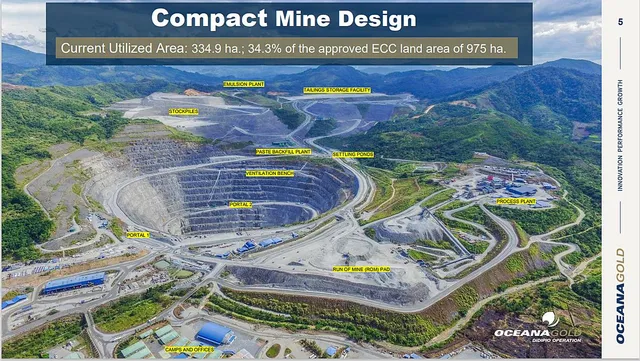
The province of Surigao del Norte and other local government units welcomed the start of development of the Silangan copper-gold mine project (“Silangan”) of Philex Mining Corp., which at a cost of $224 million (about PHP11.2 billion), is one of the biggest investments in Mindanao.

Philex’s wholly-owned unit, Silangan Mindanao Mining Co. Inc. (SMMCI), will begin development of the copper and gold mine in the second quarter of 2022 and expects it to begin commercial operation in early 2025. Throughout its 28-year mine life, Philex estimates that total investments to reach $1.7 billion, with $1.5 billion coming from funds to be generated by Silangan mine.

Surigao del Norte Gov. Francisco T. Matugas said he is pleased that the long-delayed development of Silangan mine will soon commence to help generate jobs and spur economic activity in the province.

“This is another milestone in the minerals industry that is geared towards building a prosperous nation by way of responsible mining,” said Gov. Matugas in a letter to Philex  and SMMCI President and Chief Executive Officer Eulalio B. Austin Jr.

“Similarly, this is also a welcome development for our province and constituents who have been immensely affected by the COVID-19 pandemic and, just recently, the Super Typhoon Odette,” he added.

Surigao del Norte 2nd Congressional District Congressman Robert Ace S. Barbers said the forthcoming development of Silangan should generate the employment, local expenditures and taxes needed to fuel economic recovery from the pandemic and the damage caused by Typhoon Odette. 

Tubod Mayor Richelle B. Romarate welcomed the coming development of Silangan mine and called Philex an “able partner” in economic activities of the town.

Philex was awarded by government a Minerals Production and Sharing Agreement (MPSA) in 1999 for the Silangan mining claims that cover 2,880 hectares that straddle the towns of Placer, Tagana-an, Tubod and Sison—all in Surigao del Norte.

“Since its exploration stage, the Silangan project has always been an able partner of our town and my administration towards progress and economic development while consistently demonstrating its responsible stewardship of environmental and social concerns,” Mayor Romarate said.

Placer Mayor Jovymarie C. Villazon recalled how Philex and its unit Silangan Mindanao Mining Corp. had displayed good practices towards the community and the environment. “With that, we look forward to the realization of their plans and programs with the same sense of professionalism during the development and operating stages,” Mayor Villazon said.

Tagana-an Mayor Cesar B. Diaz Jr. said the imminent development of Silangan is most welcome coming in the wake of the pandemic and Typhoon Odette. “With this development comes new employment opportunities for the residents and helps the local economy to generate additional income through the generated taxes from this project,” he said.

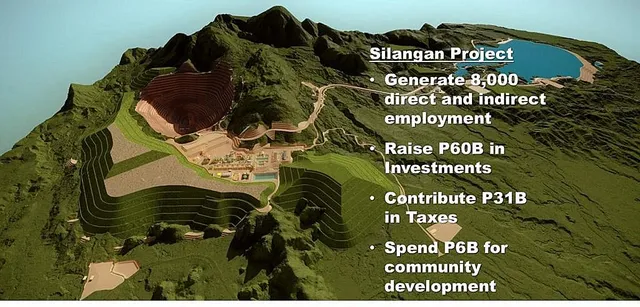
Mike Toledo, Chief Operating Officer of SMMCI, said that among others the mining project will generate direct and indirect employment for around 8,000 people, raise about PHP86.7 billion in investments, and contribute an estimated PHP38.0 billion in government receipts throughout its 28-year mine life in Surigao del Norte, which is home to more than half a million Filipinos.

Aside from LGU approval and support, the Department of Environment and Natural Resources has also extended the Mineral Production Sharing Agreement, or MPSA, granted to SMMCI to 2049.

The Silangan Project has also secured tax holidays from the Board of Investments.


Article courtesy of Philex Mining

March 15, 2022

The Philippine Federation of Professional Associations (PFPA) – Council for Built and Natural Environments and the Geological Society of the Philippines have recognized Noe L. Caagusan with the Distinction & Excellence Award for Geology 2021.

Caagusan, currently Apex Mining Co., Inc’s chief geologist, shares this accolade with his Apex colleagues as the company is celebrating its 52nd year. “Much thanks to the supportive atmosphere in our Apex home that encourages productive creativity.”

The veteran geologist is credited for the discoveries of the onshore San Antonio gas field in Isabela and the Maibarara geothermal field in Batangas. He is also behind the pioneering analysis of metamorphic rocks of Mindoro Island and the discovery of the 100 million-barrel Etame Marin oil field in offshore Gabon as well as a gold deposit in central Mongolia.

Caagusan’s illustrious career has also given him other accolades, including the Lifetime Achievement Award (GSP-Phil), the Seamount Award (MGB-Phil) for the study of petroleum reservoirs in offshore Palawan, an IUGS gold pin from the International Union of Geological Science in Norway for five years of petroleum resource study of the South China Sea with Asean and East Asian Senior Geologists, and the Pewter Horse award (Singapore) for a study of hydrocarbon generation in the Cagayan Basin.  He is also a recipient of a Philippine Presidential Recognition for being the Coordinator of the Disaster Relief work in the M7.7 Luzon earthquake of 1990.

Fresh out of college, he worked for nine years as a geologist at the Department of Environment and Natural Resources’ Mines and Geosciences Bureau, back when it was still known as the Bureau of Mines. He also served as PNOC-EC’s chief of the Geology division for 17 years and stayed 19 years at the PetroEnergy Resources Cop.

The awards ceremony of the 9th PFPA was held at the UP Bahay ng Alumni on 26 Feb. 2022.

March 10, 2022

A healthier work environment, radically reduced energy consumption, a lower carbon footprint and more efficient operations: the sustainability gains from innovations in battery-based mining equipment are simply electrifying.

“Will electrification spark the next wave of mining innovation?” is the title of a recent report from consultancy firm EY. Brian Huff, vice president of technology at Sandvik-owned Artisan Vehicles, a manufacturer of battery electric vehicles (BEVs), says the wave has already reached the shore. Huff sees electrification more as a natural evolution of technology rather than a revolution, with the potential to reap a range of sustainability and cost benefits.

“We’re moving past the ‘why’ stage and approaching the ‘how’,” Huff says. “Most mining companies have analyzed the business case of electrification and seen the value. We just need to explain that an electric mine is not that different from a traditional mine, nor is it difficult to electrify. Battery-powered trucks and loaders are used the same way, and no new underground infrastructure is needed.”

The effects of electrification on employee health, however, are close to revolutionary. “We’ve heard many stories from miners claiming they would come home from a shift and be so tired they just crashed on the couch, blowing black snot from the nose, with no energy left to engage with their family,” he says. “Once they switched to battery equipment, they were much more energetic. These things are immeasurable. It’s beyond health, it’s about quality of life.”

At the Goldcorp Borden Lake mine in Ontario, Canada, the first all-electric underground operations are already up and running. “We have surveyed the first group of workers that started at our Borden mine,” John Mullally, Newmont Goldcorp group executive for sustainability, North America, told EY, adding: “Something like 90 percent said that they would not want to go back and work in a traditional underground mine alongside diesel engines.”

While human health and quality of life cannot be measured in numbers, opex and capex can. Another major benefit of an electrified operation is the amount of money that can be saved on construction of ventilation shafts and the energy bill for running the ventilation required to remove the hazardous fumes.

In terms of capex, ventilation systems don’t come cheap. “The per-foot cost of digging a ventilation shaft can typically be USD 5,000, or USD 30 million for an 1,800-metre ventilation shaft, plus the time spent,” Huff says.

Ventilation also comes with opex costs, in that it consumes a lot of power when generating the air that is funneled down into drifts. As much as 40 percent of an underground mine’s energy outlay is spent on powering ventilation systems to remove pollutants from tunnels, according to EY. In comparison, an electric mine requires roughly half as much ventilation, which cuts energy needs by close to 90 percent.

In 2019, Sandvik acquired Artisan Vehicle Systems, whose fleet of battery- electric, zero emission underground vehicles include the A4, a
four-tonne lithium battery-powered LHD underground mining
vehicle.

The reduced ventilation of an electrified mine also saves on heating and cooling costs, as the air transported from outside might be too cold or too hot, depending on the season, to produce the required ambience.

“All these things compound to provide a real financial advantage,” Huff says. “The capex costs for building ventilation shafts are substantial enough to pay for the entire equipment fleet needed to operate the mine.”

As mining companies are forced to dig increasingly deeper in search of new findings and extensions of existing ores, the cost of constructing ventilation shafts grows. “The deeper you go, the better the business case for electrification gets,” he says.  “When you access a new stope you don’t need as much auxiliary ventilation as you would with a diesel-run unit. Plus, a BEV only generates some 12 percent of the heat generated by diesel-driven equipment.”

Electrifying operations helps mining companies contribute to a more sustainable industry from many perspectives. The cost of energy represents up to one-third of a mining company’s total cost base, making it a keenly managed component of operations, and the EY report notes that “demand for carbon reduction in the sector is inevitable, and electrification is one way to achieve it.”

In addition, the energy used to charge the batteries may come from renewable energy sources. With Sandvik-Artisan BEVs, the battery is being charged every time the vehicle trams downhill, and the recharged energy is used to carry the next load.

Adding to a lower total cost of ownership, Huff says, is that a BEV has fewer moving parts than a fossil-fueled unit. “There is no need for a mid-life engine or transmission replacement,” he says.

The latest Sandvik-Artisan BEV models are fitted with an additional battery pack, and the vehicle swaps batteries automatically when needed. “We designed the machine to swap its own batteries in just six minutes,” Huff says. “The machine has a secondary battery pack that is a third the size of a Tesla battery and is charged by the main pack once it’s loaded.  After charging for one hour, the main pack typically lasts two to three hours and is swapped about four times a shift for a total time of 24 minutes.”

In comparison, refilling a diesel unit typically takes 30 minutes each shift, including the time to drive to the fuel bay.

It’s beyond health, it’s about quality of life

“We offer battery as a service, meaning we provide charged and available batteries as well as preventive maintenance and service,” Huff says. “This service converts capex into opex and minimizes maintenance work.”

According to the EY report, reaping the full value of electrification requires a rethink of mine design that considers a technology road map. Huff agrees that there is more leverage to be had for a greenfield mine that decides to go all-in electric from day one. “Then you have the ability to design around the potential for electrified equipment and benefit from the fact that you don’t need large ventilation shafts,” he says.

Still, so-called brownfield operations also stand to gain from electrification, he says. “Most existing mines are expanding, digging deeper to continue exploration of the ore currently being extracted and to find new ore bodies and explore adjacent ones. With BEVs, ventilation capacity is less of a problem.”

Electrification holds the potential of boosting the mining industry’s sustainability score. As Huff puts it, “Small changes create enormous advantages.”


Article courtesy of Sandvik

March 10, 2022

Photo credit: Ritchie Bros.

Driven by long term infrastructure growth, the expansion of mining activity and post COVID-19 recovery plans, the demand for construction and mining equipment in the Philippines for the medium to long term is strong. Coupled with global supply chain constraints and long lead times for buying new equipment from OEMs and their dealers, equipment users in the Philippines are now, more than ever, looking around the globe for quality used equipment.

Ritchie Bros., the global marketplace of choice in the used machinery industry, has more channels and opportunities for Filipino customers to buy and sell equipment in the global marketplace.

Ritchie Bros. pioneered live public unreserved auctions in the Philippines when they conducted auctions for the benefit of Pinoys equipment owner in the mid to late 1990s in Subic Bay. Live public unreserved auctions is how Ritchie Bros. has secured its unparalleled reputation over the past 60 years. Scheduling an auction date, marshaling hundreds if not thousands of late model quality used equipment into one auction yard, and inviting the public to bid. All assets in our unreserved auctions are sold, regardless of the final sale price, benefiting both buyer and seller.

Ritchie Bros. has replicated this model around the globe, with over 50 permanent auction facilities located in 14 counties around the world (North America, Europe, Asia, the Middle East, and Australia).

But as the needs of the market change and technology advances, Ritchie Bros. provides sales channels and offerings that meet the dynamic needs of our customers. Our live public unreserved auction, with thousands of assets, is still the backbone of our business. However, to match the needs of our customers, we have also developed other sales and buying channels. IronPlanet is our online only auction platform, our 24/7 marketplace, Marketplace E, allows customers to buy equipment through offer and negotiation, while Ritchie Bros. Private Treaty, provides the ability to buy and sell assets discretely with Ritchie Bros.

Each of these unique channels allows our customers more choice and timely opportunities to buy and sell equipment. Each one is uniquely formulated to provide our customers with solutions for every situation they may face. Online only platforms make it easy and convenient to purchase equipment from anywhere in the world.

Ritchie Bros. comprehensive sales solutions give you a choice of selling channels through our global network.

Our unreserved online auctions

Ritchie Bros.’ unreserved auctions help you sell heavy equipment and machinery for the best price. Since we shifted to online auctions through our Timed Auction system, we’ve seen record-breaking bidder participation and sales results.

Our reserved online auctions

IronPlanet offers a convenient way to sell equipment quickly from your yard to a global buyer base. With the sale and transaction all taking place online, it’s a service designed to work with your schedule and location.

Our 24/7 marketplace

With Marketplace-E, our 24/7 online marketplace, you can set a minimum price and let us take care of finding the buyer. You can decide to sell from your own location or at one of Ritchie Bros. yards.

Our Ritchie Bros. Private Treaty

Ritchie Bros. facilitates private treaty negotiations for a wide variety of specialized and high-value heavy equipment and industrial assets. Buying is easy: just contact us to arrange an inspection and make an offer. We will handle confidential negotiations between you and the seller, and manage the settlement of transactions.

Ritchie Bros. in the Philippines

With the vision to serve the needs of our customers in the Philippines, Ritchie Bros. has set up a Philippine Country Representative based in Manila. Chris Edwards has more than 20 years’ experience in the equipment trading business in the Asia Pacific region and conveniently located in Manila to serve your needs. Have assets to sell? Need to find quality equipment for your project? Reach out to Mr. Edwards for a no-obligation consultation on how Ritchie Bros. and its many sales and distribution channels would be best for you and your situation.

March 10, 2022

Photo credit: Good News Pilipinas

As this column is being written, there are less than 100 days to go before the May 9 elections.  Many voters have made their minds up from the outset, some purely based on their visceral reactions to, and past experiences with, the candidates.  However, we owe it to ourselves and future generations to scrutinize the candidates based on their platforms and advocacies, although time and again we are reminded that most campaign promises are made to be broken.

For the mining industry, the obvious primary point of comparison would be the candidates’ position on mining and the development of our natural resources. After all, the Philippine Constitution itself recognizes the role that mining plays in our economic life by providing the framework for the exploration, development and utilization of mineral resources.

The candidates’ respective positions on mining have been made public through their recent interviews and statements, including the debates that a certain candidate has been pointedly avoiding.

Speaking to Boy Abunda, instead of Jessica Soho who he claims is biased, Ferdinand Marcos Jr. said he is open to allowing “sustainable  mining”, while expressing aversion toward open-pit mining.  Marcos Jr. said he recognizes that mining is a big source of revenue for the Philippine government, and that in these difficult times, we should take advantage of our vast natural resources.   On open-pit mining, he cited the pollution that it allegedly causes and post-mine closure issues.  He also called for improving the working conditions and compensation received by mine workers.

Vice President Leni Robredo, for her part, has stated that she supports “responsible mining” and ensuring the protection of the environment.  She believes that the benefits from mining should go back to local communities and contribute to holistic national development.  She has also stated that she will continue to push for respect for the rights of indigenous peoples, which has been her advocacy from her days as an “alternative lawyer” and for “honest to goodness consultation” with the communities affected by mining.   She, however, said she would immediately cancel President Duterte’s Executive Order 130 lifting the moratorium on new mineral agreements, issue an executive order identifying “no-mining areas” and would call for the passage of the National Land Use Act, which she co-authored as a member of Congress.  She also supports the passage of the “Alternative Minerals Bill” which bans mining in critical areas and open-pit mining.

Manila Mayor Isko Moreno has said he will support mining as a means of reviving the economy especially after being ravaged by Covid-19, recognizing that mining can attract much-needed foreign direct investments and create jobs.  He said that the government cannot rely on taxation alone and must develop its assets, including minerals, responsibly.

Senator Panfilo Lacson said that, if elected President, he will ensure the “responsible” extraction of minerals and eradicate the double standard in the regulation of the mining industry. “Ang mining industry, hindi naman pwede patayin kasi major industry ito ng Pilipinas”, he said.  He has pointed to small scale mining as the source of violations of mining laws and environmental risks, and an area that he will devote attention to, emphasizing that his actions will be “data driven” and “science based”.   He has also called for the creation of a special program and funding for indigenous peoples “who suffer the brunt of irresponsible mining.”

Senator Manny Pacquiao believes that the extraction of minerals can be done responsibly and is therefore against banning mining.  He says that the number of mining projects in the country can be controlled and that the government can focus on monitoring open-pit mining.

Only “Ka Leody” de Guzman has outrightly called for a ban on mining, saying it endangers the lives of people, specifically citing the effects of Typhoon Yolanda in an area where there is a large-scale mining project.  Instead, he advocates advancing a "just transition to a green economy" as a solution to “destructive extractive industries like mining and logging”.  He said that residents in communities to be rehabilitated should be given the knowledge and skills to conserve the ecology of their environments, which is crucial to the return of their livelihoods in farming and fishing.

There is an entire laundry list of other issues on the candidates can be grilled.  However, for the Makati Business Club (MBC) [whose Governance Committee I currently chair] and other business groups, including the Financial Executives Institute of the Philippines (FINEX), Legal Management Council of the Philippines (LMCP), and Management Association of the Philippines (MAP), as well as various Chambers of Commerce, one paramount point is where the candidates stand on Freedom of Information.

Freedom of information is enshrined in the Constitution.  The Bill of Rights (Article III), particularly, Section 7, provides “(T)he right of the people to information on matters of public concern shall be recognized. Access to official records, and to documents and papers pertaining to official acts, transactions, or decisions, as well as to government research data used as basis for policy development, shall be afforded the citizen, subject to such limitations as may be provided by law.” 

What we need, therefore, is a law which implements and operationalizes this.  A Freedom of Information (FOI) Law would require government to make public information available to citizens, organizations and businesses.  However, it has been 35 years, and counting, but an FOI Law has still not been passed.

From the perspective of FOI advocates, there is no lack of arguments in favor of the passage of an FOI Law.  Good governance reforms are crucial in promoting sustainable and inclusive growth.  This can only happen with clear rules and guidelines, easy access to information, eliminating vagueness in procedures, unchecked discretion among regulators, and inefficiency in the bureaucracy.  An FOI Law would also encourage developing a culture of transparency at all levels.

On 23 July 2016, soon after President Duterte assumed office, he issued Executive Order 2, entitled “Operationalizing In The Executive Branch The People’s Constitutional Right To Information And The State Policies To Full Public Disclosure And Transparency In The Public Service And Providing Guidelines Therefor”.

While this was a very welcome development, the EO only covers the Executive branch,  including but not limited to, the national government and all its offices, departments, bureaus, offices, and instrumentalities, including government-owned or -controlled corporations, and state universities and colleges.  It  does not, however, cover the legislature, judiciary and or even LGUs, although it encourages them to observe the order. 

Interestingly, the EO contains a reminder to all public officials of their obligation to file and make available for scrutiny their Statements of Assets, Liabilities and Net Worth (SALN) in accordance with existing laws, rules and regulations, and “the spirit and letter of the Order”, but the signatory of the EO himself has time and again refused to provide his SALN, which is a basic instrument of transparency.

For its part, the Supreme Court issued the Rule on Access to Information About the Supreme Court in 2019. The Supreme Court likewise ordered the creation of FOI Manuals in the entire judiciary.  The Rule on Access to Information About the Supreme Court guarantees one’s “privilege” (but not absolute right) to either obtain a copy, receive the information or gain insight to all information and records or portions of those records in the official custody, possession and control of offices in the Supreme Court. Like all other rights, the “right to know” is not an absolute right.  Excluded are those “non-disclosable information” protected by laws, rules or resolutions of the Supreme Court En Banc.

The obvious limitations of these two issuances are that they only cover their respective branches of government.  The goal is to pass an FOI Law which covers all three branches of government, including local governments.

The consolidated House Bill (HB 5776) currently pending for approval by the House Committee on Public Information enjoys strong support and has been consistently identified as a legislative priority by the business community.  However, it is highly unlikely that it will pass in this administration, and it is therefore up to the next administration to take up the cudgels.

Information is power.  Information will allow us to make better decisions about who we elect to office, how we allow our leaders to allocate and spend our taxes, and also examine the policies they seek to implement.  Information will allow us to be better partners in nation-building.  The right information will empower us to fight and correct misinformation, falsehoods and outright fake news.

During the campaign, a number of the presidential candidates have professed support for the concept of “freedom of information”, though some not necessarily for the passage of the law itself.  What is more telling is not what they have said in words, but by their actions through the years, i.e., whether they have led lives of transparency and accountability.

The campaign period is therefore a time for us to really sift through the noise and get to know our candidates, both national and local, but most especially the presidential candidates, as to who truly walks the talk.

March 10, 2022

Last year saw miners experiencing record profitability and revenue. While the industry continues to benefit from relative high metal prices and opportunities from the clean energy transition and digital transformation, there are identified risks arising from COVID-19's resurgence and disruptions, potential for weaker-than-expected global economic growth, government intervention, and community opposition. Meanwhile compliance with environment, social and governance (“ESG”) standards will obligate mining companies to protect the environment, contribute to community development, and behave ethically.

On the local front, Department of Environment and Natural Resources (“DENR”) Secretary Roy Cimatu lifted the four year-old ban on the open-pit method of mining for copper, gold, silver, and complex ores. Enforced in 2017, the ban was one of the high-impact measures taken by the late DENR Secretary Regina Lopez. The former DENR secretary also ordered the closure of 26 mines. However, with the completion of the Mining Industry Coordinating Council audit which started in 2019, only 3 out of the 26 mines were deemed unsafe and the other closures were reversed.

The Chamber of Mines of the Philippines deplored the lost opportunities in the mining sector in the last decade. The chamber believed that the industry has been unjustly scrutinized and subjected to unfair publicity, which cost billions in lost revenue. Foreign direct investment (“FDI”) will remain stagnant for the industry unless regulations are eased and barriers are lowered. The ban also delayed FDIs in open pit mining projects like Sagittarius Mines Inc.’s $5.9-billion Tampakan copper project in South Cotabato and St. Augustine Gold and Copper Ltd.’s $2-billion King-king copper-gold project in Compostela Valley.

The lifting of the ban according to the DENR order, is meant to “revitalize the mining industry and usher in significant economic benefits to the country by providing raw materials for the construction and development of other industries and by increasing employment opportunities in rural areas.” With the lifting of the ban, the Department of Finance said the mining industry can become a key contributor to the nation’s economic recovery per DENR’s projection that open-pit mining will lead to the immediate development of 11 pending projects. These projects are expected to generate about PHP11 billion combined in yearly government revenue, increase annual exports by PHP36 billion, and provide employment to 22,880 people living in remote municipalities.

Economists see the Philippine economy’s continuing rebound this year after registering a 5.6 percent GDP growth in 2021. However, the outlook is threatened by the emergence of new COVID-19 variants and how the government handles them. Based on the World Bank’s Global Economic Prospects, despite the spike in infections from the omicron variant, the Philippines is poised to register the fastest growth in ASEAN this year and the second highest growth in 2023. According to the World Bank, the projected economic growth rate of 5.9 percent for 2022 will be the fastest growth expected in ASEAN, while the 5.7 percent expected next year will be second only to Vietnam’s 6.5 percent.

ESG will dictate investments in mining

Miners are under increasing pressure to integrate ESG into corporate strategies, investment decisions, and stakeholder reporting. Demands from shareholders, financial institutions, local communities, national governments, customers, and the sector’s own workforce are requiring miners to adhere to ESG standards. Sustainability in mining means minimizing the consumption of resources, reducing the use of energy through new technologies, and the use of alternative energies. Mining operations must utilize cost-effective and environmentally sound extraction alternatives, and efficient biodiversity and water management.

Green transition leads to a low-carbon economy

The green transition will accelerate amidst global pressures to reduce carbon footprints. At the latest UN Climate Change Conference (COP26) summit, many mining countries pledged to bring down their methane emissions. The rise in sustainable finance and tighter ESG criteria set by financial institutions on mining projects have led to an upcoming rise in GHG emission costs due to carbon pricing. Reducing emissions will require companies to invest in renewables to energize operations and advanced technologies in their decarbonization efforts. Renewable energy technologies, green buildings, electric vehicles, solar panels, wind turbines and battery storage will rely to a great extent on minerals and metals.

Project developers and governments are moving away from investments in thermal coal. Major mining companies, driven by ESG targets, will remove thermal coal projects from their portfolios and coal mining will be dominated by small-cap, pure-play and state-owned mining companies. Coal projects will be mostly self-funded, private equity-funded or state-funded as international banks reduce their financing of coal assets.

Miners will have to contend with license to operate (LTO)

Miners are under intense scrutiny on how they contribute to the social and economic well-being of local and national governments, engage with host communities and indigenous peoples, and protect water resources and heritage sites. Needless to say, LTO is also linked to a company’s ability to access capital and financing. While metals are a critical input for green transition technology, the mining sector’s social license to operate is contending against the rising public opposition to mines arising from environmental pollution and loss of diversity. The difficulty in acquiring LTO could lead to a slow-down in new project development.

New COVID-19 variants will be a game changer

Hopefully, COVID-19-linked operational disruption will ease with increased vaccinations. However,  new wave of restrictions with the omicron variant or subsequent waves will be a challenging environment for mining operations in 2022 and will cause a setback in economic recovery. Lockdowns not only hamper mine site operations but also slow down the movement of products and services in the supply chain, and affect consumption of goods. The COVID-19 pandemic resulted in the increase of costs of inputs, shipping, talent and decarbonization programs. COVID-19 has challenged the deployment of investments in 2020 and to some extent in 2021. Hopefully with the roll out of vaccines especially in emerging economies, COVID-19-related operational disruptions will most likely ease in 2022, helping exploration, construction and mine works to pick up.

Mineral demand will continue to grow but metal prices to weaken

Global demand for minerals and metals especially arising from the green transition, will continue to grow despite slowing growth in 2022. The outlook for auto manufacturing, machinery, appliances, and consumer electronics sectors is positive. Households with huge savings realized during the pandemic are eager to go into revenge spending. All eyes will be on China’s property development sector woes which will put a cap on overall metal demand in 2022. Evergrande’s financial difficulties and a general slowdown in Chinese construction activity will put pressure on ferrous metal prices. Meanwhile, investments in infrastructure is expected to remain relatively stable.

Fitch Solutions forecast that most metal prices to average lower in 2022 but will remain high compared with 2016-2020 averages. Looking at 2022, slowing economic growth, slow normalization in fiscal and monetary policy, and China's property sector woes will push metal prices lower in 2022. However, prices will still average at elevated levels, higher than pre-COVID-19 levels as the market balance for most metals remain extremely tight and stocks are historically low. Existing deposits that are known or held by the majors are being depleted and new ones will be required. Investments in mines and oilfields have dropped sharply over the past five years. The result is “greenflation” in commodity prices, which have had their biggest yearly increase since 1973.

Access to Capital will be a challenge amidst upward trend in global exploration budget

Access to capital for new projects or expansions will continue to be a challenge for the industry, as investors are deterred by risks associated with ESG, LTO, resource nationalism and geopolitics. Higher ESG ratings can enable access to a larger pool of attractively priced capital. Still, elevated metal prices coupled with an increase in production across commodities in 2022 will help mining and metal companies' financial performance to remain strong next year amidst the acceleration of the green transition and opening up of new business opportunities. However, strict ESG requirements will make development of new projects potentially more difficult.

Meanwhile, a report by S&P Global Market Intelligence notes that the aggregate annual global exploration budget is expected to increase between 5% and 15% year over year for 2022. According to S&P, a faster-than-expected recovery in market conditions and easing of lockdowns allowed explorers to reactivate programs by mid-2020, which caused some campaigns to carry over into 2021. 

Government intervention intensifies In 2022

Because of the economic and fiscal hardships, and rising social inequality during the pandemic while mining companies are benefitting from elevated metal prices, government intervention in the sector will remain firmly in play in 2022 posing additional risks to mining projects. Companies will  be subjected to resource nationalism in the form of increased taxes and royalties, policies to boost domestic beneficiation, and the renegotiation of contracts to get better terms for the governments. Governments are also developing investment plans to boost their own production or secure minerals that will be key to the green and digital transitions. Thus, miners will also need to contend with  trade wars, geopolitics of the COVID-19 pandemic, and changing governments or policies aimed at protecting strategic resources and increasing “self-sufficiency” in critical products like fossil fuels and rare earths.

Automation, digitalization, and electrification to address productivity, safety, and ESG priorities

The mine of the future will be less visible and smaller, use less water and energy, less polluting, more productive, and extract minerals more efficiently due to the application of new technologies. Incorporation of new technologies in mining is critical for companies to modernize their operations and meet increasingly stringent environmental and sustainability goals, while remaining competitive and relevant.

The automation, digitalization and electrification of mining operations has the potential to increase mine productivity, daily operational capacity, sustainable use of non-renewable resources, operational safety, and productive lifespans of mines. The transition to off-grid mining and battery storage, together with the use of renewable energy to power operations are expected to bring advantages not only in terms of CO2 emissions reduction, but also in terms of helping industry-related companies manage costs. Electrification of mines have the potential to incur lower expenses due to minimal maintenance requirements leading to a reduction of operational downtime. Operational downtime is common among diesel-powered machinery due to the extensive maintenance required for their internal mechanisms that are prone to breakdown.

While automation and electrification will result in a decrease of operational input costs, digitization produces predictable data. Data management also converts data into decision-making information. Digital innovation also allows diversification into greener products and improve transparency of reporting. These innovations include artificial intelligence, big data and satellite imagery. However, digitalization also exposes companies to cyber threats and hacking. Technical advances have also been made in waterless processing and waste disposal, and biogenic processes.

Technological change in mining will require a workforce with new skills in roles that would be familiar with new technology. There will be a shift in the skills profile for future workers who will need to manage and engage the electric and digital transformation in the industry. A reevaluation of current skills sets will need to be considered as the future mining workforce is likely to change, which will be driven primarily by the adoption of new technologies.

Opportune time for new business and operational models

Miners now operate in a more volatile environment because of ESG and technology disruptions. They should adopt new business and operational models that will deliver greater returns directly to host communities and governments, minimize waste, reduce emissions, bring more value to investors, and gain low-risk access to capital.

Mining and metal players need to accelerate their efforts to benefit from the new opportunities brought about by the green transition. These involve more exposure in energy transition materials and spinning off higher growth businesses linked to the green transition to unlock value. Miners also have opportunities to invest in product differentiation to benefit from green price premiums on lower-carbon products. Product differentiation based on green/ESG credentials and assorted price premiums will make some metals more of a specialized product sector and less of a bulk commodity material.

Conclusion

Disruptions open the industry to new risks and volatility. The local industry needs to adapt to these disruptions in light of the possibility of a more severe COVID variant and the political uncertainty in the conduct of the coming elections. The lifting of the open pit mining ban was a step in the right direction. However, the incoming government’s stand on mining will determine if the industry will be able to take advantage of the increasing global demand for minerals and metals or miss out on the boat again.


Fernando “Ronnie” S. Penarroyo specializes in Energy and Resources Law, Project Finance and Business Development. He may be contacted at fspenarroyo@penpalaw.com for any matters or inquiries in relation to the Philippine resources industry and suggested topics for commentaries. Atty. Penarroyo’s commentaries are also archived at his professional blogsite at www.penarroyo.com

References

Ferguson, Mark,  The Big Picture: 2022 Metals and Mining Industry Outlook, S&P Global Market Intelligence, 02 November 2021, https://www.spglobal.com/marketintelligence/en/news-insights/blog/the-big-picture-2022-metals-and-mining-industry-outlook

Ford, Alastair, The Mining Sector: 4 Key Trends for 2022, Proactive Investors, 27 December 2021, https://www.proactiveinvestors.co.uk/companies/news/968909/the-mining-sector-4-key-trends-for-2022-968909.html

Goosen, Matthew, The Future of Mining Through Electrification, Digitalization and Automation, Energy Capital and Power, 08 September 2021, https://energycapitalpower.com/the-future-of-mining-through-electrification-digitalization-and-automation/

Mining: News on Mining & Construction Machines, https://www.bauma.de/en/trade-fair/trade-fair-profile/exhibition-sectors/mining/

Mining And Metals Key Themes For 2022, Fitch Solutions, 06 October 2021, https://www.fitchsolutions.com/mining/mining-and-metals-key-themes-2022-06-10-2021

Mitchell, Paul, Top 10 Business Risks and Opportunities for Mining and Metals in 2022, Ersnt and Young, 07 October 2021, https://www.ey.com/en_gl/mining-metals/top-10-business-risks-and-opportunities-for-mining-and-metals-in-2022

Ordinario, Cai, PHL Will Post Fastest Growth in Asean—WB, BusinessMirror, 12 January  2022, https://businessmirror.com.ph/2022/01/12/phl-will-post-fastest-growth-in-asean-wb/

Sharmka, Ruchir, Ten Economic Trends That Could Define 2022, Financial Review, 04 January 2022, https://www.afr.com/policy/economy/ten-economic-trends-that-could-define-2022-20220104-p59lpj

Six Global Trends Shaping the Industry, https://www.futuremineralssummit.com/mining-trends/

Top Three Technology Trends Set to Disrupt Mining, Australian Mining, 02 December 2021, https://www.australianmining.com.au/news/top-three-technology-trends-set-to-disrupt-mining/

Upward Trend in Global Exploration Budget to Continue in 2022 – Report, MINING.COM Staff, 19 October 2021, https://www.canadianminingjournal.com/news/upward-trend-in-global-exploration-budget-to-continue-in-2022-report/

What’s In Store For The Mining Industry In 2022?, Ag Metal Miner, 20 December 2021, https://oilprice.com/Metals/Commodities/Whats-In-Store-For-The-Mining-Industry-In-2022.html
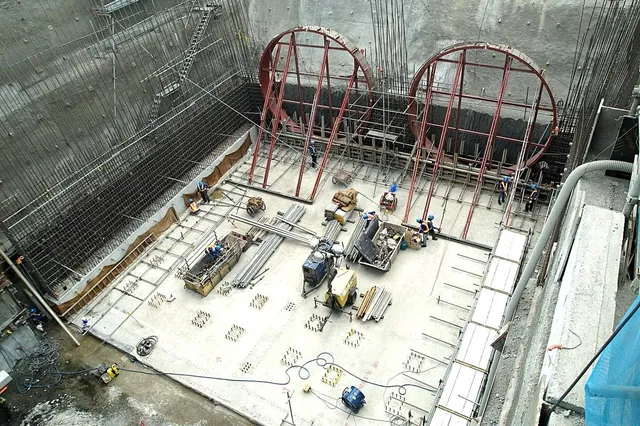
March 08, 2022

Photo credit: Redjie Melvic Cawis

Philex Mining Corporation, one of the oldest and largest gold and copper producers in Southeast Asia added Php668 million of Core Net Income in 4Q2021 to its Php1.865 billion Core Net Income for the first nine months ended September 30, 2021. Thus, full year Core Net Income rose 118% to Php2.533 billion compared with Php1.162 billion for the full year of 2020.

Favorable and sustained higher level of realized prices for Gold and Copper resulted in higher operating revenues in 2021, registering a healthy 25% increase over the year 2020. Operating revenues reached Php9.797 billion in 2021 from Php7.834 billion in 2020. Realized Gold prices was at its highest level in 4Q2021 reaching $1,783 per ounce, while Copper reached $4.44 per pound in October 2021. Operating costs were only slightly elevated by 4.8% to Php6.598 billion from Php6.298 billion in 2020 due to the increase in cost of materials and supplies, partly offset by lower power cost and non-cash charges.

PRODUCTION

Tonnage milled for 4Q2021 slowed down slightly to 1.972 million tonnes from 2.006 million tonnes in 3Q2021. Tonnage milled in 2021 reached 7.946 million tonnes, or 1.4% higher than 2020. Ore grades continue to hold at the same level as in 2020, leading to minimal impact on Gold and Copper output in 2021 compared with 2020. Gold output in 4Q2021 reached 13,855 ounces, adding to the 41,295 ounces for the three quarters ending September 2021, resulting in annual production of 55,149 ounces, slightly lower by 1.6% from 2020 Gold output. Copper output for 2021 stood at 26.2 million pounds, 1.4% lower from the 2020 Copper output.

OPERATING EXPENSES, EBITDA, AND CASH DIVIDENDS

Operating costs and expenses rose slightly up by 4.8% from the 2020 levels due to the increase in the cost of materials and supplies, including logistics expenses, higher excise taxes and royalties on account of higher operating revenues, partly offset by lower power costs and lower non-cash charges as a result of the extension of the life of mine.

The healthy EBITDA level for 2021 at Php4.317 billion allowed the Company to continue its debt reduction program during 2021. Total payments made to short term creditors amounted to US$8 million for the period.

With a very good performance in 2021, the Board declared a cash dividend of 5 centavos (Php0.05) per common share aggregating to Php247 million, to shareholders on record as of March 21, 2022, which will be paid on April 3, 2022, as Philex preserves cash surplus as part of the initial capital for the development of Silangan.

OUTLOOK

The sustained prices of Gold and Copper in the global market are providing Philex a continuing window of opportunity to optimize the mineable reserves and metal output. Profitability and liquidity since 2020 have been on a positive trend and has materially enhanced the Company’s profitability and financial condition, allowing the Company to expedite the launching of the development of Silangan project under its In Phase Mine Plan.

At the same time, studies are underway to explore and determine the feasibility of the mineable resources and/or reserves surrounding the Padcal mine, whilst the Gold and Copper prices are at its current high levels.

The Company has been working diligently with all stakeholders on implementing the fund raising plan which pave the way for the timely development and start of commercial operations of the Silangan project by early 2025. The initial capital needed under the In Phase Mine Plan is US$224 million or about Php11.2 billion, to be funded by a combination of proceeds from a stock rights offer, from the cash reserves of Philex, and possibly some incremental debt at the Silangan level. The Company has appointed BDO Capital and Investment Corporation as its issue manager and lead underwriter for the fund raising.

“No doubt, 2021 was a blessing for us considering the high metal prices for Copper & Gold that even with the marginal grades of ore that we are mining, we continue working on our business continuity plans,” according to Philex president and CEO Eulalio B. Austin, Jr. “Furthermore, we were also able to successfully deal with the deadly Covid-19 virus because of our strict and constant adherence to health protocols and our mass vaccination program. Consequently, we have had no disruption in our operation for the year.”

“The year 2021 also brought hope to the mining industry with significant regulatory changes on the horizon, such as the suspension of the ban on new mining agreements and lifting of the ban on open pit mining method. These developments auger well for the mining industry come 2022—a light at the end of the tunnel, so to speak.”

“We will continue our relentless drive to improve our operations, and are now looking at new investment opportunities,” whilst prolonging the life of our Padcal mine, said Philex Chairman M. V. Pangilinan. The job security and welfare of our employees and their dependents are still our primordial concern.”

“Silangan will be an exciting project for us in 2022— it could ensure that our business continues for a long time to come. We look forward this year with a fair degree optimism, given the buoyant prices of commodities in general, and of metal prices in particular, driven by global geopolitical and supply factors,” concluded Chairman Pangilinan.


Aritcle courtesy of the Philippine Stock Exchange

March 08, 2022

Photo credit: Department of Transportation 

Some 30.55 percent of the Metro Manila Subway Project (MMSP) is already complete, Department of Transportation (DOTr) Undersecretary for Railways Timothy John Batan said on Tuesday.

“Despite the effects of the Covid-19 pandemic, again, back-to-back to back major milestones were still realized despite all odds,” Batan said during an inspection of the MMSP’s Valenzuela depot.

He said 576 out of the 6,400 tunnel rings needed for the partial operability segment of the MMSP have been completed, with more underway at the MMSP’s 7.5-hectare fabrication yard in Norzagaray, Bulacan.

The DOTr has acquired 197,000 square meters of land and 585 structures from 324 property owners as part of the project’s right-of-way acquisition.

Despite this, he said there has been no “forced eviction resettlement” of the 183 informal settler families affected by the project through the help of the Valenzuela City government.

Through a right-of-way agreement signed with the Department of National Defense – Armed Forces of the Philippines (DND-AFP) in December 2020, he said the MMSP will make use of 50,000 square meters of DND-AFP land, with an additional 60,000 square meters of land for tunneling works, and additional 55,000 square meters of land for temporary works.

“This partnership forged between the DND-AFP and DOTr, under the leadership of Secretary [Delfin] Lorenzana and Secretary [Arthur] Tugade, will not only enable DOTr to fast track its access to construction and work sites needed for the subway but will also give DND and the AFP a fair and recurring source of resources,” Batan said.

He said the first two out of 25 tunnel boring machines to be used in the project arrived in February 2021 while the PHP66 billion contract for the MMSP’s electromechanical systems has been awarded to Mitsubishi Corporation in October 2021

The PHP27 billion contract for 240 subway train cars was awarded to the J-Trec-Sumitomo Joint Venture in December 2020.

“With today's inspection of the MMSP, we are showing how decades of ‘plan, plan, plan,’ how decades of ‘drawing, drawing, drawing,’ and how decades of talk, talk, talk’ have changed to ‘Build, Build, Build,’” Batan said.

The MMSP will be the country’s first underground railway system and will provide mass transit in the National Capital Region (NCR)—from Valenzuela City to FTI in Taguig City, Parañaque City, and Ninoy Aquino International Airport (NAIA) Terminal 3 in Pasay City, and will further extend to the north and south of NCR.

With 17 stations—two of which are interoperable with the North-South Commuter Railway line—the MMSP is seen to reduce travel time between Quezon City and NAIA from one hour and 10 minutes to just 35 minutes. By Raymond Carl Dela Cruz


Article courtesy of the Philippine News Agency

March 08, 2022

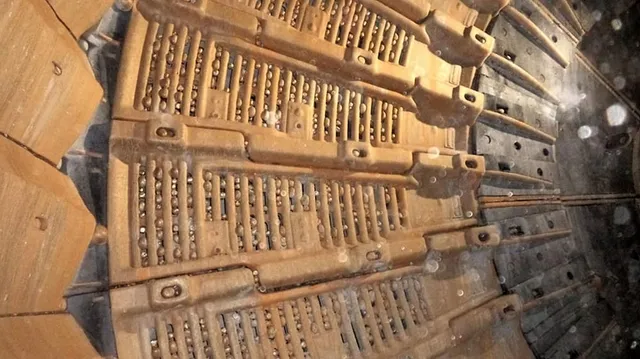
Photo: The existing grates within the SAG Mill were pegging. Critical size grinding media were blocking apertures, reducing throughput

A gold and copper mine in South East Asia was experiencing a range of challenges with its SAG mill that were hitting productivity. Facing a significant increase in ore hardness that would have exacerbated the problems, the mine turned to us to provide a solution for a safer and more productive grinding operation.

A multifaceted mill challenge 

A remote copper and gold mine in South East Asia had a problem: its 34 ft SAG mill was experiencing a range of performance issues that were limiting its production performance:

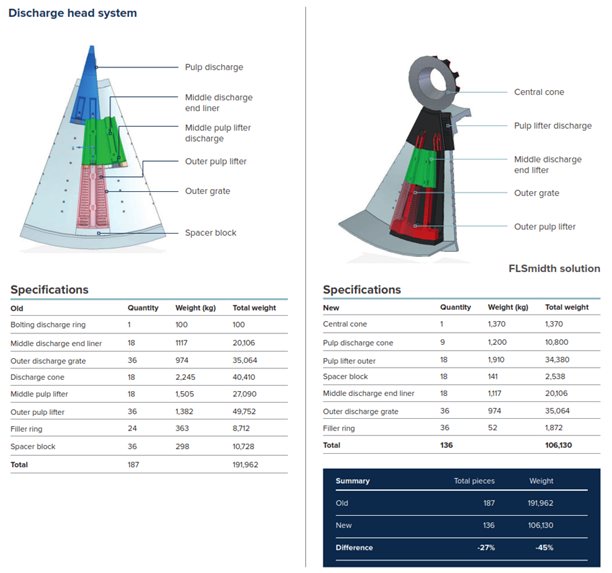
  • Pulp dischargers of many parts. The steel dischargers on the SAG mill comprised 187 pieces. Not unsurprisingly, this led to lengthy downtimes for component replacement. Making the situation worse: the discharger service life was a relatively short 12 months.
  • Inadequate liner service life. The SAG mill’s steel liners were failing to meet the required service life. To remedy the problem, the supplier had added more material to the liner design. But this created its own challenges, reducing the effective grinding volume and adding weight to the mill that was pushing bearing pressures dangerously close to limitations.
  • Peening liners. The steel used to make the liners produced a significant amount of peening. This made liner removal a time-consuming activity and more hazardous activity, as a heat lance is needed to remove peened liners. It also increases the risk of structurally damaging the mill’s shell. 
  • Pegging of the grate plates. There was excessive pegging of the grate plates by worn metal grinding media, reducing flow. As temporary measure, the mine was cutting out the pegged media every few weeks. Which only increased the time and cost spent on mill maintenance.

To solve these challenges, the mine issued a request for quote to three companies with the challenge to improve the safety of mill maintenance and increase mill discharge. In practice, this meant reducing the number and length of maintenance interventions, as well the need for hazardous installation manoeuvres, lowering mill weight and eliminating flow constraints, such as clogging and pegging.

The beginning of the solution is understanding the problem

The journey to our solution began with a thorough review of operating conditions and liner design. Through this, we determined the first course of action should be to tackle the problems associated with the discharge system. This would allow us to increase throughput and reduce weight – and would also lead to other objectives being met.

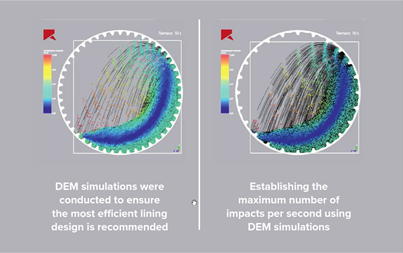
With some key improvements in mind, we created sophisticated DEM simulations to help evaluate what discharge design would best meet the mine’s objectives. These simulations allowed us to beat the mine’s throughput target of 2,100 tpd and forecast a maximum possible throughput of 2,300 tpd. The new simulated design also showed a significant increase in service life, meeting the need to reduce maintenance interventions.

DEM simulations were conducted to help evaluate the discharge design and meet mine’s objectives

After initial onsite discussions, mine personnel were invited to review the design adjustments and define the final scope. This made sure customer knowledge was also incorporated into the solution, as well as those of our engineering team.’

Exceeding expectations 

Our solution centred on our PulpMax™ composite mill liners, which were combined with material and design modifications to the steel lining system to promote increased efficiency and service life. The new liners boast 27% fewer parts (136 vs 187) and 45% lower weight (106,130 kg vs 191,962 kg).

  • Made from material that is up to 50% LIGHTER. This makes the liners easier to handle and improves worker safety. Lighter materials allow us to engineer larger components at reduced weight. It also results in less parts.
  • They typically have 50% FEWER PARTS. This results in a faster reline speed and quicker installation, and this adds up to workers spending less time in a confined space performing hazardous work.


Along the journey, we were also able to provide solutions to other challenges – for example, pegging of the grates and peening of the discharge steel. The result was a solution that exceeded original expectations:

  • Improved safety. Fewer pieces and lower weight make maintenance simpler and quicker. This reduces the amount of time that workers spend on the mill – improving safety. It also lowers the total cost of ownership. Compounding these benefits, PulpMax composite wear liners last much longer than previous liners – through some 25 million tonnes of production. Liner service life has therefore been extended from 12 months to 15 months and based on wear measurements, could extend to 18 months.
  • Improved throughput. The new system consistently achieves throughput of 2,250-2,300 tpd, exceeding the target of 2,100 tpd. This results from:
    • Reduced liner mass (>100 tonnes)
    • Improved shell design
    • Improved discharge efficiency
    • Less clogging and pegging

March 08, 2022

Photo credit: Epiroc Philippines

Epiroc, a leading productivity and sustainability partner for the mining and infrastructure industries, has received validation by the Science Based Targets initiative (SBTi) for the company’s ambitious targets to reduce CO2 emissions. 

Epiroc launched ambitious sustainability goals that include halving its CO2 emissions by 2030. The SBTi has now validated Epiroc’s climate targets as being in line with keeping global warming at a maximum 1.5° C, consistent with the latest climate science and the goal of the Paris Climate Agreement. 

“Climate change is happening as we speak and we are working internally as well as together with our customers to reduce the impact on climate,” says Helena Hedblom, Epiroc’s President and CEO. “We are driving the industry’s transition toward a climate-friendly future, not the least with our growing offering of battery-electric equipment. Epiroc is committed to halve CO2 emissions from the use of our equipment as well as in our own production and in transport by 2030. With the approval of our goals from SBTi, our position as a sustainability leader in our industry has now been reinforced.”
SBTi Logo

In line with SBTi requirements, Epiroc commits to halve its absolute CO2 emissions in its own operations – so called Scope 1 and Scope 2 – by 2030, with 2019 as base year. However, more than 99% of Epiroc’s total CO2 emissions are other indirect emissions, with about 83% of the total coming from when customers use the products. Therefore, Epiroc has committed to halve the absolute CO2 emissions from use of sold products – so called Scope 3 – by 2030. This is industry leading and well above SBTi’s minimum requirements. The transition from diesel-powered to battery-electric machines will make a significant impact.  

In addition, Epiroc’s 2030 sustainability goals also include halving CO2 emissions from transport, requiring 50% reductions of CO2 emissions from relevant suppliers, having 90% renewable energy in own operations, and offering a full range of emissions-free products, as well as ambitious targets for people. In addition to providing a growing range of battery-electric products, Epiroc’s climate actions include, among others, shifting transport from air to sea, and installing solar panels at many of its facilities. 

The SBTi - a partnership among the Carbon Disclosure Project, the UN Global Compact, the World Resources Institute and the World Wide Fund for Nature – is driving ambitious, science-backed climate action in the private sector.

Epiroc presents 6th Sense, a game changer for smarter mining and infrastructure operations

There is a growing need for the mining and infrastructure industries to look to digital technologies to enhance productivity, sustainability and safety. 6th Sense is the Epiroc way to optimize customers’ processes by connecting machines, systems and people using automation, information management and system integration. With 6th Sense comes a great focus on system connectivity, using interoperability to unlock the full potential of automation for production gains at lower operating costs.

“6th Sense is a formula we have developed for getting the right solutions in place and achieving operational excellence in mining and infrastructure operations,” said Helena Hedblom, Senior Executive Vice President Mining and Infrastructure. “The name 6th Sense implies that the solution brings something extra and that is just what it does, providing a significant advantage such as track and respond to real-time working conditions and equipment needs.”

One example of Epiroc’s focus on automated and productivity-enhancing solutions comes from the Hollinger mine in Timmins, Canada. Together with long-term partner Newmont Goldcorp, Epiroc has put the world’s first fully autonomous SmartROC D65 surface drill rig in production. The operator can be positioned remotely and perform other tasks while the drill rig completes a full drill pattern autonomously. Besides increased operator safety, this boosts productivity thanks to Global Navigation Satellite System accuracy, non-stop operations and less wear and tear on drilling tools, reducing production costs and improving reliability.

Another example is the new Teleremote e-tramming option for Epiroc’s popular range of Simba long-hole underground drill rigs. The automation package includes functionalities to monitor, plan and automate drilling operations from onboard the rig or from a remote location. Not only is the tramming process faster and simpler, the e-tramming function also provides a safer work environment and reduces variability in performance.

“The 6th Sense approach is based on our customers’ needs for implementing digitalization, automation and new process integrations. We are continuously rolling out new innovative features, always with the customers’ needs in mind,”

Helena Hedblom | President
March 08, 2022

​

Philippine minerals have a wide range of ores from nickel laterite, copper ore, iron ore, chromite ore, limestone and more. Thus, when daily operations require elemental analysis of a wide range of inorganic/geological samples, it is often cumbersome, or not possible to setup and maintain a large number of dedicated calibrations to handle such range.  In these cases, a widely applicable, but accurate solution is highly desirable. In this application note we demonstrate Malvern Panalytical’s unique solution WROXI in combination with Epsilon 4 and Leneo sample preparation, is capable to handle a wide range of sample types. This is the value-added offerings by Malvern Panalytical to enhance precision elemental analysis, by way of in-house affordable traceability guaranteed CRMs.

WROXI solution

The WROXI BASE application module comprises 15 synthetic multi-elements standards, containing in total 11 different inorganic oxides. Made from traceable compounds WROXI is a primary analytical solution. The standards are delivered as powders to be prepared as fused beads on-site, using the customer’s flux, dilution ratios and methodology. Each set of WROXI standards is supplied with 15 bottles containing 10 g of powdered standards each, packed under nitrogen, in air-tight plastic bottles. Each set is supplied with drift monitors to maintain the application.  WROXI offers good calibration especially when doing shipment of ores and exploration thus following tolerance and penalty elements. It eliminates the use of different calibration in every ores and provides good accuracy and repeatability.

Table 1. Concentration ranges of the 11 compounds in WROXI standards.

Instrumentation

A Claisse LeNEO automatic fusion instrument was used to make all the fused glass beads. LeNEO Requiring only an electrical connection and fume exhaust, the LeNEO can prepare glass disks for XRF analysis with high reproducibility. In addition to being easy to use, his fully automatic instrument guarantees safety for the operator as well as superior analytical performance in the laboratory.  Its muffle furnace and excellent insulation properties ensure uniform heating conditions providing excellent repeatability and reproducibility.  40 mm fused beads were produced by mixing 0.9 g of sample material and 9 g of flux (66 % lithium tetraborate / 34 % lithium metaborate). WROXI standards used to set up the calibration were prepared in duplicate. Measurements were performed using a Malvern Panalytical Epsilon 4 EDXRF spectrometer, equipped with a 15W, 50 kV silver anode X-ray tube, a high-resolution SDD30 silicon drift detector, 6 beam filters, a helium purge facility, a sample spinner and a 10-position removable sample changer. Epsilon 4 has an option to use in air mode, no vacuum system and no film consumables. To test the accuracy of the method 12 certified reference materials (CRM) of different geological matrices were prepared as fused beads. The results for the 11 compounds in the CRMs are shown in Table 2. For a wide range of sample types, the measured concentrations show excellent agreement with the certified values.

Calibration results

The calibration was set up using all 15 WROXI standards. The concentration ranges of the 11 compounds in the WROXI standards are shown in Table 1.

Table 2. Analytical accuracy: comparison of certified and measured values for eleven major and minor oxides in twelve CRMs of various types

dwkm

​

March 07, 2022

Photo credit: Bilyonaryo

Atlas Consolidated Mining and Development Corporation ("Atlas Mining") reported a record net income of Php3.83 billion for the year 2021 compared to the net income of Php118 million for the same period in 2020. Stable production, resilient operation and higher metal prices sustained the turnaround performance of Atlas Mining.

Metal prices remained high throughout the year pushing average copper price for 2021 higher by 53% to $4.26/1b and gold price from USD1,777/ounce to USD1,802/ounce compared to the same period last year.

Atlas Mining's wholly-owned subsidiary, Carmen Copper Corporation, reported higher copper production and shipments in the second half compared to the first half of the year due to improvements in copper head grades and recovery. Copper metal produced in the second half increased by 13% from 38.73 million lbs to 43.68 million lbs while gold produced increased by 25% from 11,176 ounces to 13,997 ounces. Year-on-year, copper metal production decreased from 107.09 million pounds in 2020 to 82.41 million pounds in 2021, due mainly to the decrease in copper grades by 19% from 0.304% to 0.247%. Gold production decreased year-on-year by 47% from 47,857 ounces to 25,173 ounces due also to lower gold grades from 8.17 grams/dmt to 5.37 grams/dmt.  Despite operational disruptions arising from high rainfall levels and typhoon Odette that affected our mining area, milling tonnage in 2020 of 50,000 tonnes per day or 18.3 million tonnes was sustained in 2021 which tempered the impact of lower grades.

Cash costs decreased by 6% year-on-year from Php9.51 billion in 2020 to Php8.95 billion in 2021, due to overall lower volumes of shipments. Earnings before interest, tax, depreciation and amortization (EB1TDA) was Php9.77 billion for the year, 10% higher compared to Php8.92 billion in 2020. Core income was Php3.28 billion in 2021 compared to Php2.58 billion in 2020.

Atlas Mining continues to strengthen its overall financial position supported by its improving earnings, efficient operations and robust metals market.

According to Atlas Mining President, Adrian Ramos, "The turnaround of Atlas Mining is credited to a resilient and stable operation that was sustained over the years with a disciplined focus on safety and efficiencies. This enabled Atlas Mining to survive the market downturn and to optimize earnings in a resurgent commodities market."


Article courtesy of the Philippine Stock Exchange

March 07, 2022

Photo credit: Manila Times - Bataan Nuclear Power Plant

President Rodrigo Duterte has signed Executive Order (EO) 164 that now includes the potential of nuclear power in the country’s energy mix.

Released on Thursday, EO 164 was signed by the Chief Executive last February 28.

“This policy is the start of the national nuclear power program,” said Department of Energy (DOE) Undersecretary Gerardo Erguiza Jr. in a press conference.

Under the new policy, it stated that the country “shall ensure the peaceful use of nuclear technology anchored on critical tenets of public safety, national security, energy self-sufficiency, and environmental sustainability”.

Duterte issued the policy following the recommendation of the Nuclear Energy Program Inter-Agency Committee (NEP-IAC), which conducted a pre-feasibility study and public consultation on the matter.

Through EO 164, the Chief Executive has recognized that nuclear power can be a reliable, cost-competitive, and environment-friendly source of energy based on the experience of highly developed countries.

“For the country to achieve its sustained growth targets, it must ensure that it has a reliable, secure, sustainable, quality and affordable electricity supply, including sufficient reserve to guarantee that there will be no disruptions in the power supply,” the policy read.

It added the use of nuclear energy will address the increasing demand for clean energy, rising by 4.4 percent annually, or an additional capacity of 68 gigawatts by 2040.

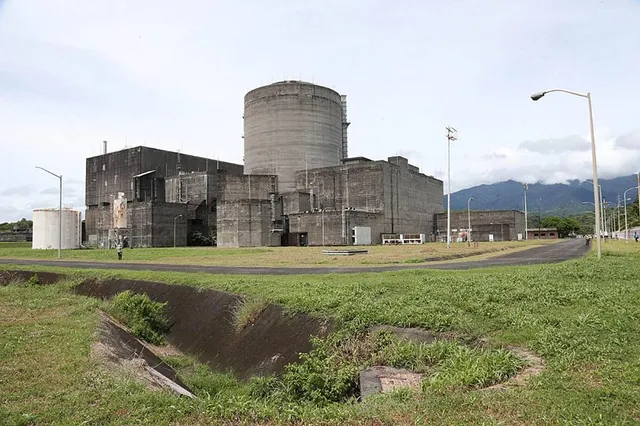
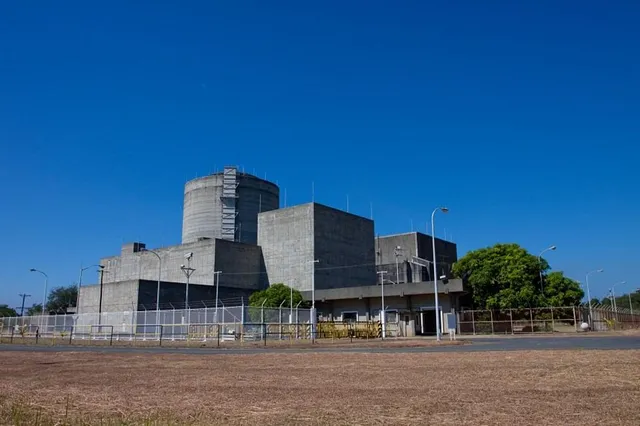
The EO still included the Bataan Nuclear Power Plant (BNPP) in the national nuclear program, but other nuclear power installations will be pursued.

The BNPP was the only nuclear power plant in the region during the 1980s, as the Philippines was one of the first Southeast Asian countries to embark on a nuclear energy program. 

However, the project was mothballed because of corruption allegations and safety concerns on the use of nuclear energy.

A study conducted by Russia State Atomic Energy Corporation (ROSATOM) in 2017 said the rehabilitation of BNPP will require around USD3 billion to USD4 billion.

The public is also becoming more open to the potential of nuclear energy.

“(A) Public Perception Survey on Nuclear Energy in 2019 indicated that almost 79 percent of Filipinos expressed approval or acceptability of the possible use or rehabilitation of an existing nuclear power plant,” the EO said.

The same survey showed that 65 percent approved the construction of new nuclear power plants and 78 percent are open to learning more about nuclear energy. 


Article courtesy of the Philippine News Agency 

March 07, 2022

Photo credit: Shuttershock

The Department of Energy (DOE) has welcomed the signing of Executive Order 164, or the inclusion of nuclear power in the country’s energy mix, as this will address the high electricity rate and secure energy for the future.

“We thank the President for seeing merit in the DOE’s recommendation to consider integrating nuclear energy into our country’s energy mix. Since we want a stable, reliable, and sustainable energy resource, I believe that nuclear is the way to go,” DOE Secretary Alfonso Cusi said in a statement.

In a press conference Thursday, DOE Undersecretary Gerardo Erguiza Jr. said nuclear power is cheaper and cleaner than other sources of energy and will help the country in achieving energy security.

Erguiza, chairperson of the DOE Nuclear Energy Programme Implementing Organization (NEPIO), added that the EO provides four cornerstone approaches in developing the Nuclear Energy Program (NEP).

These include establishing a national policy on nuclear energy that could withstand changes in administration; legislative framework by institutionalizing the NEP; alignment with international standards in which the NEP will be formulated under the guidance of the International Atomic Agency; and public awareness and acceptability by conducting strong public consultation and information campaigns promoting scientific findings on the benefits of nuclear energy use.

“Adopting a nuclear program is not just about constructing nuclear power plants. It is a matter of energy and national security. Should it be decided in the future that the Philippines is fit and finally ready to embark on its nuclear energy journey then, we would be able to look back and appreciate this landmark issuance,” Erguiza said.

Drawing away from Bataan plant

Although the EO still includes the potential of the Bataan Nuclear Power Plant (BNPP) in the NEP, the DOE official said the EO is drawing away from the old but unused power plant.

“We recognized the fact that BNPP was very much polarized,” Erguiza said, adding that the policy has focused on whether or not to include nuclear power in the energy mix and not on the rehabilitation of BNPP which received widespread safety concerns in the past.

The BNPP is designed for two nuclear reactors with a capacity of 650 megawatts each, he said.

Erguiza said the country is in talks with Russia, South Korea, and the United States on the use of small modular reactor (SMR) technology.

Cusi and other DOE officials are set to travel to the US to seal a deal on SMR study.

New technology

Erguiza said the policy will also help the government to pursue new power installations across the country.

There were around 15 locations identified even in the 1980s that are viable for nuclear power– Bataan, Cagayan, Quezon, Puerto Princesa, Negros Occidental, General Santos, Zamboanga del Norte, and Sulu.

Erguiza said the industry has learned from the past accidents globally involving nuclear power plants, such as the Three Mile Island nuclear disaster in the US in 1979, the Chernobyl accident in 1986, and the Fukushima disaster in 2011.

He said the new technologies on nuclear power “has almost been perfected” over the years.

March 07, 2022

Photo: Bataan Nuclear Power Plant

The chairman of the House Ways and Means Committee on Thursday said President Rodrigo Roa Duterte's policy of pursuing safe and reliable nuclear energy would promote the country's national and economic security and also make it more energy-independent.

Albay Rep. Joey Salceda made the statement as he expressed strong support for Duterte’s policy commitment towards nuclear energy as embodied in Executive Order No. 164, which was made public on Thursday.

“Let me make it very clear: I support the pursuit of safe and reliable nuclear energy. It is the most dependable energy source. The country’s national and economic security would be stronger with nuclear energy. We would be more energy-independent with nuclear energy. We must approach nuclear energy with eyes and minds wide open, not with irrational, sentimental fear,” he said.

He said energy sovereignty and the country's shift towards less pollutive energy sources require nuclear energy, since solar, wind, and other less stable energy sources require large tracts of land "that we do not have.”

“Nuclear is also the most dependable source of energy, and it’s not even close. Nuclear has the highest capacity factor, or the amount of times a power plant is producing at maximum capacity. The lowest is solar, which of course is dependent on sunny days,” he said.

He said the problem with being overly dependent on fossil fuels, which accounts for as much as 75 percent of electricity in the country, is that when problems arise in oil-producing states like Russia or those in the Middle East, Filipino consumers suffer consequences "no matter how remote we are from the causes of such problems.”

“It’s a matter of national security as well. If, by any chance, our sea routes through the South China Sea were somehow hampered, we would suffer terribly from oil shortages," he said.

He expressed hope that the policy commitment from Duterte will eventually pave the way for serious policy and financial investment in nuclear research.

Salceda added that Duterte’s instructions to review the viability of the Bataan Nuclear Power Plant “is also good fiscal housekeeping.”

Duterte’s EO directs an inter-agency panel to look into reopening the mothballed Bataan Nuclear Power Plant (BNPP).

“We spend around PHP40 million every year to maintain Bataan Nuclear. That means we’re spending that much on a white elephant. I think part of the mandate of the EO, which is to review the BNPP, has to include whether we should already totally decommission the asset as scrap metal, if it’s really dangerous and unsafe,” Salceda said.

Salceda said Congress may consider a “franchise approach” to operating the BNPP.

“I think we should bid it out as a Public-Private Partnership and grant its operator a franchise. The thing with nuclear power plants is the gestation period for the investment requires several decades. So our private partner will need the political and legal security of a franchise from Congress. That is definitely on the table, and I will tell President Duterte to consider that approach as well,” he said.

The EO states the country “shall ensure the peaceful use of nuclear technology anchored on critical tenets of public safety, national security, energy self-sufficiency, and environmental sustainability.”

Duterte issued the policy following the recommendation of the Nuclear Energy Program Inter-Agency Committee (NEP-IAC), which conducted a pre-feasibility study and public consultation on the matter.

Through EO 164, the Chief Executive has recognized that nuclear power can be a reliable, cost-competitive, and environment-friendly source of energy based on the experience of highly developed countries.

“For the country to achieve its sustained growth targets, it must ensure that it has a reliable, secure, sustainable, quality and affordable electricity supply, including sufficient reserve to guarantee that there will be no disruptions in the power supply,” the policy read.

It added that the use of nuclear energy will address the increasing demand for clean energy, rising by 4.4 percent annually, or an additional capacity of 68 gigawatts by 2040.

The BNPP was the only nuclear power plant in the region during the 1980s, as the Philippines was one of the first Southeast Asian countries to embark on a nuclear energy program.

The project, however, was mothballed because of corruption allegations and safety concerns on the use of nuclear energy.

A study conducted by Russia State Atomic Energy Corporation (ROSATOM) in 2017 said the rehabilitation of BNPP will require around USD3 billion to USD4 billion. By Filane Mikee Cervantes  


Article courtesy of the Philippine News Agency

March 06, 2022

The Department of Public Works and Highways (DPWH) expressed confidence that the opening of Binondo - Intramuros Bridge Project will provide immediate impact of easing traffic especially with many people begin working on-site as Metro Manila shifted back to alert level 1.

Secretary Roger G. Mercado said that Undersecretary and Build Build Build Chief Implementer Emil K. Sadain is making sure that if good weather stays, the Binondo - Intramuros Bridge project will be opened to traffic this coming Holy Week.

This flagship infrastructure project under President Rodrigo Roa Duterte administration’s Build, Build, Build Program is expected to benefit approximately 30,000 vehicles daily passing between the two (2) busy districts of Intramuros and Binondo in Manila.

Undersecretary Sadain, in-charge of DPWH Unified Project Management Office (UPMO) Operations, visited once again the construction site on Friday, March 4, 2022 with government and private engineers and construction workers continuing the effort to beat the target opening and fully finished the project at the soonest time possible.

“Pretty soon, people can drive, walk, bike, or run across this iconic bridge”, said Undersecretary Sadain.

The Binondo-Intramuros Bridge Project involves construction of 680 linear meter two (2)-way four (4)-lane bridge connecting historic district of Intramuros at Solana Street and Riverside Drive with the bustling district of Binondo at Rentas Street/Plaza del Conde Street and Muelle dela Industria.

Funded by a grant from Government of China, the project is under contract with China Road and Bridge Corporation.

Its basket-handle tied steel arch main bridge over Pasig River is expected to become the new symbol of time-honored friendship between China and the Philippines.

The project is being implemented by UPMO Roads Management Cluster 1 (Bilateral) headed by Project Director Benjamin A. Bautista with Project Manager Melchor Kabiling as project in-charge.

This bridge project in support of Metro Manila Logistics Network Program is currently about 96.8 percent complete, with workers focus on constructing the approaches on a fill and compacted embankment to allow the roadway to meet the elevation of the bridge.

Other workers have started doing finishing works on the bridge structure including painting of steels, installation of guardrails and other safety components for motorists, pedestrians, runners and cyclists.

Construction of the new bridge adopted new project techniques utilizing prefabricated bridge elements with high performance materials sourced directly from China.

The project previously encountered delay due to the COVID-19 pandemic and right of way problems.

March 06, 2022

Photo credit: The Department of Public Works and Highways

The Department of Public Works and Highways (DPWH) led by Secretary Roger G. Mercado met with interested stakeholders in the first interagency steering committee for the Detailed Engineering Design (D.E.D.) of the Bataan-Cavite Interlink Bridge Project.

The first convening of the interagency committee on Wednesday, March 2, 2022 provided local leaders of Bataan and Cavite and other stakeholders the opportunity to express their concerns as the detailed engineering design works for this DPWH flagship infrastructure project is now at 34 percent based on February 2022 progress report.

The interagency committee, chaired by Undersecretary for Unified Project Management Office (UPMO) Operations Emil K. Sadain with Project Director Sharif Madsmo H. Hasim of UPMO Roads Management Cluster 2 as deputy chair, was created in 2021 under Department Order No. 91 to ensure efficient project implementation and provide guidance and resolve issues/constraints that may arise during the course of the D.E.D. activities.

The intentions of this interagency meeting is to pool issues and concerns of all stakeholders wanting to share with the DPWH and the Consultants team to anticipate some possible challenges as we go with the detailed engineering design that will be completed by early 2023, said Undersecretary Sadain.

In his message, Secretary Mercado expressed confidence that this flagship infrastructure project of President Rodrigo Roa Duterte’s administration that has been delayed by the pandemic will definitely be continued in the next administration.

Earlier, Asian Development Bank (ADB) Country Director Kelly Bird affirmed the Bank’s 100 percent commitment to DPWH projects they are working on including the Bataan Cavite Interlink Project not only for the D.E.D. stage as he has high hopes that the project will commence very soon.

DPWH has already requested the Department of Finance to initiate the application of loan from ADB to fund the civil works.

Back in 2018, DPWH team led by Undersecretary Sadain and ADB met together to talk about how ADB can help DPWH in its infrastructure programs and among the projects that came up was the Bataan Cavite Interlink Bridge.

According to Undersecretary Sadain, Chief Implementer of flagship infrastructure projects under Build Build Build Program, the planned project is so significant that it yielded the highest internal economic rate of return at 34.17 percent when its feasibility study was conducted that is very unusual for a flagship project to have this kind of EIRR contrary to other proposed interlink bridges.

The project is hugely transformative for the Philippines, transformative for Bataan and Cavite because it will improve connectivity and open up economic opportunities for these provinces.

It will not only have economic impact but will also build strong family ties as more time can be spent with their love ones and also enables more people to see the beauty of Bataan and experience history of our country while enjoying beautiful scenery of clear water, added Secretary Mercado.

The forum was attended by Bataan Governor Albert S. Garcia; Bataan 2nd District Representative Jose Enrique Garcia III; Engr. Gilbert Gandia representing Cavite Governor Juanito Victor "Jonvic" Remulla Jr.; DPWH Acting Undersecretary Constante Llanes Jr.; DPWH Project Managers Teresita Bauzon and Soledad Florencio; Bureau Directors; and among other representatives from different agencies.

Governor Garcia said that project will not only connect Bataan to Cavite but also connect Region 3 to Region 4A and therefore connecting to National Capital Region, three (3) of the fastest growing regions in the Philippines.

Meanwhile, Congressman Garcia said that this connectivity project has been a long time dream of the people of Bataan that is inching closer to its implementation very soon.

Although limited activities to move around and release of requirements were hampered because of the pandemic, nonetheless, the Consultants were able to undertake some early survey works especially on the land approaches for both Bataan and Cavite.

Some recalibration of timeline were done for the D.E.D. of Bataan-Cavite Interlink Bridge Project funded by the Infrastructure Preparation and Innovation Facility (IPIF)-Additional Financing ADB Loan No. 3886-PHL and under contract with the Consultant, T.Y. Lin International in joint with Pyunghwa Engineering Consultants, Ltd. in association with Renardet S.A and DCCD.


Article courtesy of The Department of Public Works and Highways

March 02, 2022

The Department of Public Works and Highways (DPWH) had an overview of the activity plans and methodologies for the proposed construction of a new expressway that will connect the southern province of Laguna to Metro Manila via Laguna Lake.

In his report to DPWH Secretary Roger G. Mercado, Undersecretary and Build Build Build Chief Implementer Emil K. Sadain said that the kick off meeting held Tuesday, March 1, 2022 with the Laguna Lake Development Authority (LLDA) and Consultants undertaking detailed engineering design (D.E.D.) activities provided the avenue for discussion in moving forward the technical, economical, social, and environmental aspects in the development of the Laguna Lakeshore Road Network (LLRN) Project.

The LLRN Project–Phase 1 covering Laguna Lake’s western side covers the construction of a 37.6 kilometers mainline road, 6.1 kilometers local connecting roads, and 7.3 kilometers interchanges and slip roads that stretches from Lower Bicutan all the way to Calamba City in Laguna.

The project, consists of viaduct and embankment, will have eight (😎 interchanges, namely: Sucat, Alabang, Tunasan, San Pedro/Biñan, Santa Rosa, Cabuyao, and Calamba.

The meeting highlights the plans and strategies on how the government can smoothly implement this flagship infrastructure project under build build build program that will strengthen road transport efficiency between Metro Manila and the neighboring province of Laguna to facilitate economic development, added Undersecretary Sadain.

The kick-off meeting in Alabang, Muntinlupa City was participated by LLDA General Manager Jaime C. Medina and Assistant General Manager Generoso M. Dungo; DPWH Unified Project Management Office (UPMO) Roads Management Cluster 2 Project Director Sharif Madsmo H. Hasim; Bureau of Design OIC Director Edwin Matanguihan; Project Manager Soledad Florencio, Overall DPWH Project Manager for Asian Devlopment Bank (ADB)-funded Projects, Project Manager Zenaida B. Mauhay, LLRN Project Team Leader; Project Manager Sol Abasa; and other LLDA and DPWH LLRN team members.

With the Consultant’s Service Contract for the D.E.D. signed on November 2021 by Secretary Mercado, the team from CTI Engineering International Co. Ltd. in joint venture with Chodai Company Limited, Oriental Consultants Global Company Limited, and Nippon Engineering Consultants Company Limited, in association with Angel Lazaro & Associates International, DCCD Enginering Corporation, TCGI Engineers and KRC Environmental Services which started their activities on December 2021 provided informative updates during the meeting.

According to Undersecretary Sadain, discussion with the stakeholders on vital issues and concerns at this early stage will prevent challenges that may arise in the future implementation of the project.

The D.E.D. will be carried out for 15 months between December 2021 to February 2023 with generous technical and financial support from the ADB via the Infrastructure Preparation and Innovation Facility (IPIF) under loan number 3886-PHI.

Upon strong representation of DPWH-UPMO Operations headed by Undersecretary Sadain, LLRN Project was approved by the NEDA Board through an Ad Referendum in October 2021.

Meanwhile, Japanese experts representing LLRN Phase 2 at the eastern side under feasibility study stage also joined the meeting via video teleconference platform.

LLRN Phases 1 and 2 will form the outer ring high standard highway for the Laguna de Bay that will provide a faster and safer alternative for motorists traveling north or south.
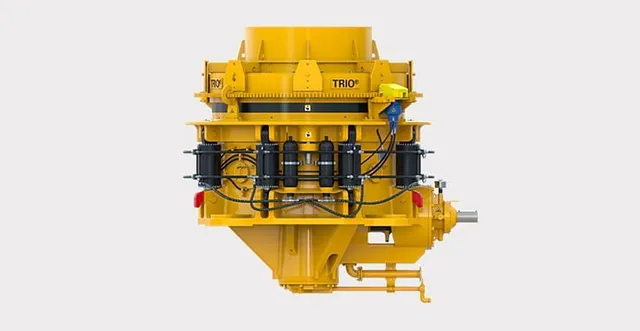
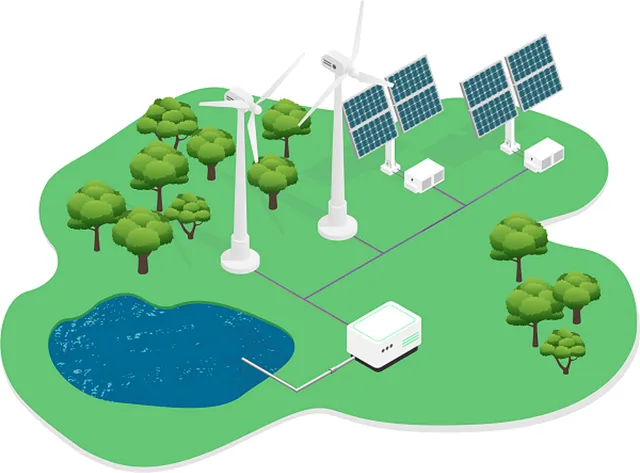
March 01, 2022

Photo: The Trio® TC84XR cone crusher

Pebbles contain valuable ore but without a crusher capable of processing them, pebbles can end up discarded or stockpiled. Weir Minerals has developed the Trio® TC84XR cone crusher – specifically engineered to perform in the most challenging applications, including pebble crushing.

Pebble crushing is one of the toughest crushing applications on a mine site. Pebbles are rounded and very hard rocks that contain valuable ore. As ore is treated in a tumbling mill (SAG or AG), some rocks are hardened by the process and this hard, round-shaped material is known as pebbles. Without a crusher capable of processing them, pebbles often end up as lost product and are discarded or stockpiled.

However, with the right technology, pebbles can be effectively crushed and the otherwise lost ore can be obtained. The Trio® TC84XR cone crusher has been specifically engineered to perform in the most challenging applications, including pebble crushing.

Unlocking value, driving production

The TC84XR cone crusher from Weir Minerals, quite literally, unlocks value – it transforms what would be a waste product into a saleable one. This is becoming increasingly consequential: as mines are getting deeper and ore is normally becoming harder and more difficult to extract, miners are consequently finding more pebbles. It’s often said that the first stage of mining is done by nature; rock that has been exposed to the elements has already undergone – and is undergoing – a process of erosion. In contrast, rock that’s been locked underground for millennia is harder and more difficult to crush and process.

As well as adding significant value through increased production, the Trio® TC84XR crusher also helps prevent losses by reducing downtime. If pebbles are not properly processed and are, instead, allowed to build up in the mill, then they start to reduce processing capacity and can result in catastrophic plant and equipment damage. The Trio® TC84XR crusher’s (and the smaller TC series) unmatched ability when it comes to handling pebbles is one of the reasons why it’s widely regarded as one of the most reliable cone crushers on the market. 

Tackling variable feed

You only have to see the Trio® TC84XR machine alongside other cone crushers to appreciate just how robust it is. It’s 40-50% heavier than similarly sized machines and, as a result, it can process unstable feed and it just keeps on running. When it comes to crushing pebbles, weight really does matter.

The ability of the Trio® TC84XR crusher to handle variable feed and crush pebbles is also partly a result of its large motor; it’s been designed with higher power capability than comparable cone crushers. Ultimately, this translates to a higher potential crushing force and therefore increase in production.

Another feature that allows it to handle variable feed, as well as deal safely, is the fully-automated tramp-release and setting recovery system. Tramp material is metallic scrap that accidentally finds its way into the crusher; it has the potential to damage equipment and lead to stoppages. The tramp release hydraulics can also be used to safely clear the crushing chamber should a sudden disruption in plant power cause a shut-down of the cone crusher.

The tight closed side setting (CSS) of the TRIO® TC84XR crusher is also crucial in enhancing its pebble crushing capabilities. The CSS defines the maximum product size and has a significant effect on crusher capacity and crusher liner wear. Trio® TC series cone crushers can be operated at a small CSS, 10 to 12 mm can be seen as a recommended operational setting for effective pebble crushing. Sometimes and in some applications, we can even go smaller, but this is dependent on the material characteristics and needs to be judged on a case-by-case basis.

The TC84XR crusher also has very high clamp pressure, which holds the adjustment ring in place. Increasing the clamp pressure helps to control the adjustment ring position and deliver a CSS, eliminating bowl creep (i.e. where the bowl begins to move as crushing forces overcome clamping forces).

Global support network

The TRIO® TC84XR cone crusher can also be fitted with ESCO® wear parts, designed with superior ESCO® alloys, they can be custom designed based on your specific requirements. With over 100 years of casting expertise and in-house engineering and metallurgy, ESCO® transforms what was already a robust machine into one that, in the toughest conditions, is unsurpassed.

With on-the-ground staff and service facilities already operating in more than 70 countries, Weir Minerals’ unmatched regional support network ensures product experts are always close to their customers. Contact a Weir Minerals crusher expert today.

March 01, 2022

The German-Philippine Chamber of Commerce and Industry (GPCCI) said it is exploring the potential of the Philippine market for green hydrogen as a future source of energy.

“The German-Philippine Chamber of Commerce and Industry, on behalf of the German Federal Ministry for Environment, Nature Conservation, Nuclear Safety and Consumer Protection (BMUV), is currently assessing the market potential of green hydrogen and fuel cell applications in urban and remote areas in the Philippines,” GPCCI said in a statement Monday.

GPCCI executive director Christopher Zimmer said the technology know-how of Germany on green hydrogen can help the country in increasing the share of renewable energy in its energy mix, as well as reducing the greenhouse gas emission.

“We are convinced that German technology providers can contribute greatly to the country’s energy transition,” Zimmer said.

He added the amendments to the Foreign Investments Act and Public Service Act will facilitate opportunities between German and Philippine businesses to partner in exploring and investing in this sector.

German hydrogen technology firm H2 Core Systems GmBH vice president of energy systems Mark Shiels said the Philippines should take advantage of investing in hydrogen technology as this plays a major role in climate protection.

“In the Philippines, a geographically dispersed country, the use of green hydrogen and fuel cell technology can be an environmentally friendly alternative to diesel generators, whose use is widespread as backup power in urban areas and as power source in remote off-grid areas,” Shiels said.

Green hydrogen is part of Germany’s goal of zero greenhouse gas emission by 2050 by investing in research and technology development, as well as hydrogen trade cooperation and partnership with other countries.

Meanwhile, the Department of Energy has been pursuing hydrogen as an alternative source of energy that will significantly help in reducing the country’s carbon emission.

It recently partnered with firms from Australia and Japan to explore the potential of hydrogen as the country’s future energy source.

February 27, 2022

Department of Public Works and Highways (DPWH) Secretary Roger G. Mercado emphasized that overall preparedness of DPWH implementing offices will enable maximum utilization of funds allocated for the Department in Fiscal Year 2022.

While budget to complete our several high-impact projects under the multi-year program is insufficient, the least we could do is to see to it that available money allocated in the Central Office and different Regions will be spent, Secretary Mercado said during the DPWH Unified Directors’ Meeting.

The meeting held February 24, 2022 in San Fernando City, La Union was attended by all the DPWH Management Committee members led by Senior Undersecretary Rafael C. Yabut, 16 Regional Directors, 6 Bureau Directors, 9 Service Directors and 6 Project Directors.

The DPWH Chief lauded DPWH Regional Office 1 as the top performing region in the implementation of 2021 regular infrastructure program and for leading efficiency in project spending of FY 2022 Budget.

Let me congratulate Regional Director Ronnel M. Tan and his men and women for the timely delivery of significant number of construction projects in 2021 and the early showing of efficiency in the utilization of budgetary resources/appropriations made in the 2022 General Appropriations Act, Secretary Mercado said.

Secretary Mercado added that implementing units that are performers, can absorb the money, and able to find right ways and means to facilitate timely imlementation and completion of priority projects like DPWH Regional Office 1 should be given more budget in 2023 so that people will be able to reap the benefits of these infrastructure.

Secretary Mercado also cited Undersecretary for Unified Project Management Office (UPMO) Operations and Build Build Build Chief Implementer Emil K. Sadain as he continuously monitor and evaluate progress of flagship infrastructure projects on the ground, hands-on and able to compare report with actual development in the field, and eventually provide action to problems or delays on the early stage.

The thrust in the budget would be the maximum utilization of fund allocations by the implementing offices.

As an affirmation of an established cohesive and hard-working DPWH organization in Region 1, Pangasinan Second District Engineering Office (DEO) headed by District Engineer Marieta B. Mendoza and Pangasinan 4th DEO under District Engineer Simplicio D. Gonzales have shown the effectivity and efficiency in managing financial resources by making it in the Top 10 DEOs with highest rank in Absorptive Capacity as of end of January 2022, placing second and ninth, respectively.

DPWH is preparing to submit a new proposed Fiscal Year 2023 budget with emphasis on the national mandate for highways that will ensure the overall growth and development of the Philippines.

The Regional Offices and Project Management Offices were instructed by the Office of the Secretary to submit budget estimates which they can actually spend.

Meanwhile, Secretary Mercado cautioned DPWH men and women and the public against individuals or groups soliciting and conducting fundraising activities for candidates in the 2022 national elections.

Secretary Mercado clarified that he has no campaign fund-raising activity nor has given permission to anyone under the Office of the Secretary to spearhed and engage in unauthorized and illegal money solicitation.

Since there is a coming election, there is no one in the Department who is authorized to namedrop the Secretary or the President to raise funds from contractors or businessmen for the election, warned Secretary Mercado.