
June 16, 2026

Listed mining company Nickel Asia Corp. (NAC) said its wholly owned subsidiary has signed an operating agreement covering a mineral concession in Zambales, expanding the company's portfolio of mineral assets subject to regulatory approval.

In a disclosure, NAC said Samar Nickel Mining Resources Corp. entered into an operating agreement with San Juanico Resources Corp. covering Mineral Production Sharing Agreement (MPSA) No. 265-2008-III in the municipalities of Candelaria and Sta. Cruz, Zambales.

The agreement covers an area of approximately 3,432 hectares and remains subject to approval by the Mines and Geosciences Bureau.

Under the agreement, Samar Nickel will have the right to operate and further develop the mineral claims covered by the MPSA.

Nickel Asia said the transaction forms part of its efforts to strengthen its resource base and support the company's long-term growth strategy in the mining sector.

The company is the Philippines' largest producer of lateritic nickel ore and one of the country's leading natural resource development firms. Its operating mines include Rio Tuba Nickel Mining Corp. in Palawan, Taganito Mining Corp. in Surigao del Norte, Cagdianao Mining Corp. in Dinagat Islands, Hinatuan Mining Corp. in Surigao del Norte and Dinapigue Mining Corp. in Isabela.

Nickel Asia has also been pursuing exploration and resource development opportunities through several subsidiaries and affiliates as demand for nickel continues to grow, driven by its use in stainless steel production and electric vehicle battery manufacturing.

The Zambales concession adds to the company's pipeline of mining assets and exploration prospects as it seeks to expand its presence in key nickel-producing regions of the country.

The company has also diversified into renewable energy and other resource-related investments as part of its broader sustainability and growth initiatives.

Nickel Asia did not disclose the financial terms of the agreement.

June 16, 2026

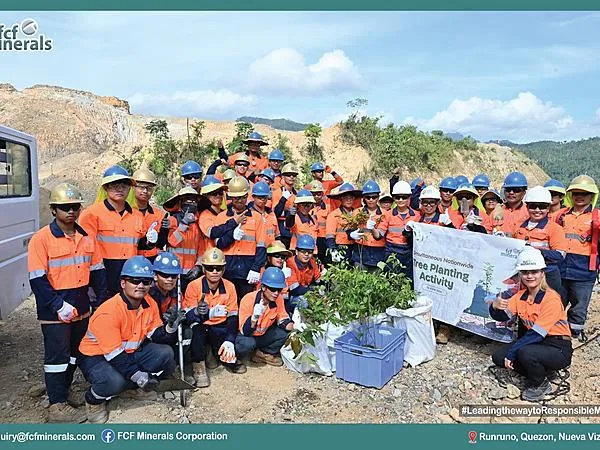
FCF Minerals Corp. planted hundreds of native tree seedlings and bamboo propagules as part of a tree-growing activity held on June 12 in celebration of Environment Month and Philippine Independence Day.

The activity, conducted at the company's Stage 6 Haul Road area, brought together 41 employees from the Mine Environmental Protection and Enhancement Office (MEPEO) and the Legal and Compliance Department.

Participants planted 400 seedlings of endemic and indigenous tree species, including narra, molave, tuai, tibig, hauili, uisak, kalios and balobo, as well as 120 bamboo bayog propagules.

FCF said the initiative was aimed at promoting environmental stewardship and reinforcing the company's commitment to sustainable development, biodiversity conservation and environmental protection.

Following the planting activity, participants applied rice straw, or dayami, as mulch to help retain soil moisture, protect the ground surface and improve soil fertility as the material decomposes naturally.

The company said the practice supports healthy plant growth and increases the likelihood of seedling survival in rehabilitation areas.

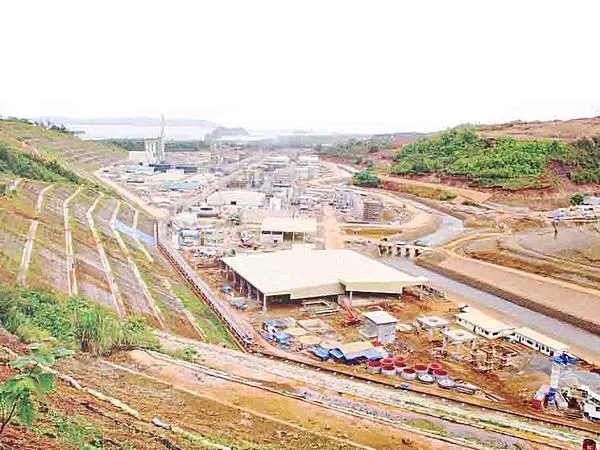
FCF Minerals operates the Runruno Gold-Molybdenum Project in Quezon, Nueva Vizcaya, one of the country's largest producing gold mines. The mine is operated under a Financial or Technical Assistance Agreement and is majority owned by the United Kingdom-listed company Metals Exploration Plc.

Over the years, FCF has implemented progressive mine rehabilitation, reforestation and environmental management programs as part of its commitment to responsible mining and sustainable development. The company regularly undertakes tree-planting, watershed protection and biodiversity conservation activities in partnership with local communities and government agencies.

FCF said initiatives such as the recent tree-growing activity form part of its broader efforts to restore ecosystems, protect biodiversity and preserve the environment for future generations while supporting the long-term sustainability of its mining operations.

June 11, 2026

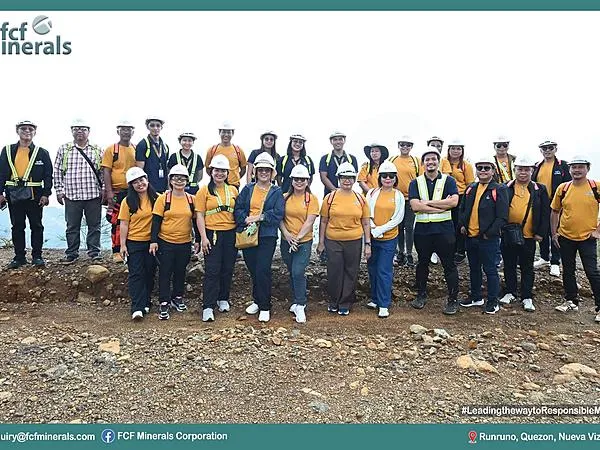
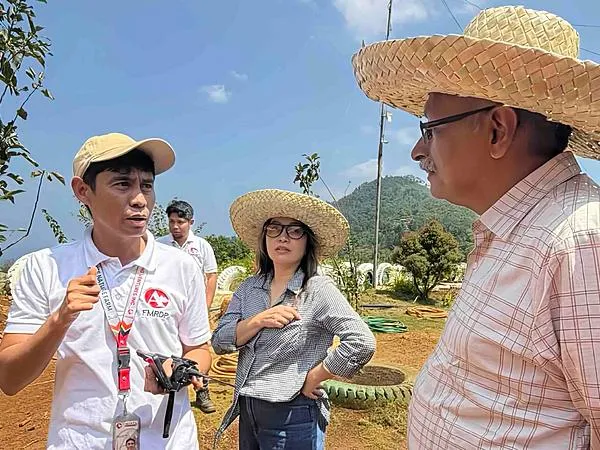
Runruno-based FCF Minerals Corp. conducted a two-day benchmarking visit to a nickel mining operation in Palawan as part of preparations for the implementation of its Final Mine Rehabilitation and/or Decommissioning Plan (FMRDP) next year.

The visit, held on May 19 and 20, brought together representatives from the company, key stakeholders and officials from the Mines and Geosciences Bureau Region 2 (MGB-R2) to study mine closure and rehabilitation practices at Berong Nickel Corporation in Quezon, Palawan.

The delegation included officials from Barangay Runruno led by village chief John Babli-ing, representatives from the municipal government of Quezon headed by Mayor Anabelle Mae Binwag, and Provincial Planning and Development Officer Engr. Edgardo Sabado of Nueva Vizcaya.

FCF said the benchmarking activity was intended to provide stakeholders with a deeper understanding of mine rehabilitation and closure processes ahead of the company's planned FMRDP implementation in 2027.

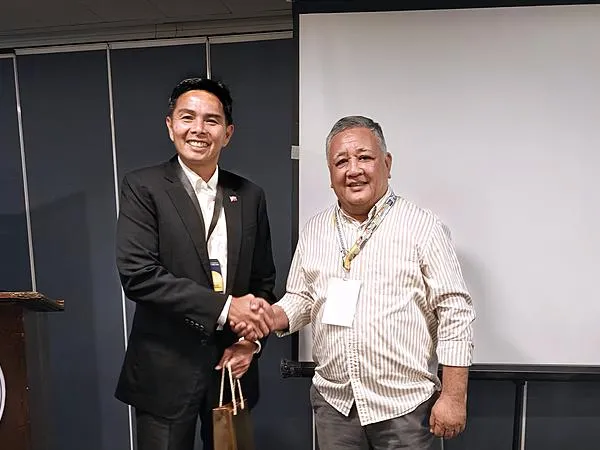
The group was welcomed by Berong Nickel management and staff led by Safety and Health Superintendent Rolando Sajot and Environment Department Head Jaypee Dela Cruz.

During the visit, Berong Nickel shared its experiences and best practices in occupational safety and health, environmental management and community development. Company officials also presented details of their ongoing FMRDP implementation, including challenges encountered and measures adopted to address them.

The discussions were complemented by an onsite visit to the mine area, where participants were given the opportunity to observe rehabilitation activities and seek clarification on various aspects of mine closure planning.

The delegation also met with Quezon, Palawan Mayor Lily Torrico and members of the Barangay Berong Council, who shared their perspectives on local governance and the role of communities in mine rehabilitation and transition planning.

Berong Nickel, which operates under DMCI Mining Corporation, is currently in its fourth year of FMRDP implementation. Rehabilitation activities are targeted for completion and turnover of the site to the Quezon local government by 2028.

FCF, MGB-R2 and participating stakeholders expressed appreciation to Berong Nickel and the Quezon municipal government for hosting the benchmarking activity and sharing lessons learned, which the company said would help strengthen its own mine closure and rehabilitation preparations.

June 11, 2026

ASEAN member states have taken another step toward developing a regional critical minerals strategy aimed at strengthening supply chain resilience, attracting investment and positioning Southeast Asia as a key player in the global energy transition.

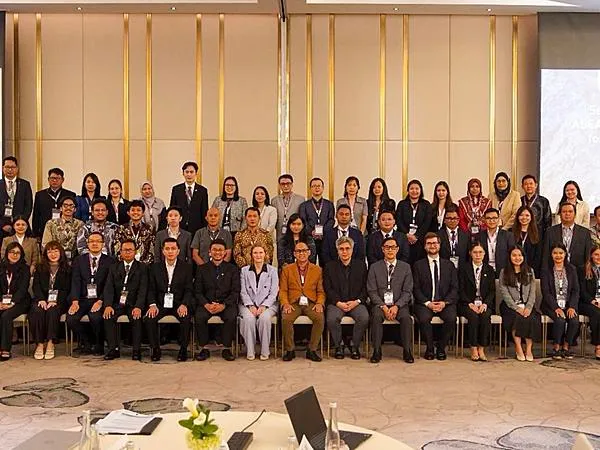
The Second Regional Workshop on the Development of the ASEAN Critical Minerals Strategy for Regional Resilience and Sustainable Growth concluded in Jakarta, bringing together government officials and technical experts to refine the framework that will guide regional cooperation on critical minerals.

The initiative forms part of Priority Economic Deliverable No. 6 under the Philippines' 2026 ASEAN Chairship and is intended to support ASEAN's efforts to build integrated and sustainable mineral value chains across the region.

The workshop was co-organized by the Economic Research Institute for ASEAN and East Asia (ERIA), the ASEAN Secretariat, the Intergovernmental Forum for Mining, Minerals, Metals and Sustainable Development (IGF), and the Asian Development Bank.

Participants included mineral sector focal points and representatives from trade, investment and finance ministries from ASEAN member states, reflecting a whole-of-government approach to critical minerals policy development.

The Philippines was represented by Dr. Karlo L. Queaño, assistant director, along with members of the Priority Economic Deliverable No. 6 Technical Working Group, including Anne Karla M. Navarro of the Mineral Economics, Information and Publication Division, Engr. Cesar Anthony A. Aben of the Marine Geological Survey Division, and Harley A. Lacbawan of the Lands Geological Survey Division.

Building on discussions from the first regional workshop held in March, delegates focused on validating key elements of the emerging strategy.

Among the major components discussed was the proposed ASEAN Critical Minerals Taxonomy, which seeks to establish common regional criteria for determining which minerals qualify as critical across ASEAN's diverse economies.

Participants also reviewed a proposed regional definition of critical minerals, assessing its clarity, consistency and applicability across member states and examining how it could be applied to areas such as trade, investment, industrial policy and fiscal frameworks.

The workshop further examined a policy brief identifying opportunities and challenges in regional value-chain integration, investment priorities, financing mechanisms and approaches to mobilizing capital while reducing project risks.

Following the technical discussions, delegates participated in the International Investment Forum on Critical Minerals, which explored investment opportunities across ASEAN mineral value chains and examined issues related to regulatory readiness, international standards and cross-border cooperation.

The forum brought together representatives from ASEAN member states, strategic partners including Australia, Japan and the United States, as well as multilateral development banks, international organizations, academic institutions and private-sector stakeholders.

Organizers said the draft strategy refined during the Jakarta workshop will undergo further stakeholder consultations before being finalized.

The completed ASEAN Critical Minerals Strategy is expected to be presented for ministerial consideration and adoption later this year, providing a regional framework to support sustainable mineral development and strengthen ASEAN's role as a trusted supplier in global critical minerals supply chains.

June 11, 2026

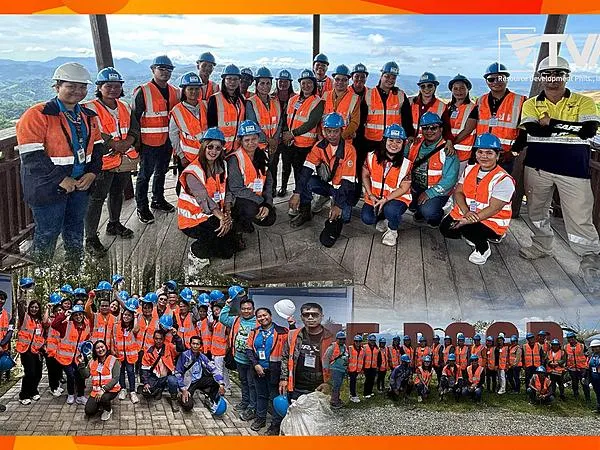
Teachers and community representatives from two schools in Zamboanga del Sur recently visited TVI Resource Development (Phils.), Inc.'s Balabag Gold-Silver Project, gaining firsthand exposure to mining operations, workplace safety standards and environmental management practices.

Teachers from Dimalinao Elementary School, accompanied by Parent-Teacher Association members and representatives from the Barangay Council, toured the TVIRD-Balabag Gold-Silver Project to learn about the company's operational processes, safety protocols and sustainability programs.

The visit provided participants with practical insights into how the mining company manages its operations while implementing environmental and workplace safety measures.

The group expressed appreciation for the opportunity to observe the project firsthand and learn about responsible mining practices. Participants said they were particularly impressed by the company's emphasis on sustainability, operational efficiency and occupational safety.

In a separate visit, teachers from Depore Elementary School also toured the Balabag operation, where they observed mining activities and learned about the company's environmental and safety initiatives.

The educators said the experience offered valuable lessons that could be shared with students and applied in educational activities.

According to TVIRD, the visits form part of ongoing efforts to engage with local communities and provide stakeholders with a better understanding of the company's operations and responsible mining practices.

Participants from both schools said the experience provided new perspectives on how environmental stewardship, workplace safety and efficient resource management are implemented in an operational setting.

The visitors noted that lessons from the tour could help strengthen community initiatives and educational programs, while highlighting the importance of collaboration among schools, families, local government units and industry in promoting sustainable development and safe practices.

Located in Zamboanga del Sur in Mindanao, the Balabag Gold-Silver Project has been in commercial operation since 2021. TVIRD owns and operates the mine, which produces gold and silver dore using a hybrid Merrill-Crowe and Carbon-in-Leach processing system with an average mill throughput of about 2,500 tons per day. The project currently mines an epithermal vein deposit through open-pit operations, with potential for future underground development.

TVIRD began exploring the Balabag area in 2005 following reports from former workers and the presence of small-scale mining activities. The company completed its first drill hole in November 2005 and subsequently expanded exploration efforts after receiving encouraging results.

The project's first Mineral Resource Estimate was released in 2007 under National Instrument 43-101 reporting standards. In 2014, TVIRD issued an updated Mineral Resource Estimate certified under the Philippine Mineral Reporting Code, reporting a measured and indicated mineral resource of 2.4 million tons grading 1.8 grams of gold per ton and 47.8 grams of silver per ton.

Part of the resource was converted into an initial open-pit reserve of 1.34 million tons under the approved Declaration of Mining Project Feasibility. The company continued exploration drilling to expand reserves, optimize mill capacity and extend the mine's operating life.

The Balabag Project has also received national recognition for its safety and environmental performance. During the 2022 Philippine Mine Safety and Environmental Conference, the operation received the Presidential Mineral Industry Environmental Award for surface mining operations, the Safest Surface Mining Operation Award, and was named second runner-up in the Best Mining Forest Contest for metallic mines.

June 10, 2026

Belgium will host the 2026 Extractive Industries Transparency Initiative (EITI) Global Conference in Brussels on Oct. 8-9, bringing together government officials, industry leaders, investors, civil society organizations and development partners to discuss transparency, accountability and governance in the extractive sector.

The conference, which will be co-hosted by the Belgian government and the European Commission, will serve as a platform for the global EITI community to address challenges and opportunities facing the mining, oil and gas industries amid shifting geopolitical dynamics, economic uncertainty and the accelerating energy transition.

Beyond the main conference sessions, EITI said a week-long series of institutional meetings and peer-learning events will be held. A key highlight will be the EITI Members' Meeting, during which members will select and elect the EITI Board chair and board members for the 2026-2029 term.

The announcement comes after the postponement of the 2026 Global Conference, which had been scheduled to take place in the Philippines in June.

EITI previously said the postponement was linked to the Philippine government's declaration of a national energy emergency, a move influenced by the continuing conflict in the Middle East and its impact on global energy markets.

The conference is EITI's premier global gathering and is held periodically to advance international efforts to improve transparency and accountability in the management of natural resources. Discussions typically focus on revenue disclosure, governance reforms, anti-corruption measures and the role of extractive industries in supporting sustainable development.

By bringing the event to Brussels, EITI aims to provide a forum for stakeholders to exchange experiences, share best practices and strengthen cooperation as governments and industries navigate increasingly complex economic, environmental and energy-related challenges.

June 10, 2026

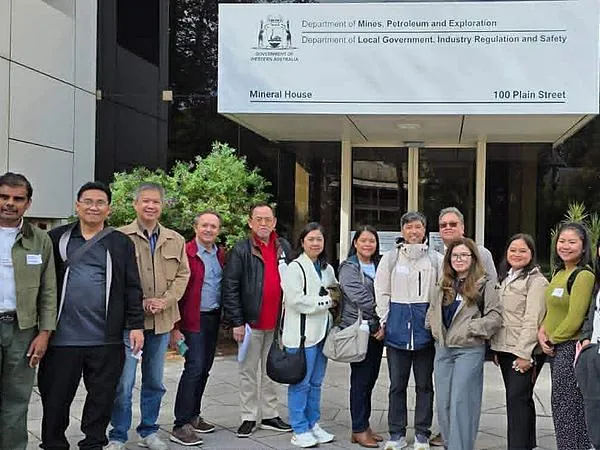
The Mines and Geosciences Bureau (MGB) and representatives from several Philippine government agencies have returned from a mining study tour in Western Australia, bringing home lessons and reform commitments aimed at strengthening the country's minerals sector and advancing responsible mining practices.

The Philippine delegation participated in the Southeast Asia and Australia Government Partnerships (SEAG2G) Mining Sector Study Tour from May 10 to 15, 2026, where officials examined mining operations, mineral processing facilities, research institutions, regulatory agencies and sustainable development initiatives in one of the world's leading mining jurisdictions.

The delegation was led by Department of Environment and Natural Resources Assistant Secretary for Mining Concerns Michael Cabalda.

During the six-day program, participants visited Murdoch University, the Intertek Minerals Laboratory, Alcoa's Huntly Mine and Pinjarra Alumina Refinery, the Tianqi Lithium Refinery, the Minerals Research Institute of Western Australia, and several government agencies involved in mining regulation and environmental management.

According to MGB, the study tour provided delegates with firsthand exposure to responsible mining practices, mine rehabilitation programs, environmental stewardship initiatives, critical minerals development, downstream mineral processing, laboratory management systems, social licensing frameworks, Indigenous engagement strategies and approaches to supporting the long-term economic transition of mining communities.

The bureau said the program generated practical insights that could be adapted to Philippine conditions and incorporated into future policies, technical programs and regulatory initiatives.

The engagements also established connections with internationally recognized universities, laboratories, mining companies, research organizations and government agencies, creating opportunities for future technical cooperation, research partnerships, knowledge exchanges and capacity-building programs.

Among the key lessons identified by the delegation were the importance of strong institutional governance, sustained investment in research and development, modernization of laboratory facilities, promotion of value-added mineral processing and the integration of sustainability principles throughout the mining value chain.

MGB said the value of the study tour extends beyond knowledge-sharing, with participants expected to translate lessons learned into concrete actions within their respective areas of responsibility.

Each participant has identified specific commitments, initiatives or proposed outputs that will be pursued upon returning to the Philippines, with the aim of strengthening the bureau's technical services, regulatory functions, research capabilities and institutional effectiveness.

The commitments have been compiled and included as an annex to the delegation's official travel report for management review and consideration.

The delegation expressed confidence that the initiatives, once implemented, would contribute to the modernization of the bureau, enhancement of technical capabilities, expansion of downstream mineral processing opportunities and strengthening of sustainable mining governance in the Philippines.

As the country seeks to increase participation in global mineral value chains while advancing responsible mineral development, MGB said the knowledge, partnerships and commitments generated through the study tour are expected to support innovation, institutional improvement and long-term growth across the mining sector.

The delegation reaffirmed its commitment to converting lessons learned in Australia into programs, projects and policy initiatives that support the bureau's mandate and contribute to the sustainable development of the Philippine minerals industry.

June 10, 2026

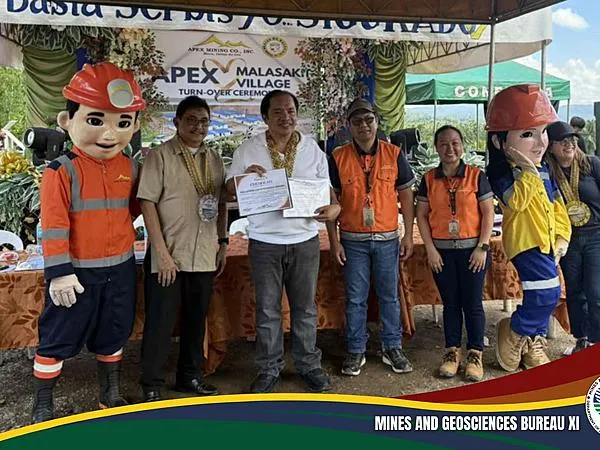
The Mines and Geosciences Bureau Regional Office XI (MGB-XI) has highlighted Apex Mining Company Inc.'s (AMCI) Apex Malasakit Village as an example of how responsible mining can contribute to sustainable community development and improve the lives of host and neighboring communities.

In a Facebook post, MGB-XI said responsible mining extends beyond compliance with environmental regulations and engineering standards, emphasizing the importance of ensuring that communities hosting mining operations benefit from industry activities.

The agency described the Apex Malasakit Village as AMCI's flagship housing initiative, providing partner-families with safer and more secure living environments while promoting long-term community resilience.

"A house is more than just a structure of concrete and steel; it is the foundation of human security, dignity, and community resilience," MGB-XI said.

According to the bureau, the housing project demonstrates how the mineral sector can help uplift communities by providing not only physical shelter but also opportunities for families to build sustainable futures.

MGB-XI said the initiative serves as a model for implementing the Social Development and Management Program (SDMP), which mining companies are required to undertake under Republic Act 7942, or the Philippine Mining Act of 1995, and its Revised Implementing Rules and Regulations under Department Administrative Order 2010-21.

The bureau noted that the success of the project is rooted in collaboration among the mining company, local government units, community leaders and residents.

It added that the partnership is built on transparency, mutual respect and a shared vision for community development, resulting in tangible benefits such as improved infrastructure, livelihood opportunities and educational advancement.

"Every road paved, every small business launched, and every student graduated is a testament to what happens when corporate resources align with grassroots needs," MGB-XI said.

As the government agency tasked with monitoring mining companies' social commitments, MGB-XI commended initiatives that uphold the objectives of the Philippine Mining Act.

The bureau said the Apex Malasakit Village demonstrates how mining operations can contribute to inclusive and lasting development when regulatory requirements are implemented with a genuine commitment to community welfare.

MGB-XI said the project reflects the spirit of "malasakit" and illustrates the role of responsible mining as a catalyst for sustainable national development.

June 09, 2026

Australian-listed Celsius Resources Ltd. has appointed new leadership for its Philippine subsidiary, Tambuli Mining Company Inc., as the company moves forward with plans to develop the Sagay Copper Project in Negros Occidental.

In a disclosure dated June 9, Celsius said Tambuli had appointed Dr. Attilenore "Nene" Manero as interim chair and president and intends to appoint mining executive Peter Hume as technical adviser once regulatory and administrative requirements are completed.

The appointments follow the recent termination of Manero as chief sustainability director of MMCI and Hume as technical director of MMCI by Julito "Sarge" Sarmiento in his capacity as president director of MMCI, the company said.

Celsius said the appointments would allow it to retain critical in-country expertise and experience while supporting the long-term development of the Sagay Copper Project, located in the northeastern part of Negros Island in Negros Occidental. The company noted that its primary focus remains the development of its MCB Copper-Gold Project.

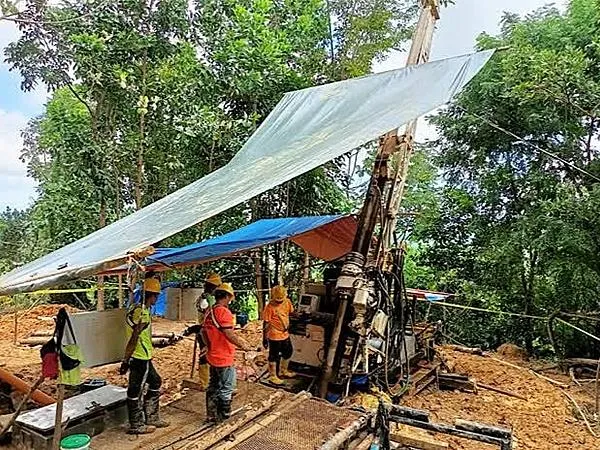
According to Celsius, the Sagay project covers approximately 1,780 hectares and hosts a large-scale copper-gold porphyry deposit as well as a shallow supergene copper deposit that is expected to be the first target for development. Exploration at the project began in 2008, with 47 drill holes totaling 28,252 meters completed between 2012 and 2023.

The company's latest mineral resource estimate reported a combined measured, indicated and inferred resource of 312 million metric tons grading 0.39 percent copper and 0.11 grams of gold per ton, containing an estimated 1.225 million tons of copper and 1.075 million ounces of gold.

Celsius said its proposed development strategy involves a two-phase approach. The first phase would focus on the shallow supergene copper deposit through a medium-scale surface mining operation covering about 20 hectares. Ore would be processed using gravity separation, avoiding chemical reagents and flotation agents, while tailings would be dry-stacked instead of stored in a tailings dam.

The second phase would assess the long-term potential development of the deeper copper-gold porphyry deposit through an underground block-cave mining operation and conventional milling and flotation processing, subject to further technical studies and community support.

The company said substantial progress had been made on permitting. A Declaration of Mining Project Feasibility application, including a mining feasibility study, environmental impact statement and related plans, was submitted to the Mines and Geosciences Bureau in December 2023 and remains under review. An updated environmental impact assessment was submitted in September 2025.

Celsius said an Environmental Compliance Certificate is expected following approval of the mining project feasibility declaration and environmental assessment. The company would then pursue either a Mineral Production Sharing Agreement or a Financial or Technical Assistance Agreement.

Manero, a former non-executive director of Celsius, has experience in government and regulatory affairs, permitting, compliance and environmental and social programs. Her appointment as interim chair, president and director of Tambuli runs until Dec. 31, 2026, subject to renewal by mutual agreement.

Hume, who currently serves as interim chair of Celsius, has more than 45 years of international mining experience and will continue serving on the Celsius board while supporting the technical advancement of the Sagay project and the company's other Philippine mining interests.

June 09, 2026

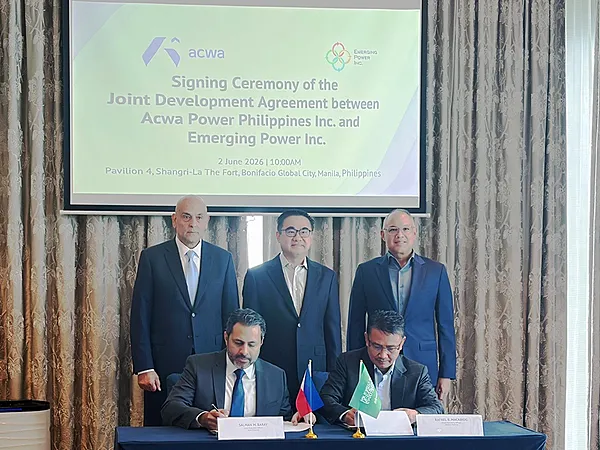
In a ceremony witnessed by Finance Secretary Frederick D. Go, Acwa Power Philippines signed a Joint Development Agreement (JDA) with Emerging Power Inc. (EPI) to explore the development of up to 5,000 megawatts (MW) of renewable and gas-fired power generation capacity across the Philippines.

The JDA aims to provide renewable and gas-fired power generation at a national scale, establish a pathway for joint participation in the Philippine government's Green Energy Auction Program (GEAP), and serve retail electricity suppliers and distribution utilities.

Acwa Power Philippines is a subsidiary of Acwa (Saudi Tadawul: 2082), the world's largest private water desalination company, a leader in the energy transition and a pioneer in green hydrogen development at scale. EPI is the clean energy arm of natural resources developer Nickel Asia Corporation.

Under the JDA, EPI and Acwa seek to identify new power projects nationwide and co-develop projects where their strategic objectives align.

A near-term priority for both companies is participation in the GEAP, where Acwa and EPI intend to submit proposals in response to the government's call for increased investments in renewable energy.

"The Philippines has set one of the most ambitious clean energy trajectories in Southeast Asia, and reaching it requires partners who can move at scale and at pace," said Dr. Samir J. Serhan, Chief Executive Officer of Acwa.

"EPI brings deep local knowledge, an operating renewables base, and a credible growth plan. We bring three decades of experience delivering large-scale power and water assets on time and on budget. Together, 5,000 MW is a starting point, not a limit," he added.

"This joint development with Acwa Power Philippines actively accelerates the nation's transition to a low-carbon economy," said EPI Chairman and CEO Martin Antonio G. Zamora. "Together, we are building scalable, reliable and sustainable power infrastructure that will energize Filipino communities, drive economic growth, and safeguard future generations."

Salman M. Baray, Country General Manager of Acwa Philippines, said: "This is the collaboration we've been building toward since establishing our presence here — a genuine partnership that combines local execution capability with global development expertise. GEAP may be the obvious first test, but the real value lies in the longer-term pipeline we can shape together, including firm capacity where the grid needs it."

This latest cooperation comes at a pivotal moment for the Philippine power sector. Rapid electrification, growing demand from data centers, and the government's target of sourcing 35 percent of electricity from renewables by 2030 are all driving the need for additional capacity, cleaner energy sources and greater system reliability. The combined Acwa-EPI platform is uniquely positioned to respond to these challenges simultaneously.

Acwa (Tadawul: 2082) is a Saudi-listed company and the world's largest private water desalination company, a pioneer in green hydrogen and a leader in the global energy transition. Established in Riyadh, Saudi Arabia, in 2004, Acwa employs more than 4,000 people and operates in 15 countries across the Middle East, Africa, Central Asia and Southeast Asia.

As of March 31, 2026, Acwa's portfolio comprised 109 assets in operation, advanced development or under construction, representing SAR455 billion (USD121.3 billion) in assets under management and the capacity to generate 95.7 GW of power, including 52.3 GW from renewable sources, while managing 9.7 million cubic meters of desalinated water per day.

The energy and water capacity generated by Acwa's assets is delivered on a bulk basis to meet the needs of state utilities and industrial customers through long-term offtake agreements under utility outsourcing and public-private partnership models.

June 09, 2026

Australia-listed Celsius Resources Ltd. said it is seeking emergency arbitration to prevent any offtake agreement between India's Kiri Industries Ltd. and Makilala Mining Co. Inc. without its approval, following the transfer of Maharlika Investment Corp.'s loan rights in the Makilala copper-gold project.

In a statement on June 9, Celsius said Maharlika Investment Corp. had completed the assignment of its rights, title and interests under the Omnibus Loan and Security Agreement with Makilala Mining Co. Inc. to Equinaire Holdings Ltd., a wholly owned subsidiary of Kiri Industries. The transaction effectively transfers MIC's position as lender under the agreement to Equinaire.

The development follows recent comments by Kiri Chairman and Managing Director Manish Kiri, who said the Indian company had already entered the Philippine project through financing arrangements and was negotiating an offtake agreement. According to a transcript of Kiri's June 1 earnings call cited by Celsius, the company said its objective was to conclude the offtake agreement as soon as possible.

Celsius, however, said it had not been involved in any direct discussions with Kiri regarding a potential offtake arrangement and argued that any such agreement would require its approval as part of a broader financing solution for the MCB Project.

The company said it is initiating an emergency arbitration process seeking an injunction against any offtake agreement executed between Kiri and Makilala Mining pending the outcome of a wider arbitration proceeding involving Sodor, PMR and Celsius. It added that it had provided written notice to Kiri stating its intention to rescind any transactions or arrangements with Makilala Mining that were not approved by Celsius.

Celsius also maintained that previous binding agreements among Celsius, Sodor and PMR, which expired in February this year, were structured around PDEP Inc. — a wholly owned Celsius subsidiary — operating the MCB Project's processing plant and producing and marketing copper-gold concentrate. As a result, the company argued that PDEP, rather than Makilala Mining, would be the appropriate entity for any future offtake agreement.

Meanwhile, Maharlika Investment Corp. said the assignment marked the successful exit of its bridge loan investment in Makilala Mining and generated a 12.5-percent net annualized return in U.S. dollar terms. In Philippine peso terms, the state-owned investment fund estimated the transaction delivered a net annualized return of about 25 percent.

MIC said the divestment frees up capital for future investments while bringing a new international investor into the project's financing structure. The sovereign wealth fund described Kiri as an established industrial group with a growing interest in strategic and critical minerals investments.

MIC President and Chief Executive Officer Rafael Consing Jr. said the transaction demonstrated the fund's ability to generate returns while attracting strategic global capital into the Philippines.

"The outcome reflects the disciplined investment approach that MIC seeks to bring to its portfolio in furtherance of its mandate of generating sustainable returns while supporting national economic development," Consing said.

The dispute adds another layer of uncertainty to the development of the Maalinao-Caigutan-Biyog copper-gold project in Kalinga, one of the country's most advanced undeveloped mineral projects, as competing parties continue to pursue legal and commercial claims over project financing and future marketing arrangements.

June 08, 2026

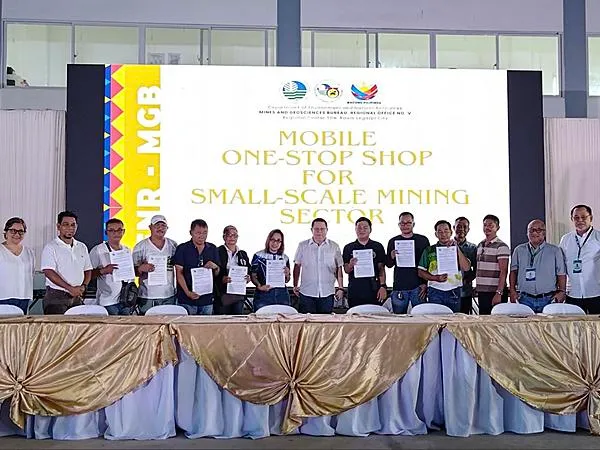
More than 700 stakeholders from the mining sector, local government units, and partner institutions gathered in Camarines Norte for the third Mobile One-Stop Shop (MOSS) for the Small-Scale Mining Sector, an initiative aimed at improving access to government services and promoting responsible mining practices.

Held on May 20 at Camarines Norte State College, the program was led by the Mines and Geosciences Bureau (MGB) in partnership with various government agencies to help small-scale miners comply with regulatory requirements, strengthen environmental and safety standards, and encourage legal mineral trading.

The event was formally opened by MGB Regional Office 5 Regional Director Guillermo A. Mollina Jr. IV, while messages of support were delivered by Labo Mayor Severino T. Francisco Jr., MGB Director Larry M. Heradez, Camarines Norte Gov. Ricarte “Dong” Padilla, and Gov. Ricardo T. Kho, among other local officials.

Delivering the keynote address, DENR Assistant Secretary for Mining Concerns Michael V. Cabalda underscored the importance of formalizing small-scale mining operations and advancing environmentally responsible mining practices.

A ribbon-cutting ceremony officially launched the event, followed by visits to service booths where participating agencies provided information and assistance on mining regulations, environmental compliance, occupational safety, and legal mineral trading.

One of the highlights of the program was a ceremonial gold-buying activity, during which 14.71 grams of gold with an estimated purity of 87.5 percent were traded through legal channels. The event also saw the awarding of seven Interim Small-Scale Mining Contracts (ISSMCs) to various Minahang Bayan areas.

According to the MGB, the MOSS program seeks to simplify the processing of permits and other regulatory requirements for small-scale miners while providing technical assistance on environmental protection, occupational health and safety, and responsible mining practices. The initiative also promotes the sale of gold through Bangko Sentral ng Pilipinas-accredited channels.

As part of the activities, officials from the MGB and partner agencies visited the Minahang Bayan site operated by the Magkamatao Small-Scale Miners Association (MSSMA) to assess mining conditions and the welfare of miners in the area.

During the visit, government officials recognized the association’s compliance with environmental and safety standards and cited the progress of small-scale mining in the province through the combined efforts of local government units, the MGB, the Department of Environment and Natural Resources, and other partner agencies.

Heradez noted that while the Caraga Region is widely regarded as the country's large-scale mining capital, Camarines Norte could be considered the Philippines’ “small-scale mining capital” because of the sector’s significant presence and contribution in the province.

The program concluded with remarks from MSSMA adviser Rodrigo A. Belleza, who thanked government agencies for their continued support of small-scale miners and initiatives promoting responsible and sustainable mining development.

June 07, 2026

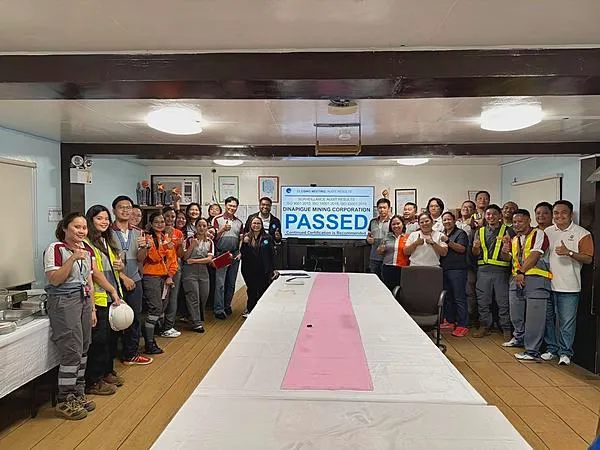
Dinapigue Mining Corp. (DMC) has been recommended for continued certification under three internationally recognized management system standards following a successful surveillance audit conducted in May.

The audit, carried out by National Quality Assurance on May 26 and 27 at the company's conference room in Dinapigue, Isabela, affirmed DMC's compliance with quality, environmental, and occupational health and safety management requirements.

The recommendation came after the company completed a series of rigorous internal audit activities in 2025 and 2026 under the leadership of Engr. Edwin R. Casiano, assistant vice president for Risk Management and Management Systems.

DMC maintains certification under ISO 9001:2015 for Quality Management Systems, ISO 14001:2015 for Environmental Management Systems, and ISO 45001:2018 for Occupational Health and Safety Management Systems.

Company officials said the audit results reflect DMC's continued commitment to regulatory compliance, workplace safety, environmental stewardship, and operational excellence.

The company noted that adherence to internationally recognized standards supports its efforts to improve operational efficiency, strengthen sustainability practices, and meet evolving environmental, social and governance (ESG) expectations.

DMC said the recommendation for continued certification also reinforces confidence among investors, regulators, host communities, and other stakeholders by demonstrating its commitment to responsible mining operations.

The company added that maintaining its ISO certifications supports ongoing initiatives aimed at creating livelihood opportunities, promoting sustainable development, and contributing to economic growth in its host communities.

DMC is engaged in nickel mining operations in Dinapigue, Isabela, and continues to implement management systems designed to ensure responsible resource development while minimizing environmental impacts and safeguarding the health and safety of its workforce.

June 07, 2026

ISO surveillance audit finds no gaps or corrective actions needed for TVIRD projects

In a process designed to surface flaws, what stood out most was the absence of them.

In this year’s external ISO surveillance audits, the group of mining companies under TVI Resource Development Philippines Inc. (TVIRD) recorded an outcome that runs against the usual expectations of a standard assessment. Across all its project sites, auditors did not identify nonconformities, procedural gaps or corrective actions required at the end of the inspection. An exercise meant to test whether systems hold under scrutiny instead recorded no findings that warranted correction.

External ISO surveillance audits are structured to probe operational systems against international standards, assessing whether documented procedures are reflected in actual practice and whether controls remain effective under sustained review. In most settings, these audits surface at least minor deviations requiring attention. In this case, none were reported.

Retained certifications

Across its operations, TVIRD’s Greenstone Resources Corporation in Surigao del Norte maintained its Integrated Management System (IMS) certifications under ISO 9001:2015 for Quality Management, ISO 14001:2015 for Environmental Management, and ISO 45001:2018 for Occupational Health and Safety for its operations at the Siana Gold Project.

The company’s Agata Nickel Laterite Project in Agusan del Norte — now in its final rehabilitation stage — and the Balabag Gold Project in Zamboanga del Sur likewise sustained their respective compliance certificates under ISO 14001:2015 for Environmental Management.

The results effectively reflect the full retention of certifications across multiple management systems during external surveillance audits, alongside a clean evaluation record for the period under review.

Strength and discipline

ISO Officer Arbette Dayandayan described the outcome as a reflection of system strength and consistency in execution.

“Achieving zero non-conformities in this year’s external audit is a clear validation of Greenstone’s IMS and operational discipline. It signifies that all processes are fully aligned with ISO requirements, implementation is effective, and systems are mature, proactive and continuously improved,” she said.

She added that the company regards compliance as a condition embedded in its daily operations rather than a periodic requirement.

Corporate dress rehearsals

Ahead of the audit, Greenstone implemented a risk-based preparation framework covering leadership engagement, hazard identification, legal compliance tracking, operational controls, workforce competence and emergency preparedness. Internal audits and gap assessments were conducted across all operational units, while mock audits were carried out to simulate external review conditions.

Workforce preparation included awareness sessions, drills and ISO briefings. Meanwhile, management reviews and corrective action tracking addressed identified risks prior to external evaluation.

Unified systems

Within the IMS, compliance is maintained through standardized operating procedures, structured risk assessments, document control mechanisms, inspections and performance monitoring tools. These are reinforced by leadership oversight and coordination across departments.

Document Controller Alexa Mae Tiape emphasized that proper documentation is the central pillar of system integrity.

“Documentation is the bedrock of any successful management system, and we act as custodians of compliance. We safeguard operational integrity,” Tiape said.

She likewise explained that documented information is managed through a controlled lifecycle — from creation, review and approval to storage and disposition — while ensuring traceability and alignment with ISO requirements.

A clean audit outcome

The recent audit result establishes important context for evaluating both quality and compliance frameworks. When structured evaluations consistently return no findings, it reflects stability in execution. Moreover, it underscores how closely systems operate within defined parameters.

For the TVIRD Mining Group, the result points to a system that operates within established parameters. It likewise reflects consistency in implementation across operational levels.

In an evaluation designed to surface gaps, the most defining result for the organization was not the need for correction, but rather that none was necessary at this time.

June 04, 2026

RX BITEC Invites Manufacturers to Lead Trends and Increase Profitability Through Technologies from 30 Countries

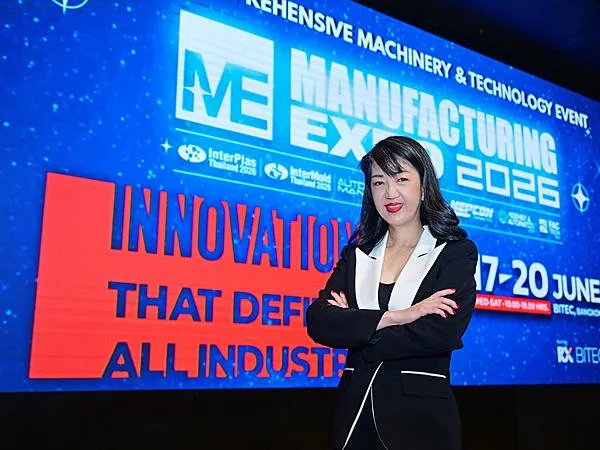
Thailand’s manufacturing sector is facing a new wave of challenges and pressure. RX BITEC therefore invites entrepreneurs and manufacturers from around the world to join in transforming production through innovations at Manufacturing Expo 2026, ASEAN’s most comprehensive machinery and technology event for manufacturing and supporting industries.

The event will bring together more than 2,000 brands from 30 countries and 29 international pavilions, showcasing technologies across plastics manufacturing, mold & die, automotive parts manufacturing, robots and automation, electronics manufacturing, surface finishing, as well as factory and facility management solutions.

Seven specialized exhibitions will be held together under one roof from 17–20 June 2026, occupying more than 45,000 square meters across Halls 98–104 at BITEC, Bangkok.  

Mrs. Varaporn Dhamcharee, Managing Director of RX BITEC (Thailand) Co., Ltd., revealed that this year’s event is organized under the theme “Innovations that Define All Industries.”

“We selected this theme because innovation is what our participants told us they are looking for.  Last year, approximately 30% of visitors were factory owners and senior executives across various departments, followed by 29% management-level professionals, while the remaining 41% comprised engineers, procurement teams, R&D personnel, QC teams, IT professionals, and other operational functions.

Visitors traveled from 37 provinces across Thailand and 86 countries spanning six continents, including ASEAN, Asia, Europe, Africa, North America, Oceania, and South America.

They represented diverse industries including automotive, electronics and electrical appliances, medical devices, food and beverage, aerospace, packaging, cosmetics, jewellery and watches, furniture, construction and building, oil and gas, and many others.”

Visitors to InterPlas Thailand, dedicated to plastics manufacturing technologies, showed strong interest in plastic injection machinery and equipment, chemicals and raw materials, as well as packaging production machinery. These trends reflect manufacturers’ growing demand to enhance production capabilities and explore new raw materials, particularly environmentally friendly materials. 

In the automotive sector, visitors to Automotive Manufacturing showed strong interest in Automotive Electronics innovations, automotive parts manufacturing machinery, and software for automotive parts design.

Meanwhile, visitors to NEPCON Thailand, dedicated to electronics manufacturing technologies, showed strong interest in electronic component design tools, SMT technologies, inspection and measurement technologies, and PCB technologies. “This year, we have recorded a 91% increase in exhibitors related to PCB technologies,”
Mrs. Varaporn added.

As every parts manufacturing process requires molds and dies, InterMold Thailand, dedicated to mold and die manufacturing, attracts visitors from a wide range of industries. Visitors showed strong interest in mold and die manufacturing machinery, tools and tooling solutions, mold design software, and 3D printing innovations.

“Once parts are produced, one essential process that cannot be overlooked is Surface Finishing — including surface preparation, coating, and finishing. This process is not only about appearance, but also provides additional properties such as UV protection, anti-corrosion, anti-bacterial performance, and anti-static protection.  Visitors to Surface & Coatings showed particular interest in surface coating materials, surface coating equipment, and surface preparation technologies.”

Across every production process, automation and robots also play critical roles in improving manufacturing efficiency. At Assembly & Automation Technology, visitors showed strong interest in assembly technology, industrial robots, as well as electrical and control systems.

“All of these production processes should operate within factories that can effectively manage energy and environmental performance, embrace sustainability, and digitally manage machinery and systems. Factory owners and building executives from various industries who visited FacTech last year showed strong interest in energy management systems, IT solutions, as well as construction and maintenance technologies,” Mrs. Varaporn revealed

For this reason, Manufacturing Expo 2026 and all seven co-located exhibitions under Manufacturing Expo have gathered the latest innovations from over 2,000 brands across 30 countries and 29 international pavilions from China; Japan; Singapore; South Korea; and Taiwan, China.

In addition, RX BITEC has collaborated with AMTS, organized by RX in China, to bring leading automotive parts manufacturing technology providers representing global brands from Germany, Italy, the United Kingdom, and China to showcase world-class manufacturing technologies accessible to Thai entrepreneurs through the dedicated AMTS Pavilion.

Innovation Highlights of Manufacturing Expo 2026

InterPlas Thailand: Imported from Germany, the precisionMolding (500–3,200 kN) all-electric plastic injection molding machine delivers outstanding precision and energy efficiency. Presented by KraussMaffei Machinery (China), the system is equipped with MuCell Micro-Foaming Technology that helps reduce product weight while supporting lightweight vehicle development, environmentally friendly manufacturing practices, and next-generation automotive industries. The solution also meets manufacturing requirements for the medical device and electronics industries. 

InterMold Thailand:  SODICK (THAILAND) will showcase the Wire-cut EDM AL i Groove+ Edition series, an advanced wire-cut EDM and electrical metal processing solution designed to enhance energy efficiency and productivity. Equipped with a full inverter system, the machine can reduce energy consumption by up to 50% while increasing productivity by 20% compared with previous models 

Automotive Manufacturing: SUZHOU TOX PRESSOTECHNIK is set to present intelligent manufacturing solutions from Germany’s TOX® at the AMTS Pavilion. The showcase highlights their comprehensive, end-to-end services covering production design, system installation and customization, training, after-sales support, as well as complete machinery and turnkey production line solutions. 

Assembly & Automation Technology: Launched in Thailand for the first time, the Free Navigations AGV by Creform Yazaki (Thailand) is an intelligent AGV system that operates without floor guidance lines, offering flexible route adjustment that makes it ideal for modern factories where production layouts frequently change. Featuring iPad-based control, a LiDAR system, and advanced safety technology, the solution helps improve the efficiency of internal factory logistics and transportation.

Surface & Coatings: Specially manufactured in the United States, the Pureray XRF Supreme by PURERAY INSTRUMENT (THAILAND) is a high-precision, non-destructive coating analysis and thickness measurement technology capable of simultaneously analyzing up to 10 coating layers. Ideal for the electroplating and PCB industries, the system delivers speed, accuracy, and reduced calibration processes for enhanced operational efficiency.

NEPCON Thailand: The SIPLACE V, a flagship high-speed electronic component placement machine by ASMPT SMT SINGAPORE PTE. LTD., one of the world’s leading component placement technology providers, is a newly re-engineered system that combines industry-leading performance, maximum flexibility, and exceptional precision, while ensuring full compatibility with existing SMT production lines.

FacTech: Join SCG in transforming your factory, as SCG’s team of experts will provide consultation for factory operators across all industries on UPVC roofing systems, which play an important role in energy and environmental management, as well as employee well-being within factories. SCG will also showcase solar energy systems, supported by expert consultation and calculation models designed to help factory owners minimize electricity costs through solar energy installation. In addition, ONNEX by SCG will present energy solutions, factory efficiency technologies, and practical pathways toward becoming a Sustainable Factory that businesses can realistically implement. 

Beyond the technology exhibition area, Manufacturing Expo 2026 will also feature an extensive knowledge-sharing and conference program with 90 seminar topics presented by 133 speakers, with content developed in collaboration with 43 partner organizations including:

Automotive Summit 2026, organized jointly with the Thailand Automotive Institute for the 13th consecutive year under the theme “Smart Mobility – Smarter is Future,” will explore the future of mobility through four key dimensions: safety, pleasure, cost efficiency, and environmental sustainability. Participants will also hear from international experts and industry leaders shaping the future of global mobility. 

TAPMA Conference, organized by the Thai Auto-Parts Manufacturers Association, will feature a special session titled “Automotive in Transition: Redefining in a Changing World.”

Manufacturing Expo Forum, a dedicated seminar platform located in Hall 104, will feature a wide range of specialized conferences, including:

INTERMOLD FORUM, organized jointly with the Thai-German Institute, will reflect the opportunities and challenges facing the industry. The forum will focus on innovations throughout the plastic injection value chain amid rising energy and material costs.

ROBOTICS & AUTOMATION SYMPOSIUM, organized jointly with the Institute of Field Robotics and the Thai Automation and Robotics Association, will highlight robotics and automation as game-changing technologies capable of transforming manufacturing and elevating Thailand’s industrial competitiveness to international standards. 

NEPCON Forum, organized jointly with The National Electronics and Computer Technology Center (NECTEC, a member of NSTDA), will feature key discussions on Smart Investment promotion measures, the outlook for the electronics industry value chain, and corporate roadmap development through the Thailand 4.0 Index.

SURFACE & COATINGS FORUM will serve as a conference platform bringing together technology leaders, researchers, and industry experts from Thailand and overseas to exchange insights on digital transformation, sustainability, and the evolving role of plating and surface coating technologies. Organized jointly with Thailand Electroplating Industrial Network Association, the forum will also feature the presentation of the Surface & Coatings Innovation Prize 2026. 

Industrial AI Developer Summit, held for the second consecutive year in collaboration with the Artificial Intelligence Association of Thailand and the Thai IoT Association, will highlight how AI can transform manufacturing and accelerate the transition toward smart factories. 

FacTech Focus will serve as a dedicated platform analyzing modern factory management technologies, including water management, waste management, and real-time monitoring systems, featuring 19 focused sessions designed specifically for factory owners and executives in Hall 98. 

Special Zones and Activities: Visitors can also explore dedicated innovation zones and activities, including the BIOPLASTICS ZONE, showcasing innovations in bio-based plastics; the 3D Tech Pavilion, featuring the latest advancements in 3D printing technologies; and the Tools & Tooling Pavilion, a dedicated center for industrial tools and equipment.

Additional highlights include the Surface & Coatings Innovation Prize 2026, a competition recognizing innovations in metal and material coating technologies, open to industrial professionals, researchers, and new-generation innovators competing for prizes totaling more than THB 100,000.

The event will also feature the IPC Hand Soldering Skill Development Workshop, a competition and training workshop based on international soldering standards, as well as The 2nd WorldSkills Thailand Roadshow covering Mechatronics, Robot Systems Integration, and Autonomous Mobile Robotics, organized jointly with the Department of Skill Development, Ministry of Labour. Alongside the roadshow, the WorldSkills Thailand Friendly Match 2026 - Welding will gather welding representatives from 10 ASEAN countries ahead of Asian-level competition.

“We also provide a business matching service called Meet My Match. Visitors who pre-register for the exhibition will receive an email containing a Username and Password to access the online platform, where they can schedule business meetings with exhibitors of interest in advance before meeting onsite at the Business Matching Lounge during the event,” Mrs. Varaporn added.

Manufacturing Expo 2026 will take place from 17–20 June 2026, from 10:00 AM to 6:00 PM, at Halls 98–104, BITEC, Bangkok. Admission is 500 Baht; however, visitors who pre-register by 16 June will receive free admission. Registration is available at www.manufacturing-expo.com.  A single registration grants access to all seven exhibitions throughout the four-day event, including seminar participation and access to the business matching platform. For more information, please contact +66 2 686 7222 or email contactcenter@rxbitec.com
June 01, 2026

The estimated value of Philippine metallic mineral production rose by 28.6 percent in the first quarter of 2026, as higher metal prices and increased nickel ore shipments offset lower output from several major commodities, according to data from the Mines and Geosciences Bureau.

Total metallic mineral production was valued at PHP82.78 billion during the January-to-March period, up from PHP64.35 billion in the same period last year.

Gold remained the country's top metallic mineral commodity by value, generating PHP53.78 billion despite production declining by 24.7 percent to 5,850 kilograms from 7,769 kilograms a year earlier. The value of gold output increased by 31.2 percent from PHP41 billion, reflecting stronger market prices.

The Masbate Gold Project operated by Filminera Mining Corp. and Philippine Gold Processing & Refining Corp. remained the largest gold producer during the quarter, producing 1,646 kilograms valued at PHP14.75 billion.

Silver production also declined, falling 20.9 percent to 9,896 kilograms from 12,513 kilograms in the same period last year. However, the value of silver production surged by 82.7 percent to PHP1.35 billion from PHP738.9 million.

Copper output weakened during the quarter, with copper concentrate production dropping 19.4 percent to 47,920 dry metric tons from 59,423 dry metric tons. The estimated value of copper concentrate production declined 7.4 percent to PHP6.36 billion.

Copper metal equivalent production likewise fell 22.3 percent to 9,201 metric tons from 11,839 metric tons.

The Didipio Copper-Gold Project in Nueva Vizcaya, operated by OceanaGold Philippines Inc., remained the country's largest producer of copper concentrate, accounting for 15,844 dry metric tons valued at PHP2.44 billion.

Nickel continued to contribute significantly to the sector's overall value.

Production of mixed nickel-cobalt sulfide declined 8.3 percent to 16,711 dry metric tons from 18,233 dry metric tons. Despite the lower output, the value of production increased 22.1 percent to PHP10.13 billion from PHP8.30 billion.

Direct shipping nickel ore posted the strongest gains among the major mineral commodities. Output increased 59.7 percent to 4.58 million dry metric tons from 2.87 million dry metric tons, while production value rose 52.4 percent to PHP10.69 billion from PHP7.01 billion.

Among the major contributors were Rio Tuba Nickel Mining Corp. in Palawan, which increased production to 1.18 million dry metric tons from 666,032 dry metric tons a year earlier, and several nickel operations in Zambales and Eastern Samar that also recorded substantial increases.

Chromite production rose 25.5 percent to 26,375 dry metric tons from 21,022 dry metric tons, while its estimated value increased 22.7 percent to PHP344.09 million.

The industry also recorded strong growth in scandium oxalate production. Output from the Taganito HPAL Project in Surigao del Norte increased 257.5 percent to 4,159 dry kilograms from 1,163 dry kilograms, while production value climbed 261.6 percent to PHP71.03 million.

Iron ore was the weakest-performing metallic mineral during the quarter. Production from the Camachin Iron Ore Project in Bulacan declined 53.1 percent to 18,791 dry metric tons from 40,072 dry metric tons, while production value fell by the same rate to PHP62.01 million.

The first-quarter results showed that stronger commodity prices and higher nickel ore shipments helped lift the overall value of the country's metallic mineral production despite lower output from gold, silver and copper operations.