
March 11, 2026

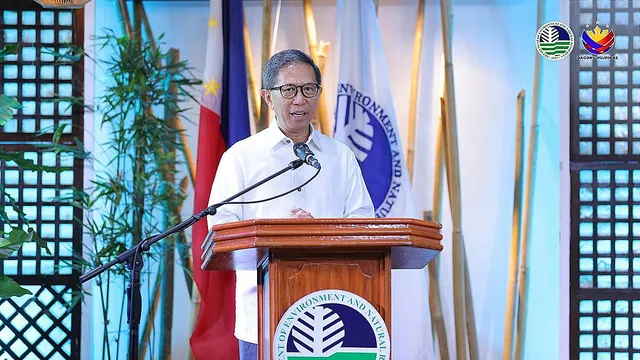
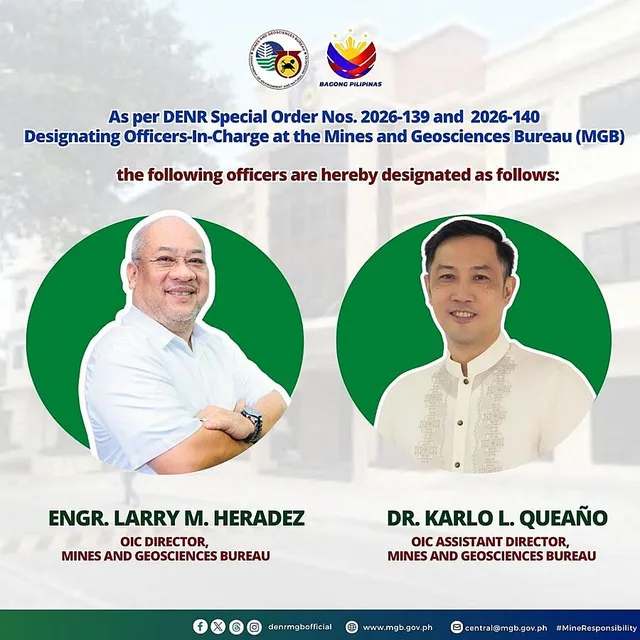
The Mines and Geosciences Bureau (MGB) has welcomed two newly designated senior officials following the issuance of Department of Environment and Natural Resources (DENR) Special Orders Nos. 2026-139 and 2026-140.

Under the orders, Engr. Larry M. Heradez has been designated as officer-in-charge (OIC) director of the MGB, replacing Director Michael V. Cabalda. Dr. Karlo L. Queaño has been appointed OIC assistant director.

The appointments place both officials at the helm of the bureau responsible for overseeing the country’s mineral resources development, geoscience research and environmental management in the mining sector.

Prior to his designation, Heradez served as regional director of the Mines and Geosciences Bureau in the Caraga region, based in Surigao City, where he oversaw mining regulation and geoscience programmes in one of the Philippines’ key mineral-producing areas. The Caraga region hosts several large-scale mining operations and is considered a major hub for the country’s mineral industry.

The MGB said it looks forward to the leadership of the newly designated officials as the bureau continues to strengthen responsible mineral development, geohazard assessment and sustainable resource management across the Philippines.

The bureau expressed its support for the new leadership as it carries out its mandate under the Department of Environment and Natural Resources to promote responsible mining, ensure environmental protection and support the sustainable use of the country’s mineral resources.

The leadership transition comes as the bureau continues to advance policies and programmes aimed at balancing mineral development with environmental stewardship and community welfare.

March 10, 2026

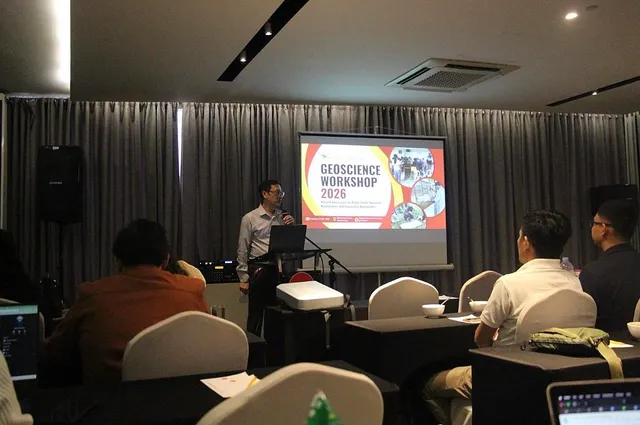
THE Mines and Geosciences Bureau (MGB) convened geologists from across the country for its Annual Geoscience Workshop held from February 16 to 20, 2026 at the RED Hotel in Quezon City.

Organized by the bureau’s Lands Geological Survey Division (LGSD) and Marine Geological Survey Division (MGSD), the workshop served as a platform for technical discussions, knowledge exchange and alignment of strategies supporting the agency’s national geoscience programs.

Carrying the theme “Reliable Geoscience for Public Safety, Resource Management, and Sustainable Development,” the five-day gathering brought together MGB geologists to review progress, refine methodologies and strengthen the implementation of the bureau’s mapping and research initiatives.

The Mines and Geosciences Services (MGS) of the Ministry of Environment, Natural Resources and Energy of the Bangsamoro Autonomous Region in Muslim Mindanao (BARMM) also participated in the workshop to strengthen institutional partnerships and promote the sharing of technical expertise and resources.

Sessions were organized in parallel tracks covering the bureau’s major national programs, including the National Geological Quadrangle Mapping Program, the National Mineral Reservation Program, the National Geohazard Mapping Program, and the National Groundwater Resource and Vulnerability Mapping Program.

Participants held technical discussions on program accomplishments, operational challenges and opportunities to harmonize methodologies across regions.

A dedicated session on geological laboratory concerns was also conducted to ensure the integration of laboratory standards, protocols and data across the bureau’s various mapping and research programs.

Through collaborative discussions and workshops, the MGB highlighted continuing efforts to expand and improve its geologic, geohazard, groundwater and mineral resource mapping initiatives. The bureau also discussed data modernization efforts and the development of new hazard modeling approaches aimed at strengthening the accuracy and usability of geoscience information.

Officials said these initiatives support national development planning, land-use management and disaster risk reduction by providing reliable scientific data to policymakers and local governments.

The annual workshop also reaffirmed the bureau’s commitment to strengthening science-based governance in the management of the country’s natural resources and environmental protection efforts.

March 10, 2026

The trip from Mapun, Tawi-Tawi, to southern Palawan takes hours across open water, often through rough seas. For Dhevina Tutuh, the journey was worth the risk.

“People used to say my child was not normal. As a mother, that worried me day and night,” Tutuh said.

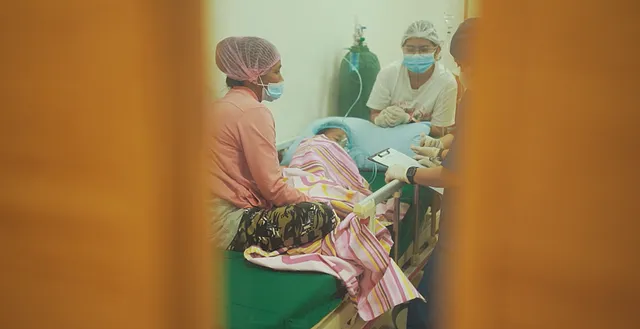
Tutuh and her daughter Marina traveled about 15 hours by sea to reach the municipality of Bataraza after seeing a social media post announcing a free medical and surgical mission organized by Rio Tuba Nickel Mining Corp. through the RTN Foundation Inc. The mission offered consultations and operations for patients who otherwise have little access to specialized care.

Marina was born with a cleft lip. She was among 289 patients served during the latest outreach conducted by the foundation in partnership with Coral Bay Nickel Corp.

“When I saw the post about the free surgery, I immediately asked if my child could be treated,” Tutuh said in the Mapun dialect. “Even though we came from far away in Mapun, Tawi-Tawi, and it was just the two of us traveling in the rain, I did everything I could to get here. I only want my child to grow up without being looked down on by others.”

Mapun, an island municipality in Tawi-Tawi province, sits closer to Sabah, Malaysia, than to mainland Palawan. Reaching Bataraza requires hours aboard a lansta, a small boat used for inter-island travel. Waves between island provinces in the southern Philippines can make the trip difficult, particularly during bad weather.

Still, patients from remote islands regularly undertake similar journeys to reach the mission site.

Volunteer doctors from Medical Mission to Heaven and Adventist Medical Center Manila led consultations and surgeries during the five-day outreach, held from March 2 to 6. Sixty-three volunteers — including surgeons, nurses and medical interns — participated.

Dr. Mendelssohn Manalaysay, a volunteer oral and maxillofacial surgeon, said the work carries both professional and personal meaning.

“It is gratifying both spiritually and professionally,” Manalaysay said. “When I see my patients — especially those with cleft lip and cleft palate — and witness the gratitude of their parents, I feel deeply thankful to God. Through this mission and the support of Nickel Asia, we have been able to help people in Rio Tuba, across Palawan, and even beyond.”

In addition to cleft lip and palate procedures, doctors treated patients with a range of surgical conditions, including goiter, hernia, gallstones, hemorrhoids, myoma, ovarian cysts, uterine bleeding, lipoma, sebaceous cysts and ganglion cysts.

Maria Julia Cabusao Villanueva, a volunteer nurse, said she was struck by the determination of patients traveling from distant communities.

“This is my first time volunteering in the RTN Foundation medical mission, and it is inspiring to see patients coming from different villages just to receive free medical care,” Villanueva said. “Many of the children are excited because they know they will finally get the treatment they need.”

Organizers said the mission routinely draws patients from remote parts of Palawan and neighboring island provinces, highlighting the persistent gaps in access to hospitals and specialists in rural areas of the Philippines.

Now in its 23rd year, the program continues to bring surgical services directly to communities where such procedures are rarely available.

“We are grateful to the volunteers from Medical Mission to Heaven who continue to bring this mission to the southernmost part of Palawan,” said Reynaldo Dela Rosa, assistant vice president for community relations at Nickel Asia Corp. and executive director of RTN Foundation Inc. “We would not have been able to do this without them.”

The outreach traces its roots to 1990, when Rio Tuba Nickel Mining began conducting medical missions for communities near its operations in southern Palawan. Over time, the program expanded through the support of RTN Foundation and Coral Bay Nickel.

Nickel Asia Corp., the parent company of Rio Tuba Nickel Mining and the RTN Foundation, is the Philippines’ largest producer of lateritic nickel ore.

For Tutuh, the mission brought something far more immediate than corporate outreach or volunteer service — relief.

After Marina’s surgery, she said she no longer has to worry about the condition that once kept her awake at night.

“Thank you very much to the doctors and to everyone at RTNFI and CBNC,” Tutuh said. “My heart is truly happy now; it will no longer be painful for me to see my child in that condition because she has finally undergone surgery.”

March 09, 2026

The Kalag-an Multipurpose Cooperative (KMPC) of Greenstone Resources Corporation recently held its much-anticipated General Assembly, bringing together its 783 members in a vibrant celebration of unity, growth and shared success.

A major highlight of the gathering was the cash dividend distribution, where members received generous returns from their capital share investments. The release of dividends brought excitement across the venue as members happily lined up to receive their shares, reflecting the strong performance of the cooperative and the value of their continued trust and participation.

Adding to the festive atmosphere were raffle draws featuring appliances and sacks of rice, giving members even more reasons to celebrate. With food served throughout the event, the assembly felt more like a community fiesta—filled with smiles, laughter and meaningful conversations among members.

The event also featured a bazaar, where members had the opportunity to purchase various products through accessible financing options. From motorcycles and mobile phones to household appliances, members explored purchases offered at very low interest rates, further highlighting the cooperative’s efforts to provide practical support and opportunities for its members.

Beyond the celebration, KMPC continues to pursue business initiatives designed to give back to its members. Among the many benefits are low-interest loan programmes, patronage refunds, and access to affordable grocery items, making the cooperative a dependable partner in improving the financial well-being of its community.

The overall mood of the gathering reflected the happiness and pride of the members, many of whom expressed appreciation for the cooperative’s commitment to ensuring that their investments truly work for them.

Looking ahead, the leadership of the Kalag-an Multipurpose Cooperative reaffirmed its commitment to strengthening programmes, expanding business ventures, and continuing to deliver meaningful returns and services to its members.

Through cooperation, trust and shared progress, KMPC continues to demonstrate that when people come together with a common purpose, the rewards are truly worth celebrating.

March 06, 2026

Geo Connect Asia grows its influence in a vibrant interconnected marketplace 

The 6th edition of the two-day Geo Connect Asia will open on March 31 in Singapore, with record attendance expected from leading Singaporean and regional government agencies, enterprise decision-makers and global experts.

Co-located with Digital Construction Asia, Drones & Uncrewed Asia, and Ocean Connect Asia, the event is expected to attract more than 3,000 attendees.

Under the theme “Transforming technology into solutions: underground, land & sea to sky,” Geo Connect Asia 2026 will host more than 150 speakers across seven conference stages, alongside over 100 exhibitors.

The conferences include:

• Geo Autonomy Summit, themed “Transforming the power of geospatial knowledge, data, AI and autonomy into actionable insights.”
• Ocean Connect Asia, themed “AI, autonomy, robotics & uncrewed solutions as drivers of a sustainable blue economy.”
• Digital Underground Connect 2026
• Digital Construction Asia, themed “Construction in the age of AI: innovation & sustainability shaping tomorrow’s built environment.”
• Geo Smart Mining 2026
• Indoor Mapping Forum 2026
• GNSS Asia Executive Circle 2026

Speakers include:

• Ed Parsons, Digital Geographer and Geospatial Consultant; former Geospatial Technologist at Google
• Dr. Victor Khoo, Chief Surveyor / Director of Survey & Geomatics at the Singapore Land Authority
• Dr. Francisco Castillo, Senior Vice President and Chief Information Officer at Maynilad Water Services Inc.
• David Foo, Deputy Chief Executive (Operations and Technology), Maritime and Port Authority of Singapore
• Alain Waha, Chief Technology Officer, Buro Happold

The exhibition will feature industry-leading companies including Trimble, Leica Geosystems, and Grab Maps, alongside emerging players in robotics and uncrewed technologies such as Autel Robotics, AI and Robotics Ventures (ARV), Fixposition, and OXTS.

Supported by the Singapore Land Authority, Geo Connect Asia serves as a meeting point for the Southeast Asian region, representing a population of more than 700 million and a combined economy ranked as the world’s fourth largest.

Geo Connect Asia is organized by Montgomery Asia, a wholly owned affiliate of the London-based Montgomery Group, which has been present in Singapore since 2018.

For further information, please contact Rupert.Owen@montgomerygroup.com or visit the respective event websites:

• www.geoconnectasia.com
• www.digitalconstructionasia.com
• www.oceanconnectasia.com
 

March 05, 2026

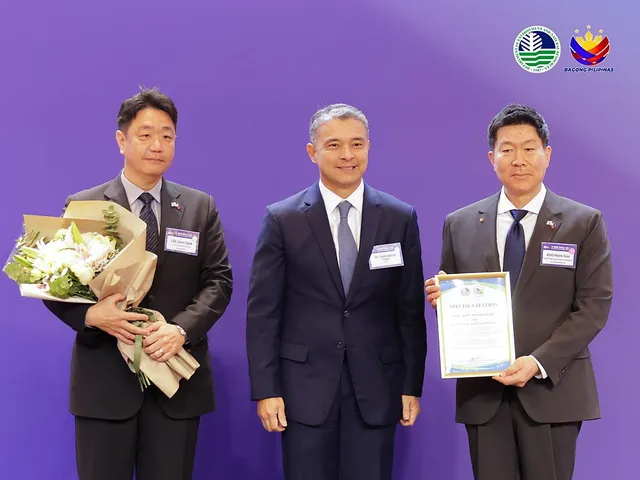
Incoming Environment Secretary Juan Miguel T. Cuna conferred a Special Citation to Rapu-Rapu Minerals Inc. (RRMI) and Rapu-Rapu Processing Inc. (RRPI) for completing the Final Mine Rehabilitation and/or Decommissioning Plan (FMR/DP) of the Rapu-Rapu Polymetallic Project in Rapu-Rapu Island, Albay.

The recognition was presented during the Korea-Philippines Business Forum in Pasay City.

The completion of the FMR/DP demonstrates how the companies restored mined areas to safe, stable and environmentally sound conditions after the end of mining operations, fulfilling obligations to both the environment and local communities.

Accepting the award on behalf of the companies were LX International Chief Executive Officer and Executive Vice President Koo Hyek Seo and Chief Representative of the Manila Office Lee Joon Taek.

Mining operations at Rapu-Rapu were conducted from 2005 to 2013 under permits issued in accordance with the Philippine Mining Act of 1995. After operations ceased, the companies entered the mine closure phase and implemented the FMR/DP in compliance with Department of Environment and Natural Resources (DENR) regulations.

The rehabilitation results were independently verified through a third-party environmental audit and validated by the Contingent Liability and Rehabilitation Fund Steering Committee. This process led to the approval of the Final Rehabilitation Report on July 4, 2025, followed by the issuance of the Certificate of Final Relinquishment on August 20, 2025.

The citation highlights the DENR’s full life-cycle approach to mining governance, demonstrating responsible resource extraction, verified environmental restoration and sustained corporate accountability.

Officials said the Rapu-Rapu Polymetallic Project stands as an example of environmentally sound and socially responsible mine closure.

Meanwhile, outgoing Environment Secretary Raphael P. M. Lotilla attended the forum to reaffirm support for initiatives promoting Philippine-Korean cooperation in responsible mining, sustainable resource management and strategic partnerships.

The forum was formally opened by President Ferdinand R. Marcos Jr. and South Korean President Lee Jae Myung.

March 04, 2026

The Philippines is seeking to strengthen cooperation with Canada in responsible and sustainable mineral development while promoting its vast mineral resources to global investors at the world’s largest mining convention.

Philippine Ambassador to Canada Jose Victor V. Chan-Gonzaga met with officials of the Mining Association of Canada (MAC) in Ottawa on Feb. 27 to explore opportunities for deeper collaboration in the mining sector.

Chan-Gonzaga, accompanied by First Secretary and Consul Alexander Joseph A. Estomo, held talks with MAC President and Chief Executive Officer Pierre Gratton and Senior Vice President Ben Chalmers.

The discussions focused on expanding Philippines-Canada cooperation in critical minerals, investment facilitation and industry partnerships.

Both sides exchanged views on advancing shared priorities and strengthening collaboration between government and the private sector to promote innovation, maintain high environmental standards and support sustainable growth in the mining industry.

Chan-Gonzaga highlighted the Philippine mining sector’s continued adherence to the Towards Sustainable Mining (TSM) standards, a globally recognized framework developed by MAC.

He also emphasized the Philippines’ efforts to upgrade domestic mineral processing and ensure the meaningful participation of Indigenous communities in resource development.

Gratton and Chalmers expressed support for these initiatives and offered to facilitate introductions to key Canadian government officials and organizations that could help advance the Philippines’ priorities.

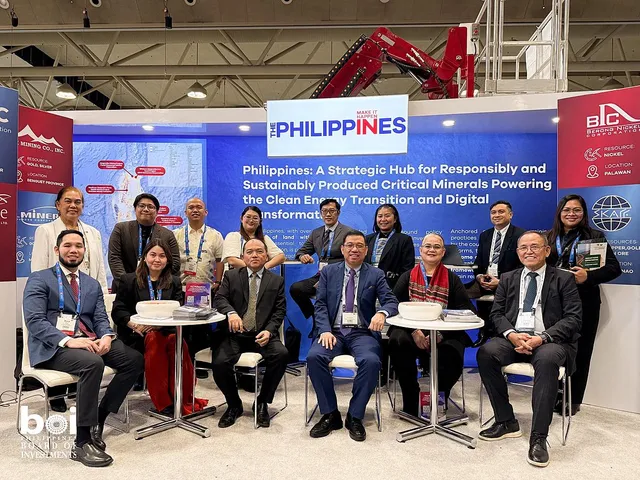
Meanwhile, the Philippines is also promoting its mining potential at the Prospectors and Developers Association of Canada (PDAC) Convention 2026 in Toronto, widely regarded as the world’s premier mineral exploration and mining gathering.

Chan-Gonzaga led the Philippine delegation during the inauguration of the country’s first-ever “Philippine Country Space” at the convention on March 1.

Joining him were Department of Trade and Industry Undersecretary Ceferino S. Rodolfo, Philippine Consul General in Toronto Kristine Leilani Salle, Department of Environment and Natural Resources Assistant Secretary Michael Cabalda, and representatives from the Philippine Nickel Industry Association and other mining companies.

In his remarks, Chan-Gonzaga said the Philippines’ participation with a dedicated country space reflects its readiness to deepen partnerships with global stakeholders as a reliable source of critical minerals essential for the global energy transition.

“With its vast mineral reserves, the Philippines is well positioned to expand partnerships with international investors and industry leaders underpinned by a commitment to responsible resource development and sustainable growth,” he said.

The ribbon-cutting ceremony was attended by Nina Tangri, Ontario’s associate minister of small business and member of provincial parliament for Mississauga-Streetsville, who represented the Canadian government.

The Philippine delegation will meet with industry stakeholders throughout the PDAC convention to explore opportunities in exploration, investment, innovation and sustainable mining practices.

Convention participants may learn more about the Philippines’ reserves of nickel, copper, gold and other key minerals by visiting the Philippine Country Space at the Metro Toronto Convention Centre, Trade Show North, Booth 7108N, which will run until noon on March 4.

March 04, 2026

Following the third-quarter 2025 Mine Rehabilitation Fund Committee (MRFC) meeting on Feb. 2 at the Mines and Geosciences Bureau Regional Office in Caraga, the Agata and Greenstone projects demonstrated that responsible mining is measured not just by production, but by verified rehabilitation, strict regulatory compliance and accountability to host communities.

Convened under the mandate of Republic Act No. 7942, the MRFC brought together national regulators, provincial and municipal officials, Department of Environment and Natural Resources bureaus, barangay leaders, Indigenous peoples representatives and members of the religious sector. Beyond a routine audit, the meeting serves as a checkpoint for environmental performance, financial security and measurable outcomes in mining operations.

TVI Resource Development Philippines Inc. operated the Agata Nickel Laterite Project from 2014 to 2023 and has since shifted to final mine rehabilitation. The TVIRD Group also operates the Siana Gold Project through its wholly owned subsidiary, Greenstone Resource Corp., producing weekly shipments of gold and silver doré for direct markets.

Agata: Plans verified on the ground

For Agata, the session focused on a plan-versus-accomplishment review. The committee examined accomplishment reports, biodiversity research and the third-year release of rehabilitation funds. The Multipartite Monitoring Team compared approved plans, including the Final Mine Rehabilitation and Decommissioning Plan, with actual site conditions.

The review confirmed that environmental protection measures were in place, rehabilitation targets were met on schedule, budgets were properly allocated and community commitments were fulfilled. Minor discrepancies were documented and discussed for corrective action, reinforcing that plans have meaning only when translated into verified results.

Agata also reported engineering and ecological improvements. Settling ponds were expanded to manage siltation during heavy rains. Progressive rehabilitation continues through reforestation of disturbed areas with indigenous and fruit-bearing species, guided by the company’s core principle: “Starting it right, keeping the end in mind.”

Adaptive management ensures seedlings are acclimated to local conditions before planting. An unexpected increase in migratory birds was addressed through structured harvesting and fruit protection, demonstrating how ecological recovery can coexist with operational needs.

Greenstone: Continuous compliance

Greenstone’s review emphasized adherence to its Compliance Monitoring and Validation Report and Annual Environmental Protection and Enhancement Program. The committee examined rehabilitation progress, mitigation protocols, updates on the Final Mine Rehabilitation and Decommissioning Plan, and the Annual Social Development and Management Program.

Site-specific priorities included siltation control in Alipao, rehabilitation of mine pit benches, tree cutting near Lake Mainit and land issues around Tailings Storage Facility 3. Collaboration with Surigao del Norte State University and Caraga State University supported scientific validation of hydrological and ecological data.

Financial safeguards were also highlighted as part of Greenstone’s compliance framework. Its Mine Rehabilitation Fund instruments — including the Contingent Liability and Rehabilitation Fund, Monitoring Trust Fund, Rehabilitation Cash Fund, Final Mine Rehabilitation and Decommissioning Fund, and Environmental Trust Fund — ensure that rehabilitation is fully funded. The MRFC verified that funds were sufficient and properly used, turning compliance into assurance.

Accountability through community engagement

Both projects rely on multisectoral oversight. Barangay officials monitor daily impacts such as dust, road safety and the proper allocation of Social Development and Management Program funds. Indigenous leaders from the Mamanwa tribe safeguard ancestral lands and ensure adherence to free and prior informed consent agreements. Religious representatives focus on watershed integrity and the ethical dimensions of mining operations.

Agata further strengthens transparency through information, education and communication campaigns in local dialects, a community relations office with an open-door policy, and community mine tours that allow local leaders and students to see rehabilitation zones firsthand.

Sustaining responsible mining

The third-quarter MRFC session reaffirmed that responsible mining requires continuous oversight. For Agata and Greenstone, this is reflected in verified environmental results, ecological gains, secured financial provisions and active community participation. Coordination with national agencies and local government units creates layers of accountability that extend from boardrooms to the field.

For these projects, regulatory compliance is only the starting point. The true measure of responsibility is performance that is seen, verified and sustained.

The audit may last only a day. But the discipline it requires continues year-round.

March 02, 2026

The Philippines’ metallic mineral production value rose 18.2 percent year on year to ₱301.32 billion in 2025, driven largely by stronger global prices for gold and nickel, data from the Mines and Geosciences Bureau (MGB) showed.

The figure, based on preliminary results as of Feb. 24, 2026, marked a sharp increase from ₱254.94 billion recorded in 2024.

Gold remained the industry’s top revenue contributor. Output declined 8.8 percent to 26,325 kilograms from 28,863 kg a year earlier, but higher prices pushed the value of gold production up 29.6 percent to ₱163.70 billion from ₱126.33 billion.

Among primary producers, the Masbate Gold Project of Filminera Mining Corp. and Philippine Gold Processing & Refining Corp. generated ₱38.93 billion, up 46.4 percent in value. FCF Minerals’ Runruno Gold-Molybdenum Project contributed ₱12.66 billion, 11.7 percent higher year on year despite lower output.

Greenstone Resources Corp.’s Siana Gold Project posted one of the strongest gains, with production value surging 197 percent to ₱8.93 billion.

Silver production fell 17.5 percent to 44,599 kg from 54,071 kg, but its production value increased 7 percent to ₱3.11 billion.

Copper output showed mixed results. Copper concentrate production declined 9.7 percent to 231,885 dry metric tons (DMT), while its value slipped 2.2 percent to ₱26.63 billion. Copper metal equivalent fell 13.3 percent year on year.

Nickel provided a major boost to overall performance. Direct shipping ore (DSO) output rose 5.6 percent to 37.81 million DMT, while its value jumped 18.1 percent to ₱69.36 billion, reflecting improved market prices.

Among key nickel operations, the Taganito Nickel Project in Surigao del Norte saw production value surge 111.1 percent to ₱12.11 billion. The Cagdianao Nickel Project in Claver posted a 27.7-percent increase in value. Nickel operations in Carrascal, Surigao del Sur likewise recorded double-digit value growth across several tenements.

Mixed nickel-cobalt sulfide production rose 6.8 percent to 76,666 DMT, although its value edged down 1.6 percent to ₱36.79 billion.

Other minerals registered declines. Chromite production dropped 16.2 percent in volume and 24.5 percent in value to ₱1.32 billion. Iron ore output decreased 22.6 percent, with value falling 19.5 percent to ₱328.95 million. Scandium oxalate production plunged 56.4 percent, while its value declined 55.8 percent to ₱86.08 million.

The 2025 results underscore the mining sector’s sensitivity to global commodity price movements. Despite softer output volumes for several metals, elevated prices—particularly for gold and nickel—lifted total production value to a new high.

MGB data show that gold and nickel accounted for the bulk of sectoral gains, highlighting their continued importance to the Philippines’ mineral export profile.

February 27, 2026

President Ferdinand R. Marcos Jr. has appointed Environment Secretary Raphael P.M. Lotilla as the Philippines’ new ambassador to the Holy See, triggering a leadership transition at the Department of Environment and Natural Resources (DENR) at a critical period for the country’s mining and natural resources sector.

Undersecretary Juan Miguel Cuna has been designated as acting DENR secretary to ensure continuity of operations, Malacañang confirmed on February 27.

Palace Press Officer Claire Castro clarified that Lotilla neither resigned nor was asked to resign, saying the reassignment came at his request for a “lighter assignment.”

“According to what we have heard, Secretary Lotilla prefers a lighter assignment at this time. That is the information given to us,” Castro said during a press briefing.

Lotilla has yet to issue a formal statement on his new diplomatic posting.

Nine months at the DENR

Lotilla served as DENR secretary for nine months, having been appointed in May 2025 as part of a Cabinet revamp that replaced former environment secretary Maria Antonia Yulo-Loyzaga. Prior to heading the DENR, Lotilla served as energy secretary from 2022.

His appointment to the environment portfolio had faced scrutiny after being bypassed three times by the Commission on Appointments before Congress adjourned in late 2025. In January, Malacañang said it was reviewing his appointment records to ensure compliance with all requirements.

The Holy See — the central governing body of the Catholic Church based in Vatican City — maintains diplomatic relations with the Philippines, one of the largest Catholic nations in Asia.

When asked about the reason behind Lotilla’s request for a lighter workload, Castro said she was not aware of the specific details, adding that his new role may allow him to “pray more often,” given the nature of the post.

Continuity at DENR

Malacañang assured stakeholders that DENR operations will continue uninterrupted during the transition.

“To ensure the continued operations of the DENR, a smooth transition between Secretary Lotilla and Cuna is underway,” Castro said.

Cuna brings nearly two decades of institutional experience within the department. He joined the DENR in 2008 as Provincial Environment and Natural Resources Officer and was appointed director in 2010. In 2017, he served as acting secretary before being named assistant secretary and later promoted to undersecretary in the same year.

Beyond the DENR, Cuna has academic and legal credentials. He previously served as a law professor at the Arellano Law Foundation and was director of legal affairs at the Presidential Legislative Liaison Office from 1998 to 2001.

Implications for the resource sector

The leadership change comes as the DENR continues to oversee critical policy areas affecting the mining, energy transition and environmental compliance landscape, including the implementation of responsible mining reforms, environmental impact assessments and resource permitting processes.

Industry stakeholders will be closely monitoring how the acting leadership maintains regulatory stability and policy direction, particularly amid sustained global demand for critical minerals and the Philippines’ push to balance resource development with environmental protection.

For now, Malacañang has emphasised continuity, with Cuna expected to steer the department while Lotilla prepares to assume his diplomatic post in Rome.

February 27, 2026

Mining revenues climb 39% as higher export volumes and firmer benchmark prices lift margins

Philippine-listed miner Nickel Asia Corp. reported a 312% surge in attributable net income to ₱6.27 billion in 2025, up from ₱1.52 billion a year earlier, driven by stronger global nickel prices and increased shipment volumes.

The company said the earnings rebound reflected improved realised prices for both saprolite and limonite ore, alongside steady demand from key export markets. Mining revenues rose 39% to ₱27.25 billion, underpinned by higher average selling prices and improved operating performance across its mines.

Earnings before interest, taxes, depreciation and amortisation (EBITDA) increased 56% to ₱13.75 billion, highlighting stronger margins and operating leverage as prices recovered from softer levels seen in the previous year. The company noted that its financial performance remains closely tied to movements in global nickel prices, which have been supported by supply constraints and demand linked to stainless steel production and the electric vehicle battery sector.

Nickel Asia said improved cost discipline and efficiencies in ore production and logistics also contributed to the earnings uplift, helping cushion the impact of input cost pressures.

However, its renewable energy subsidiary, Emerging Power Inc., posted a 16% decline in EBITDA, largely due to weaker electricity prices in the wholesale spot market. Despite the drop in earnings, the renewable energy arm continued to expand capacity, reinforcing the group’s long-term strategy of diversifying beyond mining.

Nickel Asia reiterated its push to evolve into a multi-resource company by growing its renewable energy portfolio and advancing exploration activities for gold and copper. The company said this diversification strategy is intended to mitigate commodity price volatility and generate more stable long-term returns.

Management added that while the nickel market remains subject to cyclical swings and geopolitical risks, the company is positioning itself to capitalise on sustained demand from infrastructure development and the global energy transition.

The company said it will continue to focus on operational efficiency, prudent capital allocation and disciplined expansion to sustain profitability amid shifting market conditions.

February 25, 2026

Philex Mining Corp. reported a core net income of P1.071 billion in 2025, driven by strong metal prices, as its Silangan Project in Surigao del Norte moves into the final stretch toward commercial operations.

In a disclosure to the Philippine Stock Exchange, the company said fourth-quarter core net income reached P592 million, with earnings before interest, taxes, depreciation and amortization (EBITDA) at P1.078 billion. Full-year EBITDA rose to P2.517 billion.

Operating revenues increased to P8.854 billion in 2025 from P8.183 billion in 2024. Fourth-quarter revenues climbed to P2.577 billion from P2.084 billion a year earlier, mainly due to higher gold and copper prices.

Realized gold prices hit a record US$4,338 per ounce in the fourth quarter of 2025. Copper peaked at US$5.24 per pound during the same period before averaging US$4.56 per pound for the year.

Despite stronger prices, production declined.

Tonnage milled in the fourth quarter fell to 1.600 million tonnes from 1.767 million tonnes in the same period last year. Full-year tonnage milled reached 6.774 million tonnes, slightly lower than the 6.809 million tonnes recorded in 2024.

Gold ore grades dropped 17 percent, while copper ore grades decreased 7 percent toward year-end.

Gold output in the fourth quarter reached 4,824 ounces, bringing full-year production to 24,358 ounces — down 21 percent from 30,702 ounces in 2024.

Copper output totaled 3.851 million pounds in the fourth quarter, with full-year production at 18.155 million pounds, lower than 19.780 million pounds the previous year.

The company’s board declared a cash dividend of four centavos per common share, equivalent to P231 million, payable on March 25, 2026 to shareholders on record as of March 10, 2026.

Padcal recovery plan

Philex said operational challenges at its aging Padcal mine continued to affect performance entering 2026, particularly issues at the secondary crushing section of the mill plant.

To address this, the company implemented a phased recovery plan that includes constructing a by-pass crushing line to support minimum sustainable milling throughput, increasing crushing capacity and strengthening systems to ramp up tonnage by the second quarter of 2026.

The throughput ramp-up and optimization phases are scheduled toward the middle of the year.

Silangan nearing first metal pour

Meanwhile, the Silangan Project, developed by wholly owned subsidiary Silangan Mindanao Mining Co. Inc., is targeting its first metal pour by the end of the first quarter of 2026 — marking the start of commercial operations.

“2026 will be full of expectations, as we anticipate our first metal pour at Silangan in the first quarter, which will signal its start of commercial operations,” Philex President and CEO Eulalio B. Austin Jr. said.

Chairman Manuel V. Pangilinan said metal prices supported the company’s performance in 2025, while expressing confidence in the workforce as the Silangan development nears completion.

“We are already in the last lap — just a few more weeks to the finish line — to complete the development component of the operations of our Silangan Project,” Pangilinan said.

Philex also said exploration prospects near Padcal could help extend the mine’s life, an initiative the company intends to pursue this year.

February 24, 2026

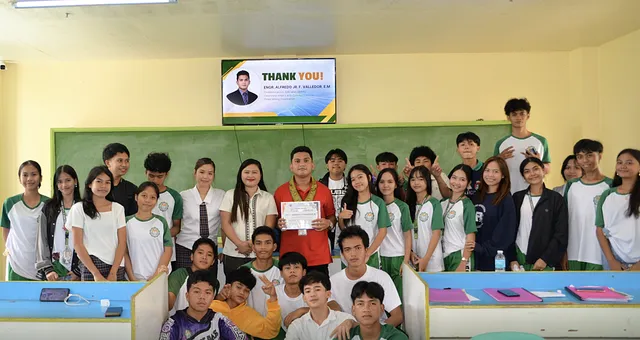
Silangan Mindanao Mining Co., Inc. (SMMCI) was honoured to serve as one of the resource speakers for the Climate Change Awareness Campaign at Amando A. Fabio Memorial National High School. Representing the company, Communications Specialist Engr. Alfredo Valledor delivered an engaging and thought-provoking symposium that immersed students in today’s climate realities through interactive discussions and participatory learning activities.

Engr. Valledor’s presentation centred on the science of climate change and its global and local implications. The symposium was divided into two parts. The first focused on climate change awareness, outlining its causes and impacts, while underscoring the critical role of youth in driving climate action and mitigation efforts. Students were encouraged to view themselves not merely as observers of global environmental challenges, but as active contributors to solutions within their communities.

The second part highlighted the role of the mining industry in the global green transition. Emphasis was placed on the increasing demand for critical minerals essential to renewable energy technologies, electric vehicles and modern infrastructure. Engr. Valledor stressed that responsible mining plays a vital role in supplying these materials while upholding environmental stewardship. He cited tangible environmental protection measures implemented by mining companies, reinforcing the message that sustainability and development can progress together.

Engr. Valledor also provided updates on the current status of the Silangan Project, including its anticipated commissioning, giving students a clearer understanding of the company’s direction and long-term commitment to responsible operations.

Located in one of Silangan’s host communities, Barangay Sta. Cruz, Amando A. Fabio Memorial National High School serves as an important platform for promoting mining literacy among young residents. As members of the host community, the students are directly connected to the industry’s presence and future development.

Silangan firmly believes that educating and engaging the next generation is key to bridging the information gap between industry and community. As the Silangan Project advances, the company remains committed to ensuring that its host communities grow in knowledge, opportunity and progress — cultivating informed, empowered and future-ready mining advocates.

February 24, 2026

NAC Foundation Inc., the philanthropic arm of Nickel Asia Corporation, in partnership with St. Luke’s Medical Center Foundation Inc., the Provincial Government of Eastern Samar and the Municipal Government of Guiuan, conducted a four-day intensive surgical services programme at Felipe Abrigo Memorial Hospital from February 16 to 19.

The initiative delivered specialised surgical care to residents of Eastern Samar, highlighting collaboration between the private sector, healthcare institutions and local government units to improve access to medical services in underserved communities.

A total of 38 major operations and 28 minor procedures were performed by the St. Luke’s surgical team, addressing conditions including anterior neck masses, hernias and cleft lip cases.

St. Luke’s Medical Center Foundation President Dr. Benjamin S.A. Campomanes Jr. said the programme helps bridge healthcare access gaps in the province.

“The main purpose of all our work in the foundation is equitable health. Because the patients can’t come to the hospital, we bring the hospital to the patients. And one thing special with Nickel Asia is that they have committed to help with surgical missions once a year,” Campomanes said.

In addition to surgeries, the programme included Basic Life Support training aimed at strengthening community emergency response capabilities.

Through the St. Luke’s Healthcare Academy, 282 participants completed BLS for Bystanders training. Attendees included barangay officials, local government personnel, members of the Philippine Coast Guard, local Disaster Risk Reduction and Management units and the Philippine National Police.

Nurse Richard Calingasan II of the St. Luke’s Healthcare Academy underscored the importance of community empowerment.

“What we really want, in accordance with the mission and vision of SLMCFI is to empower the community that’s why I’m here to give knowledge, and knowledge can save lives,” he said.

NAC Foundation President Jose Bayani D. Baylon said the initiative reflects the company’s long-standing focus on health and education in its host communities.

“When Manuel B. Zamora, founder of Nickel Asia Corporation, entrusted me with leading NACFI, he emphasised two priorities: health and education. Education, he said, empowers people to rise above poverty; health, because many carry not just the burden of economic hardship, but also the heavy cross of illness. It is our hope that through this partnership with St. Luke’s Medical Center Foundation, Inc., we can help lighten those burdens and bring meaningful, lasting care to the people of Guiuan,” Baylon said.

Guiuan Mayor Annaliza P. Gonzales-Kwan expressed appreciation for the support.

“My heart is full of happiness and gratitude for the love that you gave to my people. In good times and in bad, Nickel Asia Corporation and Hinatuan Mining Corporation are always there for us,” she said.

The surgical mission forms part of Nickel Asia’s broader contribution to the United Nations Sustainable Development Goals, particularly Goal 3 on good health and well-being, by expanding access to quality healthcare and strengthening local capacity for emergency response.

Through sustained partnerships with government and medical institutions, NACFI and SLMCFI aim to continue delivering comprehensive healthcare services and long-term capacity-building programs to communities across Eastern Samar and beyond.

February 23, 2026

Australia-listed Celsius Resources has secured firm commitments to raise A$9.3 million through an institutionally backed share placement, strengthening its balance sheet as it advances financing for its flagship Maalinao-Caigutan-Biyog (MCB) copper-gold project in the Philippines.

In a February 23 ASX/AIM release, Celsius said the placement was strongly supported by new and existing shareholders, as well as institutional investors from Australia, Asia, North America and the UK. Demand exceeded the targeted raise.

Shares were placed at A$0.02 each, representing a 4.8% discount to the company’s last closing price of A$0.021 on Feb. 18. Investors will receive one free-attaching option for every two shares subscribed, exercisable at A$0.035 and expiring three years from the date of issue.

The placement will be conducted in two tranches. The first tranche will raise approximately A$9.265 million through the issue of 463.25 million shares under the company’s existing placement capacity, with settlement scheduled for late February. A second tranche worth A$35,000, comprising director and consultant participation, is subject to shareholder approval at a general meeting expected in late March or early April.

Following completion of the placement, Celsius plans to launch a pro-rata non-renounceable offer of bonus loyalty options to eligible shareholders, on the basis of one option for every 10 shares held, on the same terms as the placement options.

Funding MCB and Philippine portfolio

Celsius said proceeds will be used for working capital in 2026 and to support advisory and consultant fees related to securing financing for the MCB project in the Philippines.

Funds will also cover compliance activities for the MCB, Sagay and Botilao projects to maintain permits in good standing while MCB financing is finalised. In addition, the company plans to pursue mineralised extensions at the Botilao copper-gold project following the recent renewal of its exploration permit, as well as pay fees associated with the placement.

Celsius interim non-executive chairman Peter Hume said the strong investor response reflected growing confidence in the company’s copper portfolio.

“This raise strengthens our balance sheet and positions us to advance MCB financing, prepare for early project works and maintain compliance across our portfolio as we move toward final funding,” Hume said.

The company expects that, following admission of the new shares, it will have approximately 3.71 billion ordinary shares on issue.

Project updates

Celsius said the Sagay project’s exploration permit was extended in April 2024 until a mineral production sharing agreement is approved. Its declaration of mining project feasibility has been submitted to the Philippine Mines and Geosciences Bureau and remains under review.

The Botilao exploration permit renewal was approved in January 2026 and formally registered later that month, allowing the company to proceed with its approved work programs.

Meanwhile, the company’s Opuwo project in Namibia is undergoing a sale process, with several non-binding offers under consideration.

Celsius said the capital raising leaves it with more than A$10 million in cash, positioning the company to progress development and financing of the MCB project as it moves toward a final investment decision.

February 20, 2026

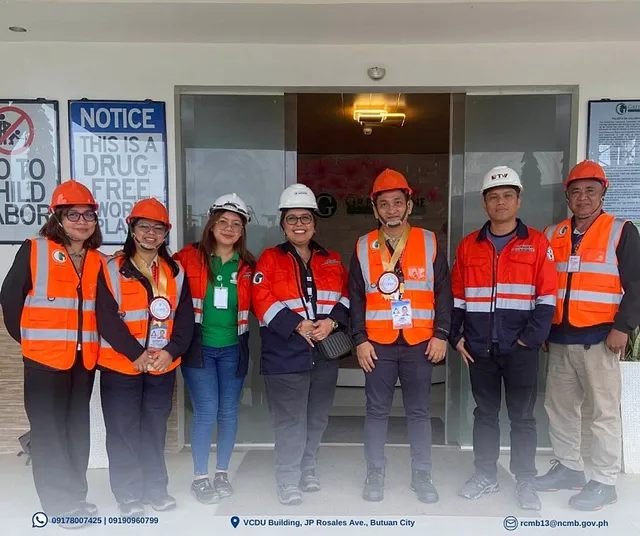
Greenstone Resources Corporation (GRC) and the Regional Conciliation and Mediation Board (RCMB) XIII – Caraga reinforced their commitment to a structured and collaborative labor-management partnership during a consultation meeting and monitoring visit on February 19, 2026.

Regional Branch Director Oliver C. Jao emphasized RCMB XIII’s readiness to provide technical guidance in restructuring GRC’s Labor-Management Cooperation (LMC) Council and enhancing its Grievance Machinery (GM) to better serve both management and employees.

Joining Director Jao were Senior Labor and Employment Officer Atty. Ronabeth Cabañas and Labor and Employment Officer III Mary Carmelle J. Amplayo, who engaged GRC leadership in a focused dialogue on improving the Council’s structure and operations. Representing GRC were HRAD Manager Ann M. Asupan, Assistant General Manager for Support Joey C. Cameros, and HR Supervisor for Employee Relations Marilou N. Galindo.

The TVIRD–GRC Siana Gold Project Labor-Management Cooperation Council, formally established on February 16, 2023, was created to foster open communication, collaborative problem-solving, and mutual benefits between labor and management. Since its inception, the Council has implemented a range of programs, projects, and activities (PPAs) to support dialogue, participation in decision-making, and workplace harmony.

Organizational changes and personnel turnover created vacancies in key committee positions, prompting the need for a formal restructuring. The consultation focused on revitalizing the Council, strengthening PPAs, and enhancing the Grievance Machinery to ensure responsiveness, accessibility, and procedural clarity.

“As we finalize our timeline and restructure our LMC, RCMB XIII’s technical guidance will be key to our success,” Asupan said, affirming management’s support for the initiative.

Director Jao highlighted that effective labor-management cooperation extends beyond negotiations over benefits. “It is about building shared value, fostering trust, and ensuring both management and employees achieve mutual gains through principled and structured engagement,” he said.

During the meeting, technical input was provided by Senior LEO Cabañas and LEO III Amplayo on the proposed restructuring framework and the enhancement of the grievance process. “We remain fully prepared to support you, including facilitating reorientation and workshops,” Cabañas said. Amplayo noted that GRC’s initiative reflects proactive efforts to ensure the program is implemented effectively and efficiently.

The engagement underscored a shared commitment to industrial peace through structured cooperation. As GRC refines its LMC and grievance processes, both management and labor affirmed that sustainable partnership requires continuous dialogue and active collaboration, ensuring the effective implementation of shared programs and workplace harmony.

February 20, 2026

OceanaGold Philippines Inc. reported a strong financial performance for 2025, with net income more than doubling year‑on‑year as elevated global gold prices bolstered revenue from its flagship Didipio mine in northern Luzon.

According to the company’s statement, full‑year net income rose to $76.5 million in 2025 from $30.3 million in 2024, underpinned by a near 28‑percent increase in revenue to $438.8 million. The jump was supported by record average realized gold prices of $3,494 per ounce.

Despite a modest decline in gold output — to 90,700 ounces from 97,000 ounces a year earlier — the firm posted an 8‑percent increase in copper production to 13,300 metric tons. Costs edged higher during the period, with mining and processing expenses rising slightly, and general and administrative costs also increasing.

For 2026, the company anticipates total gold production at Didipio to range between 85,000 and 105,000 ounces, with copper output of 13,000 to 15,000 metric tons. All‑in sustaining costs are projected at between $975 and $1,100 per ounce, and capital expenditures for the year are set at around $65 million for sustaining capital, underground development, growth projects and exploration.

The company said it remains focused on improving underground productivity and advancing exploration to support future output.

“Looking ahead to 2026, our focus remains on maximizing underground productivity, advancing underground and near-mine exploration, and driving initiatives that enhance efficiencies,” OceanaGold Philippines chair of the board Brian Martin said.

The Didipio mine in Nueva Vizcaya, operated under a Financial or Technical Assistance Agreement with the Philippine government, is the company’s sole producing asset in the country and a significant contributor to both local employment and export earnings.

Didipio began commercial operations in 2013 as an open‑pit mine and transitioned to underground mining in the latter half of the decade. The operation benefits from a dual output of gold and copper, with ownership largely held by OceanaGold and a minority interest listed on the Philippine Stock Exchange.

In recent years, the company has also remitted substantial taxes and government shares tied to production under its FTAA, contributing to regional development initiatives and local government coffers. Past reports indicated payments in the billions of pesos in government revenues and business taxes, reflecting the mine’s role in economic activity in Nueva Vizcaya and neighbouring Quirino.

OceanaGold has emphasised its commitment to responsible operations and underground productivity enhancements as it navigates resource depletion challenges and works to sustain the life of the mine.

February 19, 2026

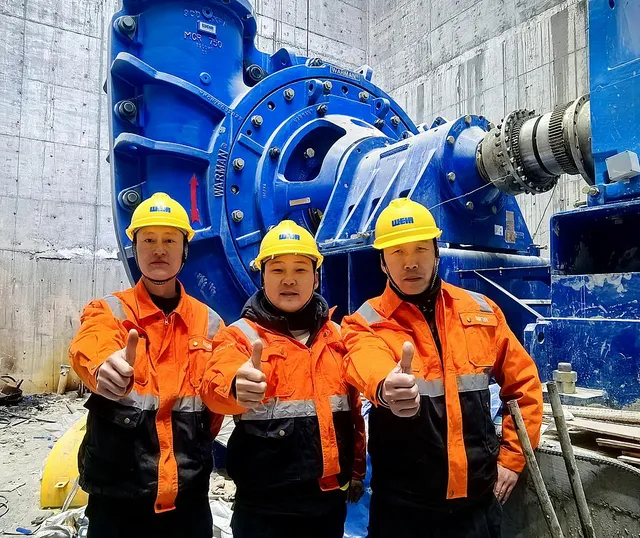
Weir, a global leader in mining technology, has successfully installed China’s largest mill circuit slurry pump. The order includes six WARMAN® MCR® 650 pumps and two WARMAN® MCR® 750 pumps.

The site, located in the Tibet Autonomous Region (TAR), sits 5,300 metres above sea level. The thin air and freezing temperatures create a complex operating environment.

Despite these challenges, the Weir service team successfully carried out the installation on schedule, completing the precise lifting, positioning, and pipeline connections of multiple large-scale, high-end pumps while overcoming low temperatures, oxygen scarcity, and harsh terrain to ensure steady progress toward key milestones.

Angela Wang, Managing Director, China, said:
“Delivering the largest slurry pumps in China is a significant technical achievement, and the fact that Weir was able to do this at such a high-altitude site epitomises our commitment to being at the forefront of reliability in the mining industry.

“The Chinese slurry pump market is one of the most competitive in the world. There are many new local competitors that make claims about their products’ performance, but these are rarely backed by reliable, long-term operational data. Weir, on the other hand, has a vast installed base, world-class manufacturing and testing facilities, and an unrivalled service network. That’s why Weir is still the preferred partner for Chinese miners, particularly for large-scale, challenging projects like this one.”

Elias Aho, Pump Optimisation Director, said:
“It’s great to see WARMAN® MCR® 750 pump installations now in China too. Weir has been at the forefront of supplying and supporting the largest, highest-capacity mill pumps on the market. With declining ore grades and increased demand, large mill pumps are increasingly playing a vital role in helping miners boost their throughput.

“Delivering these solutions at high-altitude sites presents significant engineering challenges, but Weir’s team of experts—drawing on decades of experience from across the globe—continues to be trusted by miners with their most critical mill circuit operations.”

About The Weir Group PLC

Founded in 1871, The Weir Group PLC is one of the world’s leading engineering businesses with a purpose to make its mining and infrastructure customers’ operations more sustainable and efficient. Weir’s highly engineered technology enables critical resources to be produced using less energy, water, and waste, while reducing customers’ total cost of ownership.

Weir is ideally positioned to benefit from structural trends that support long-term demand for its technology, including the need for more essential metals to support economic development and the carbon transition. The Group has approximately 12,000 employees operating in over 50 countries, with a presence in every major mining region of the world. Find out more at www.global.weir.

Weir’s ordinary shares trade on the London Stock Exchange (ticker: WEIR LN), and its American Depositary Receipts trade over-the-counter in the USA (ticker: WEGRY).
February 18, 2026

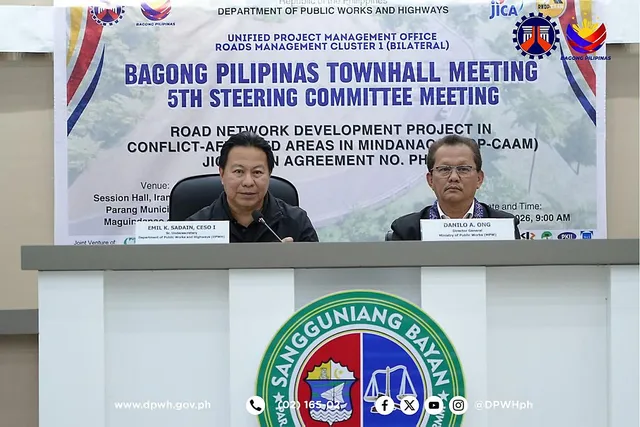
President Ferdinand R. Marcos Jr. has directed the Department of Public Works and Highways (DPWH) to fast-track strategic infrastructure in conflict-affected areas, accelerating the implementation of the Road Network Development Project in Conflict-Affected Areas in Mindanao (RNDP-CAAM) to strengthen connectivity and sustain peace in the Bangsamoro Autonomous Region in Muslim Mindanao (BARMM).

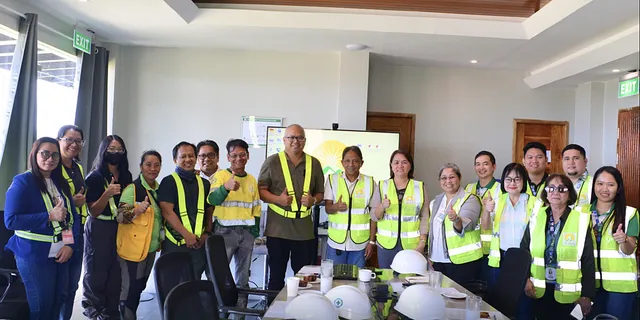
The progress of the project and strategies to ensure the successful rollout of RNDP-CAAM were discussed during the recent 5th Steering Committee Meeting led by DPWH Senior Undersecretary Emil K. Sadain. The meeting reaffirmed the agency’s commitment to deliver high-impact road projects that reinforce peace and stability in conflict-affected areas, promote inclusive growth, improve mobility, and expand economic opportunities for historically underserved communities.

The DPWH Unified Project Management Office – Roads Management Cluster I (UPMO-RMC I) oversees the implementation of RNDP-CAAM, which comprises three major components totaling 80.97 kilometers of road network. Sub-Project 2, the Parang–Balabagan Road in Maguindanao del Norte and Lanao del Sur, spans 36.73 kilometers across Parang, Matanog, Kapatagan, and Balabagan. It serves as an alternative to the Asian Highway (AH) 26 and features 16 bridges and one underpass, with Contract Package 2 underway and other packages progressing.

Sub-Project 8, the Parang East Diversion Road, is a 7.07-kilometer national secondary road in Parang, Maguindanao del Norte, that includes four bridges and has reached over 15 percent completion since civil works began in June 2025. Sub-Project 9, the Manuangan–Parang Road in Maguindanao del Norte, covers 17.42 kilometers linking AH26 to the Davao–Cotabato Road, with two major bridges under construction. Implementation is supported by close coordination among government agencies, local government units (LGUs), and security forces.

Funded by a loan from the Japan International Cooperation Agency (JICA), RNDP-CAAM will build new national roads across key areas in Mindanao to improve the region’s low road density and boost economic activity by enhancing access to markets, essential services, and employment opportunities.

The project is part of the government’s broader peace and development agenda, highlighting infrastructure as a cornerstone for stability, regional growth, and long-term prosperity in conflict-affected areas.

February 18, 2026

Silangan Mindanao Mining Co., Inc. (SMMCI) has secured official approval from its Mine Rehabilitation Fund Committee (MRFC) for the company’s 2026 Annual Environmental Protection and Enhancement Program (AEPEP), reinforcing its commitment to responsible environmental stewardship and community accountability.

The presentation and deliberation of the 2026 AEPEP took place at the Pavilion area of the Silangan Project site, offering a panoramic view of ongoing operations and surrounding ecosystems — a fitting venue reflecting the company’s focus on transparency and sustainability.

The Silangan team was led by Project Lead Engr. Venancio Gel A. Romero, joined by key officials including Community Relations Manager Janrie Dudang, Corporate Environment Manager Alfa Moog, Government Liaison and Permitting Officer & Landbanking Manager Jose Herteodelus Bayana, Mine Division Manager Engr. Eduardo R. Garcia Jr., and Process Plant Construction Manager Engr. Danilo Gemao. The team presented the company’s environmental strategies, planned protection measures, and enhancement initiatives for the coming year.

The MRFC delegation was headed by Engr. Francis Glenn N. Suante, Chief of the Mine Safety, Environment, and Social Development Division (MSESDD) of the Mines and Geosciences Bureau (MGB) Regional Office No. XIII, serving as committee chairperson. Members included local government officials such as Hon. Jovymarie C. Villazon, Municipal Mayor of Placer, and Hon. Cezar Ian B. Diaz, Municipal Mayor of Taganaan, as well as Andrew Imboy, Sangguniang Bayan Member of Tubod. Other attendees were Ma. Arceli T. Napalan, Executive Director of Reach Foundation, Atty. Rise Faith Recabo from the Provincial Government, For. Celeste N. Paler of DENR Caraga, and Engr. Julius Caesar T. Lacanaria, leader of the Silangan MMT.

The multi-sectoral composition of the MRFC, which includes government representatives, NGOs, and community leaders, underscores the shared responsibility for safeguarding the environment and ensuring corporate accountability. Committee members reviewed the proposed programmes, highlighting the importance of measurable actions and ongoing monitoring.

The approval of the 2026 AEPEP reflects confidence in Silangan’s structured plans for environmental protection and enhancement. It underscores the company’s sustained commitment to responsible mining practices, environmental preservation, and the well-being of host communities.

Through collaborative oversight and transparent planning, Silangan continues to align its operations with environmental standards while fostering trust among stakeholders across the region.

February 16, 2026

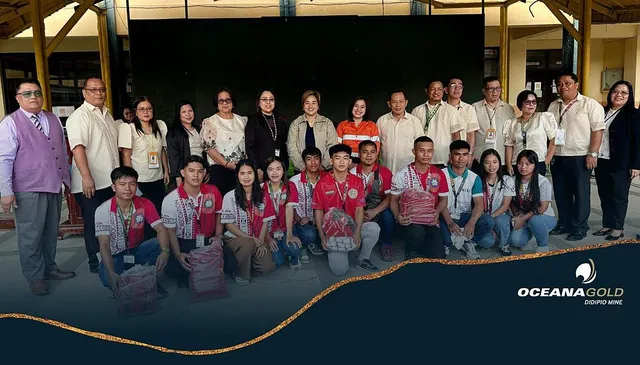
Aiming to preserve and promote the rich heritage of the Tuwali indigenous group of Ifugao, Canadian mining firm OceanaGold is strengthening its partnership with Nueva Vizcaya State University (NVSU) through the company’s Indigenous Peoples (IP) Culture Revitalization Program.

To deepen its engagement with Indigenous communities, OceanaGold Philippines (OGP) President Joan Adaci-Cattiling said the company donated sets of traditional Tuwali attire to the Ifugao Student Association (ISA) at the NVSU Bambang campus.

OceanaGold’s IP Culture Revitalization Program forms part of its broader corporate social responsibility (CSR) initiatives, which emphasize sustainable development and respect for indigenous cultures. The company operates the Didipio Mine in the upland town of Kasibu, Nueva Vizcaya, known for its gold deposits, and maintains a long-standing relationship with local Indigenous communities, including the Tuwali and other groups.

Adaci-Cattiling said the initiative builds on previous efforts to support education, health, livelihood and infrastructure in the area. She emphasized that preserving indigenous culture is a “shared responsibility” and that the company is committed to working hand in hand with local communities to ensure traditions are not lost amid modernization.

“The donation of traditional attire is not just a symbolic gesture but a practical tool for cultural education, allowing students to participate in traditional festivals, school programs and community events in authentic clothing,” Adaci-Cattiling said.

The Ifugao Student Association at the NVSU Bambang campus expressed gratitude for the donation, saying it would help foster pride and identity among Indigenous students.

“These garments will allow us to showcase our heritage during school events and ensure that our traditions are passed on to the next generation,” a student representative said during the ceremony.

University officials also lauded the partnership. Carlo Vadil, vice president for Planning, Development and Information System, said the collaboration with OceanaGold aligns with the university’s mission to promote inclusive education and cultural awareness. Jonar Yago, vice president for Research, Extension and Training, said the initiative complements the university’s extension programs aimed at bringing the benefits of higher education to marginalized communities.

Adaci-Cattiling underscored that OceanaGold’s approach to Indigenous engagement is anchored on the principles of free, prior and informed consent (FPIC), as mandated by Philippine law. She noted that the company previously signed a memorandum of agreement with the Tuwali and other Ifugao communities to ensure its operations in Didipio are conducted with the consent and participation of affected Indigenous groups.

“This latest cultural initiative continues that partnership, demonstrating that mining companies can play a positive role in community development when they prioritize respect for local cultures and sustainable practices,” she said.

Adaci-Cattiling said the IP Culture Revitalization Program is expected to expand in the coming years, with additional support for cultural documentation, language preservation and the development of cultural tourism in Nueva Vizcaya.

“OceanaGold has also pledged to continue investing in education, health and livelihood programs for Indigenous communities, ensuring that the benefits of mining extend beyond the life of the mine,” she added.

She emphasized that by supporting cultural preservation and education, the company aims to help ensure that the heritage of the Tuwali and Ifugao peoples remains vibrant and relevant for future generations.

“As the IP Culture Revitalization Program grows, it offers a model for how responsible mining can coexist with and contribute to the cultural and social well-being of Indigenous communities in the Philippines,” she said.