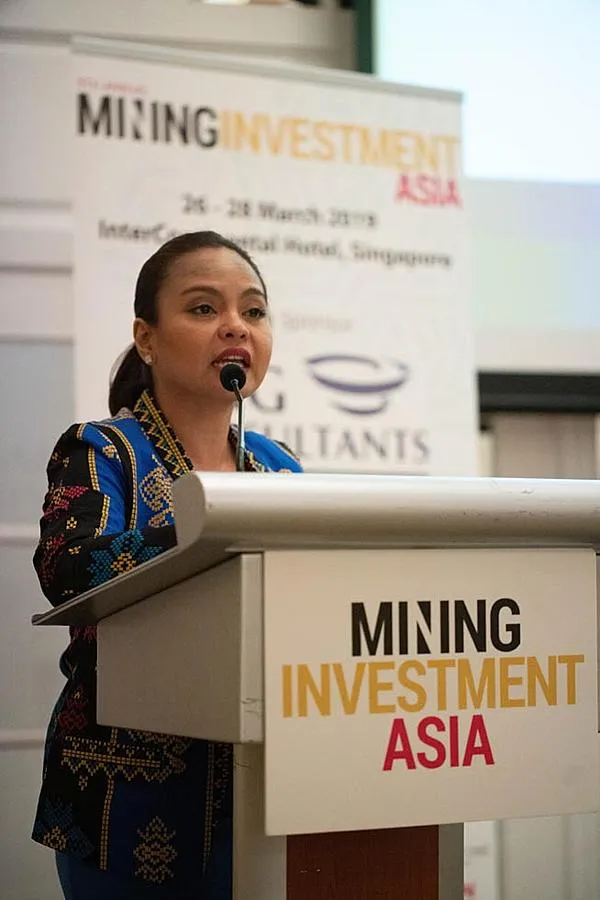
Mining Investment Asia (https://www.mininginvestmentasia.com/), South East Asia’s largest mining conference and exhibition showcasing South East Asia’s mining sector to an international audience of investors and various mining stakeholders, is scheduled to return to Singapore from 17 - 19 March 2020.
For this 6th edition, a brand new full day segment entitled ‘Coal in Asia’ will be launched on 17 March to complement the event’s current focus on mining financing, technology and gender diversity.
Why Coal in Asia?
Coal is a dominant fuel in the rapidly growing economies of South East Asia even amidst a global move towards clean energy. Within the Asian region, India, China and Indonesia play major roles both as consumers and producers of coal. Hence, ‘Coal in Asia’ seeks to focus on what lies ahead for coal in the region and the key drivers for transformation. Major national and private coal mining companies are confirming their participation, with key stakeholders such as Indonesia Coal Mining Association (APBI-ICMA) already supporting this event.
Latest speakers
Speakers who have come onboard to be a part of Mining Investment Asia 2020 include:
Robin Lee, CEO & Founder, Hello Gold (Malaysia) (First time speaker at this event)
Raymond Liu, Founding Partner, Havelock Mining Investment (China) (First time speaker at this event)
Thao Dh Ngo, Group Executive Chairman, First Indochina Group (Vietnam)
Edward Gustely, Managing Director, Penida Capital (Indonesia)
Michel Labrousse, Managing Partner, Mazarin Capital (Hong Kong)
Hendra Sinadia, Executive Director, Indonesia Coal Mining Association (Indonesia)
Cindy Teoh, Associate Editor - Investments, Golden Equator Capital (Singapore)
Thomas Puppendahl, Chief Investment Officer, Chancery Asset Management (Singapore)
Jayant Bhandari, Mining and Institutional Investor Expert, Anarcho Capital Inc (Canada)
Over the past 5 years, the high quality of the speakers assembled at this event has provided insightful regional and international perspectives, leading to Mining Investment Asia being recognised as the leading event in the region for global companies and individuals who wish to understand what makes South East Asia mining industry tick and to meet the key players in this region.
Testimonials from past participants
Feedback from past attendees have consistently highlighted both the high quality of the speakers and the attendees.
In addition, what makes Mining Investment Asia special to them include:
Great networking opportunities
High level discussions
Opportunity to understand and meet the relevant decision makers from the South East Asia mining industry.
Constance Tan, Principal Consultant, Alvito Capital Holding (Singapore) opined that ‘When I speak to other delegates here, they agree that it has been a useful forum for them to ask questions and meet like-minded people in the same industry over meals and networking drinks. Overall Mining Investment Asia is a formal yet informal event with plenty of interaction for future collaboration’.
Charmaine Olea Capili, Executive Director, Philippine Nickel Mining Association said that ‘It is a big leap for us coming here as an Association as it is the first we are coming out here in South East Asia. We are very excited as it is an opportunity for us to share globally what we have done in our country and our best practices’.
Dato Aminudin Hashim, CEO of Menteri Besar Inc, a government body tasked to drive growth in the Malaysian state of Perak, highlighted that ‘Mining Investment Asia is a great event. A good event depends not only on the content but the quality of the attendees. I got to meet many senior players in the industry, from the mining, policy and the financing industry.
It is a great meeting of minds from the mining sector here in Singapore’.
Spaces are still available for sponsors, exhibitors and delegates who wish to be a part of Mining Investment Asia. Enquiries can be sent to Jarred via email at jarred.lau@spire-events.com or phone at +65 6717 6017. More information can be found at the event website: https://www.mininginvestmentasia.com/
Background on Spire Events
Spire Events is a Singapore based events company specialising in mining & energy conferences and expos. Mining Investment Asia is part of the global Mining Investment Conference Series that spans across various locations in Asia, Africa, Europe, Latin and North America and the Middle East.
Spire Events also organises the MiningTech Conference Series which focuses on technology in mining and they are held in Chile, South Africa and Brazil. Besides conferences, Spire Events also organises large scale mining and energy expos in Africa, namely Mauritania, DRC, Sierra Leone and Botswana.
The full calendar of events can be found at www.spire-events.com
By Marcelle P. Villegas
“The Philippines is currently the leader in the hydrometallurgical leaching of laterite ores but will lose its leadership position in the battery raw materials sector if supportive mining policies are not put into place quickly... or if an export ban is not implemented quickly.”
(George Bujtor, 11 September 2019, Jakarta, Indonesia)
Last September, during the Asian Nickel Conference 2019 in Jakarta, Indonesia, Mr. George Bujtor (CEO of Electric Metals Ltd.) represented the Philippines through his report titled “Philippines: Regulatory Update and the Potential of the Philippine Laterite Ore” -- “How the Philippines was Surpassed by Indonesia in the Laterite Nickel Industry”. The scope of his presentation covered the following:
Update on mining regulations in the Philippines
Examining export volumes of nickel ore from the Philippines, and how these had been impacted by Indonesia’s exports
Examining the viability of the Philippines’ laterite ore deposits and what this could mean for future production [1]
The Asian Nickel Conference is now on its 7th year. This year’s conference was held at The Ritz-Carlton Jakarta, Mega Kuningan, Jakarta, Indonesia.
Indonesia is known as the fast-growing hub for the global nickel market. The conference is a venue that brings together nickel, stainless steel and NPI producers, end-users, auto and battery manufacturers and industry experts. [2]
Mr Bujtor is an eminent mining executive with over 35 years of experience in the industry. He is an expert in the technical, financial and commercial aspects of mining operations, and projects across many commodity groups such as gold, copper, lead, zinc, tungsten, nickel, iron ore, chromite, magnetite sands, diamonds, coal, etc. He has extensive work experience in the past as General Manager and Managing Director in Rio Tinto, Australia.
He was CEO of Toledo Mining Corporation and developed the Berong Nickel Mine in Palawan. Currently, he is the CEO of private companies -- Electric Metals Limited (EML) in Hong Kong and PT Electric Metals Indonesia which are developing the innovative EML Process for the low-cost leaching of nickel laterite ores. This is the first of its kind in green technology in nickel processing, and he introduced this at the Asian Nickel Conference in Indonesia last September.
While many are optimistic about how the Philippines shall benefit from Indonesia’s upcoming nickel laterite ore export ban, there are certain angles of this situation that many do not realise. First, let us look into the situation of the Philippine nickel industry and how Indonesia is affecting us.
During his participation as a speaker in Indonesia’s Asian Nickel Conference, Mr Bujtor gave a comparative analysis on how the Philippines and Indonesia differ in handling the nickel industry. The Philippines has the fourth largest resource of nickel in the world, the fourth largest resource of cobalt in the world, and the world’s second largest producer of nickel units in 2017. Both the Philippines and Indonesia have the resources to dominate the nickel industry. How come Indonesia is taking the lead while the Philippines is behind the race?
According to the Fitch Group - Asia Mining Risk & Reward Index, “Philippines mining to remain among Asian’s laggards”. The Philippines ranks as the last (rank 13) among resource-rich Asian countries. The Philippines’ global rating is on the 45th rank. [1] A quote from the Fitch Group analysis states “The Philippines is characterized by weak mining reserves, poor regulatory framework, corruption and increasing resource nationalism… Political uncertainty will continue to impinge on growth and especially foreign investment.”
Furthermore, “The Philippines has been left behind as Asia’s mining sector continues to boast the greatest rewards globally with positive business environments, rich mineral deposits, supportive infrastructure and political stability in the countries holding the top positions in the mining index.”
How did the Philippine mining sector end up in this situation when we have the resources necessary to excel? Let’s take a look at the policies we have. In 2012, we have the implementation of the EO 79 which is still in place today. This is the moratorium on processing new mineral agreements until new legislation rationalizing existing revenue sharing agreements take effect. Then, the 2016 mining audits resulted in the closure or suspension of 28 mining operations. As of today, 13 mineral agreements have been canceled.
On the following year, there was an Open Pit Ban by the late DENR Secretary Gina Lopez.
The ban is still in place today. This entails a national ban on all open pit mining in the Philippines for copper, gold, silver and complex ores. (This excludes quarrying.) In 2018, (DAO 2018-03) DENR lifts the moratorium on the acceptance, processing and/or approval of Exploration Permit applications.
From Mr Bujtor’s presentation, he stated, “The Philippines has already been surpassed by Indonesia in developing its nickel industry, but the Philippines has the fourth largest resource tonnage of Ni-Co laterite in the world, comprising ~28 million tonnes contained nickel (~15% of the world’s total) [Reserves ~14Mt], ~1.35 million tonnes contained cobalt (~12%), and ~0.44 million tonnes contained scandium.”
“Regulatory turmoil and policy indecision has prevented the Philippines from developing its world-class laterite resources, and this is unlikely to change in the short to medium term.” [1]
Compared with Indonesia, “the Philippines has already ‘lost’ the race to Indonesia to become the world leader in Nickel Pig Iron production and stainless steel. Direct shipping of laterite ores has not benefited the Philippines and is not in the national interest.” [1]
However, the Philippines is currently Asia’s leading supplier of raw materials (nickel and cobalt) for the battery sector. Now, with the right policies, the Philippines could become one of the world’s leading suppliers of battery raw materials, including battery manufacturing, according to Mr Bujtor. [1]
Now, over the next 4 to 5 years, nickel demand growth will be in the stainless steel and battery sectors. Mr Bujtor said, “Indonesia will continue to dominate the NPI growth and investment. The Philippines will only be able to compete in the battery sector.”
The Philippines is one of two producers of the raw materials of battery in Asia. The other one is Papua New Guinea. In the Philippines, we have Nickel Asia and Sumitomo that control the Coral Bay and Taganito HPAL Plants for processing of limonite laterite ores. [1]
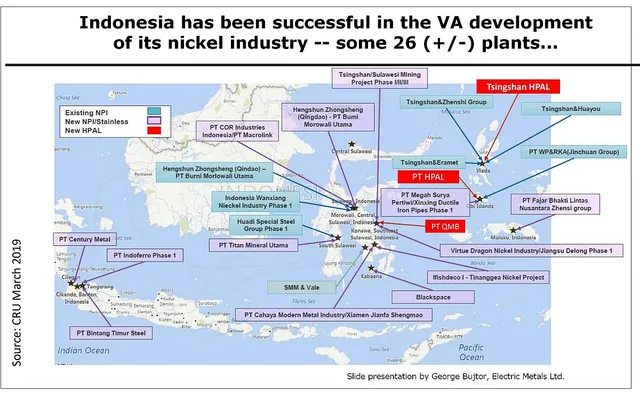
In comparison, Indonesia has benefitted enormously from its nickel laterite ore export ban. How? They have been successful in the value added development of its nickel industry with around 26 plants. [1]
“Tsingshan in Indonesia has invested over US$6B in integrated production facilities since 2014.”
Moreover, “NPI production in Indonesia is forecast to exceed 750kt nickel metal by 2023. Where is the Philippines?”
Indonesia’s export ban introduced in 2014 resulted in large investments in nickel plants due to access to laterite ore, coal and Chinese capital. “Investment to date is estimated at >US$12B with NPI production growing rapidly. NPI technology is readily available ‘off the shelf’. Chinese domestic production will decline for cost competitiveness and environmental reasons.” [1]
He further noted, “The Philippines has ‘missed the boat’ and will now never be able to compete with Indonesia in ferro-nickel production for the stainless steel sector -- an unfortunate missed opportunity.”
With Indonesia’s accelerated progress in the industry, how has that affected the Philippines? “Laterite nickel ore sales from the Philippines have peaked and are now in decline.” Here are some key points:
China is moving its NPI production to Indonesia for reasons of lower cost, higher saprolite ore grades, favourable tax incentives and less uncertain mining policies.
As Indonesia increases domestic NPI production, the need for laterite ores from the Philippines will decline.
No Chinese companies have shown any interest in investing in process plants in the Philippines. Why invest when you can freely export ores and avoid political uncertainty and poor regulatory framework?
The Philippines has permanently lost billions of dollars in investments because of the lack of an ore export ban.
Even though laterite ore is being converted into NPI in China, costs would be much lower in the Philippines without the need to export ores.
Philippine saprolite ores are low grade relative to Indonesia, but limonite ores are of similar grade with respect to nickel, cobalt and scandium.
Indonesia exports average ~1.65% Ni whereas the Philippines grades average ~1.2% Ni.
Much of the Philippine ores have been “high graded” and sold off at ~10% of the London Metal Exchange (LME) price for the contained nickel.
“In-country processing generates much more revenues than DSO exports, which could be worth US$4.1 billion per year.”
Therefore, what is the future for Philippine laterite nickel ores? Let’s look at the competitiveness of Indonesia vs the Philippines.
“Relative to Indonesia, the Philippines has no competitive advantage in ferro-nickel production. Indonesia has built power stations to provide electricity to its ferro-nickel industry. The Philippines has limited coal resources and a negative view of coal-fired power stations.”
Mr Bujtor added, “With past high grading and sales of saprolite ores, little high grade saprolite tonnage remains in the Philippines to produce low-cost ferro-nickel/NPI.”
“Indonesia has the advantage of having considerably higher saprolite ore grades and lesser environmental controls. These are the key cost drivers.” Therefore, in conclusion, the future for the Philippines is not in ferro-nickel or NPI. “The future of the Philippines lies in the processing of its laterite ores as battery raw materials,” he concluded. “The Philippines has the world’s best HPAL technology and should leverage its current strong position.”
For Part II of this article, we shall further discuss Mr Bujtor’s presentation on the Philippine’s potential if we make the right moves in leveraging its current strong position. We shall also discuss his company’s “EML Process” which was developed in the Philippines. This is like a heap leach process but adapted for the tropics and can treat all laterite nickel ores with the lowest carbon footprint. EML’s technology is a low cost breakthrough in leaching being the “greenest” of all nickel technologies with the lowest capital cost in the industry.
Acknowledgement:
Thank you to Mr George Bujtor of Electric Metals Ltd.
Reference:
[1] Bujtor, George. (11 Sept. 2019). “Philippines: Regulatory Update and the Potential of the Philippines Laterite Ore -- How the Philippines was Surpassed by Indonesia in the Laterite Nickel Industry”. Presented at Asian Nickel Conference 2019, Jakarta Indonesia
[2] Asian Nickel Conference 2019 website - Retrieved from - https://www.metalbulletin.com/events/asian-nickel-conference/details.html
“One thing that I am proud of being part of Antrak is that there are many things that we helped build over the years that actually helped the country’s progress. We have done this by providing a professional logistics to construction projects for power plants, mining refineries, cement plants, water projects and other infrastructure projects. Sometimes, I may be out on the road and pass by a completed project and it may be a power plant, a processing plant, a cement plant or even a bridge and I suddenly get a sense of pride and I think to myself, that we’re the guys who did the complicated delivery for this thing,” Fernando De Achaval, Vice President of Antrak Philippines Transport Solutions Corporation.
Many successful infrastructure projects, mining operations or power plant projects became possible through the help of companies like Antrak Philippines Transport Solutions Corporation (APTSC). They offer transport and logistics services, but their support for their clients extends more than what we typically know about transport solutions.
To find out more about Antrak Logistics’ track record in infrastructure, power, and mining industry, we interviewed with Mr Fernando De Achaval to tell us more about the company’s origin, challenges through the years, and their business ethics centered on excellence.
Of note, the company has three ISO Certifications, namely: ISO 9001:2015 Quality Management Systems, ISO 14001:2015 Environmental Management Systems, and OHSAS 18001:2007 Occupational Health and Safety Management Certification.
For almost seven years, Mr Fernando De Achaval is the Vice President of APTSC. He is one of its co-founders as well in 2013. He is the former Project Manager - Industry Head for Mining and Renewable Energy at Hansa Meyer Philippines, Inc. Mr De Achaval studied Business Administration and Management, General from De La Salle University, Manila.
“Antrak is partly owned by Antrak Australia (Antrak Logistics Perth) with local shareholders, and Antrak Australia is 100% owned by Bolloré. The shareholders and I were working together in a previous company. We were all working together in Aboitiz Project TS Corp until Aboitiz Group sold their entire transport group sometime in 2011. The company then changed name to Hansa Meyer Philippines and we continued to work together under the new organization for another 2 years.”
“We did eventually decided to move on and set up Antrak Philippines in 2013. How we did this is by taking over and changing the business purpose and changing the name of an already existing entity called Forwarding Document Services Inc. (FDSI). FDSI, which was established in 2008, was basically a BPO for Antrak Australia. Before the BPO was set up, Antrak Australia was having some issues hiring people in Australia so they decided to look at the Philippines. Initially, they hired and sent one person from the Philippines to Australia, then realized they didn’t need a person physically in Australia. Thus the BPO was born.”
“The BPO started with 5 people when it began in 2008 and it grew to 21 people by 2013,” Mr De Achaval said. “In 2013, when we decided to make the move, all we needed to do was to do purchase agreements and share agreements. Once that was completed, we then executed the change of name and business purpose and we were up and running right away. This is how we now have Antrak Philippines Transport Solutions Corporation.”
Their first project was for a shipping load out for Antrak Logistics Perth in Batangas for a mining project in Abidjan. This was followed by another client, FCF Minerals, for which they transported their mining fleet. “After this, we got our first power plant project -- Therma South which is Aboitiz’ 2 x 150MW Coal Fired plant project in Mindanao.”
“With regards to experience of the company, we worked mainly with power plant projects, mining projects and infrastructure projects.”
“We did a lot of solar projects during the solar boom in 2015. In a little over a year’s period, we did about 220MW of solar projects including the 130MW in Cadiz Solar Power Plant (Negros Occidental), the biggest one in the Philippines and which was at that time, was the biggest solar plant in Asia.”
“We were also in Biliran on the Biliran Geothermal Project. We were the ones who customs cleared and delivered the drill rig (owned by Iceland Drilling) as well as moving the rig from drill hole to drill hole according to their drilling program.”
“When the Biliran Geothermal Project was over, we then moved the drilling rigs for them from Biliran to Mindoro to their new project. Eventually, when that project finished, we moved the rig out for loading to an international breakbulk vessel.”
“In mining, we worked with clients during exploration phase (working with the drilling companies) and operations phase (onsite logistics), like in Masbate Gold Project and OceanaGold Phils., Inc. They have been our clients since almost the start of Antrak Logistics Philippines.”
He further explained, “In Masbate Gold Project at the moment, we’re running to provide basically supply bases for them. Since Masbate is an island with not the easiest access for cargo, everything that is going there is passing mainly via barge. Thus, they have operation here in Manila. Suppliers would deliver to the port and we would receive and then load the barges. And when stuff comes back, we would then be the ones to also unload the barges.”
Mr De Achaval mentioned one difficult incident at the port of Manila. “In 2005, there was a big congestion on the port, so we were looking for alternatives, because it was a challenge as it was hard to pull out and return containers. We then attempted to move the operation from Manila to Batangas, and realised it was not any better.”
“Batangas was getting congested also because everyone was also trying to get out of Manila and moving there. Eventually the idea was broached to move the operation to Cebu.
There, we saved money and time for the client because of the lesser fuel expenses and the faster turn-around time as Cebu is closer to Masbate. In this setup, all their international containers now go down to Cebu. We also established a warehouse that we are operating for them. As we started to operate in Cebu, we were also able to suggest another cost-saving measure to the project.”
“We realised that the project was paying massive amounts in container detention charges as they would keep the international shipping line containers for a long time on site. We then suggested to them that they (Masbate Gold Project) buy instead their own Shipper Owned Containers (SOC). Thus when the shipment arrived, we would strip the International shipping line container, store it in the warehouse and when it was ready to go, we loaded the shipment into their SOC’s.”
“For OceanaGold, almost everything was door-to-door basically. There are some suppliers that do ship on their own but we clear and deliver those to the site.”
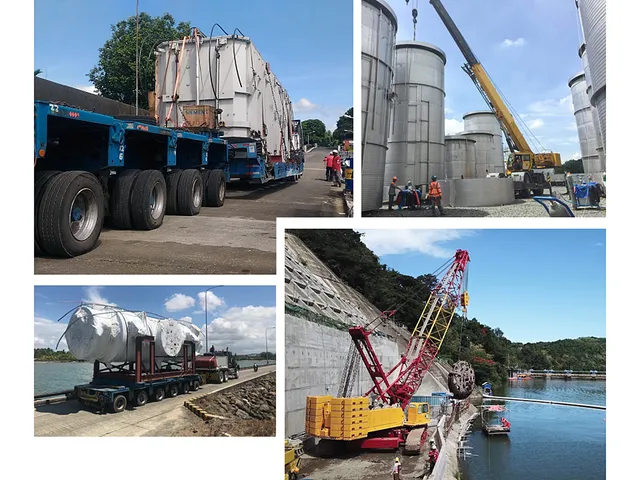
“For our experience in infrastructure projects, we delivered girders for bridges. We delivered the one in STAR Tollway (Malvar, Batangas). We are also currently doing a water project for an Italian company. We basically moved and did the lifting for their TBM (Tunnel Boring Machine).”
We asked Mr De Achaval how their business is doing so far this year in comparison to the past years. He replied, “Last year was not what was expected and the last two years, in fact, was not what we wanted. A lot of the projects were delayed. For example, we have a power plant project scheduled to start last year and the project just started on the second half of this year.”
He explained that delays are usually caused by politics and bureaucracy in issuance or permits and also in which translates into delays in Engineering and Construction Contract award. “We also typically see delays happened in the early stages of the change of government administration.”
“Before elections and early when the current President was just elected, we received enquiries for doing road surveys, feasibility studies in terms of budgetary costing for transport. We were also getting especially a lot of these for mining, because everybody was hopeful that there would be a mining boom again under the new administration. Later on, it quickly became evident that mining is not a priority in the new administration. Thus, nothing has progressed with the studies we did for the companies that engaged us to do them.”
“Toward the end of 2018, we noticed that things started picking up. Enquiries started again and projects started happening. For 2019, we saw the activities even picked up more as more new projects started.”
“At the moment, the company is focusing on the infrastructure such as train projects, water projects, bridge projects, and airport projects as this is the boom right now. For example, we deliver the passenger loading bridges the Cebu airport and in Iloilo airport. We are also chasing after clients for other airport projects in other parts of the Philippines.”
We asked Mr De Achaval about the challenges he encountered during his past years as Vice President of the company. He said, “I am one of the founders of the company in 2013, and currently the Treasurer.”
“In the beginning, everybody knew us, the country’s top management reputation-wise -- Stefan Schmitz, JP Lim and I and even some of our key managers, because we all worked together for many years in Aboitiz. However, the clients didn’t know the company Antrak Logistics in the Philippines. So before we got that first power plant project, the one of Aboitiz, one of the things that they told us was, ‘We know you but if something untoward happens, then we want to know who is behind you and who can answer for whatever happened.’”
“Therefore, we explained who Bolloré was but, they didn’t know who the group was in the local market. So the first challenge that we had was introducing the whole Bolloré group. It did take a while in the beginning to do that.”
“When we started to work at Antrak Logistics, we did not realize how big the Bolloré group is. Bollore-Transport-Logistics is one of the largest transport and logistics companies in the world. They are also one of the oldest and largest operator in Africa. Bolloré Ports is also one of the largest port operators of Africa.”
“Then you have the other divisions like the multimedia division and their blue solutions divisions which also contribute to the 23.024 Billion Euro turnover in 2018 of the Bolloré Group.”
(To be continued)
For more information about Antrak Philippines Transport Solutions Corporation, please visit their website at https://www.antrak.com.ph/ .
Thank you to Mr Fernando de Achaval and everyone in Antrak Philippines Transport Solutions Corp.
By Marcelle Villegas
The Mining Philippines International Conference and Exhibition 2019 last September presented the many aspects on how the local mining industry affects other industries as well, such are the agriculture, infrastructure, energy sector, petroleum and more.
Change in general is one of the main focus of the conference. “Change is inevitable. In today's fast-changing business landscape, change is the main catalyst for growth.”
It was also emphasised by the various speakers that change is a great equalizer that allows the emergence of new businesses, startups and crowdfunded enterprises in order to compete with bigger and more influential multinational companies. [1]
“Changes has been knocking at the door of the mining industry. Embracing change is no longer an option. It is do or die.”
This explains why the theme of the conference is “Riding The Wave: Capitalizing on Opportunities”. Change creates a wave that shapes the mining industry today, and is an important factor in nation-building.
“The interplay of internal and external forces is creating a wave of change that can bring the industry to new heights. The Chamber of Mines has prepared a diverse program that will give conference attendees a better understanding of the social, geo-political and economic landscape and market trends that have and will continue to shape the mining industry as we know it today.” [1]
“Demand for minerals is projected to increase in order to achieve energy transition. Given that low-emission energy and transportation systems are more mineral-intensive than their fossil fuel-based counterparts, the transition provides a great opportunity for the mining sector.”
Philippine Mining Today
“The Philippines is a leading producer of nickel and is a significant producer of gold, copper, chromium, zinc and silver. We also produce oil and gas. In the 5th Country Report of the Philippines Extractives Industry Transparency Initiatives (PH-EITI), it is reported that there are currently 48 large-scale metallic mines with a total production value of PHP 108.7 billion. [2]”
“The country accounted for 11% of the world’s production of nickel in 2017. Other commodities being produced in the Philippines include chromite, zinc, iron, silver, crude oil and natural gas.”
“Domestic production follows a similar trend as mining - declined from 3 million barrels of oil in 2014 to only 1.5 million barrels in 2016. Production from Galoc oil field has been the main contributor to the total output, producing 1.4 million barrels of oil in 2017.”
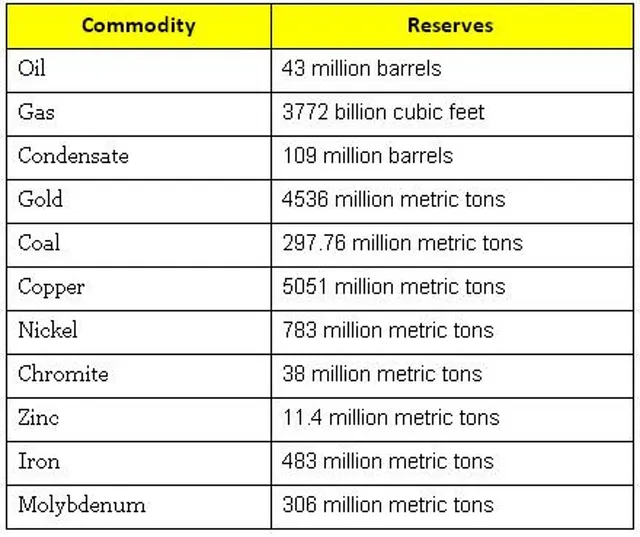
“The Philippines has rich deposits of gold, copper, nickel, chromite, and reserves of coal, zinc, iron, molybdenum, crude oil and natural gas. While the Philippines is ranked as the world’s 5th most mineralized country by estimated reserves valued at USD1.39 trillion, only around 2.35% of the 9 million hectares holding mineral reserves are covered by mining permits as of August 2018. As of 2018, the Philippines accounted for 6.4% of the world’s total estimated reserves of nickel.”
Revenue Collection
“The latest EITI disclosures (2017) show that the Philippines received USD 722 million (PHP 37.8 billion) from the extractive industry. This was a 26% increase from the previous year (USD 536 million or PHP 28 billion in 2016). Almost 74% of these revenues came from oil and gas, with the rest from mining.”
“Oil and gas revenues were mainly collected through the government’s share of oil and gas production (63% of oil and gas revenues) and corporate income tax (28%), while mining revenues were mainly collected through corporate income tax (38% of total mining revenues) and excise tax on minerals (24%).”[2]
[1] Retrieved from Mining Philippines 2019 Conference and Exhibition Directory
[2] PH EITI 5th Country Report (FY 2017) vol.1, p.15
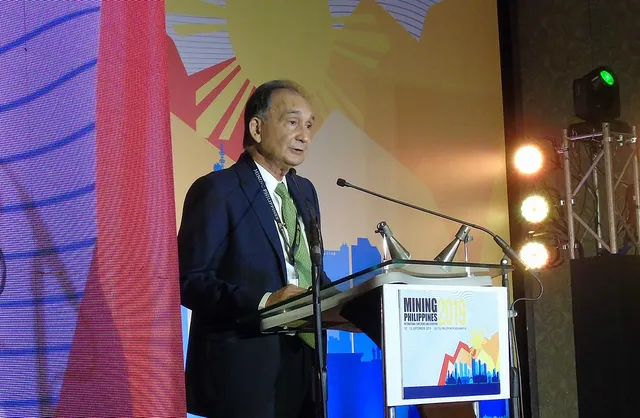
The annual Mining Philippine International Conference and Exhibition 2019 (10-12 September 2019) tackled several issues about the mining sector of the Philippines from regulations, audits, environmental concerns and recent changes in global market trends. This year’s theme is “Riding the Wave: Capitalizing on Opportunities”.
Honorable Analiza Teh, Undersecretary, Climate Change and Mining Concerns, DENR, discussed on first two days of the conference some updates about mining permits and audits.
She reported five pending major investments or mining projects that are expected to generate growth for the industry. Undersecretary Teh said, “Our goal now is how to maximize this potential to boost growth without compromising the protection of the environment and ensuring the sustainability of mining practices,"
She also mentioned that there are five mining projects that are expected to increase the contribution of the mining sector to the economy. [1] The following mining companies are:
Tampakan Copper-Gold project in South Cotabato, Sultan Kudarat and Davao del Sur with a total capital investment of USD8.20 billion
Kingking Copper-Gold mining project in Compostela Valley -- USD2.29 billion
Silangan Copper-Gold in Surigao del Norte -- USD40.43 billion
Pujada Nickel project in Davao Oriental -- PHP540.36 billion
Balabag Gold-Silver project in Zamboanga del Sur -- PHP1.04 billion [1]
Undersecretary Teh noted, "These mining projects are expected to bring billions of US dollars worth of revenues during its operations.".
"The government and the industry need to work on improving public perception and enhance public confidence in the industry's capacity to implement genuine responsible mining." [1]
During the morning session of Day One of the conference, a protestor addressed a question to the Undersecretary after her speech. He is Paul Nieves, Media Coordinator of “Alyansa Tigil Mina”, a Phlippine anti-mining group. He later said during an interview by ABS-CBN, "What is DENR doing regarding irresponsible miners? I have shown to Undersecretary (Analyza Teh) the people's mining audit. It shows the environmental destruction." He was questioning the credibility of the government’s audits. [2]
There was also a group of female protestors from the same anti-mining group who did a non-violent, silent protest at the lobby of the hotel where the conference was held. The ladies were arrested and detained by police and hotel security. [2]
Environmental Undersecretary Analiza Teh mentioned that the MICC audit are even stricter than the audits done by the late DENR Secretary Gina Lopez which resulted in closure and suspension orders for some 26 mines. She also emphasised the audits are meant to ensure that miners don't harm the environment and to allow responsible miners to continue operations. [2]
"It really covered several aspects: legal, technical, environmental and social compliance, so this is more thorough.” Additionally, she said that different mining companies have different corrective measures.
The MICC will start another audit of the mining sector within the next two months, and according to Undersecretary, this one will cover 17 mining companies which passed previous evaluations. The second audit aims to ensure all industry players are complying with laws that protect the environment. [2]
She mentioned that despite the completion of the last audit, MICC decided not to publish the results as some of the information are confidential.
In contrast to this, Mr Gerard Brimo (Chairman, Chamber of Mines of the Phils.) said that the audit results should be released. "The fact is the majority of the companies have passed, so it paints a different picture than the results of the first audit when some 26 companies, more than half of the operating mines were serving closure orders." [2]
Mr Brimo said that the mining industry has been “in a tough situation for years now with growth stifled by the ongoing moratorium on new mining permits, the ban on open-pit mining and prevailing uncertainty regarding mining taxation”. [2]
The 17 mining companies covered by the MICC Review Phase II are:
Agata Mining Ventures Inc.
Apex Mining Corp.
Atlas Consolidated Mining and Development Corp.
Cagdianao Mining Corp.
Century Peak Corp.
FCF Minerals Corp.
Filminera Resources Corp.
Greenstone Resources Corp.
Pacific Nickel Phils.
Philex Mining Corp.
Philsaga Mining Corp.
Platinum Group Metals
Rio Tuba Nickel Mining Corp.
SR Metals Inc.
Taganito Mining Corp.
TechIron Resources Inc.
Tribal Mining Corp.
-----
On Day Two of the conference, Undersecretary Teh gave a presentation titled “Where are we going? Government’s way forward for the mining industry”. During the open forum after the first set of speakers, Atty. Leo G. Dominguez, President of OLLI Consulting Group, Inc., asked a question to Undersecretary Teh. The question pertained to her statement the day before that the results of the MICC audit have been forwarded to the Office of the President (OP), for concerns relating to the Privacy Act of the audit results cannot be made public, and therefore matters relating to the audit are no longer in the hands of the DENR. If companies need to follow up on the resolution of appeals pending with the OP as affected by the audit, these companies should not come to the DENR but go directly to the OP.
Atty Dominguez asked whether or not the Undersecretary believed that the OP has the expertise to understand the audit report, because it has been there for 18 months with no action. His concern reflects the situation of the companies being audited and whose operations have been on hold pending government action on the audit results. Because the report has not been released to the mining companies concerned and to the public, then the mining companies have no idea exactly where they stand in respect of the audit, and what actions they need to take to pass the audits, or how long their operations will need to be on hold.
Undersecretary Teh responded to Atty. Dominguez by saying that mining companies subject of the audit could go to her at the DENR and seek the DENR’s assistance. If the meetings indicate that a specific mining company’s position is meritorious, the DENR would forward a favorable endorsement and recommendation to the OP in respect of that company’s pending appeal.
In effect, this is how Undersecretary Teh proposed that the OP’s lack of expertise to understand the audit results could be addressed. So, again, in effect, Undersecretary Teh admitted that contrary to her statement the day before that the audit results were no longer in the hands of the DENR, the DENR’s additional input was in fact still necessary for the OP to act on the audit results vis-a-vis appeals by mining companies of Orders of Cancellation of their operations issued by former DENR Secretary Gina Lopez.
Loss of time is critical in any business operation. Plus a vagueness in process flow of approvals and audits puts the mining companies involved in an awkward position of waiting for the unknown.
The Undersecretary said she would forward Atty. Dominguez’s concern to the Office…
The 3-day conference had many notable speakers such as Director Nestor Arcansalin (Resources-Based Industries Service, Board on Investment) who talked about “Identifying Opportunities Under the Government’s Manufacturing Resurgence Program”, Mr Pierre Gratton (President and CEO, Mining Association of Canada) on “Updates on the Towards Sustainable Mining Initiative”, Atty Dante Bravo (President, Phil. Nickel Association Industry) on “What;s next for the nickel in the face of the looming EV market”, Engr. Eulalio B. Austin, Jr. (President and CEO, Philex Mining Corp.) on “The Silangan Project - Surigao del Norte”, Mr Rob Longey (Technical Director - Tailings and Mine Rehabilitation, GHD) on “Dam Design and Safety”, and more.
On Day One of the conference, a Focus Group Discussion was held to talk about the Philippine Mineral Reporting Code and Its Relevance to the Philippine Mineral Industry. The discussion was led by Atty. Ronald S. Recidoro (Chamber of Mines of the Phils. Executive Director) and moderated by Atty. Dennis A. Quintero (PABC Chair and Meeting Chair).
Presenters for the Focus Group Discussion were Engr. Ramon N. Santos (GSP CPAC Secretariat Head) who reported about the “Basics of the Phil. Mineral Reporting Code 2007 and Its Implementing Rules and Regulations”, Engr. Juancho Calvez (MGB Chief Metallurgical Engineering) on “PMRC Committee: Role and Composition”, Mr George Baquiran (GSP CPAC Chair) on “CRIRSCO & International Reporting Codes”, and Mr Joey Nelson Ayson (PMEA President) on “PMRC: Updates and Relevance to the Minerals Industry”.
The Focus Group Discussion was ended with an open forum that was moderated by Engr. Roger A. De Dios (PSEM National President).
[1] Ison, Lilybeth. (10 Sept. 2019) "5 projects seen to boost growth of PH mining sector". Philippine News Agency
[2] Deguzman, Warren. (10 Sept. 2019). "Environmental groups question PH officials on credibility of mining audits". ANC 24/7, ABS-CBN News
Filminera Resources Corporation (FRC) is currently the largest operating gold mine in the Philippines. For the past years, Filminera greatly contributed in upgrading their host municipality of Aroroy from a fourth class into a first-class municipality. [1]
In order to fully understand the measures on how environmental protection is implemented in Filminera’s mining operation, we interviewed Mr Patrick Paul Mkonyi (AVP Technical Services), Mr Nikko Vanell Dolino (Senior Mining Engineer) and Ms Maureen Rapsing-Bien (Senior Environmental Liaison Officer, Environmental Department).
In the creation of an open pit mine and extraction of ore, the process involves transfer of waste rocks and soil materials to uncover the valuable mineral-bearing material called ore.
The waste materials are dumped strategically to form a landform called waste dump. The size of a waste dump is determined by stripping ratio of the designed pit -- the ratio of the volume of overburden required to be handled in order to extract a unit volume of ore.
Stripping ratio can also be expressed in terms tonnage – tonnes of waste to be handled in order to uncover a tonne of ore.
Mr Mkonyi explained, “You cannot have a mine without a waste dump. It is like having a house without a toilet. You need a space where you can dump the mined waste in order to access the ore, to give you the mineral that you are after. Therefore, waste dumps must be designed to last forever, that means it must be geotechnically stable.”
“Filminera waste dumps are well engineered, geotechnically tested and environmentally confirmed so it must conform with international engineering and geotechnical stability standards.”
How are designs checked to further ensure safety? “We have different third-party bodies that assist us with the designs. They cross-check our designs for the government to accept it,” said Mr Mkonyi. “All our waste dumps are geotechnically approved by third party, environmentally approved by third party and, also we have our in-house team that do the engineering and geotechnical work on much regular basis. Then, our Environmental Department takes over for rehabilitation.”
“We have different parameters for different waste dumps. Let us take Syndicate waste dump as an example. For this waste dump, we started building from the bottom up. We built from the base of the mountain, upwards, and we built in 10-meter lifts. Since we have potential acid rock drainage here, we altered our practice of construction. Instead of doing 10-meter lifts, we changed to 3-meter lifts (or 3-3-4) in order to make sure that the compaction is well-maintained to prevent acid rock drainage to occur.”
Filminera’s Senior Mining engineer, Mr Nikko Vanell Dolino, manages the activities from groundbreaking to the closure of the waste dumps.
“It all starts with area selection,” Mr Dolino explained. “We generally pick an area in which it would be advantageous for creating a waste dump, with lesser disturbance on the environment. Once an area is selected, we make sure that we follow the environmental laws and the standard best practices.”
“When you disturb a vegetation, there are expected silts that will be washed away by running water when it rains. Therefore, we first create sedimentation ponds and other measures that would control siltation and make sure that it does not go to nearby water bodies.”
“Initially, the materials to be dumped will first undergo sampling and testing for potential acid generation. Materials with high percentage of potential acid generation will be placed at the core of the dump. We and our third-party consultants make sure that these materials are isolated in order to prevent leaching.”
Mr Dolino added, “Once we start building these lifts, we also place some controls or testing sites so that even though we have completed the dump site, we are still constantly monitoring the dump from these sites in order to determine chemical reactions that might be taking place within the dump.”
The whole process is done in repetitive checking and in stages. Mr Dolino explained that upon finishing a 20-meter lift, they now proceed with rehabilitation of the slope. The rehabilitation process takes place concurrently with the construction of the dump. This is called Progressive Rehabilitation, and is handled by the Environmental Department.
The Senior Environmental Liaison Officer of the Environmental Department, Ms Maureen Rapsing-Bien, explained progressive rehabilitation. “In a mine site, the disturbed area at the end of the mine life must be rehabilitated or revegetated. This is required by the law. While the operation is ongoing, we start rehabilitation right away [on the portions where mining or construction is finished]. The advantage of progressive rehabilitation is that the end cost of operation is lower because it is done gradually, rather than spending on the whole rehabilitation stage at the last part of the operation.”
She added, “When it comes to environmental protection, almost all companies do the same system such as waste management, water management, land rehabilitation, and others.
They just differ in the implementation.”
Moreover, Mr Dolino added, “It takes time for the plants and trees to grow after revegetation. Thus, gradual revegetation is a smart way to manage time. While we are still working on some portions of the waste dump, somehow the completed spots of the waste dump already have growing trees and plants on it. Revegetation also increases stability of the waste dump.”
“Also, since we are still working on the site while some portions are being rehabilitated, in case of failure in the design, at least the company is still there to immediately rectify it.”
Mr Dolino explained that once they have reached the final layer of the dump, they place a cover that isolates the highly potential acid forming materials. “We have a 20-meter cover of good material (or non-acidic materials), then we revegetate the surface.”
Mr Mkonyi stated, “The final cover must be engineered to meet geotechnical and geochemical criteria. The main purpose is to make sure that it encapsulates the potential acid forming material within the dump by allowing a saturation layer (porous layer) of material within the dump that stops oxygen from reaching the potential acid-forming material that forms the core of the dump.”
“Excessive saturation of the material may cause instability to the dump, so it must allow some drainage to take place, thus we engineered the cover design for to meet this criteria.
We've constructed one on the Syndicate waste dump and we are still testing its performance. The Syndicate cover was designed by a third party consultant in collaboration with a well-known professor from the University of Alberta, Canada. The consultant visits twice a year to test the performance of the cover. So far, we have achieved very good results.
More samples have been sent to the University of Queensland in Australia for more testing.”
On the strict protocols on how to ensure safety during the construction of a waste dump, Mr Mkonyi said, “We have procedures on site and in case we identify a procedure that does not cover all aspects of the activity to be performed, then we supplement the procedure with a tool called Job Safety and Environmental Analysis (JSEA). Safety is our No.1 priority so we don't expose our people to risk. We also have people who review all our safety measures and approve them. So it starts from the level of supervisor, superintendent and mine manager, and lastly to resident manager.”
The capacity of the Syndicate waste dump is approximately 10 million cubic meters of waste. It was completed in 2018 and it took about three years to construct.
According to Mr Dolino, “A waste dump is limited to the maximum height that we can stockpile material. It is usually determined by how much waste material is excavated from the pit. We start with the numbers and then we translate it into a design that can contain volume excavated from the pit.” This refers to the stripping ratio.
During the construction of the Syndicate waste dump, they encountered heavy rains. Mr Mkonyi relayed that at the start of the operation, they had one torrential rain in December 2015 that eroded part of the access that they were constructing. “The effect was not that severe. We were able to control that.”
Mr Dolino added, “It was a good thing that we anticipate events like this so we can come up with controls or measures to prevent the worst from happening.”
On responsible mining, Mr Mkonyi stated, “Being a mining engineer, you might think I am biased, but for me mining is everything, but you have to do it responsibly. If you look around, everything we see, everything we use are mostly from mining. It is how you practice mining that may make it look good or bad, but for us in MGP, we are a responsible mining company. We look after the community around us. We have certifications and we are being monitored. We pass the assessments.”
[1] Filminera Resources Corporation Corporate Brochure 2019
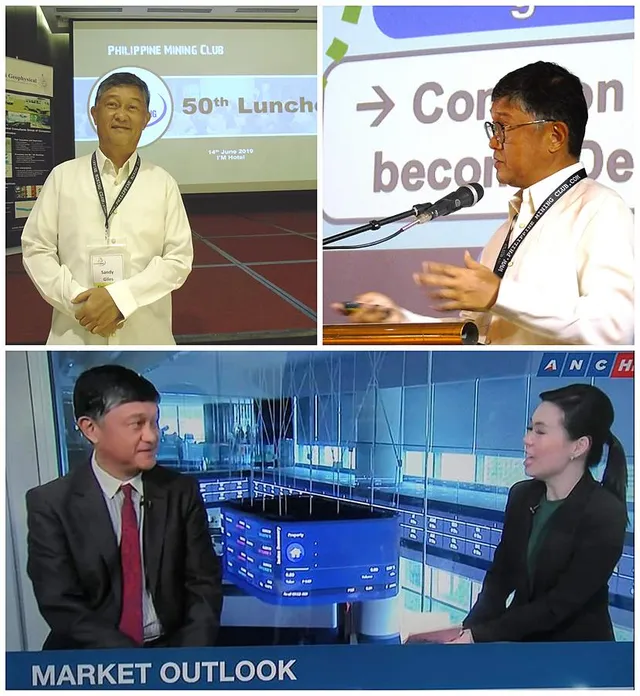
Stock Market speaker, Mr Alexander "Sandy" N. Gilles, CFA, has been involved with the Philippine Mining Club Luncheon since April of 2011. It is a professional networking forum and event that provides a venue for mining industry executives, professionals, students and stakeholders. The club is affiliated with the Melbourne Mining Club and luncheon meetings are held every other month.
Last August, Philippine Mining Club (PMC) celebrated their 50th Luncheon Anniversary. On our previous edition, we featured an interview of its founder and Managing Director, Mr Kevin Lewis. This time, Mr Gilles shares his story about PMC’s early days and the team’s life behind the scenes.
Mr GIlles is a regular speaker and presenter at PMC for for five minutes of “Stock Watch” where he explains how to gain from stock market moves, whether of a mining company who is presenting its operations, or how to profit from any good economic news.
He is a Chartered Financial Analyst (he has passed three exams that are globally-recognized as the board exam for investment analysts) and lecturer on Philippine Stock Exchange seminars. He is a Consultant for Market Education at First Metro Securities where he educates retail investors (mostly beginners) in the stock market and in mutual funds.
Mr Gilles is a graduate of the University of the Philippines, with a cum laude degree in BA Communication Arts in Journalism. He has a Masters Degree in Applied Business Economics in University of Asia and the Pacific. He has been writing about the stock market since 1990.
He used to teach at the graduate school of business at De La Salle University. Every month, Mr Gilles is interviewed on ABS-CBN News Channel (ANC) and One World TV (formerly Bloomberg TV 5).
PRJ: How long have you been part of the PH Mining Club?
Mr Gilles: “From the beginning. Kevin Lewis approached me about setting up the first ever mining luncheon. We brainstormed and we helped one another find the first speakers.”
“The first-ever speaker was Mr Fernando Moya of Vale Exploration Phils. He spoke about the work done by this Brazilian mining company. That took place five in 2011 or 50 meetings ago.”
“I was privileged to be invited to speak on the Stock Watch. I describe the behavior of listed stocks in mining. I show the pros and cons of the Philippine stock market, and whether the audience can make or lose money by buying the shares. Why not do something practical and make a bet that the share prices might go up, assuming the future is bright for the mining company?
PRJ: What is it like being part of the Phililippine Mining Club events? What are the challenges behind the scenes?
Mr Gilles: “Organisationally, the event requires a lot of planning to make it happen. Hard work. We thank the Platinum, Bronze and Gold sponsors for giving their support and making the event possible. They contribute to the good of the industry, the community and society. They also get some advertising value. I wish that their sales go up, as a reward for their efforts.”
“And then the good part is that people are very nice and they have a very good networking and community discussion about the challenges facing the country and the industry.”
“The difficulties or challenges are in the details: sound system, lights, the projector, the food and the service. But we try to improve on these organisational details as we go along.”
PRJ: In the past, do you have any encounter with anti-mining activists?
Mr Gilles: “No, in fact this has been a venue for bringing to light all of the hurts of the mining industry in the hands of other parties and whether the local mining industry can indeed play a part in nation-building. People here tend, for the most part, to be responsible miners who are thinking in terms of working with integrity and also how to do their share in nation-building and improving the exports of the country.”
PRJ: Could you share with us your thoughts about the Philippine mining industry in general and how it is doing in the stock market?
Mr Gilles: “We have about 11 mining stocks listed. I think Nickel Asia Corp. is one of the bigger ones, and Semirara also. There are 8 or 9 relatively inactive stocks. They're in mining and oil index. I think that the more that profits go up, then the more that they can have more attention from stock market investors. The mining companies have to focus on steady, rising growth in net profits and that's how they will be able to promise higher cash dividends and be able to see higher share prices and greater participation.”
“These days, mining stocks are doing poorly in the stock market, just a mirror of their lethargy at the mine sites. Generally, mining company shares are weaker than, say infrastructure stocks, or consumer stocks, or property stocks, or shares of stock of banks.
Those other ones are doing fine. They are experiencing strong demand and good sales. The mining industry is facing declining sales and net losses.”
“Everyone seems to be against mining and sometimes for the wrong reasons because of misconceptions. So the mining industry is dealing with misconceptions, trying to wipe them aside, but along comes a new misconception.”
“Mining industry does not have many friends. You could argue that maybe it deserves it reputation, maybe half of it is true. There have been environmental problems in the past, but the other part, that is also true that there are responsible mining companies.”
“So if you give them the chance to prove themselves, they will not only dig the minerals out of the ground but rehabilitate and reforest afterwards.”
“I understand there are many places where you can mine where the land is no good for agriculture because there are so many rocks in the ground where the plants won’t grow. So when you remove the rocks from the ground and you replace it with topsoil, it does a favor to the environment.”
“A lot more people need to see the many good things mining does so that they don't keep on harping on all the negative things that may have happened to a few of the mining companies in the past.”
PRJ: Do you have a message to the readers of Philippine Resources Journal that you would like to impart to them about supporting further the Philippine Mining Club events?
Mr Gilles: “Dear readers, please keep inviting your influential friends and contacts to the Mining Luncheon. Refer also more sponsors. With better luncheons come better understanding between the mining executives and regulators, between the mining executives and the greater community, meaning all affected parties. I trust that the Luncheon does its share in promoting peace and understanding… removing prejudices and misconceptions.”
“May there be a fair and free exchange of ideas so we can have some nice economic progress and strong mineral exports.”
“Also, I would like the readers to contribute scholarships or provide contacts to help the college students of Geology and Mining Engineering. For the meantime, they might all have to apply for jobs abroad. But one day, when the business environment becomes more than 51% pro-mining in the Philippines, then they might all be able to come back from overseas jobs, and start working in local mines.”
“It might take many years for the local business, opinion-leaders to be pro-mining. I think that due to resistance, not much exploration is being done. If there are explorations being done, they are stuck there. There is not much production. And where there is production being done, there is not much potential for export or refining. Not yet. ”
“So a lot of things have to happen for the mining (and oil) industry to “find its feet” and start running. Lucky for other industries like banking and real estate, they don’t have to suffer public-relations attacks. Their role in the national economy is now respected beyond question. I wish the same for the Mining and Oil industries.”
Pop culture, movies, novels, literature, comic books and even video games often catch our attention and sometimes become our momentary bliss as we try to escape the real world... to find entertainment or to relax our minds. These modes in media are quite influential in ways that most of us are unaware of. For young minds or lay people who have no background in the field of Geology or Mining Engineering, their perception of the mining might be influenced by movies and books.
Is this helpful in promoting proper information? Is it somehow injecting a negative impression towards mining where lay people believe what is fiction rather than true science?
In the film industry, mining is a popular topic in science fiction movies. In the Star Wars movie trilogy, prequels and sequels (in films and novels), it seems evident that storylines show the importance of mining. There are many parts of Star Wars films or books where pro-mining sentiments are projected.
Without mining in the Star Wars universe, there are no lightsabers, laser blasters, Star Destroyers, Imperial Fleets or Death Stars. For example, the lightsaber (a fictional and signature weapons of the Jedi Order and Sith Lords) are dependent on kyber crystals (a fictional precious gemstone) for its source of power. In the story, young Jedi apprentices are sent to the Crystal Caves of an ice planet to mine crystals. From there, they can build their own lightsaber. [1]
Darth Vader’s success as a leader is marked by the completion of two Death Stars. Mining of minerals made the creation of these battle stations possible.
Moreover, In the 2016 film, “Rogue One: A Star Wars Story”, an ancient Jedi Temple (Temple of the Whills) was looted by the Imperials for their kyber crystals which were used for the first Death Star that they were building.
Story plots of Star Wars films and novels often show the life of miners and how communities are affected by mining. For example, back in 1977, a Star Wars novel was published titled “Splinter of the Mind's Eye” by Alan Dean Foster. In this novel, Luke Skywalker and Princess Leia were stranded in a swamp-like planet. In order to escape from the Imperials, they concealed their identity by pretending to be miners. The story somehow reflected the life in a planetary mine site.
The 1992 novel “Star Wars: Dark Force Rising” by Timothy Zahn also had chapters were mining and its effect on a planet were discussed.
Mine sites also made its mark in significant scenes in Star Wars films. In “Star Wars: Episode III - Revenge of the Sith” in 2005, two fictional mine sites were mentioned.
At the mine site of Planet Utapau, Jedi Knight Obi-wan Kenobi had a fierce duel with the strange cyborg leader of the Separatist Army, General Grievous. With all the noise, sarcastic lines and blinking lights in the scene, perhaps it is hard to notice that the background resembles an open pit mine. Utapau is a planet with many sinkholes wherein alien cities are found and mining is their main occupation. This is also the hideout of the Separatist Army.
Later in the film, we are taken into another mine site. Do you remember how Anakin became Darth Vader? He had a fatal duel with his teacher, Obi-wan while they were at the Mustafarian mining complex in Planet Mustafar. This mining complex is an ore-collection complex in a volcanic planet. The mining facility was also used as a secret hideout of a battle droid factory.
Although Star Wars films and novels seem to project a pro-mining picture, these two fictional mine sites in SW Ep III have a negative connotation. First, mine sites are used as secret hideouts of criminals and their illegal activities like manufacturing weapons and aggressive use of military technology. Second, mine sites are dangerous. A young hero can be badly injured and end up being the villainous Darth Vader.
Aside from Star Wars in 1977, there was also Battlestar Galactica in 1978 by Glen A. Larson.
The movie had a TV series in 1980 and 2009, plus a miniseries in 2003. Mining was rarely mentioned in the film or TV series but the Galactica star fleet does have a Mining Ship designed to gather ores and water from asteroids. Mining became more prominent in Battlestar Galactica on its online gameplay. Therefore the concept of asteroid mining is depicted where mining titanium and water are needed to upgrade spaceships and provide fuel.
If “Star Wars” and “Battlestar Galactica” present pro-mining messages, do you think films like “Avatar” and “Man of Steel” are doing the opposite?
In 2009, James Cameron’s “Avatar” brought us into the world of Pandora, a habitable moon in the Alpha Centauri star system, which is inhabited by a local tribe of Na’vi (blue-skinned humanoid species of Pandora).
The humans inhabited Pandora primarily for the mining of a rare mineral called Unobtanium, a fictional superconductor element not found on Earth. This mineral is needed to save Earth from an energy crisis. Eventually the mining colony expanded and it threatened the existence of the local tribe. The movie presented how mining affects the lives of indigenous people and the environment. Is the problem here mining or is it greed and misuse of technology?
In the 2013 film “Man of Steel” (by David Goyer and Christopher Nolan) anti-mining sentiments were not presented directly. However, there was a scene when a holographic recording of Jor-el (Superman’s father), explained how Planet Krypton exploded. He said, “We exhausted our natural resources. As a result, our planet's core became unstable.
Eventually, our military leader, General Zod, attempted a coup, but by then it was too late.” [2]
Jor-el did not directly say that mining destroyed Planet Krypton, but the concept of “exhausting natural resources” and “planet’s core became unstable” could be hints of irresponsible mining. That part is left for audiences to think about.
Looking at classic literature novels, mining and the life of miners were the main topics in Jules Verne’s “The Underground City” (1877) and “The Call of the Wild” (1903) by Jack London.
The French sci-fi writer, Jules Verne wrote “Les Indes noires” (The Black Indies) which had English titles like “The Child of the Cavern”, or “Strange Doings Underground”. Other English titles for the novel were “Black Diamonds” and “The Underground City”. The novel is about coal miners in the mining community of Aberfoyle near Stirling, Scotland back in the 1800s. The mysterious setting showed how mining can bring a community together or perhaps how it can bring danger to some in an underground mine site.
“The Call of the Wild” is an adventure novel by Jack London that tells a story of a dog named Buck. The story took place in 1890 in Yukon, Canada during the height of the Klondike Gold Rush. In those times, strong and reliable sled dogs were in high demand due to their ability to survive the harsh winter climate. Buck was stolen from his home in Santa Clara Valley and sold as a sled dog in Alaska.
The book is not science fiction but is a fictional novel based on real-life events about gold mining. It tells us about the historic Klondike Gold Rush in 1896 - 1899. Gold was discovered there by local miners on 16 August 1896. When news reached Seattle and San Francisco the following year, around 100,000 prospectors migrated to Klondike region of Yukon (north-western Canada). Some became wealthy while others failed. The Klondike Gold Rush became a part of popular culture at that time.
In summary, no matter how mining is presented by pop culture or media, it brings awareness on how mining plays a vital role in nation-building through infrastructure. Mining also determines the success or failure of a nation at war. The portrayal of miners, engineers and scientists in films or novels gives its audience or readers an awareness of the difficulties of working in a mine site.
The Star Wars Universe for example may be science fiction, but the concept behind mining for minerals, industrialisation, political conflicts, economic issues and wars are reflective of real life struggles.
For professionals in the mining industry, the challenge is to help young people and lay people find the balance between facts and fiction. Let us help them understand the scientific facts versus science fiction with regards to mining.
Was there a good movie or book that inspired you towards a career in mining or infrastructure? Can you think of a good movie or novel where mining was a center of the plot or narrative?
[1] https://starwars.fandom.com/wiki/Kyber_crystal
Other reference - https://www.starwars.com/
[2] https://www.quotes.net/movies/man_of_steel_132084
* “The Call of the Wild” by Jake London, book cover by Paul Bransom and Charles Bull (1890)
PNG Forest Products
PNG Forest Products has been an industry leader in Engineered Wood Products since 1954. Their extensive range of products for the domestic and export markets includes treated pine timber and plywood; kit homes and pre-fabricated buildings; project construction and infrastructure development; ; modular bridging and decking systems. All timber is sourced from renewable Papua New Guinea pine plantations and pressure treated to protect it from wood eating insects and fungal decay. The processing plants in Bulolo are powered by PNGFP’s own sustainable Hydro Power stations. The combination of renewable timber resources, processed with sustainable hydro power makes PNGFP’S Engineered Wood Products truly and uniquely 100% green.
Innovative Bridging Solutions
PNGFP NiuBridge
PNGFP NiuBridge is a pre-fabricated, light weight, modular bridge system that offers fast, cost effective and reliable solutions for long term and temporary bridging installations. Easy to transport, the prefabricated modules come in spans up to 24 metres that are quick and easy to install.
The NiuBridge System includes deck, girders, kerbing and accessories, and comes with a pre-applied bitumen deck-wearing surface. Little maintenance is required thanks to PNGFP’s unique veneer preservation treatment, ensuring complete protection from termites and rotting. Manufactured from plantation timber to both AS/NZS 2269 and AS/NZS 1604 standards, NiuBridge exploits the advantages of natural timber which is not subject to fatigue failure like that of other materials like steel and concrete. Available in single lane, dual lane, or custom design, NiuBridge is suitable for a range of load conditions including Austroads T44 and AS 500 Bridge Design.
NiuBridge is system-tested and certified by University of Technology Sydney, including full scale destructive testing. With a design life of 50+ years and installed cost base typically under half that of equivalent concrete or steel, NiuBridge is the ideal, most cost effective solution for bridging installations available in this region.
PNGFP NiuDeck
PNGFP NiuDeck is a purpose designed and engineered heavy plywood decking system, providing cost effective solutions for bridge rehabilitation. Ideally suited for refurbishing timber or steel supporting structures, NiuDeck facilitates bridge widening, including pedestrian walkway, by the use of cantilevers. Light in weight, it’s quick and easy to install, after which a deck wearing surface is applied to enhance durability and longevity.
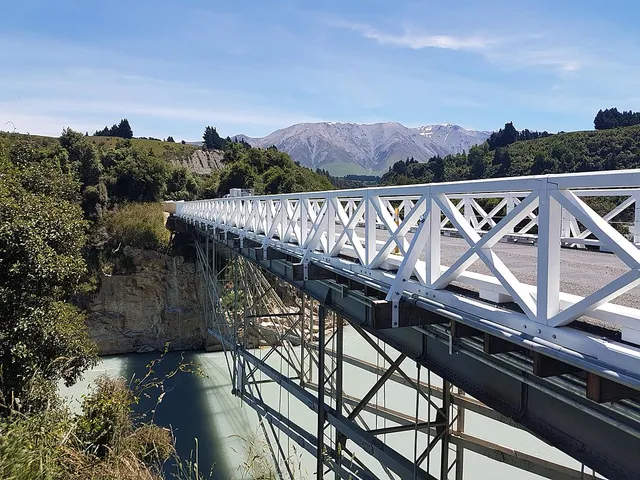
NiuDeck is widely used by local and state governments in Australia and in 2018 was selected for a major project in New Zealand. The Rakaia Gorge Bridge is one of the oldest wrought iron bridges in New Zealand, constructed around 1882. Due to the poor condition and constant maintenance of the original timber plank design, engineering firm Opus was engaged to design the rehabilitation of the running deck of the bridge. After exhaustive research NiuDeck was chosen due to its proven track record as a structurally designed, Engineered Wood Product. For more information on these and other innovative PNGFP products go to their website at www.pngfp.com.
Opus reported that the advantages of NiuDeck above a like-for-like replacement included: The NiuDeck panels are lighter and stronger than hardwood, with the weight savings leading to increased live load capabilities; NiuDeck provided flexibility, enabling rapid night installation so the bridge could remain open during the day.
This project was nominated for an INNOVATE NZ Award of Excellence, New Zealand’s top engineering awards, which are only nominated for work that “raises the bar of performance”.
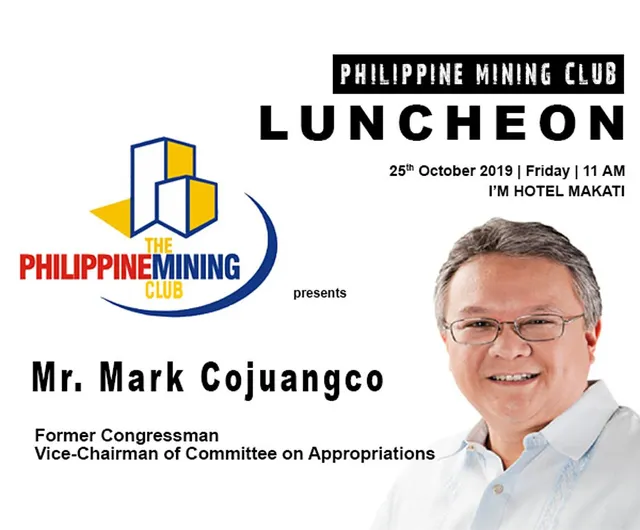
Usec. Bayani H. Agabin and Mark Cojuangco at the PMC Luncheon | 25th October 2019
Come and join the 200+ attendees!
Mr. Bayani H. Agabin is currently the Undersecretary of the Department of Finace of the Republic of the Philippines. He is also the Focal Person and Chair of PH-EITI.
Topic:“Forging New Frontiers” Fifth PH-EITI Report (Philippine | Extractive Industries Transparency Initiative)
Mr. Mark O. Cojuangco served as the Representative of the 5th Congressional District Of the Province of Pangasinan from 2001 to 2010. He focused on infrastructure projects, believing that quality and not just the quantity of projects, are the catalyst for economic development.
During his incumbency as a Member of the Lower House of Congress, he was elected Senior Vice-Chairman of the House Committee on Appropriations, a position he held for six consecutive years.
Topic: Assessing the Viability of Nuclear Power in the Philippines: Opportunities, Challenges and Issues
Time: Registration starts - 11:00AM | Program starts - 12:15 noon sharp | Ends - Approx. 2:30-3:00PM
Date: Friday | 25th October 2019 Venue: I'M Hotel | 5F Narra Ballroom | corner Makati Ave. and Kalayaan ave. (Plenty of basement parking)
Attire: Smart Casual
Cost: Php 1,800 pre-paid before the event | Php 2,000 at the door | Php 1,600 Diwata members (inclusive of Lunch and Refreshments)
*** Bookings not cancelled 3 business days before the event will be billed at full cost ***
(Photo courtesy of Mr Jason Magdaong, OceanaGold Phils. Inc. - “Didipio Mine: The Renewal of the Philippines’ First FTAA”)
According to OceanaGold Corporation (Melbourne), the Philippines Court of Appeals in Manila had set last 18 September 2019 as the hearing date for the company's application for a Writ of Preliminary Injunction. This is part of the company's appeal against the Nueva Vizcaya Provincial Court ruling of denying OceanaGold Phils. Inc.’s (OGPI) request to end the unlawful restraint of operations.
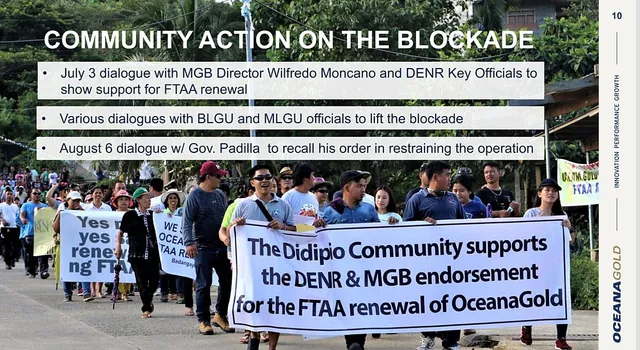
The Provincial Local Government Units of Nueva Vizcaya (PLGU) has been impeding access to the mine site since 1 July 2019. This is in response to an unlawful directive from the Governor to 'restrain any operations of the company. OGPI points out that the regulatory authority over the Didipio Mine rests with the National Government. They also clarified that the Local Government Code of 1991 (Republic Act No. 7160) does not grant the power of authority to the Provincial Governor or any local government officer to restrain any aspect of the Didipio operation. [1]
OGPI continues to work with the National Government to finalise the renewal of their Financial or Technical Assistance Agreement (FTAA) and remains open to the opportunity to engage with the Provincial government and work together in the best interest of the local stakeholders. The Company remains strongly committed to operating in accordance with the law and will always comply with its responsibility under its contract with the Philippine Government. [1]
Mr Mick Wilkes, President and CEO of OceanaGold said, "The Company has successfully developed and operated the Didipio Mine in the Philippines with a focus on delivering socio-economic benefits to local communities utilising international best practices and gaining a strong social license to operate. OceanaGold has established sound and collaborative relationships with regulatory authorities and stakeholders based on mutual respect."
"While this process is taking some time, we will always operate in line with our values and commitment to responsible mining, and this means working transparently with the Philippine regulatory authorities to maximise the speed of the renewal. We are encouraged by the engagement with the government to date as we continue to work towards a mutually-acceptable path forward on the FTAA renewal."
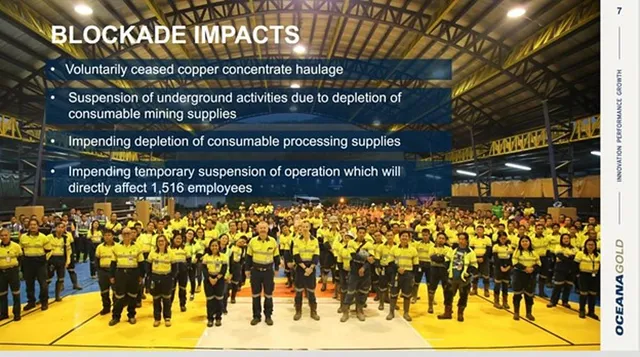
"I would like to recognise our world-class Philippine workforce of 1,500 workers who have remained focused on safety and preserving optionality at site during this uncertain time. We are proud to have positively contributed to the Barangay of Didipio, Province of Nueva Vizcaya and Quirino and neighbouring communities since 2012." [1]
The Didipio Mine of OceanaGold Phils. is an underground gold and copper mine located across the provinces of Quirino and Nueva Vizcaya. The mine operation has received numerous awards such as two Presidential Awards for being the most environmentally and socially responsible mining operations in the Philippines. Overseas, the company was awarded the 1st ASEAN Mineral Award for best practices in sustainable development.
OceanaGold's Didipio mine site (Philippines) is considered one of the safest gold mining operations in the world because for the past two years, the company has deployed state-of-the-art automated and digital underground mining technology.
For the past years, OGPI’s Didipio project has been providing significant socio-economic assistance to the province of Nueva Vizcaya and Quirino. Other than providing jobs to 1,500 workers (97% are Filipinos, 59% are from local communities) the company also provides several thousands of additional livelihood opportunities and indirect jobs through partnerships with cooperatives and social development organisations.
As an international company, OceanaGold Corporation is a mid-tier, high-margin, multinational gold producer with assets located in the Philippines, New Zealand and the United States. The Company's assets encompass the Didipio Gold-Copper Mine located on the island of Luzon in the Philippines. In New Zealand, OceanaGold Corporation operates the high-grade Waihi Gold Mine, the Frasers mine, and the largest gold mine in the country at the Macraes Goldfield. [1]
In the United States, the Company operates the Haile Gold Mine in South Carolina. The Haile Gold Mine is a top-tier, long-life, high-margin asset. OceanaGold Corporation also has a significant pipeline of organic growth and exploration opportunities in the Americas and Asia-Pacific regions.
From their media release, the Company states, “OceanaGold has operated sustainably since 1990 with a proven track-record for environmental management and community and social engagement. The Company has a strong social license to operate and works with its valued stakeholders to identify and invest in social programs that are designed to build capacity and not dependency.” [1]
“In 2019, the Company expects to produce between 500,000 to 550,000 ounces of gold and 14,000 to 15,000 tonnes of copper at All-In Sustaining Costs ranging between $850 and $900 per ounce sold.” [1]
#DidipioMine #OceanaGoldPH #ResponsibleMining #Philippines
[1] OceanaGold Corporation Media Release - 13 Sept. 2019, retrieved from - https://www.oceanagold.com/investor-centre/news-releases/
Photos: Courtesy of OceanaGold (Phils.) Inc. - Retrieved from - https://www.oceanagold.com/downloads/images/
The Didipio Mine of OceanaGold Philippines Inc. (OGPI) is a gold and copper mine located across the provinces of Quirino and Nueva Vizcaya. It is considered one of the safest gold mining operations in the world.
OGPI received numerous awards such as two Presidential Awards as the most environmentally and socially responsible mining operations in the Philippines. On the international scene, the company was awarded the 1st ASEAN Mineral Award for best practices in sustainable development.
OGPI’s Didipio mine site is considered one of the safest gold mining operations in the world, because for the past two years, the company has deployed state-of-the-art automated and digital underground mining technology. The Didipio Mine also implements International Organization for Standardization (ISO) certified environmental management system (ISO14001:2015), Occupational Health and Safety Management System (OHSAS 18001:2007) and Energy Management System (ISO50001:2011).
It is notable that OGPI has delivered significant socio-economic benefits to the Barangays of Didipio, neighboring communities, the province of Nueva Vizcaya and Quirino. It directly employs 1,500 workers where approximately 97% are Filipinos, with 59% hailing from local communities. The company also provides several thousands of additional livelihood opportunities and indirect jobs through partnerships with cooperatives and social development organisations.
“OceanaGold has given us our three basic needs: School, Roads and Electricity,” Pastor Efren H. Bulawan, Resident and Local Didipio Leader. [1]
During the September Monthly Membership Meeting of the Philippine Mining and Exploration Association (PMEA), Mr Jason Magdaong, Environmental/MEPEO & Compliance Manager of OceanaGold Philippines, Inc. was a guest speaker. His presentation was titled “Didipio Mine: The Renewal of the Philippines’ First FTAA”. [2]
From his report, he stated that OGPI generated over 3000 jobs as part of its economic contribution to the country. In the development of their host communities, they have the following accomplishments:
a total of 119kms of road improved and developed
201 scholars graduated since 2007, 11 mining engineers produced
trained and produced 114 local residents as globally competitive underground mine workers
established a community-owned corporation that offers a multitude of services of OGPI
financially and technically supporting 13 agricultural cooperatives and establishing local and regional markets
FTAA Renewal Process and Challenges
On March 2018, OGPI submitted its applications for its Financial or Technical Assistance Agreement (FTAA) renewal with the Philippine Government. The company is currently working with the National Government to complete the renewal.
As of 20 June 2019, Mines and Geosciences Bureau (MGB) issued a letter authorising the Didipio Mine to continue its operations while the confirmation of the FTAA renewal by the Government is pending. By 25 June 2019, the Provincial Local Government Unit of Nueva Vizcaya (PLGU NV) ordered the Provincial Environment and Natural Resources Office (PENARO), Philippine National Police (PNP), Municipal Local Government Unit of Kasibu (MLGU) and Barangay Local Government Unit of Didipio (BLGU) to restrain any operations of the company after 20 June 2019.
Then, on 1 July 2019, BLGU Didipio started blockade and hindered access to and from the mine site in response to the PLGU NV Order. By 25 July 2019, the Regional Trial Court (RTC) of Nueva Vizcaya denied the Writ of Preliminary Injunction prayed by OGPI to enjoin the enforcement of the Order pending the determination of the case with the local court. On 29 July 2019, OGPI appealed the decision by the RTC to deny the Injunction of the Court of Appeals
This blockade has the following impact on the Didipio mine operation:
voluntary ceased copper concentrate haulage
suspension of underground activities due to depletion of consumable mining supplies
impending depletion of consumable processing supplies
impending temporary suspension of operation which will directly affect 1,516 employees
The blockade also affects the community through the suspension of the PHP300M+ worth Social Development Management Program and Corporate Social Responsibility Projects of 11 beneficiary barangays with 15,000+ residents, namely:
273 Barangay Health Workers, Security/Utility, Teachers and SDMP Staffs being subsidised
193 scholars currently being supported
3,000+ members/employees of cooperatives being assisted
Additionally, major community development projects are on hold, namely:
Nueva Vizcaya and Quirino Road network
Didipio water system
Kasibu Sanitary Landfill
Didipio Gymnasium
In response to the blockade, the community resorted to the following action:
July 3 dialogue with MGB Director Wilfredo Moncano and DENR Key Officials to show support for FTAA renewal
Various dialogues with BLGU and MLGU
August 6 dialogue with Governor Padilla to recall his order in restraining the operation
In summary, OGPI is actively working with the national government in finalising the renewal to ensure another 25 years of operation. The company is also involved in continuous efforts to try and engage with the Provincial Government, continuous community support for the renewal, and continuous legal process on the Governor’s restraint order. OGPI stated that they remains focused on the safety of workers and the environment.
When the Didipio Operation started in 2013, it became a catalyst for an enormous economic transformation and development. OGPI’s major initiative was to contribute to the local economy through the construction of a PhP43-million senior high school building at Eastern Nueva Vizcaya National High School. [1]
OceanaGold Philippines Inc. is a proud member of the UN Global Compact, which means absolute transparency in their commitment to the universal sustainability principles of human rights, labour, the environment and anti-corruption. This commitment is front and center of their corporate governance and at the heart of OGPI’s Didipio operations, because sustainability means earning the right to remain a valuable part of the community for many years to come. [1]
[1] Retrieved from OceanaGold Philippines Inc. Facebook page
[2] Magdaong, Jason. (3 September 2019). “Didipio Mine: The Renewal of the Philippines’ First FTAA”. Presentation during the Monthly Membership Meeting of the Philipping Mining and Exploration Association (Manila Elks Club, Makati City)
Open pit and underground mining below the water table is challenging, and requires dewatering and groundwater control. In the past mining projects have suffered major setbacks due to slope failures or, in extreme cases, been abandoned due to flooding or poorly managed groundwater and dewatering systems.
Effective mine dewatering provides multiple benefits including: reduced downtime due to flooding, improved safety in open pits, reduced blasting costs, and reduced haulage costs due to transportation of dry material.
Mine dewatering is a demanding process, with significant solids and slurries. The pump size and wet end material selection is therefore extremely important as it contributes to the overall reduction of the project costs by providing low cost of ownership.
Higher flow rates can be achieved by using multiple units in parallel. For deeper open pits, higher discharge heads are achieved by arranging pumps in series, with booster pumps located partway up the pit slopes.
Steven Essel, Head of Product Management for Weir Minerals Europe, explains: “Mining below groundwater level presents many challenges and can result in increased mining costs and reduced efficiency. Weir Minerals has extensive experience in supplying pumps for dewatering solutions, our engineers provide technical support during groundwater investigation and can tailor a solution including installation and maintenance, to meet the unique dewatering requirements.”
Tackling challenges by dewatering pumps
Dewatering pumps typically run for years with minimal maintenance. However, as with any mechanical device, problems do arise from time-to-time. Most problems are due to suction issues, exceptions include closing a discharge valve on a pump causing the remaining fluid to heat excessively and damage components such as the housing, bushings and seals.
“When selecting dewatering pumps the application requirements must first be considered, particularly in applications with a presence of suspended solids and slurries. Correct sizing, material selection and observing the pump fundamentals helps us meet the specified performance requirements,” states Steve Essel.
There are fundamental rules to ensure low maintenance and cost of operation which include; selection of the correct wet end materials, providing sufficient net positive suction head (NPSH), reducing friction losses, ensuring that no elbows are installed on the suction inlet, eliminating air from entering the suction line and ensuring piping alignment.
Pumps are constantly evolving to enhance performance and reduce the total cost of ownership. Original Equipment Manufacturers are implementing measures to monitor performance and provide real-time predictive maintenance.
This approach offers cost savings over routine or time-based preventive maintenance, because tasks are performed only when required. The main advantage of predictive maintenance is to allow convenient scheduling of corrective maintenance, above all to prevent unexpected equipment failures. Therefore the key is “the right information at the right time”.
Weir Minerals offers a full range of dewatering solutions and products from vertical pumps to floating pontoons and barges from long-established brands such as Multiflo®, Warman® and GEHO®. For more information visit www.dewateringsolutions.weir
Its All About the People
For RDCL its all about the people. It’s Malasakit, family and caring; these concepts capture RDCL’s ethos. That is how we engage with clients. When you join with us and work together we all realise our common goals, and we want everybody who engages with us, to come out better as a result.
Searching to do things better. That is what we strive for at RDCL. Just like the famous All Blacks - the most successful team in the world - who consistently inspire their people, drive to improve and successfully disrupt the way the game is played. For us, we have assembled a world-class team of geologists, geophysicists and geotechnical engineers, with a view to being the best in the business when it comes to in-situ ground testing.
With a focus on people, safety and quality assurance, RDCL has an enviable safety record, ISO9001 certification and highly successful track record of delivery in the Philippines since 1994.
Don’t Gamble with the Ground
Talk to us first. Unforeseen ground conditions are one of the single greatest risks to any mining or infrastructure project.
There is strong correlation between a ‘lowest cost’ approach to ground investigations resulting in project delays, inflated contract price and expensive project cost overruns.
Together let’s appropriately-scope geotechnical investigations, execute them to an excellent standard because it’s a right thing to do. The cost of up-front investment compared to the potential cost of unsatisfactory ground performance or unforeseen ground conditions, is a simple equation.
Under-investment in site investigations, leading to unreliable data and inadequate coverage most often lead to cost overruns and delays at the design, tender and construction stages by failing to adequately identify ground issues (Clayton, 2011).
In short, the smart money knows, and international evidence proves that a comprehensive site investigation can pay for itself many times over in construction and the project life cycle, with timely, early intervention (is the) most effective (Lazarus & Clifton, 2001).
Projects Penalised by Poor Practice
With over 25 years, working continuously in the Philippines, Cam Wylie Principal Engineer and Managing Director at RDCL has seen many projects and a lot of ground investigation. Without pulling punches, he believes many projects have stalled due perceived ground risk leading to inflated contract price. In his view, that is often due to poor ground investigation centered on “drillholes”, with poor recovery and quality assurance.
The Rights Tools for the Job
RDCL brings modern ground investigation techniques and makes them available in the Philippines to greatly improve project outcomes. Combined with smart surface geophysics and other downhole measurements such as pressuremeters and shear wave velocities, it is easier to understand the previously unknown. RDCL provides a better dataset so contractors and improve certainty in project estimation.
Even with poor drilling, downhole geophysics using televiewers provide a more accurate picture of ground conditions in the borehole walls. This is game changing technology providing a factual, repeatable log of ground not directly affected by the drilling or logging process. The high resolution optical and acoustic logs are digital and produce details that are easily stored for the future for reference during the project life.
As an engineer if you are trying to define fracture zones, accurately map orientation and dip from core and need reliable Rock Quality Designation (RQD) then use televiewers, it makes your job easier.
Cone Penetrometer Testing (CPT) for soft sediments and tailings is leading technology widely deployed in the rest of the world, and available through RDCL in the Philippines. CPT is very fast, accurate and repeatable. CPT is the most versatile in-situ soil test available. The data aids in many geotechnical assessments including liquefaction, bearing capacity (foundations) and settlement.
Make RDCL Your First Phone Call
RDCL has the people and equipment on the ground in the Philippines to execute high quality ground investigations. Our teams and tools are suited to your projects and together we combine our expertise with your design teams to execute any project.
We welcome all inquiries and work best when we engage closely with you to understand your job. That’s what Malasakit means. We invite you to join with us as we take our professional journey towards bigger goals.
It is important for gold mining industries to choose high quality activated carbon in order to improve yield and decrease losses in gold operations. At Philips Carbon, Inc., the company understands that every gram counts.
What is Activated Carbon?
Activated carbon is a processed form of carbon which is extremely porous and with high surface area making it very effective to capture and hold materials. It can be produced from coal, wood, coconut or other carbon-rich organic materials.
The Making of Activated Carbon
Activated carbon is produced through carbonization and activation. The raw material is first carbonized by converting the organic matter into a solid porous carbon through pyrolysis or destructive distillation. The carbonized material or char will then be activated either through chemical or physical activation.
In chemical activation, the char is exposed to acids then subjected to high temperatures. On the other hand, physical activation is done by exposing the raw material to high temperature and steam. Both methods produce different performance for activated carbon. Combination of different raw materials, activation technology and process parameters produce a wide variety of products for a wide variety of application and economic considerations.
Activated carbon Thru Time
It was the Egyptians that first used carbon in the form of charcoal or coal for smelting ores to create bronze in 3750 B.C. In 1500 B.C., they also used it for intestinal ailments, odor adsorption, and for writing. In 400 B.C., the Hindus and Phoenicians used it for water purification. It was in 50 A.D. that Hippocrates and Pliny began using carbon to treat different ailments such as vertigo, epilepsy, and chlorosis.
With technological advancements in the modern times, activated carbon is used to purify liquids and gases in a variety of applications, including municipal drinking water, food and beverage processing, odor removal, and industrial pollution control.
Choosing the Right Activated Carbon for Gold Recovery
There are different types of activated carbon for every type of application. Choosing the right type of activated carbon is oftentimes overlooked because it can be a costly process and the physical appearance is almost the same. However, selecting the ideal activated carbon can give you a competitive advantage.
In the mining industry, the use of activated carbon to separate gold from cyanide leaching solutions has become a standard practice in efficient gold recovery in Carbon-in-Leach (CIL) and Carbon-in-Pulp (CIP) and Carbon-in-Column (CIC).
To ensure maximum gold recovery in your operations, the following considerations should be considered:
1. Adsorptive Capacity (K-value) or Loading Capacity refers to how much the activated carbon can adsorb.
2. Adsorption Rate (R-value) refers to the rate of adsorption
3. Mechanical Strength and Hardness refers to the resistance of the material to be crushed or abraded into smaller particles which results in carbon loss and gold.
4. Particle Size Distribution is the size of the carbon granules. It is closely linked to adsorption rate, pressure drops in system and screening efficiency.
With the above in mind, coconut based activated carbon is most suitable for gold recovery as it exhibits most characteristics above.
Choosing Philips Carbon, Inc. Activated Carbon
In the same way that it is beneficial for mining companies to select the ideal activated carbon, it is also an advantage to select Philips Carbon, Inc. as the source of excellent activated carbon. The company follows a strict raw material selection and production processes. The company’s commitment to quality is exhibited by its ISO, Halal, and NSF Certifications and its repeat customer transactions in mining companies in South America, South Africa, Australia, and Russia for several years, proves the reliability and consistent quality of its products.
About 270-kilometers north of Metro Manila lies the mineral rich barangay of Didipio in Kasibu, Nueva Vizcaya. It is home to some 4,000 people and the Didipio gold-copper mine.
OceanaGold is working with the Philippine government through the country’s first Financial or Technical Assistance Agreement (FTAA)--an agreement that allows the large-scale exploration, development and utilization of gold, copper, nickel, and other metallic minerals in the Philippines.
The mine started its commercial production in 2013 and has since paved the way for a massive economic transformation, which connected the barangay to information, education, jobs, and markets.
“We felt the hardship before OceanaGold came to Didipio. There were no roads, our agricultural products were not able to reach the market. OceanaGold has given us our three basic needs: school, roads, and electricity. The business opportunities boomed and work opportunities increased when the Company started operating,” says Pastor Efren H. Bulawan, resident and one of the local leaders of Didipio.
Single dirt track and fire roads that were once only passable to pedestrians and motorcycles were turned to paved boulevards that facilitated movement of cars, goods, and people; suddenly, there was electricity and better cellular signal; suddenly, people from neighboring communities turned to Didipio for economic opportunities.
Growing opportunities from the land
The barangay’s pivot to mining did not stop OceanaGold from pouring support to community agriculture--after all, the barangay has been producing mountain vegetables and some palay. It is also home to some citrus farms, which have been reporting lower yields because of the citrus tristeza virus.
In 2015, Dr. Pio Javier, an entomologist from the University of the Philippines conducted an onsite investigation and validated the findings. His research included a forum to share methods for preventing further spread of the pest and disease infestation and production and post-harvest techniques.
The company's collaboration with the Department of Agriculture and the local government units paved the way for the empowerment of close to a hundred local Kasibu farmers on coffee production and some 30 farmers for organic vegetable production.
“In Didipio, there are vegetable farms situated very close to our operating mine. We know that they have excellent produce because we buy some of it through the community’s three local agricultural cooperatives. We have interventions in the production and marketing aspects to ensure that our local partners would have a solid capital and operational foundation,” said David Way, General Manager of OceanaGold Philippines Inc.
OceanaGold, recognizing that agriculture is a main economic activity, also supports ten other local agriculture cooperatives in ten communities adjacent to the mine.
Jobs, jobs, jobs
About 97% of OceanaGold’s employees are Filipinos, with more than half of the workforce coming from Nueva Vizcaya and Quirino. In the mine’s first six years of operation, the company disbursed some PhP 2.5-billion in salaries.
To date, OceanaGold directly employs more than 1,500 people and provides additional employment opportunities for thousands more through cooperatives, suppliers and subsidized workers.
The mine requires a steady stream of mining specialists and technical experts. To safeguard this talent pipeline, OceanaGold runs training and scholarship programs which include the Development of Mining Technology and Geosciences program.
Every year, they allot scholarship slots and provide Php 170,000 in tuition fees and allowances to individual students who want to take up Mine Engineering, Geology, Metallurgical Engineering, Materials Engineering, Civil Engineering, as well as Bachelor of Science in Forestry, and Bachelor of Science in Agriculture.
Engineering, geology, and metallurgy are professions that were not in the horizon of most Didipio residents before the mine came in. The continuous investment on capacity building of both employees and community members elevated their dreams, and tremendously increased their employability and likeliness to start their own businesses.
“We are seven in the family. When I was about to enter college, I knew my parents were worried as I had two other siblings who were in college. So, I worked in DiCorp for a time to earn money for my college education. It was there I saw that OceanaGold offered scholarships, so I applied, got in, and now I’m a mining engineer and working for the Company,” says Wilbur Habiling, resident and scholarship program graduate.
The need to provide for the basic needs of many workers--feeding them three times a day, seven days a week--necessitated auxiliary units, one of which is the Didipio Community Development Corporation (DiCorp).
DiCorp is owned and managed by the town’s residents, with 361 local shareholders and 279 local workers. It offers a multitude of services such as housekeeping, catering, camp administration, transport services and construction services. OceanaGold has awarded several contracts to DiCorp from 2011-2018 with total gross revenue amounting to PHP 1.5B (USD 28M). The growing enterprise is now worth PHP 85.5 million and has extended their services beyond the mine.
“DiCorp. is a perfect example of what local community enterprises can achieve if plugged in to value chains,” says David Way, General Manager of OceanaGold Philippines Inc. He adds, “DiCorp has come a long way and I am proud that it remains to be one of the largest taxpayers in Nueva Vizcaya.”
Technology and Infrastructure
No other private firm has contributed to the infrastructure growth of Didipio as OceanaGold – from roads to health centers, to school buildings and community centers.
In 2017 it made the dreams of local students and educators a reality through the construction of a PhP 43-million senior high school building at Eastern Nueva Vizcaya National High School.
The company has provided essential healthcare for students, improvement of school buildings, and construction of day care centers in the past. The high school building, however, is one of the biggest single investments made locally for education, and this was in view of the K-12 implementation, which some high schools in Metro Manila found hard to comply with.
OceanaGold directly supports infrastructure, training and education, health and enterprise development programs not only of Didipio but of ten other communities adjacent to the mine with combined population of about 15,000 residents.
A final anecdote from a resident
“I wasn’t able to take up high-school in Didipio because there was no high school then. Instead, I went to the municipality of Bayombong, which is about five hours away--very far from my family. I’m proud to say that I’m one of the graduates of the OceanaGold scholarship program. There are about 246 of us and I belong to those who took up courses like mining and geology.
For the past years, I worked as a mining engineer in the Didipio mine. I learned about the environment and how responsible OceanaGold is and I’m proud that we are where we are right now. OceanaGold offered a lot of opportunities to my community and to adjacent barangays. “The Company’s operation has been a blessing to us,” concludes Echievery Baguilat, Didipio’s first local mining engineer.
OceanaGold’s mine life is expected to last until 2032, by which time Didipio could reach or even surpass its full economic and social potential as a barangay in the midst of a lush greenery that characterizes most of Nueva Vizcaya and Quirino, with all the necessities for a comfortable life.
The first half of 2019 proved to be busy, yet a fulfilling period for Green Acres Hydroseeding Inc. the young and emerging company has been targeting multiple sectors within the fast-developing market of hydroseeding.
With another “Roadside Vegetation Establishment / Slope Stabilisation” project working with Ground Specialists Inc. again proving successful, now totalling to three successful projects for this partnership. The Green Acres system is really starting to prove itself in this sector, with multiple success stories leaving no doubt this is an economical and effective solution.
Green Acres have also been working hard with the environmental team at NAC (Nickel Asia Corporation) and are excited to be putting together a Demo project at their site on the north-eastern side of Dinagat Island. Having worked within the mining sector only once before, Green Acres is keen to show off their products capabilities with NAC’s fantastic environmental team. They plan is to utilise their ‘HydroStraw All In One (BFM)’ and ‘GAH Vegetator Seed Mix’ alongside with one of their new products ‘SiltSoxx’, a three-dimensional tubular device made of filter media encased in Filtrexx mesh. The devices are designed to support storm-water management, sediment & erosion control, and pollutant removal Best Management Practices (BMPs). One of the goals given to the company by NAC was the desire to reduce the requirement for berms and allow for longer gentler sloping, without risk of wash out for the hydroseeding. This is something Green Acres is confident they can achieve with the use of SiltSoxx. Which when used as a ‘Slope Interruption Device (SID) – it will create the same effect as the use of berms, without the costly use of heavy earth moving equipment.
Green Acres is also venturing into the construction and landscaping sectors, developing a good working relationship with MDC (Makati Development Corporation) over the course of consulting on several projects. Utilising Green Acres flexibility and access to the U.S. seed market and the expertise of Summit Seed. With imminent plans to move forward with a recreational park project and with multiple other projects on the horizon, it’s clear to see Green Acres and MDC are going to have a long-lasting successful partnership.
Green Acres is shortly going to be an accredited supplier of multiple noteworthy companies. MDC, JICA (Japan International Cooperation Agency), Republic Cement have all decided to sign up Green Acres to be their official supplier for hydroseeding materials and services. The company looks forward to seeing what opportunities will arise to prove their products and services from these new partnerships.
Having worked on several DPWH projects previously, Green Acres felt privileged to be invited by the government agency to contribute their expertise in the updating of the agencies ‘Item 520 – Hydroseeding’ Specifications. The company felt excited to see the government agency embracing the modern hydroseeding technologies and practices. They also found this a great opportunity to discuss the benefits and potential growth of the hydroseeding industry throughout the Philippines and how Green Acres intends to make this happen. With their ‘Self-Installation’ system, that supports companies in purchasing the right equipment and trains them how to hydroseed themselves. This will provide opportunities around the country and create a supply for the DPWH’s increasing levels of hydroseeding projects.
Gracing the opening of GHD’s third office in the Philippines are Darren Shrives, General Manager – Philippines, Steven Robinson, AO, Australian Ambassador to the Philippines, and Ian Fraser, General Manager – Asia Pacific.
“As we head towards 75 years of formal diplomatic ties, we continue to strengthen the deep and broad connections between Australia and the Philippines,” Steven said.
The new office is located in Quezon City, a rapidly growing business hub located north of the Philippine capital, Metro Manila.
Darren shares, “Quezon City is home to many of our key clients in the Philippines, so our proximity to them helps us collaborate better. Aside from this, our new office forges our commitment to provide a better and more accessible workplace to our staff.”
GHD’s local teams worked on the biophilic design of the new office. It is has approximately 120 working stations, four meeting rooms, and several collaboration areas. Aside from encouraging staff to interact freely within the area, the overall design of the new office has an "outdoor" feel, as evident in the textures/elements of its interiors.
When President Rodrigo Duterte was elected in 2016, he made a complete turn-around in the Philippines’ relation with China. He cultivated friendship with Beijing in contrast to former President Benigno Aquino's hard-line approach particularly on the South China Sea maritime dispute. In exchange for Duterte’s offer of the olive branch, he was able to secure China’s commitments in the form of official development assistance (“ODA”) and private investments to his infrastructure projects under his Build Build Build (“BBB”) initiative.
Duterte was also able to create a Chinese market for the country’s fruit exports and lift China’s travel ban paving the way for the influx of Chinese tourists. Chinese foreign direct investments (“FDI”) were also sought for real estate projects and Philippine offshore gaming operations (“POGO”). Developments in the Philippines bode well for China’s belt and road initiative (“BRI”), an ambitious global development strategy involving infrastructure development and investments spanning 152 countries to improve connectivity and cooperation on a transcontinental scale.
The rosy relations with China did not sit well with some sectors however. Manila's arbitration victory against China over the maritime dispute was set aside. Critics lambast Chinese development assistance as nothing more than massive foreign borrowings, which the country pays back at usurious contract rates at the expense of giving away sovereignty but creating jobs for Chinese workers. At the same time, China’s aggressive stance in the South China Sea, now considered as Asia’s most complex territorial dispute involving land reclamation and militarization, have increased tensions and undermined peace, security and stability in the region.
Investments
Duterte's BBB initiative plans to inject USD160 billion to USD180 billion in new infrastructure improvements during his administration, which saw an infrastructure spending increase from 2.7 percent of gross domestic product (“GDP”) between 2011 and 2015 to 6.3 percent of GDP at the start of 2018. Duterte’s BBB program has a combined price tag of USD171 billion required to complete the 75 projects, half of which is expected to be funded by money from China. Data from the Bangko Sentral ng Pilipinas reveal that FDIs from China more than doubled to USD28.79 million in 2017 from USD10.77 million in 2016. In 2018, Chinese investments have ballooned to USD198.68 million, a whopping 590% increase from 2017.
This means that in under three years, Chinese FDIs already amounted to USD232.24 million, greatly exceeding the inflows in the Arroyo and Aquino administrations combined.
Five Key Areas of Cooperation
1) Policy Coordination:
Beijing and Manila signed a Six-Year Development Program for Trade and Economic Cooperation in March 2017, which aims to gradually harmonize mutual development goals and interests within the BRI framework. Complementing the program is the agreement of the Board of Investments and the Bank of China on the 2017-2019 Investment Priorities Plan for Chinese Companies, which is meant to facilitate business-matching activities and industrial linkages.
2) Infrastructure development and connectivity:
China has pledged $7.34 billion in soft loans or official development assistance and grants for large-scale Philippine infrastructure projects and flagship programs. This amount forms part of $24 billion worth of agreements Beijing committed to President Rodrigo Duterte on his first visit to China in 2016. The basket of loans through official development assistance programs in two tranches ($7.19 billion) includes dam and irrigation, railways, expressways and bridge projects, among others.
3) Trade and investment:
China became the Philippines’ largest trading partner in early 2017, marking an increase of $15.04 billion (16 percent) from 2016. Furthermore, investments approved by the Philippine Economic Zone Authority and the Board of Investments more than tripled for the first three quarters of 2017 to around $40 million (from $10.9 million in 2016). Private Chinese firms are also making headways in penetrating the Philippine consumer market through mobile firms such as Huawei, Xiaomi, Oppo, and Vivo. Even Alibaba Group is making its presence felt in promoting financial inclusion and digital payment services through strategic partnerships with local firms, such as Globe Fintech Innovations Inc. or Mint. Moreover, Alibaba’s Alipay and Tencent’s WeChat Pay have also signed licensing agreements with Asia United Bank, which favorably enables Chinese tourists to drive the growth of cashless payment systems in the Philippines.
4) Financial integration and connectivity:
The Bangko Central ng Pilipinas officially added the renminbi as part of its international reserves. It also approved the Peso-Yuan spot market, which will lower the transaction costs for Philippine and Chinese banks and businesses by reducing reliance on the dollar as the intermediate peg. The issuance of “panda bonds” or renminbi-denominated bonds worth $200 million began, which could pave the way for more access to Chinese assistance in Philippine financial requirements.
5) People–to–people exchanges and connectivity:
China has become the Philippines’ second-largest tourism market. As of November 2017, 14 new flights connect China and the Philippines, and the Philippine Bureau of Immigration initiated a Visa Upon Arrival scheme for Chinese tourists. In the area of media and communications, China Central Television and the Presidential Communications Operations Office have signed an MOU for the rebroadcasting of China Global Television Network programs.
Source: Aaron Rabena, The Complex Interdependence of China’s BRI in the Philippines
According to Trade Secretary Ramon Lopez, of the $24-billion investment and credit line pledges that the Philippine government secured from China, $15 billion worth of investment projects were signed and allocated as follows:
Itemized list of PH projects covered by China’s $15-B investment pledges to Duterte
Source: Amy R. Remo, Philippine Daily Inquirer
Tourism
With the lifting of the travel ban to the Philippines by the Chinese government, 1.26 million Chinese visitors were recorded last year, nearly triple the number in 2015. There is aggressive development of two and three-star hotels in the Manila Bay area and the fringes of the Makati central business district mostly catering to Chinese tourists. Property developer Double Dragon is planning to build more Jinjiang hotels, a chain popular among Chinese tourists and business executives given its brand recall and convenient booking platform.
Double Dragon intends to more than double its room count to about 2,000 by 2020 in the country’s capital and other urban areas. It also helped that the Philippine government implemented the visa-upon-arrival scheme for Chinese nationals. Justice Secretary Menardo I. Guevarra however said that his department and the Bureau of Immigration will tighten up the rules since the scheme was reportedly being abused by overstaying Chinese who ended up working in the Philippines.
Development of Industrial Parks
Memoranda of Understanding between the Philippine and Chinese governments on industrial park development were also signed as Chinese industrial park developers are aware of the rising demand for industrial space in the Philippines given the country’s expanding manufacturing and export base. Among the investment pledges signed worth USD9.5 billion that is seen benefitting the property sector are the following:
USD3.46 billion project with Shanghai GeoHarbour Group that involves land reclamation and development projects;
Development of large tourism projects and electronic industry parks with Zhongfa Group;
Construction of China-Philippines International Techno-Industrial Zone with China National Heavy Machinery Corp; and
Development of infrastructure and construction projects with Haocheng Group.
Philippine Offshore Gaming Operations
Fifty-four (54) POGO licenses offered by the Philippine government that allow companies to set up internet-based casinos for overseas gamblers were bagged by China-linked companies, bringing with them dozens of companies providing information technology support and call center services manned by Mandarin-speaking mainlanders. POGOs have overtaken the Information Technology and Business Process Management (“IT-BPM”) industry in terms of office demand. Demand from Chinese-run firms in the first half of the year already exceeded 2018’s full-year take-up by 37%. In 2018, POGOs took up 229,000 square meters (sq. m.) of office space, while take-up as at June 30 this year was at 315,000 sq. m.
Much of the growth in demand could be attributed to the growing acceptance of POGOs among Philippine landlords. From only three (3) local government units giving Letters of No Objection (“LONO”) to POGOs in 2016, there are now seven (7) cities in Metro Manila issuing this document required by the Philippine Amusement and Gaming Corporation for POGOs to operate in their areas. These cities include Makati, Pasay, Parañaque, Mandaluyong, Las Piñas, Muntinlupa, and recently Quezon City by way of Special Use Permits. To date, Taguig City has yet to issue LONOs to POGOs, but hosts the largest IT-BPM locators in the country and remains to be the preferred district.
Higher demand from offshore gambling firms filled up the slack brought about by the decline in the IT-BPM sector, whose continued development are further dampened with the government-issued moratorium on economic zone proclamations in Metro Manila, as well as looming fears regarding the second package of the Duterte administration’s Comprehensive Tax Reform Program.
POGOs are also driving residential condominium sales especially in the Manila Bay area where office buildings are developed alongside residential towers. The online gaming industry's revenue ballooned to PHP7.35 billion in 2018 from PHP657 million in 2016.
Will the Philippines Fall into a Debt Trap?
Chinese-funded infrastructure development associated with BRI in developing countries particularly in Asia and Africa has been hounded by fears of “debt traps”. Reports have highlighted that these Chinese investment and financing deals have in some cases involved predatory policies of high interest rates and unsustainable payment schemes for projects mostly identified as white elephants. These resulted in the debtor government unable to pay the loan and the project being acquired by the Chinese funder by virtue of debt-for-equity swaps.
The same debt trap scenario has been hounding Chinese ODA in the Philippines with critics comparing China’s interest rates to that of Japan, which supplies a majority of the country’s overseas development aid. Even some officials in government are alarmed at Chinese investments considering their security implications that threatens our sovereignty not only because future debt burdens will result in an “economic invasion” but also at the proliferation of Chinese workers and their access to sensitive strategic geographic areas in our territory.
There has been counter arguments that the Philippines will not fall into a Chinese debt trap. A debt trap usually occurs when debt obligations reach an unsustainable threshold of a country’s GDP creating a high debt-to-GDP ratio. Debt service will eventually lead to low growth because most economic output will be used to cover debt payments.
However, the country’s economic managers maintain that the country possesses economic fundamentals that mitigate against the danger of excessive indebtedness. They noted that while Philippine debt increased, external debt-to-GDP ratio (in percentage) has actually decreased, indicating that less of the country’s GDP has been used for servicing debt. To avoid being debt trapped, Budget Secretary Benjamin Diokno highlighted that the current administration has pushed for a 75:25 debt mix, with the larger bulk falling on local financing.
The government also banks on the successful implementation of the Tax Reform for Acceleration and Inclusion Act to pay off necessary finances related to the BBB plan.
Critics warned that Chinese-funded infrastructure projects might end up like the Hambantota International Port in Sri Lanka that was doomed to fail because the port has seen very low levels of shipping traffic but at a high financing cost. The project was referred to by the New York Times as “one of the most vivid examples of China’s ambitious use of loans and aid to gain influence around the world — and of its willingness to play hardball to collect.”
The government however believes that unlike the Sri Lankan port project, the local transportation projects lined up for Chinese financing generate internal demand and can successfully contribute to economic growth. The Philippine economy relies on domestic consumption, and there is a huge internal demand for transportation services. In addition, government economic managers argue that the BBB initiative taps a diverse range of development lenders making a debt trap and domination by a single lender highly unlikely, citing that more than half of developmental infrastructure projects in the country are funded by the Japanese International Corporation Agency and the Asian Development Bank. The National Economic Development Authority further clarified that the government will make use of an optimal mix of government domestic financing, aid, and private capital in funding infrastructure projects.
Fear of Chinese Workers
Another major cause of concern is the influx of Chinese workers brought about by offshore gaming operations and infrastructure construction activities. The number of Chinese nationals arriving in the country has nearly tripled since 2016. POGO workers filled hotel rooms and office towers previously intended for IT-BPM operations, snapped up residential condominiums and boosted retail sales. Despite the economic benefits, there has been a mounting opposition from locals who fear Chinese workers are taking away jobs from Filipinos and evading taxes aside from their unruly behavior.
From 2016 to 2018, around 335,800 working visas and special work permits were issued to Chinese, representing over half the total number of permits issued to foreigners. More than half of them were for online gaming-related jobs, and the rest for sectors including construction, information, and communications. However many Chinese tourists who entered the Philippines reportedly ended up overstaying to find jobs while others bribed immigration officials to get working visas.
To address the situation, the labor, finance and trade secretaries have joined the heads of the tax, immigration and gaming bureaus to form an "interagency committee on the influx of foreign nationals.” The committee seeks to stop tax avoidance by Chinese workers.
Finance Secretary Carlos Dominguez estimated that the Bureau of Internal Revenue could collect at least PHP2 billion per month from an estimated 100,000 offshore gaming workers.
The government is also planning to transfer Chinese POGO workers to “self-contained” communities or hubs that will limit their interaction with Filipinos. While clamping down on Chinese workers could appease local critics, the government was cautioned that the move would mar relations with China as harsh treatment of foreign workers could backfire on the roughly 30,000 Filipinos working in China excluding the more than 200,000 workers in Macao and Hong Kong.
As the Philippine government embarks to tighten the regulation on POGOs, the Chinese embassy in Manila is asking the Philippines to stop hiring Chinese citizens in casinos and other gaming facilities in its efforts to stop the proliferation of cross-border gambling. China will also crack down on “underground banks” and online payment platforms that provide financial settlements for cross-border gambling, and wipe out domestic network operators and companies that provide technical support for such operations. China blames offshore gaming operations for increased crimes and other social problems in China.
The Controversy Behind the Kaliwa River Dam Project
The Philippine government is seeking funding for a dam project which seeks to address the water crisis brought about by the unexpected demand from the construction industry, shortages in the primary water source, and delays to infrastructure projects designed to bring additional supply onstream. The New Centennial Water Source-Kaliwa Dam Project (“Kaliwa Dam”) comprises a series of three (3) dams in the nearby Sierra Madre mountains, which have been originally planned as a solution to Metro Manila’s water requirements since the Marcos administration.
The Kaliwa Dam will add 2,400 million liters per day (“MLD”) to the existing 4,000 MLD supply that serves the 20 million people in Metro Manila and its surrounding regions.
According to the Metropolitan Waterwork and Sewerage System (“MWSS”), the initial phase is slated to begin with a 60-meter concrete dam at Kaliwa, which straddles the boundary of Rizal and Quezon provinces, a 25-kilometer conveyance tunnel, and two water treatment plants. If built, the Kaliwa Dam will secure Manila’s water supply for the next 10 to 15 years.
The conveyance tunnel, meant to serve the Kaliwa and Laiban dams will have a capacity of 2,400 MLD. The third dam in the series, at Kanan, will dwarf the first two with a potential capacity on its own of 3,720 MLD.
Government officials have come out in support of the Kaliwa project, as the MWSS is working on the Environmental Impact Assessment. The road right of way has been secured while the Department of Public Works and Highways is reviewing the design of the dam. The target date for completion of the project is 2023. China Energy Engineering Corp, the company responsible for building the Three Gorges dam in China, has been contracted for construction utilizing Chinese workers. The Kaliwa Dam will be funded through a loan finance agreement signed on 20 November 2018 by the Export-Import Bank of China and the MWSS. The bank will make available a loan facility of up to USD 211.2 million, equivalent to 85 percent of the contracted cost of the dams, at an interest rate of 2 percent.
Kaliwa Dam has been opposed on grounds it will lead to environmental destruction and the displacement of indigenous peoples in Sierra Madre. Previously, a Japanese contractor, Global Utility Development Corp. (“GUDC”) made an unsolicited bid to finance and build a far less environmentally impactful seven-meter dam at Kaliwa, only to have their proposal rejected by the Philippine government. The project was also criticized for the use of highly concessional ODA financing instead of the Public-Private Partnership (“PPP”) unsolicited proposal of GUDC.
To answer the criticisms, the Department of Finance (“DOF”) explained that the use of ODA financing will benefit Filipino consumers more with cheaper project and financing costs rather than if the project were to go through the PPP route, which would entail additional charges to be passed on to water users by the private proponent to recoup its investments.
The project cost went down from PHP 18.7 billion under a PPP scheme to PHP 12.2 billion under ODA. The DOF further explained that even if fees and interest payments were taken into account in completing the project through ODA, the cost would still be significantly lower at PHP 14.5 billion compared to the estimated price tag of PHP 18.7 billion under a PPP scheme.
The DOF also clarified that the unsolicited proposal of GUDC only involved the construction of the 7-meter high weir, which is just a portion of the whole project. GUDC has been pushing its unsolicited proposal for a mere intake weir as early as 2008, but the government has, since 2013, opted for the construction of a complete dam. Unlike dams, weirs are dependent on the water flowing from the river source, and susceptible to the effects of both droughts and flooding. In contrast, the 60 meter-high Kaliwa Dam can provide adequate water even during low-flow seasons because it can store water. Unlike a weir where water has the possibility to overflow, a dam’s overflow is channeled into a spillway to prevent flooding.
Moreover, the proposed Kaliwa Dam conforms to international safety standards, with its design able to withstand an earthquake of “probable maximum magnitude.”
The loan finance agreement for the Kaliwa Dam, among other loan agreements with China, has also been heavily criticized for containing certain contractual provisions onerous to the Philippine government. The DOF addressed the issues as follows:
There are no collaterals in any of the loan agreements signed by the Philippine government
A waiver of immunity is standard across loan agreements the Philippines has signed, whether explicitly stated or implied via an agreement to arbitral proceedings. A waiver of immunity only allows the Philippines' counterparty in an agreement to take the country to arbitration, in the unlikely event that the Philippines defaults on its loans;
Arbitral rulings are still subject to the Philippine Constitution, court system and public policy; and
The Philippine government is managing its debt responsibly.
US-China Trade War and Geopolitical Risks in the South China Sea
Diplomatic relations between the United States and China are on pins and needles as both countries are currently engaged in a trade war, which may lead to an economic slowdown in China and tilt the world towards a global recession. At the same time, the United States is concerned by reports of China's actions in the disputed waters of the South China Sea involving its interference with Vietnamese oil and gas drilling activities and a reported Chinese vessel colliding with a Philippine fishing trawler in the Reed Bank area. US State Department spokesperson Morgan Ortagus said in a statement that China's "repeated provocative actions aimed at the offshore oil and gas development of other claimant states threaten regional energy security and undermine the free and open Indo-Pacific energy market.” Chinese territorial claims over the South China Sea based on its nine-dash line boundary is its justification for its large-scale land reclamation activities on seven reefs (Fiery Cross Reef, Johnson South Reef, Cuarteron Reef, Gaven Reef, Hughes Reef, Mischief Reef and Subi Reef) in the disputed waters that are fully-equipped with military runways and outposts.
In June, the People’s Liberation Army (“PLA”) Rocket Force conducted anti-ship ballistic missile tests in a disputed part of the South China Sea. Chinese state media also reported that pilots of the PLA Air Force tested the sea warfare capabilities of their advanced fighter jets over the South China Sea. Tensions in the area further increased as the US Navy carried out what Washington calls “freedom of navigation exercises” close to islands and reefs Beijing claims as its own.
While analysts believe that President Donald Trump appeared uninterested in Southeast Asia compared with his predecessor Barack Obama whose “pivot to Asia”, meant to be a centerpiece of his foreign-policy legacy, was nonetheless never fully realized. The Trump administration however has increased the number of military operations in the South China Sea in its efforts to push back on China’s combativeness in the contested waters.
The weapon of choice for the US is trade. The Trump administration criticizing the World Trade Organization regime and China’s trade practices, vowed to take action to ensure fair and equal market access for US products. Trump then investigated and issued tariffs targeting China’s industrial policies as a response to the alleged unfair trade practices of China over the years including theft of U.S. intellectual property. China responded by imposing tariffs on certain products it imports from America. Following China’s devaluation of the yuan after the Trump administration threatened to impose additional tariffs on just about every Chinese export, the US labeled China a "currency manipulator.” China has also stopped buying American crops and was reportedly considering more aggressive retaliatory options, including cutting off key parts of the global supply chain in rare earth minerals and flooding the financial system with US Treasury Bills.
At home, while some of Philippine business group’s members are feeling pain from the prolonged trade battle, their greater worry is that the conflict will spill over into the volatile South China Sea where tensions are already high because of the maritime dispute between China and the Philippines. Existing companies are more concerned about keeping the sea lanes open and how it plays out in the context of Philippine politics. Though the Philippine government filed and won a case against China’s “nine-dash line” claims in an international tribunal in 2016, it still is reluctant to invoke the arbitral ruling as Duterte temporarily set it aside in pursuit of warmer economic relations with China. Nevertheless, he is expected to make the Hague ruling a central component of his administration’s foreign policy. Duterte said that he would not accept China’s claim on the whole of the South China Sea and would push for the completion of a Code of Conduct in the area. How this will fan out with existing Philippine-China trade relations remains to be seen.
Joint development of the petroleum resources within the disputed of the West Philippine Sea is also on top of President Duterte’s agenda as he reportedly amenable to the 60-40 joint exploration deal with China in the West Philippine Sea. The ongoing dispute has certainly dampen the interest in petroleum exploration even as the Department of Energy is embarking on another contracting round for petroleum service contracts. In the meantime, in the absence of exploration activities in offshore Northwest Palawan and Reed Bank, there seems to be no viable upstream petroleum resource alternative to replace the near depleting Malampaya Gas field, a vital energy supply for the highly-industrialized Luzon island power grid.
Meanwhile, Philippine military officials and the political opposition expressed grave concerns on the possible strategic maritime and security implications over reported plans of Chinese investors to develop three strategic islands into economic hubs. The islands — Fuga in Cagayan Province and adjacent Grande and Chiquita Islands in Subic Bay, Gambles province — play strategic roles in the country’s national security. Fuga Island is near where the country’s telecommunications cables pass, making it theoretically possible for someone based on this island to tap into these cables. Grande and Chiquita Islands, on the other hand, provide a strategic location to monitor activities in Subic, which is being eyed as a base for the Philippine Navy. There were also reports of Chinese warships passing through Philippine waters and oceanographic survey ships conducting research within the Philippine EEZ without permission from the government.
Clearly, the Duterte administration is balancing the country’s economic interest by de-securitizing its approach to the South China Sea conflict in its cordial relations with China but at the same time recognizing the US as the only superpower in the world and sole defense treaty ally of the Philippines, as manifested in the Philippine National Security Policy 2017-2022. The Philippines will maintain the Visiting Forces Agreement and the Enhanced Defense Cooperation Agreement with the US. At the same time, Defense Secretary Delfin Lorenzana calls for the need to review the reassurance of mutual defense under the 1951 Mutual Defense Treaty with the US.
Conclusion
The BRI has stoked fears that participating countries engaging China in large infrastructure projects and investments exposes these countries to debt risks giving China the legal cover to gain access to resources, forfeit assets, and impinge on sovereignty in pursuit of its geopolitical interests and world dominance. Chinese investments offer much potential to Philippine infrastructure projects ,which is playing catch up to our Asian peers, and failure to tap these would again cause the Philippines to miss the boat. The main concerns are both political and financial. By opening up to Chinese investments, is the Philippines opening itself not only to risks on commercial and operational viability, but most importantly to geopolitical risks and sovereignty issues? To address financial issues for Chinese-funded projects, government regulators must conduct thorough risk planning and feasibility studies, and for greater transparency involve the private sector, local government units, and other stakeholders. On the side of China, it must ensure that proposed projects are transparent, commercially viable, and participating Chinese contractors are of good standing and Chinese workers follow Philippine labor and immigration laws. So much is at stake because should these Chinese-funded projects fail, there are risks of legal action and nationalist backlash against the Duterte administration. These will damage China’s BRI program and standing in the international community. It will also not help in mending the reputation of Chinese firms operating abroad which are perceived as exploiters of natural resources and destroyers of the environment particularly in developing countries. More importantly, China must assure that its infrastructure loans will not violate the sovereignty of debtor countries lest it will only give credence to the “Yellow Peril” conspiracy theory that China intends to take over the world.
Fernando “Ronnie” S. Penarroyo specializes in Energy and Resources Law, Project Finance and Business Development. He may be contacted at fspenarroyo@gmail.com for any matters or inquiries in relation to the Philippine resources industry. Feel free to follow Atty. Penarroyo on LinkedIn (https://www.linkedin.com/in/fernando-s-penarroyo-2b8a7312/)
References:
Beltran, Bjorn Biel M., “Offshore Gaming Firms’ Growth Drives Demand for Office Space”, BusinessWorld, 30 July 2019, https://www.bworldonline.com/offshore-gaming-firms-growth-drives-demand-for-office-space/
Camba, Alvin,“Inside Belt and Road 'Debt Trap' Projects in the Philippines”, The Jamestown Foundation’s China Brief, 01 February 2019, https://international.thenewslens.com/article/112937
“China’s ‘One Belt One Road’ to Benefit Philippine Property”, Colliers Radar, 11 April 2018, https://www.colliers.com/en-gb/philippines/about/media/chinas_one_belt_one_road_to_benefit_philippine_property
“China’s One Belt One Road: The Dragon Spreads Its Wings over Asia”, Colliers Radar, 06 March 2018, https://www.colliers.com/-/media/files/apac/asia/colliers-dragon-asia-obor.pdf
Estrada, Darlene V., “China’s Belt and Road Initiative: Implications for the Philippines”, Foreign Service Institute, Vol. V, No. 3, March 2018, http://www.fsi.gov.ph/chinas-belt-and-road-initiative-implications-for-the-philippines/
Green, David, “The Philippines’ China Dam Controversy”, The Diplomat, 27 March 2019, https://thediplomat.com/2019/03/the-philippines-china-dam-controversy/
Katigbak, Jovito Jose P., “Bridging the Infrastructure Investment Gap Through Foreign Aid: A Briefer on Chinese ODA”, Center for International Relations and Strategic Studies of the Foreign Service Institute, Vol. V., No. 11, June 2018, http://www.fsi.gov.ph/bridging-the-infrastructure-investment-gap-through-foreign-aid-a-briefer-on-chinese-oda/
“National Security Policy for Change and Well Being of the Filipino People 2017-2022”, National Security Council, April 2017, http://www.nsc.gov.ph/attachments/article/NSP/NSP-2017-2022.pdf
“ODA Financing on Kaliwa Dam Project to Benefit Consumers with Cheaper Project, Financing Costs”, Department of Finance, 26 March 2019, https://www.dof.gov.ph/index.php/oda-financing-on-kaliwa-dam-project-to-benefit-consumers-with-cheaper-project-financing-costs/
Rabena, Aaron, “The Complex Interdependence of China’s BRI in the Philippines”, Brinknews, 30 October 2018, https://www.brinknews.com/the-complex-interdependence-of-chinas-bri-in-the-philippines/
Remo, Amy R., “Itemized List of PH Projects Covered by China’s $15-B Investment Pledges to Duterte", Philippine Daily Inquirer, October 23, 2016 https://business.inquirer.net/217269/itemized-list-ph-projects-covered-chinas-15-b-investment-pledges-duterte
Salvador, Alma Maria O., “The New Cold War in the US-China Trade Wars: Application to the Philippine Foreign Policy”, Blueboard, http://ateneo.edu/ls/soss/political-science/news/research/‘new-cold-war’-us-china-trade-wars-application-philippine
Uy, Weslene, Rise of Chinese investments in Duterte’s Philippines: Some Consequences, 19 March 2019, https://www.philstar.com/other-sections/news-feature/2019/03/19/1902800/rise-chinese-investments-dutertes-philippines-some-consequences
Venzon, Cliff, “Duterte Under the Gun Over Chinese Influx into Philippines”, Nikkei Asia, 05 March 2019, https://asia.nikkei.com/Spotlight/Asia-Insight/Duterte-under-the-gun-over-Chinese-influx-into-Philippines
Zheng, Sarah, “Risk of US-China Clash in South China Sea Worries Philippine Firms More Than Trade War”, South China Morning Post, 23 Dec. 2018, https://www.scmp.com/news/china/diplomacy/article/2176793/us-china-clash-south-china-sea-not-trade-war-worries
Patricia A. O. Bunye
In September 2015, the United Nations member states adopted the 2030 Agenda for Sustainable Development, which includes a set of Sustainable Development Goals (SDGs) for 2015-2030 and represents a comprehensive plan of action for social inclusion, environmental sustainability and economic development.
Mining, as an industry employing millions of people, often in the remotest and least developed countries, is viewed as having the opportunity and potential to positively contribute to all 17 SDGs. Conversely, it is also seen as the culprit for many of the challenges that the SDGs are precisely trying to address – environmental degradation, displacement of populations, worsening economic and social inequality, armed conflicts, gender-based violence, tax evasion and corruption, increased risk for many health problems, and the violation of human rights.
What are the 17 SDGs and how are they relevant to mining and metals?
SDG 1: No Poverty
Mining can help reduce poverty through direct employment, sourcing goods and services locally and the payment of taxes and royalties which enable the development of essential social and economic infrastructure. Where companies operate in remote areas, poverty levels can be significant. Mining’s presence can either alleviate poverty through job creation and skills development, or exacerbate poverty if traditional livelihoods and ways of life are adversely affected.
SDG 2: Zero Hunger
Where mining companies operate in traditionally agricultural areas, the impact of mining on water, land and biodiversity resources can be a concern to farmers and local communities and can become a potential source of social conflict. Mining companies may also operate in areas with chronic malnutrition, especially among children. Companies can manage their impacts on natural resources, through limiting the amount of land they use and enabling access by communities to lands they manage which may provide important sources of food. They can also collaborate with development agencies to help eliminate hunger.
SDG 3: Good Health and Well-being
Mine workers may be exposed to increased occupational health risks such as cardiovascular and respiratory diseases, as well as communicable diseases like tuberculosis and HIV/AIDS. Certain working arrangements such as fly-in/fly-out have been linked to mental illness, substance abuse and domestic violence. Community health can also be of concern where mining takes place in poorer areas with limited healthcare facilities, making communities more vulnerable to disease.
SDG 4: Quality Education
Investments of mining companies in education improve local capacity, build the future workforce and strengthen relationships with host communities.
SDG 5: Gender Equality
Mining companies have a responsibility to build inclusive access to jobs and economic opportunities.
SDG 6: Clean Water and Sanitation
Water is essential at every stage in a mine’s life cycle. Mining and metals operations are significant users of water and can also negatively impact water access and quality if sound water management practices are not applied.
SDG 7: Affordable and Clean Energy
Mining is energy intensive and accounts for almost 2% of global energy use. As a major energy user, the industry can cut carbon emissions through accelerating energy efficiency measures and deploying renewable technologies.
SDG 8: Decent Work and Economic Growth
Where mining is significant in the economic life of a country, it can boost GDP by a number of percentage points. For growth to be fully inclusive, it requires government to effectively manage revenues from mining and encourage linkages to the broader economy.
SDG 9: Industry, Innovation, and Infrastructure
Mining requires significant infrastructure investments in order to develop, operate and export mined products.
SDG 10 Reducing Inequality
While governments are primarily responsible for reducing inequality through policies and redistributive mechanisms, mining companies can actively promote inclusion through local employment and procurement and through supporting livelihood diversification. They can also embrace an inclusive approach to community consultation and participation in decision-making.
SDG 11 Sustainable Cities and Communities
The products of mining such as steel, copper and aluminum play a vital role in the construction of cities. They also help connect cities physically and virtually by supporting road, rail and air transport networks as well as ICT infrastructure.
SDG 12 Responsible Consumption and Production
While mining produces the materials essential for modern society, it also generates large quantities of waste. Concerted collaborative action is required to increase recycling rates.
SDG 13 Climate Action
Mining companies can contribute to addressing climate change by reducing their carbon footprint and by engaging in dialogue with stakeholders to enhance adaptive capacities and integrate climate change measures into policies and strategies.
SDG 14 Life Below Water
Mining companies can contribute to ocean sustainability by identifying marine-related impacts and mitigation strategies, understanding the dependence of local communities on marine resources that may be adversely impacted by mining and contributing to the protection and conservation of the oceans and seas.
SDG 15 Life On Land
Mining companies have a potentially important role to play in biodiversity and conservation management.
SDG 16 Peace, Justice, and Strong Institutions
Mining companies can contribute to peaceful societies by respecting human rights, providing access to information, supporting representative decision-making, working to avoid company-community conflict and carefully managing their security approaches to ensure they decrease rather than increase the likelihood of conflict. Companies can also commit to transparency across the scope of their activities that impact society, from transparency of mineral revenues and payments to transparency in commitments made to local communities.
SDG 17 Partnerships for the Goals.
The 2030 Agenda, particularly SDG17 (Partnerships for the Goals) emphasizes that building a sustainable world is a multi-stakeholder endeavor.
First, governments are responsible for the laws, rules and policies on mineral extraction and all areas covered by the SDGs, including social services, public health, education, public infrastructure, economic policies and setting environmental performance standards.
Second, companies are responsible for undertaking their core business operations in a responsible manner that respects human rights, complies with government regulations, maximizes positive contributions to society, and avoids or minimizes negative economic, social, cultural and environmental impacts. Companies also pay taxes and royalties, engage in responsible policy dialogue and can collaborate to leverage resources and make social investments, ensuring that these are aligned with local development priorities.
Third, non-government organizations are responsible for working alongside governments and companies to address gaps and ensure governments and companies are fulfilling their responsibilities to society.
Fourth, development partners including multilateral institutions and bilateral donors can support in many ways: from providing project finance conditioned on adherence to sustainability standards to providing technical expertise and capacity-building support to governments, communities and local enterprises. They can also contribute to sharing cross-country best practices and promoting greater alignment between mining sector policies, practices and sustainable development.
In ensuring the attainment of the SDGs in the Philippines, the National Economic and Development Authority (“NEDA”) performs oversight and monitoring to ensure coordination among the various stakeholders. Specifically, it is NEDA which chairs the Multi-Sectoral Committee on International Human Development Commitments (“MC-IHDC”), which is composed of national government agencies and non-government organizations, and ensures the mainstreaming of the SDGs into policies of the government. On the other hand, the Department of Interior and Local Government is in charge of the localization of SDGs within local government units.
Other government agencies involved in mapping mining into the attainment of SDGs in the Philippines include the Department of Environment and Natural Resources, specifically the Mines and Geosciences Bureau (“MGB”) and the Environmental Management Bureau, the Department of Energy, the Climate Change Commission, the Department of Labor and Employment, the Department of Health and the National Commission on Indigenous Peoples.
The SDGs have been integrated into the Philippine Development Plan (“PDP”) 2017-2022 and in our various sectoral development plans, and are measured and reported annually through the Socioeconomic Report.
To support the monitoring of the SDGs and the PDP, NEDA introduced the SDG Annex in the formulation of the 2018 Socioeconomic Report. Since the PDP is the de facto implementation mechanism of the SDGs and the PDP is assessed through the SER, each chapter of the PDP and SER is used to assess the contributions and consistency of the Philippines’ actions with the global commitments of the SDGs. The SDG Annex of the SER identifies the Philippine policies, programs, activities, and projects (“PPAPs”) that are implemented to meet our SDG targets. The MGB’s role in implementing SDG 13 on Climate Action, for example, is covered by the PPAPs for “Geological Assessment for Risk Reduction and Resiliency”.
While each of the SDGs sounds lofty and difficult to achieve, there are concrete ways for these to be integrated by mining companies into their core business. Further, it is imperative for these companies, along with the mining industry as a whole, to collaborate with other stakeholders – particularly the government, civil society, and communities - to leverage their resources to achieve the SDGs.
Patricia A. O. Bunye is a Senior Partner at Cruz Marcelo & Tenefrancia where she heads its Mining & Natural Resources Department and Energy practice group. She is also an intellectual property lawyer and has served as President of the Licensing Executives Society International (www.lesi.org), the first Filipino and Southeast Asian to hold this position.
If you need to accomplish tasks such as ordering food, checking the movie schedules, or doing bank transactions, there are apps that one can download on a smartphone or tablet to do these and more. In mining, wouldn't it be great to have an app that can monitor real-time drilling activities and other stages and details of an operation? This is a fascinating option that is offered by a company called IMDEX.
Before the year ended last year, Mr Ryan Cairns of REFLEX (a branch of a company called IMDEX), was the Industry Hi-Lite Speaker at the Philippine Mining and Exploration Association (PMEA) Monthly Membership Meeting. The topic was "The Importance of Accurate Core Orientation and Logging - The Imdex Solution". [1] Mr Cairns is the Area Manager in Southeast Asia for REFLEX.
Ryans Cairns is a graduate of the University of Birmingham, United Kingdom, with a bachelor's degree in Geological and Earth Sciences/Geosciences with honours. He has work experience on exploration in the Philippines, Laos, Myanmar, India and Papua New Guinea.
Mr Cairns is an elected fellow of the Geological Society of London and an elected member of the Society of Petrophysicists and Well Log Analysts.
Real-Time Subsurface Solutions
In planning a mining operation, it is important to have accurate core orientation and structural logging. Thus REFLEX offers "Real-Time Subsurface Solutions." Mr Cairns explains, "The IMDEX group is made up of two components. The group where I work for is REFLEX and we specialise in geotechnical, geochemical and geophysical analysis."
"The other side of the business is AMC or Australian Mud Company Pty. Ltd. and they focus on the fluids used during the drilling process to keep borehole stable while still drilling."
AMC's headquarters is in Perth, Australia with offices in North and South America, Africa, and Europe.
"Together, AMC and REFLEX aim to redefine the way drilling fluids, equipment and technology are used to ensure execution of drilling programs are to specification -- on time, within budget and safety."
IMDEX group has five main solution sets, namely: Downhole Navigation, Structural Geology, In-Filed Geoanalysis, Driller Operable Geophysics, and Drilling Optimisation.
During his presentation, Mr Cairns focused on structural geology and the world of apps for mining activities. "We just released the world's first non-radioactive driller operated downhole gamma survey for geophysical analysis. We have Downhole Navigation which has devices that goes down drillholes in order to tell you the azimuth, dip and direction of that drillhole. And we have Drilling Optimisation, which is the drilling fluid, which is the AMC side of the business."
IMDEXHUB-IQTM
"If I want to order a pizza, I use an app. If I want to order a taxi, I use an app. However, in the mining and the exploration game, almost nothing is seen pushed to this level. We still have people writing information on pieces of paper, sending it downhill with a guy in a motorbike, to send it to a core shed to upload it to a database. This is the wrong way of doing things.
What we have really tried to push is to bring all of our instruments into real-time analysis," said Mr Cairns.
IMDEXHUB-IQTM (formerly called REFLEXHUB-IQTM) is an application that provides secure access to validated data which is transmitted from a range of sub-surface instrumentation, analytical instruments and mobile form data inputs. This provides a convenient and immediate access to the information you need, wherever you are. In effect, this will improve drilling contractor productivity and transparency across multiple streams of data. [2]
"So if I had a drilling project down in Zamboanga and I used one of the REFLEX instruments, whether it is geochemical or geophysical, that instrument would then send that data up to our cloud." He explains that in using this app, one can monitor the operation and check activity details while stuck in traffic on EDSA, for example. Moreover, using the IMDEXHUB-IQTM, he states, "I get a notification on my phone via this app and I would be able to see in real-time and start making real-time decisions on my exploration project."
Regarding structural maintenance, he said, “One of the most important questions that we get is 'Why do we need to have reliable and accurate structural measurements?’" It is important because it will help us predict the location where ore can be found or where more ore is located. "I need to be able to determine how my blocks of ore are going to behave during mining. Not only that, but I need to be able to predict the ground conditions, so when I am mining, I am mining safely and effectively."
Having the ability to predict the ground conditions will ensure safe mining and tunnelling.
Traditionally, anyone who has been a geologist in a core shed knows that collecting data is time consuming. It is a repetitive work where there is a tendency to end up with partial or inaccurate data which in turn may lead to fatal errors. [1]
Mr Cairns further explains the importance of accuracy of the drillhole surveys and the core orientation mark or line. "Quality Structural Measurements are always very important. They are only as good as the drillers and the geologist's care factor, and information they are trying to get from the drill hole. We need to have an accurate drillhole survey so these are the devices that go down the borehole path to tell us exactly where that core is coming from. If am a geologist or mining engineer and I am trying to make an analysis on a piece of core and I don't know exactly where that core is coming from in 3D space, then I am wasting my time."
"And the same thing comes from the orientation mark or line. If I don't know how that core looked prior to being drilled, I am going to make errors and make assumptions and going to be incorrect when I start my resource models or when I start to make my mine plans."
"So it is more than just taking a stand in measurement on a piece of core. We need to ensure that the survey, orientation and logging tools are fit for purpose." The next step is to have QA/QC systems in place. Then, he said that it is essential to provide proper training and supervision of the drillers and geologists. Lastly, he said, “I need to make sure that everyone takes ownership of this quality solution to highlight the importance of the
information that we are getting from this core."
"So why do we need structure and logging... and what does that play in terms of our 3D geology? Now, if I am drilling a piece of drill core and I don't have the exact angle, azimuth and depth of my geological context, I am going to open myself up to error margins when I start to make my resource models.”
As part of accurate measurement on the drill core, Mr Cairns also stressed on the need for a QA/QC. "Why is it important that we have QA/QC? These are some of the errors that unfortunately we don't want anyone to have, but they do have in the mining industry. For example, my orebody has moved 10m because I didn't accurately do surveys on my drill holes so I don't know where my core was coming from. I hit my drive, not my orebody. My pit ore has collapsed because my fault was meant to be 10 degrees deeper because I didn't accurately have core orientation marks to tell me what that degree was, or the ore wasn't meant to intercept and offset my orebody.”
The illustration above is a very basic design for some surface mining. The blue lines that are running down the edge are benches. “I have sunk the shaft and drilled some tunnels across. The red lines are drill holes running straight through. As you can see, it is planned straight. And the blue box is my orebody.
As you can see, my orebody is going down the center of my mine plan. I intersected underneath and we're all very happy,” he said.
"However, in the real world, not all drill holes are going to go straight. In fact, almost every drill hole is going to deviate to some extent. And if I don't have a proper understanding or control on that drill hole deviation, all the information that I am taking from my core, whether it is geological or structural, is opening myself up to errors. As you can see, the mine plan and the underground workings are completely off because we did not take the time during the drilling phase to accurately get that information.”
Pre-Requisites
- To accurately measure structures in drill core you need to know:
- where the hole has been drilled in 3D space and
- the orientation of the core in the hold
- Errors in the hole location and core orientation will significantly impact on the accuracy of your structural measurements.
DRILL HOLE SURVEYS
“A drillhole survey is a device that goes down the drillhole that is going to give me my azimuth or my direction and my inclination or my depth of the drill hole. so I am using this information to see exactly where that drill hole is going.”
Surveying the Hole
It is important to remember that all drillholes will deviate from their planned path. This deviation can be significant because it will affect the outcome of the next stages. Structural measurements might result in errors if the hole path is not accurately known. For that, survey tools are used. There are two kinds of survey tools, namely: magnetic and non-magnetic. The survey tool for non-magnetic environment is the Digital REFLEX EZ-TRAC. On the other hand, for the magnetic environment, the Gyroscope Survey Tools, and REFLEX Sprint-IQ Gyro are used.
Magnetic Survey Tools -- Digital REFLEX EZ-TRAC has features like having a built-in QA/QC functionality, auditable, digital data capture and transfer, data is easy to interpret, and it has robust, solid-state electronics. Using this tool, multiple survey shots can be taken at any time; however, it cannot provide an azimuth inside the drill rods or magnetic ground.
The Gyroscope Survey Tools is not affected by magnetic ground and drill rods, north-seeking gyro systems can automatically find true north, simplifying operation. It also has less downtime -- can be sued inside an overshot system, during the normal drilling cycle. It has easy to use software with built in QA/QC report generation.
REFLEX Sprint-IQ Gyro can be used at all hole inclinations from vertical to horizontal, and on multiple operation modes. It also functions on high-speed operation with more than 150m/minute continuous mode. This tool is twice as accurate compared to other Gyro tools.
CORE ORIENTATION
Core orientation is the process of determining the in situ orientation of the drill core in the ground. The drill core is marked to reference the gravimetric bottom or top of the core so we know what it looked like prior to being drilled. “If you don't know the orientation of your core then you can't determine the orientation of your structure. Errors in the position of the orientation mark will impact on the accuracy of your structural readings.” For correct Core Orientation, Reflex offers two main tool systems, namely: Contact or Front End tools and Non-Contact or Back End tools
Contact or Front End tools marks the core face at the top of the run. These include the Spears, Clay Shoes, REFLEX EZ-MARK, and REFLEX VERTI ORI.
On the other hand, Non-Contact or Back End tools orientates the core tube and marks the core face at the bottom of the run. This includes Electronic REFLEX ACT 3 & ACT-IQ, and Mechanical REFLEX EZ-ORI & Ball Mark.
More on the Non Contact Systems/Back End, they have REFLEX ACT 3/ACT-IQ as the electronic tool, and the REFLEX EZ-ORI and Ball Mark as the mechanical tools. The tools attach to the end of the core barrel and orientate the core tube. When the tube is retrieved it is rotated to its correct position and the orientation is marked on the core, which is locked in the lifter case. [1]
For more information:
IMDEX - https://www.imdexlimited.com/
REFLEX - https://reflexnow.com/
AMC - https://www.amcmud.com/
[1] Cairns, Ryan (1 Oct. 2018). "The Importance of Accurate Core Orientation and Logging -- the IMDEX Solution". PMEA Monthly Membership Meeting Presentation, Oct. 2018.
[2] Retrieved from - https://reflexnow.com/imdexhub-iq/
5 July 2019, Villamor Air Base Golf Course, Pasay City: The 4th Rocks and Forests Invitational Golf Tournament was held, organised by the UP Geology Alumni Association (UPGAA) and the Society of Filipino Foresters Inc. (SFFI). This annual golf tournament is one UPGAA’s major projects which aims to generate funds for the different projects of the group. Part of the proceeds of the tournament this year will be used to purchase equipment for National Institute for Geological Sciences (NIGS).
UPGAA is a non-stock, non-profit organisation. Its main objective is to provide a forum for the members of the UP Geology Alumni Association. Here, there can interact through mutually beneficial contacts and “to provide avenues for drawing upon the knowledge and expertise of the alumni for furthering the cause of UP NIGS as a School of Excellence”. UPGAA is headed by its Chairman, Joey Nelson Ayson while SFFI is headed by its President, Tom Valdez.
Both UPGAA and NIGS work together to further develop the geological profession.
SFFI is an independent, democratic, non-profit, non-political and non-partisan professional organisation of the foresters in the Philippines. They actively promote and support sustainable management of forest resources. Their vision is to be “committed professionals for the advancement of forest technologies, practice and biodiversity in the country essentially contributing to the sound environmental management, social justice and economic development”.
With UPGAA working for the advancement of the geological profession and SFFI is doing the same for the advancement of the forestry profession, their partnership further led in addressing the climate change problem. In 2016, UPGAA and SFFI started a collaboration and worked together on the Carbon Neutral Program (CNP). This program “joins the global call for climate change mitigation in view of the dreadful impacts that can change the world’s landscape as we know it today”.
UP Geology Alumni Association (UPGAA) - https://upgaa.com/
Society of Filipino Foresters Inc. (SFFI) - https://sffi.org.ph/
_ _ _ _ _
UP Geology Alumni Association (UPGAA) for the photos and golf tournament updates
Is the Philippines coping with the global trend for green solutions in transportation? A lot of electric vehicles are out now in the international market. With this wave in green technology, the Electric Vehicle Association of the Philippines (eVAP) organised and hosted the 7th Philippine Electric Vehicle Summit 2019. This was held last 17 - 18 July 2019 at the SMX Convention Center, Pasay City.
The eVAP is the Philippines’ main voice of the electric vehicle industry and for the past 7 years, they had been hosting the Philippine Electric Vehicle Summit. This year’s theme is “Modernizing the Transport Landscape: Driving Sustainable Growth”. [1]
“Infrastructure and government support to sustain the growth of the EV industry are now being set up. The 3,000 Bemac eTrikes of the Department of Energy (DOE) [which are] now being deployed nationwide are becoming more visible in various LGUs,” according to Mr Edmund Araga, EVAP President. He stated that the e-vehicle industry has become mainstream in the Philippines. He also said that more e-Jeepneys are being deployed in Metro Manila, Visayas and Mindanao regions as part of the PUV Modernization Program.
Mr Agara also noted that the program is planning to upgrade some 200,000 public utility jeepneys for the next six years with modern public utility vehicles powered by either a Euro 4-diesel engine or an electric motor. He also stated that retail financing is available for PUVMP via Landbank of the Philippines and the Development Bank of the Philippines (DBP) [1]
The summit featured car manufacturers like Nissan, Mitsubishi and Hyundai to showcase their electric vehicles. The summit also had technical sessions where transport officials, local government representatives, members of the academe and electric vehicle and automotive industry players were present.
During the summit, Atty. Dante Bravo, President of the Philippine Nickel Industry Association (PNIA) emphasised the role of nickel in the growing e-vehicle industry. He said that the nickel industry is poised to supply the growing demand for nickel in lithium ion batteries that are used to provide power to electric vehicles. [2]
Mr Bravo said, “We want the nickel industry to be able to rise to the challenge of globalization, and in the process we would need a long-term strategic approach. This can be embodied through collaboration with our partner industries as well as the private, public and academic sectors. Thus, I would like to enjoin our friends in the EV sector to join us in the pursuit of an industrialised and sustainable economy.” [3]
[1] Manahan IV, Ruben. (5 June 2019). “‘Green Light’ for PH EV Summit 2019”. Retrived from - Carmudi Philippines - www.carmudi.com.ph/journal/green-light-for-ph-ev-summit-2019/amp/
[2] {18 July 2019). “Briefs: Nickel, EVS moving forward together”. Daily Tribune.
[3] (19 July 2019) “Nickel Industry’s Role in Growing The EV Industry”. Philippine Nickel Industry Association website. Retrieved from - https://www.philippinenickel.org/news-and-updates/press-release/
nickel-industrys-role-in-growing-the-ev-industry/
18 - 20 June 2019 - Oil and Gas Philippines is co-located with PhilMarine 2019 at the SMX Convention Center, Pasay City. This is an annual three-day event that features products in the oil and gas sector, fire protection systems and materials, flare systems and equipment, electromechanical equipment, ships, boats, vessel equipment and services, and more! Maritime Industry Authority (MARINA) hosted the PhilMarine 2019 and their theme is “Continuous Quality and Productivity Improvement in the Shipbuilding and Ship Repair Sector.”
On day 1 at the 6th PhilMarine 2019 International Maritime Exhibition, the Maritime Industry Authority Technical Conference was held. Also on this day, the MARINA signed an agreement with a Japanese association to adopt Japanese technology in the manufacturing of resources for the Philippine shipbuilding and ship repair industry (SBSR). The cooperation agreement was signed by Vice Admiral Narciso Vingson, Jr (MARINA Officer in Charge) and Chairman Shinzo Yamada of Japan Ship Machinery and Equipment Association (JSMEA). [1]
“With Japan’s latest technologies and expert strategies, it has sufficient machinery and technical skills to discover and provide solutions to challenges. We hope that this cooperation agreement between the MARINA and JSMEA will aid us in building a solid ancillary industry for SBSR sector, which will generate jobs for millions of Filipinos... Together, let us achieve a mutual progress of having a flourishing Philippine maritime industry.” he stated. [1]
Vice Admiral Vingson said that this agreement will open new opportunities for partnership in investments between the Japanese and Filipino businesses. This will give local shipbuilders an easy access to good quality shipbuilding and ship repair materials.
He also stated that the objective of the Maritime Industry Development Plan (MIDP) will be more feasible now since locally manufactured resources are already within reach. “So, in 10 year, hopefully, the programs under the MIDP are no longer plans, but tangible results.”
Mr Yamada said, “We believe that with the MoU (memorandum of understanding), it would bring a solid relationship between MARINA and JSMEA and a good relationship between the Philippines and Japan.” He noted that the Southeast Asian maritime market is important to JSMEA. Thus, he hopes that his company will be able to provide progress in the maritime industry in the Philippines. [1]
PhilMarine 2019 is the only specialised event in the Philippines that brings together an international array of maritime, shipbuilding, offshore, oil and gas naval defense, and other supporting industries to showcase the latest developments in the maritime industry. The objective is to improve the current shipbuilding, technology and equipment and to maintain the Philippines’ ranking as the world’s 5th largest shipbuilding nation.
On day 2, “The Philippine’s Domestic Shipping Modernization Forum and SONAME General Assembly and Election” was held. This was hosted by the Society of Naval Architects and Marine Engineers, Inc. (SONAME). Welcome Remarks were given by Engr. Sammuel T. Lim, Chairman of SONAME. Some of the topics presented were:
- “Philippine Domestic Shipping & Shipbuilding Situation: by Engr. Ramon C. Hernandez (Director, Shipyard Regulations Service, Maritime Industry Authority)
- “High-Speed Craft Technologies for Philippine Shipping” by Ms Julie Zhu, General Manager, Pio-Ship Design & System Integrate and Harbin Engineering University Ship Equipment & Technology Co. Ltd.
- “Probabilistic Damage Stability - Case Studies for Philippine Ferries” by Engr. Jerome M. Manuel (Pres., PRS Tech)
- “The Shipbuilding Cooperation between Philippines and China” by Mr Wang Xiaohal (Vice General Manager, China Shipbuilding Trading, Co. Ltd. - Shanghai)
On day 3, the 146th Maritime Forum and Exhibitors Night were held.
The PhilMarine 2019 had attendees from 20 countries. There were 152 companies/exhibitors who participated at the 6,500 square meter exhibition space. Of note, 60% of the companies in the exhibit have already renewed their participation for 2020.
The event was organised by Fireworks Trade Exhibitions and Conferences Philippines, Inc. This company is a part of Fireworks Trade Media Group, one of Asia’s largest independently owned trade media companies.
[1] Factao, Genevi. (19 June 2019). “Pro-ship sector agreement signed”. The Manila Times.
Follow on LinkedIn:
Philippine Resources Journal
Be the "First" to get our exclusive Digital Magazine & Weekly Newsletter.