


January 30, 2024

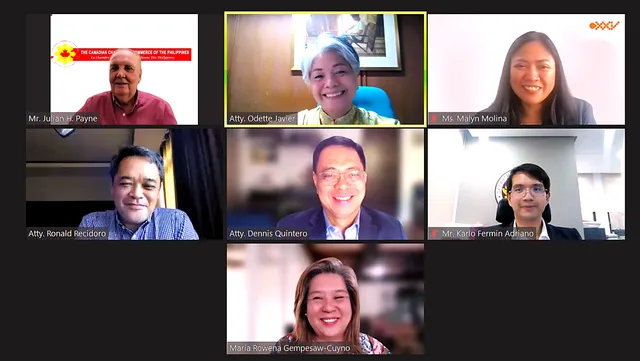
The Canadian Chamber of Commerce of the Philippines hosted an online Business Briefing on Jan. 25, 2024, Thursday. This is the first of their series for the year with the title "Mining: Update on Major Issues".

CanCham President, Julian H. Payne hosted the online event along with CanCham's Assistant Corporate Secretary, Maria Rowena Gempesaw-Cuyno, with Atty. Odette Javier of Lepanto Mining as moderator.

Speakers include Atty. Ronald Recidoro (Executive Director of the Chamber of Mines of the Philippines - COMP), Karlo Fermin Adriano (OIC-Undersecretary, Department of Finance), Malyn Molina (President, EON Group), and Atty. Dennis Quintero (Partner, Quisumbing Torres).

As an overview of the briefing, "There have been significant changes in mining practices, government regulation, and public understanding about large-scale mining in the Philippines in recent years. The economic benefits and risks have become clearer. The proposed new fiscal regime for mining will have a major impact on the interest of international mining companies and their foreign investors in mining in the Philippines. The future of mining in the country is at a critical juncture."

The objective of the discussion is primarily to inform and clarify the impact of the proposed new fiscal in additional costs and benefits of mining for the national government, local governments and their communities, and mining companies. Secondly, the discussion covered the current attitudes of Filipinos in both mining and non-mining communities about large-scale mining as reported by a survey done by EON Group. Lastly, the briefing mentioned to what extent international mining companies and their foreign investors are now viewing the Philippines as an attractive country to launch new mining operations as reported by Department of Finance.

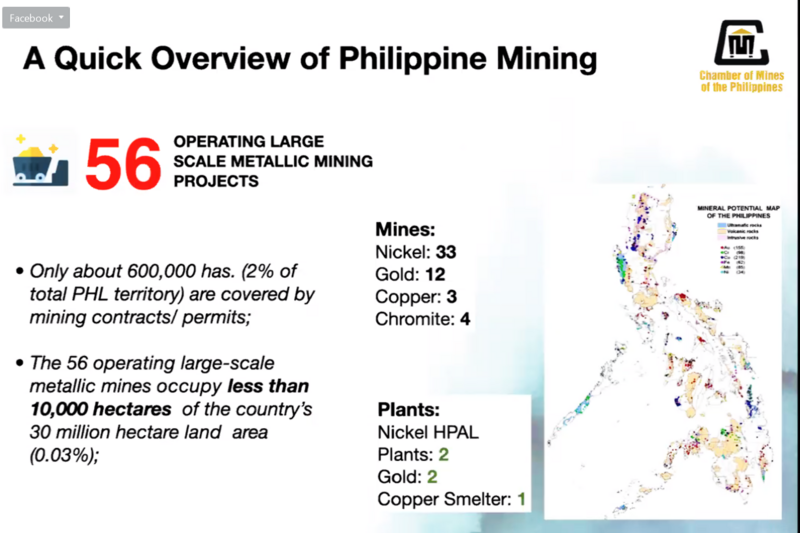
On the presentation “Philippine Mining: Legal and Policy Updates”, Atty. Recidoro discussed the opportunities, regulations, and taxation. He gave a quick overview of Philippine Mining. There are 56 operating large-scale metallic mining projects where only about 600,000 hectares (2% of total PH territory) are covered by mining contracts and permits. The 56 operating large-scale metallic mines occupy less than 10,000 hectares of the country's 30 million hectares of land area (0.03%).

To mention some metallic mining industry facts and figures, the total Philippine exports are worth $7.23 billion (9.17% of total PH Exports), Php44.8 billion or 1.17% of total taxes comes from mining, mining generates Php153.1 billion Gross Value Added (GVA) or 0.7% of total GDP. There are approximately 208,778 people working in mining companies. This is 0.46% of the total Philippine workforce.

“For such a highly mineralized country, the large-scale metallic mining sector does not substantially contribute to the national economy. The industry has been stymied by policy problems, resulting in no new investments and therefore no growth.”

Atty. Recidoro pointed out some policy shifts in the last decade that affected the industry. There was EO79 by President Aquino in 2012 that placed a moratorium on new mining projects. In 2016, President Duterte appointed the late Gina Lopez, an anti-mining activist as DENR Secretary. On the following year, Sec. Lopez ordered an audit of all mining operations and initiated the abrupt closure/suspension of 28 mines. On the same year, Sec. Lopez placed a ban on new open pit mining. In 2018, Congress passed the TRAIN Law that increased the excise tax on minerals to 4% of gross output.

President Duterte issues EO130 in 2021 lifting the moratorium on new mining projects. On the same year, DENR Sec. Cimatu issues DAO 2021-40 which lifts the ban on open pit mining.

In 2022, President Marcos bats for mining and orders DENR to strictly implement environmental laws. Finance Sec. Ben Diokno banks on mining for post-COVID recovery.

Regarding the amendment of the Philippine EIA system, Atty. Recidoro mentioned some key features of the bill include re-orienting the nature and purpose of the EIA System as a planning tool and renaming the ECC as Certificate of Proponent's Environmental Commitment (CPEC). Another key feature is the introduction of a Strategic Environmental Assessment (SEA) for proposed policies, plans, or programs.

He also mentioned the approval of the new fiscal regime for large-scale metallic mines (HBN 8937) with key features such as: a lowered royalty for those operating in MRs--from 5% down to 4%; a royalty for LSMs operating outside of mineral reservations, but which is conditioned on income; windfall profits tax that operates in the same way but which only kicks when the company achieves a "windfall" which starts at a profit margin of 35%; and provisions for thin capitalization, transfer pricing, ring-fencing, and fiscal transparency.

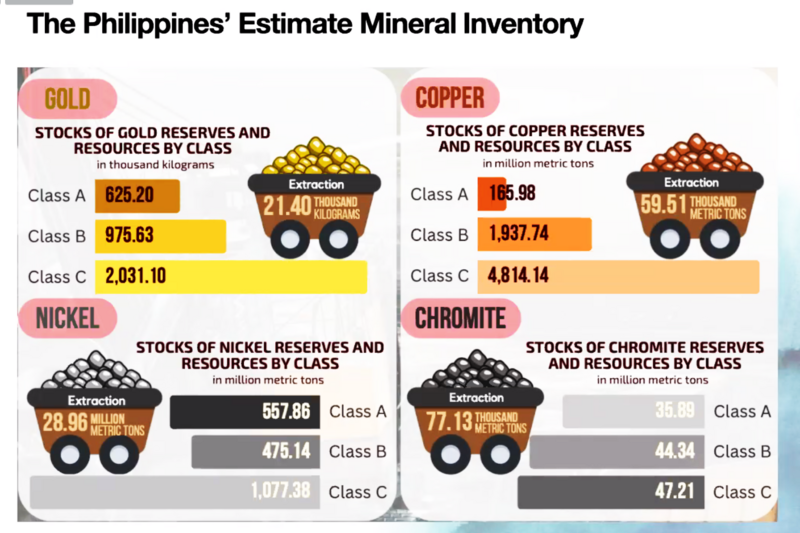
On Usec. Karlo Adriano's report titled "Rationalization of Mining Fiscal Regime", he provided an overview of the mining industry. He said the Philippines is geographically endowed with abundant mineral resources as copper, gold, nickel, and chromite. He said that 9 million hectares are identified as having high mineral potential but only 779,446.41 hectares or 2.60% are covered by mining tenements as of June 2023. For the estimated value produced in 2022, he gave the following figures: gold = Php91.05 billion, nickel and nickel products = Php117.64 billion, and copper = Php25.67 billion.

Usec. Adriano also reported that according to the Fraser Institute, the Philippines has one of the best mineral potentials, but the current policies do not encourage investments in the sector.


He also reported that the discussion of a new mining fiscal regime has been ongoing since 2021, which is one of the challenges surrounding it. Other challenges include factors like having several mining fiscal regimes, resulting in complex tax system, and the Average Effective Tax Rate (AETR) or government’s take on mining is relatively high compared to peers.

On the presentation titled “Unearthing Opinions: Exploring Filipinos' View on Mining through Data Insights” by Malyn Molina, she reported the results of a public survey about the reputation of the industry and how well lay people understand what mining does for the Philippines. Molina is the President and CEO of EON Group. Molina is a highly accomplished communications expert.

"In a local landscape where responsible mining has yet to be acknowledged as a reality, and data on the topic is limited and low in visibility, how did we discover the starting point in building the trust narrative for the country's mining industry?"

"Through our survey, we affirmed that many people still associate mining to the same disturbing outcomes caused by climate change."

“The positive contributions of the industry and the benefits it provides fall behind in terms of awareness. However, the data also shows clear opportunities to shift public perception.”

“Many people have yet to see the care and integrity that goes into the process. Mining has yet to be established as a value chain rather than just plain extraction. There are already human-centric processes in place that address what they are looking for. We just have to show them the bigger picture.”

Covering online news and social media, their study shows that there are approximately 4.4K mentions of the Philippine mining industry and related topics.  Among these articles, 75.7% are positive stories, 8.1% are negative stories, and 16.2% are neutral.

The last speaker for the business briefing was Atty. Dennis A. Quintero, Head of Energy, Mining, and Infrastructure Industry Group at Quisumbing Torres Law Offices. He heads the PMRCC Membership Committee and member of the Legal Committee of the Chamber of Mining of the Philippines.

Atty. Dennis Quintero provided an in-depth rundown of the history of the Philippine mining industry, supplementing on the timelines provided by Atty. Recidoro.

His discussion started in 1995, during the time of President Fidel V. Ramos when the country has the current Mining Act. It was an era when the government extensively promoted exploration and mining to foreign investors, which resulted in major and junior mining companies investing here. There were some major foreign companies that came to the Philippines to undertake exploration works.

The government's attitude back then changed to a policy of mere tolerance of mining which later shifted to active promotion during the time of President Gloria Macapagal-Arroyo in 2002.

Atty. Quintero said, "This also coincided with the decade of the mining boom globally from 2002 to around 2011 to 2012."

"The Philippine mining sector experienced a slowdown starting in 2012, which was the tail end of the global mining boom of the 2000s. And this was also coupled by the issuance of Executive Order No. 79 which instituted a moratorium or a stop on new mineral agreements until a new Mining Fiscal Regime Law was passed by Congress."

"The reality during that particular period up until 2016 was that the government afforded very little opportunity for dialogue with the private sectors as the Philippine mining industry stagnated."

Moving forward, in 2020 until the present time, there is now a focus on downstream nickel processing to take advantage of the country's position as top producers of critical minerals, namely: nickel, copper and cobalt. These minerals are used for battery storage systems that are employed in electric vehicles and renewable energy system. In 2022, the new government under President Bongbong Marcos recognized the Philippines in its unique position to be an important player in the clean energy transition and a critical partner in realizing development goals.

“The government has stated that a resilient and sustainable mining industry can support the country's economic and social development. DENR also stated that developing the country's mineral resources is not only beneficial to the country, but should be regarded as essential in transitioning to a decarbonized society.”

As an effect, by 2022, the doors are now open for a direct dialogue and consultation between the government and private sector. “This is offered with the aim of realizing the shared goals of the state and the mining industry, for the development of the upstream and downstream sectors of the industry.”

January 29, 2024

Part 1: Defining Objectives, Stope Optimization, Stability Analysis and Schedule

By Engr. Mae Ann R. Cabasag

In today's mining industry, meeting market demand while ensuring sustainable extraction of Earth's resources is paramount. Given that market forces and changing conditions can greatly affect a mining company’s ability to meet market demand, mining companies need to be more agile and come up with robust mine plans.  Digital transformation that encompasses strategic planning, optimization, analysis and scheduling is an effective enabler for this. Such a digital transformation is possible with Dassault Systèmes' Strategic Mine Planning Solutions. In this article, we will explore a transformational journey for an underground mine.

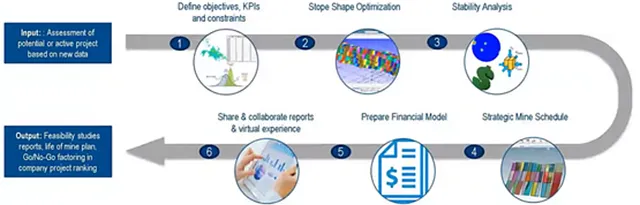
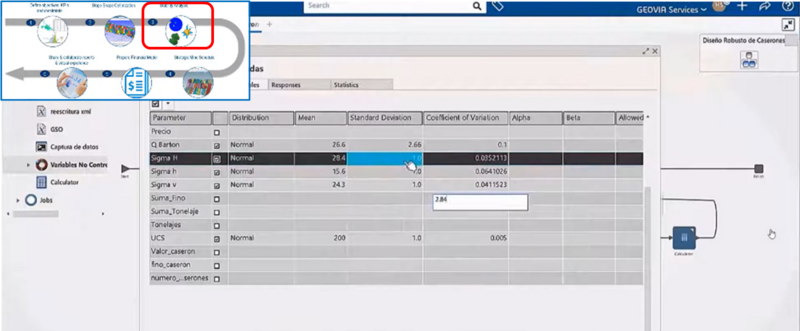
As shown, this digital transformation is made up of six processes. It begins by assessing a potential or active project, leveraging up-to-date resource data as its basis. These processes are navigated with the end goal of arriving at a strategic mine plan or an updated Life-Of-Mine plan— which forms the linchpin for vital decisions, including feasibility studies and project viability assessments.

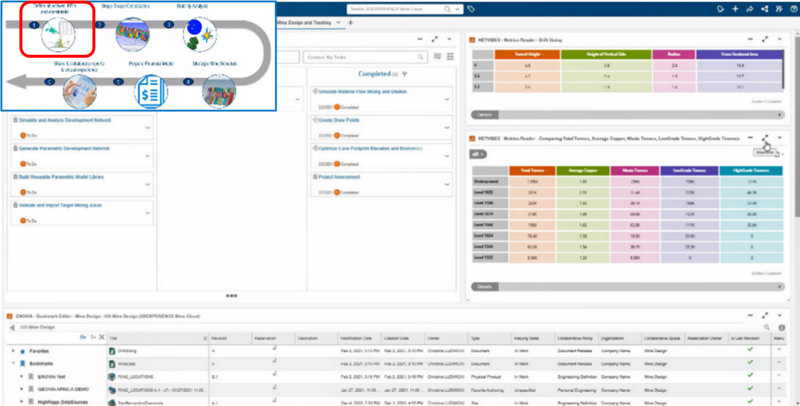
The first process is DEFINING OBJECTIVES, KPI’s and CONSTRAINTS. In this process, data is centralized within the 3DExperience Platform, enabling seamless integration and interpretation of information from various sources to precisely define key parameters. This includes updating predicted development, production rates, and historical data to establish mining parameters for stope optimization and scheduling. It also involves creating a probability distribution for modeling uncertainties in uncontrolled variables within the solution set. Furthermore, the 3DExperience Platform can be utilized to gather real-time information from the internet, including emerging market trends, political developments, and metal price forecasts.

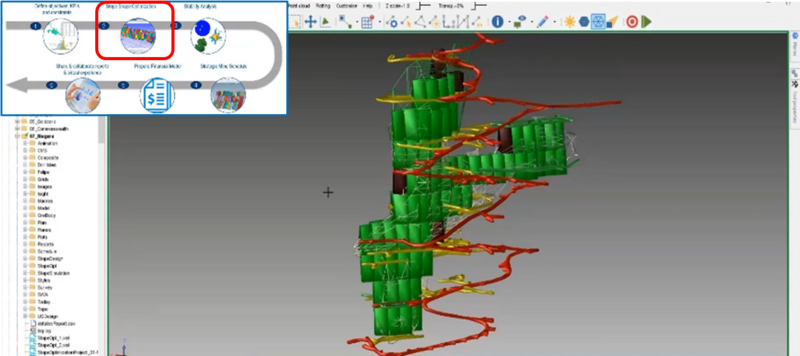
The second process is STOPE SHAPE OPTIMIZATION, which is a vital step in mining operations. DS GEOVIA Surpac’s Stope Optimizer (SSO) is employed to create optimal stope designs based on project objectives and operational constraints. Multiple scenarios are evaluated against key performance indicators (KPIs) to identify potential stope configurations. With the SSO connected to the platform, the Process Composer application is applied, allowing for various stope configurations to be explored, with iteration performed over multiple scenarios. This involves adjusting key design criteria such as angles, dimensions, cutoff grades, and pillar widths. The Monte Carlo Algorithm is also employed to ensure that uncertainty regarding economic parameters such as mining cost, processing cost, and current metal price is simulated and considered. Results are then analyzed using Analytic Tools to assess the impact of different inputs and to meet profitability requirements. This process step enhances stope value, task transparency, reproducibility, and significant time savings in generating and analyzing scenarios, ultimately resulting in a robust stope design that streamlines mining operations.

The third process is STABILITY ANALYSIS. Stability evaluation is performed on potential stope designs generated in the previous process. In this process, Process Composer simulation tool is also utilized to continue analysis of potential stope designs. However, instead of economic parameters, focus is on stability parameters such as geomechanical variables. As with economic parameters, these stability parameters, like H Barton, three sigmas and UCS, also come with inherent uncertainty, and Monte Carlo algorithm is used to model these uncertainties and explore various potential values. The Results Analytics application is employed to evaluate parameters, facilitate the ranking of stable solutions, and save simulation results to the Platform. This process enhances decision reliability, leading to safer stope designs, and significantly streamlines scenario analysis while reducing design rework. The selected stope configuration excels in economic performance and operational viability, forming the basis for downstream scheduling.

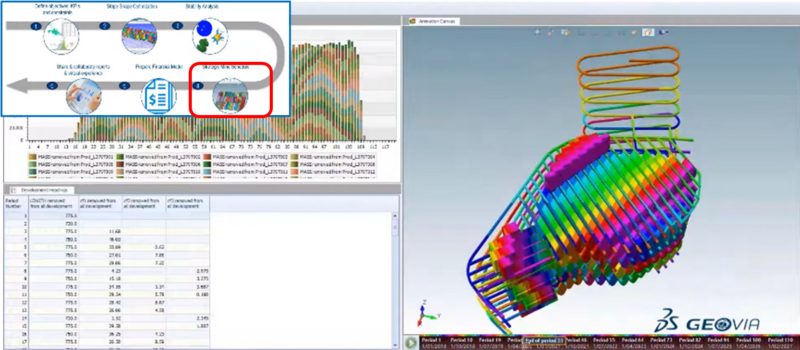
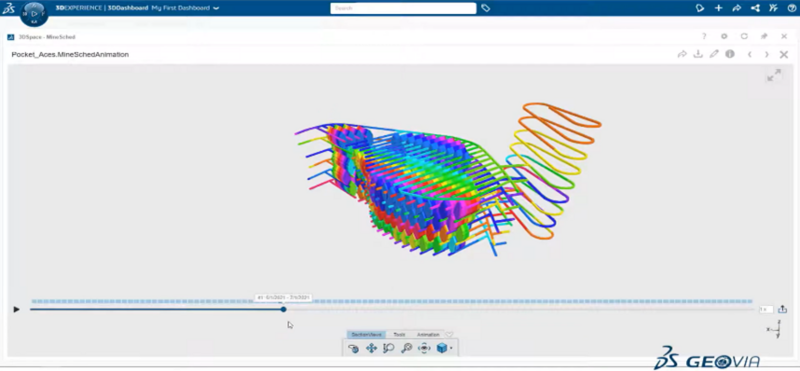
The fourth process is STRATEGIC MINE SCHEDULE. It starts with the 3D design of a development network needed to access the stope designs created in the previous process. This process involves scheduling development, production, and auxiliary activities, like backfilling, by setting up resources and defining an extraction plan with priorities and precedences. The goal is to analyze different sequences and production rates to determine an optimal schedule that achieves grade and material processing goals. Key schedule outputs, including cost, development meters, grade, and tonnage, are reported. Surpac is connected to the 3DExperience Platform, enabling access to stope designs, development networks, and block models. With Surpac, the development network, ramps, shafts, and ventilation raises are created. Then Minesched is used to create the underground mine schedule. The Mineshed dashboard provides tools for monitoring schedule progress: animations and Gantt charts. Integration with Process Composer allows for iterating different production rates and mining sequences, saving time, and aiding in exploring alternative options and what-if scenarios. The visualization capabilities of Mineshed and the 3DExperience Platform enhance the understanding of underground mining sequences.

In Part 2 of this article, we will discuss the remaining processes in UG Mining Digital Transformation: Preparing Financial Models and Sharing and Collaborating on Reports. Discover how these underground mining solutions combine to create a powerful end-to-end simulation, governance, and collaboration system. To learn more about the latest innovations and solutions in underground mining, get in touch with Dassault Systèmes' Value Solutions Partner, Paramina Earth Technologies Inc.

January 29, 2024

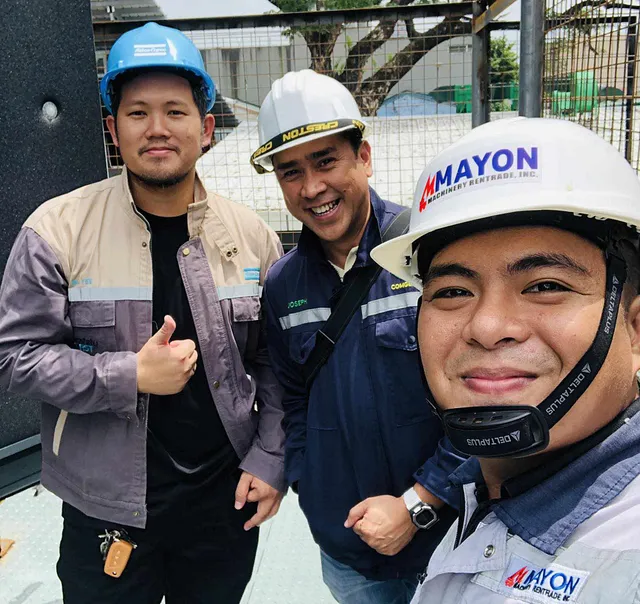
The construction industry is a key contributor to the Philippine economy. The Philippine government’s flagship infrastructure project, which was renamed “Build Better More” by the current administration, was introduced to propel the country to achieve a more developed and connected life among Filipinos. One of the big projects is the Metro Manila Subway Project, which Mayon Machinery Rentrade Inc. is part of.

Mayon Machinery Rentrade Inc. is a company that provides rental & sales of new or used equipment to construction and industrial sites in the Philippines. For the Metro Manila Subway Project, the company rent out Atlas Copco’s QAC1100 1000KVA TwinPower and QAS130 generators for the construction of the first 7.3 kilometres section of the project from the Depot in Valenzuela to the north Metro Manila, including the depot, three stations and six shield tunnels, which connect the stations.

Generators play a significant role in the Metro Manila Subway Project, as they supply electricity to the entire site, and it is also used for critical standby or backup power in case of electrical shortage. “Atlas Copco QAC1100 generators have two generators in one platform, which gives us flexibility because the generator can run 100% power load or lower power loads. This generator ensures our energy requirements effectively,” says Mr. Charlie Payumo, the Account Manager from Mayon Machinery Rentrade Inc.

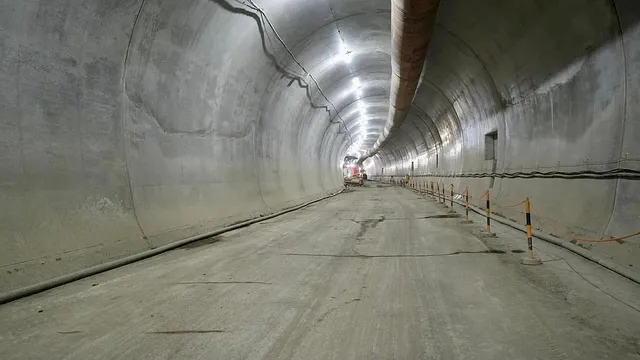
Tunnel excavation for the project commenced in January 2023. The tunnelling work involves the construction of six underground tunnels with a total length of 9.5 kilometres with an inner diameter of

6.1 metres. Furthermore, the project will use up to six earth pressure balance tunnel boring machines (TBMs). With using twice the power from Atlas Copco’s QAC1100 1000KVA TwinPower generators, the machine works excellently to prevent the Tunnel Boring machines (TBM) from being stacked up when an electricity shortage occurs.

Other than that, a QAS130 generator is also used for the project. Atlas Copco's QAS range is built for multi-drop use and designed to be moved regularly with safe movement capabilities and guaranteed performance, even in the harshest conditions. The generator has a built-in Power Management System (PMS) which enables the optimisation of fuel consumption and expands the generator’s lifetime. The QAS130 generator makes perfect power for Temporary Facilities and small electrical devices in the subway project.

While most work stops at night, workers at construction sites are still very much awake. Nighttime construction is a necessity in the industry, as it gives the workers the ability to work more efficiently when the heat and daytime activity won't slow down the process. “Keeping the team on the ground productive is one of our responsibilities, so providing them with the suitable tools is crucial,” continues Mr. Charlie Payumo. For the Metro Manila Subway Project, Mayon Machinery Rentrade Inc. is also powering up the project site with 3 units of Atlas Copco HiLight V4+ light tower. The LED light tower from Atlas Copco can give 4000 m2 light coverage that is suitable to brighten up the construction site. Atlas Copco HiLight V4+ light towers provide a robust set of lighting options that match any site requirement. Moreover, the HardHat® canopy technology protects vital internal components and ensures that performance and appearance are optimised for years of continuous service. Its compact dimensions are also an advantage as it make the light tower easy to transport and can be set up in any location of choice.

Being part of the construction industry, productivity plays an important role. This is one of the reasons that Mayon Machinery Rentrade Inc. is using Atlas Copco's products. "Atlas Copco products have been a big part of our projects and have not let us down. The after-service support is also proactive, Atlas Copco team always respond quickly especially when we need immediate action when there is an emergency in the unit," added Mr. Charlie Payumo.

Atlas Copco just recently celebrated its 150 years of innovations. For a century and a half, Atlas Copco has been driving development and delivering breakthrough innovations to customers in many different industries. The Power Technique business area provides air, power and flow solutions through products such as mobile compressors, pumps, light towers, and generators, along with several complementary products. The business area innovates for sustainable productivity across multiple industries, including construction, manufacturing, oil and gas and exploration drilling.

January 29, 2024

A lawmaker on Monday proposed the construction of two light rail lines on C5 Road and Metro Manila Skyway to ease the traffic congestion in Metro Manila.

Manila Rep. Joel Chua, vice chair of the House Committee on Metro Manila Development, said he is willing to support through future national budgets the conduct of feasibility studies for these new light rail lines.

Chua further suggested that all the light rails be under just one unified management and have one electronic ticketing system.

"Edsa is too congested, so to give commuters options other than Edsa, there should be another light rail line on C5 and under the Skyway," Chua said. "Having these two light rail lines will decongest Edsa and make the commute easier for residents near C5 and Skyway."

He said there should also be more bridges over the Pasig River for the decongestion of major roads parallel to Edsa.

To decongest the chokepoint at the Guadalupe Bridge area connecting the cities of Makati and Mandaluyong, he said the bridge should have a second level.

"By the way, where is the retrofitting project for Guadalupe Bridge? That already has a signed loan agreement. DOF (Department of Finance) and DPWH (Department of Public Works and Highways) should update Congress soon on the status of the retrofitting project," he said.

The Philippines has secured an official development assistance loan of around 4.409-billion Japanese yen (more than PHP2 billion) from Japan to rehabilitate Guadalupe and Lambingan bridges.

According to the Japan International Cooperation Agency (JICA), the objective of the pro­ject is to strengthen the resilience of the transport network in Metro Manila by replacing and strengthening the Guadalupe and Lambingan bridges utilizing improved bridge seismic design specifications.

"This will contribute to a more secure and sustainable economic and social development of Metro Manila and to realizing speedy recovery in case of large-scale earthquakes in the National Capital Region,” JICA said. (PNA) by: Filane Mikee Cervantes


Article courtesy of the Philippine News Agency

January 29, 2024

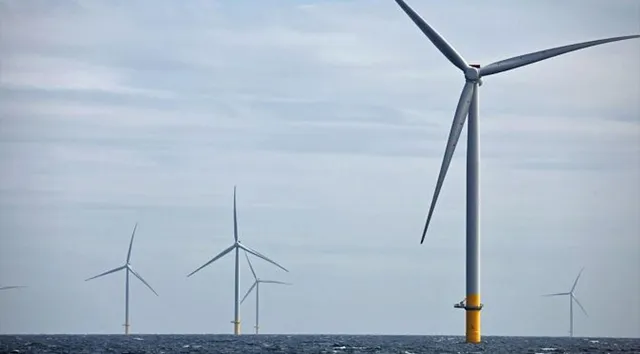
Danish firm Copenhagen Infrastructure Partners (CIP) is investing PHP108 billion to develop the 650 megawatt (MW) offshore wind power project in Northern Samar, the provincial government announced on Friday.

The local government said that Board of Investments (BOI) Assistance Service Director Ernesto de los Reyes confirmed this in a meeting with Governor Edwin Ongchuan and key officials of CIP on January 25.

“The project is currently in the pre-development phase and is expected to commence ground investigations in the first quarter of 2024, which will continue until the end of 2025. These investigations will involve utilizing equipment to measure wind speeds, seabed conditions, and environmental factors,” Northern Samar provincial economic development and investment promotions office chief John Allen Berbon said in a phone interview Friday.

The large-scale offshore wind project will be established in the towns of Bobon, Catarman, Mondragon, San Roque, Pambujan, and Laoang. These areas, according to Berbon, are feasible for wind energy.

The provincial government also reported that the BOI has issued a Certificate of Endorsement for the Green Lane Certificate on January 10, 2024.

The project has also received endorsements from various government agencies, including the Department of Energy.

The company targets delivering these offshore wind projects within the tenure of President Ferdinand R. Marcos Jr., according to the official.

Ensuring grid connection is a top priority for the project, and discussions have already begun with the National Grid Corporation of the Philippines to secure the best options, Berbon added.

This includes potential grid connection points such as the Calbayog 138 kV (kilovolt) substation, the San Isidro 138 kV substation, a potential new station near a 350 kV transmission line, and the Calbayog-Allen 138 kV transmission project.

Other related investments in Northern Samar are the San Isidro On-shore Wind Power Project in San Isidro town by Aboitiz Renewables, Inc., and Vena Energy. (PNA) by: Sarwell Meniano


Article courtesy of the Philippine News Agency

January 29, 2024

The Department of Public Works and Highways (DPWH) is excited to announce significant progress for its Davao City Bypass Construction Project.

According to DPWH Senior Undersecretary Emil K. Sadain, the Unified Project Management Office (UPMO) - Roads Management Cluster I (Bilateral) headed by Project Director Benjamin A. Bautista is aiming for faster completion and improved infrastructure by accelerating the road construction activities to capitalize on favorable weather conditions in the Davao Region.

The successful completion of this infrastructure flagship project by 2028 or earlier is contingent upon securing necessary government funds. Once the required financial support is obtained, the project can proceed as planned, ensuring that resources are available for all construction implementation.

The bypass road project with a total length of 45.5 kilometers will begin in Barangay Sirawan, Toril, Davao City and will end at Barangay J.P. Laurel, Panabo City is a transformative initiative that aims to alleviate traffic congestion and enhance connectivity for residents and commuters in the area.

Davao City Bypass Construction Project will improve the transport logistics with usual travel time of 1 hour and 44 minutes via Maharlika Highway to be reduced to 49 minutes.

In his inspection report to Secretary Manuel M. Bonoan, Senior Undersecretary Sadain said that the construction of the 10.7 kilometers contract package I-1 is well underway at 44.8%, with key milestones achieved in the construction of the twin mountain road tunnel component being closely supervised by Project Manager Joselito B. Reyes.

The contract package I-1, with funds from a loan agreement between the Government of the Philippines (GOP) and the Japan International Cooperation Agency (JICA), is known for its having the first-ever long-distance mountain tunnel in the Philippines in Davao City at 2.3 kilometer.

Innovative methodology and sustainable practice of tunnel excavation is at 79% with 1,774 meters out of 2,240 meters for northbound and 71% with 1,599 meters out of 2,249 meters for southbound and moving forward with the waterproofing and tunnel concrete arch lining works.

Meanwhile, Senior Undersecretary Sadain observed the substantial progress in the construction of the seven (7) bridges with an aggregate length of 1.26 kilometer under the contract package II-1 funded by GOP during his inspection on January 25, 2024 with Project Director Bautista and UPMO Project Manager Lope Pajarillaga.

With a cumulative accomplishment of 27%, the contract package II-1 which was started in January 2023 has a total length of 2.54 kilometers composed of 1.28 kilometers of 4 lane-road section and the seven (7) bridges at Sta. 29+700 of the Davao City Bypass Construction Project, northeastern side of Malagamot Road, Barangay Indangan and will then proceed to a north-northeast direction ending at Sta. 32+240 at Mudiang Road, Barangay Mudiang.

Also on-going is contract package II-2 with a total length of 3.52 kilometers composed of 2.5 kilometers of 4 lane-road section and seven (7) bridges with an aggregate length of 1.015 kilometers and 3 overpass bridges.

This contract package which started in August 2023 under supervision of UPMO Project Manager Ricarte Mañalac begins at Sta. 32+240 northeastern side of Mudiang Road, Barangay Mudiang and will then proceed to a northeast direction ending at Sta. 35+760 at crossing Mahayag Road, Barangay Mahayag.

Senior Undersecretary Sadain also disclosed that in a visionary move of DPWH UPMO Operations, engineering facilities can be converted into dynamic learning spaces equipped with spacious classrooms for turn over to the Department of Education once the project is completed.

A total of 60 standard classrooms will be built, ensuring that the essence of innovation inherent in road infrastructure project is integrated into the educational sector.


Article courtesy of the Department of Public Works and Highways

January 22, 2024

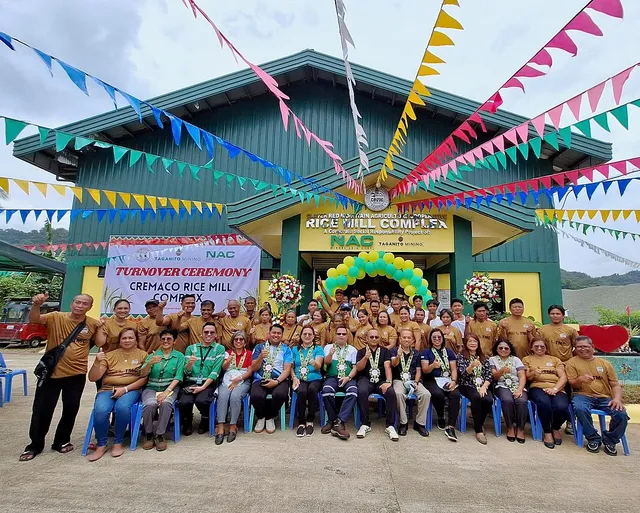
To boost food security in the town and support local farmers, Taganito Mining Corp. (TMC) handed over a P22-million rice mill complex facility to the Claver Red Mountain Cooperative (CREMACO) last Sept. 6 in Claver town, Surigao del Norte province.

The rice mill complex, to be situated in Barangay Daywan, is equipped with a milling building, a mechanical dyer, a warehouse, and a parking space for hauling operations.

TMC Community Relations Manager Mark Vincent Junel Felias said the facility will benefit CREMACO's 35 farmer-members from the town's six non-mining barangays.

The initiative, he said, is proof that partnerships between local people's organizations and private companies can create positive change for the community.

“The engagement with CREMACO started in 2017 through the strengthening of their organization and as part of the corporate social responsibility of the company. The rice farmers in the town are part of the stakeholders of the company,” he said.

In 2019, TMC provided the group with farm equipment composed of a rice harvester, a tractor, two transplanters, and a single-pass milling machine.

According to Felias, CREMACO has been supplying TMC direct employees and contractors with rice since 2019. Not only does this help the cooperative secure a sure market, but also allowed it to raise its income over the years.

CREMACO, in turn, donated a one-hectare plot of land worth P8 million where the rice mill complex is being housed. The land was paid by the cooperative on installment with payments coming from the income of their rice trading and retailing business.

Joel Oinal, CREMACO chair, acknowledged TMC for its continued support to the cooperative.

With the rice mill facility, he said the cooperative can further expand its markets and increase production.

“Nagpapasalamat kami na binigyan kami nitong malaking proyekto para umasenso ang aming kooperatiba. Ang Taganito Mining walang tigil talaga ang suporta,” Oinal added.

TMC is a subsidiary of natural resources development firm Nickel Asia Corporation, the country’s largest producer of lateritic nickel ore.

January 22, 2024

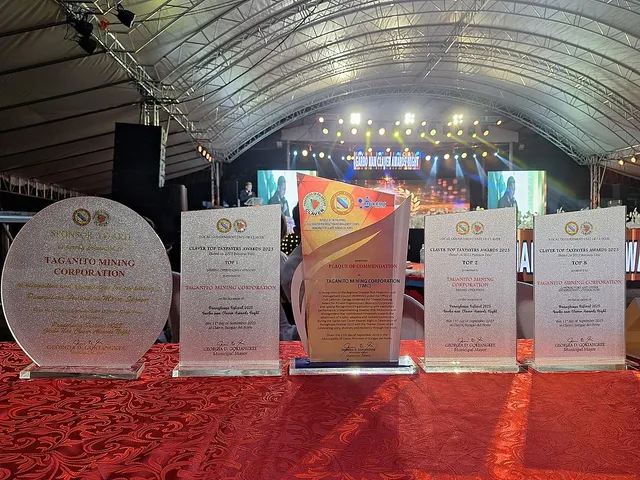
The local government unit (LGU) of Claver, Surigao del Norte recognized Taganito Mining Corporation (TMC) as one of its highest taxpayers for the year 2022 during the municipality’s Panaghiusa Festival Garbo nan Claver Awards Night on September 11, 2023.

TMC gained the following awards: Rank 1, Top Taxpayer Award for Mining Operations; Rank 2, Top Taxpayers Award 2023 – Mining Operation; Rank 8, Top Taxpayers Award 2023 – Contractors and Other Independent Contractors Category; Plaque of Commendation for Gawad Kalasag Regional Awards; and Sponsor Award for Claver Panaghiusa Festival.

Earlier, Claver also awarded a Plaque of Recognition to TMC for its unwavering support as active partner of the LGU, as it was instrumental in sustaining and advancing Claver’s vision toward making a progressive town.

“I want to express my heartfelt gratitude to our dedicated taxpayers, daghan kaayong salamat. You are the unsung heroes of our society. Taxes are the lifeline of our economy, and it is through your contributions that we can provide essential services, build infrastructure, and invest in the development of our community,” shared Georgia Gokiangkee, Claver Mayor.

Engr. Robert Francisco, TMC Mine Division Manger, noted how the festival’s theme of unity, diversity and resilience echoes the essence of the relationship between TMC and the LGU.

“Sama sama po nating hinaharap ang lahat ng pagsubok simula pa po noong 1986 until itong mga nakalipas na panahon ng pandemya at yung panahon ng bagyong si Odette. Because of our unity, we were able to rise against all these challenges that faced us and come together tonight to celebrate all the triumphs that we have experienced together here in the municipality of Claver.”

“Kami po sa TMC ay patuloy po na maglilingkod sa inyong lahat bilang isang responsableng mining company dito sa Claver. TMC is a company that you can truly be proud of because we have consistently won several awards on your behalf. And these awards, we humbly dedicate to the municipality of Claver and its people,” Engr. Francisco added.

TMC is a subsidiary of listed natural resource development firm Nickel Asia Corporation with operations in Barangay Taganito, Claver, Surigao del Norte since 1987.

January 22, 2024

Hunan Wuxin Tunnel Intelligent Equipment Co., Ltd.(Uniroc -- overseas brand) founded in 2010, is a listed company in Beijing Stock Exchange (stock code: 835174), focusing on the research and development, manufacturing and sales of complete sets of equipment for drilling and blasting tunnel construction and underground mining.

The company's business covers railroad tunnels, highway tunnels, underground mines, water conservancy and hydropower, pumped storage power stations, underground caverns and other fields.

Our main products include drilling jumbo, shotcrete machine, multi-functional arch installation vehicle, digital rock bolting jumbo, digital maintenance trolley, digital pouring lining trolley and all kinds of traffic, water conservancy and hydropower tunnel lining trolley, etc.

Our company serves more than 3,000 projects at home and abroad, with products exported to nearly 20 countries and regions such as Europe, South America, Africa, Southeast Asia, South Asia, Central Asia and the Middle East.

Purpose-Built for Small Section Drilling

In the transition to mechanized and intelligent mining, small and medium-sized mines are usually limited by the size of the "small" section, which cannot be operated with the equipment. Instead, manual drilling has been commonly used in the past decades, resulting in slow excavation efficiency and high risks of safety.

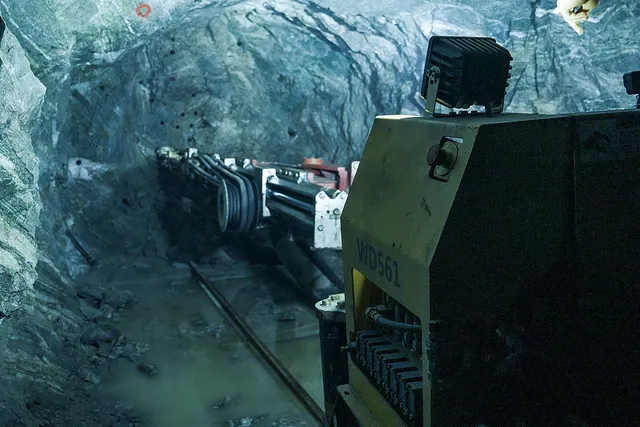
In view of the pain point of this industry, Uniroc has launched the smallest cross section face drill rig -- WD561 in China. It is built for blast hole drilling and anchor bolt hole drilling in underground mining, pumped storage power stations, hydropower stations, covering cross sections from 4m² to 21m².

As a face drill rig specially designed for small sections, WD561 has a compact size with 1.3 m width and 1.6m height and can be used for the minimum working section of 1.9m×1.9m. To guarantee the efficiency of rock drilling, WD561 is equipped with an 18kW rock drill. The single hole drilling speed is up to 2.5 meters per minute, with a single cycle footage of 3.2m-3.4m. The manual excavation footage of a single working area is 100-120m/month only but the use of a face drill rig can reach 220m/month.

The operators could be far away from the working area and their safety is guaranteed. Remote control operation is simple and easy to learn. It takes only two weeks for operators to be trained in our company, and greatly reducing the dependence on their experiences.

Case study

The gold mine from Zijin Mining in Henan Province in China

Basic information: A gold mine excavation tunnel with a section of 2.6m × 2.6m, rock firmness coefficient f is 8-10, pore size φ 45mm.

Usage: It drills 33 holes (including 6 empty holes), with a drilling time of about 1.5 hours. It is possible to complete at least 2 cyclic excavation operations per day, with a single day blasting footage of more than 5 meters.

January 15, 2024

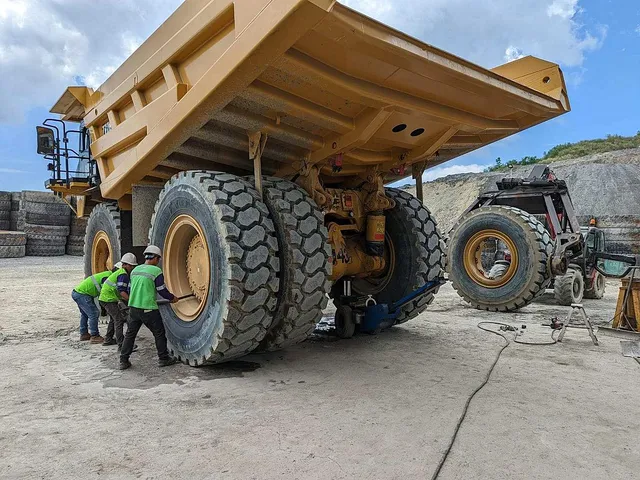
In today's ever-evolving economy, where global shortages in natural rubber resources pose significant challenges to the Off-The-Road (OTR) tire industry, it's essential to have a reliable partner who can help you find the right tires for your specific needs. Enter HIGANTIS, the industry specialists in OTR Tires, who have been redefining the standards of excellence for over 30 years.

Our Trusted Partners

HIGANTIS ensures that customers get precisely the right tires for each job application and site condition and boasts partnerships with some of the most reputable names in the OTR tire industry. Here's a glimpse of the brands we proudly stand behind:

Maxam Tires: Our latest partner, Maxam Tires, is a major global specialty tire manufacturer known for its market-leading quality, reliability, and delivered value. Their strong reputation is built on world-class engineering practices and advanced manufacturing platforms that ensure superior product quality. Maxam is dedicated to innovation and creating an exceptional customer experience.

Goodyear Off-The-Road: Goodyear, one of the world's largest tire manufacturers, has been in the business since 1898. They have been manufacturing tires for a wide range of customers, truck fleets, industrial operations, and airlines. Goodyear's commitment to quality and performance has made them a household name in the industry.

Why Trust HIGANTIS?

At HIGANTIS, we don't just offer products; we've tried and tested them in various site conditions over the years. It's this extensive real-world experience that enables us to confidently extend the full manufacturer's warranty on all the tires in our family of reputable brands. When you choose HIGANTIS, you're choosing trust, reliability, and peace of mind.

Our Commitment to Excellence

Our guiding principle at HIGANTIS is simple yet profound: "To conduct each transaction in the most dignified manner, in the face of God, family, and community, and to do so in all humility." We live by this principle in every aspect of our business, from tire supply and maintenance to training and education for tire technicians and maintenance managers of fleet operations.

Our Comprehensive Services

HIGANTIS offers a range of services designed to meet the unique needs of the OTR tire industry, including:

Professional Tire Repair: Guaranteed until the tire wears out.

On-Site Tire Shops: Our on-site tire shops provide convenient solutions for maintaining your OTR tires, tailored to your site’s challenges and objectives.

Tire Management: Includes pressure maintenance, rotation scheduling, and inventory projections, to help customers determine the best tire for their operations.

Tire Rentals: Guarantees a steady rate (price per hour delivered) and savings for the project.

Recycling & Renewables: We’re always exploring new ways to give back to our planet and are committed to eco-friendly practices through tire recycling and renewable solutions.

Performance Monitoring: Our tools, techniques, and customized reports help you monitor different aspects of tire performance to optimize your operations.

With over three decades of experience in the Mining, Truck, and Bus Industries, HIGANTIS is the partner you can trust for all your OTR tire needs. Our strategic alliances, along with our unwavering commitment to excellence, ensure that you have access to the right tires for your unique application and site condition. When it comes to OTR tires, HIGANTIS stands as a beacon of trust and reliability in an industry where these qualities are of paramount importance.

January 15, 2024

As the world’s leading geotechnical and geo-data specialist, Fugro is dedicated to supporting civil and marine engineering projects across the globe. The company’s expertise in data acquisition, analysis, and advice have helped its clients mitigate risks throughout the entire infrastructure lifecycle, from design to construction and operation.

Founded in the Netherlands over 60 years ago, and now operating with a global team of almost 10,000 employees, Fugro expanded its operations into the Philippines in 2019. Currently, its office in Manila has a headcount of approximately 60 staff.

By integrating its extensive regional and global network with local Filipino experts, Fugro stands ready to support projects throughout the Philippines and in the region.

Fugro provides an extensive range of geotechnical services from its Manila office, playing a key role in supporting the country’s infrastructure developments for a safer and more sustainable future, transforming geo-data into actionable advice for its clients.

Wide-ranging geotechnical and geo-data expertise for land and marine projects

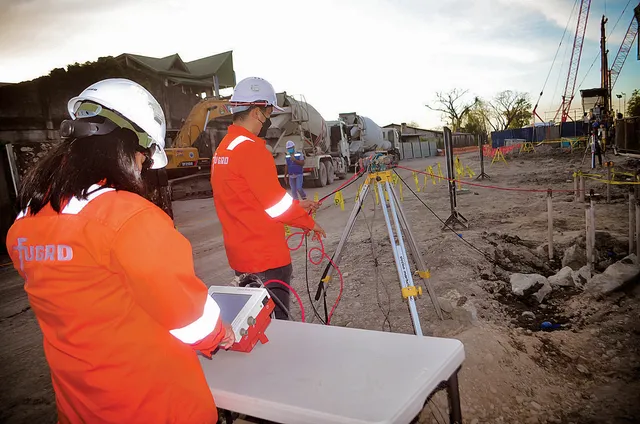
An anchor service that Fugro offers in the Philippines is its geotechnical laboratory in Manila, where it offers a wide range of manual and automated test programmes.

The laboratory is accredited by the Philippines’ Department of Public Works and Highways (DPWH), with the laboratory services provided by Fugro aligned with international standards. By choosing Fugro as partner, companies also gain access to Fugro’s global network of laboratories and geotechnical expertise.

Clients of Fugro can therefore engage its services with confidence, knowing that the company has the skills, capacity, and capabilities needed to take on the largest of testing programmes, with speed and precision.

In addition to Fugro’s extensive laboratory capabilities, the company also offers land and nearshore geotechnical site investigations, geological and geophysical surveys, and a full range of foundation testing services.

These solutions and services, and the geo-data that the company obtains from site projects empower its clients to identify ground risks and mitigate them with confidence. This informed decision-making process is proven to result in shorter and more accurate project programmes, and reductions in project technical and commercial risks.

Make Fugro your partner today!

With the Philippines’ economy poised for growth, the government’s programme of civil and marine infrastructure projects will play a key role in the country’s development. Fugro is well-placed and committed to supporting this growth and will continue to enhance its expertise in ensuring the development of safe and sustainable infrastructure.

January 15, 2024

The Department of Public Works and Highways (DPWH) has officially signed the contract agreement for the detailed engineering design (DED) of the highly anticipated Panay-Guimaras-Negros Island Bridges Project.

DPWH Secretary Manuel M. Bonoan approved on December 20, 2023 the Contract for Consultant’s Services of Yooshin Engineering Corporation in a joint venture with Kyong-Ho Engineering and Architects Co., Ltd., Dohwa Engineering Co., Ltd., Soosung Engineering Co., Ltd., and Dasan Consultants Co., Ltd for the DED and tender assistance, a crucial step forward in the realization of this key infrastructure flagship project in Western Visayas Region.

Secretary Bonoan said that the start of DED for Panay-Guimaras-Negros Island Bridges Project is another monumental undertaking of the administration of President Ferdinand R. Marcos Jr. under the “Build, Better, More”program that will improve the lives of the people and simultaneously achieve economic stability in the areas in the Region.

The ₱2.671 Billion contract was signed by DPWH Senior Undersecretary Emil K. Sadain and joint venture engineering companies authorized representative Mr. Jeong Hwan Kim with DPWH Unified Project Management Office (UPMO) Roads Management Cluster I (Bilateral) Project Director Benjamin A. Bautista, DPWH OIC-Chief Accountant June E. Balisi and Kyong-Ho Engineering and Architects Co., Ltd. President Jae Hun Ryu as witnesses.

According to Senior Undersecretary Sadain, the cost of engineering services will be funded by a loan with the Export-Import Bank of Korea (KEXIM), the official export credit agency of South Korea from the Official Development Assistance (ODA) of Economic Development Cooperation Fund (EDCF) Loan Agreement No. PHL-23.

This is one of the many partnerships and collaborations of the Philippine Government with the Republic of Korea that continue to strengthen and further promote unity and friendship, towards economic growth and development formed by the two (2) countries, added by Senior Undersecretary Sadain.

The DED is targeted to finish by 2025 and will be immediately followed with the civil works from 2025-2032 covering the construction of the 32.47 kilometer two (2) sea-crossing bridges and connecting roads that will link Metro Iloilo of Panay Island to Guimaras Island Province and Negros Island in Western Visayas.

Section A will house the Panay-Guimaras Islands with a total length of 13-kilometer with an estimated civil works cost of ₱57.702 Billion. Meanwhile, Section B covers the 19.47 kilometer Guimaras-Negros Islands bridge amounting to an indicative cost of ₱109.76 Billion.

Once completed, this project is anticipated to reduce the travel time from Panay Island to Negros Island from a 4-hour trip via ferries/RORO down to approximately one (1) hour land travel using the PGN Island Bridges.

January 15, 2024

Officials of the Department of Public Works and Highways (DPWH), the Ministry of Economy and Finance (MOEF) of the Republic of Korea and the Export-Import Bank of Korea (KEXIM) held an open discussion on the on-going and pipeline infrastructure flagship projects (IFPs) under Official Development Assistance (ODA) financing by Korean Economic Development Cooperation Fund (KEDCF).

DPWH Senior Undersecretary Emil K. Sadain said that the policy dialogue meeting on December 19, 2023 in Manila with Korean delegation headed by MOEF Director Park Jeong-Hyun will contribute to the collective effort in fast-tracking big-ticket Korean-funded infrastructure projects in the Philippines as well as enhance financial frameworks to optimize the support provided by the lending institution.

The dialogue serves as a platform to align strategies and will guide the DPWH and lending institution in addressing bottlenecks, and ensuring the successful implementation of projects, added Senior Undersecretary Sadain.

The meeting was also participated by MOEF Deputy Director Lee Hyun-Ji; EDCF-KEXIM Headquarters Director General Jang Ik-Hwan, Senior Loan Officer Shin Yujin, Director Cho Eun-Jin, Loan Officer Kook Sungkeun; and EDCF-KEXIM Manila Office Country Director Moon Jae-Jeong, and Deputy Country Directors Lee Yun-Hak and Kwon Min-Jeong; and DPWH Unified Project Management Office (UPMO) officials namely Project Director Benjamin A. Bautista of Roads Management Cluster 1, Project Director Sharif Madsmo H. Hasim of Roads Management Cluster 2, and Project Director Ramon A. Arriola III of Flood Control Management Cluster, and Stakeholders Relations Service Director Randy R. Del Rosario.

Among the projects tackled in the meeting is the nearing completion of the 3.169 kilometer Panguil Bay Bridge which is now 83.56% completed. This will connect Tangub City in Misamis Occidental to the Municipality of Tubod in Lanao Del Norte, reducing travel time from 2.5 hours to seven (7) minutes, and is targeted to open to vehicular traffic in the first half of 2024.

Subsequently, the ongoing Integrated Disaster Risk Reduction and Climate Change Adaptation (IDRR-CCA) in low-lying areas of Pampanga, is currently at 82.91% completion rate. This project aims to minimize the flooding situation in various Municipalities in Pampanga including Macabebe, Masantol, Minalin, and Sto. Tomas. Thus, improving the drainage system on the four (4) rivers along the Eastern Branch River, the Caduang Tete River, and the Sapang Margul River.

Also highlighted in the discussion are the ODA-KEDCF projects which are currently in the primary stage of planning, feasibility study (FS), and detailed engineering design (DED) to include the Panay-Guimaras-Negros Island Bridges Project with its contract for the DED approved just recently. This project will be the gateway between three (3) islands in Western Visayas namely Panay in Metro Iloilo, Guimaras Island Province, and Negros. Hence, reducing the travel time to approximately one (1) hour, from the 4-hour via ferries.

Moreover, the Samar Pacific Coastal Road (SPCR) II Project improves the connectivity and access to services and economic activities in the Pacific Towns of the Provinces of Northern and Eastern Samar, now awaits the approval of the DED. This 15.01km project will link the island of Laoang to mainland Northern Samar.

Also discussed in the presentation of Senior Undersecretary Sadain are the Philippines - Korea Project Preparation Facility (PK-PPF), Road and Bridges Output for the following contract packages for feasibility study and detailed engineering design: (1) Lubao-Guagua-Sasmuan-Minalin-Santo Tomas Bypass Road in Pampanga, (2) Mount Kitanglad Range Belt Road in Bukidnon, and (3) Capas-Botolan Road in Tarlac and Zambales.

Further, the PK-PPF Flood Control Output is at 76.91% in the Master Planning and Feasibility Study stage. This project covers the four (4) major river basins, including the Pampanga River Basin, Bicol River Basin, Panay River Basin, and Agusan River Basin dedicated to establishing policies, strategies, and improvement works adaptive to Climate Change.

These projects will further realized the “Build, Better, More” program of the government to address the inadequacies of infrastructure and spur economic growth under “Bagong Pilipinas”.

January 15, 2024

Integrated energy company Semirara Mining and Power Corporation (SMPC) achieved a record-breaking coal sales volume of 15.8 million metric tons (MT) in 2023, marking a 6-percent increase from the previous year.

The growth was largely fueled by a 13 percent rise in export sales, which surged from 7.1 million MT to 8.1 million MT. In contrast, domestic sales stayed flat at 7.7 million MT.

“Our sales performance aligns with our 2023 target of 15 to 16 million metric tons. It also reflects our team's relentless effort and commitment to deliver stable fuel supply amidst the challenging dynamics of the global market,” said SMPC president and COO Maria Cristina C. Gotianun.

In 2023, majority of Semirara coal exports went to China (65%), followed by South Korea (27%) and Brunei (4%). Shipments to Japan, India, and Vietnam made up the remainder.

China shipments recovered by 31 percent from 4 million MT to 5.2 million MT on heavy stockpiling, consumption recovery and lower hydropower generation.

Demand from South Korea was steady year-on-year at 2.2 million MT while Brunei sales nearly tripled from 102,967 MT to 306,800 MT.

Looking ahead to 2024, Gotianun added, “Our goal is to ship at least 15 million metric tons of Semirara coal, focusing on the domestic market. This aligns with our commitment to national energy security.”

Additionally, as of December 27, 2023, SMPC (PSE: SCC) underwent a reclassification in its market sector. Previously part of the Mining subsector of the Mining & Oil sector, SCC is now listed under the Electricity, Energy, Power & Water subsector of the Industrial sector.

The sector reclassification is the result of the Philippine Stock Exchange’s careful review of SCC’s revenue sources and business operations.

January 15, 2024

Global Ferronickel Holdings, Inc. announced recently that its subsidiaries, Platinum Group Metals Corporation (PGMC) and Ipilan Nickel Corporation (Ipilan), have signed an annual sale and purchase agreement with Baosteel Resources International Co., Ltd. (Baosteel).

Under the agreement, Baosteel would purchase up to 1.5 million wet metric tons (WMT) of nickel ore for the year 2024 at a price that is determined monthly based on the prevailing market price at the time of sale. About two-thirds of the nickel ore to be sold is expected to be low grade with 0.90% nickel and 48% iron, and between 1.30% and 1.40% nickel with 15% to 25% iron. The remaining one-third will be medium grade with 1.40% and above nickel and 12% to 23% iron. It will be sourced from FNI’s operating mines in Surigao del Norte and Palawan.

“We are proud to work with Baosteel and continue our long-term relationship,” said FNI President Dante R. Bravo. “This agreement and our long history together demonstrate our customer’s confidence in our business and provide further recognition of our efforts in maintaining a reliable supply chain to meet the demands for Baosteel products throughout the Asia-Pacific region and internationally. With almost 10 years relationship, we believe our collaboration aligns with FNI’s mission of providing metals and minerals that are essential for greener, more sustainable products required in everyday life.”

FNI ended 2023 with 4.763 million WMT shipped volume, with 3.297 million WMT from PGMC and 1.466 million WMT from Ipilan. A total of 0.379 million WMT were sold to Baosteel.

Baosteel Resources International Co., Ltd. is a wholly owned subsidiary of China Baowu Steel Group. It is engaged in mineral resource investment, trading, and logistics services. In 2023, China Baowu Steel Group ranked as the largest company in the Materials sector and 44th largest company worldwide by total revenues on the Fortune Global 500, which it has been recognized for 14 years.

January 15, 2024

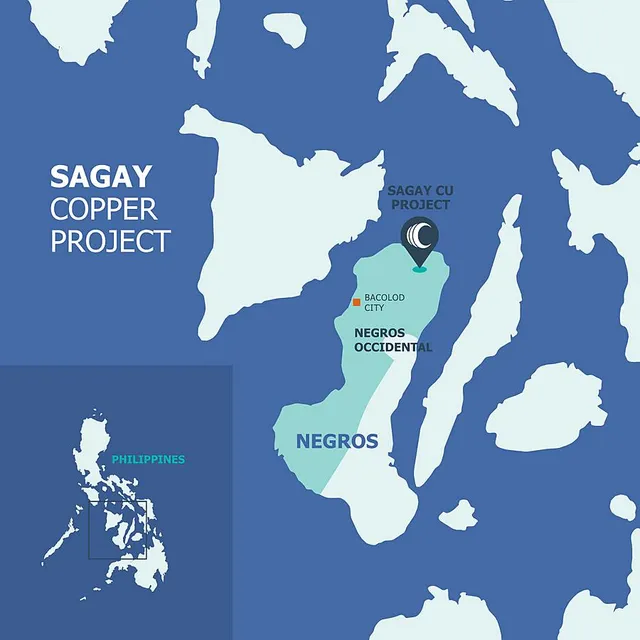
Celsius Resources is pleased to announce that its Philippine subsidiary, Tambuli Mining Company, Inc. (TMCI), has applied for a Declaration of Mining Project Feasibility (“DMPF”) for its Sagay Copper-Gold Project in the island of Negros.

The said application proclaims the presence of minerals in the area applied for, which are recoverable by socially acceptable, environmentally safe and economically sound methods as further manifested in the following key documents comprising the application:

  • Mining Project Feasibility Study Report
  • Final Exploration Report
  • Environmental Impact Statement Report
  • Environmental Protection and Enhancement Program
  • Final Mine Rehabilitation/Decommissioning Plan
  • Social Development and Management Program
  • Care and Maintenance Program

These plans and programs were developed following an extensive stakeholder consultation process to ensure the integration of social and environmental safeguards and local context. Endorsements from host local government units were also secured in the form of resolutions interposing no objection to the project.

Celsius Executive Chairman, Atty. Julito “Sarge” Sarmiento, said:

“This is another achievement for Celsius’ portfolio of assets in the Philippines. As with the Maalinao-Caigutan-Biyog Copper-Gold (“MCB”) Project, we aim to develop the Sagay Project into a productive mine that would not only bring value to our stakeholders and shareholders, but also showcase our commitment to sustainable and responsible mining practices.

We are at such a critical and pivotal point in human history where the ongoing climate change emergency demands an accelerated transition away from fossil fuels to renewable energy, and a green economy would necessitate the extraction of more so-called green metals like copper.

The Company believes that mineral extraction must be done through innovative solutions which optimise benefits and avoid adverse social and environmental impacts. We will work closely with the national and local government units as development partners to pursue shared goals.”

January 15, 2024

The Philippines and Indonesia on Wednesday signed a memorandum of understanding (MOU) to strengthen their cooperation in the field of energy.

President Ferdinand R. Marcos Jr. and Indonesian President Joko Widodo witnessed the exchange of MOU on energy cooperation between the Department of Energy and Indonesia’s Ministry of Energy and Natural Resources in a ceremony at the President’s Hall of Malacañan Palace in Manila.

In a joint statement delivered after the MOU signing and his bilateral meeting with Widodo, Marcos welcomed the two nations’ bid to strengthen their cooperation on the energy sector.

“Through this MOU, our countries create a new synergy as we cooperate to achieve energy security,” Marcos said.

He also noted that another MOU on science and technology is “nearing the completion phase.”

Marcos added that he and Widodo had also instructed their respective concerned agencies to expedite the signing of relevant MOUs that will help unlock the economic potential of the Bangsamoro Autonomous Region in Muslim Mindanao to spur growth in the region.

“So today, we also recognize Indonesia's contribution to peace and development in the southern Philippines. As Mindanao continues to reap the dividends of peace and democracy, we hope that Indonesia will continue to extend its helping hand to building the institutions of local governments, particularly in the Bangsamoro Autonomous Region,” Marcos said.

He said the Philippines and Indonesia, as immediate neighbors and fellow archipelagic states, also agreed to continue their cooperation on political and security matters, noting the advancements made on several action points in the Joint Commission for Bilateral Cooperation’s plan of action signed in September 2022.

“Our shared historic roots are deep and thank you to our close kinship and our cultural ties that we continue to promote and we continue to allow to prosper,” he said. “The Philippines and Indonesia enjoy this affinity for one another. As such, our exchanges and discussions about ways to deepen our political and economic ties have come naturally.”

Meanwhile, Widodo said he and Marcos also agreed to strengthen the two countries’ border and trade cooperation.

Under the cooperation, both parties agreed to facilitate trade in coal and liquefied natural gas (LNG), especially during periods of supply constraints.

"The signing of the MOU reinforces and updates the long-term energy cooperation between the two countries. On the part of the Philippines, it is an offshoot of our President’s efforts to achieve higher energy security through energy diplomacy," DOE Secretary Raphael Lotilla said.

In 2022, 98 percent of the country's coal imports were from Indonesia.

Lotilla added that the cooperation in LNG with Indonesia will help in the transition to clean energy, which can provide baseload generation, filling in the gap once existing coal-fired power plants start to retire. (with reports from Kris Crismundo/PNA)


Article courtesy of the Philippine News Agency

January 15, 2024

From a PHP100,000 seed capital, a group of village residents in the mining town of Claver, Surigao del Norte, managed to grow their community-based venture into a multimillion business that now operates a pharmacy, microlending, hardware and grocery store.

PRIME (Panaghiusa, Reporma, Inisyatibo Magpalambo sa Ekonomiya) is one of the 24 "success stories" presented by the Taganito Mining Corporation (TMC) during the two-day the People’s Organizations Conference held on Jan. 9 to 10 in Claver – Surigao del Norte's mining capital

"Our businesses grew bigger and bigger, until it branched out and developed as it is today," Marlyn Cañon, the group leader, said in a local dialect during an interview Thursday.

Asked about the group's earnings, Cañon said PRIME's 11-strong members generate enough monthly income that they no longer have to work.

During the conference, Cañon and 215 other members and officers of people's organizations (POs) consisting of cooperatives and livelihood groups supported by nickel miner TMC learned about product development, market access and expansion, and better networking and collaboration to improve their business.

 “The 24 POs are recipients of the livelihood program of the TMC. Most of these groups were organized and supported by the company in 2001,” Melith Matabaran, TMC head of Information, Education, and Communications, DMTG, and MonitoringSection, said in an interview.

Matabaran said the POs are engaged in community-based merchandising, agriculture and veterinary business, agriculture, aquaculture, integrated farming involving goat raising and pineapple production.

She said the livelihood organizations benefited from the expertise and insights of the resource speakers during the conference, which included a representative of the Surigao City Chamber of Commerce and Industry (SCCCI).

The conference will also help the POs link their businesses online through a session on digital empowerment and digitalization of their marketing through online collaborations with other stakeholders, she added.

Moreover, Claver Mayor Georgia D. Gokiangkee assured the local government's support for the POs.

"I salute the people's organizations that became successful. Your hard work really paid off. Rest assured that the local government, along with the national government agencies, will ensure that your business ventures continue to be sustainable," Gokiangkee told the people's organizations.

The mayor also encouraged them to prioritize the education of their children, saying it is the best investment they can make in their lifetime.

January 10, 2024

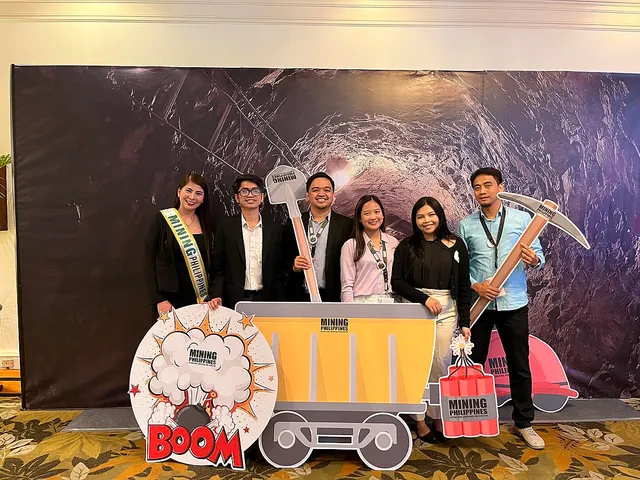
QES Technology Philippines, Inc. actively participated at this year’s industry events, which exemplifies their dedication to the advancement of the mining sector. The company took part in the Mining Philippines International Conference and Exhibit, a prestigious gathering organized by the Chamber of Mines of the Philippines, Inc., last September 19-20 at the EDSA Shangri-la Hotel Manila. QES also actively engaged in the Annual National Mine Safety and Environment Conference, arranged by the Philippine Mine Safety and Environment Association (PMSEA) at CAP-Camp John Hay, Baguio City.

This year marks a significant milestone for the company in the landscape of mineral analysis and mining solutions. Here are the range of sales and services they offer, that redefine modern mining:

SciAps Handheld XRF: Redefining On-Site Mineral Analysis

One of the standout achievements of 2023 is the successful installation of the SciAps Handheld XRF Model X200 in Regions 5 (Bicol Region) and 12 (Koronadal City) by QES Technology Philippines, Inc. The training has empowered geologists with the ability to perform real-time mineral analysis, transforming their decision-making process on the field. SciAps Handheld XRF and LIBS applications in the mining industry leads to a more informed and efficient geological research.
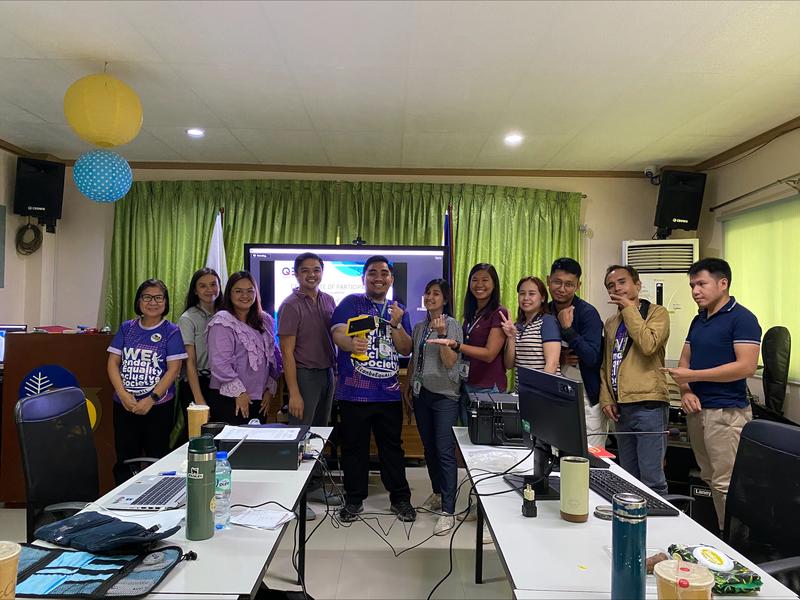
MGB Region XII Installation and Training for SciAps X200 Handheld XRF


Herzog Size Reduction and Katanax Fusion Machine: Elevating the Standards of Sample Preparation

QES offers a range of fusion machines (3-6 placers) for sample preparation, as well as Herzog equipment for size reduction such as crushers, pulverizers, presses, grinding machines, milling machines; fusion machine and drying ovens. The commitment to providing high quality and branded machinery ensures maximum use and optimized efficiency.

Spectro Ametek Xepos and Cube Benchtop ED-XRF: Exemplary Laboratory Solution

The cornerstone of QES Technology's laboratory solutions is the renowned Spectro XEPOS 5 benchtop XRF analyzer. This model is trusted by more than 95% of nickel ore mining laboratories in the Philippines for its unmatched sensitivity, accuracy, and precision, especially for light elements. The Spectro XEPOS 5 employs polarized and direct excitation technology, resulting in lower detection limits for a wide array of elements. With the addition of the Turboquant II software tool, the horizon expands to enable the analysis of unknown samples, both solids and liquids, setting a new standard for analytical excellence. The new model Spectro ED-XRF, Spectro Cube, is also the best in its class – midrange model. It offers cost-effectiveness without compromising on the quality – accuracy and precision. This year marks the first installation for Spectro Cube on Ni Ore mining application, which proved its quality and capacity in the industry.

SpectroScientific Onsite Oil Analyzer: Advanced Equipment Maintenance

In the realm of heavy equipment maintenance especially in the Mining Industry, the portable Spectro Scientific On-Site Fluid Analysis system empowers proactive machine condition monitoring based on oil analysis, a critical practice for maintaining the Mining Equipment Fleet. This will be very effective in cost-cutting and preventing downtime caused by damaged heavy equipment. QES was given an opportunity to share knowledge on machine and lubricant condition monitoring to extend equipment lifetimes and introduce predictive maintenance at power plants and mining industry using modern lubricant analyzers on the APM LEADCon 2023 held last October 7, 2023, at Citadines Bay City, Manila. This is an event for discussion of best practices for managing crucial assets.

QES Service Team

With a strategic service presence across prime locations including Pampanga, Manila, Cebu, and Surigao, QES service offices provide immediate and efficient support to their valued clients. The importance of fast and responsive service is their commitment by maintaining service offices in these key areas. This will ensure that clients receive prompt and reliable assistance whenever and wherever they need it.

To experience their solutions firsthand, visit their demo room at the head office located at Unit 507, Page 1 Building, Acacia Avenue, Madrigal Business Park, Ayala Alabang, Muntinlupa, 1780 Metro Manila, Philippines. For inquiries and consultations, feel free to reach out via email to qtpmarketing@qesnet.com or explore their website at www.qesnet.com and scan QR code below for their LinkedIn Page.
January 10, 2024

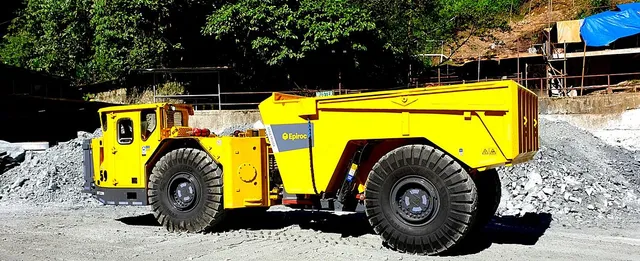
Underground mining operations demand robust and efficient machinery to ensure smooth and productive haulage. Epiroc’s Minetruck MT2200, a high-capacity truck designed to take on the toughest challenges from the depths of the earth, is revolutionizing the mining industry. Building upon the success of its predecessor, the Minetruck MT2010, this powerful workhorse from Epiroc is raising the bar by expertly managing even heavier loads of up to 22 tonnes.

We delve into valuable insights from Apex Mining Co., Inc. as it joins other global mining companies using the MT2200 in their Maco Gold Mine in Southern Philippines.

Epiroc's Commitment to Safety and Reliability:

The safety of mine workers is paramount, and the Minetruck MT2200 leaves no stone unturned in ensuring their well-being. Equipped with a rear-view camera, SAHR brakes, automatic locks, and alert lights, this truck sets the standard for safety in underground haulage. Epiroc emphasized the strategic placement of emergency shutdown controls and the activation of the automatic brake function when the cabin door opens, further highlighting their commitment to safety and reliability. Josel Retardo, Assistant Mine Division Manager, Technical at Apex Mining Co., Inc., was full of praise for Epiroc's safety measures, stating, "The Minetruck MT2200's safety features have been crucial in helping us achieve our production and backfilling targets while prioritizing the well-being of our workers." He further adds that the reduced hauling time has streamlined their mining cycle. Apex Mining Co., Inc. is fully satisfied with the performance of the Minetruck MT2200 and looks forward to expanding their fleet with more units in the future.
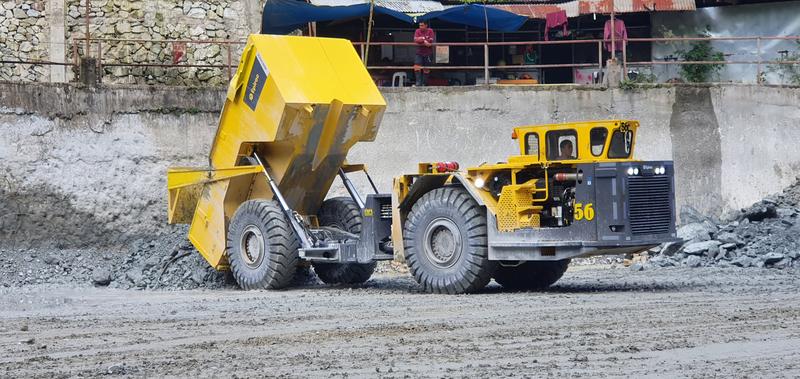
MT2200 has a 22-tonne capacity used in both underground production and backfilling operations.

Built on a Foundation of Experience and Reliability:

Naser Silongan, Area Manager at Apex Mining Co., Inc., highlights the value of Epiroc's swift and high-quality on-site maintenance services. This unparalleled support has solidified their partnership with Epiroc, ensuring reliable and uninterrupted mining operations. Effective communication between the two companies has been instrumental in their successful collaboration. Epiroc's experience in the mining industry shines through the design of the Minetruck MT2200. Sharing many features with its predecessor, the Minetruck MT2010, the MT2200's design has been perfected through years of work experience and customer feedback. "Epiroc's hands-on experience makes all the difference in the performance and reliability of the Minetruck MT2200. We trust Epiroc to deliver equipment we can depend on,” added Naser.

Meeting Operational Demands with Ease:

Johary Unggel, another Area Manager at Apex Mining Co., Inc., expresses delight in the Minetruck MT2200's impressive load capacity, perfectly aligning with their underground mining method and existing infrastructure. The seamless integration of this high-capacity truck has enhanced the overall efficiency of its mining operations. With the ability to transport heavy 22-tonne loads, the Minetruck MT2200 not only boosts productivity but also maximizes production capacity with its ease of going up ramps with its powerful and dependable powertrain. This efficiency has resulted in significant time and fuel savings, optimizing the entire mining process. Johary Unggel expressed satisfaction with the truck's productivity capabilities, saying, "The Minetruck MT2200's ability to reach high speeds on inclines has significantly optimized our production capacity, allowing us to reach our targets."
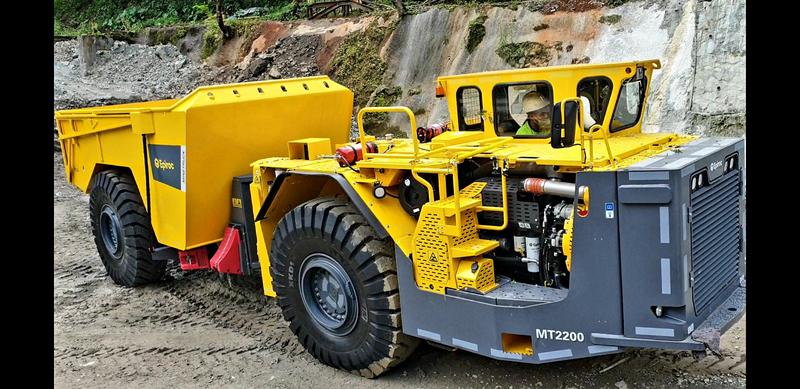
Epiroc’s on-site maintenance team provides Apex Mining with quality and swift services.

Operator Comfort: A Key to Enhanced Performance:

Recognizing the importance of operator comfort, Epiroc has ensured that the Minetruck MT2200's cabin provides a comfortable and ergonomic environment for the operator. Raymond Icalina, an experienced operator who has been operating several mine trucks in his career, praised the cabin's ergonomic design and thoughtful features, stating, "The cabin with low noise levels, air conditioning, and easy-to-reach controls has significantly improved my comfort and visibility during long shifts. This directly translates into improved productivity and job satisfaction." The reduction in noise levels, optimal air quality, and controlled temperature minimize operator fatigue, enhancing productivity and job satisfaction. Raymond appreciates the user-friendly touch-screen color panel and illuminated buttons that make supervision and safe operation a breeze.
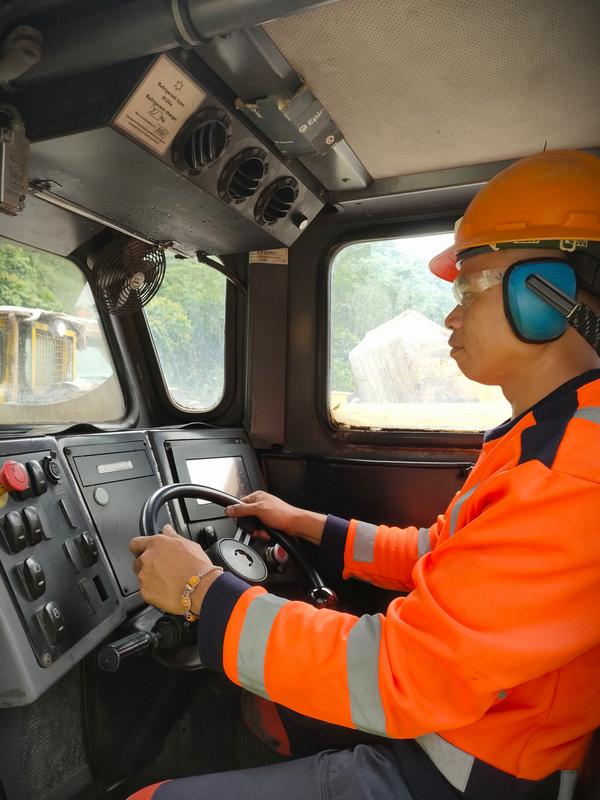
Epiroc’s ergonomically designed cabin built from customer feedback and years of experience for operator comfort and productivity.

Conclusion:

The Epiroc Minetruck MT2200 has revolutionized underground haulage with its emphasis on safety, productivity, and operator comfort. Apex Mining Co., Inc.’s testimony of increased efficiency, seamless integration into their mining methods, and Epiroc's dedicated service and partnership further solidify the Minetruck MT2200's position as the go-to choice for underground haulage. As Epiroc continues to innovate and evolve, it remains a pillar of support for the Philippine mining industry's progress.

Epiroc offers a comprehensive portfolio of mining equipment, including both diesel-driven and battery-powered drill rigs, loaders, ground support machinery, and underground vehicles. Their close collaboration with mining companies, such as Apex Mining Co., Inc., ensures that the equipment meets the specific needs and demands of the industry. Epiroc's dedication to customer satisfaction and hands-on approach has solidified its position as a trusted partner for mining operations worldwide.


References:

Epiroc. Minetruck MT2200. Retrieved 30 July 2023, from https://www.epiroc.com/en-ba/products/loaders-and-trucks/diesel-trucks/minetruck-mt2200.

Apex Mining Co. Inc. Maco Gold Mine. Retrieved 30 July 2023, from https://www.apexmines.com/home/our-business/maco-gold-mine/

Josel Retardo, personal communication, 21 July 2023

Eunice Cuntig, personal communication, 21 July 2023

Naser Silongan, personal communication, 21 July 2023

Johary Unggel, personal communication, 21 July 2023

Raymond Icalina, personal communication, 21 July 2023
December 18, 2023

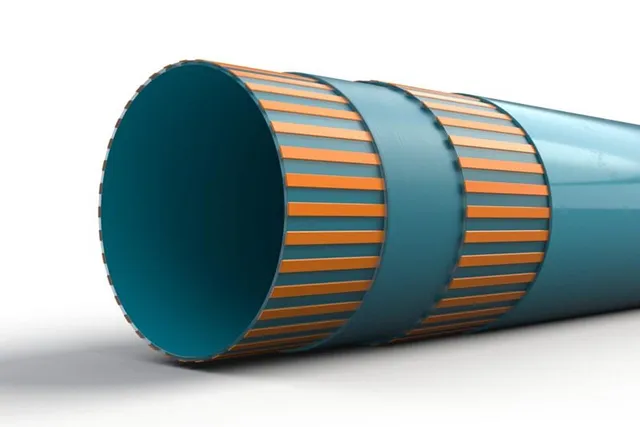
Composites, also referred to as fiber-reinforced plastics (FRP), represent an innovative category of materials that have revolutionized various industries.  Composites consist of two primary components: reinforcing fibers and a matrix or resin. While these components individually have limited utility, when combined, they create a powerful and versatile material with numerous advantages.

What are composites made of?

While the role of the fibers is to add primary strength and load-bearing capabilities to the composite, the matrix or resin is the material that surrounds and binds the reinforcing fibers together. In today’s industrial composites the two most commonly-found reinforcements used to make composites are glass fiber and carbon fiber while the major types of resin include polyester, vinyl ester, polyurethane and epoxy. On their own, these materials only provide limited use, however when the fibers and resins are cured into a composite during the manufacturing process in a heated dye, many useful advantages are gained.

Because of these advantages composites are used in many applications in a wide range of industries such as aerospace, automotive, construction, wind energy, infrastructure, oil and gas, defense, and telecommunication industry among many more.

Advantages of composites

Composites provide many advantages from customizability to weight savings and long-life attributes compared to other materials like steel and aluminum. Composites are very durable materials resistant to harsh environments. Composites offer long-lasting resistance to acidic, salty, or alkaline conditions. This makes them exceptionally suitable for water treatment facilities, downhole oil & gas applications, or even use at the seashore.

Composites also boast a remarkable strength-to-weight ratio. Their stiffness properties surpass those of plastics and other non-metallic counterparts, rendering them ideal for applications demanding structural integrity. Moreover, composites, featuring materials like fiberglass, are insulators, effectively preventing the conduction of heat or cold. This thermal efficiency proves advantageous in applications such as window and door frames, promoting energy conservation.

In addition to their physical attributes, composite design offers a unique advantage: the ability to seamlessly integrate multiple functions into a single profile. This versatility stems from the flexibility in choosing fibers, matting, and resin systems, enabling composites to address a diverse array of challenges and specifications across various industries.

Continuous manufacturing technologies for composites

Composites can be manufactured using various methods, but continuous manufacturing technologies like pultrusion and pull-winding come with additional benefits. In continuous manufacturing, the fibers, matrix materials and resins are continuously fed into a production line to create a composite profile that is cut to the desired lengths or shapes at the end of the process. The continuous process results in several advantages such as efficiency, consistent quality, and high throughput.

Exel Composites is one of the few global companies specializing in continuous manufacturing technologies for composites. Exel has over 60 years’ experience in solving challenges and helping customers save resources with composites in a wide range of industries around the world. You can find Exel’s products used in applications from wind power and transportation to building and infrastructure. 

December 18, 2023

The mining industry has long been a significant contributor to various economies globally, and the need for minerals continues to grow. However, the industry is facing various challenges that are slowing down its growth, with finance and environmental sustainability topping the list. Mineral mining companies require significant capital investment, and the lingering uncertainty in the markets has hit them hard. Additionally, the environmental impact of mining activities has forced governments to impose strict regulations on mining companies, making their operations costly. These challenges have constrained financing options for mining companies, coupled with tighter lending standards.

To remain competitive, mining companies must adopt strategies that balance financial resilience and environmental sustainability. These approaches offer competitive advantages, enabling companies to attract funding, reduce operational inefficiencies, and improve their overall performance. By incorporating responsible environmental practices, companies can optimize operational efficiencies while reducing environmental damage.

Moreover, mining companies that prioritize safety measures and put in place sustainable social practices attract more investments. Investors and banks are increasingly prioritizing the Environmental, Social, and Governance (ESG) factors when evaluating investment opportunities. Mining companies that demonstrate responsibility for the employees and communities and adhere to safety measures attract ethical and sustainable financial institutions, who are willing to provide long-term funding solutions.  

Incorporating sustainable environmental practices and safety measures in mining operations is crucial to maintaining a positive environmental footprint while promoting the health and safety of employees and surrounding communities. Importantly, environmentally responsible mining practices mitigate risks that could lead to substantial financial setbacks.

Mining companies must demonstrate their commitment to sustainability through transparent reporting and adherence to environmental regulations, and through initiatives targeting climate change adaptation, renewable energy sourcing, zero waste and zero emissions. These companies must also prioritize their social responsibilities, making significant investments in community development programs. In doing so, mineral mining companies improve their social license to operate, thereby creating spaces for bonding and partnering with surrounding communities while retaining their social credibility.

Attracting funding for the mining industry requires a multi-dimensional approach that includes leveraging innovation, effectively managing risks, and building strong relationships with stakeholders. Minimizing costs attributed to reclamation and remediation efforts while reducing externalities associated with environmental degradation leads to financial savings, increased economic viability, and hence, more extensive potential for attracting investors.

Sustainability practices offer unparalleled competitive gains. Responsible metals production of a country is on the agenda of both governments and communities who expect business to create and equally distribute shared value when taking care of its precious and fragile nature.

DMT offers a wide range of ESG services and innovation projects in the areas of raw material extraction, electromobility, smart mining, water management and energy. DMT can help elaborate strategy, management approach and business model for new development projects which can address all stakeholders needs, including local communities, governments, clients and investors.

DMT is now proudly working in Chile and other countries of Latin America within the mining industry, creating sustainable value for its clients. Together with DMT, mining companies can become compliant with highest international standards.

December 18, 2023

The mining industry has long been a cornerstone of economic development, supplying essential resources to various sectors. It demands specific material handling solutions for the efficient transfer of bulk materials. Selecting the right material handling equipment can significantly enhance operational efficiency.

Chief offers heavy-duty open belt conveyors designed to provide a wide range of bulk handling applications. These custom-designed belt conveyors aim to maximize the productivity of your operations and present a modernization solution that can greatly improve mining efficiency.

Chief's open belt conveyors excel in the efficient transportation of materials over extended distances. This efficiency is achieved through a combination of CEMA idlers and self-aligning idlers, with components manufactured to precise standards. This results in easy installation and structural strength, contributing to the overall optimization of mining operations.

Our solutions are engineered to manage the heaviest loads while requiring minimal maintenance, thereby enhancing uptime. We provide high-quality products that optimize mining operations, with safety being a paramount consideration in every aspect of equipment design for all types of commodities. Our custom-designed equipment supports every facet of handling heavy-duty loads, including rocks, gravel, coal, ore, and various other mining materials, offering a reliable loading conveyor for bulk material transportation.

Chief understands that each mining operation is unique, with specific requirements. Our open belt conveyors offer maximum flexibility, providing a wide array of conveyor options to meet the diverse needs of the industry. This ensures the continuity and sustainability of mining activities. As the industry continues to evolve, adopting solutions like Chief's open belt conveyors will be crucial for mining companies looking to thrive in a more sustainable and efficient future.