
December 18, 2023

In an effort to foster collaboration and engagement within the construction community, the Department of Public Works and Highways (DPWH) successfully conducted a Contractors Outreach event on December 13, 2023 at the Philippine International Convention Center (PICC), Pasay City for a flagship project that will elevate the Philippines to a landmark status in the realm of infrastructure development.

In his message, DPWH Secretary Manuel M. Bonoan expressed sincerest gratitude to the Asian Development Bank (ADB) and partner financial institution Asian Infrastructure Investment Bank (AIIB) who have demonstrated confidence in financing the construction of 32.15-kilometer Bataan - Cavite Interlink Bridge (BCIB) Project connecting the provinces of Bataan and Cavite over Manila Bay as he emphasized that the contractors unwavering commitment are crucial in the eventual realization of the project.

BCIB Project will be bankrolled through a newly approved $2.1 billion multi-tranche financing facility of ADB, the first tranche of which will amount to $650 million.

According to Senior Undersecretary Emil K. Sadain, in-charge of DPWH infrastructure flagship projects, the outreach initiative aimed to connect and promote information sharing with prospective local and foreign contractors of the upcoming BCIB Project, and strengthen partnerships in the construction industry.

A lasting legacy of the administration of President Ferdinand R. Marcos Jr., the BCIB Project comprising two (2) cable-stayed bridges for the navigation channels with 24-kilometer marine viaducts and 8-kilometer approach roads will be a testament to the vision of creating more economic opportunities with faster access to more jobs, livelihood opportunities, and public services with lesser transport and logistics costs, said Senior Undersecretary Sadain.

The Contractors Outreach was also participated by ADB Philippine Office Country Director Pavit Ramachandran; AIIB South Asia, Southeast Asia and the Pacific Region Transport Sector Head Andres Pizarro; DPWH Undersecretaries Carlos G. Mutuc, Eugenio R. Pipo Jr., Ador G. Canlas and Eric A. Ayapana; Assistant Secretary Rey Peter B. Gille; and representatives from the Embassies of the United States of America, Italy, Spain, India, Canada, and Malaysia.

The ADB-financed Infrastructure Preparation and Innovation Facility (IPIF) took care of the project preparation, environment and social safeguards due diligence, and geotechnical investigation for the detailed engineering design.

During the event, the DPWH Unified Project Management Office - Roads Management Cluster II (Multilateral) headed by Project Director Sharif Madsmo H. Hasim and its detailed engineering design consultant TY Lin International Inc. in joint venture with Pyungwha Engineering & Consulting Co., Ltd. provided valuable insights into the upcoming monumental infrastructure project, matters such procurement terms and conditions, and construction methodology in line with the commitment to fostering a dynamic and inclusive construction environment.

Attendees from both local and international construction companies had the opportunity to engage in discussions, ask questions, and network with key stakeholders and prospective business partners.

The Contractors Outreach event reflects DPWH dedication to transparent communication, community involvement, and creating a level playing field that will ultimately contributes to the overall success and sustainability of the project.

The project will be divided into seven (7) contract packages with the DPWH targeting to start construction by July 2024 of the two (2) on-land packages namely five (5)-kilometer Bataan Land Approach under Package 1 and the 1.35-kilometer Cavite Land Approach under Package 2.

Other packages are the 20.65-kilometer Marine Viaducts in the North and South under Packages 3 and 4; and 2.15-kilometer North Channel Bridge for Package 5 and 3.15-kilometer South Channel Bridge for Package 6. The 7th package involves project-wide ancillary works with an eventual separate package 8 for the Operations and Maintenance.

December 18, 2023

The Department of Public Works and Highways (DPWH) is delighted to announce the successful signing of the first tranche of loan with Asian Development (ADB) for the financing of Bataan - Cavite Interlink Bridge (BCIB) Project.

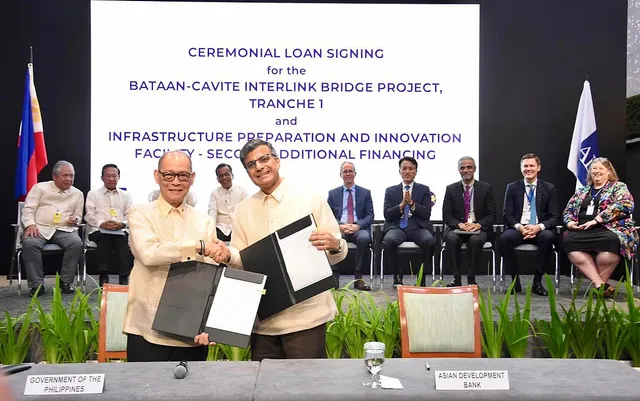
In a ceremony on December 15, 2023 at the ADB Headquarters in Ortigas Center, Mandaluyong City, the Government of the Philippines represented by Department of Finance (DOF) Secretary Benjamin C. Diokno and ADB Philippine Office Country Director Pavit Ramachandran signed the first tranche of the loan amounting to $650 million (around ₱36.22 billion) for the construction of BCIB Project.

The ADB has earlier approved financing of up to $2.11 billion (about ₱118.32 billion) for the construction of 32.15-kilometers BCIB, poised to become one of the world’s longest marine bridges once completed.

Present at the signing ceremony were DPWH Secretary Manuel M. Bonoan; Department of Budget and Management (DBM) Secretary Amenah F. Pangandaman; National Economic and Development Authority (NEDA) Secretary Arsenio M. Balisacan; Department of Transportation (DOTr) Secretary Jaime J. Bautista; ADB Vice President Scott Morris; ADB Managing Director General Woochong Um; ADB Director-Generals Ramesh Subramaniam, Winfried Wicklein, and Emma Veve; DPWH Senior Undersecretary Emil K. Sadain; DOF Undersecretary Edita Tan; and DOTr Undersecretary Timothy John R. Batan.

DPWH Secretary Manuel M. Bonoan said that the signed loan agreement is a crucial step forward in the realization of BCIB connecting Bataan and Cavite provinces across Manila Bay to decongest Metro Manila.

With this substantial investment, the DPWH thru the Unified Project Management Office (UPMO) Operations led by Senior Undersecretary Sadain with UPMO Roads Management Cluster II (Multilateral) Project Director Sharif Madsmo H. Hasim is well-positioned to execute the project procurement and construction this coming year 2024.

According to Senior Undersecretary Sadain, publication of the invitation to bid for the first two (2) contract packages is set in January 2024. The first package is the five (5)-kilometer land approach including the interchange in Bataan and package 2 involves the 1.35-kilometer land approach including the interchange in Cavite.

Other packages are the 20.65-kilometer Marine Viaducts in the North and South under Packages 3 and 4; and 2.15-kilometer North Channel Bridge for Package 5 and 3.15-kilometer South Channel Bridge for Package 6.

The 7th package involves project-wide ancillary works.

DPWH has earlier conducted a contractor’s outreach event wherein local and international construction companies had the opportunity to engage in discussions, ask questions, and network with key stakeholders and prospective business partners in preparation for the project bidding.

To sustain increased infrastructure investments and climate action in the Philippines, a $200 million (about ₱11.15 billion) loan agreement with ADB for the Infrastructure Preparation and Innovation Facility - Second Additional Financing (lPlF-AF2) was also signed that will directly support DPWH and DOTr to deliver more effective and more innovative infrastructure projects.

The second additional financing will continue scaling up the scope of the ongoing project, comprising the original project and the first additional financing, to respond to the government's new investment needs.

The project aligns with the Philippine Development Plan (PDP) 2023-2028 and extends its benefits by boosting project readiness and accelerating development of low-carbon and climate resilient public infrastructure projects.

December 18, 2023

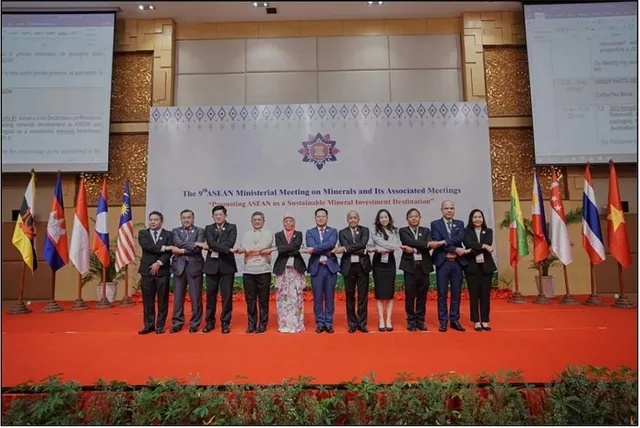
As the Philippines’ leading government agency for mining and geosciences, the Mines and Geosciences Bureau (MGB) joined in the 9th ASEAN Ministerial Meeting on Minerals (AMMin) and 23rd ASEAN Senior Officials on Minerals Meeting (ASOMM) that took place in Phnom Penh, Cambodia from November 21 to 23 under the theme "Advancing ASEAN as a Sustainable Minerals Investment Destination."

The AMMin, consisting of ASEAN Ministers responsible for minerals, is the highest policy-making body for ASEAN cooperation in the sector.  AMMin sets the policy directions and meets on a biennial basis. The Ministerial Understanding established the future basis of cooperation which aimed to:

  1. develop the minerals sector to be an engine for greater economic growth and social progress in the ASEAN region;
  2. enhance trade and investment in the ASEAN minerals sector; and 
  3. promote environmentally sound and socially responsible mineral development practices. 

The ASOMM is the main operating arm of the AMMin and oversees the working groups that assist the Senior Officials in the development and implementation of sectoral policies as well as the work programs/plans under the four (4) ASEAN Minerals Cooperation Action Plan strategic areas. 

Four (4) Working Groups focus on implementing the sector’s four strategic areas of cooperation.  These are:

  • Working Group on Trade and Investments in Minerals (WGTIM);
  • Working Group on Sustainable Minerals Development (WGSMD); 
  • Working Group on Capacity Building on Minerals (WGCBM); and
  • Working Group on Minerals Information and Database (WGMID).

The 23rd ASOMM started with the ASEAN Secretariat (ASEC) presenting the highlights of the decisions and follow-up requirements from the ASEAN Summit, ASEAN Economic Community (AEC) Council, Committee of the Whole of the AEC (CoW), and other council affiliates. On the other hand, the Chairs of the WGTIM (Thailand); the WGSMD (Myanmar), the  WGCBM (Philippines represented by Dr. Karlo L. Queaño, OIC of the Lands Geological Survey Division-MGB); and the WGMID (Brunei Darussalam) reported key accomplishments for the 4th quarter of 2022 and 3rd quarter of 2023, following the action lines set for each program.

The Board of Judges (BOJ) Meeting for the 3rd ASEAN Mineral Awards (AMA) was also conducted in parallel to the 23rd ASOMM. T

he AMA aims to: promote environmentally and socially sustainable mineral development; improve the general perception image of the mineral industry; disseminate best practices in the mineral sector (mining, transportation, processing); increase public awareness on best practices in environmentally and socially sustainable mineral development; strengthen regional cooperation and encourage sharing of expertise; and encourage private sector perception for community development. The said meeting discussed the rules and procedures of the scoring scheme of the presentations from the shortlisted companies; the presentation of shortlisted companies in front of BOJ; and the discussion on the outcomes of the tabulation of the scoring sheets.

During the high-level ministerial meeting (AMMin) last November 23, 2023, the country representatives agreed to jointly promote the ASEAN region to become a sustainable mining investment destination and to continue cooperation on improving mining development with governance. During the country report presentation, the Philippines, represented by Ms. Emma R. Sarne, Minister, and Consul General of the Embassy of the Philippines in Cambodia, highlighted the immense potential of the mining industry to become a major economic driver for the Philippines and Southeast Asia and the country’s efforts and plans aimed to ease doing mine-related business as it also transitions to adopting green technology.

With the Plus Three Countries (China, Japan and the Republic of Korea), the Meeting also welcomed the adoption of the ASEAN+3 Minerals Cooperation Work Plan 2022-2025, which serves as a blueprint to intensify cooperation between ASEAN and the Plus Three Countries in sustainable minerals development and in supporting the development of new strategies and effective tools for collecting and processing data for the ASEAN Mineral Information System.

Finally, the event was concluded with the awarding of the winners of the 3rd AMA during the AMMin Gala Dinner. The awardees include one (1) from Brunei Darussalam, one (1) from Cambodia, four (4) from Indonesia, three (3) from Lao PDR, two (2) from Malaysia, and three (3) from the Philippines.

December 14, 2023

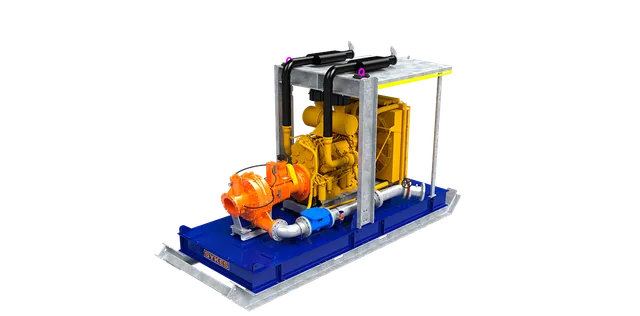
Sykes Group, a leading name in the realm of dewatering pump solutions, is excited to announce the launch of its latest innovation, the Sykes / Primax XH250. Developed with the distinct requirements of the mining and quarry industries in mind, the XH250 is set to revolutionise dewatering operations in these sectors.

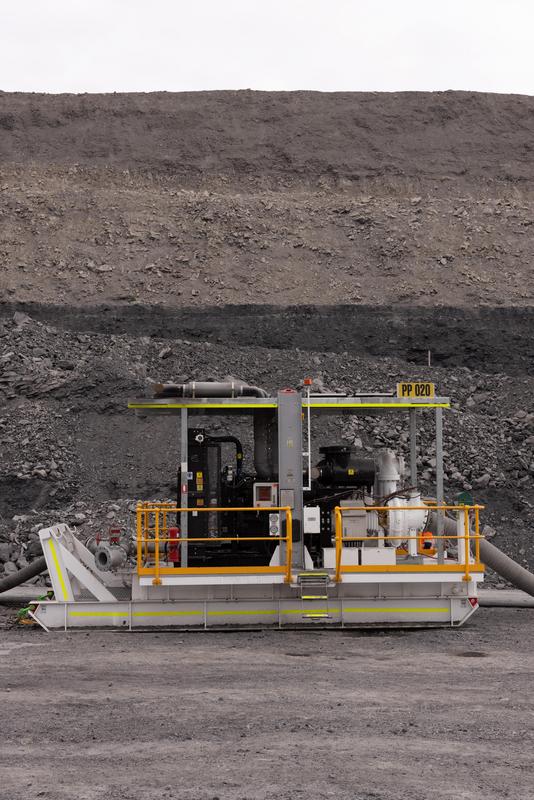
Mines and quarries are continually expanding, reaching greater depths and widths, demanding reliable dewatering solutions. The Sykes XH250 steps in to address this challenge by delivering higher heads and flow rates. This ensures consistent equipment access to all areas of mining and quarry sites.

XH250 on site

The XH250 complements Sykes' existing range of Extra High Head pumps and boasts a remarkable head capability of 200 l/sec @ 220m or 250 l/sec @ 200m.

Key Features of the Sykes XH250:

  1. Versatile Drive Options: The XH250 is available in both diesel and electric drive configurations, and it can be mounted on skids, trailers, or pontoons.
  2. Impressive Performance: The XH250 is engineered to deliver 200 litres per second at 220 meters or 250 litres per second at 200 meters, ensuring reliable and efficient dewatering.
  3. Innovative Pump Design: The pump's design incorporates several key features to enhance its longevity and performance, including extraordinary shaft stiffness ratios, multiple priming options, advanced bearing arrangements, and exceptional sealing solutions.
  4. Front and Rear Wear Plates: Sykes Pumps' inclusion of wear plates offers the ability to make fine adjustments to the impeller-wear plate clearance, enabling customers to restore pump efficiency without the need for extensive overhauls.
  5. Material Options: The Sykes XH250 is available with various material options to suit specific applications, including 316 SS Impeller, wear plates, and SG iron Volute, among others. Other options are Full 316 SS, CS340, CS500, CD4MCU, H7A SS, CD4MCU, SAF2205 and SAF2507.

The Sykes XH250 is a testament to our commitment to providing efficient and reliable dewatering solutions for the mining and quarry industries.


About Sykes Group: Sykes Group is a global leader in providing dewatering solutions, with a reputation for excellence in pump technology. With a focus on innovation and customer satisfaction, Sykes Group remains at the forefront of delivering reliable and efficient pumping solutions across diverse industries. Sykes Group became part of the Atlas Copco Group Power and Flow Division in December 2023.

December 06, 2023

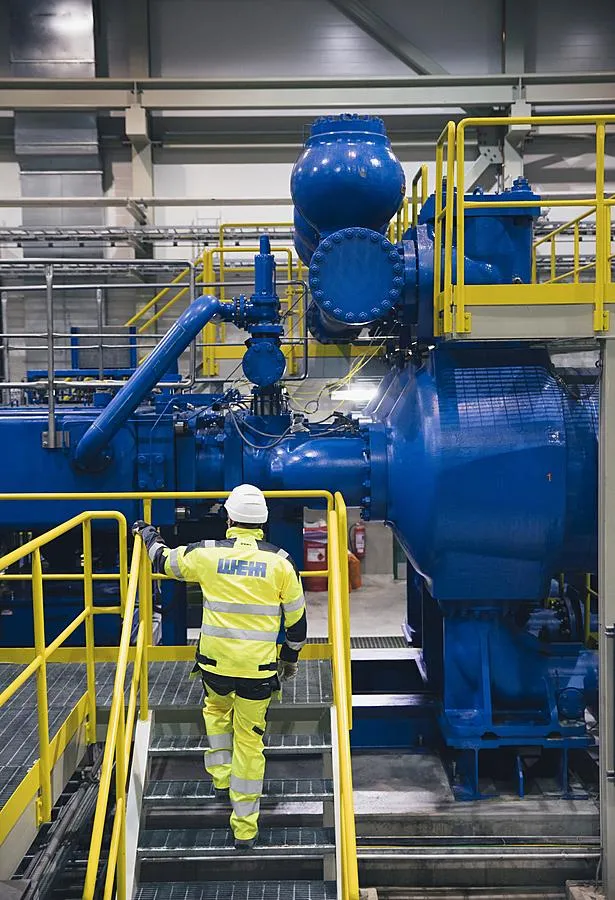
The Weir Group PLC, a global mining technology leader, has completed a comprehensive study that highlights a significant opportunity to reduce energy use and emissions in comminution, the rock crushing process that is key to minerals extraction, and that consumes around 3% of the world’s electrical power each year1. The study shows that replacing conventional technology with innovative new solutions can cut energy use by 40% while also avoiding 50% of CO2e emissions.

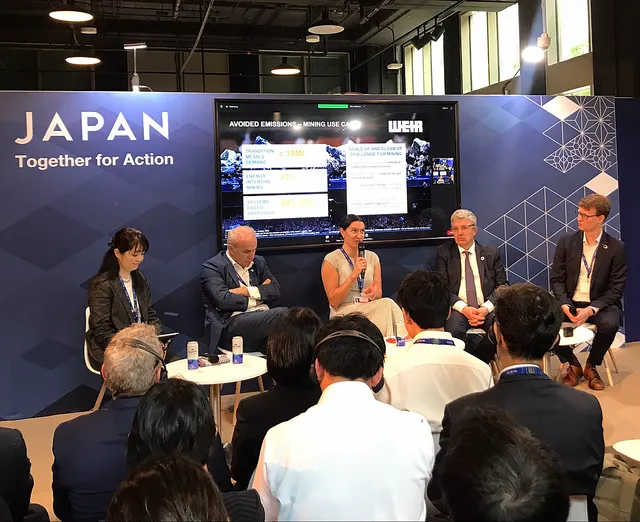
Speaking at a COP28 panel discussion hosted by the Ministry of Economy, Trade and Industry of Japan and moderated by the World Business Council for Sustainable Development (WBCSD), Paula Cousins, Chief Strategy and Sustainability Officer at Weir revealed the details of the study that demonstrates how using innovative technologies to crush rocks can yield significant sustainability benefits at lower operating cost.

The findings of the study come at an important time. Metals, such as copper, nickel and lithium, are critical elements of the technologies that will power a low carbon future and it is widely accepted that a substantial increase in the production of these metals is needed for the transition to net zero. In response, the mining industry is actively seeking to adopt new technologies which extract and process those metals in more energy efficient and sustainable ways, alongside increasing the use of renewable power.

Weir’s study focuses on comminution – the crushing process that turns big rocks into tiny particles to expose the entrapped mineral so that it can be extracted later in the mining process. Comminution is the most energy intensive stage of a typical mine site process. It is already electrified and is responsible for at least one-third of an average mine’s energy use and CO2e emissions1 and globally consumes around 3% of the world’s electrical power1.

Given its energy intensity, the decarbonisation opportunities in comminution are huge, with the basic comminution process not having changed significantly for many decades. Weir is collaborating with customers and other partners to redefine the process, developing innovative combinations of proven technologies to make significant improvements to efficiency and environmental performance.

Unveiling the study during the panel discussion at COP28, Paula Cousins, Chief Strategy and Sustainability Officer at Weir said:

“The need for technology solutions in mining is compelling – the world needs more transition metals to achieve net zero, but the mining industry needs to extract these using significantly less energy and water. Our new, externally assured study highlights the potential for energy savings of 40% and for 50% of CO2e emissions to be avoided in comminution, the most energy intensive stage of mining processes. By adopting a systems-based approach to technology collaborations, we can help the mining industry scale up and clean up at the same time”.

The full video of the panel discussion will be made available to view by the Ministry of Economy, Trade and Industry of Japan shortly.

About the avoided emissions study

The study is the first to utilise WBCSD’s Avoided Emissions Guidance to study mining processes and the avoided emissions results have been independently assured by SLR Consulting Limited. Three of Weir’s technology combinations were evaluated against a conventional comminution circuit design for an archetypal mine processing 15 million tonnes of copper ore per year in Chile.

All three of the technology combinations are shown to yield sizeable benefits versus the traditional circuit. In the optimal combination, the comminution process consumes around 40% less energy and can avoid up to 50% of CO2e emissions. Importantly, there is no trade off elsewhere, as the redefined process uses less water too.

Further details of the avoided emissions study are available here.

December 04, 2023

An assessment of progress and consultation with the relevant stakeholders was undertaken by the Steering Committee of the Department of Public Works and Highways (DPWH) for the implementation of Road Network Development Project in Conflict-Affected Areas in Mindanao (RNDP-CAAM) to enhance infrastructure project delivery in the Bangsamoro Autonomous Region in Muslim Mindanao (BARMM).

DPWH Senior Undersecretary Emil K. Sadain, Chairperson of the Steering Committee created by Secretary Manuel M. Bonoan to ensure the effective and coordinated implementation of detailed design and construction of RNDP-CAAM, presided the second committee meeting on December 1, 2023 in Cotabato City to review activity milestones and provide guidance and direction for challenges.

Senior Undersecretary Sadain, in-charge of DPWH infrastructure flagship projects under “Build Better More” program of President Ferdinand R. Marcos Jr. administration explained that the assistance of Japan International Cooperation Agency (JICA) in the development, construction and improvement of access roads connecting BARMM and other regions in Mindanao is expected to foster economic activity, improve accessibility and ensure smooth movement of goods and services, and will support the development objectives of the conflict-affected areas.

JICA is providing Official Development Assistance thru loan agreement PH-FP1 for the detailed design and construction/improvement of four (4) sub-projects in Bangsamoro under RNDP-CAAM: 36.69-km Parang Balabagan Road (SP-2), 19.6-km Marawi City Ring Road (SP-7), 7.07-km Parang East Diversion Road (SP-8), and 17.42-km Manuangan Parang Road (SP-9).

Keeping in mind the best interest of stakeholders, the meeting presented an opportunity for better coordination and communication with the DPWH working together with counterparts in the Bangsamoro Region to ensure effective and efficient implementation of the project.

“As the government’s engineering and construction arm, DPWH supports peace-building effort through infrastructure development. The improvement of road network for better connectivity here in Bangsamoro will enable people from conflict-affected areas to have links to markets, public facilities, and improve agribusiness potential to help bridge the economic gap and consolidate peace”, said Senior Undersecretary Sadain who is also in-charge for the implementation of national infrastructure projects in BARMM.

The meeting was participated by Japan International Cooperation Agency (JICA) Senior Representative Keisuke Fukui together with RNDP-CAAM Program Officer Yoko Katakura; DPWH Unified Project Management Office - Roads Management Cluster 1 (DPWH RMC1 Bilateral-UPMO) Project Director Benjamin A. Bautista; Ministry of Public Works (MPW)-BARMM Director General Danilo A. Ong; Ministry of the Interior and Local Government (MILG) Deputy Minister Dr. Ibrahim P. Ibay; DPWH Regional Project Management Office BARMM (DPWH RPMO BARMM) Director Najib D. Dilangalen; DPWH Stakeholders Relations Service Director Randy R. Del Rosario; and DPWH Project Managers Antonio Erwin R. Aranaz and Reyderick Siozon.

Also included as member of the Steering Committee created under DPWH Special Order 172 dated August 4, 2023 are representatives from BARMM Ministry of Environmental, Natural Resources and Energy (MENRE); Ministry of Agriculture, Fisheries and Agrarian Reform (MAFAR); Ministry of Indigenous Peoples' Affairs (MIPA); National Economic and Development Authority (NEDA); Department of National Defense (DND) Coordinating Committee on the Cessation of Hostilities (CCCH); Bangsamoro Development Planning Authority (BPDA); Tabang Ako Siyap Ka Bangsa Iranun Saya Ko Kalilintad Ago Ka Pamagayon Inc. (TASBIKKA); Ranao Movement Against Corruption (RMAC); Police Regional Office - Bangsamoro Autonomous Region (PRO BAR); Philippine Army’s 1st and 6th Infantry Divisions; Mayors of Marantao, Marawi City, Piagapo, and Saguiaran in the Province of Lanao Del Sur; Mayors of Balabagan, Barira, Buldon, Datu Blah Sinsuat, Kapatagan, Matanog, Parang, Sultan Kudarat and Sultan Mastura in the Province of Maguindanao; and Mayors of Pigkawayan, North Cotabato and Lebak, Sultan Kudarat.

DPWH has tapped the services for detailed engineering design, tender assistance and construction supervision of joint venture CTI Engineering International Co., Ltd. and Oriental Global Co., Ltd. headed by Project Manager Dr. Jovito C. Santos in association with Woodfields Consultants, Inc. under Project Manager Henry M. Medina together with Edifice Planners and Builders, Inc., Angel Lazaro and Associates Int., KRC Environmental Services, DCCD Engineering Corporation and Philkoei International, Inc., Consultant.

To date, four (4) contract packages (CP) of civil works for Marawi Transcentral Road Phase 3 under the JICA-funded RNDP-CAAM with a total length of 18.78-km were completed.

These are 4.87-km CP-3A consisting of Cabingan-MSU Campus-Amai Pakpak Avenue (Road 6), MSU Campus-Matampay-Marantao Road (Road 7), and Rapas-Bayaba Road (Road 20); 4.92-km CP-3B consisting of Emie-Sagonsongan-Linao-Lantian Road (Road 9-1), MSU-Bubo Road (Road 13), and Rantian-Paling Road (Road 14); 4.34-km CP-3C consisting of Linao-Alinan Road (Road 15), Emie-Sagunsungan-Linao-Rantian Road (Road 9-2), Rorogagus-Mipaga Road (Road 25), and Bito-Mipaga-Marawi Road (Road 26); and 4.65-km CP-3D consisting of Bacong-Poona-Marantao-Marawi Road (Road 2-3), Bito-Rorogagus-Guimba Road (Road 11), and Tampilong Road (Road 28).

With the full support and cooperation from the local government units and MPW-BARMM, engineering survey activities are progressing for the four (4) sub-projects in Bangsamoro.

Parang-Balabagan Road is a proposed diversion road that will traverse the municipalities of Parang and Matanog, Maguindanao and Balabagan and Kapatagan, Lanao del Sur. The project road starts from the National Highway (AH26) at northern part of Parang towards the coastal side and finally connected to National Highway (AH26) in Balabagan with access to Malabang which has the airport. The road project will also extend support to agricultural productivity program with farm-to-market road access to productive farm lands.

The Marawi City Ring Road will improve connectivity in Islamic City of Marawi, Lanao del Sur. The proposed road alignment of Marawi City Ring Road will traverse the Municipalities of Marantao, Piagapo, Saguiaran but is faced with road right of way dilemma for those parcels of land recently awarded to Agrarian Reform beneficiaries of Certificate of Land Ownership Award (CLOA).

Meanwhile, the proposed Parang East Diversion Road will provide a trunk road at the eastern portion of the town of Parang passing through its four (4) barangays namely Nituan, Gumagadong Calawag, Making and Manion. The construction of the diversion road will decongest the AH26: Narciso Ramos Highway and the primary Cotabato-Pagadian Road, and bolster the connection between the planned agri-industry in Buldon, Barira, and Matanog which is expected to generate high volume of vehicular traffic; and the primary Polloc Port, by providing a bypass road at the congested section of the national highway.

Lastly, Manuangan-Parang Road is planned as a shortcut road to connect the existing Pigcawayan-Sultan Kudarat-Sultan Mastura-Parang National Highway (AH26). The proposed road will also provide access to the productive agricultural areas of the hinterland barangays of the municipalities of Sultan Kudarat, Sultan Mastura and Parang, all in the province of Maguindanao and inner barangays of Pigcawayan, North Cotabato.

DPWH UPMO-RMC 1 Project Director Bautista also reported that two (2) other sub-projects of RNDP-CAAM with a total length of 79.9-km including 21 bridges have detailed engineering design completed under JICA Grant and awaiting approval of DPWH Bureau of Design.

These are the 13.9-km Matanog-Barira-Alamada-Libungan Road and 66-km Tapian-Lebak Coastal Road whose funding for civil works will be included in the 2025 Philippine National Expenditure Program and subsequently the General Appropriations Act.

December 04, 2023

The Department of Public Works and Highways (DPWH) is stepping-up efforts in its preparation of the civil works activities for Bataan-Cavite Interlink Bridge (BCIB) Project by discussing anticipated isssues and concerns with maritime agencies and other relevant stakeholders.

DPWH Unified Project Management Office - Roads Management Cluster 2 (Multilateral) Project Director Sharif Madsmo H. Hasim, on behalf of Secretary Manuel M. Bonoan and Senior Undersecretary Emil K. Sadain, spearheaded a meeting on November 22, 2023 focus on maritime navigation and traffic to reduce the potential impacts and risks caused by the upcoming major construction works of BCIB Project across the Manila Bay.

The interagency coordination meeting organized by UPMO Project Manager Teresita V. Bauzon together with the detailed engineering design consultant TY Lin International Inc. in joint venture with Pyungwha Engineering & Consulting Co., Ltd. was participated by representatives from Philippine Navy (PN); Philippine Coast Guard (PCG); Maritime Industry Authority (MARINA); Philippine Ports Authority (PPA); Department of Finance (DOF); Bureau of Customs (BOC); Authority of Freeport Area of Bataan (AFAB); Corregidor Foundation, Inc. (CFI); and Local Government Units of Cavite and Bataan.

The BCIB Project is one (1) of the infrastructure flagship projects (IFPs) of the administration of President Ferdinand R. Marcos Jr. under the “Build Better More” program.

In line with the instruction of the President during the BCIB Milestones Ceromony in Mariveles, Bataan on March 31 2023, the DPWH UPMO is committed to immediately commence work and finish this project on schedule.

DPWH intends to come up with viable ways to successfully implement this project with the least disturbance and inconvenience to the maritime affairs in the area during the construction phase.

In his report to Senior Undersecretary Sadain, in-charge of UPMO operations that oversees the implementation of most infrastructure flagship projects being implemented by DPWH, Project Director Hasim said that the interagency coordination meeting tackled the processes of securing government permits and clearances for the expected about a hundred marine vessel, government duties and taxes, navigational studies, vessel routing, maritime traffic management, and other concerns.

During public scoping and community interactions, safeguards related to social, environmental, land acquisition, resettlement, gender, land use, and others were included in the detailed engineering design which will be put in full implementation during construction.

The 32.15-kilometer four (4)-lane BCIB Project by far is the biggest flagship project with a 30.87% economic internal rate of return as it will significantly cuts down travel time between the provinces of Bataan to Cavite and vice versa from five (5)hours down to 45 minutes thereby easing the traffic congestion in Metro Manila as well as in South Luzon and North Luzon gateways.

The bridge alignment in Bataan is situated between the Roman Highway and then traversing the barren land area at Barangay Alas-Asin, and then skirts to the shoreline of Barangay Mountain View in Mariveles while the Cavite alignment will start from the shoreline of Barangay Timalan Balsahan in Naic, then traversing through the agricultural and residential area and terminating at Antero Soriano Highway, which is in a relative flat terrain in Barangay Timalan Balsahan and Barangay Timalan Concepcion.

Funding for the civil works construction of the Bataan-Cavite Interlink Bridge is committed by the Asian Development Bank (ADB) with co-financing from the Asian Infrastructure Investment Bank (AIIB).

Civil works construction of BCIB Project is targeted to start by 2024 and will be divided into seven (7) contract packages with the construction to begin first in the two (2) on-land packages, package 1 which is the five (5) kilometer Bataan Land Approach and package 2 which is the 1.35 kilometer Cavite Land Approach.

Packages 3 and 4 are Marine Viaducts in the North and South with a total length of 20.65 kilometers while packages 5 and 6 are the North Channel and South Channel Bridges with a length of 2.15 and 3.15 kilometers, respectively. The 7th package involves a project-wide ancillary works.

November 27, 2023

The Department of Environment and Natural Resources (DENR) is set to revise guidelines for the Social Development and Management Programs (SDMP) of mining firms in the Philippines to align these with Sustainable Development Goals (SDGs) and guarantee enduring benefits for host communities, extending beyond the life of the mining operations.

According to DENR Undersecretary for Integrated Environmental Science Carlos Primo David, consultations with the mining sector are ongoing to incorporate provisions in the SDMP that promote responsible business actions to achieve the SDGs. He underscored the need to make existing SDMP initiatives more strategic in alignment with the SDGs, which are integrated into the Philippine Development Plan for 2023-2028.

David clarified that the SDMP guidelines would not be revised entirely, but will include additional provisions based on stakeholder consultations. Consultation with the community relations officers of mining companies was held on Nov. 16, 2023.

“The whole world has agreed to adopt the SDG in 2015. Therefore, the SDMP—its whole framework, should be aligned with the SDG. Hopefully, the revised SDMP for next year would align its programs towards achieving SDG goals, given the newly proposed guidelines” David said.

SDGs are 17 interlinked goals adopted by all United Nations Member States in 2015 as a global call to address poverty, inequality, climate change, environmental protection, peace, and justice. Comprised of 169 specific targets, the SDG serves as a global blueprint to end extreme poverty, reduce inequality, and protect the planet by 2030.

On the other hand, the SDMP is defined as a comprehensive five-year plan aimed at improving the living standards of host and neighboring communities. It is mandated under Republic Act No. 7942, or the Philippine Mining Act of 1995, which is implemented through DENR Administrative Order (DAO) No. 2010-21, or the Revised Implementing Rules and Regulations of the Philippine Mining Act of 1995.

SDMPs outline objectives to boost the economic contributions of mineral resources while safeguarding the environment, supporting affected communities, and developing local scientific and technical resources. The goal of SDMPs is to create responsible, self-reliant, and resource-based communities capable of managing community development programs independently.

“The SDMP is a program that is unique to the Philippine mining industry, and we should be very proud of it. In all mining activities that we should be doing, this is something that we should be proud of,” David said, noting that although there are SDMP-accredited activities that align with certain SDGs, there are several additional SDGs that the SDMP does not currently fulfill. For instance, improvements in living standards should be sustained even after mining operations cease, and communities should transition to alternative livelihoods, reducing dependence on mining income.

By law, mining contractors and permit holders are required to allocate 1.5% of operating expenses to the SDMP. Of the amount, 75% must be spent on community-development programs; 15% on mining technology and geosciences advancement programs; and 10% on information, education and communication program.

From 2002 to 2027, the total approved SDMP commitment reached P28 billion, with P17.7 billion allotted for 2002-2022. So far, the reported SDMP expenditure for 2002-2022 is P13.2 billion, with potential for increased disbursement in the future. SDMP activities include livelihood programs, educational support, health and medical assistance, public infrastructure, and socio-cultural and religious support.

David emphasized the importance of maximizing the impact of SDMP initiatives, ensuring they have a lasting effect. For SDG Goals 1 (No Poverty) and 2 (Zero Hunger), companies should focus on reducing maternal and neonatal mortality by providing healthcare access, education, and resources for pregnant women. SDMP projects could also include neonatal facilities and transportation for complicated pregnancies.

The DENR is also looking into inclusion of small-scale miners into the SDMP, to capacitate small miners and enhance resilience in mining communities.


Article courtesy of the DENR

November 27, 2023

The Department of Transportation (DOTr) is eyeing official development assistance (ODA) or public-private partnership (PPP) schemes to finance three big-ticket railway projects after it dropped China as a partner to bankroll the projects.

Transportation Secretary Jaime Bautista said the South Long-Haul Project, Mindanao Railway Project, and Subic-Clark Railway would be financed through ODA and PPP, with the government shelling out for right-of-way acquisition.

“Itong tatlong (These three) railway projects na ito can either be financed by ODA, public-private partnership, or the government. We’re looking at those three sources to finance these projects,” Bautista said in a news release Thursday.

“'Yung right of way, hindi 'yan covered ng ODA. So, ito ay magiging gastos ng gobyerno (Right-of-way is not covered by ODA so this is a government expense).”

The DOTr is looking at the Japan International Cooperation Agency, the World Bank, and the Asian Development Bank as options to finance the projects.

Bautista said the agency must first seek approval from the National Economic and Development Authority to update each project’s cost due to the delay in its implementation, as well as the rising cost of materials and labor.

“For us to be able to continue these projects, we need to get approval from NEDA for increase in cost,” he added.

Advisory services

Meanwhile, the DOTr signed on Wednesday contracts with the Public-Private Partnership (PPP) Center and International Finance Corp. (IFC) for advisory services for the development of several transportation projects in the aviation and railway sectors.

Under the contract, the IFC will provide the DOTr transaction advisory services for the modernization and upgrading of several regional airports.

The agreement will also strengthen the Light Rail Transit Line 2 (LRT-2) in terms of its rehabilitation, expansion, and operations.

“(The) designation of the IFC as transaction advisor is a significant step towards the early completion of selected projects in aviation and railways,” Bautista said.

He said the private sector’s involvement in government programs adds premium to each project.

“We highly value partnering with private business in actualizing our transport projects,” he said, citing such PPP projects as the Clark International Airport, Mactan-Cebu International Airport, and the LRT-1.

November 27, 2023

The country’s railway industry will be “revived” once the North-South Commuter Railway (NSCR) and the South Long Haul (SLH) flagship projects are completed, Transportation Secretary Jaime Bautista said Friday.

During the 131st anniversary of the Philippine National Railways (PNR), Bautista said the two projects would elevate the country’s railway industry to global standards.

“Tayo ay gagawa ng isang railroad network na world-class – maipagmamalaki hindi lamang sa Asya, kundi pati na sa buong mundo. Mga bago, moderno, at mabilis na tren na tatakbo mula Clark hanggang Calamba patuloy hanggang Bicol (We will build a railroad network that is world-class – one we’ll be proud of not only in Asia but the whole world. There will be new, modern, and fast trains running from Clark to Calamba, and all the way to Bicol),” he said.

The NSCR and SLH, he said, would usher in a “renaissance” of the country’s rail industry and would provide connectivity, as the two rail projects will link Metro Manila to regions in northern and southern Luzon.

The projects will generate jobs, boost economic growth, and help ease traffic congestion.

“Trabaho, maunlad na ekonomiya, at maaasahang transportasyong pampubliko. Ito ang pangako ng NSCR at South Long Haul Project para sa Pilipino (Jobs, a vibrant economy, and reliable public transport. These are what the NSCR and SLH projects promise to the Filipino people),” he said.

The NSCR – a 147-km. railway system – will have 35 stations, 51 commuter train sets, and seven express train sets that will serve up to 600,000 passengers daily.

Once completed, it is expected to cut travel time from Calamba, Laguna to Clark, Pampanga from the present 4.5 hours by road to less than two hours by train.

On the other hand, the SLH is a 577-km., 33-station railway from Metro Manila, passing through Batangas, all the way to Bicol.

The SLH will reduce travel time from Manila to Legazpi in Albay from the present 14 hours to 18 hours by road to a six-hour ride by regular commuter trains or a 4.5-hour commute by express trains.

During the event, Bautista also commended the PNR for its continued service as the country’s first mass transport system.

The Manila-Dagupan Ferrocarril Line served as the primary entry and exit point in Manila in 1892 and was later renamed the Manila Railroad Company by American colonists.

In 1938, the railroad network was extended to Bicol – from San Fernando, La Union to Legazpi, Albay – and is the longest railroad network that ever existed in the country’s history.

It was renamed into the PNR on June 20, 1964, under Republic Act 4156. By Raymond Carl Dela Cruz

November 23, 2023

Silangan Mindanao Mining Co., Inc., a wholly owned subsidiary of Philex Mining Corporation, signed a syndicated debt facility, led by BDO Capital and Investment Corporation, in simple ceremonies in Pasig City.

Present during the signing of the Omnibus Loan and Security Agreement (OLSA) were the executives of the Company, led by its Chairman Manuel V. Pangilinan and its President and CEO Eulalio B. Austin, Jr., other executives of Silangan Mindanao Mining Co. Inc. as well as executives of the Lenders, namely Union Bank of the Philippines, Security Bank Corporation and Bank of the Philippine Islands, and BDO Capital and Investment Corporation as lead arranger.

According to Philex President and CEO, Eulalio B. Austin Jr., the signing of the OLSA for the US$100 million debt facility is another positive milestone to support the ongoing development of the Silangan Project.

“All these would not have been made possible,” Austin added, “without the favorable climate for mining that the administration of President Ferdinand “Bongbong” Marcos Jr. had created.”

“Our Stock Rights Offer (SRO) last year raised net proceeds of Php2.6 Billion,” according to Romeo B. Bachoco, Philex Senior Vice-president and CFO. “We used the proceeds to commence the development of Phase 1 of the Project. Phase 1 of the Silangan Project, which covers the Boyongan Ore Deposit, has an estimated mine life of 28 years based on our declared Mineable Reserves of 81 Million tonnes at 0.67% Copper and 1.13 grams/tonne Gold, containing an estimated recoverable Copper of 993 Million Pounds and 2.8 Million Ounces of Gold.”

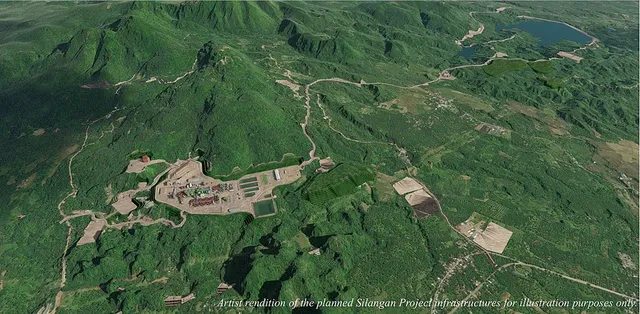
Development works continue in the Silangan Project with the ongoing underground tunneling works, passing the 210 meters mark or about 35% of the distance towards the ore body. Clearing works and access road to the Tailings Storage Facility (“TSF”) area are nearing completion with the issuance of the permit by the Municipality of Sison, Surigao del Norte for the construction of the TSF. Management is in the final stages of evaluating the proposals and is set to award the contract for the Tailings Storage Facility as well as for the process plant under an EPcm arrangement.

The Silangan Copper and Gold Project touted as one of the Big Three mining projects in the country is targeted to commence commercial operations by first quarter of 2025.

November 21, 2023

Weir, a global mining technology leader, is delighted to partner with CEEC International (CEEC) to drive sustainable innovation and improve productivity in mining. In addition to renewing its support as a premium sponsor, Weir will participate in CEEC’s newly launched Global Water Initiative, a groundbreaking collaboration to drive action to ensure responsible water use within the industry.

Water is fundamental to the way in which minerals are processed. However, in some parts of the world there is not enough, and in some parts there's too much. So mining needs to use water wisely. Weir understands this and is developing tailored solutions to help the industry increase water recovery and recycling rates and, where possible, introduce water-free steps within mining processes.

The Global Water Initiative is a critical step towards addressing water management and risk mitigation in mining and the wider resources sector. The initiative, which will drive collaboration and knowledge exchange across industry experts, seeks to build a shared understanding, identify gaps, and outline necessary actions to solve water-related challenges, prioritise sustainable water practices, and support overall improvements in ESG performance.

Andrew Neilson, President of the Minerals Division at Weir, said:

"We are delighted to continue our partnership with CEEC International as we innovate to help our customers provide more of the metals society needs, in more sustainable ways. Water management is an increasingly critical issue in mining and we are excited to work with other stakeholders to drive positive change as part of the Global Water Initiative.”

Janine Herzig, Executive President of CEEC International, added:

"The Global Water Initiative is a vital platform to collectively address water-related challenges within the sector. We are excited to have Weir actively participating in this initiative, which will undoubtedly drive positive transformation in water management practices."

CEEC is an independent global not-for-profit committed to accelerating the adoption of ecoefficient minerals and metals production practices. The objectives of Weir align closely with CEEC's own vision and mission, actively working to provide minerals and metals to society with minimal environmental impact, particularly in terms of water management, emissions, and waste.

CEEC International and Weir invite and encourage industry stakeholders to join the initiative, contribute to the discussions, and collectively shape a more sustainable future for water management within the resources sector.

November 20, 2023

Listed natural resources development firm Nickel Asia Corp. (NAC) (PSE: NIKL) announced its unaudited financial and operating results for the nine-month period ended September 30, 2023.

During the period, the Company recorded an attributable net income (net of minority interest) of P3.6 billion, down 47 percent from P6.9 billion year-on-year. This is on the back of lower nickel ore prices due to the increase in Indonesian nickel production. Further, NAC registered a loss of P379.8 million from its combined equity interests in the two HPAL plants against a profit of P1 billion the year prior due to lower nickel and cobalt prices year-on-year.

Likewise, revenues from sale of ore declined by 15 percent to P16.8 billion from P19.9 billion in the same period last year. Operating mines sold a combined 13 million wet metric tons (WMT) of nickel ore, an improvement of 5 percent compared to the same period the year prior.

The Company exported 7.3 million WMT of saprolite and limonite ore at the average price of $29.15 per WMT during the period against 6.7 million WMT at $38.87 per WMT in the previous year.

Additionally, the Company delivered 5.7 million WMT of limonite ore to the Coral Bay and Taganito HPAL plants, realizing an average price of $10.53 per pound of payable nickel for the nine-month period. This compares to 5.8 million WMT at $11.66 per pound of payable nickel in the same period of the previous year.

As a result, the weighted average nickel ore sales price during the period decreased by 21 percent to $23.24 per WMT from $29.46 per WMT last year. The Company realized P55.64 per US dollar from nickel ore sales, a 3-percent increase from P54.22 year-on-year.

The group’s consolidated earnings before interest, taxes, depreciation, and amortization (EBITDA) amounted to P8.5 billion, a 31-percent decline from the same period last year. This decline was due to the lower revenues and losses incurred from the company’s combined equity interests in the two HPAL plants. It was also due to the higher production volume, which was tempered by a 7 percent reduction in cost per WMT resulting from productivity measures.

“We are seeing a recovery in nickel ore prices since bottoming out in the second quarter due to the recent tightening in Indonesian nickel ore supply. Meanwhile, China’s economy continues to recover with third quarter GDP growth at 4.9 percent, exceeding consensus estimates and indicating that recent policy measures are aiding its recovery. We believe that nickel ore prices will further recover until the end of the year due to the circumstances surrounding Indonesia’s nickel ore supply and China’s economy,” said Martin Antonio G. Zamora, President and CEO.

Renewable Energy

Emerging Power, Inc.’s (EPI) subsidiary, Jobin-SQM Inc. (JSI), increased its electricity generation by 36 percent to 106,032-megawatt hours and revenues by 34 percent to P529 million during the nine-month period, operating at 100-MWp compared to the same period from last year of 62-MWp. JSI is currently constructing an additional 72-MWp solar farm in its existing Sta. Rita site and is on track to go online by the end of 2023.

JSI’s EBITDA margin remains strong at 84 percent, with EBITDA rising by 34 percent to P442 million compared to the same period last year.

Furthermore, the pre-development activities for EPI’s second long-term lease agreement with Subic Bay Metropolitan Authority is expected to be completed by year-end while the construction of a 145-MWp solar plant is expected to begin thereafter.

Furthermore, Greenlight Renewables Holdings, Inc., EPI’s joint venture with Shell Overseas Investments B.V., has started the construction of its first project located in Leyte for the first phase of a 120-MWp solar plant in the third quarter of 2023.

Special Cash Dividend

The Company’s Board of Directors approved the declaration of a special cash dividend of P0.07 per share of common stock, payable on Dec. 7, 2023, to shareholders of record on Nov. 24, 2023.

November 20, 2023

The consolidated gross revenues for the nine months of 2023 (ending September 30) of Apex Mining Co., Inc. and its subsidiaries reached P8.7 billion — 17% higher than the P7.5 billion it reported for the same period in 2022. The consolidated net income, however, was lower by 6% at P2.3 billion compared to P2.5 billion as of 30 September 2022. Its Q3 2023 net income earned grew higher by P129.6 million or 14% versus the third quarter net income in 2022.

Still as of 30 September, the combined operations of Apex Mining’s Maco mine in Davao de Oro and the Sangilo mine in Benguet (operated by its subsidiary Itogon-Suyoc Resources) milled a total of 701,713 tonnes — 2% higher than the same period in 2022. The consolidated gold ounces sold by these two operating mines for the three quarters of this year reached 77,652 (6% higher than the same period in 2022 at 73,219 ounces).

The Maco mine, despite encountering many challenges in Q1 2023, maintained an 87% gold recovery rate in its Maco ore processing plant — practically the same as 2022’s. The higher average realized gold price of $1,913/oz during the year (versus $1,817/oz in 2022) and favorable Philippine Peso to US Dollar exchange rate also helped push the revenues up in 2023.

ISRI’s Sangilo mine milled 104,270 tonnes in the first three quarters of 2023, 15% higher than the tonnes milled in the same period in 2022, at a grade of 3.51 grams per tonne of gold. Gold recovery rate was 86%.

Based on the Mine Reserves and Resource Certifications of 2021, Apex Mining’s Maco Mine has enough reserves and resources to continue at the targeted production rate of 3,000 tonnes per day until 2032. The ongoing exploration program for MPSA 225 and the acquisition of the Asia-Alliance Mining Resources Corp. shores up Apex Mining’s future gold resources as the extensions of existing mining veins in Maco Mine spill over to the tenements of AAMRC.


Article courtesy of the Philippine Stock Exchange

November 19, 2023

Philex Mining Corporation (PSE: PX) (the “Company” or “Philex”), one of the oldest and largest gold and copper producers in Southeast Asia, and a leader in right and principled mining, posted a core net income of Php163 million for 3Q2023, reporting a 9M2023 core net income of Php864 million. Core net income for 3Q2022 was at Php210 million while core net income for 9M2022 was at Php1.543 billion.

EBITDA of Php337 million for 3Q2023 is lower compared to the Php611 million EBITDA for 3Q2022 while the 9M2023 EBITDA of Php1.525 billion was lower compared to Php2.964 billion of 9M2022.

Gold and copper prices remained within similar levels as those of 2Q2023 at USD1,927 per ounce and USD3.73 per pound, respectively, but higher at 13% and 3%, respectively, compared with 3Q2022 prices of USD1,701 per ounce for gold and USD3.61 per pound for copper.

PRODUCTION

The Company milled a total of 1.693 million tonnes during 3Q2023, lower than the 1.873 million tonnes milled in 3Q2022 and the 1.825 million tonnes milled in 2Q2023. Total tonnage milled for 9M2023 was at 5.225 million tonnes, slightly lower than the 5.554 million tonnes in the same period last year. Ore grades for gold and copper for 3Q2023 are opportunistically almost the same when compared with the same period in 3Q2022, as well as with 2Q2023 and even 1Q2023. Gold output for 3Q2023 dipped to 8,775 ounces, lower than the 10,300 ounces of 2Q2023 and the 12,144 ounces of 3Q2022.

Copper output for 3Q2023 at 5.223 million pounds was also lower than the 5.642 million pounds of 2Q2023 and the 6.382 million pounds in 3Q2022.

Total gold output for 9M2023 stood at 29,136 ounces while copper output was at 16.396 million pounds, lower by 22% and 14%, respectively when compared with the same period in 2022.

OPERATING EXPENSES

Operating costs and expenses for 3Q2023 at Php1.634 billion were lower than the same period in 3Q2022 at Php1.800 billion and the Php1.701 billion in 2Q2023. This was due to the lower tonnage milled and continued implementation of efficiency measures in operations which mitigated the increases in the purchase costs of the materials and supplies, as well as equipment parts and repairs. Power costs however continued to raise operating expenses despite lower production level.

Total operating costs and expenses for 9M2023 at Php4.972 billion was lower, as expected, than the Php5.118 billion for the same period in 2022.

SILANGAN PROJECT

Development works continue on the Silangan Copper and Gold Project (“Silangan”) in Surigao del Norte with the ongoing tunneling works, breaching more than 35% of the distance towards the ore body. Clearing works and access road to the tailings storage facility (“TSF”) area are nearing completion with the issuance of the permit by the Municipality of Sison, Surigao del Norte for the construction of the TSF. Management is set to award the general contract works for the tailings storage facility as well as the process plant EPCM or EPC contractor this November 2023. Likewise, the project footprint area had been secured.

On community and Government relations, Silangan has never been more involved with its host and neighboring communities. Close partnerships with local government units started decades ago and will continue to be nurtured.

The Company is set to sign this month the syndicated debt facility that will complete the funding requirements of Silangan. The debt syndication is led by BDO Capital and Investment Corporation and aims to raise a minimum of US$100 million. This new credit facility completes the full funding of Silangan after last year’s stock rights offering (SRO) and the capital infusion from the Company out of its cash reserves.

OUTLOOK

Despite the challenges faced in the first nine months of the year, our outlook still remains positive, given the new mining opportunities ahead of the Company.

Philex President and CEO Eulalio B. Austin Jr. said that, aside from exploring the vicinity of Padcal Mine, the Company is also studying the viability of exhausting reserves in the Padcal under the current drain tunnel, which could again extend Padcal’s mine life beyond 2027. The drain tunnel services all the water from the mine towards the TSF.

“If the study yields positive results, this could further extend Padcal’s mine life beyond 2027. Hopefully, we can have the initial results by the end of the year,” Austin said. “Meanwhile at Silangan, we are progressing with the driving of the decline to access the ore body which we expect to reach by the second half of 2024.”

According to Philex Chairman Manuel V. Pangilinan, the Company is also looking at expanding into nickel mining to meet the increasing demand of the mineral by the electric vehicle industry. “We are prospecting for nickel resources to develop in this country because the future for electric vehicles is bright, so we have to be in well-positioned for this opportunity.” Pangilinan said.

Pangilinan also emphasized that “in many respects, sustainability rests on green technology – and by extension, reliance on mining would continue.”


Article courtesy of the Philippine Stock Exchange 

November 19, 2023

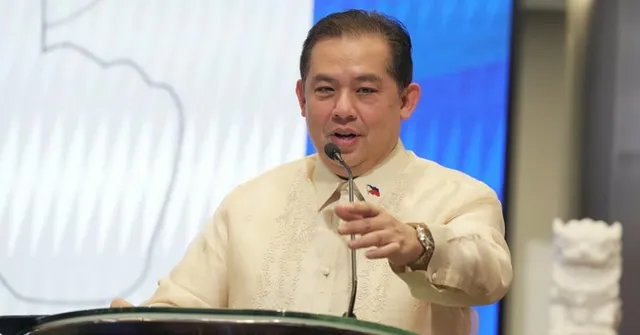
House Speaker Ferdinand Martin G. Romualdez on Thursday said the signing of two agreements on nuclear cooperation constitute a significant stride towards providing Filipinos with cheaper, cleaner and sustainable electricity.

Romualdez made this remark as he witnessed the signing of a groundbreaking cooperative agreement between Meralco and Ultra Safe Nuclear Corporation (USNC) which will pave the way for the deployment of Micro Modular Reactors (MMRs) in the Philippines.

The Philippines is also set to sign with the US government the 123 nuclear deal or the “peaceful nuclear cooperation agreement” on the sidelines of the President Ferdinand R. Marcos Jr.’s participation in the Asia Pacific Economic Cooperation (APEC) Summit in San Francisco.

"The partnership between Meralco and USNC is a game-changer for the Philippines' energy landscape. Micro Modular Reactors represent a paradigm shift in delivering cheap, safe, reliable, and scalable nuclear energy,” Romualdez said.

“This initiative aligns with our President Marcos Jr.’s commitment to diversify our energy sources to fuel economic growth and at the same time address the challenges of climate change," he added.

Under the agreement, a feasibility study will be conducted for the potential deployment of MMRs in Meralco sites aimed at enforcing the sustainable energy agenda and providing affordable and dependable access to power, particularly to the underserved and off-grid areas, for economic empowerment.

The study would enable Meralco to obtain an estimate of the environmental and social impact, capital expenditure and operational costs, among others, related to the siting, construction and operation of one or more MMR energy systems in the Philippines.

Romualdez said the Meralco-USNC cooperative agreement will facilitate a comprehensive pre-feasibility study to assess the potential for deploying MMRs in the Philippines.

He said the parallel landmark 123 Nuclear Agreement marks a significant milestone in fostering a strategic partnership to enhance the Philippines' energy capabilities.

"Today marks a significant leap forward in our journey towards a sustainable and resilient energy future. These agreements are a testament to our shared commitment to advancing technology and fostering collaborations for the greater good of our nation and the global community," he added.

The “123 Agreement” will provide the legal basis for civil nuclear energy cooperation and allow the export of nuclear fuel, reactors, equipment and special nuclear material from the US to the Philippines.

Romualdez also welcomed the signing of agreement between the Ayala Healthcare Holdings, Inc. and US-based Varian Medical Systems to improve access to quality cancer care in the Philippines by sharing their expertise in establishing and running the Philippines’ first dedicated specialty oncology hospital.

“This collaboration between AC Health and Varian Medical Systems is a significant stride towards enhancing cancer care in our country," he said.

Romualdez said the combined strengths of a respected healthcare provider and a global leader in medical technology would create a positive and lasting impact on the lives of many Filipinos affected by cancer.

Under the agreement, the Healthway Cancer Care Hospital of AC Health will serve as the hub of a network of oncology clinics strategically located throughout Metro Manila. This hub-and-spoke model will make it easier for patients to access comprehensive cancer care regardless of their location.

The parties to the agreement will also collaborate on research and innovation to improve the diagnosis, treatment and prevention of cancer, which is among the leading causes of death in the Philippines.

In 2023, cancer became the third leading cause of death in the Philippines, with about 141,021 new cancer cases and 86,337 cancer deaths every year.

“The potential benefits this groundbreaking agreement brings to Filipino cancer patients are aligned with the priorities the House of Representatives, which include initiatives to help victims of this dreaded disease in our country,” Romualdez said.

Romualdez also lauded the joint venture between Lloyd Laboratory and DIFGEN Pharmaceuticals for product development of a sterile solution and marketing of the product for export to the United States.

The partnership aims to position the Philippines as a key player in pharmaceutical products exports.

November 19, 2023

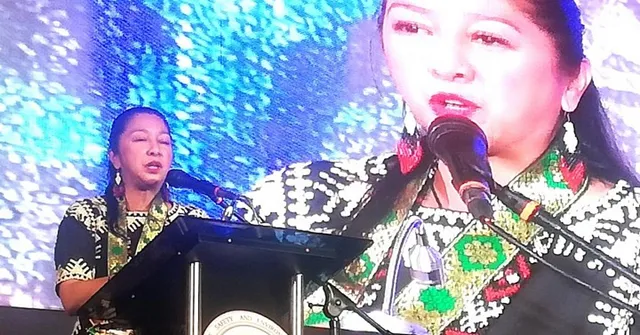
An official of the National Commission on Indigenous Peoples (NCIP) on Wednesday said they are not opposed to mining projects and developments but only want to be consulted on all stages of a project.

NCIP chairperson Jennifer Pia Sibug-Las, during the Community Relations (ComRel) Conference of the four-day Philippine Mine Safety and Environment Association (PMSEA) Conference that started at the Cap Convention and Trade Center in Camp John Hay on Tuesday, said IPs recognize that mining and other development projects can contribute to an improved livelihood and economic stability for the sector.

She said mining companies and other development projects empower communities through sustainable practices, foster self-determination, and enhance the capacity to engage in decision-making processes that affect their lives and resources -- the reason for the need to be consulted because it involves the land and the rights of the IPs.

“We just want to be treated as equals, your co-equal in the development of this country,” she said.

Sibug-Las urged companies to always pay preferential attention and consideration to cultural sustainability, safety, security and stability.

She also mentioned that NCIP has limitations in its task to improve the condition of the IPs and ICCs.

“We cannot on our own help everybody. We recognize you, the industry players, the ComRel officers, as the possible source of a better future, a clearer future for the new Philippines not only for the Filipinos but for the IPs,” asded Sibug-Las, a Manobo princess who is also the commissioner in charge for Central Mindanao.


Article courtesy of the Philippine News Agency